Our verdict
Set within Ribe's medieval core, Postgaarden occupies a historic address at Nederdammen 36 that frames any meal in centuries of Danish civic life. The kitchen draws on the region's proximity to the Wadden Sea and southern Jutland farmland, and the mood shifts noticeably between a relaxed daytime service and a more composed evening format. For visitors moving through Denmark's oldest town, it functions as a reliable anchor in a compact but serious local dining scene.

Pearl is the En Primeur Club membership app — saves, bookings, and concierge access live there. Same editors, same standards.
- Address
- Nederdammen 36, 6760 Ribe, Denmark
- Phone
- +4575410112
- Website
- postgaarden-ribe.dk
- Directions
- Get directions
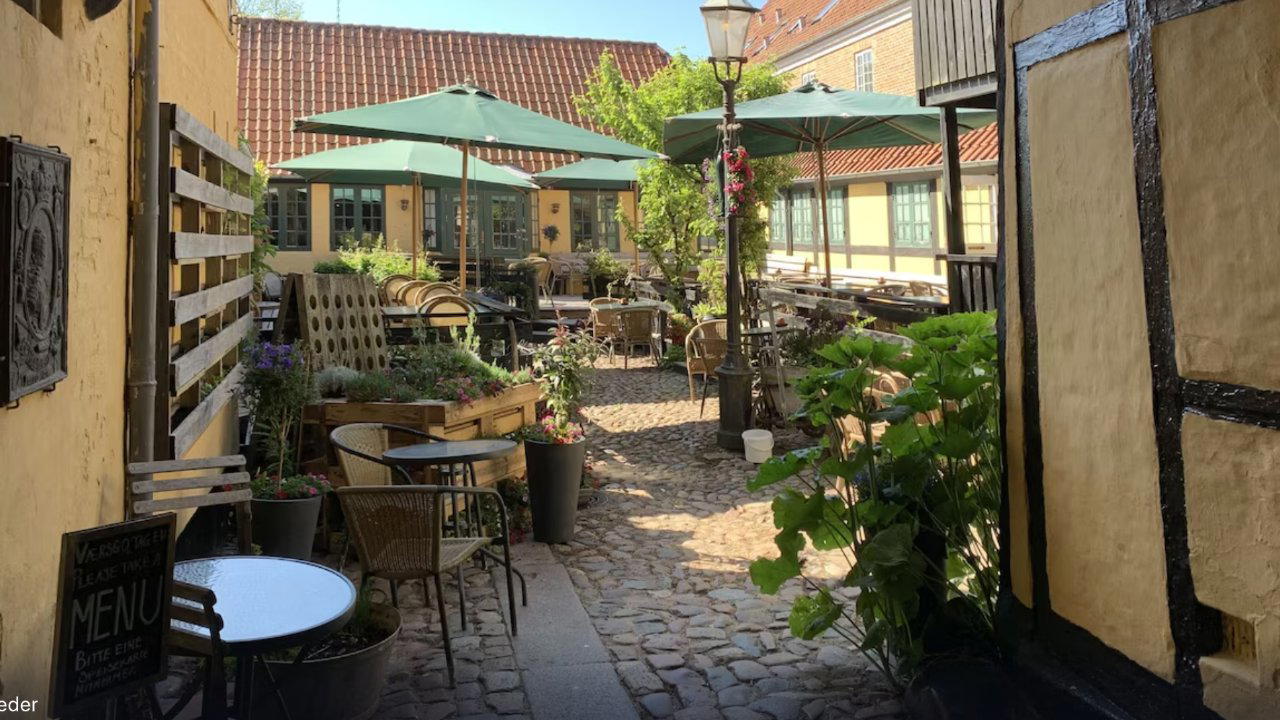
Dining in Denmark's Oldest Town
Ribe holds a particular position in Danish cultural geography. Founded around 700 AD, it is the oldest surviving town in Denmark, and its compact medieval centre, ringed by the Ribe Å river, has been preserved with a degree of architectural integrity that makes most other provincial Danish towns look recent by comparison. The dining scene here is not large, but it is coherent: a handful of addresses that orient themselves around local produce from the Wadden Sea coast and the agricultural hinterland of southern Jutland, and a visitor base that skews toward the historically curious rather than the gastronomy-focused traveller. Postgaarden, at Nederdammen 36, sits inside that context. Its address places it within walking distance of the Ribe Cathedral and the town's main pedestrian routes, which means it absorbs both the lunch crowd passing through and the dinner trade from guests staying overnight in or near the old town.
For broader orientation across Denmark's serious fine dining addresses, the reference points are Geranium in Copenhagen, Jordnær in Gentofte, and Frederikshøj in Aarhus. Provincial kitchens operating at a strong regional level include Henne Kirkeby Kro in Henne, Alimentum in Aalborg, ARO in Odense, Domæne in Herning, Dragsholm Slot Gourmet in Hørve, Frederiksminde in Præstø, and LYST in Vejle. Postgaarden operates below that formal fine dining tier, but it competes within a local set that includes Café Sallys, Hr. Skov - Huset Ribe, Hviding Pizzeria og Restaurant, Jacob A. Riis, and Kammerslusen.
The Lunch and Dinner Divide
In smaller Danish towns, the difference between lunch and dinner service is often more meaningful than in cities, where kitchens can maintain consistent throughput across the day. Ribe's visitor pattern is distinctly daytime-heavy: most tourists arrive by mid-morning, spend several hours in the cathedral and surrounding streets, and either eat before departing or stay into the early evening. This creates a natural pressure on lunch service, which at establishments like Postgaarden tends to function in a looser, more accessible register, oriented toward the quick-turnaround visitor who wants something grounded and satisfying rather than a deliberate progression of courses.
Evening service, by contrast, draws a different composition: overnight guests at the town's hotels and guesthouses, local residents marking occasions, and a smaller number of visitors who have planned specifically around a dinner booking. The mood in the dining room shifts accordingly. Daytime light in Ribe's historic buildings, with their thick walls and modest windows, gives lunch a particular quality, informal and a little transient. After dark, that same architecture becomes more considered, the room quieter, the pacing slower.
For those planning around the lunch window specifically, Café Sallys represents the more casual end of the local spectrum, while Hr. Skov - Huset Ribe pitches itself at a slightly more composed register. Kammerslusen, situated at the old sluice gate outside the town centre, draws more deliberately on the Wadden Sea setting and skews toward dinner.
Southern Jutland on the Plate
The geography around Ribe shapes what ends up in local kitchens. The Wadden Sea coast, designated a UNESCO World Heritage Site, supplies seafood with a specific character: North Sea flatfish, shellfish from the tidal flats, and in season, migratory birds that have long featured in southern Jutland cooking traditions. Inland, the marshland and heath agriculture of the region produces lamb with a distinct salinity from salt-grass grazing, a product that has acquired genuine culinary recognition at a national level. Danish kitchens, even outside the metropolitan fine dining circuit, have absorbed the Nordic produce-first logic that Geranium in Copenhagen helped codify at the highest tier. At the provincial level, this translates into menus that privilege seasonal availability and regional sourcing rather than imported luxury ingredients.
The dining comparisons available locally reflect this: Jacob A. Riis and Hviding Pizzeria og Restaurant represent different points on the local spectrum, one more rooted in Danish tradition, the other more international in format. Postgaarden's position within that set is not fully documented in available data, but its address in the historic core suggests an orientation toward the visitor-facing, traditionally grounded end of the market rather than experimental or international formats.
Planning a Visit
Ribe is accessible by rail from Esbjerg, approximately 35 kilometres to the northwest, and by road from the E20 motorway that connects Hamburg to the Danish interior. The town is compact enough that Nederdammen 36 is reachable on foot from any central accommodation within a few minutes. For visitors building a broader Ribe itinerary, our full Ribe restaurants guide maps the complete local dining picture. For those making the trip from further afield and looking for a reference point on Danish dining ambition at a different scale, Atomix in New York City and Le Bernardin in New York City illustrate what serious tasting-format dining looks like at its most technically developed, a useful contrast when calibrating expectations for a provincial Danish setting.
The summer months, roughly June through August, represent peak tourist volume in Ribe, and local restaurants adjust accordingly. If the preference is for a quieter room and more attentive pacing, the shoulder season, particularly May and September, offers the same culinary window without the same footfall.
Frequently asked questions
Where exactly is Postgaarden?
Postgaarden is located at Nederdammen 36, 6760 Ribe, Denmark, Ribe.
Is Postgaarden worth visiting if I am already making a day trip to Ribe from Esbjerg?
Ribe sits roughly 35 kilometres southeast of Esbjerg by road or rail, and Nederdammen 36 is within the medieval core that most visitors cover on foot. For anyone already in the historic quarter, Postgaarden represents a practical option for a meal without extending the itinerary.
What should I order at Postgaarden?
That said, its address on Nederdammen places it squarely within reach of Wadden Sea suppliers, and kitchens across the Ribe area tend to feature coastal seafood and Southern Jutland produce. Asking staff what is fresh that day is a reasonable starting point at most restaurants in this part of Jutland.
Can I walk in to Postgaarden?
Walk-in availability at Postgaarden is not confirmed, and Ribe draws considerable visitor numbers during summer given its standing as Denmark's oldest town. Contacting the venue directly before arriving is advisable, particularly if you are visiting on a weekend or during peak season between June and August.
Cuisine-First Comparison
A compact comparison to help you place this venue among nearby peers.
| Venue | Cuisine | Price |
|---|---|---|
| PostgaardenThis venue — the venue you are viewing | Danish Pub & Café | Not listed |
| Kammerslusen | Danish Seasonal Seafood | $30–50 |
| Weis Stue | Classic Danish | $30–50 |
| Hr. Skov - Huset Ribe | Danish Brasserie Café | $20–30 |
| KOLVIG By Skovmose | Modern Danish with Scandinavian influences | Not listed |
| Jacob A. Riis | Danish Steakhouse & Brasserie | $20–30 |

Details
- Cozy
- Rustic
- Historic
- Casual Hangout
- Courtyard
- Historic Building
- Beer Program
- Garden
- A La Carte
- Beer Program
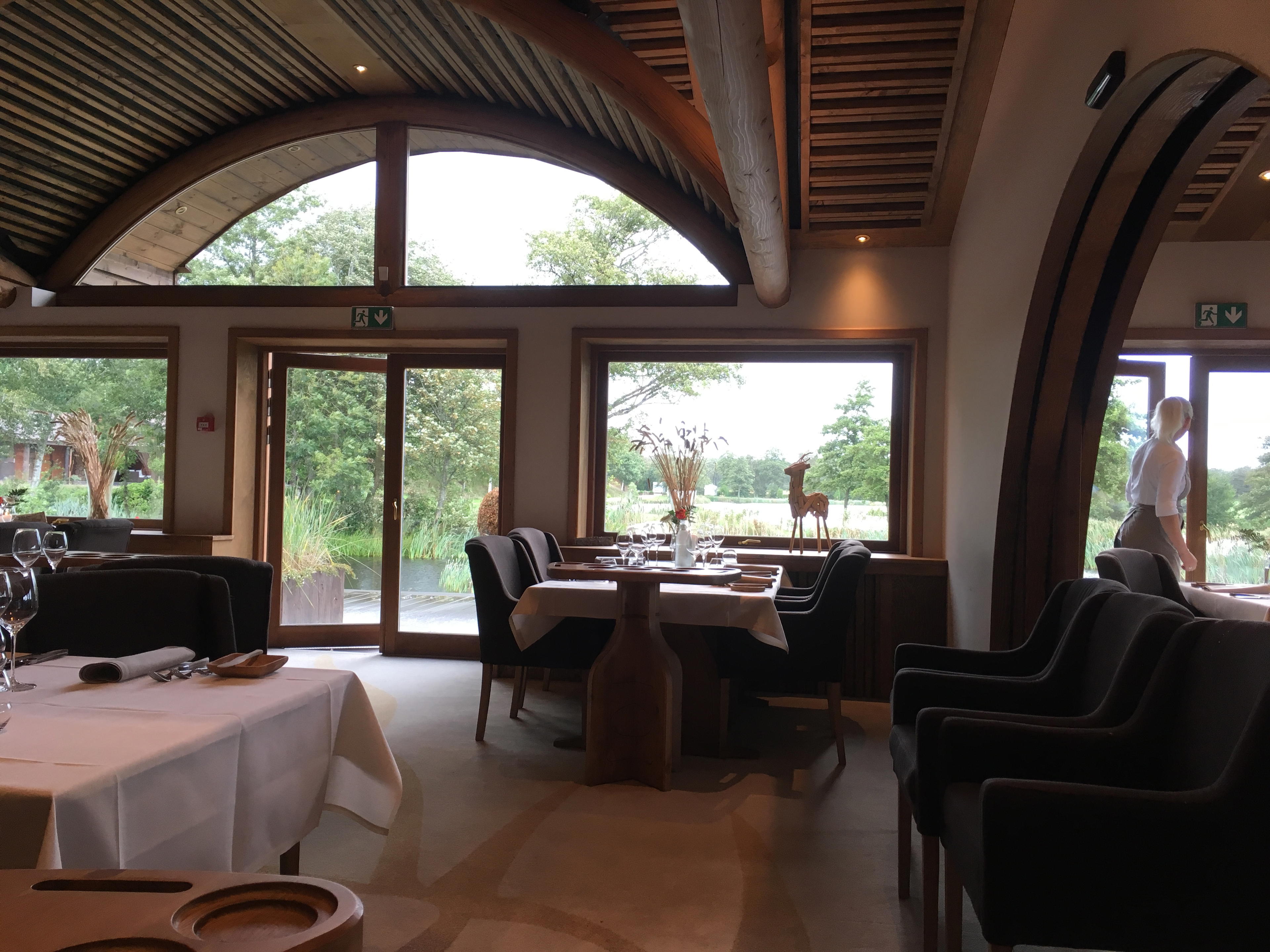
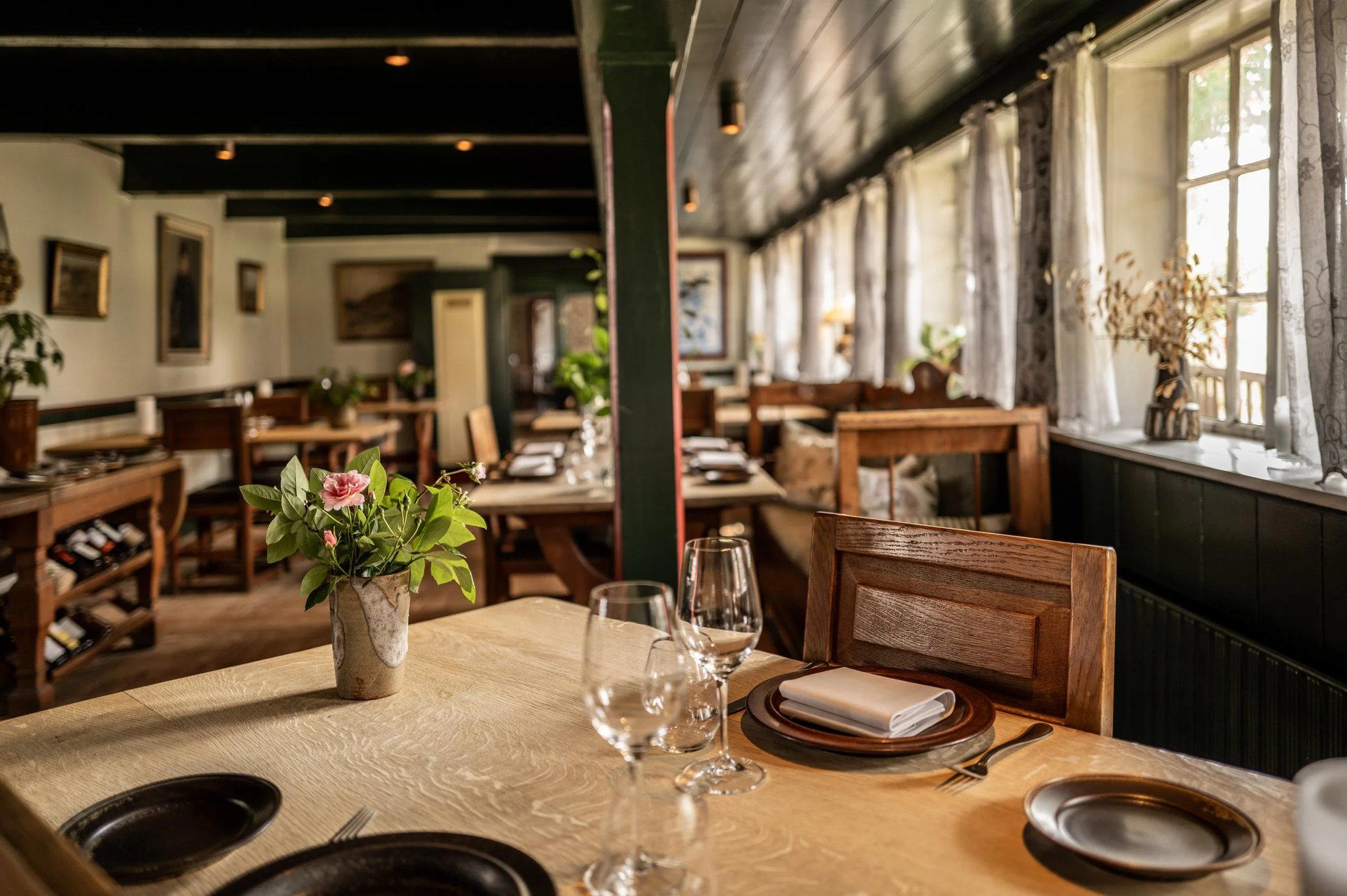
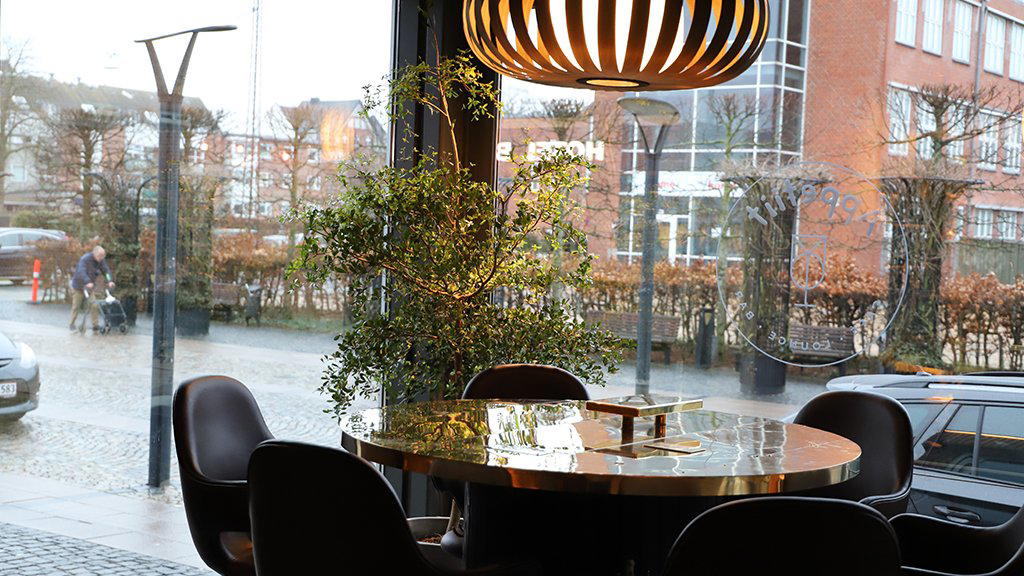
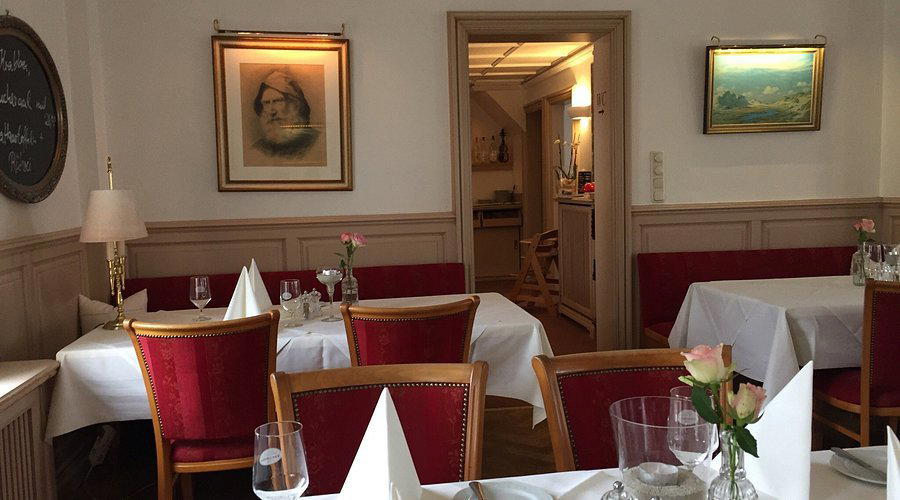
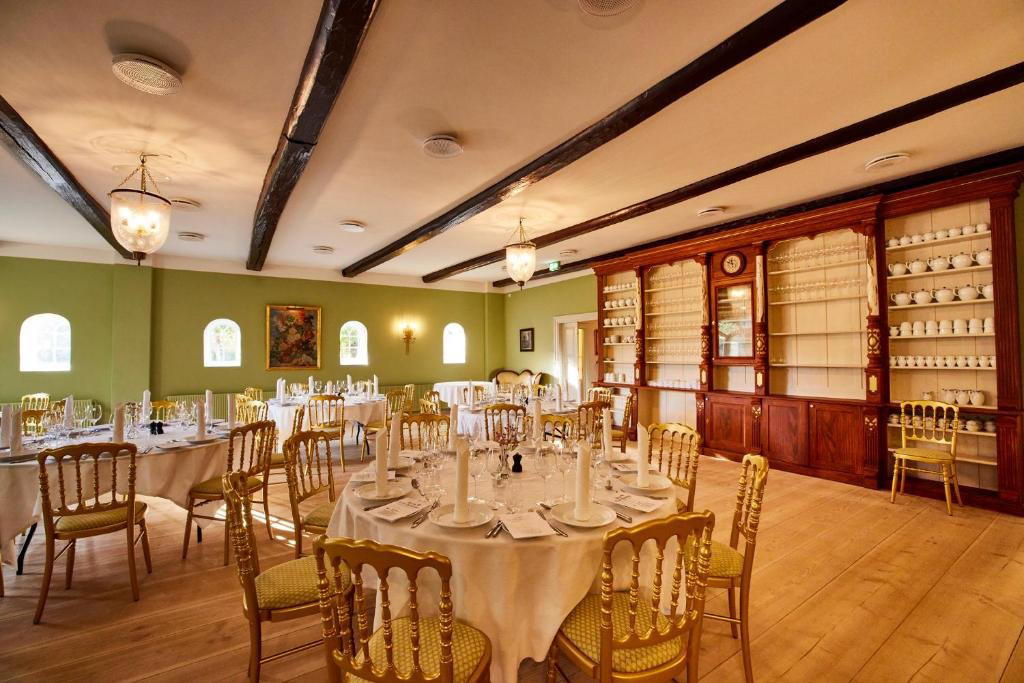
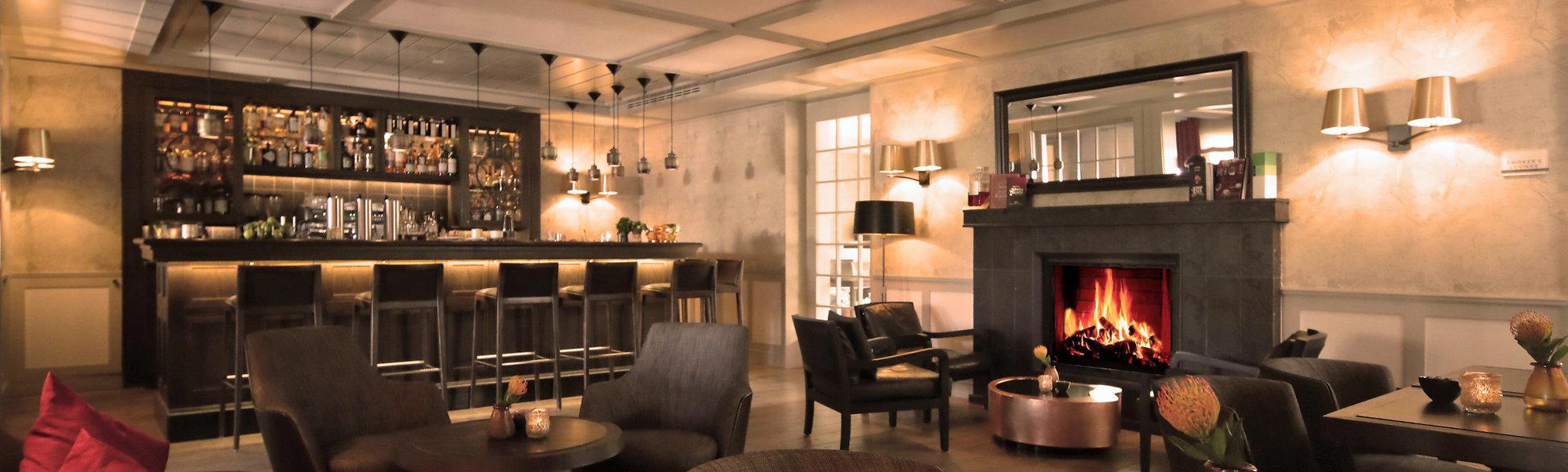
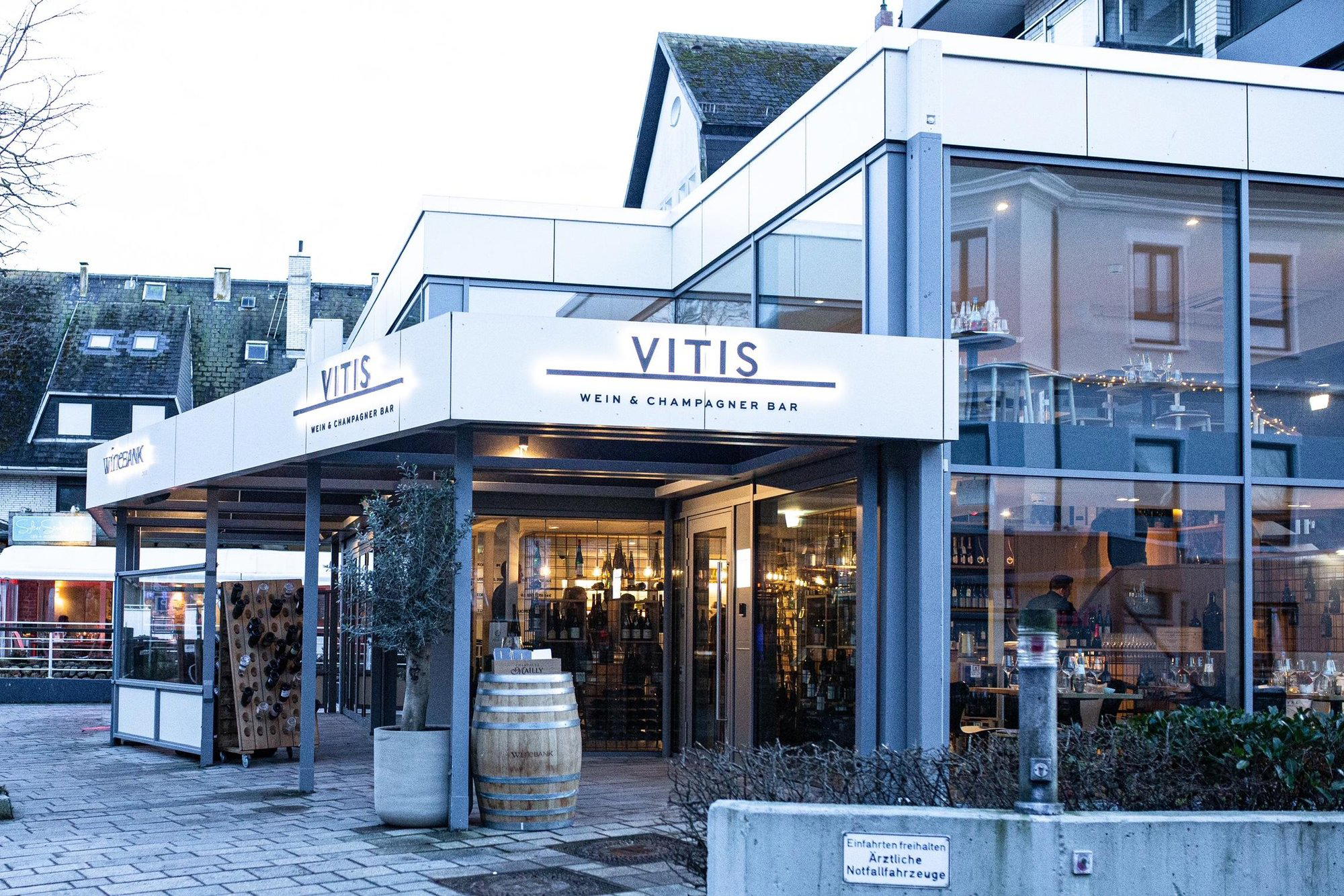
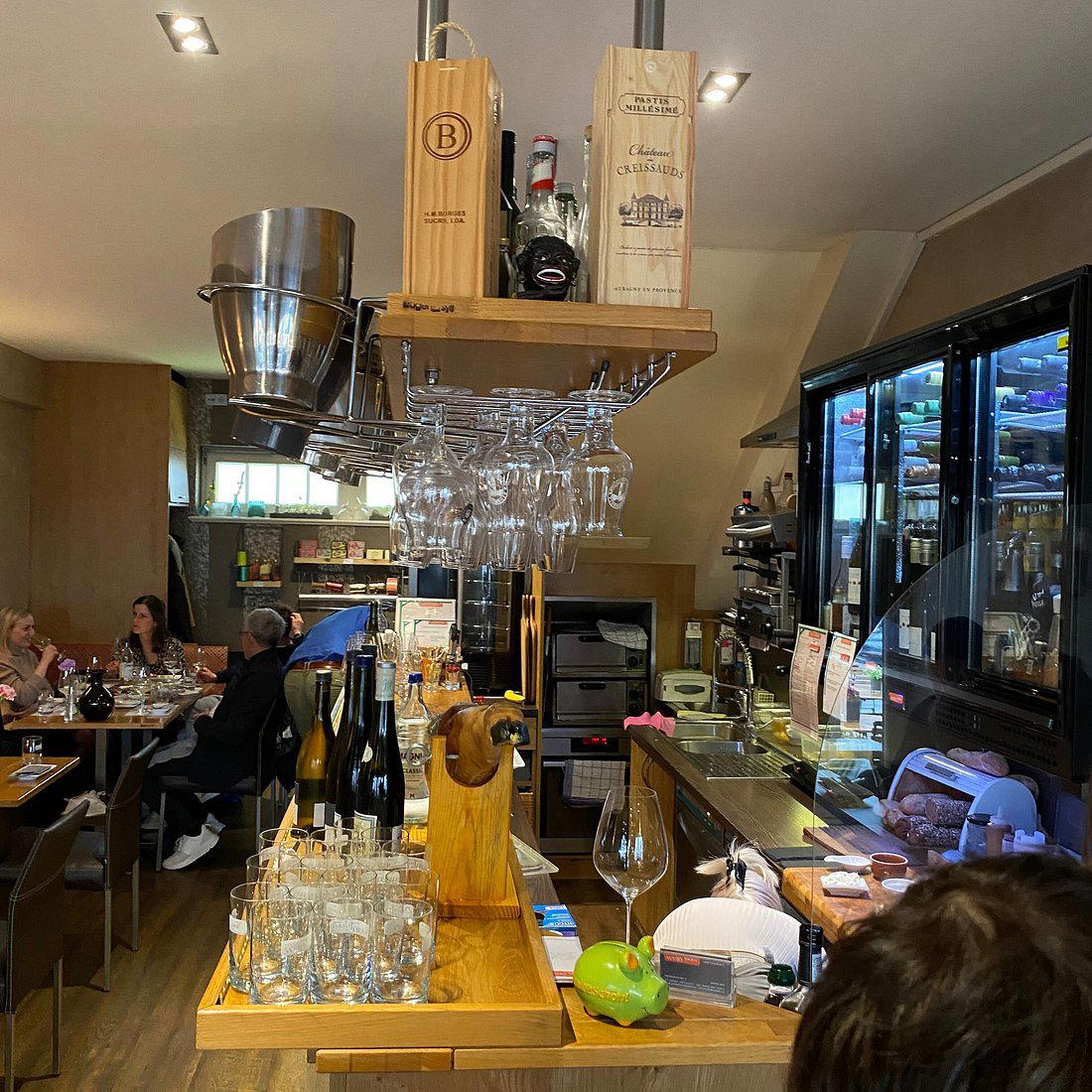
Cozy surroundings with centuries-old beams, inner courtyard garden seating, and eclectic old-town decor.