Mongolian Barbeque sits on Sct Peders Gade in Ribe, Denmark's oldest market town, offering an interactive grilling format that puts ingredient selection and heat control in the diner's hands. In a city where medieval architecture defines the streetscape and most dining leans toward traditional Danish fare, this format represents a deliberate departure. It occupies a distinct niche in Ribe's compact restaurant scene.
Pearl is the En Primeur Club membership app — saves, bookings, and concierge access live there. Same editors, same standards.
- Address
- Sct Peders Gade 2, 6760 Ribe, Denmark
- Phone
- +4575446650
- Directions
- Get directions
 Saves & bookings on Pearl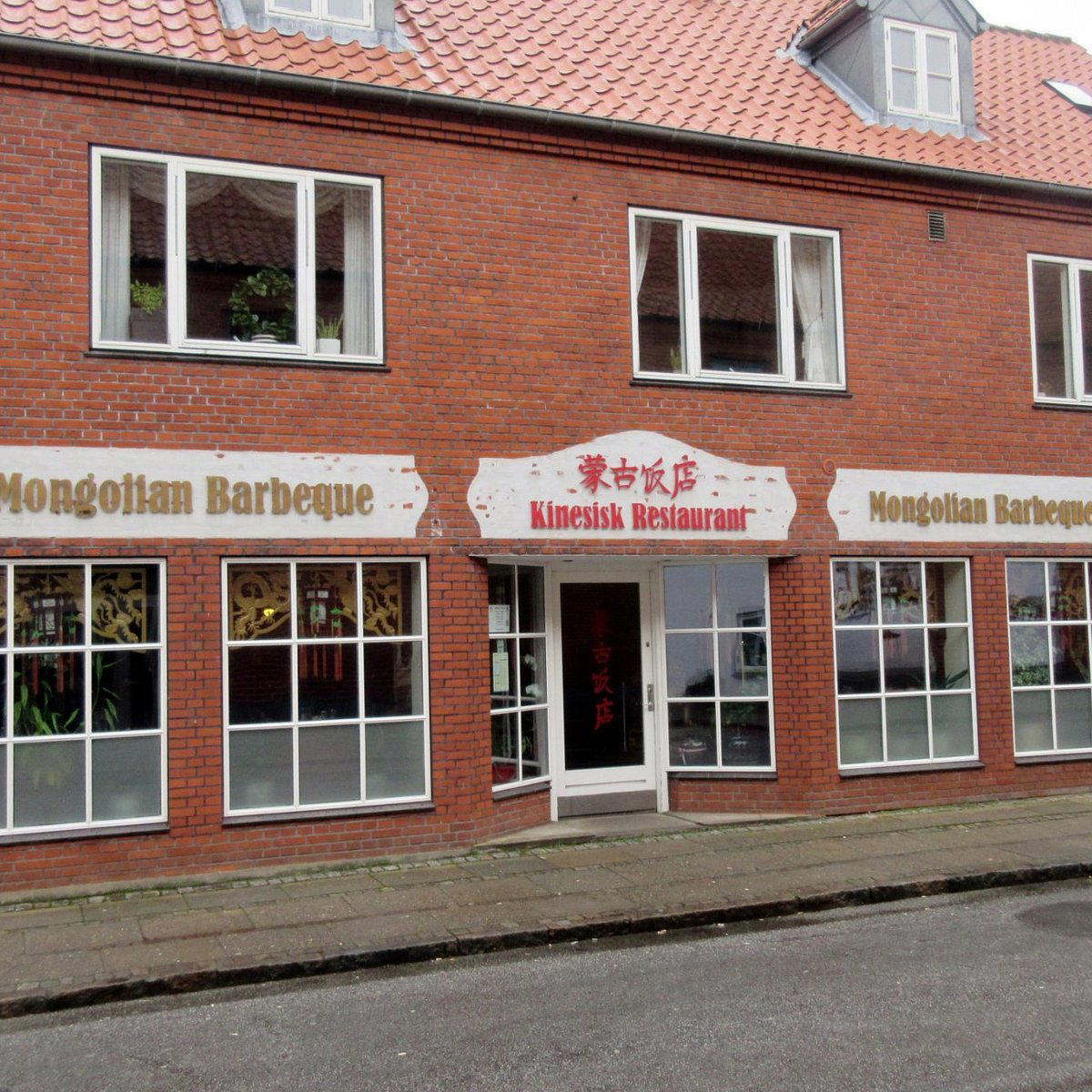
An Interactive Format in Denmark's Oldest Town
Ribe's dining scene is shaped by its geography and its history. Denmark's oldest surviving town draws visitors through its cathedral, its Viking-era streets, and a scale that keeps everything walkable and intimate. The restaurant choices here reflect that intimacy: a tight cluster of venues serving a mix of locals and tourists, ranging from traditional Danish cooking at places like Hr. Skov - Huset Ribe to the neighbourhood warmth of Café Sallys. Against that backdrop, the Mongolian barbeque format occupies a clearly different register: participatory, high-heat, and built around the diner assembling their own bowl before it hits the grill.
The Mongolian barbeque format itself has an interesting history that separates it from the cuisine it nominally references. Despite the name, the style as practised across restaurants globally is largely a Taiwanese-American invention, popularised in the 1970s as a theatrical dining format where guests select raw ingredients from a buffet line and hand them to a cook who stirs them across a large circular iron griddle. The format spread because it solves a specific hospitality problem: it distributes choice, compresses service time, and creates visible cooking as entertainment. In a small Danish city where most menus are fixed and pace is unhurried, this is a structurally different proposition.
Where It Sits in Ribe's Restaurant Mix
Ribe's restaurant options are modest in number but cover a reasonable range. Jacob A. Riis and Kammerslusen anchor the more traditionally Danish end of the spectrum, while Hviding Pizzeria og Restaurant covers the casual international lane. Mongolian Barbeque, on Sct Peders Gade, sits in the latter category, though its format is more interactive than most casual alternatives in the city. The address places it centrally, within easy reach of the cathedral and the main pedestrian routes that most visitors follow through town.
For a city this size, the presence of an interactive grill format is notable. Most provincial Danish towns of Ribe's scale support only one or two restaurants operating outside the Danish kitchen tradition, and those tend toward pizza or kebab. A restaurant format is a rarer find at this level of the market, which gives the venue a degree of functional novelty for visitors looking for something other than open-faced sandwiches or smoked fish.
Denmark's broader restaurant culture has moved significantly toward New Nordic frameworks in the past two decades. That movement is most visible at the summit of the market, at venues like Geranium in Copenhagen or Jordnær in Gentofte, and at regional anchors like Frederikshøj in Aarhus and Henne Kirkeby Kro in Henne. Below that tier, the provincial dining scene remains less transformed. International formats coexist with traditional Danish cooking in smaller towns without the same pressure to conform to a dominant culinary identity. The restaurant in Ribe sits comfortably in that middle tier, outside the New Nordic conversation but operating in a town where diners are often as interested in simplicity and familiarity as in culinary positioning.
The Format and What It Demands from the Room
The restaurant as a service format places unusual demands on the front-of-house team. The diner-directed element of the meal means staff need to be fluent guides rather than order-takers: explaining ingredient combinations, managing queue flow at the grill station, and maintaining pace during busy service without the format collapsing into confusion. In smaller operations, the line between kitchen and floor blurs. The person manning the grill is simultaneously cook and showpiece, a dynamic that differs substantially from a conventional table-service restaurant where kitchen and dining room operate in separate spheres.
This team dynamic is worth noting because it shapes the experience more than individual dish quality does. When the grill operator reads the room well and coaches less experienced diners through their choices, the format works. When it doesn't, the meal becomes an awkward self-service exercise. The format's success is therefore as much a function of floor intelligence as culinary skill, a distribution of competence across the whole team rather than concentrated in a single chef.
For context, this kind of distributed team performance is what separates the format from, say, the tightly choreographed front-of-house systems at destination restaurants like LYST in Vejle or Alimentum in Aalborg, where the brigade structure is more clearly delineated. At the interactive grill end of the market, informality is part of the offer, and the team's warmth and responsiveness often determines whether a meal feels like a communal event or a procedural one.
Planning Your Visit
The restaurant is located at Sct Peders Gade 2, centrally positioned within Ribe's old town and walkable from the cathedral and main visitor sites. Current hours are Monday 5 to 9:30 PM, Tuesday through Sunday 5 to 9 PM, and reservations are recommended. The format tends to work well for groups and families, given its participatory nature and the ability for each diner to control their own ingredient choices.
Visitors spending more time in the region with an appetite for higher-commitment dining should note that southern Jutland connects reasonably to options like Domæne in Herning or, further afield, Dragsholm Slot Gourmet in Hørve and Frederiksminde in Præstø for those continuing toward Zealand. For a global reference point on what interactive formats look like at the summit of the market, the tasting-counter model at Atomix in New York City or the precision service at Le Bernardin in New York City illustrate how radically different the high-end execution of participatory or chef-driven formats can be from the casual grill format here. ARO in Odense represents a closer regional reference for those curious about what Danish fine dining looks like at scale outside Copenhagen.
Price and Recognition
Comparable venues nearby, for context on price, style, and recognition.
| Venue | Cuisine | Price | Notes |
|---|---|---|---|
| Mongolian BarbequeThis venue — the venue you are viewing | Ribe, Mongolian Barbecue | $$ | Not listed |
| Mama Mia Pizza | Not listed | $$ | Ribe town center, Italian Pizza & Casual Grill |
| Postgaarden | Ribe Old Town, Danish Pub & Café | $$ | Not listed |
| Hviding Pizzeria og Restaurant | Ribe center, Italian Pizza | $$ | Not listed |
| Hr. Skov - Huset Ribe | central Ribe, Danish Brasserie Café | $$ | Not listed |
| Vægterkælderen | Torvet, Traditional Danish Cellar Bistro | $$ | Not listed |
Continue exploring
More in Ribe
Restaurants in Ribe
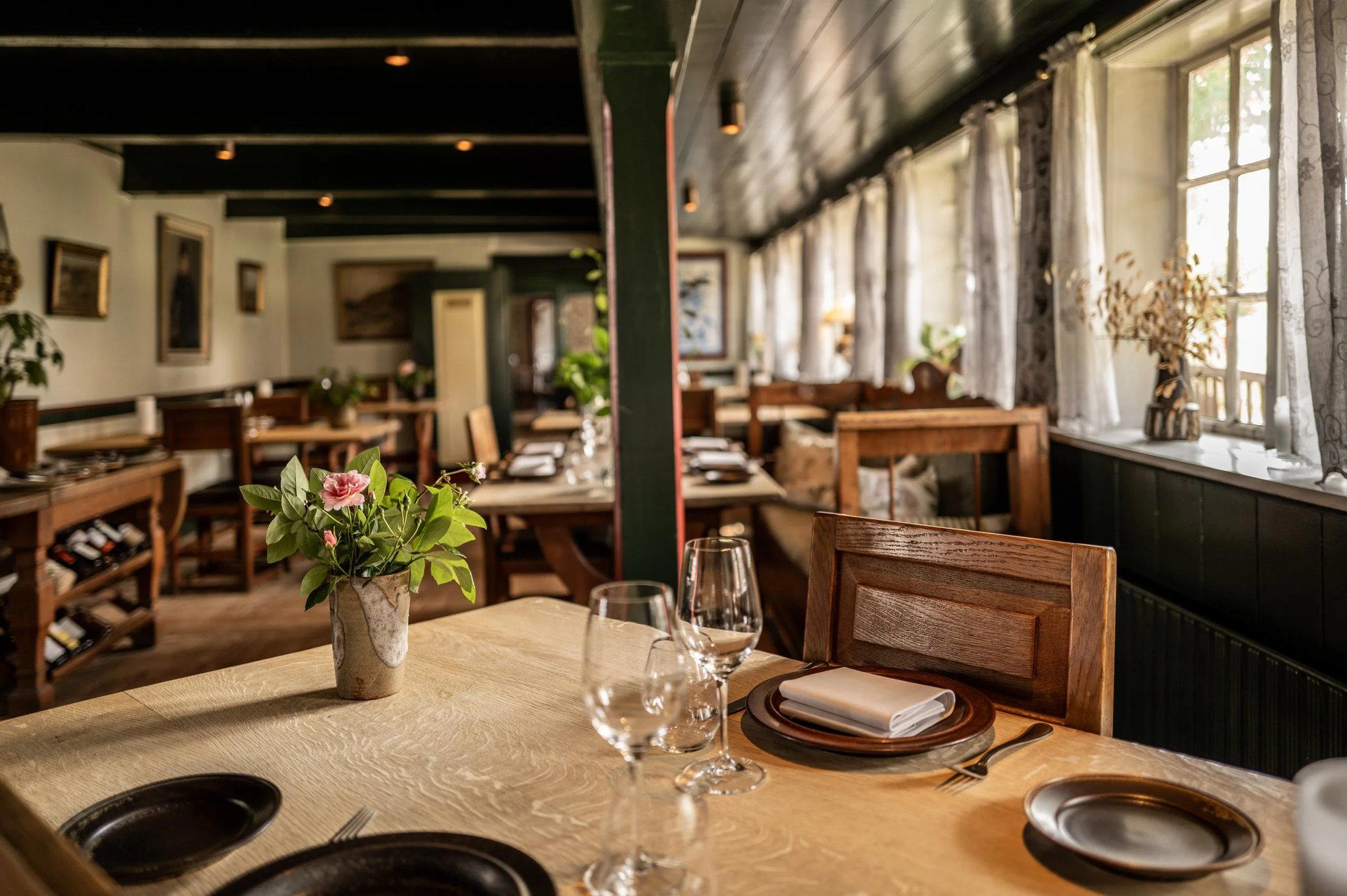
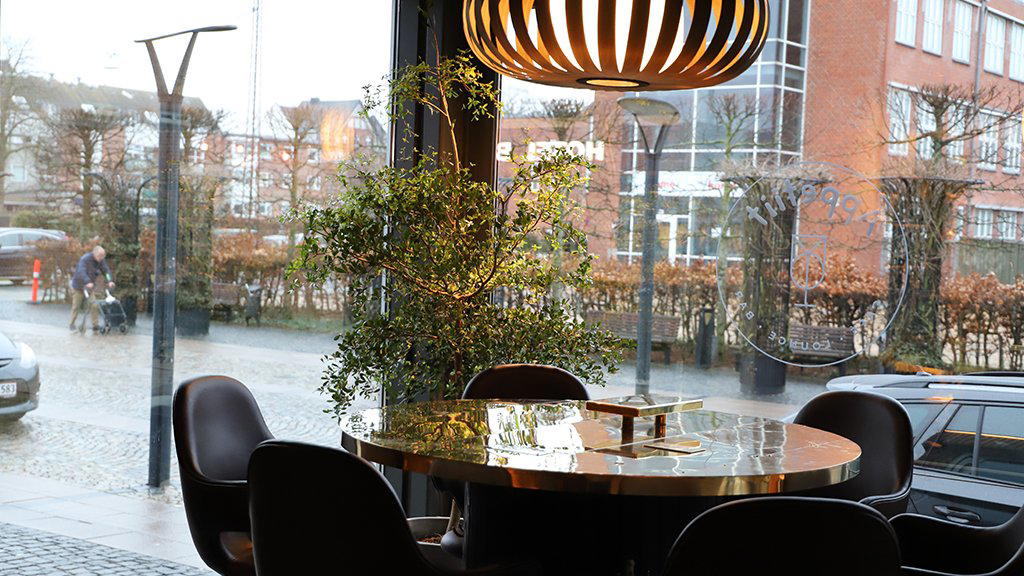
Browse all →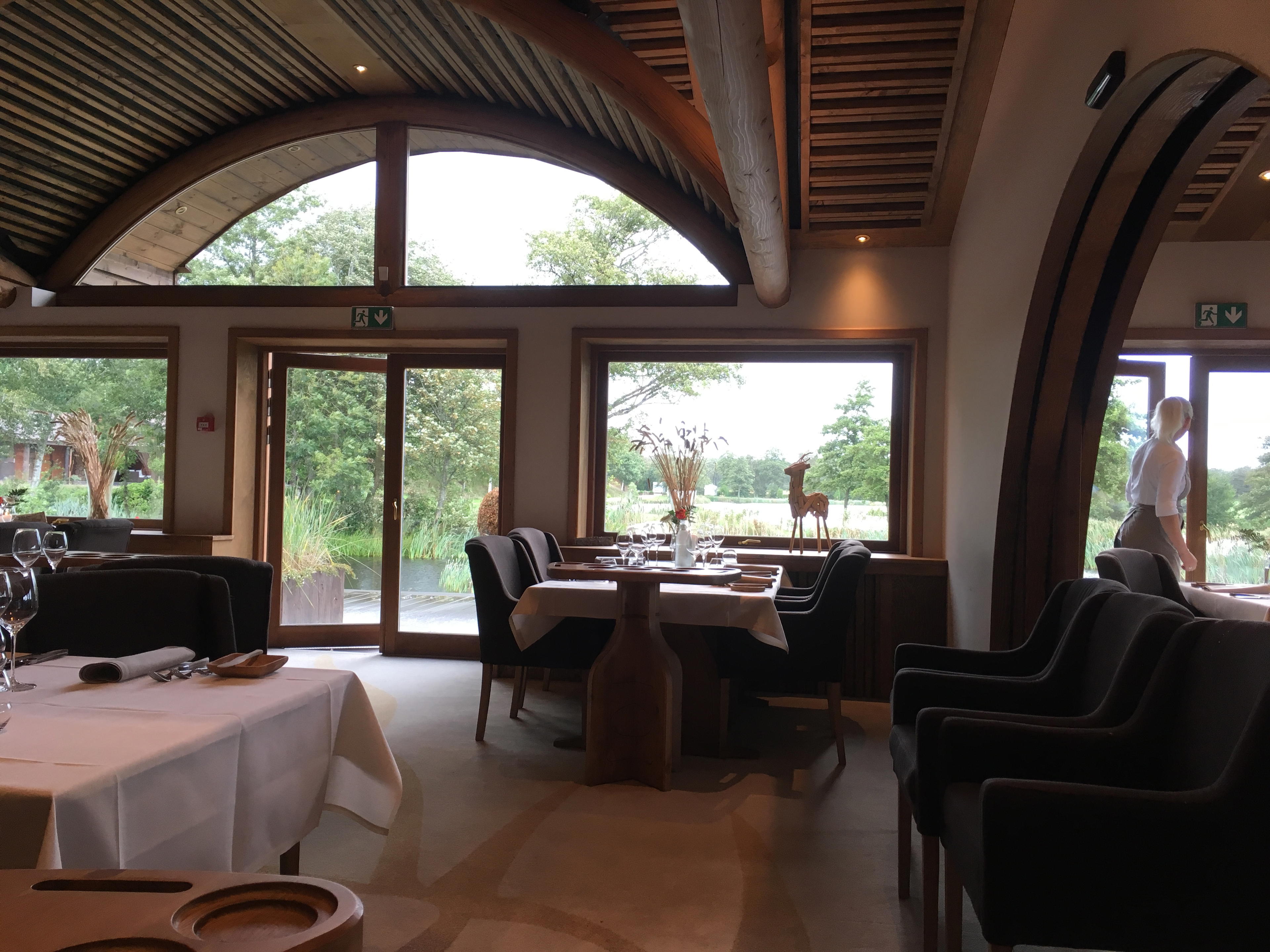

At a Glance
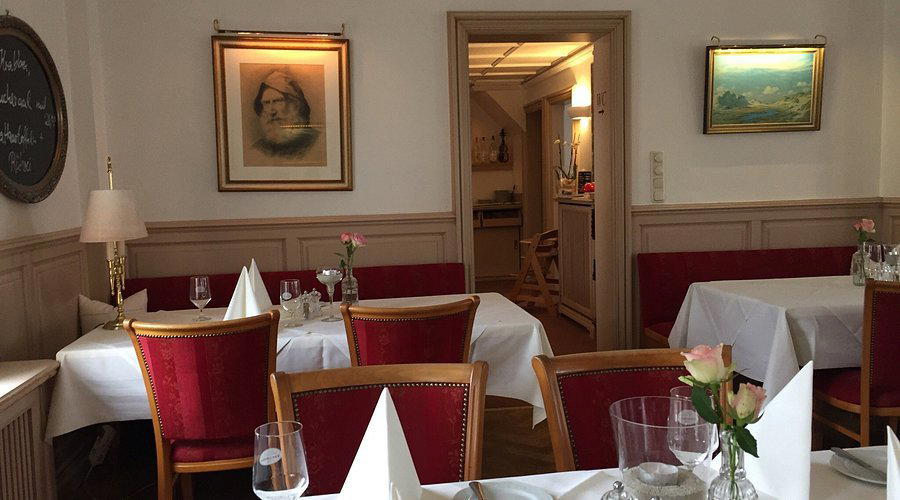
- Cozy
- Lively
- Family
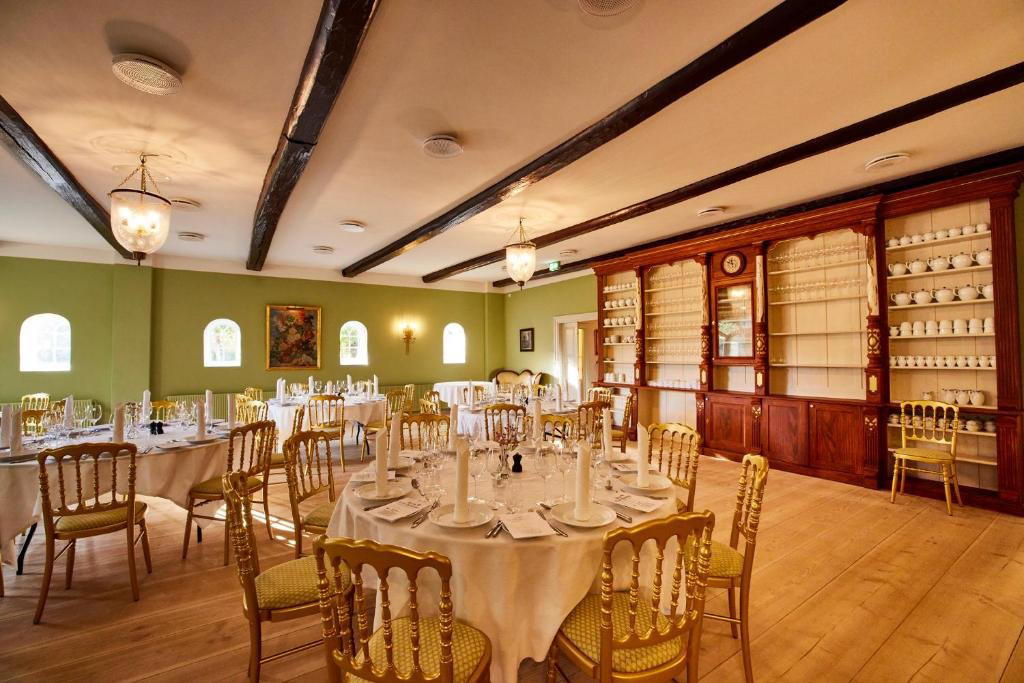
- Group Dining
- Casual Hangout
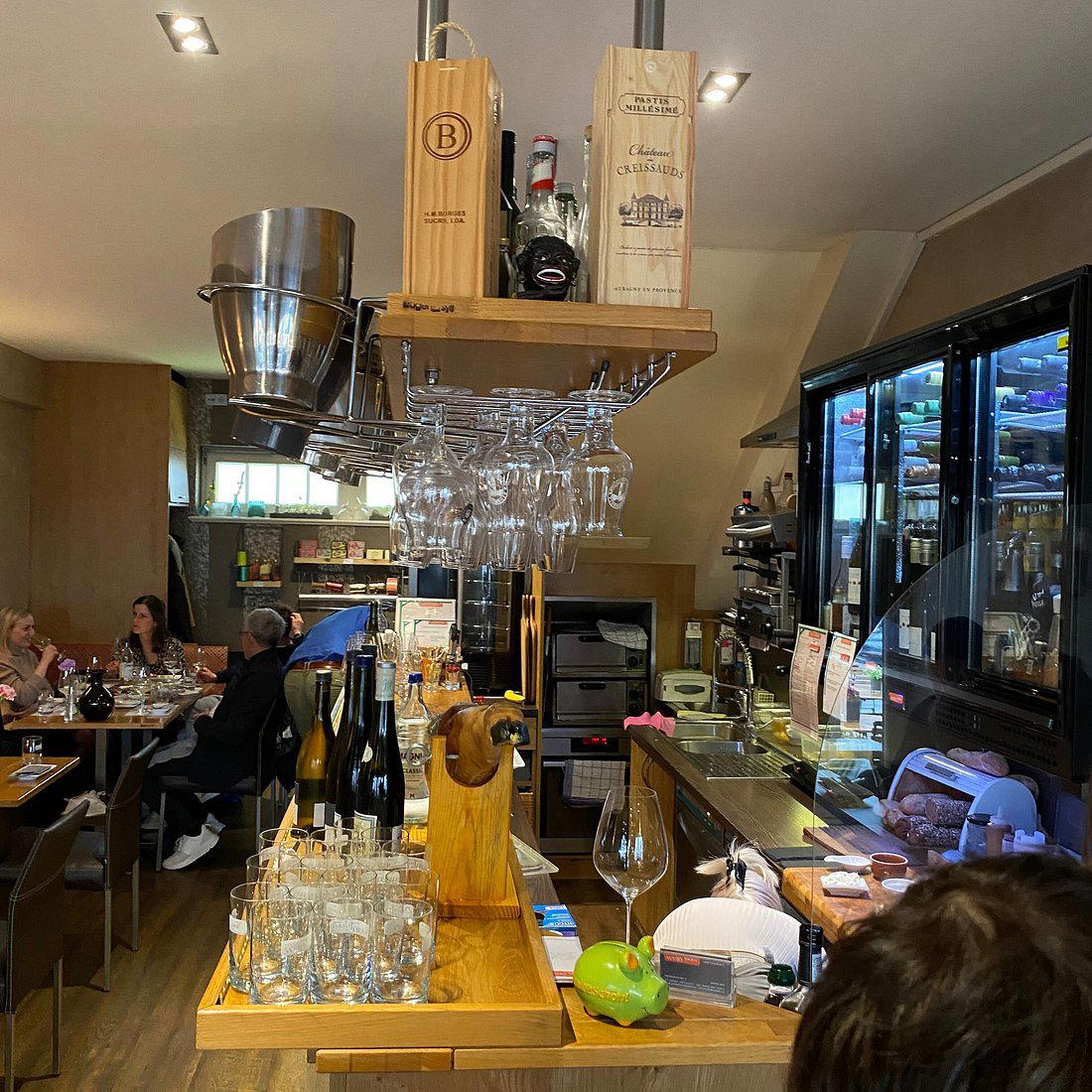
- Open Kitchen
Current opening hours
- Monday
- 5–9:30 PM
- Tuesday
- 5–9 PM
- Wednesday
- 5–9 PM
- Thursday
- 5–9 PM
- Friday
- 5–9 PM
- Saturday
- 5–9 PM
- Sunday
- 5–9 PM
Hours can change for holidays and private events. Last verified .
Cozy family atmosphere with friendly service and fresh buffet preparations.