
An Italian family operation in Vasastan with roots stretching back to the 1970s, Adria takes a measured approach to classical Italian cooking in a neighbourhood that leans Nordic by default. The kitchen applies a modern lens to regional Italian tradition without chasing trends, making it one of the more considered Italian tables in central Stockholm.
Pearl is the En Primeur Club membership app — saves, bookings, and concierge access live there. Same editors, same standards.
- Address
- Tulegatan 10, 113 53 Stockholm, Sweden
- Phone
- +46 8 15 00 80
- Website
- adriaristorante.se
- Directions
- Get directions
 Saves & bookings on Pearl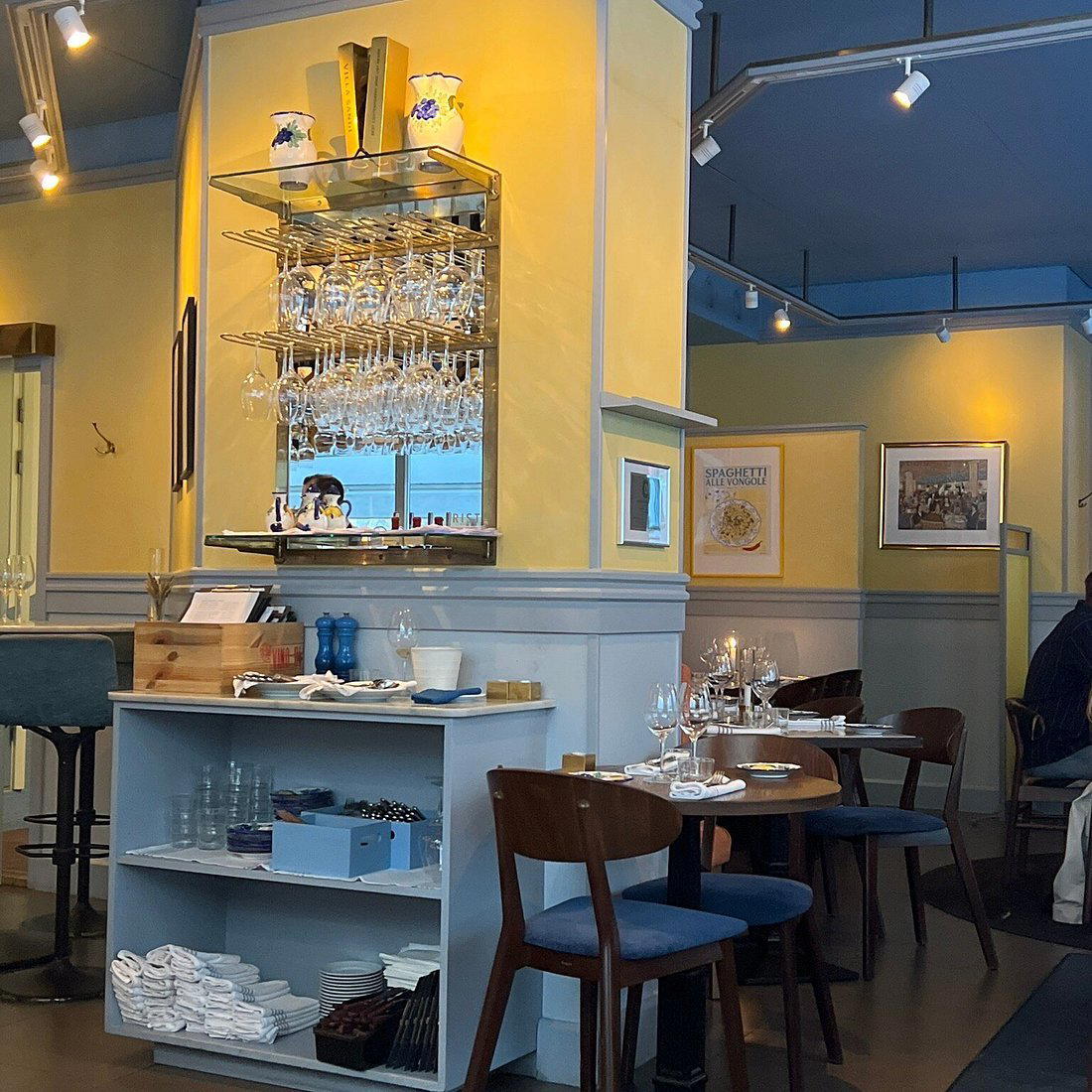
Italian Cooking in a Swedish Neighbourhood
Vasastan is not a district that draws visitors primarily for its restaurants. It is a residential quarter of wide tree-lined streets, solid late-19th-century apartment buildings, and a pace calibrated to the people who actually live there rather than those passing through. Tulegatan, where Adria sits, runs through the kind of block where regulars walk in without consulting a menu. That context matters when reading an Italian restaurant that has been operating in some form since the 1970s: this is not a concept positioned against Stockholm's high-concept Nordic dining scene but something more embedded, more neighbourhood-specific, and in many ways more durable.
Italian restaurants in Nordic capitals have historically occupied an awkward position. The countries that shaped international dining in the late 20th century — France, Japan, Spain — generated clearer critical frameworks. Italian cooking, meanwhile, was often misread as comfort food rather than craft, and the restaurants serving it in cities like Stockholm were rarely subject to the same scrutiny as their Nordic or French counterparts. The better Italian tables in Scandinavia have consistently operated outside that critical noise, drawing steady, loyal audiences rather than travelling critics. Adria fits that pattern precisely.
The Ingredient Logic Behind Classical Italian Cooking
The editorial angle that makes Italian cooking in Sweden genuinely interesting is not chef heritage or menu theatrics, it is sourcing. Classical Italian cuisine is among the most ingredient-dependent in Europe. The difference between a technically correct cacio e pepe and a transcendent one comes down almost entirely to the quality of the pecorino, the variety of the black pepper, and the starch content of the pasta. Italian regional cooking was built on hyper-local ingredients before that phrase became a marketing category, and any Italian kitchen operating seriously outside Italy faces a fundamental question: where does the product come from?
Stockholm's position in that conversation has shifted considerably over the past two decades. The Swedish capital now has access to Italian importers operating at a level of specificity that was not available when Adria's founding family first opened their doors in the 1970s. DOP-certified products, artisanal pasta producers, and small-format Italian cheesemakers now move through logistics networks that reach Scandinavia reliably. A kitchen with the supplier relationships and the institutional knowledge to use those networks well can produce Italian food in Stockholm that would have been difficult to achieve here a generation ago. The longevity of an operation like Adria implies exactly those kinds of accumulated sourcing relationships.
What the kitchen does with those ingredients, the balance between classical restraint and modern interpretation, is where the modern take on classical Italian dishes becomes meaningful. Italian cooking traditions are regional first and national second, and the most interesting contemporary Italian restaurants tend to anchor their menus in specific regional logic rather than producing a pan-Italian survey. Whether Adria's current menu reflects that regional specificity or takes a broader view is something a visit will confirm more accurately than any description can. What the record shows is that an Italian family operation running since the 1970s is unlikely to be working from a shallow or trend-driven premise.
Where Adria Sits in Stockholm's Dining Picture
Stockholm's current restaurant scene clusters at two ends of the ambition spectrum. At the high-concept, tasting-menu tier, venues like Frantzén, AIRA, Aloë, and Adam / Albin define a New Nordic and modern European framework that has been internationally recognised for well over a decade. At the other end, the city supports a strong neighbourhood restaurant culture, increasingly sophisticated but not built around formal tasting structures. Operakällaren occupies a different historical tier entirely, rooted in Swedish classical tradition rather than contemporary international cuisine.
Adria operates outside all of those categories. The comparison to consider is not Frantzén or Operakällaren but rather the handful of Italian restaurants in Stockholm that take their ingredient sourcing and regional specificity seriously. That is a smaller group, and an older operation with the connections and knowledge that come from decades of trading has structural advantages that newer arrivals cannot immediately replicate.
For visitors to Stockholm who are committed to experiencing the city's Nordic fine dining circuit, the EP Club guide covers that ground in detail: see our full Stockholm restaurants guide, our full Stockholm hotels guide, and our full Stockholm bars guide for broader orientation. For those extending their trip into southern and western Sweden, Vollmers in Malmö, Signum in Mölnlycke, VYN in Simrishamn, ÄNG in Tvååker, Knystaforsen in Rydöbruk, and PM & Vänner in Växjö cover the regional picture. Those interested in how long-running Italian-American institutions have sustained relevance in other markets might also look at Emeril's in New Orleans or the very different approach at Le Bernardin in New York City, where longevity and technique have intersected in their own way. For Stockholm's wider food and drink picture, our full Stockholm wineries guide and our full Stockholm experiences guide are worth consulting alongside.
Planning a Visit
Adria is at Tulegatan 10 in Vasastan, a walkable neighbourhood in central Stockholm accessible from most parts of the city by metro or on foot from the Odenplan area. The Italian family ownership that has run the operation since the 1970s gives it the kind of institutional continuity that makes advance contact worthwhile: an owner-operated restaurant of this age will have a specific approach to bookings and availability that a direct enquiry will clarify far more reliably than any general platform. Vasastan's restaurant concentration means the immediate area offers alternative options if timing is tight, but for the specific Italian tradition that Adria represents, no immediate neighbourhood substitute offers the same depth of operating history.
How Adria Stockholm compares with similar nearby venues.
| Venue | Cuisine | Price | Awards |
|---|---|---|---|
| Adria | Not listed | Not listed | Star Wine List (2026) |
| Farang | South East Asian | €€ | Not listed |
| Bastard Burgers | Hamburgers | Not listed | Not listed |
| Dashi | Japanese | €€€ | Not listed |
Recognition history
Dated appearances from independent guides and award organizations, with the underlying list record or original source where available.
Star Wine List
Star Wine List
Continue exploring
More in Stockholm
Restaurants in Stockholm
Browse all →
Bars in Stockholm
Browse all →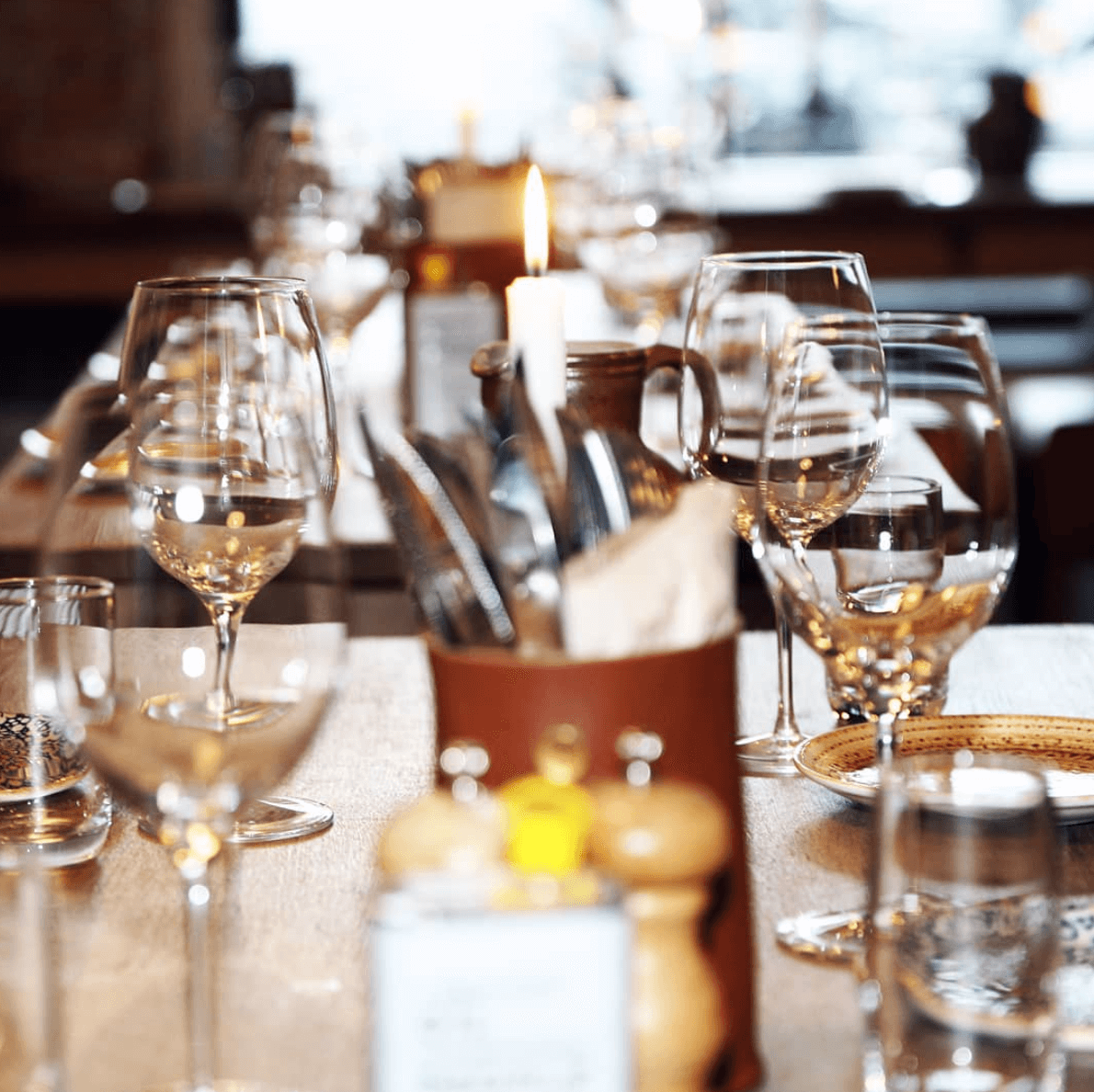
At a Glance
- Cozy
- Intimate
- Elegant
- Date Night
- Business Dinner
- Family
- Open Kitchen
- Extensive Wine List
Current opening hours
- Monday
- Closed
- Tuesday
- 11:30 AM–3 PM, 5–11 PM
- Wednesday
- 11:30 AM–3 PM, 5–11 PM
- Thursday
- 11:30 AM–3 PM, 5–11 PM
- Friday
- 11:30 AM–3 PM, 5 PM–12 AM
- Saturday
- 5 PM–12 AM
- Sunday
- Closed
Hours can change for holidays and private events. Last verified .
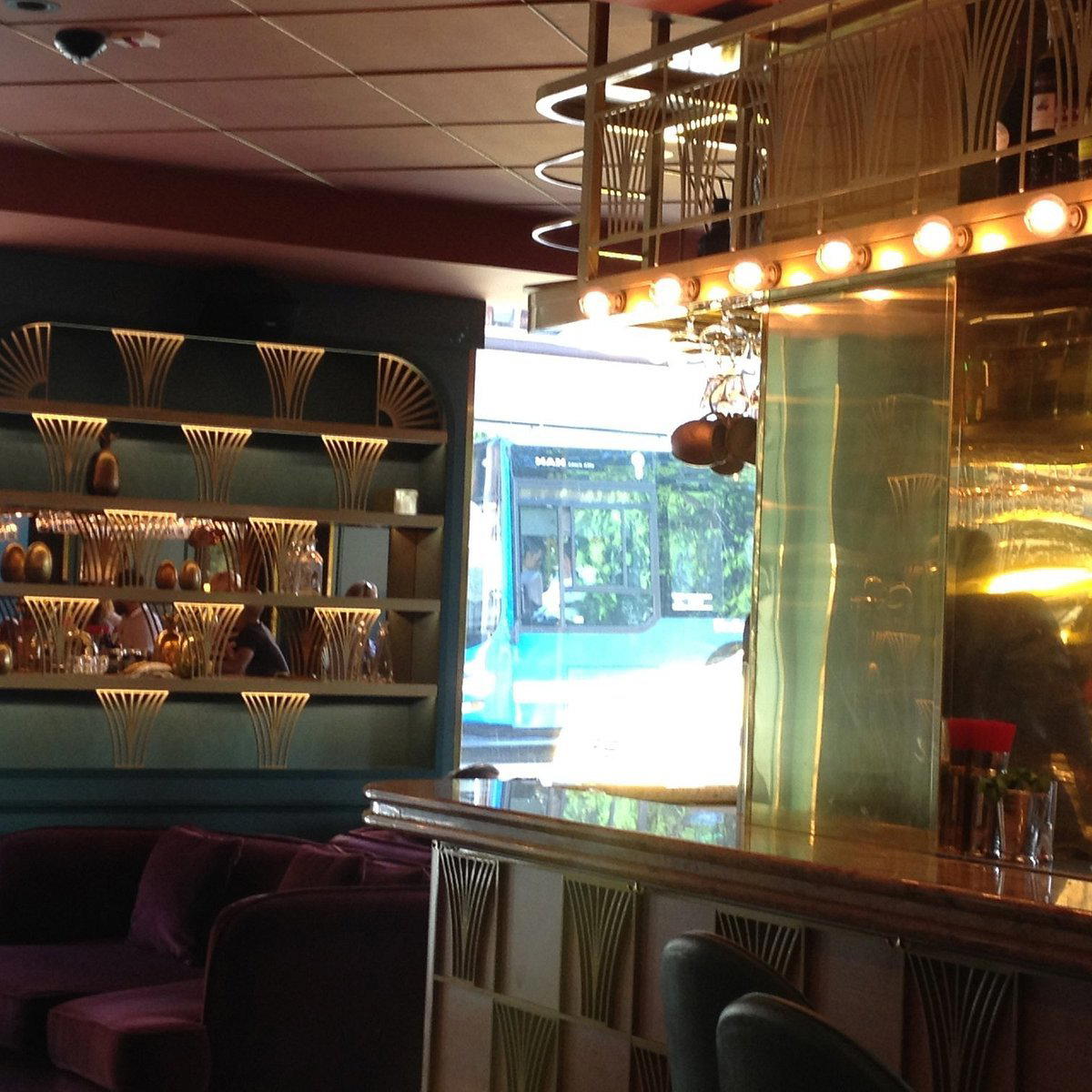
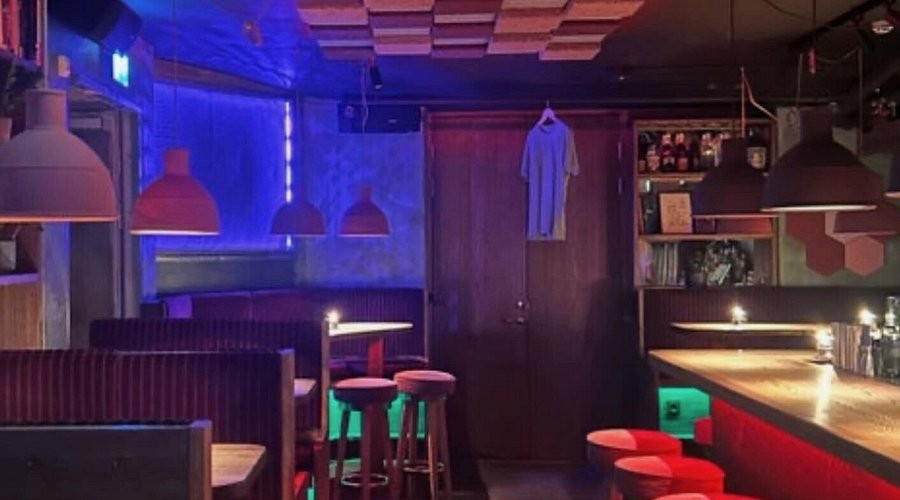
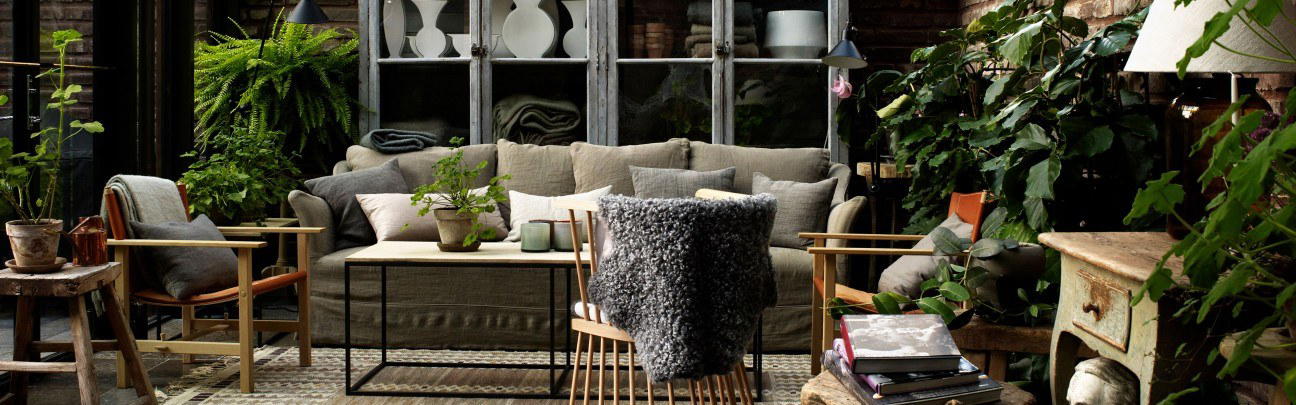
Cozy and homely atmosphere with warm lighting, comfortable seating, candles, and cheerful colors creating a welcoming Italian family feel.
Know Before You Go
- Getting there
- Tulegatan 10, 113 53 Stockholm, Sweden