Gnocchi
On South Philly's Passyunk Avenue, Gnocchi sits within one of Philadelphia's most contested dining corridors, where Italian-American roots and modern technique intersect on nearly every block. The restaurant takes its name from one of the region's most discipline-dependent preparations, signaling a kitchen that treats classical form seriously. For visitors mapping Philadelphia's Italian-influenced dining scene, Passyunk Avenue remains the sharpest starting point.
Pearl is the En Primeur Club membership app — saves, bookings, and concierge access live there. Same editors, same standards.
- Address
- 613 Passyunk Ave, Philadelphia, PA 19147
- Phone
- +12155928300
- Website
- gnocchi-restaurant.com
- Directions
- Get directions
 Saves & bookings on Pearl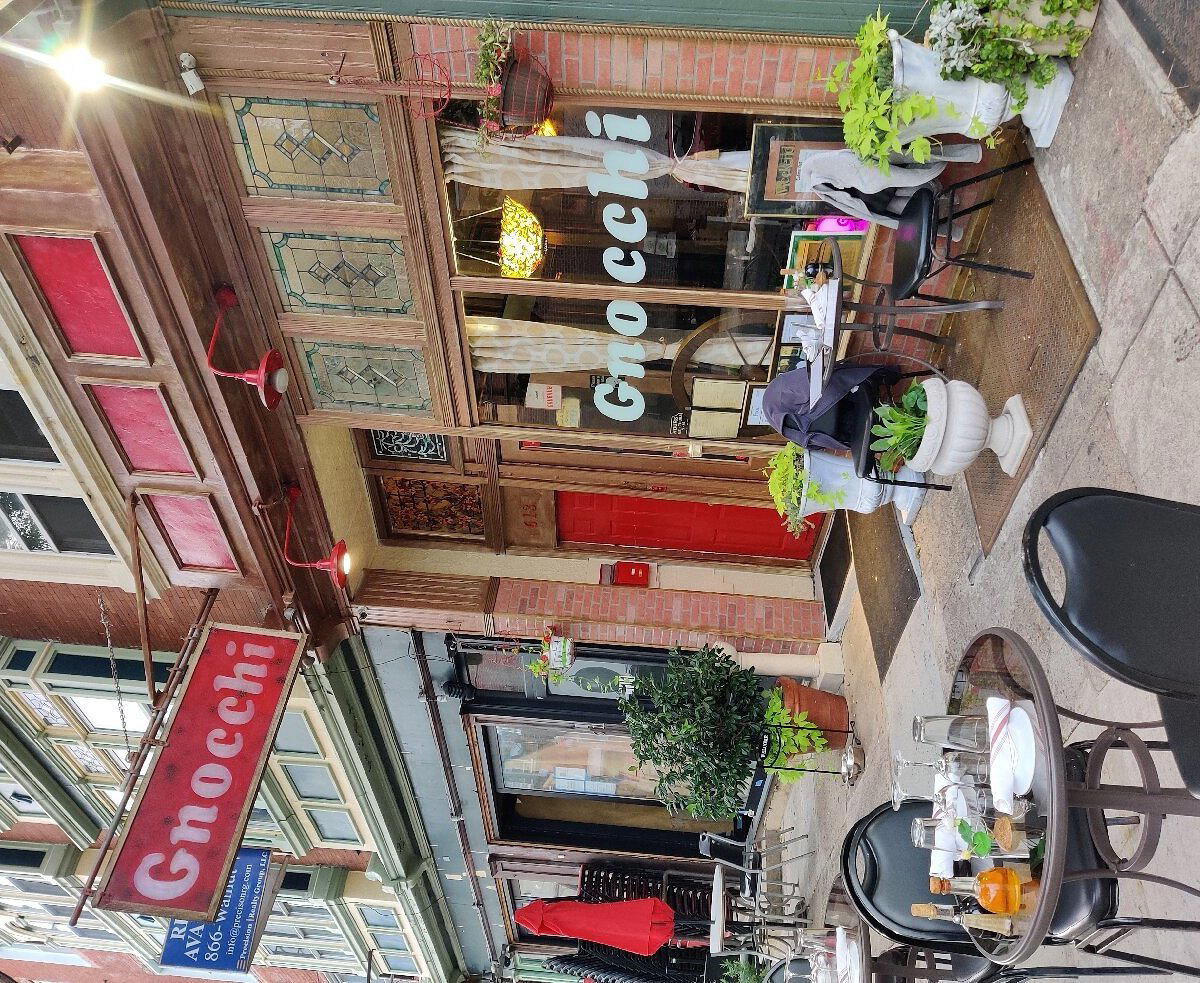
Passyunk Avenue and the Weight of a Name
Passyunk Avenue has spent the better part of two decades accumulating culinary credibility. The stretch running through South Philadelphia is not merely a restaurant row — it is the axis around which the city's Italian-American dining identity has reorganized itself, absorbing influences from modern technique while remaining anchored to neighborhood memory. Against that backdrop, a restaurant called Gnocchi at 613 Passyunk Ave is making a statement before a single dish arrives. The name carries expectation. Gnocchi, as a preparation, is one of the few things in Italian cooking where confidence cannot be faked: the texture either holds or collapses, the lightness either registers or doesn't.
That choice of name is editorial in itself. On a street where competition is dense and diners are practiced, naming a restaurant after a technically demanding staple invites direct comparison with every other kitchen on the avenue. It is a move that makes sense only if the kitchen can back it up.
Where South Philly's Italian Tradition Meets Contemporary Method
The broader editorial angle on restaurants like this one concerns the intersection of inherited technique and evolving practice. South Philadelphia's Italian-American cooking tradition is among the most sustained in the American Northeast — it survived the homogenization of chain dining, weathered multiple waves of foodie trend cycles, and emerged with enough institutional memory to anchor a new generation of chefs who trained elsewhere and returned, or trained locally and looked outward.
The tension in that dynamic is productive. Kitchens on Passyunk now operate in a market where diners can reference the tasting menus at The French Laundry in Napa or the produce-driven precision of Blue Hill at Stone Barns in Tarrytown, yet still want something that reads as local and specific rather than globally generic. The restaurants that resolve that tension most convincingly tend to anchor classical Italian preparations in locally sourced product, Pennsylvania's agricultural output is substantial, and the Philadelphia market has developed enough supplier infrastructure to make farm-direct sourcing feasible at the neighborhood restaurant level.
A gnocchi-focused kitchen operating on this street sits at that intersection almost by definition. The preparation is Italian in origin, rooted in a tradition codified over centuries, but the ingredients that make it sing, the right potato variety at the right starch content, the right flour ratio, are highly local decisions. Getting those decisions right is as much about sourcing as it is about technique.
Passyunk in the Context of Philadelphia Dining
Philadelphia's restaurant identity has shifted meaningfully in the past decade. The city no longer reads as a secondary market to New York; it operates with its own critical infrastructure, its own roster of recognized kitchens, and a dining public that has absorbed enough travel and media exposure to hold restaurants to a higher evidential standard. A venue needs to earn its reputation through consistency and specificity rather than novelty alone.
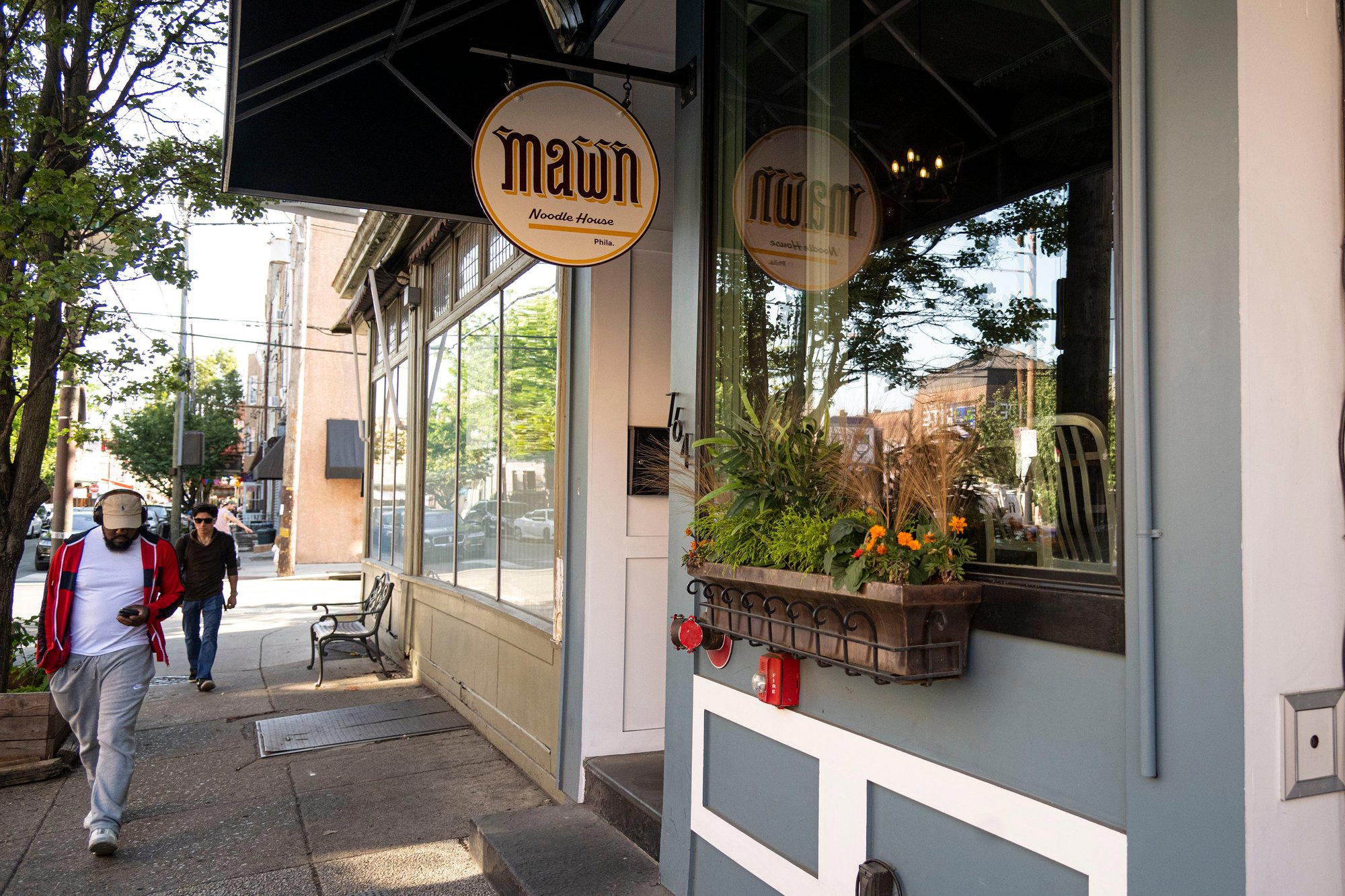
Passyunk Avenue reflects that shift. South Philly Barbacoa on this same corridor has drawn national food press for its approach to Mexican regional cooking, demonstrating that the avenue rewards specificity and commitment to tradition as much as it rewards Italian lineage. Meanwhile, restaurants like Friday Saturday Sunday and Fork anchor Philadelphia's New American tier with a level of program discipline that sets the competitive ceiling for the broader market. My Loup has added a French-influenced counterpoint to the city's fine dining conversation, while Mawn has brought Cambodian and Pan-Asian reference points into a scene that was historically weighted toward European traditions.
In that context, a restaurant committed to Italian form on Passyunk is not swimming against the current, it is occupying a lane with deep neighborhood legitimacy and a clear audience. The question is always execution.
The Technique Behind the Dish
Gnocchi as a category sits at a fault line in Italian cooking between the rustic and the refined. In its most basic form, it is a peasant preparation: starch, egg, flour, shaped by hand. In its most demanding form, particularly in northern Italian tradition, it requires a precision closer to pastry than to pasta. The margin between a gnoccho that floats and one that sinks is measured in grams of moisture and minutes of cooking time.
The American kitchens that have handled this preparation most credibly tend to be those with either direct Italian training or a deep commitment to ingredient sourcing. Chefs who have worked through programs like those behind Le Bernardin in New York City or the product-led frameworks at Single Thread Farm in Healdsburg bring a discipline to ingredient selection that translates directly to preparations where the product is the technique. A restaurant that names itself after gnocchi is implicitly claiming membership in that cohort of kitchens where sourcing and method are inseparable.
Philadelphia's mid-tier Italian dining scene has historically ranged from excellent to uneven. The better kitchens have consistently distinguished themselves by treating the pasta and gnocchi programs as primary rather than supplemental, the kind of choice that separates a kitchen with real conviction from one that treats starch as filler between proteins.
Planning Your Visit
Gnocchi is located at 613 Passyunk Ave, Philadelphia, PA 19147, in the South Philadelphia corridor that serves as the city's most active independent dining strip. The table below places Gnocchi in the context of comparable Passyunk-area and citywide options to help calibrate your planning.
| Venue | Cuisine Focus | Location | Format |
|---|---|---|---|
| Gnocchi | Italian (gnocchi-focused) | Passyunk Ave, South Philly | Neighborhood restaurant |
| South Philly Barbacoa | Mexican regional | Passyunk Ave corridor | Counter / casual |
| Friday Saturday Sunday | New American | South Street | Tasting menu / à la carte |
| Fork | New American | Old City | À la carte / seasonal |
| My Loup | French-inspired | Philadelphia | Neighborhood bistro |
For broader context on where Gnocchi fits within Philadelphia's dining map, see our full Philadelphia restaurants guide. Readers building a longer itinerary around American restaurants with strong technique-and-product programs may also find value in comparing against Smyth in Chicago, Lazy Bear in San Francisco, Providence in Los Angeles, Addison in San Diego, The Inn at Little Washington, Atomix in New York City, Emeril's in New Orleans, and Atelier Moessmer Norbert Niederkofler in Brunico, all venues where the relationship between local product and imported technique defines the program.
Continue exploring
More in Philadelphia
Restaurants in Philadelphia
Browse all →
Bars in Philadelphia
Browse all →
At a Glance
- Rustic
- Classic
- Cozy
- Date Night
- Business Dinner
- Group Dining
- Family
- Casual Hangout
- Private Dining
- Standalone
- Extensive Wine List
- Local Sourcing
Current opening hours
- Monday
- Closed
- Tuesday
- 5–10 PM
- Wednesday
- 5–10 PM
- Thursday
- 5–10 PM
- Friday
- 5–11 PM
- Saturday
- 5–11 PM
- Sunday
- 4–9 PM
Hours can change for holidays and private events. Last verified .
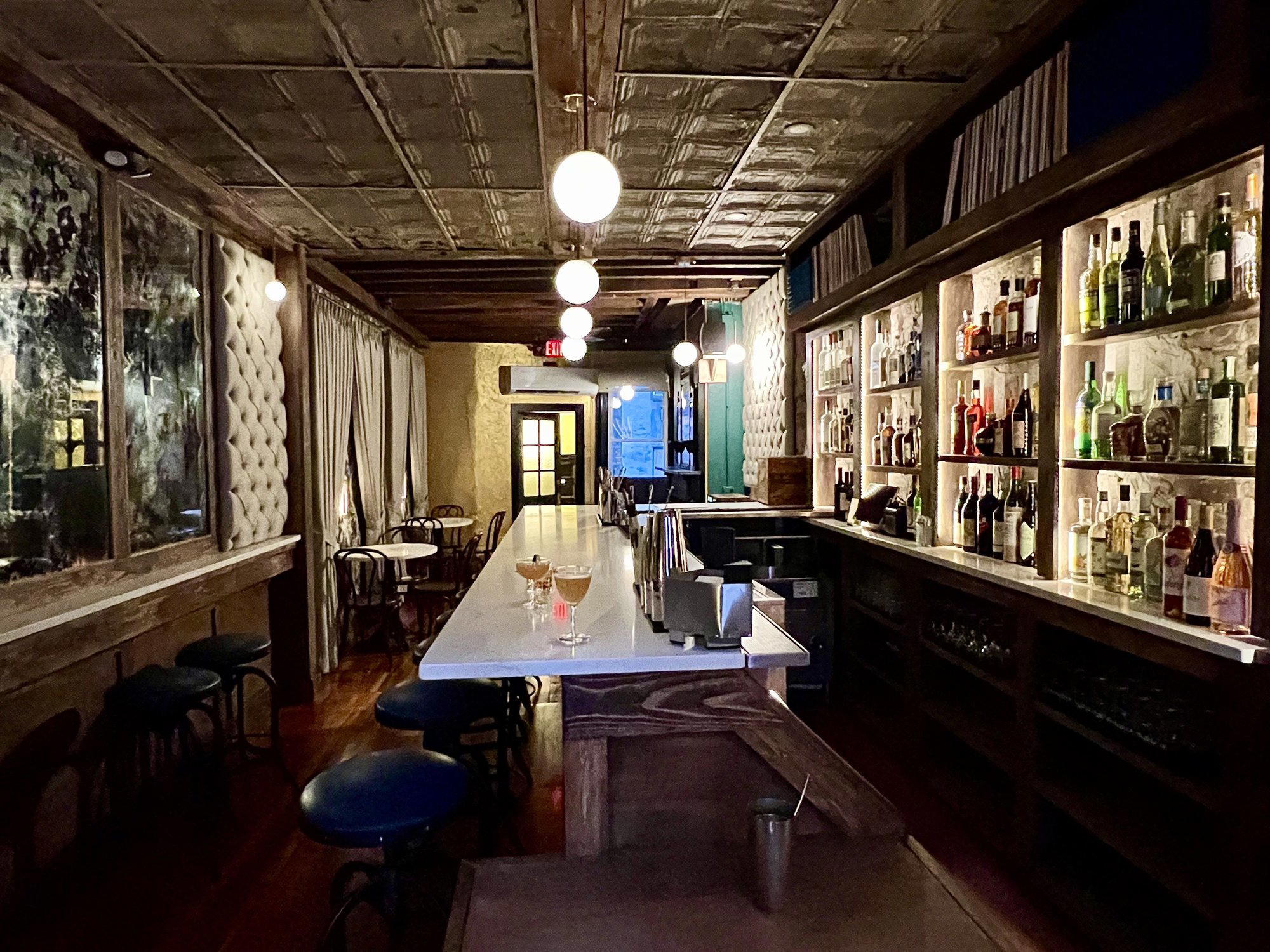
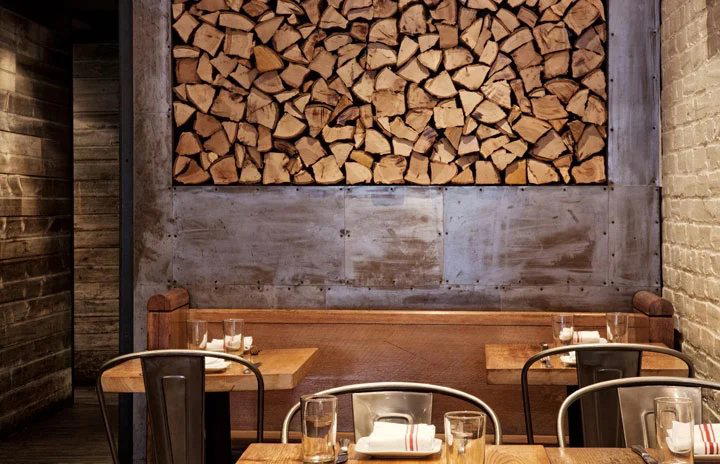
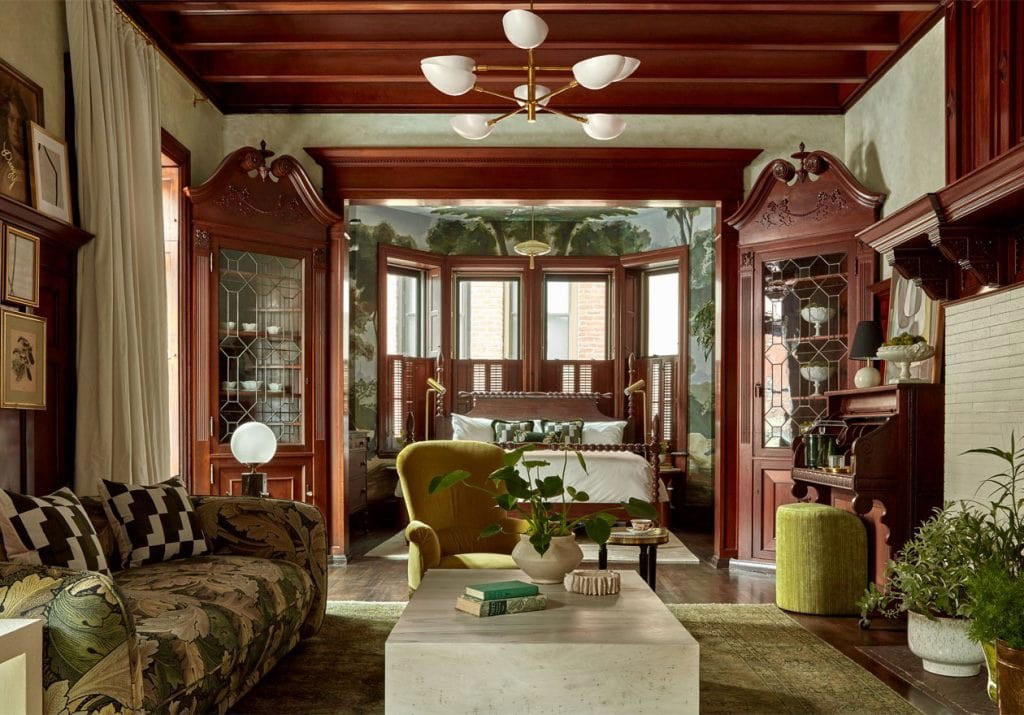
Warm, welcoming Italian trattoria atmosphere with rustic charm and relaxed yet refined ambiance suitable for both casual dining and business events.
Know Before You Go
- Getting there
- 613 Passyunk Ave, Philadelphia, PA 19147