Midnight Pasta
Midnight Pasta occupies a Tacony Street address in northeast Philadelphia, a part of the city where late-night pasta culture has found an unlikely foothold. The restaurant's name signals its intent: a casual, time-specific proposition aimed at diners who arrive after the conventional dinner hour. Confirmed operational details remain limited, and prospective guests should verify hours and format before visiting.
Pearl is the En Primeur Club membership app — saves, bookings, and concierge access live there. Same editors, same standards.
- Address
- 5401 Tacony St, Philadelphia, PA 19137
- Website
- opentable.com
- Directions
- Get directions
 Saves & bookings on Pearl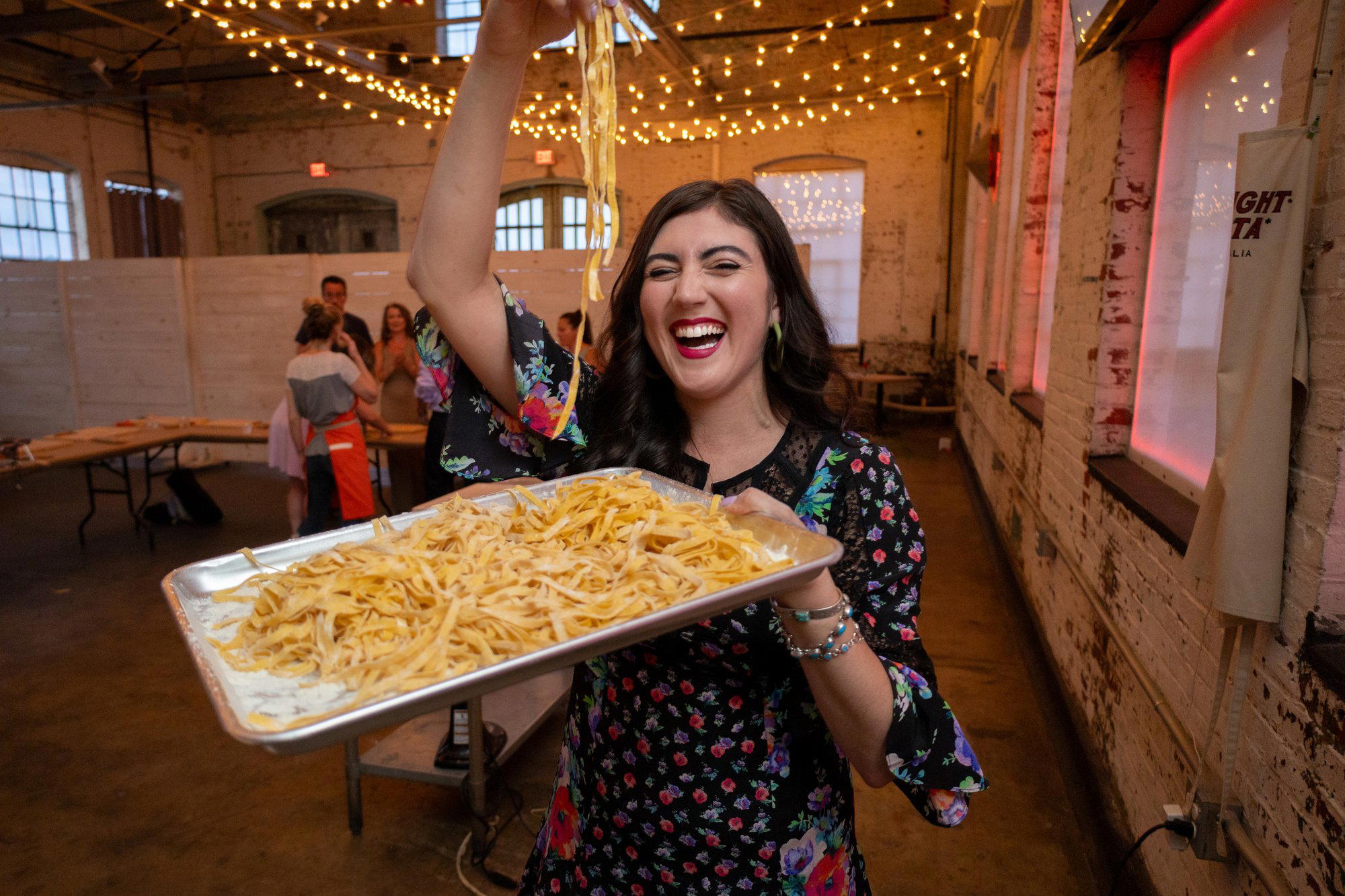
Northeast Philadelphia and the Late-Night Pasta Proposition
Philadelphia's dining conversation tends to concentrate along a familiar corridor: the Italian Market, Fishtown, Rittenhouse, and the blocks of Center City where Fork and Friday Saturday Sunday have anchored New American ambition for years. Northeast Philadelphia operates on a different register. The stretch of Tacony Street around the 5400 block is a working neighborhood in the literal sense, shaped by row houses, small manufacturers, and the kind of commercial strips that don't court food-media attention. When a restaurant named Midnight Pasta takes up a position here, the address itself is a statement about audience and intent.
Late-night pasta as a format has a specific cultural logic. In Italian tradition, a late bowl of pasta is restorative rather than celebratory, the thing you eat after a long shift or a long night, not the centerpiece of a formal occasion. That tradition has been replicated across American cities with varying degrees of fidelity. Particularly interesting versions tend to operate outside the recognized dining districts, in neighborhoods where the customer isn't performing a restaurant experience but simply eating. Midnight Pasta's Tacony Street location fits that pattern more closely than it might at first appear.
What the Name Signals About Format
Pasta-focused restaurants in American cities have split into two broad categories over the past decade. The first is the refined tasting-menu approach, where handmade pasta serves as a technical showcase, plated against composed sauces and premium proteins at prices that place it in competition with destinations like Le Bernardin in New York City or Alinea in Chicago. The second is the casual, high-volume model where pasta is priced and portioned for repeat visits rather than special occasions. The word "midnight" in a restaurant's name almost always signals the latter: an operation designed for accessibility and informality rather than ceremony.
That informality carries its own editorial weight in a city where the dining conversation is increasingly bifurcated between marquee reservation-driven rooms and genuinely local institutions. Philadelphia has seen both ends of that spectrum sharpen in recent years. The refined Thai cooking at Kalaya, the Cambodian and Pan-Asian program at Mawn, and the French-inflected work at My Loup all represent the city's more ambitious tier. Midnight Pasta reads as something positioned closer to the neighborhood-institution end of the scale, which in northeast Philadelphia is a more durable proposition than chasing the food-press cycle.
The Wine Question at a Pasta-Focused Neighborhood Restaurant
The editorial angle most interesting to consider at a pasta-focused neighborhood restaurant is not the pasta itself but what, if anything, accompanies it from the glass. Italian-American dining in American cities has a complicated relationship with wine. At the high end, places like 8 1/2 Otto e Mezzo Bombana in Hong Kong have demonstrated that pasta-centered menus can support sophisticated cellar programs. At the neighborhood level, the wine list is often an afterthought: a short, undifferentiated selection of Italian house pours chosen for margin rather than regionality.
The more considered version of a pasta restaurant's wine program tracks the food geographically. Southern Italian pasta traditions pair differently than northern ones. A carbonara calls for something with more structure and less fruit than a dish built around olive oil and anchovy. A cacio e pepe rewards a wine with enough acidity to cut through the fat without overwhelming the pepper. Restaurants that understand this don't necessarily need deep cellars or a credentialed sommelier on the floor; they need a list with a point of view.
For comparison, the wine programs at farm-to-table destinations like Blue Hill at Stone Barns in Tarrytown or Single Thread Farm in Healdsburg are built around the specificity of their food programs. A neighborhood pasta room operates at a different price point and scale, but the underlying principle holds: the list should reflect the food's origins and the room's character rather than defaulting to generic selections.
Placing Midnight Pasta in the Broader Philadelphia Context
Tacony is not a neighborhood that generates dining-press coverage. It is northeast of Fishtown, outside the zip codes that define Philadelphia's restaurant moment, and its dining infrastructure is oriented toward residents rather than visitors. That positioning is neither a limitation nor a handicap in isolation; some of Philadelphia's most durable restaurants have operated in similar demographic and geographic circumstances. The question is whether the restaurant has the specificity of offer and the operational consistency to build the kind of local loyalty that sustains a neighborhood institution.
Philadelphia's restaurant ecosystem offers meaningful comparisons across a wide range. The fine-dining tier represented by The French Laundry in Napa or locally adjacent destinations like The Inn at Little Washington sets a formal upper register that is several tiers removed from what a Tacony Street pasta room implies. More useful comparisons are with the neighborhood-level casual dining that characterizes much of northeast Philadelphia, where consistent value and genuine local knowledge matter more than awards cycles or chef pedigree. For those exploring the city's full dining range,
Planning a Visit: What to Know Before You Go
The address is 5401 Tacony St, Philadelphia, PA 19137, in the northeast corridor of the city. Northeast Philadelphia is accessible by car and by SEPTA's regional transit network, though the specific Tacony Street block is more car-oriented than the restaurant districts closer to Center City.
For those building a broader Philadelphia itinerary, the city's dining range includes rooms across several neighborhoods. The Korean-influenced tasting menu at Atomix in New York City represents the kind of format-driven ambition that Philadelphia's own scene has been developing in recent years, while West Coast reference points like Providence in Los Angeles, Lazy Bear in San Francisco, and Addison in San Diego illustrate the range of what serious American restaurants are doing outside the Northeast. The reference point from New Orleans, Emeril's, speaks to a different model of regional American dining with a long track record. The restaurant operates several registers below all of these in formal ambition, which is precisely the point of a name like Midnight Pasta on a street like Tacony.
Standing Among Peers
Comparable venues nearby, for context on price, style, and recognition.
| Venue | Cuisine | Price | Notes |
|---|---|---|---|
| Midnight PastaThis venue — the venue you are viewing | Handmade Italian Pasta Experience | $$ | Not listed |
| LaScala's FIRE - Northeast | Wood-Fired Italian American | $$ | Northeast Philadelphia |
| Paffuto | Modern Italian Street Food | $$ | Italian Market |
| Pizzeria Salvy | Modern Italian Pizzeria | $$ | Logan Square |
| Burrata | Authentic Italian BYOB | $$ | Wharton |
| Spasso Italian Grill | Italian Grill | $$ | Old City |
Continue exploring
More in Philadelphia
Restaurants in Philadelphia
Browse all →
Bars in Philadelphia
Browse all →

At a Glance
- Cozy
- Lively
- Whimsical
- Energetic
- Group Dining
- Celebration
- Casual Hangout
- Private Event
- Open Kitchen
- Byob
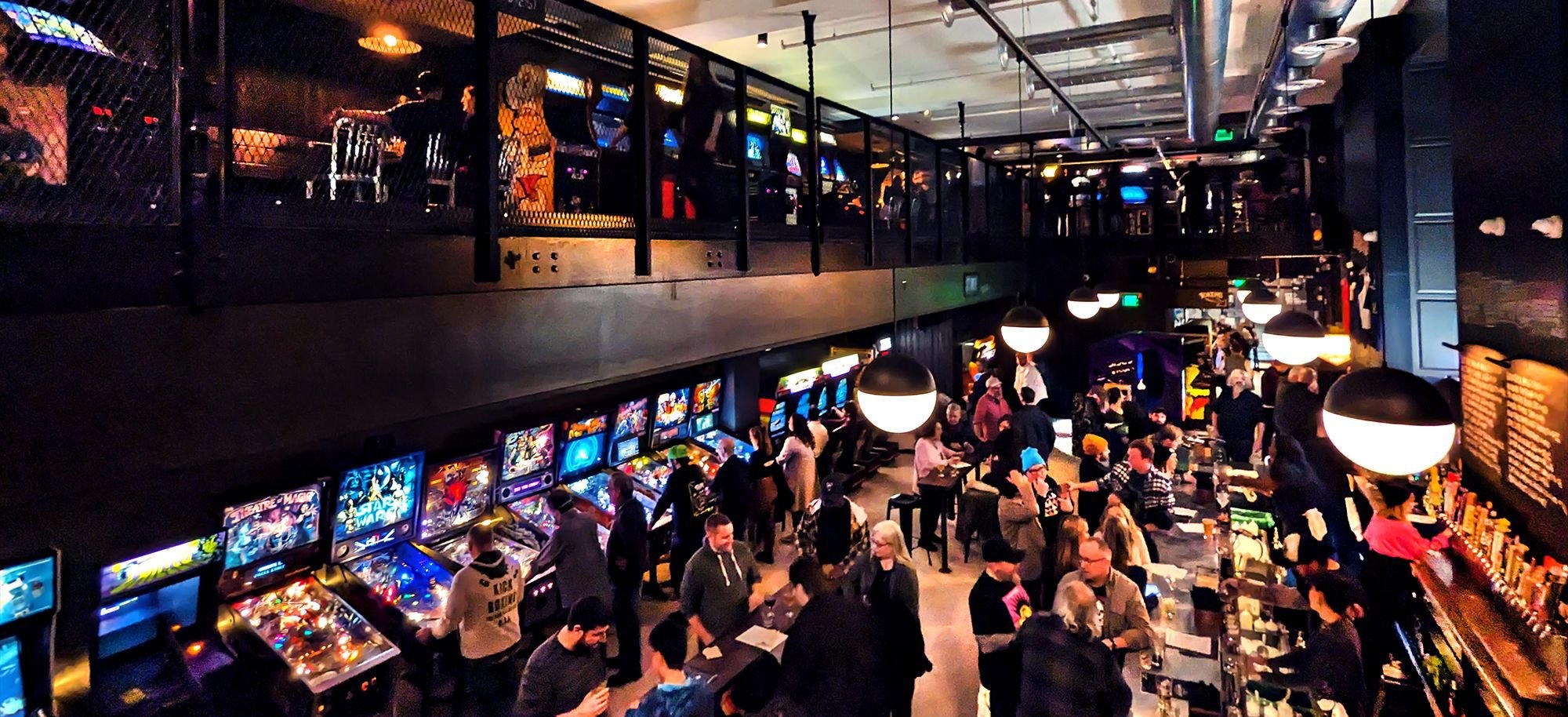
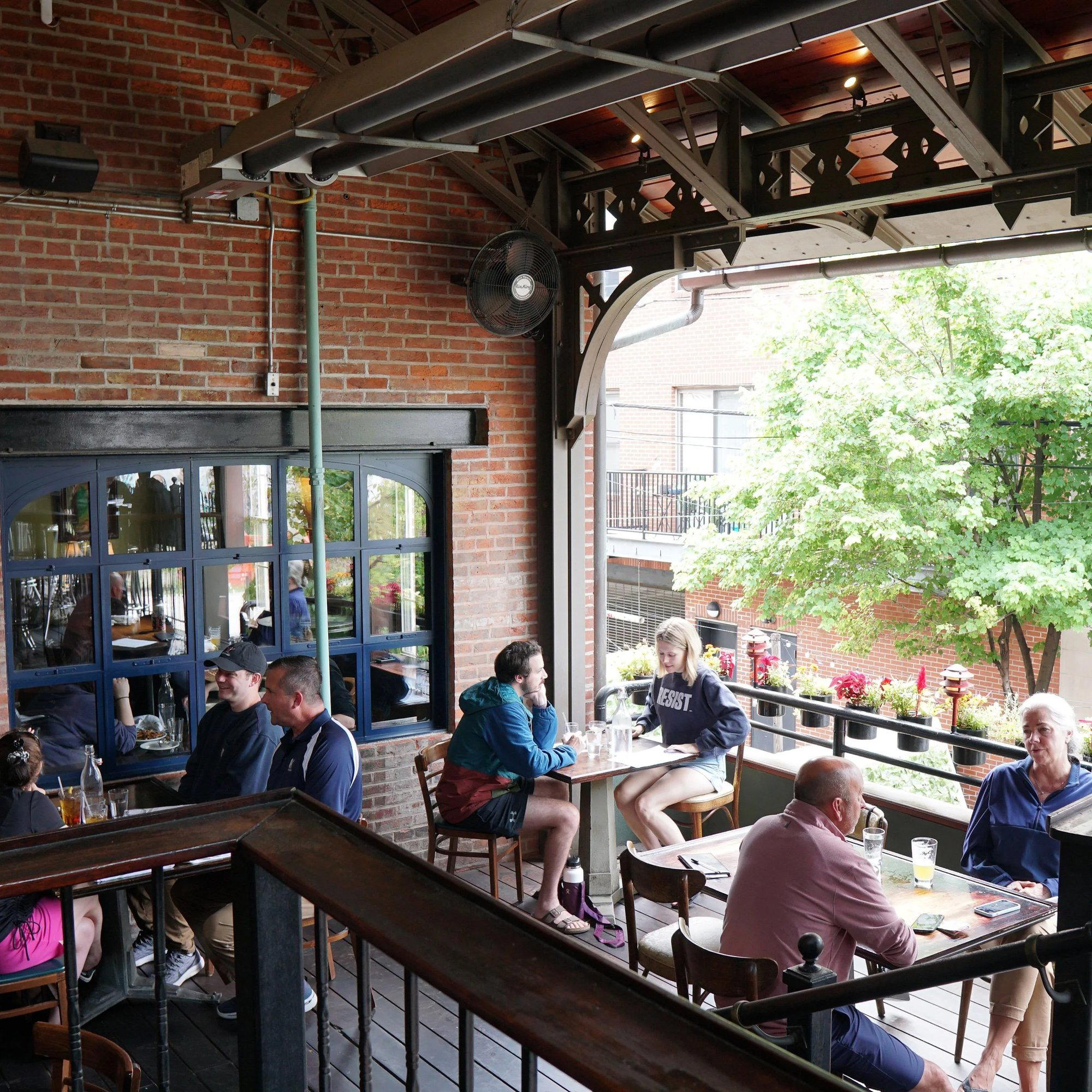
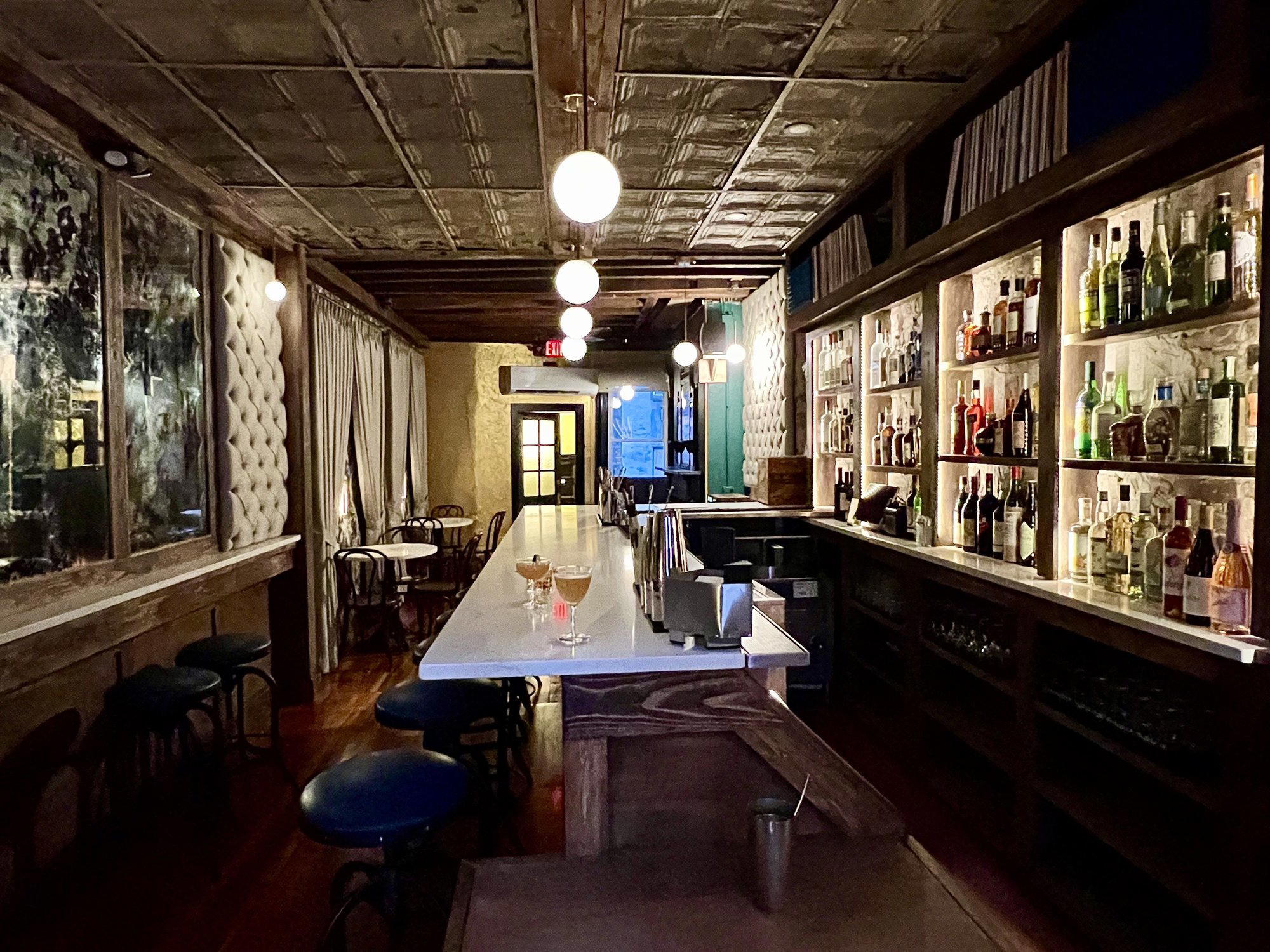
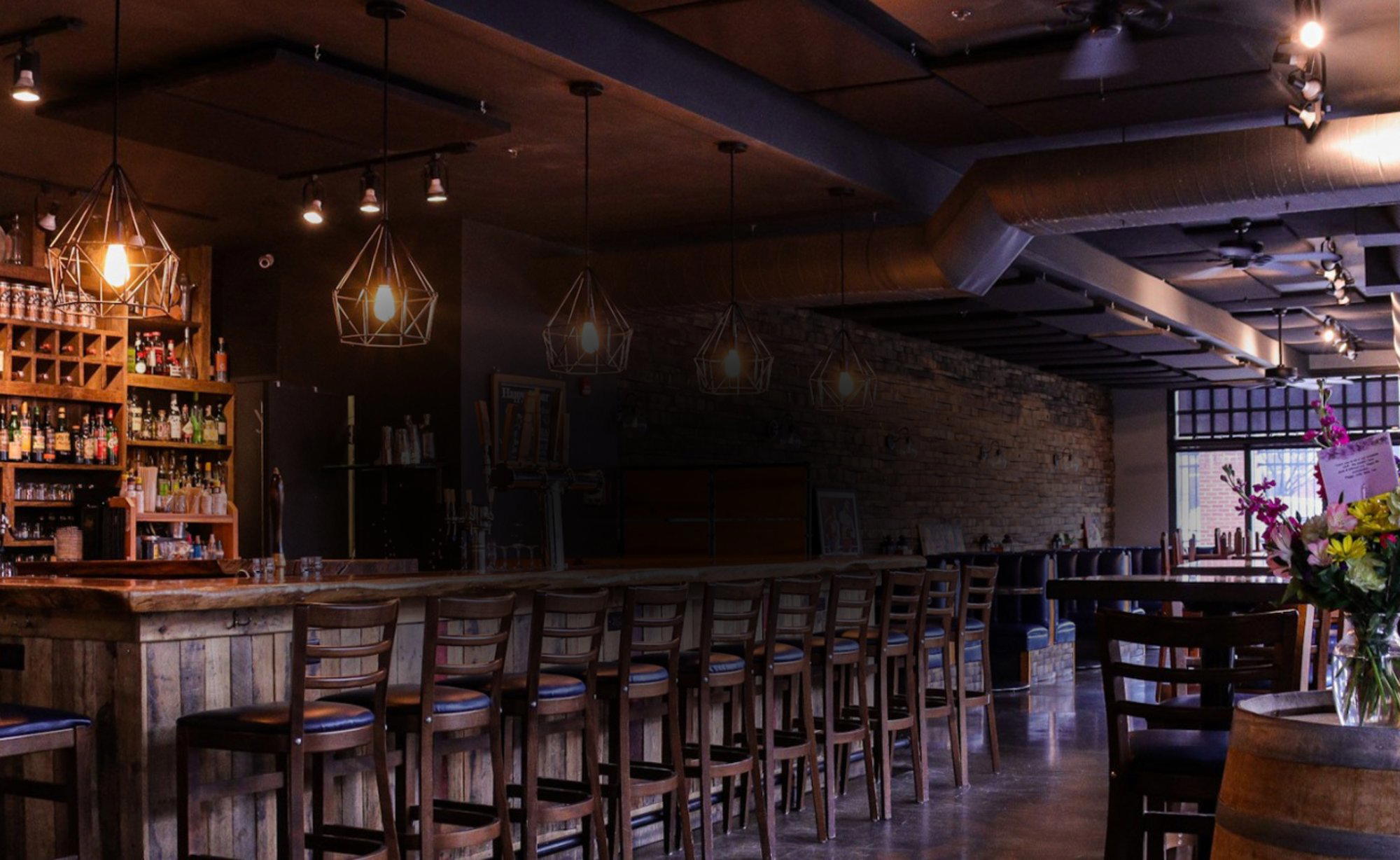
Warm, inviting, and joyful atmosphere well-suited for interactive group experiences with a community feel.