Pops for Champagne

Star Wine List
Our verdict
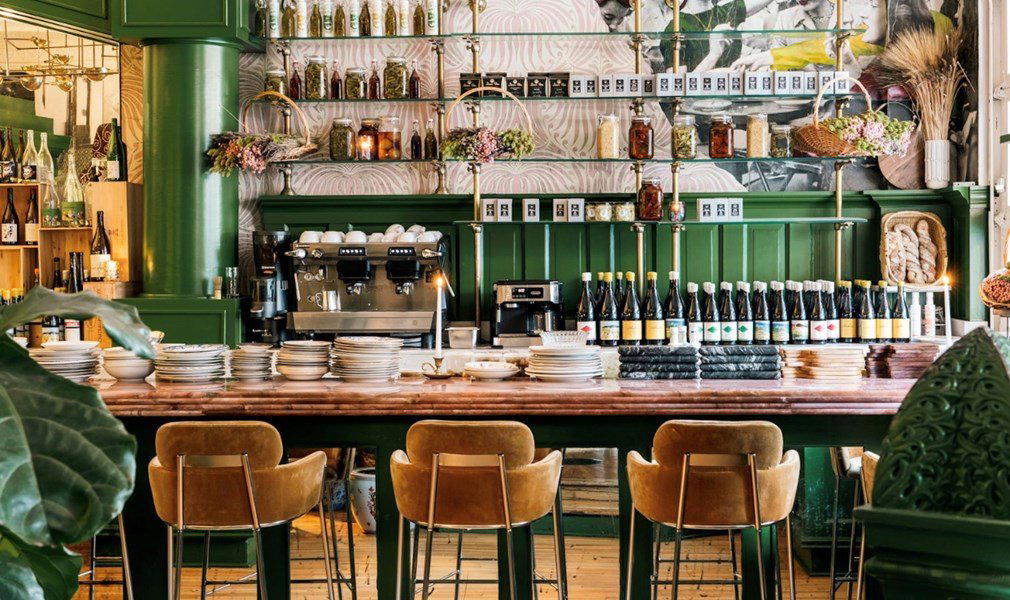
For four decades, Pops for Champagne has occupied a distinct position in Chicago's drinking culture: a bar built entirely around sparkling wine at a moment when that format barely existed in American cities. Situated at 601 N State St in the heart of downtown, it has become the reference point against which the city's other champagne-focused programs are measured.

Pearl is the En Primeur Club membership app, where members save venues, book tables and use the concierge.

Forty Years at the Same Corner
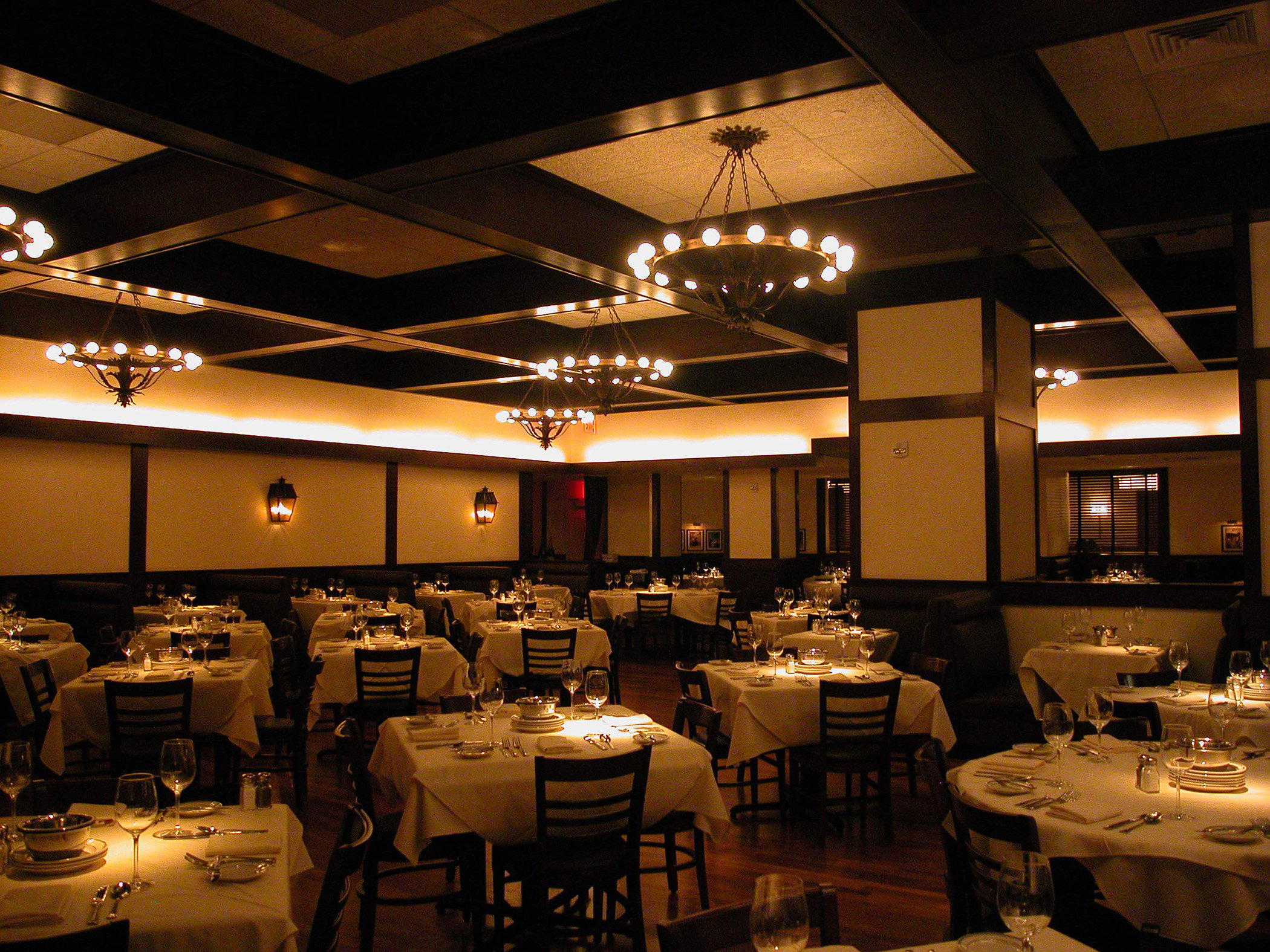
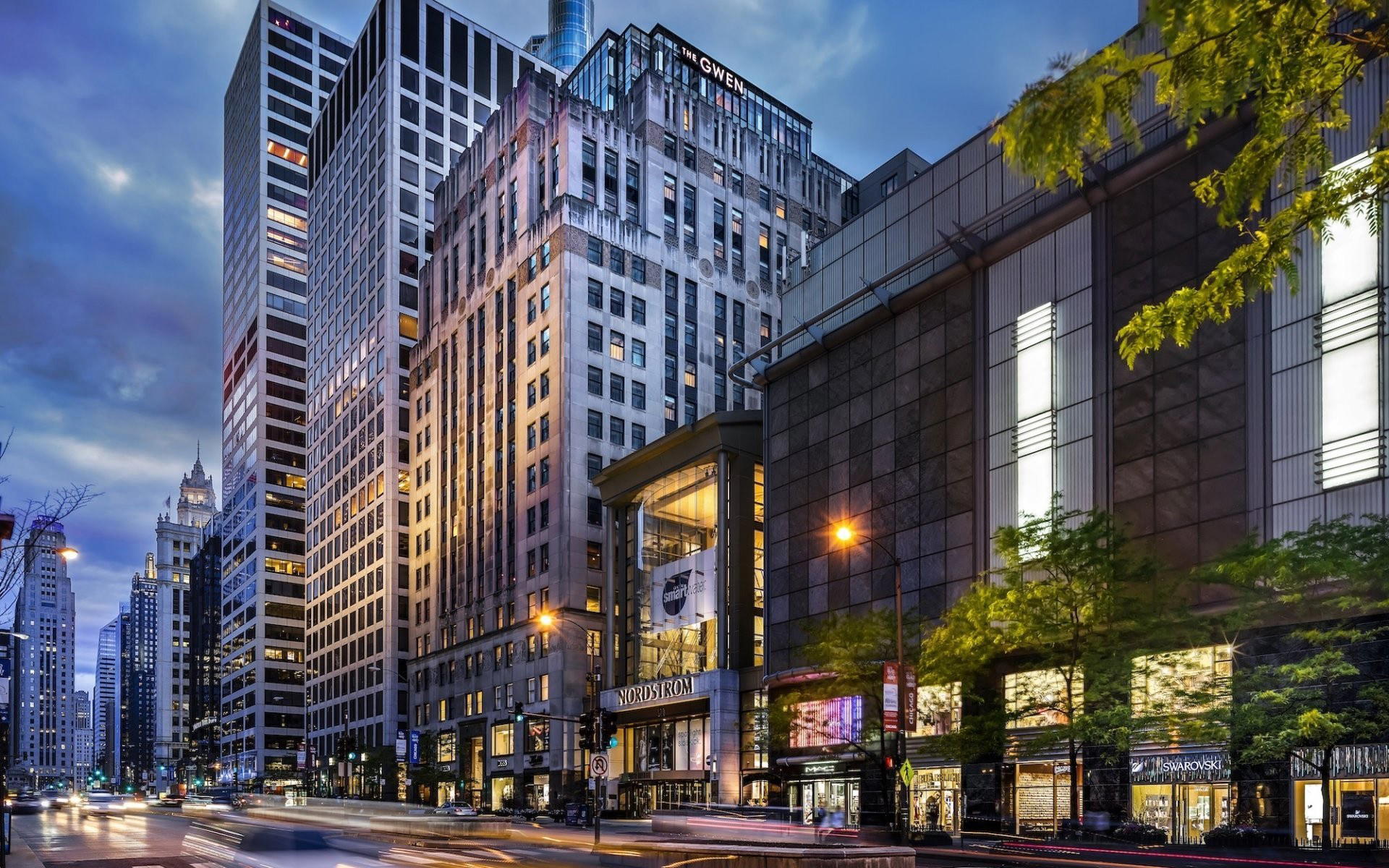
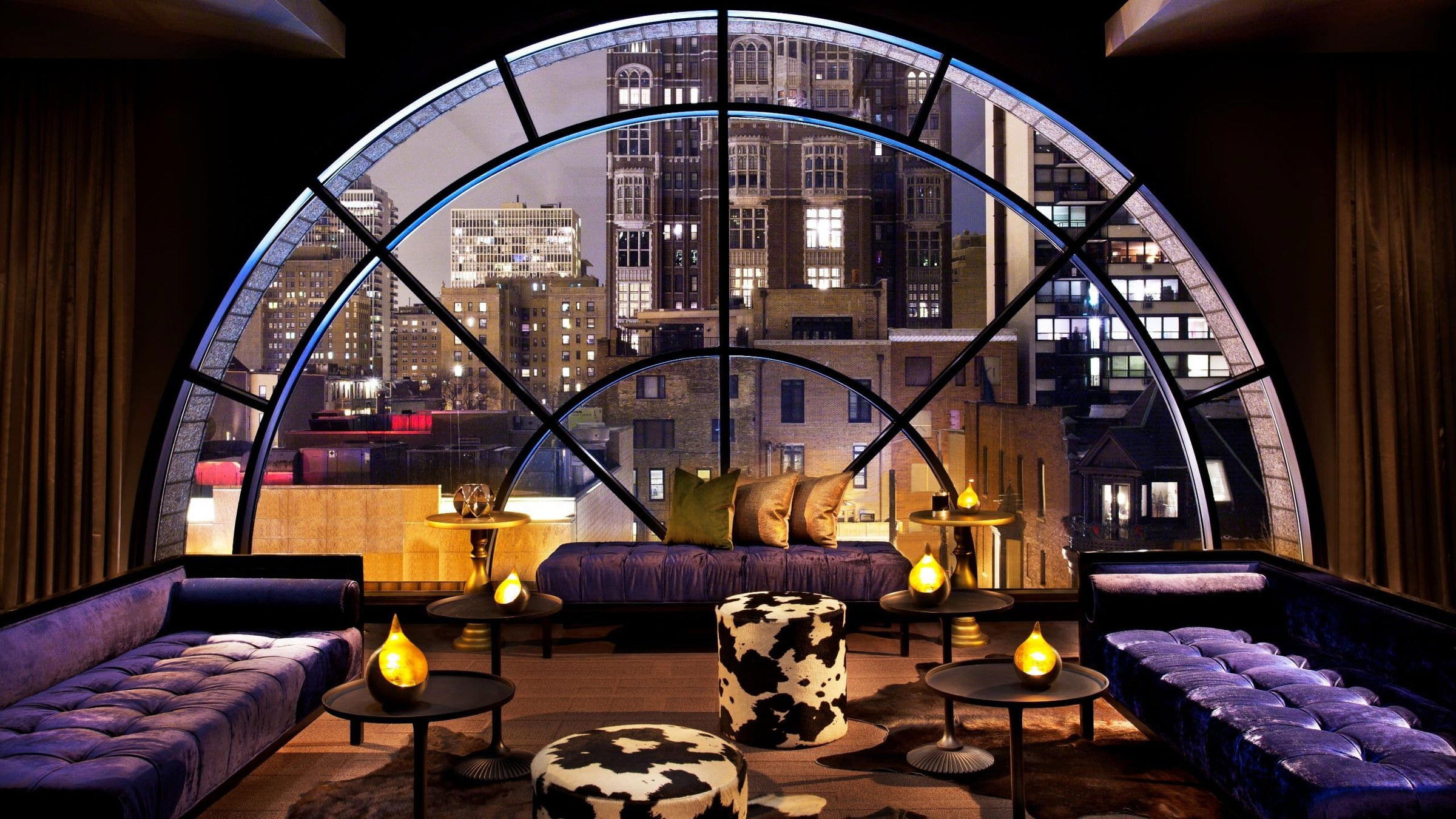
Walk north along State Street toward the River North edge of Chicago's downtown shopping corridor and the room at 601 N State announces itself as something that has been there long enough to stop trying to impress. No velvet rope staging, no theatrical entrance. The bar simply occupies its corner with the quiet confidence of a place that has outlasted most of its competition by decades. That durability is itself a kind of editorial statement: in a city where bar concepts cycle faster than political administrations, Pops for Champagne has been popping bottles since the mid-1980s.
The format matters here more than the decor. Champagne bars in the United States have historically struggled to hold a middle position between wine-list add-ons and full-service restaurants. Most close within a few years, unable to sustain a room on sparkling wine alone. Pops for Champagne resolved that tension early and has never felt the need to complicate the proposition. The result is a room that functions as a genuine reference counter for anyone building an understanding of the sparkling wine category in an American context, the way Le Bernardin in New York City functions as a reference for seafood-forward fine dining, or The French Laundry in Napa for tasting-menu tradition.
The Progression Through the Glass
The architecture of an evening at a serious champagne bar follows a logic closer to a tasting menu than a conventional bar visit. You do not simply order a drink and hold it for an hour. The format invites movement: an aperitif pour to open, then a progression through styles, producers, and price tiers that maps the category's own internal structure. At Pops, that structure has been refined over four decades, which means the list carries institutional depth rather than the fashionable curation of a newer program trying to establish credibility in a hurry.
Champagne, as a category, rewards this kind of sequenced approach. Non-vintage brut sets the baseline: the house style of a given producer compressed into a blend that may draw on a decade of reserve wines. Moving from there into vintage expressions, then into prestige cuvées, reveals how the same house philosophy amplifies under different conditions and source material. A room that has been doing this for forty years accumulates the kind of list depth that allows that progression to happen with genuine comparisons rather than gaps. For visitors building their understanding of the category alongside great American dining experiences like Alinea, Smyth, or Oriole, an evening at Pops provides a different but complementary kind of education.
The sparkling wine category beyond Champagne also deserves attention in this context. The past fifteen years have produced serious grower-producer programs in England, Australia, and across California, alongside the established benchmarks of Franciacorta, Cava, and Crémant. A bar with Pops's longevity has had time to track these developments and integrate them meaningfully, rather than bolting on a perfunctory section to signal awareness of current trends.
Where Pops Sits in Chicago's Drinking Scene
Chicago's bar culture has matured considerably since Pops opened. The city now supports a serious cocktail infrastructure, with programs that would hold their own in New York or London, alongside a restaurant tier that includes Kasama and Next Restaurant among its more ambitious addresses. Within that context, Pops occupies a specialized position that has no direct competitor in the city. There is no other room with equivalent depth and tenure built specifically around sparkling wine.
That specialization has consequences for how you use the venue. It is not a general pre-dinner stop in the way a hotel bar might be. It functions leading as a destination in its own right, or as the second act of an evening, when the pressure of a full dinner service has cleared and there is time to work through a progression of pours at the bar. The River North location, on a corner in a shopping-heavy stretch of downtown rather than tucked into a residential neighbourhood, means it draws from a wide catchment: hotel guests, post-theatre crowds, wine-focused visitors working through Chicago's broader bar scene.
For the record, Chicago's full hospitality picture extends well beyond bars. Anyone building a longer itinerary should cross-reference our full Chicago restaurants guide, our full Chicago hotels guide, our full Chicago wineries guide, and our full Chicago experiences guide to build context around what Pops anchors in the drinks category.
Seasonal Timing and Planning Notes
Chicago's calendar creates distinct rhythms for a venue like this. The late autumn and winter months, roughly November through February, produce the heaviest demand: holiday events, New Year's celebrations, and corporate entertaining converge on a room that has become a default address for occasions requiring something more specific than a general cocktail bar. Reservations during this window require more lead time than the bar's casual atmosphere might suggest. The summer months, when Chicago's outdoor options compete for attention, offer slightly more flexibility, though the room's position in downtown means foot traffic remains strong through the conference and tourism season.
For visitors coming from outside Chicago with a broader American dining itinerary, Pops works as a structural contrast to the tasting-menu tier. After dinner at a room like Smyth or Oriole, where the kitchen controls every variable of the progression, moving to a venue where the guest builds their own sequence through a champagne list is a useful reversal. The same comparative logic applies across American dining cities: the way Lazy Bear in San Francisco, Providence in Los Angeles, or Single Thread Farm in Healdsburg anchor their respective scenes, Pops anchors its specific category in Chicago. Internationally, the reference points shift toward houses like Alain Ducasse at Louis XV in Monte Carlo or 8½ Otto e Mezzo Bombana in Hong Kong for the kind of institutional depth that comes from decades of consistent positioning.
Pops for Champagne is located at 601 N State St, Chicago, IL 60610. For visitors staying downtown, the address is walkable from most River North and Magnificent Mile hotels.
Frequently asked questions
What awards or recognition does Pops for Champagne have?
Pops for Champagne has received recognition including: 40 years of popping bottles has enshrined Pops for Champagne with a title of “Chicago standard,” undoubtedly. Situated on a busy corner in the heart of downtown Chicago’s shopping district, visitors a....
Where is Pops for Champagne located?
Pops for Champagne is located at 601 N State St, Chicago, IL 60610, Chicago.
What do people recommend at Pops for Champagne?
Specific pour recommendations should be confirmed directly with the bar, as allocations and list depth at a venue of this tenure shift with vintage availability and supplier relationships. The bar's forty-year track record as Chicago's champagne reference point suggests the list covers the range from house-level Champagne through grower producers, but current selections are best verified on arrival or by contacting the venue at 601 N State St.
How hard is it to get a table at Pops for Champagne?
Availability shifts considerably by season. Chicago's holiday window and high-traffic event periods tighten the room on both reserved and walk-in nights, so planning ahead is advisable from late autumn through February. Outside of peak periods, the bar is more accessible, though a venue with forty years of established reputation at a high-traffic State Street corner rarely goes quiet for long.
What is Pops for Champagne known for?
Pops for Champagne is Chicago's reference champagne bar, a position it has held for roughly forty years at its 601 N State Street address. The format is built around serious sparkling wine rather than cocktails or a broader drinks program, which is what separates it from the city's general wine bar scene. Four decades in the same corner of the downtown shopping corridor has given it a status that Chicago's newer bars are still working toward.
Peers Worth Knowing
Comparable venues nearby, for context on price, style, and recognition.
| Venue | Cuisine | Price | Awards | Notes |
|---|---|---|---|---|
| Pops for ChampagneThis venue (the venue you are viewing) | Champagne Bar with Small Plates | $50–100 | Star Wine List | Not listed |
| Bull Moose | Classic Chicago Steakhouse & Cocktail Lounge | $50–100 | Not listed | Lincoln Park |
| Weber Grill | Charcoal-Grilled American Steakhouse & BBQ | $30–50 | Not listed | River North |
| 3 Arts Club Cafe | American Cafe Classics | $30–50 | Infatuation Coffee Guide | Near North Side |
| Celeste | Modern American | Not listed | Not listed | River North |
| Millennium Hall Restaurant | Contemporary American Gastropub with Neapolitan Pizza | $30–50 | Not listed | Millennium Park |
Recognition history
Dated appearances from independent guides and award organizations, with the underlying list record or original source where available.
Star Wine List
Star Wine List