Popina All-day eatery
Popina All-day Eatery occupies a Mayfair address on Weighhouse Street, operating in a London dining tier that increasingly places ethical sourcing and reduced-waste kitchens at the centre of the offer rather than the margins. For visitors weighing the neighbourhood's formal fine-dining options against something closer to considered, accessible eating, Popina sits in a distinct and growing category of all-day venues where environmental consciousness shapes the menu rather than decorates it.
Pearl is the En Primeur Club membership app — saves, bookings, and concierge access live there. Same editors, same standards.
- Address
- 18-20 Weighhouse St, London W1K 5AH, United Kingdom
- Phone
- +442074992819
- Website
- popina.co.uk
- Directions
- Get directions
 Saves & bookings on Pearl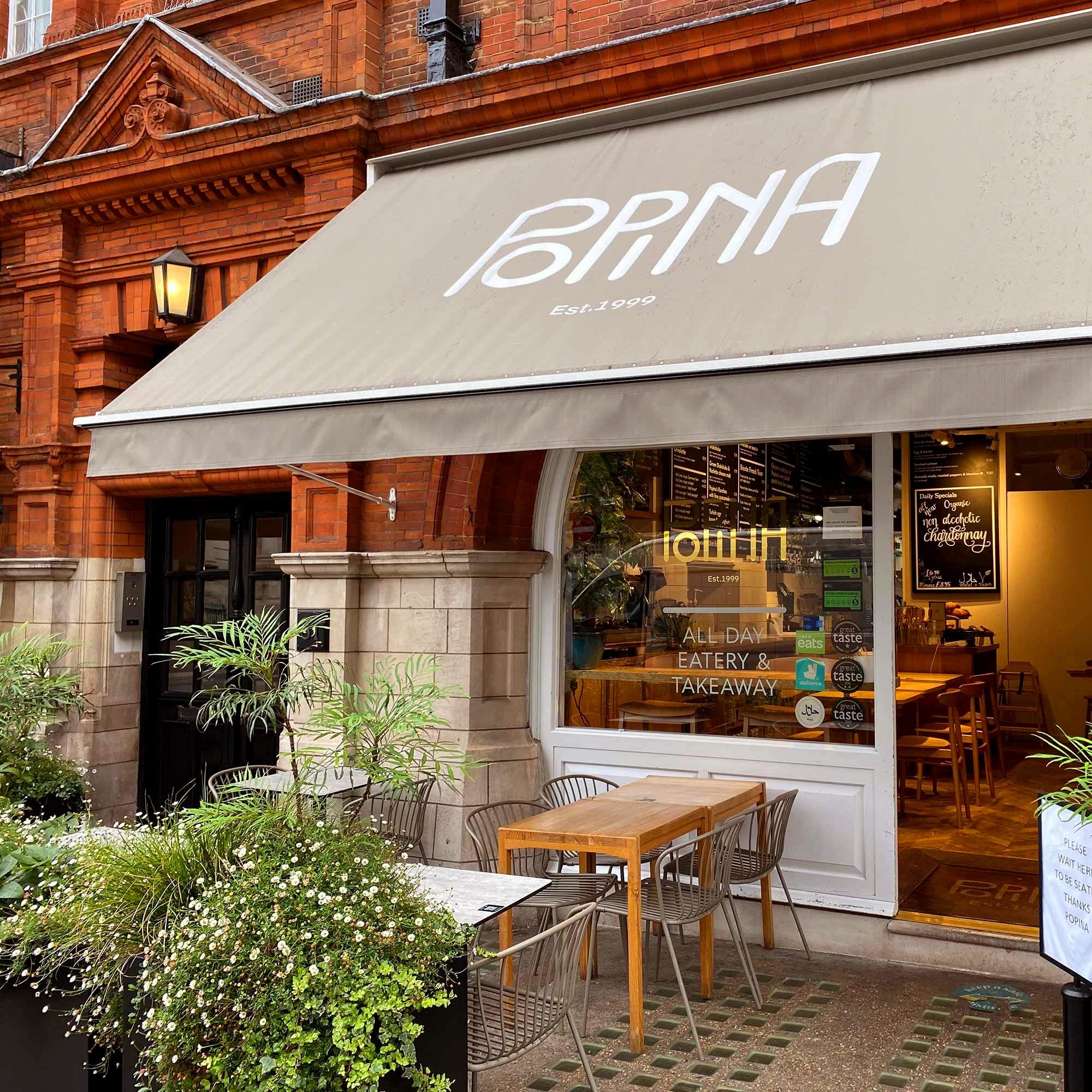
All-Day Eating and the Ethics Behind It: Where Weighhouse Street Fits In
Mayfair's restaurant identity has long been defined by its top tier: the white-tablecloth rooms, the tasting menus priced north of £200 per head, the kitchens drawing lineages from classical French training. Venues like Sketch, The Lecture Room and Library, Restaurant Gordon Ramsay, and CORE by Clare Smyth occupy the upper bracket of London fine dining, each commanding multiple Michelin stars and the booking lead times to match. But Mayfair has always sustained a secondary layer beneath that formal ceiling: all-day cafes, neighbourhood-facing eateries, and mid-register rooms that serve the area's residents, office workers, and hotel guests across the full arc of the day.
Popina All-day Eatery at 18-20 Weighhouse Street, W1K 5AH, belongs to that secondary layer. Across London's mid-register all-day sector, a discernible shift has taken hold: venues in this category are no longer competing on price alone. Where the Michelin-starred tier uses provenance as a premium signal, all-day venues are using it as a structural commitment.
The Sustainability Turn in London's All-Day Format
The all-day eatery format, as it has developed in London over the past decade, occupies a different set of pressures than destination dining. Without a fixed tasting menu or a headline chef name anchoring the offer, these venues compete on consistency, ingredient quality, and the legibility of their values to a regular clientele. Sustainability credentials have become one of the clearest ways to build that legibility.
In cities where all-day venues have moved furthest along this track, the operational pattern tends to be similar: shorter, rotating menus that reflect seasonal availability rather than year-round continuity; supplier relationships built around smaller, often regional producers; kitchen practices oriented toward whole-ingredient use to reduce what goes to waste. The result is a menu that changes more frequently and plates that look less standardised than the output of a conventional all-day kitchen, but that carry a clearer story for guests who want to know where their food comes from.
This model has found particular traction in London's central neighbourhoods, where the customer base for lunch and weekend brunch includes a high proportion of guests who have already encountered ethical sourcing frameworks at higher price points, at venues like The Ledbury or Dinner by Heston Blumenthal, and who apply similar expectations when choosing where to eat on a Tuesday afternoon. Popina's Mayfair address places it squarely in that customer flow.
What the All-Day Structure Demands
Running an all-day eatery with genuine sustainability commitments is operationally harder than it looks from the outside. The challenge is not sourcing ethical ingredients, that supply infrastructure now exists in London at most price points, but building a kitchen rhythm that uses those ingredients with minimum waste across a menu that spans morning coffee service through to an evening meal. The kitchens that manage this well tend to treat the day as a continuous production cycle rather than a series of discrete services, repurposing components across breakfast, lunch, and dinner in ways that reduce surplus without making the menu feel repetitive.
Waterside Inn in Bray or Le Manoir aux Quat'Saisons in Oxford, where a single extended service anchors the entire operation. At L'Enclume in Cartmel or Moor Hall in Aughton, the sustainability argument is often made through hyper-local sourcing from kitchen gardens or estate land. The all-day format in a central London setting has no estate to draw on, the environmental case has to be made through supply chain choices and kitchen discipline rather than geography.
Mayfair's Evolving Mid-Register Dining Scene
The broader context worth understanding is that Mayfair's mid-register has grown more competitive and more defined in the past several years. Weighhouse Street sits in a part of the neighbourhood that connects the Bond Street retail corridor to the quieter residential streets south of Oxford Street, and the foot traffic it captures is genuinely mixed: local workers at lunch, afternoon visitors browsing the area, and evening diners looking for something less formal than the area's destination rooms. That mix creates demand for a venue that can operate credibly across multiple day-parts without defaulting to the generic hotel-lobby-café register that fills much of London's all-day middle tier.
For comparison, venues operating in the serious end of British regional dining, Gidleigh Park in Chagford, Hand and Flowers in Marlow, hide and fox in Saltwood, Midsummer House in Cambridge, Opheem in Birmingham, and Restaurant Andrew Fairlie in Auchterarder, build their identity around a single high-investment meal. Popina's format inverts that model: lower commitment per visit, but potentially higher frequency for the local regular who returns two or three times a week. That relationship model, when it works, is a different kind of loyalty than the destination dining circuit produces.
Internationally, the same structural shift is visible. At the high-investment end of New York dining, venues like Le Bernardin and Atomix operate with near-total menu control and long advance booking. The all-day format answers a different question: what does considered eating look like when it doesn't require a reservation made months in advance?
Planning Your Visit
Popina All-day Eatery is located at 18-20 Weighhouse Street, London W1K 5AH, a short walk from Bond Street station on the Central and Jubilee lines. Dress: No formal dress code is associated with the all-day eatery format; smart-casual is consistent with the Mayfair neighbourhood.
A Quick Peer Check
Comparable venues nearby, for context on price, style, and recognition.
| Venue | Cuisine | Price | Notes |
|---|---|---|---|
| Popina All-day eateryThis venue — the venue you are viewing | Modern British All-Day Eatery | $$ | Not listed |
| The Hart | Modern British Gastropub | $$ | Marylebone |
| The Fox and Pheasant | British Gastropub | $$ | West Brompton |
| The Table Cafe | British Brunch Cafe | $$ | Bankside |
| Tanner & Co | Modern British Gastropub | $$ | Borough |
| Thatched House | British Gastropub | $$ | Hammersmith Broadway |
Continue exploring
More in London
Restaurants in London
Browse all →
Bars in London
Browse all →
Hotels in London
Browse all →



At a Glance
- Cozy
- Modern
- Trendy
- Brunch
- Casual Hangout
- Family
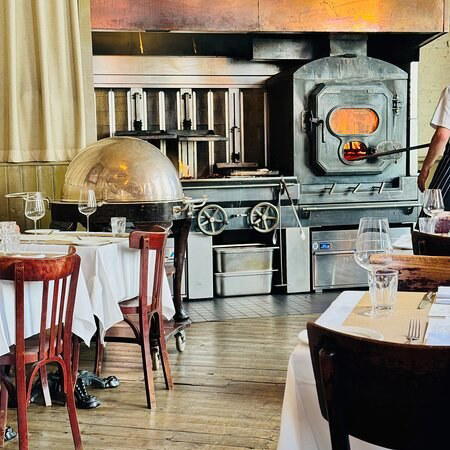
- Open Kitchen
- Local Sourcing
Current opening hours
- Monday
- 8 AM–4 PM
- Tuesday
- 8 AM–4 PM
- Wednesday
- 8 AM–4 PM
- Thursday
- 8 AM–4 PM
- Friday
- 8 AM–6 PM
- Saturday
- 8 AM–6 PM
- Sunday
- 8 AM–6 PM
Hours can change for holidays and private events. Last verified .
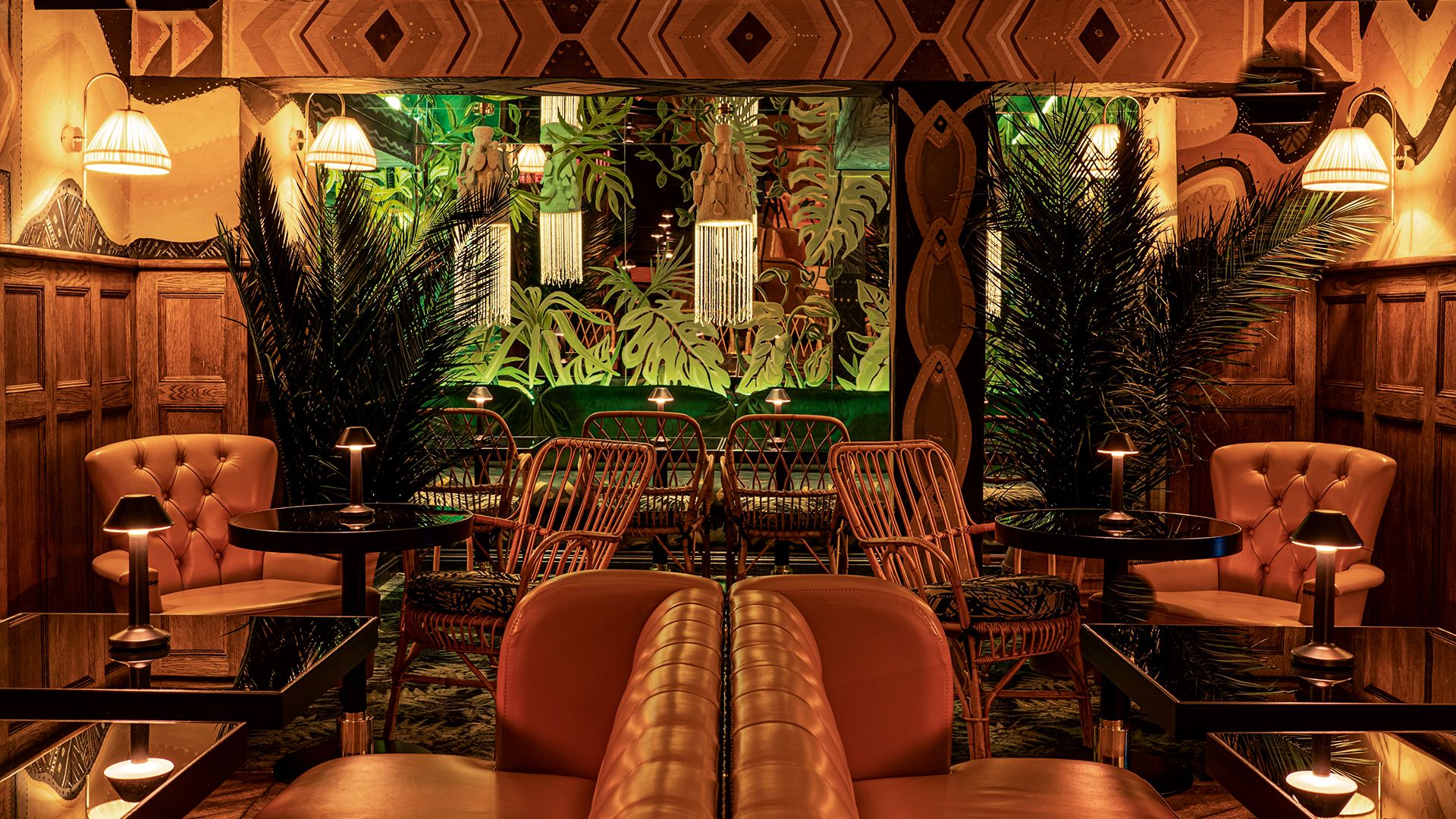
Cozy and modern café atmosphere with quiet conversation levels in a tiny space with just a handful of tables.