The Table Cafe
On Southwark Street in SE1, The Table Cafe sits within a stretch of South Bank London that has quietly developed one of the city's more interesting casual dining scenes. The address places it near the borough's food markets and independent operators, making it a useful reference point for understanding how local-ingredient cooking has taken root south of the river. Visitors with an interest in British produce and relaxed formats will find it worth the detour.
Pearl is the En Primeur Club membership app — saves, bookings, and concierge access live there. Same editors, same standards.
- Address
- 83 Southwark St, London SE1 0HX, United Kingdom
- Phone
- +44 20 7401 2760
- Website
- thetablecafe.com
- Directions
- Get directions
 Saves & bookings on Pearl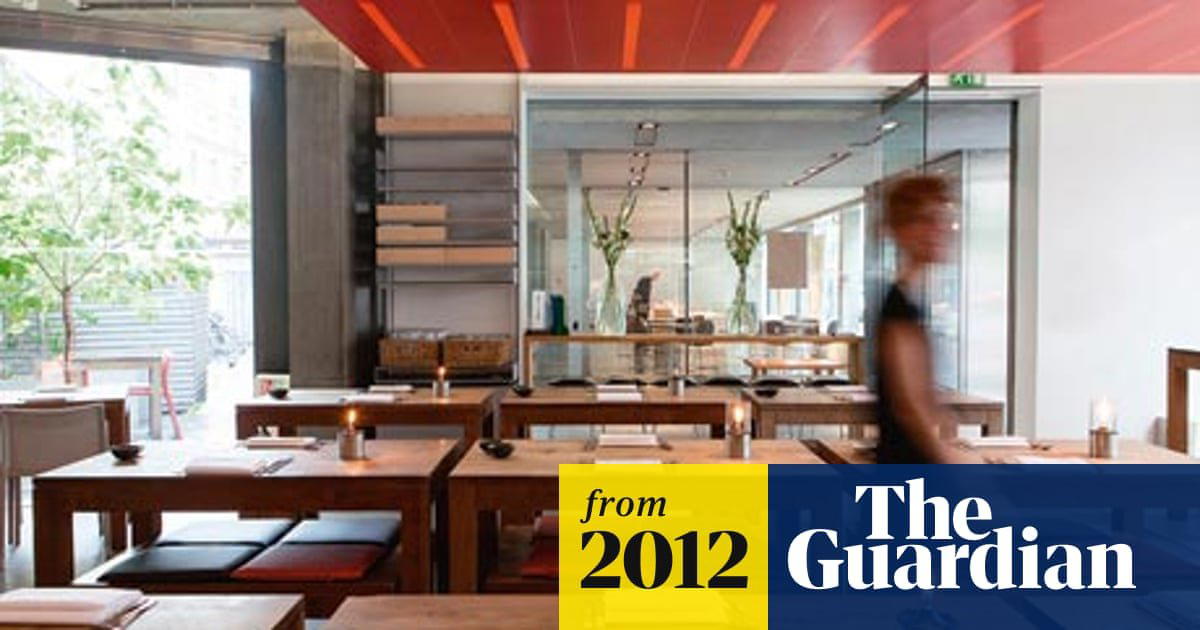
South of the River, Where London Eats Without Pretension
If you're allocating one meal in London to the kind of place that tells you something true about how the city eats day-to-day, consider the stretch of Southwark Street in SE1 before you book another Mayfair counter. The area around Borough Market and the South Bank has become, over the past decade, a convincing argument that serious ingredient-led cooking doesn't require a formal dining room or a tasting menu. The Table Cafe, at 83 Southwark St, sits in that broader tradition: a neighbourhood British brunch cafe in a part of London where the food conversation tends to centre on produce, provenance, and format.
This matters as context because SE1 operates differently from the dining clusters further west. Where Notting Hill has The Ledbury anchoring a premium Modern European tier, and where Mayfair holds institutions like Sketch, The Lecture Room and Library and Restaurant Gordon Ramsay, Southwark Street operates in a register that is casual but deliberate. The ingredients still come from serious suppliers; the technique is still considered. The difference is the absence of ceremony.
The Southwark Street Food Scene in Context
Borough Market, a ten-minute walk from the Southwark Street address, functions as one of the more reliable supply chains for quality-focused London restaurants. Proximity to that market has shaped the cooking culture in this pocket of SE1 in ways that are worth understanding before you arrive. Cafes and restaurants in the immediate area have historically had access to the same artisan producers, rare-breed butchers, and specialist vegetable growers that supply some of London's most decorated kitchens. The result is that the ingredient quality at neighbourhood-tier addresses in this part of the city often punches above its price positioning.
That intersection of imported culinary technique and genuinely sourced British produce is one of the defining characteristics of the better SE1 operators. It mirrors a broader pattern visible in UK restaurant culture at large: the application of methods associated with European fine dining, or in some cases East Asian precision, to ingredients that are emphatically local. You see the same logic at work at destination addresses outside the city, from L'Enclume in Cartmel to Moor Hall in Aughton, where the vocabulary is global but the pantry is resolutely regional.
What the Format Signals
Cafe-format dining in London occupies a specific and underappreciated position in the city's food culture. The format implies all-day service, flexibility of occasion, and a menu that allows for single courses rather than committed multi-course spend. In practice, the better operators in this tier deliver more useful meals than their positioning suggests: the cooking is direct, the sourcing is often traceable, and the margin pressure that comes with cafe pricing tends to reward efficiency of technique over elaborate presentation.
This is a format that has found significant credibility in cities like Melbourne, where the cafe-as-serious-food-destination model has been refined over decades. London absorbed that influence and adapted it to its own ingredient culture and neighbourhood patterns. SE1 has been one of the more receptive areas for that adaptation, partly because its working and residential population is mixed enough to support venues that operate outside the tourist-economy logic of, say, the South Bank's immediate riverside strip.
For comparison, the contrast with London's formal tier is instructive. The prix-fixe commitments at CORE by Clare Smyth or Dinner by Heston Blumenthal require a different kind of planning and budget allocation. The Southwark Street cafe tier serves a different reader need: the visitor or local who wants quality without the commitment of a three-hour tasting experience. Both tiers have their place in a complete London food picture.
How This Address Fits the Broader UK Dining Map
Understanding The Table Cafe's position also means placing it in the context of what serious cafe and informal dining looks like across the UK. The country's most celebrated ingredient-driven restaurants, whether The Fat Duck in Bray, Gidleigh Park in Chagford, or Hand and Flowers in Marlow, all operate outside London. That geography is relevant: it confirms that the leading British produce often travels to London from elsewhere, and that the restaurants with particularly direct supplier relationships tend to be those physically closest to their sources. In London, the Borough Market proximity creates something close to that supply-chain advantage within an urban setting.
Internationally, the local-technique-global-method dynamic visible in SE1's better cafes has parallels in New York, where operators at different price tiers are solving the same problem. Le Bernardin in New York City represents the formal end of that spectrum; addresses like Atomix in New York City show how tightly disciplined technique can be applied in formats that break from European fine-dining convention. The Southwark Street address operates at a more accessible register than either of those references, but the underlying editorial logic is the same: technique in service of ingredient.
For visitors building a London itinerary that extends beyond the obvious dining tier, the SE1 area rewards exploration.
Planning Your Visit
The Southwark Street address is accessible from London Bridge station and sits within easy reach of Blackfriars. The SE1 neighbourhood is most active during weekday lunch, when the local working population fills the area's cafes and restaurants; weekend brunch periods draw a different crowd. Arriving early in a service window is a reliable way to secure a table. Reservations are recommended. Dress code is casual. Budget: about $20 per person. London Bridge or Southwark stations are the closest Underground access points.
Reputation First
Comparable venues nearby, for context on price, style, and recognition.
| Venue | Cuisine | Price | Notes |
|---|---|---|---|
| The Table CafeThis venue — the venue you are viewing | British Brunch Cafe | $$ | Not listed |
| Grumbles | Traditional British Bistro | $$ | Pimlico |
| Bonds | British Gastropub | $$ | Cheapside |
| Toffs | Traditional British Fish and Chips | $$ | Muswell Hill |
| Carpenters Arms | Modern British Gastropub | $$ | Hammersmith Broadway |
| The English Pig | British Pork-Focused Gastropub | $$ | Spitalfields |
Continue exploring
More in London
Restaurants in London
Browse all →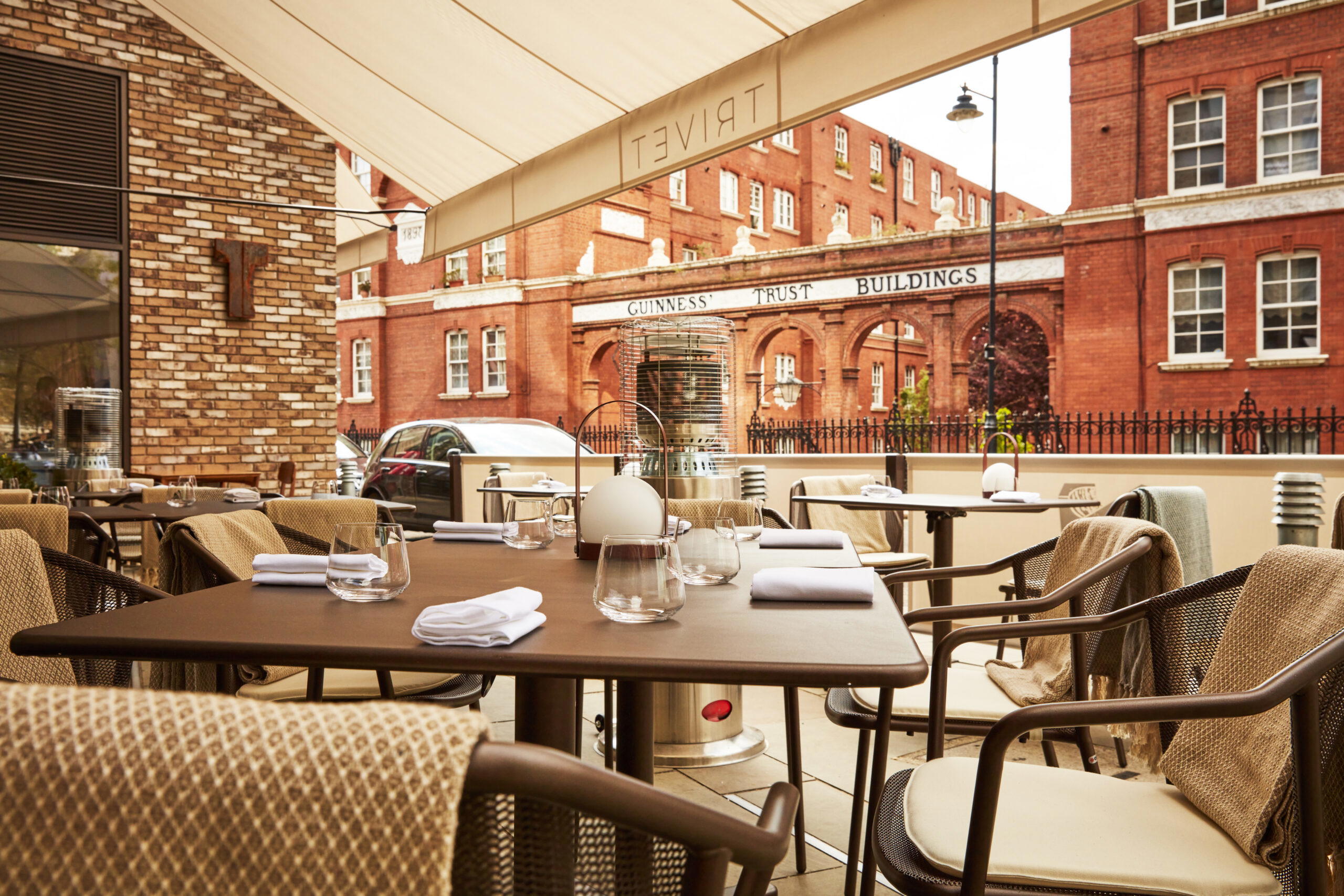
Bars in London
Browse all →
Hotels in London
Browse all →

At a Glance
- Lively
- Modern
- Cozy
- Brunch
- Family
- Terrace
Current opening hours
- Monday
- 8 AM–4 PM
- Tuesday
- 8 AM–4 PM
- Wednesday
- 8 AM–4 PM
- Thursday
- 8 AM–4 PM
- Friday
- 8 AM–4 PM
- Saturday
- 9 AM–4 PM
- Sunday
- 9 AM–4 PM
Hours can change for holidays and private events. Last verified .
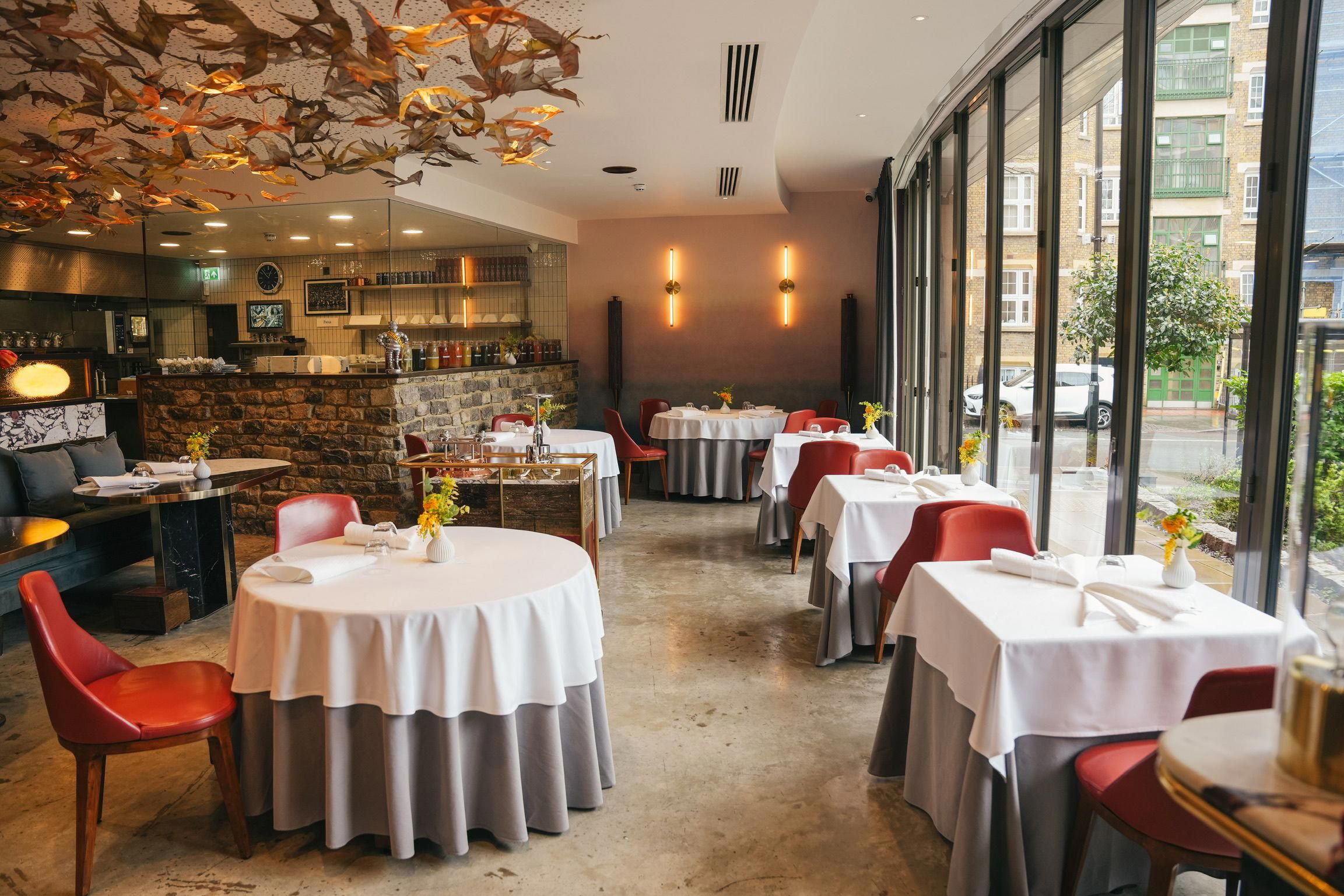
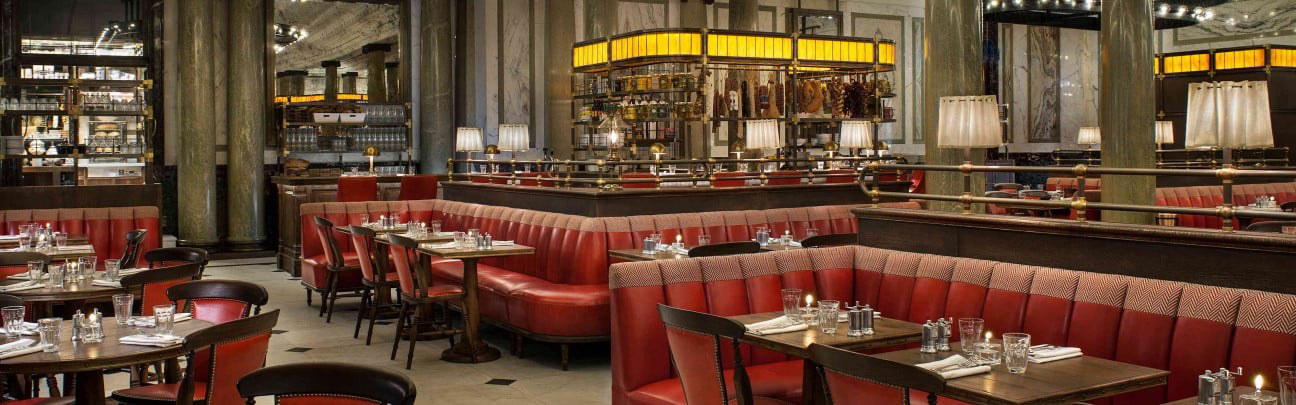
Lively and inviting with clean, modern decor, warm atmosphere, and busy energy; heated covered terrace adds outdoor appeal.