Pomodoro Rosso
Our verdict
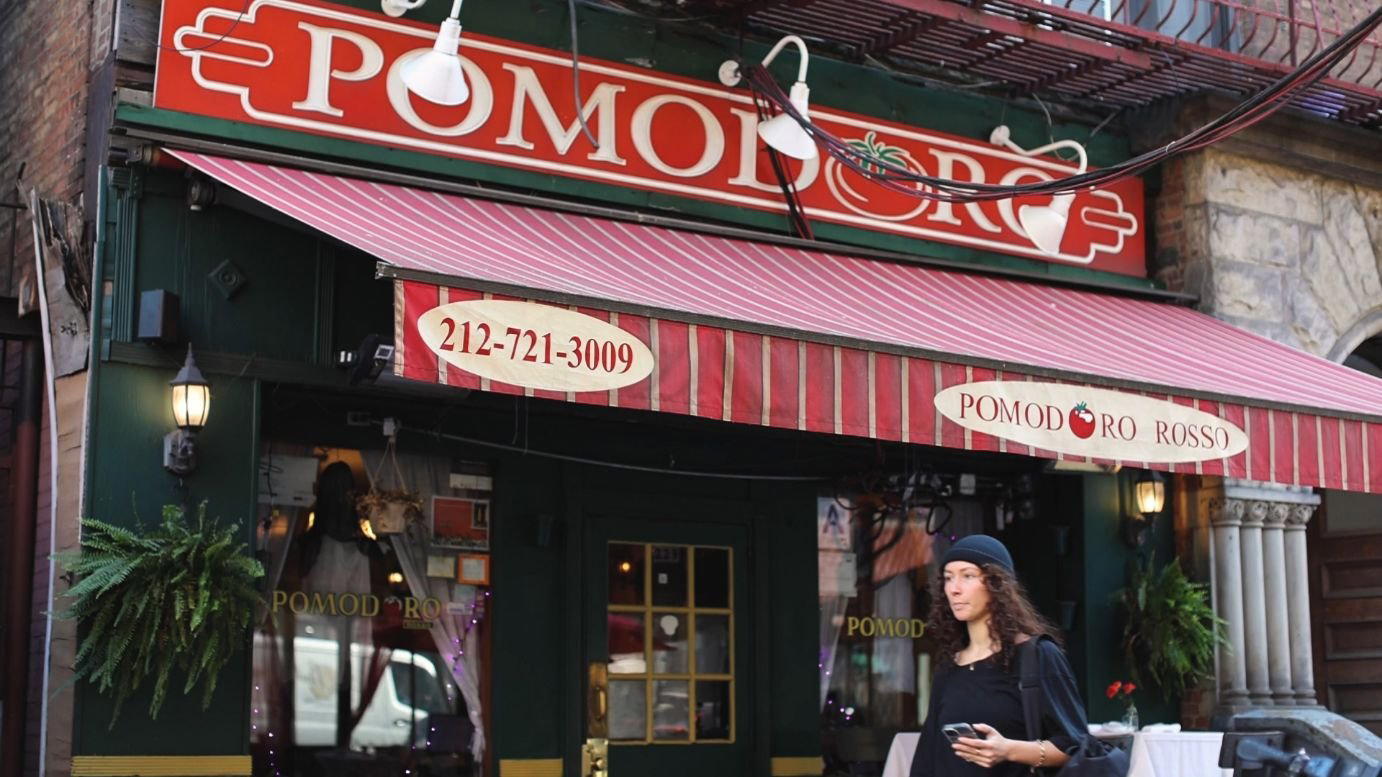
The regulars here return not for spectacle but for consistency, the kind of Italian-American cooking that holds its ground in a city where the category has splintered sharply between red-sauce nostalgia and modernist reinvention. A useful reference point for the UWS dining scene.

Pearl is the En Primeur Club membership app, where members save venues, book tables and use the concierge.
The menu
What to order
- Spaghetti Polpette
- Lasagna
- Linguine Alla Vongole
- Shrimp Scampi
That profile matters in New York City's Italian restaurant conversation, which has split into increasingly distinct tiers. At the leading, multi-course Italian and Italian-adjacent programs compete with the likes of Le Bernardin and Per Se for the same formal-dining dollar. In the middle, a new wave of Italian-American revisionism draws on nostalgia while charging contemporary prices. And then there is the neighborhood Italian, the category Pomodoro Rosso occupies, where the measure of quality is not innovation but reliability, and where the audience is self-selecting: locals who would notice immediately if the food changed.
What the Regulars Know
The clearest signal of a neighborhood restaurant's standing is not its press coverage but its table composition on a Tuesday night. At Pomodoro Rosso, the audience skews residential: couples from the surrounding blocks, families who have likely been coming since before their children could order for themselves, solo diners at ease with their own company. This is the operating logic of the Italian-American trattoria format at its most coherent, a room that functions as an extension of the neighborhood rather than a destination imported into it.
What keeps regulars returning to rooms like this is not complexity. It is the inverse: the certainty that a dish will arrive as expected, that the pacing will be familiar, that the staff will recognize a face. In a city where the restaurant industry's turnover rate makes consistency rare, that kind of institutional memory is commercially valuable and genuinely difficult to maintain. The Italian-American format, pasta-forward, wine-friendly, portion-generous, lends itself to this model better than most cuisines, which is one reason it has proved durable across Manhattan neighborhoods where other categories have not.
Those counters and tasting-room formats exist in a separate competitive ecosystem, one where advance booking, prix-fixe pricing, and media attention are structural features. The neighborhood Italian does not compete there. It competes on familiarity and repetition, a different and, for a specific kind of diner, more immediately satisfying contract.
Placing Pomodoro Rosso in the Broader Italian-American Canon
The Italian-American restaurant has a longer and more contested history in New York than its current casual-neighborhood positioning suggests. From the red-sauce houses of the early twentieth century to the white-tablecloth Italian of the 1980s boom to the current moment of ingredient-focused Italian cooking inspired by central and northern Italian regional traditions, the category has never been static. What persists across its iterations is the role of the Italian restaurant as a social space: a place where the meal is a framework for something else, conversation, occasion, habit.
Restaurants like Pomodoro Rosso sit inside that longer tradition by prioritizing the social function over the gastronomic one. That is not a criticism. It is a description of a category that serves a genuine and underserved need in Manhattan's dining ecology. The city has no shortage of technically accomplished Italian kitchens, some of them recognized by Michelin, others by the 50 Best orbit, but the neighborhood trattoria that a local can walk into on a Wednesday without planning operates by a different logic entirely, and its value is harder to quantify on a rating scale.
For context on how other American cities have handled the neighborhood-Italian category, the contrast is instructive. Bacchanalia in Atlanta and Emeril's in New Orleans both developed loyal local followings by anchoring themselves to a specific audience rather than chasing a national dining conversation. The mechanism is similar even when the cuisine differs: repeat diners, neighborhood identity, and a menu that evolves slowly if at all. The neighborhood's residential density means foot traffic is consistent across the week, with weekend evenings drawing the heaviest volume. For a room with a regular clientele, walk-in availability varies more by day of week than by season, a Tuesday or Wednesday visit is likely to find more flexibility than a Friday or Saturday. Those planning a broader New York City dining itinerary can find additional context and nearby recommendations in our full New York City restaurants guide.
How Pomodoro Rosso Compares to Nearby Restaurants
| Venue | Cuisine | Price Tier | Format | Booking Lead Time |
|---|---|---|---|---|
| Pomodoro Rosso | Italian-American | $$–$$$ | Neighborhood trattoria | Walk-in friendly |
| Le Bernardin | French, Seafood | $$$$ | Formal tasting/à la carte | Weeks to months ahead |
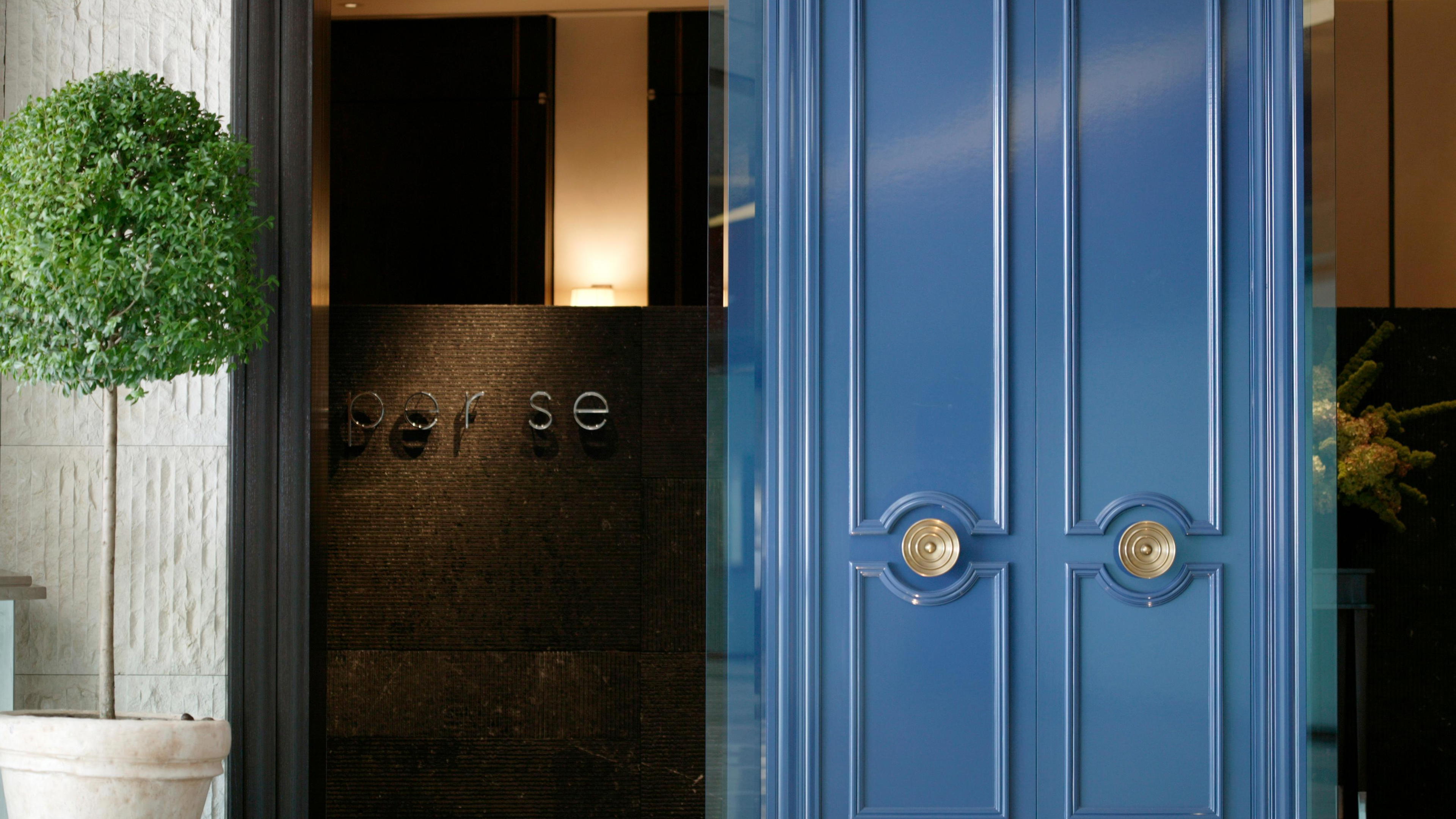
| Per Se | French, Contemporary | $$$$ | Prix-fixe tasting | Months ahead |
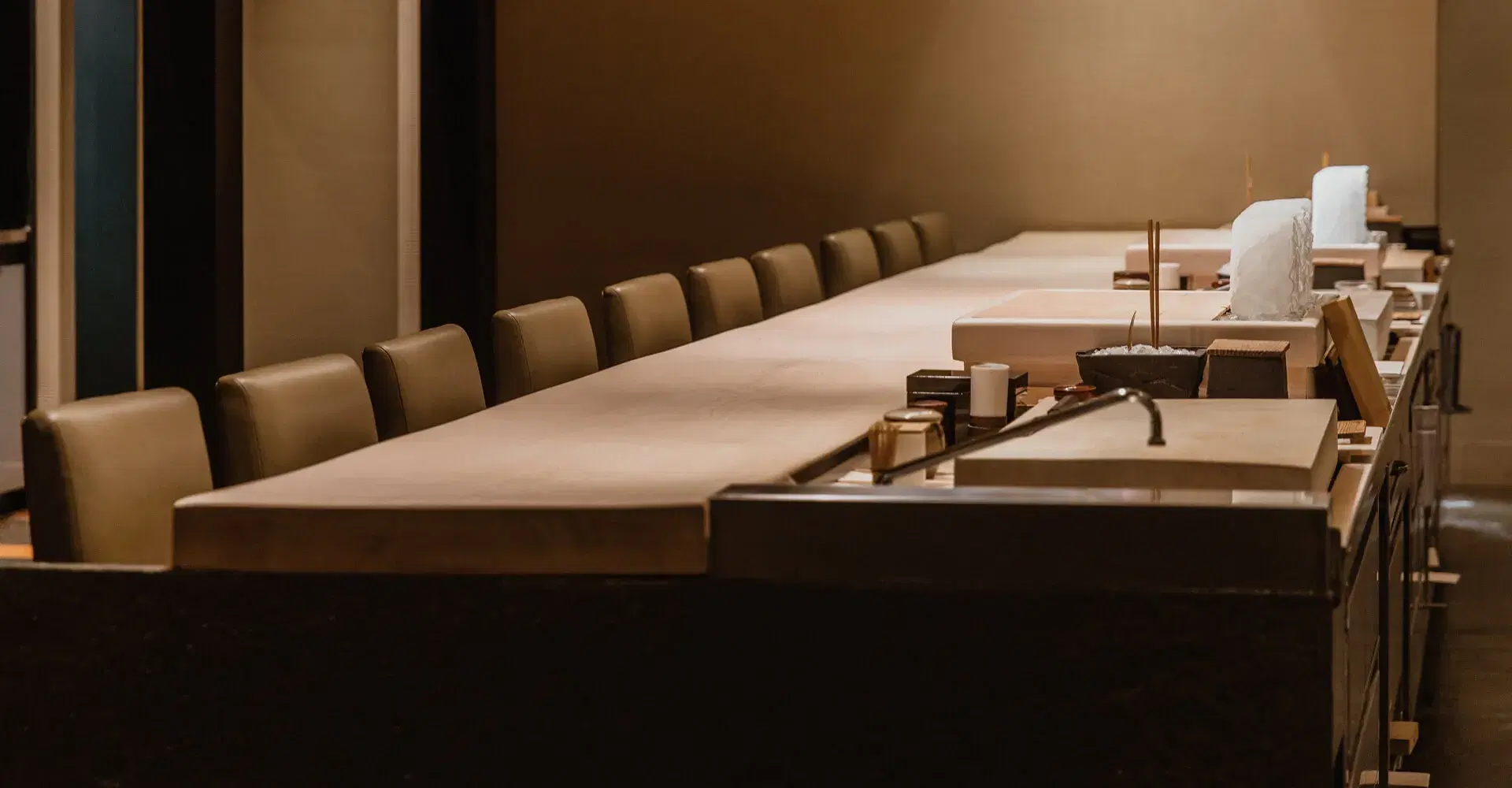
| Masa | Sushi, Japanese | $$$$ | Counter omakase | Months ahead |
| Atomix | Modern Korean | $$$$ | Tasting menu counter | Months ahead |
For travelers building a broader American fine-dining itinerary alongside a New York trip, the contrast between neighborhood formats like Pomodoro Rosso and destination programs elsewhere is worth mapping explicitly. Alinea in Chicago, The French Laundry in Napa, Lazy Bear in San Francisco, Single Thread Farm in Healdsburg, Providence in Los Angeles, Blue Hill at Stone Barns in Tarrytown, Addison in San Diego, and The Inn at Little Washington all require advance planning, specific budgeting, and a different kind of dining intention. Pomodoro Rosso requires none of those things, which is precisely the point.
Frequently asked questions
What do regulars order at Pomodoro Rosso?
What the Italian-American trattoria format consistently rewards is ordering from the pasta and sauce core of the menu, the dishes a kitchen has made the most times and therefore executes with the most control. At rooms like this, regulars tend to gravitate toward the items that have been on the menu longest, which are rarely the specials. For confirmed current menu details, checking directly with the restaurant before visiting is advisable.
Do they take walk-ins at Pomodoro Rosso?
On the Upper West Side, neighborhood Italian restaurants at this price positioning typically accommodate walk-ins more readily than the destination-dining tier, venues like Per Se or Masa, which require booking months ahead. Midweek evenings generally offer the most walk-in flexibility across the neighborhood-trattoria category in New York City. Confirm directly with Pomodoro Rosso for current policy.
What's the standout thing about Pomodoro Rosso?
In a neighborhood where the dining landscape has shifted considerably over the past two decades, consistency is the credential that matters most for a room with a regular clientele. That focus shapes everything from pacing to portion to the kind of welcome a returning face receives, which is a different kind of value than the tasting-menu tier, represented locally by Atomix or Jungsik New York, provides.
A Minimal comparable set
Comparable venues nearby, for context on price, style, and recognition.
| Venue | Cuisine | Price | Notes |
|---|---|---|---|
| Pomodoro RossoThis venue (the venue you are viewing) | Authentic Neighborhood Italian | $30–50 | Not listed |
| Tarallucci e Vino | Authentic Italian Bistro | $30–50 | Midtown South-Flatiron-Union Square, Authentic Italian Bistro |
| Lil' Frankie's | Neapolitan Pizza and Pasta | $30–50 | East Village, Neapolitan Pizza and Pasta |
| Oregano | Traditional Italian Wood-Fired Pizza & Pasta | $30–50 | Williamsburg, Traditional Italian Wood-Fired Pizza & Pasta |
| Harry's Italian | Traditional Italian Pizza and Pasta | $20–30 | Financial District-Battery Park City, Traditional Italian Pizza and Pasta |
| Antonucci | Northern Italian Trattoria | $30–50 | Upper East Side-Carnegie Hill, Northern Italian Trattoria |
Continue exploring
More in New York City
Restaurants in New York City
All restaurants in New York City →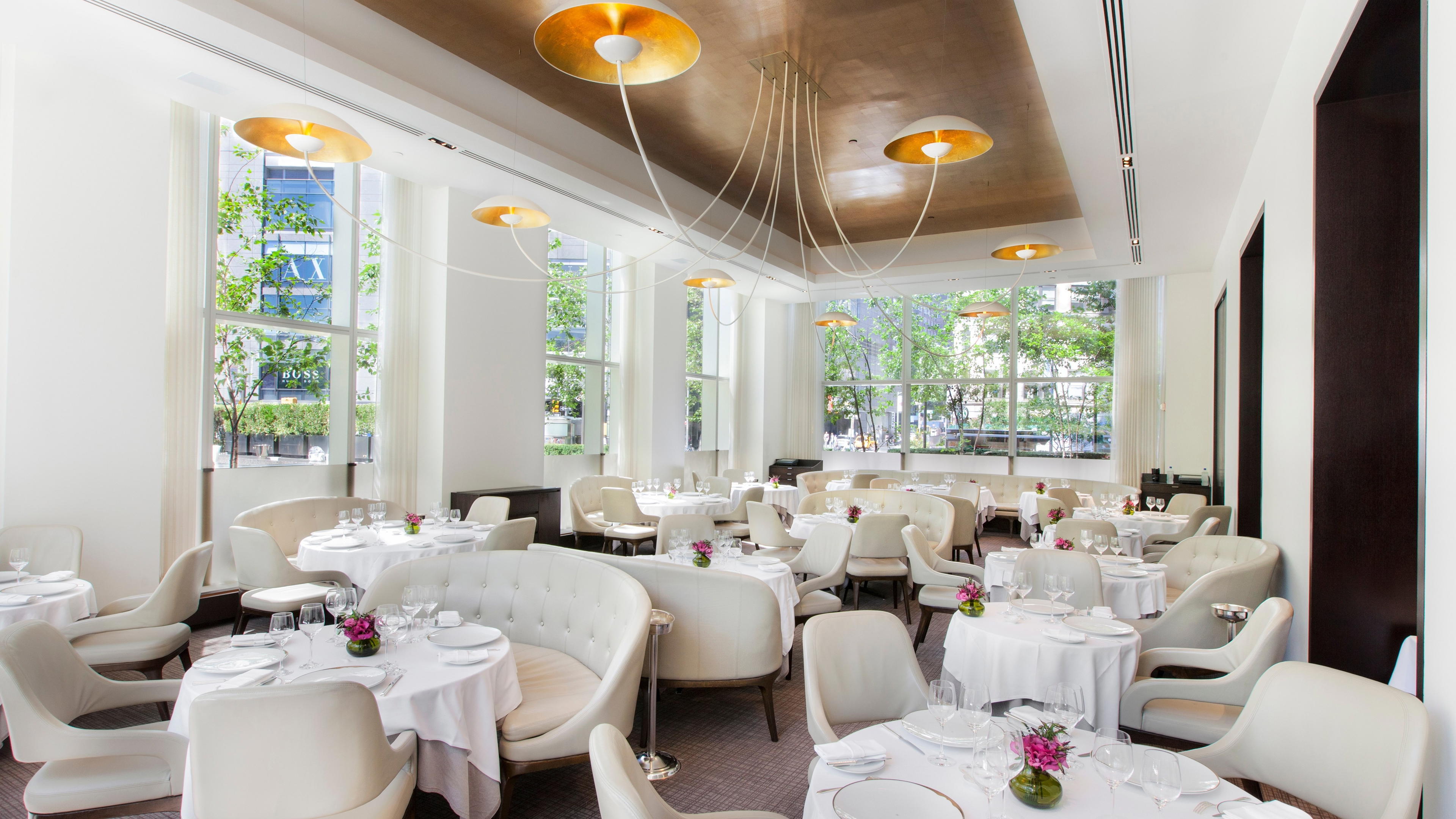
Bars in New York City
All bars in New York City →





Details
- Cozy
- Classic
- Intimate
- Date Night
- Family
- Casual Hangout
- Standalone
- A La Carte
- Vegetarian Friendly
- Vegan Options
- Gluten Free Options
Current opening hours
- Monday
- 12–9 PM
- Tuesday
- 12–9 PM
- Wednesday
- 12–9 PM
- Thursday
- 12–9 PM
- Friday
- 12–10 PM
- Saturday
- 12–10 PM
- Sunday
- 12–9 PM
Hours can change for holidays and private events. Hours as of .
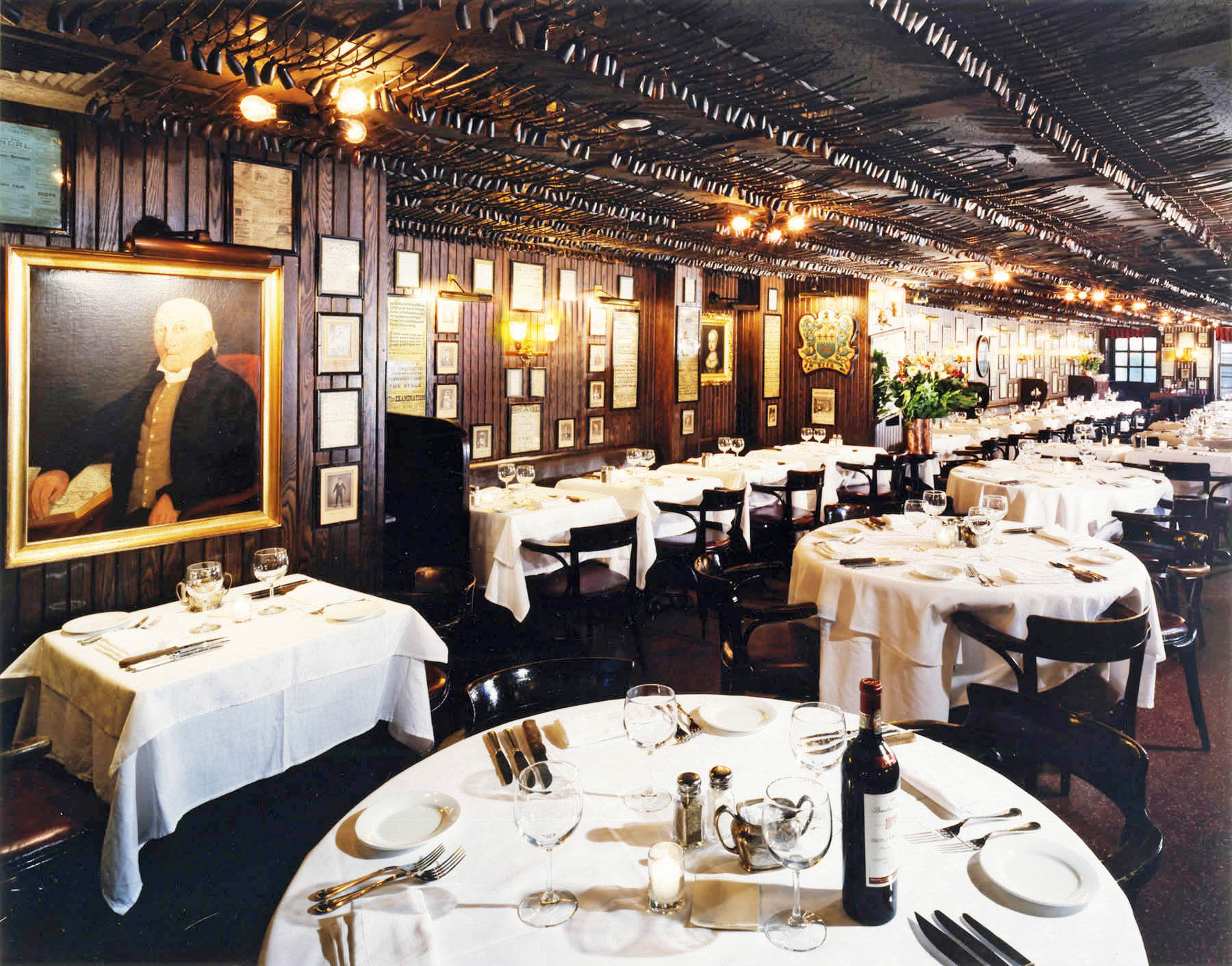
Warm and welcoming with a homey atmosphere, red-and-white checkered tablecloths, dried vines, and murals of Italian coastal scenes.