Pomo Pizzeria
Our verdict
Pomo Pizzeria occupies a corner of Phoenix's Roosevelt Row arts district at 705 N 1st Street, where Neapolitan-style pizza is made with imported Italian ingredients alongside locally sourced produce. The format is casual and counter-driven, pitched at the serious end of Phoenix's fast-casual dining tier. For anyone tracking how Italian regional technique lands in the American Southwest, it offers a clear case study.

Pearl is the En Primeur Club membership app — saves, bookings, and concierge access live there. Same editors, same standards.
- Address
- 705 N 1st St UNIT 120, Phoenix, AZ 85004
- Phone
- (602) 795-2555
- Hours
- Daily 11 AM–10 PM
- Website
- pomopizzeria.com
- Directions
- Get directions
- Booking
- Book on OpenTable
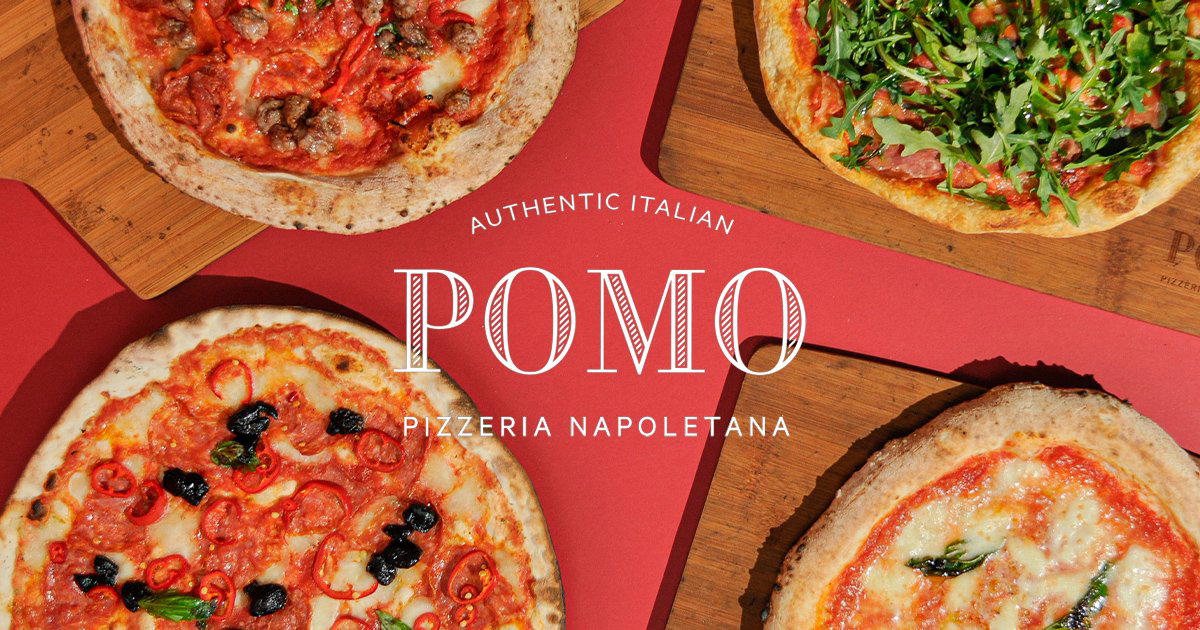
The menu
What to order
- Burratella Pizza
- Strozzapreti Salsiccia
- Meatballs
- Calzone
Where the Dough Meets the Desert
Roosevelt Row has spent the better part of a decade consolidating Phoenix's creative class into a walkable stretch of studios, galleries, and restaurants. The block around 1st Street reflects that mix: ground-floor dining spaces with open storefronts, afternoon foot traffic that skews young and local, and a general preference for casual formats that deliver something more precise than their price point suggests. Pomo Pizzeria fits that profile. Located at 705 N 1st Street, Unit 120, it operates in a neighborhood where the competition includes sharp operators like Bacanora, whose Sonoran Mexican cooking applies the same regional-sourcing logic from a completely different culinary tradition, and Lom Wong, which brings Thai technique to local ingredients with similar seriousness.
The Sourcing Argument Behind the Pizza
Neapolitan pizza is one of the most codified food traditions in the world. The Associazione Verace Pizza Napoletana sets requirements that touch everything from the flour type to oven temperature and fermentation time, and those standards exist precisely because the finished product is so sensitive to raw-material quality. The sourcing argument, in other words, is not an aesthetic preference — it is structural. A Neapolitan pizza made with inconsistent flour or low-moisture fior di latte behaves differently in the oven and reads differently on the plate.
Pomo's positioning in Phoenix places it within a small group of American pizzerias that take the ingredient-import question seriously. San Marzano tomatoes grown in volcanic Campanian soil carry a sweetness and low acidity that domestic alternatives rarely replicate, and Type 00 flour milled to Neapolitan spec absorbs water and develops gluten differently than all-purpose equivalents. These are not marketing claims — they are measurable differences in dough extensibility and crust behavior. When a Phoenix pizzeria commits to sourcing from Italy at the ingredient level, it is making a production decision that shows up in the finished cornicione: the char, the chew, the way the crust balloons at the rim.
That commitment also sets a comparison frame. Locally, Pane Bianco approaches Italian-American bread and sandwich culture with its own sourcing discipline, anchoring the Chris Bianco ecosystem that has given Phoenix a serious claim in the national conversation about American pizza and bread. The two operations address different formats, Pomo sits in the wood-fired Neapolitan register, Pane Bianco in the focaccia-and-ciabatta lane, but both reflect a Phoenix tendency to apply import-quality standards to what might elsewhere be treated as casual fare.
Phoenix Pizza in a National Frame
American pizza culture has fragmented significantly over the past fifteen years. The serious end of the market no longer belongs exclusively to New York and New Haven. Chicago deep dish retains its regional identity, but the Neapolitan category has seeded itself across the country in cities with no Italian immigration history to speak of. Phoenix is a reasonable example of that diffusion: a Sun Belt city with a large and growing restaurant scene that has absorbed Neapolitan technique through chefs trained in Italy or at American operations that themselves trained in Italy.
The broader fine-dining context in Phoenix includes Vincent Guerithault on Camelback, which has been running French Southwestern cooking in the city since the 1980s and represents a very different sourcing logic, local game and produce filtered through classical French technique. These are not competing operations, but they illustrate the range of culinary frameworks Phoenix now supports. Nationally, the farm-to-table sourcing conversation has played out at the high end through places like Blue Hill at Stone Barns and Single Thread Farm in Healdsburg, where sourcing is the explicit editorial subject of the menu. What Pomo does is apply a version of that scrutiny at a price point that makes it a daily-use option rather than a special-occasion destination.
Other cities have established their own reference points for ingredient-driven pizza at the accessible tier. Operators like Lazy Bear in San Francisco and Alinea in Chicago have set high bars for ingredient transparency at very different price levels, and the trickle-down effect on casual dining in their respective cities is measurable. Phoenix's version of that dynamic is still forming, but Pomo's presence on Roosevelt Row contributes to it.
The Format and What It Signals
Counter service at a Neapolitan pizzeria is not a compromise, it is a format choice that reflects how wood-fired pizza actually works. The pies come out fast, they cool quickly, and they are leading eaten immediately. A counter model accommodates that reality better than tableside service with extended ticket times. It also keeps the operation legible: the dough, the toppings, the oven, and the exit. Nothing obscures the product.
Roosevelt Row rewards that kind of directness. The neighborhood's dining culture trends toward operations that are confident about what they do without requiring a ceremony around it. 5 & Diner occupies a completely different culinary register nearby, but both operations reflect a comfort with format clarity that suits the area. For visitors arriving from a hotel downtown or walking from the Phoenix Art Museum a few blocks west, Pomo functions as a lunch or casual dinner option that requires no reservation and no particular preparation, just an appetite and a preference for something made with care.
Planning a visit is direct. The address at 705 N 1st Street places it in the northern portion of Roosevelt Row, accessible on foot from much of downtown Phoenix and a short ride from the broader Midtown corridor. For anyone building a broader Phoenix itinerary, our full Phoenix restaurants guide covers the range of dining options across neighborhoods and price tiers, including the Sonoran-inflected cooking at Bacanora and the Italian-American bread tradition at Pane Bianco.
Internationally, the sourcing-first approach to Italian pizza has become a legible signal in cities like Hong Kong, where operators like 8 1/2 Otto e Mezzo Bombana have demonstrated that Italian product standards travel. In the United States, that conversation runs through operations at every price tier, from the tasting-menu ambition of The French Laundry and Providence in Los Angeles down to the casual counter. Pomo sits at the accessible end of that spectrum, which is where sourcing decisions arguably matter most: at a price point where cutting corners is easy and the customer has fewer defenses against it.
Frequently asked questions
What's the signature dish at Pomo Pizzeria?
How far ahead should I plan for Pomo Pizzeria?
What's the defining dish or idea at Pomo Pizzeria?
Is Pomo Pizzeria allergy-friendly?
How does Pomo Pizzeria fit into Phoenix's broader Italian and pizza dining scene?
Reputation First
Comparable venues nearby, for context on price, style, and recognition.
| Venue | Cuisine | Price | Notes |
|---|---|---|---|
| Pomo PizzeriaThis venue — the venue you are viewing | Authentic Neapolitan Pizza | $20–30 | Not listed |
| Pizza To The Rescue | Neapolitan Pizza | $20–30 | Squaw Peak Terrace |
| Humble Pie | Wood-Fired Pizza | $20–30 | Central City |
| Pomo Pizzeria - Biltmore | Authentic Neapolitan Pizza | $20–30 | Biltmore Villas |
| CIBO | Neapolitan Pizzeria | $20–30 | Roosevelt Row |
| The Parlor Pizzeria | Wood-Fired Italian Pizza and Pasta | $20–30 | Camelback Corridor |


Details
- Intimate
- Cozy
- Classic
- Casual Hangout
- Group Dining
- Family
- Private Event
- Open Kitchen
- Private Dining
- Standalone
- Local Sourcing
- A La Carte
- Vegetarian Friendly
- Vegan Options
- Gluten Free Options
Current opening hours
- Monday
- 11 AM–10 PM
- Tuesday
- 11 AM–10 PM
- Wednesday
- 11 AM–10 PM
- Thursday
- 11 AM–10 PM
- Friday
- 11 AM–10 PM
- Saturday
- 11 AM–10 PM
- Sunday
- 11 AM–10 PM
Hours can change for holidays and private events. Last verified .
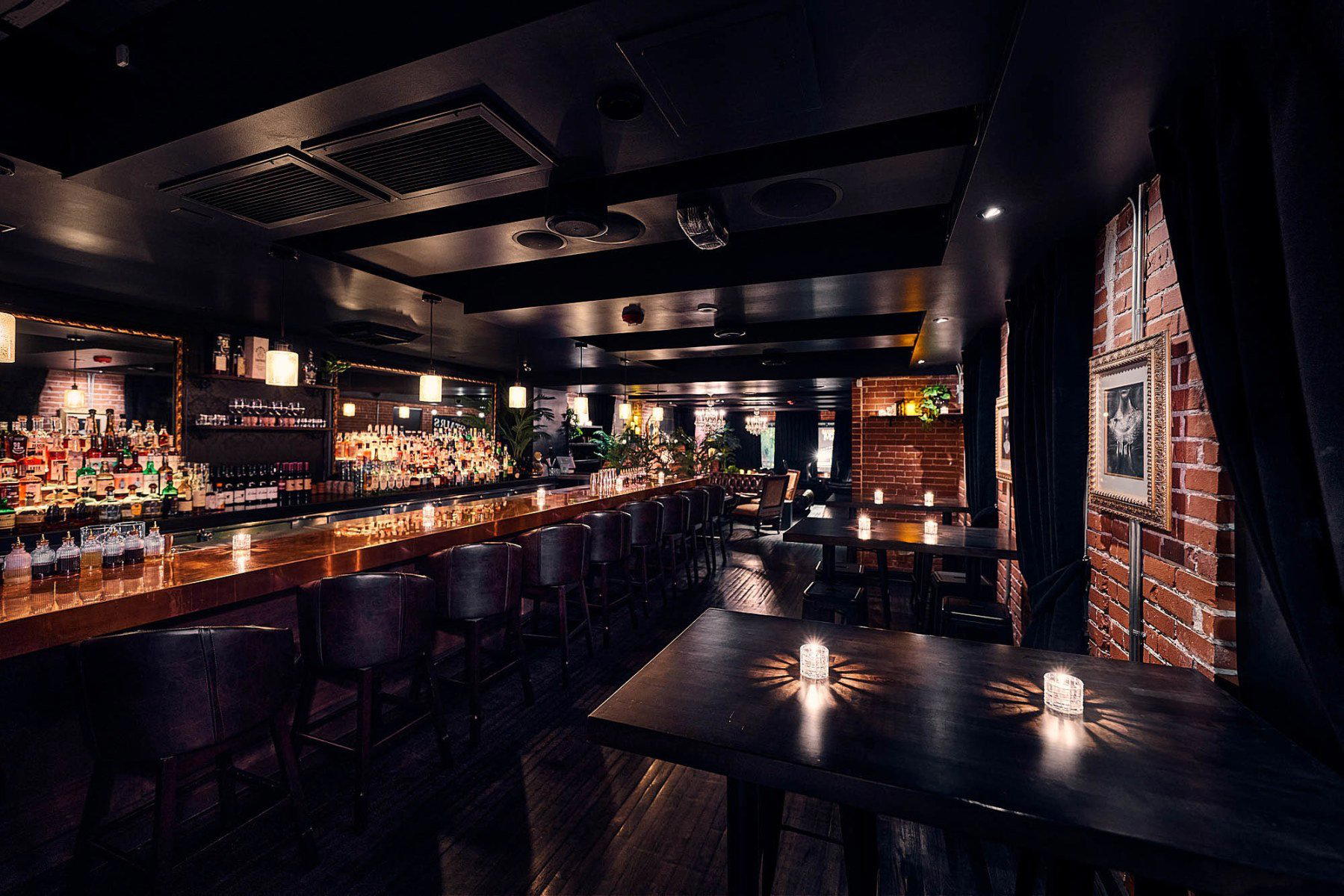
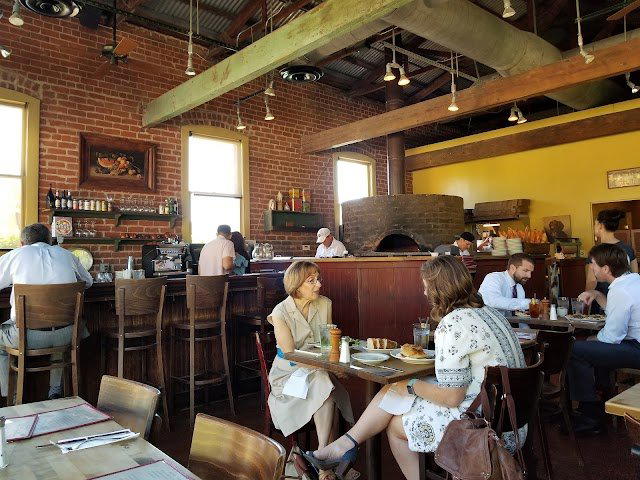
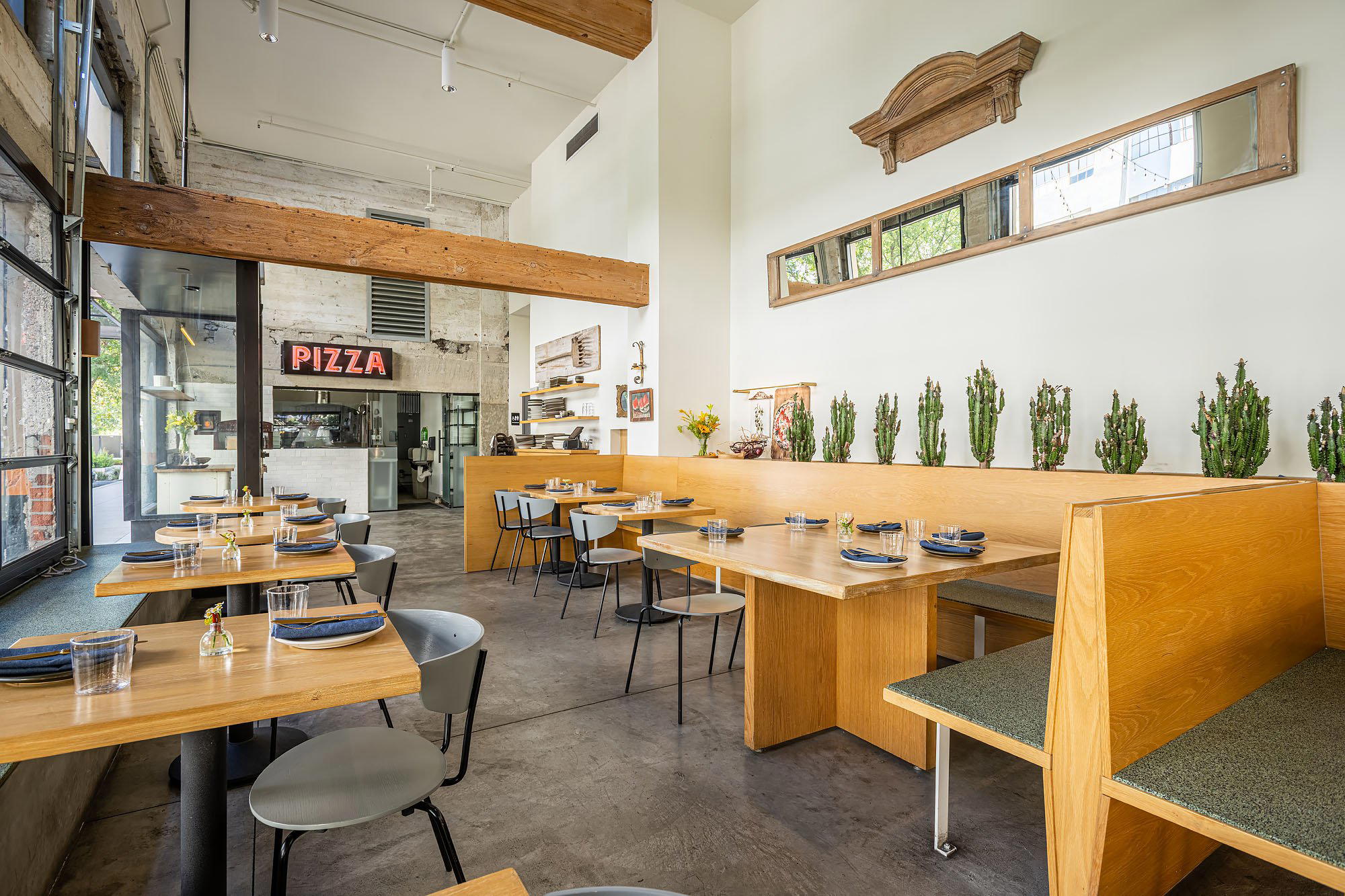
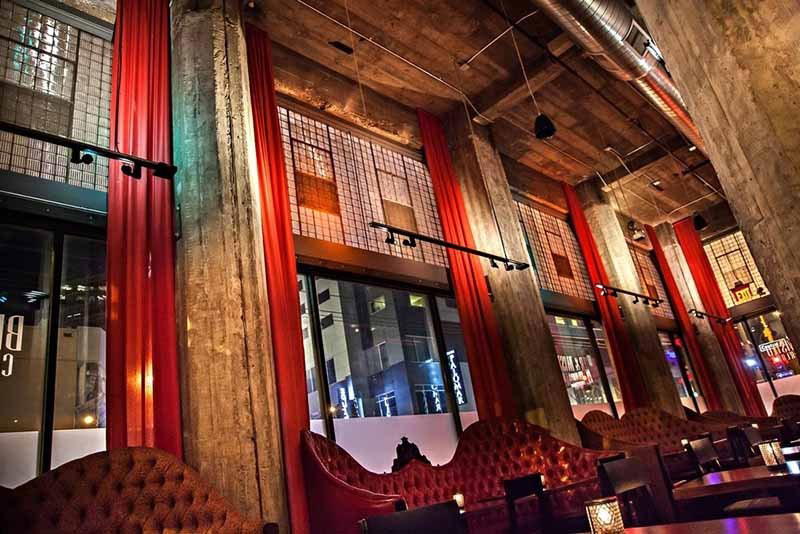
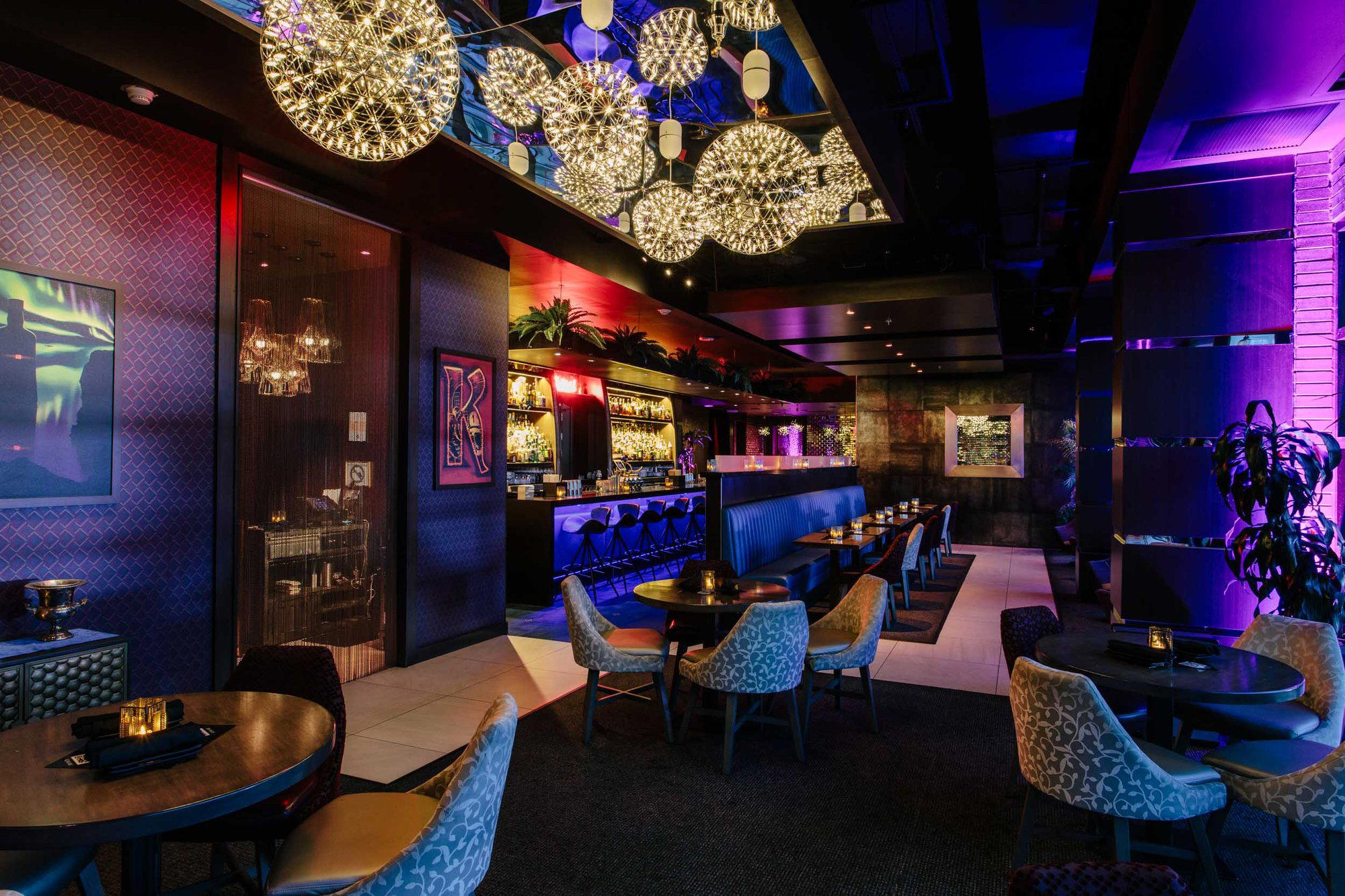
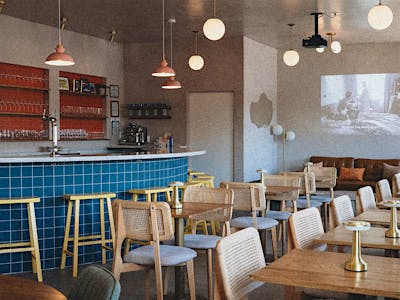
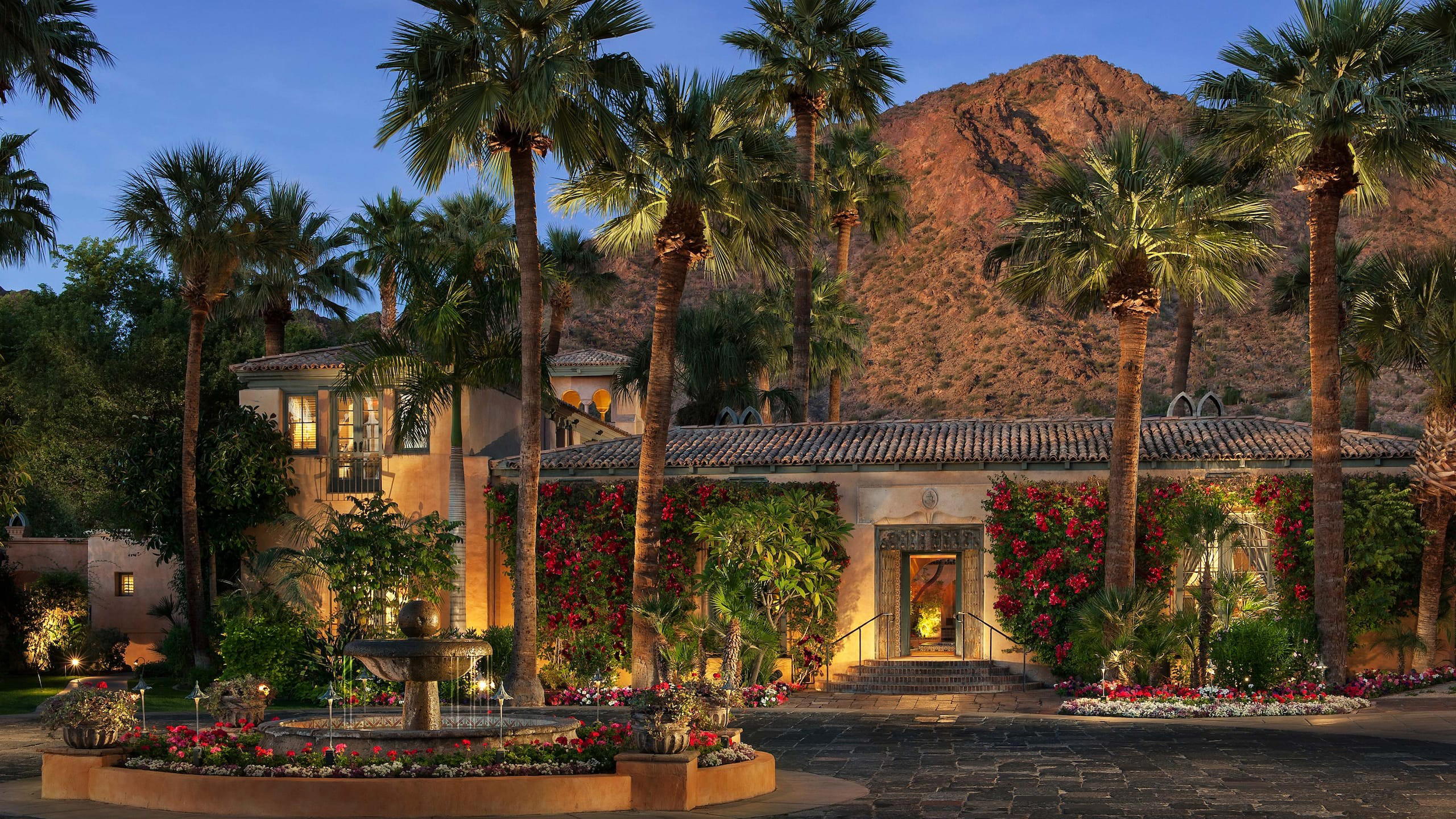
Inviting and intimate dining space with wood-fired pizza oven visible, warm and welcoming atmosphere that feels like home.