Humble Pie
Located at Phoenix Sky Harbor, Humble Pie sits at an intersection that defines a broader shift in airport dining: local sourcing and technique-driven cooking applied to formats most travelers still expect to be generic. The address places it squarely in the transit corridor, but the kitchen draws from Arizona's agricultural range rather than a centralized distributor. For Phoenix, that positioning matters.
Pearl is the En Primeur Club membership app — saves, bookings, and concierge access live there. Same editors, same standards.
- Address
- 3400 Sky Hbr Blvd, Phoenix, AZ 85034
- Website
- humblepieusa.com
- Directions
- Get directions
 Saves & bookings on Pearl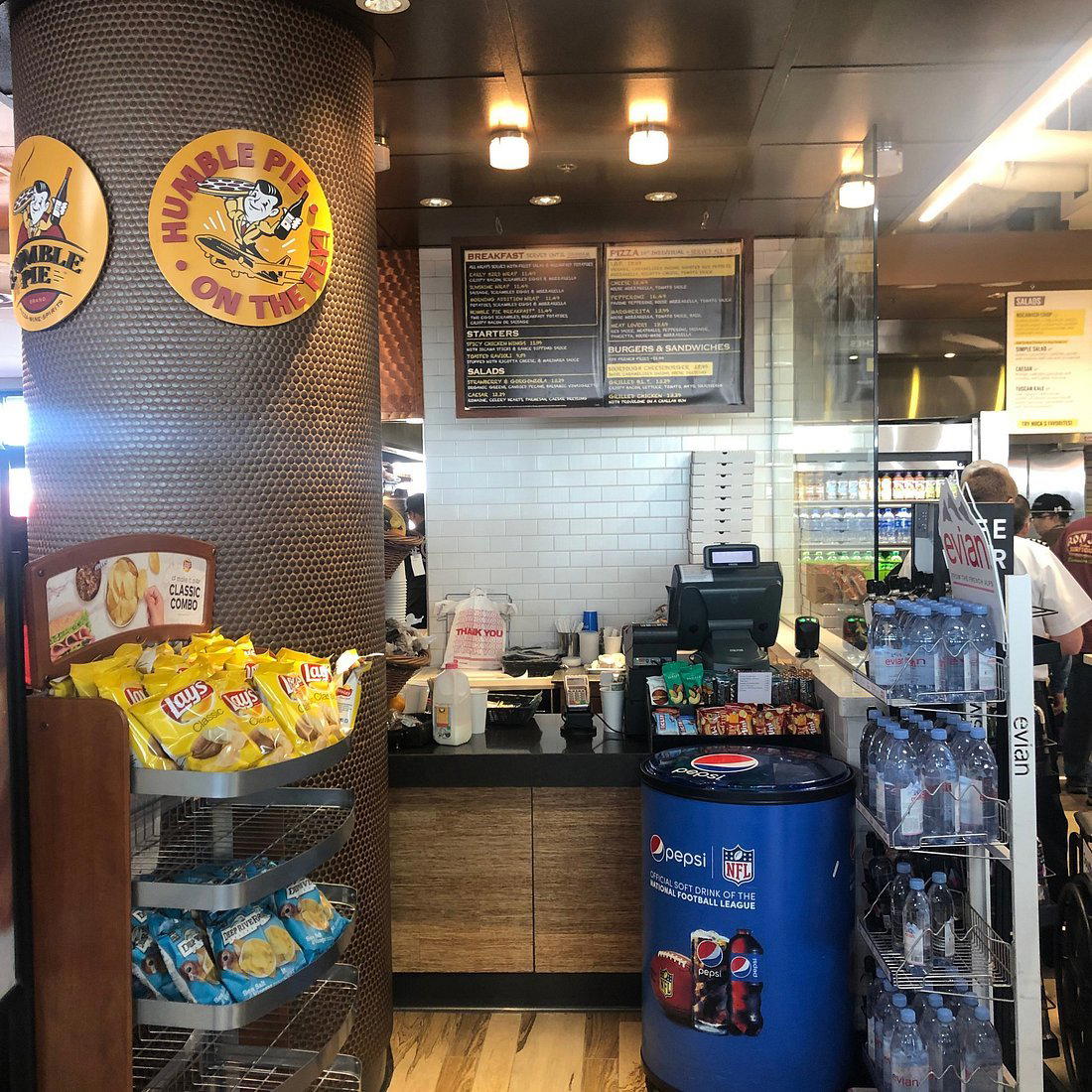
Airport Dining in a City That Takes Food Seriously
Phoenix Sky Harbor is one of the few major American airports where the terminal food offer genuinely reflects the surrounding city's culinary ambitions. That shift didn't happen overnight. Over the past decade, as Phoenix built a dining scene capable of competing with coastal markets — anchored by operators like Bacanora in the Sonoran tradition and Vincent Guerithault on Camelback blending French technique with Southwestern produce — the airport began attracting concepts with actual culinary intent. Humble Pie, positioned at 3400 Sky Harbor Boulevard, operates inside that context. The address is transit-facing by definition, but the category it inhabits has changed.
The broader trend at work here is one visible at airports across the Southwest: operators applying regional sourcing logic to formats that travelers will accept under time pressure. A slice of pizza, a quick-service plate, something eaten standing or in a gate-adjacent seat. The question is whether the kitchen behind that format is drawing from a serious supply chain or from the same frozen and pre-portioned inventory that kept airport food mediocre for so long. In Phoenix, the answer increasingly points toward the former.
The Intersection of Local Product and Applied Technique
Arizona's agricultural output is more varied than its desert reputation suggests. The state produces quality beef, heritage grains from operations in the high country, locally milled flours, desert herbs, and citrus from the western valleys. The Sonoran Desert corridor specifically offers chile varieties and produce cycles that differ from anything available through national distributors. Restaurants across Phoenix have learned to work with this supply base, from the mesquite-inflected cooking at Bacanora to the bread-forward simplicity of Pane Bianco, where the sourcing of flour and fermentation culture is the primary editorial statement of the menu.
Humble Pie's name signals something about intent: a deflation of pretension, a comfort-first framing. Pizza as a category carries its own technical depth, dough hydration, fermentation timing, oven temperature, sauce reduction, and the operators who apply rigorous process to that category occupy a different tier than those running a commodity product. In Phoenix's dining environment, where the conversation around local ingredients has matured considerably, the expectation for even quick-service concepts is that sourcing decisions are made consciously. That expectation applies at Sky Harbor as much as it does on Roosevelt Row.
The editorial comparison point is useful here. At the level of technique applied to accessible formats, Phoenix has produced operators across price tiers who think carefully about ingredient provenance. Lom Wong imports specific Thai produce and applies classical technique to a cuisine most American cities treat as delivery-only. 5 & Diner operates within a retro American comfort format where the sourcing choices behind a burger or milkshake are what differentiate serious operators from those simply occupying a niche. Humble Pie sits in that same framing: a familiar category deployed with the sourcing seriousness the Phoenix market now expects.
What the Airport Location Actually Means
Sky Harbor handles over 40 million passengers annually, making it one of the twenty busiest airports in the United States. The terminal dining offer at that volume reaches travelers who will eat exactly one meal in Phoenix, or who are connecting through without entering the city at all. That creates an argument for concepts at Sky Harbor to function as ambassadors: the one data point a traveler collects about Phoenix's food culture before boarding their next flight.
That argument has driven airport food programs at other major hubs. The terminal food at San Francisco International now includes operators with Michelin recognition; Nashville's BNA has local barbecue and hot chicken concepts operating alongside national chains. Phoenix's Sky Harbor has made similar moves, prioritizing operators with genuine local roots over generic quick-service franchises in certain terminal zones. Humble Pie's presence at that address reflects a deliberate curation decision rather than a default fill.
For the traveler with limited time, the logistics at a terminal concept like this are necessarily compact: no reservation required, format designed for consumption before a gate call, pricing calibrated to the airport premium that travelers accept as unavoidable. The trade is that you get something genuinely connected to the Phoenix food scene rather than a product assembled from the same national supply chain you'd find at any American airport.
Positioning in the Phoenix Dining Context
Phoenix's dining scene in the 2020s sits at an interesting inflection point. The city has produced restaurants operating at national ambition levels, earning coverage in outlets that track the same tier as Le Bernardin, Lazy Bear, or Alinea, while simultaneously developing a strong mid-market of concept-driven operators working in comfort and casual formats. The lower half of that market is where sourcing habits and technique application matter most to the reader making a quick dining decision. It's also where the gap between serious and generic operators is easiest to spot.
Humble Pie operates at the casual end of that spectrum, in a category (pizza) that in other American cities often serves as a vehicle for exactly the generic product that serious operators are working against. In Phoenix, the context argues for a different interpretation. The city's food culture has absorbed enough culinary influence, the Sonoran corridor from the south, the high-desert producers from the north, the imported technique of operators trained in coastal kitchens, that even a terminal pizza concept carries the expectation of those influences showing up somewhere in the product.
Compared to the destination-dining tier represented by The French Laundry, Single Thread Farm, or Blue Hill at Stone Barns, a Sky Harbor pizza concept is an entirely different animal. The comparison set is not those rooms. It is the set of operators across the country who have taken accessible formats seriously, applying the sourcing discipline and technique depth you'd associate with higher-ticket cooking to the pizza slice, the quick-service plate, the transit meal. That is the tier Humble Pie occupies within the Phoenix market, and it is a tier that has become increasingly competitive as the city's culinary ambitions have matured.
For a full picture of where Humble Pie sits within Phoenix's wider dining offer, our full Phoenix restaurants guide covers the range from Sonoran specialists to destination fine dining, with context on neighborhoods and booking logistics across price tiers.
Planning Your Visit
Humble Pie operates within Phoenix Sky Harbor at 3400 Sky Harbor Boulevard, making it accessible to departing passengers, arriving travelers, and those connecting through one of the busiest airports in the Southwest. No reservation infrastructure applies at a terminal format of this type; arrival timing relative to your flight is the primary logistical variable. The airport location means parking and transit access follow Sky Harbor's own systems rather than any venue-specific arrangement. For travelers entering Phoenix proper, the restaurant and bar scene off-airport is covered in depth across our Phoenix editorial, with entries for operators from quick-casual to multi-course formats.
How Humble Pie Phoenix compares with similar nearby venues.
| Venue | Cuisine |
|---|---|
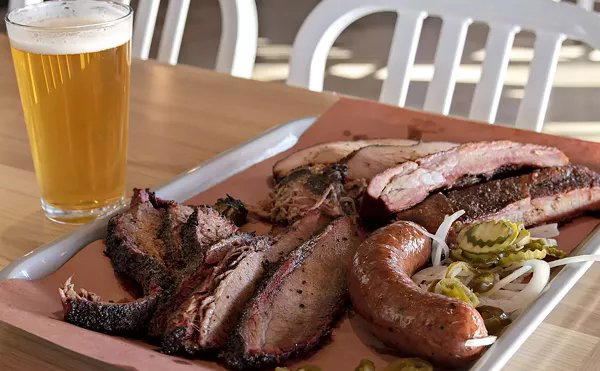
| Little Miss BBQ | Barbecue |







At a Glance
- Casual
- Cozy
- Casual Hangout
- Standalone
- Beer Program
Current opening hours
- Monday
- 4 AM–10 PM
- Tuesday
- 4 AM–10 PM
- Wednesday
- 4 AM–10 PM
- Thursday
- 4 AM–10 PM
- Friday
- 4 AM–10 PM
- Saturday
- 4 AM–10 PM
- Sunday
- 4 AM–10 PM
Hours can change for holidays and private events. Last verified .
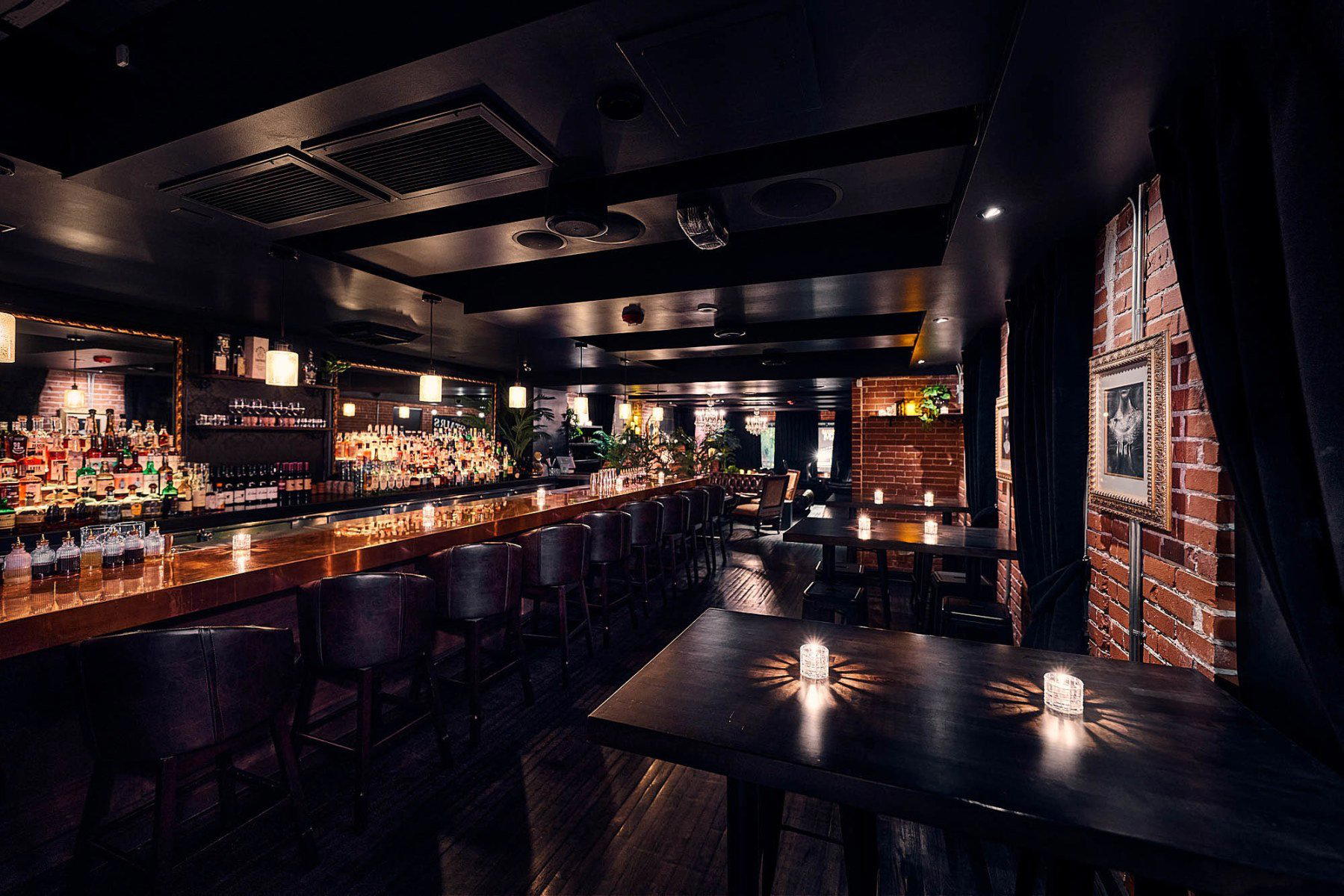
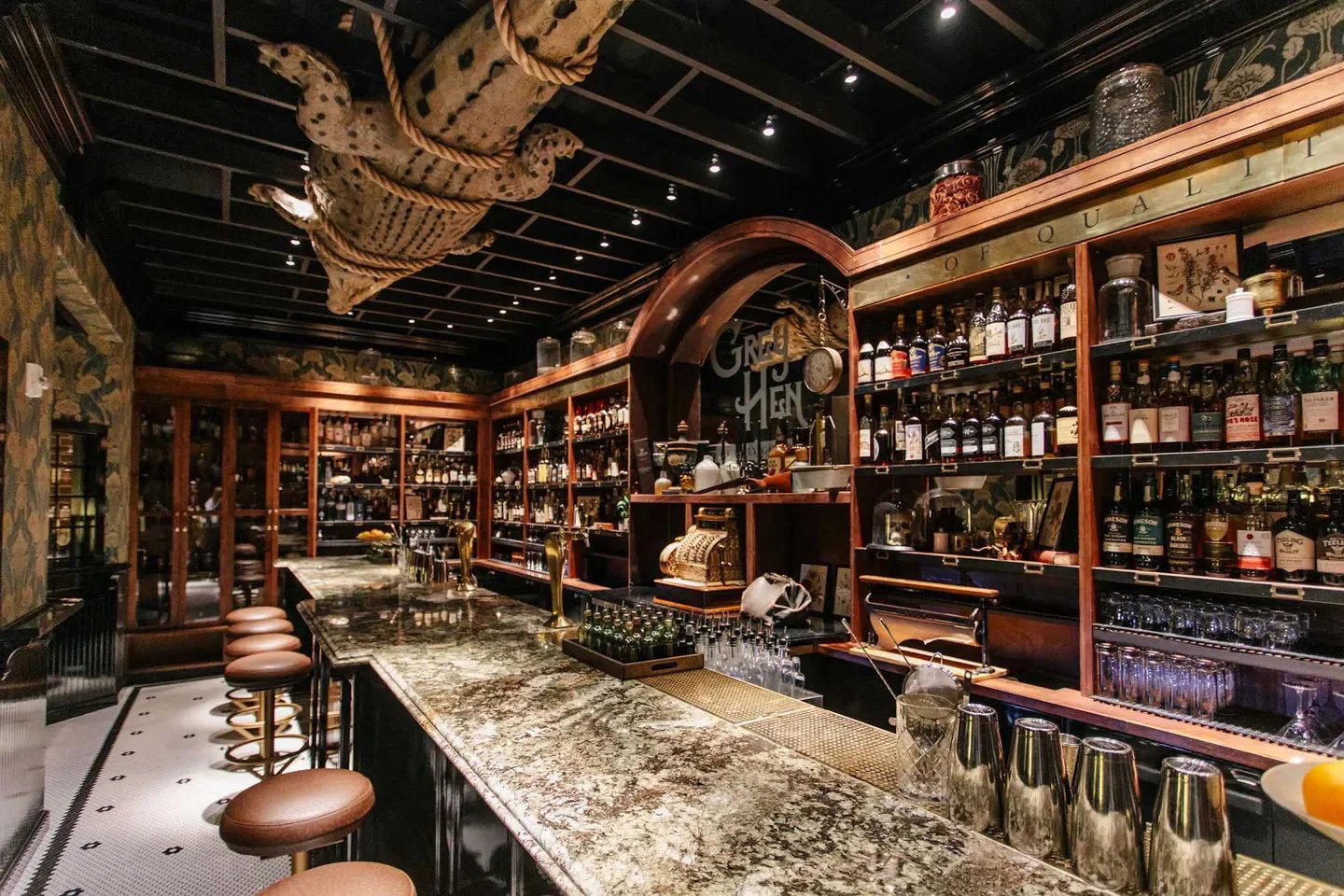
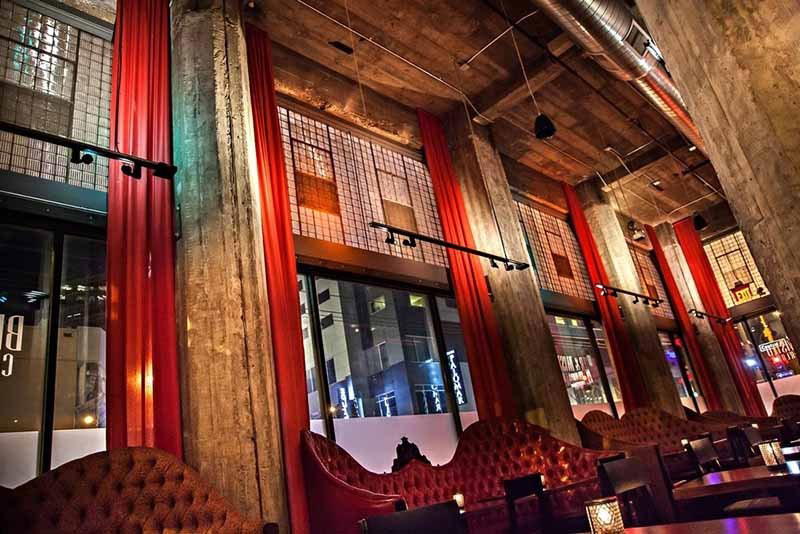
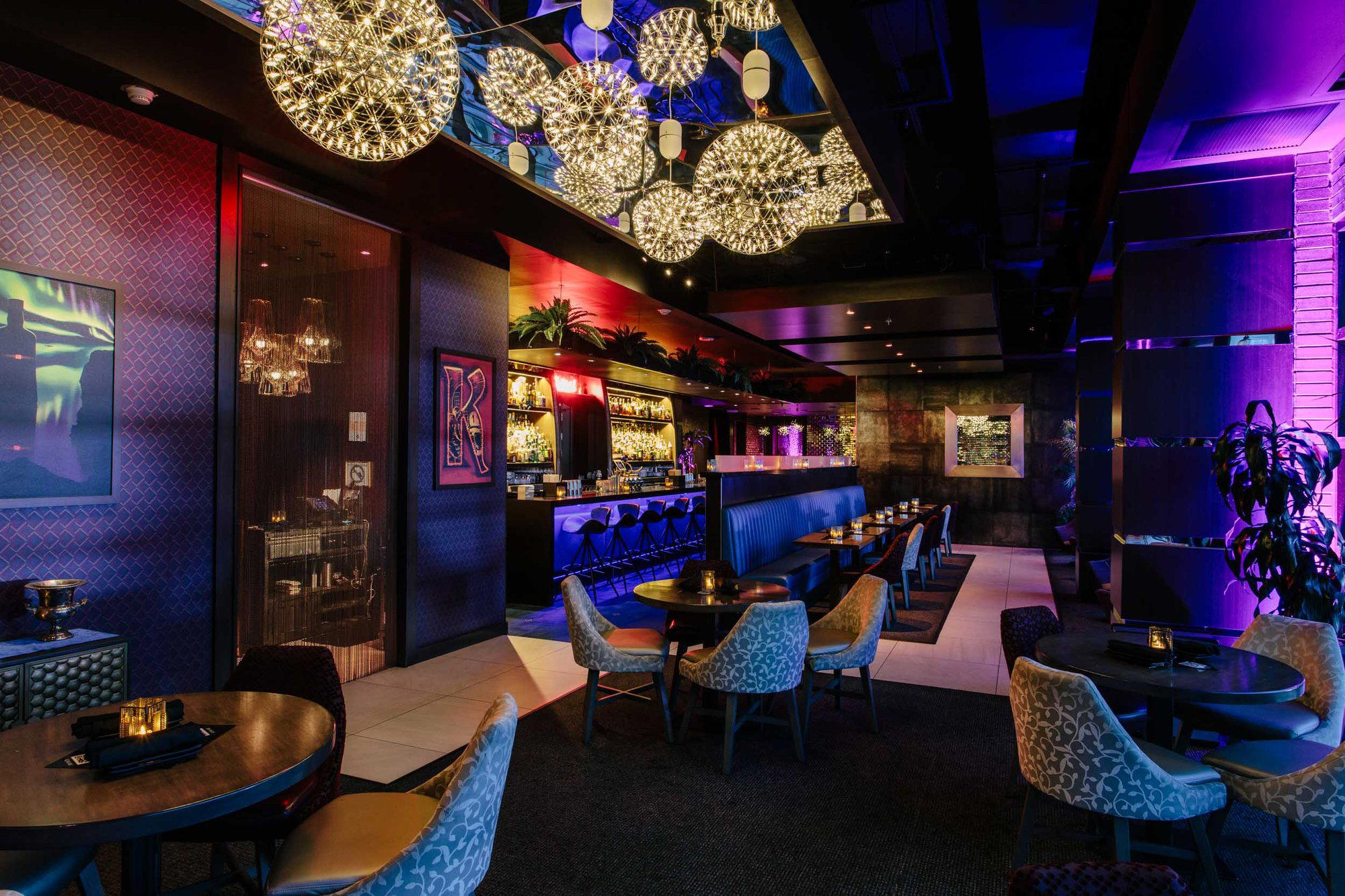
Casual airport eatery with simple, functional decor focused on quality pizza.
Know Before You Go
- Getting there
- 3400 Sky Hbr Blvd, Phoenix, AZ 85034