Pollos & Jarras
Pollos & Jarras sits at 115 NE 3rd Ave in downtown Miami, operating in a city where casual Latin-rooted concepts have steadily claimed ground alongside the fine-dining tier. The name signals its program plainly: rotisserie chicken and pitchers, a format that reads as counter-programming to Miami's more elaborately produced restaurant openings.
Pearl is the En Primeur Club membership app — saves, bookings, and concierge access live there. Same editors, same standards.
- Address
- 115 NE 3rd Ave, Miami, FL 33132
- Phone
- +17865674940
- Website
- pollosyjarras.com
- Directions
- Get directions
 Saves & bookings on Pearl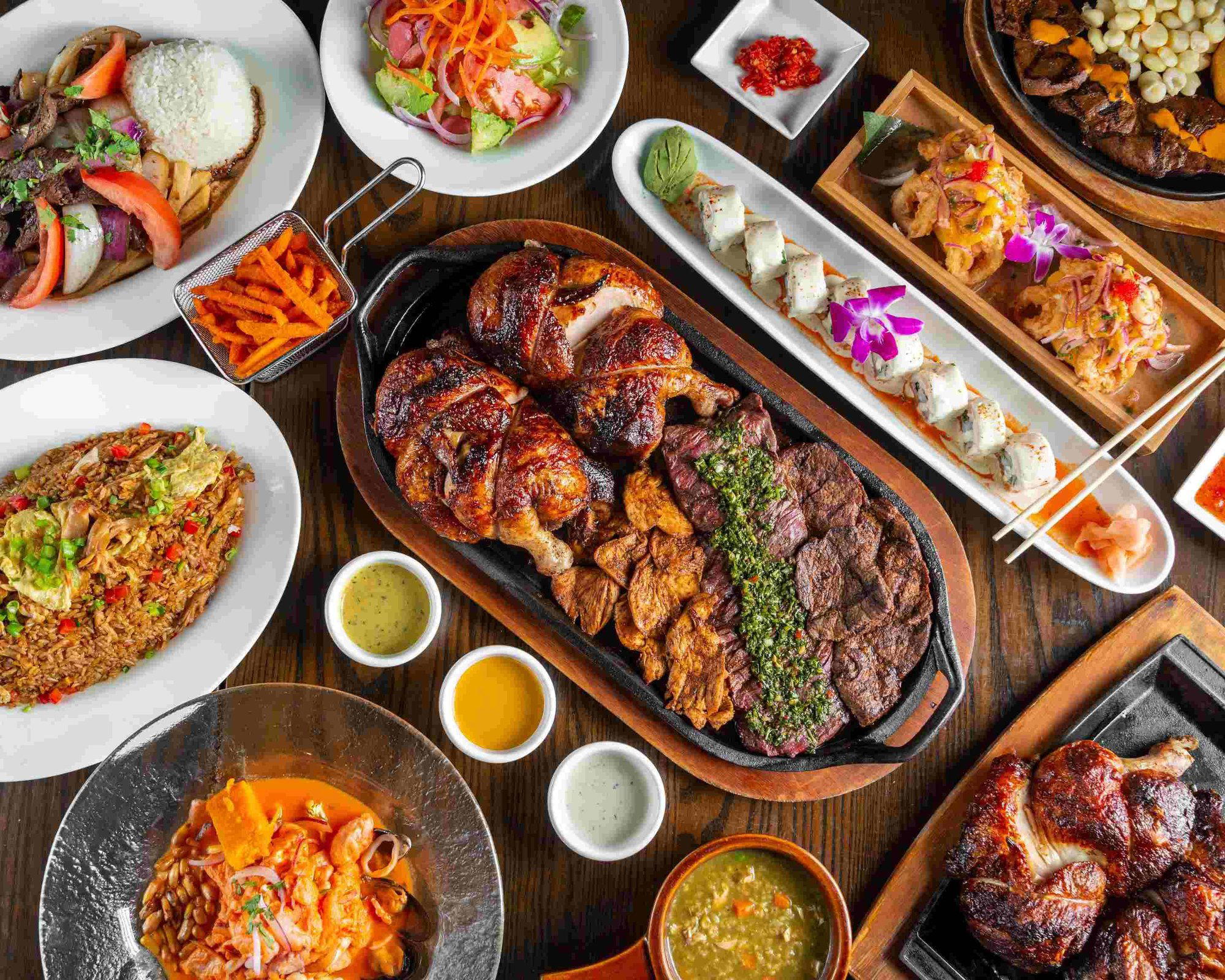
Downtown Miami and the Case for the Direct Concept
Miami's restaurant conversation has long tilted toward spectacle: tasting menus with theatrical plating, imported European pedigrees, beachside rooms engineered for visual impact. But a quieter counter-movement has been building in the downtown and Brickell corridors, where a generation of operators has bet on focused, single-minded formats rather than maximalist productions. Pollos & Jarras, at 115 NE 3rd Ave in Miami's downtown core, belongs to that latter current. The name is the pitch: pollo, chicken; jarras, pitchers. In a market that has rewarded complexity, this kind of declarative simplicity is its own editorial statement.
That positioning places Pollos & Jarras in an interesting competitive bracket. Miami's serious Latin-rooted dining now spans from the Peruvian precision of ITAMAE to the Argentinian fire-cooking theater of Los Fuegos by Francis Mallmann. Pollos & Jarras does not occupy that register. Its closest conceptual peers are the casual, high-frequency neighborhood spots that prioritize repeat visits over occasion dining — a format that has historically been underserved in Miami's downtown grid, where office density and residential growth have outpaced the restaurant infrastructure needed to support daily eating.
The Evolution of the Casual Latin Concept in Miami
To understand where Pollos & Jarras fits in 2024, it helps to trace how the casual Latin dining format has shifted in Miami over the past decade. In the early 2010s, the city's most-discussed Latin concepts were either legacy Cuban counters in Little Havana or the upscale pan-Latin tasting rooms that arrived on the coattails of the Design District's development. Neither format was particularly interested in the middle ground: fast, affordable, focused cooking that reflected the city's actual eating culture rather than its aspirational dining identity.
That gap began closing as Miami's downtown population density increased and the Wynwood-adjacent corridors attracted younger residents who wanted neighborhood restaurants rather than destination ones. The rotisserie chicken format, well-established in Latin American cities from Lima to Buenos Aires, found new relevance in Miami as operators recognized that the city's Latin-origin majority already had a cultural reference point for the format. What read as novel to a New York or Chicago audience was, for a significant portion of Miami's population, simply familiar. Pollos & Jarras operates within that recognition economy.
This is a broader pattern visible across American cities with large Latin-origin populations: the casualization and formalization of dishes that were always present in home kitchens and small family restaurants, now repositioned for a broader, mixed-income dining public. Compare how Ariete has worked Cuban-American reference points into a modern American idiom, or how Boia De has found its audience by committing to a specific Italian regional lens rather than trying to cover the entire Italian canon. Focused commitment to a culinary lane is not a limitation in Miami's current market; it is a viable strategy.
Chicken and Pitchers as a Format, Not a Concept
The rotisserie chicken format carries specific expectations: consistency, value density, and social eating. Jarras — pitchers, signal communal drinking, which in the Latin American context typically means beer, sangria, or agua fresca served in large-format vessels designed for sharing. Together, the two elements construct a particular dining occasion: groups, tables, extended meals, noise. This is not the format of the solo business lunch or the anniversary dinner. It is the format of the regular, the habitual, the place you return to rather than the place you visit once.
That distinction matters for how Miami's dining public uses the space. Downtown Miami lacks the density of casual, high-repetition restaurants that comparable urban cores in New York or Chicago take for granted. A concept like Pollos & Jarras fills a functional role in the neighborhood ecosystem that goes beyond any single meal's quality. It gives the surrounding residential and office population a place to default to, which in turn gives it a stability that destination restaurants, however acclaimed, do not necessarily have. The high-end tier, represented locally by venues like Cote Miami or the French formalism of L'Atelier de Joël Robuchon Miami, serves a different occasion entirely. Both tiers are necessary for a functioning restaurant ecosystem, and Miami's downtown has historically been stronger at the high end than at the casual, neighborhood-anchor level.
Nationally, the most discussed casual formats have tended to cluster in cities with established neighborhood dining cultures: Lazy Bear in San Francisco, Alinea in Chicago, Le Bernardin in New York City, Providence in Los Angeles, and Addison in San Diego represent the fine-dining anchors of their respective cities. What those cities also share is a strong casual infrastructure around those anchors. Miami is building that infrastructure in real time, and spots like Pollos & Jarras are part of that construction.
What to Order and How to Approach the Meal
The menu logic at Pollos & Jarras is organized around the rotisserie bird as the centerpiece, with supporting sides and large-format drinks as the social connective tissue. In the Latin rotisserie tradition, the quality signal is in the seasoning, typically a marinade applied before the spit, with garlic, citrus, and herb profiles that vary by country of origin, and in the char and juiciness of the finished product. Sides tend to run toward rice, plantains, and beans in various preparations, with sauces (aji, chimichurri, or similar) doing significant work at the table. The jarra element invites extended time at the table, which is the intended rhythm of the meal.
For visitors calibrating expectations: this is not the format of The French Laundry in Napa or Blue Hill at Stone Barns in Tarrytown. The value proposition is volume, conviviality, and consistency rather than precision technique or seasonal sourcing narratives. Groups of four or more will use the space most naturally. Solo diners and couples can engage with it, but the format is engineered for the table.
Know Before You Go
- Address: 115 NE 3rd Ave, Miami, FL 33132
- Neighborhood: Downtown Miami
- Format: Rotisserie chicken and pitchers; casual, group-friendly
- Price range: Not confirmed; format suggests mid-casual pricing
- Phone/Website: Not currently listed; verify via Google Maps or local directories
How Pollos & Jarras Miami compares with similar nearby venues.
| Venue | Cuisine | Price |
|---|---|---|
| ViceVersa | Pizza | $$$ |








At a Glance
- Lively
- Trendy
- Energetic
- Family
- Group Dining
- Casual Hangout
- Open Kitchen
- Craft Cocktails
- Organic
Current opening hours
- Monday
- 11:30 AM–10 PM
- Tuesday
- 11:30 AM–10 PM
- Wednesday
- 11:30 AM–10 PM
- Thursday
- 11:30 AM–10 PM
- Friday
- 11:30 AM–11:30 PM
- Saturday
- 12–11:30 PM
- Sunday
- 12–10 PM
Hours can change for holidays and private events. Last verified .
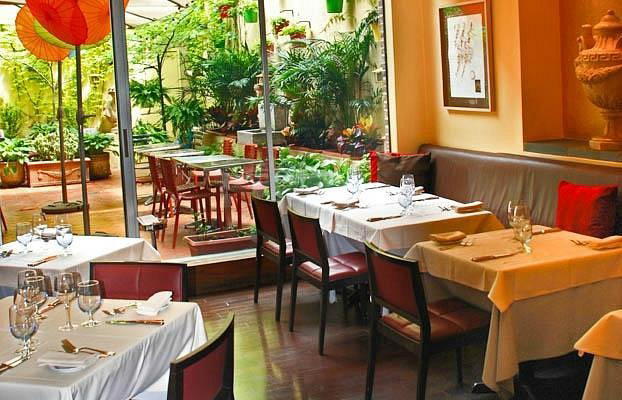
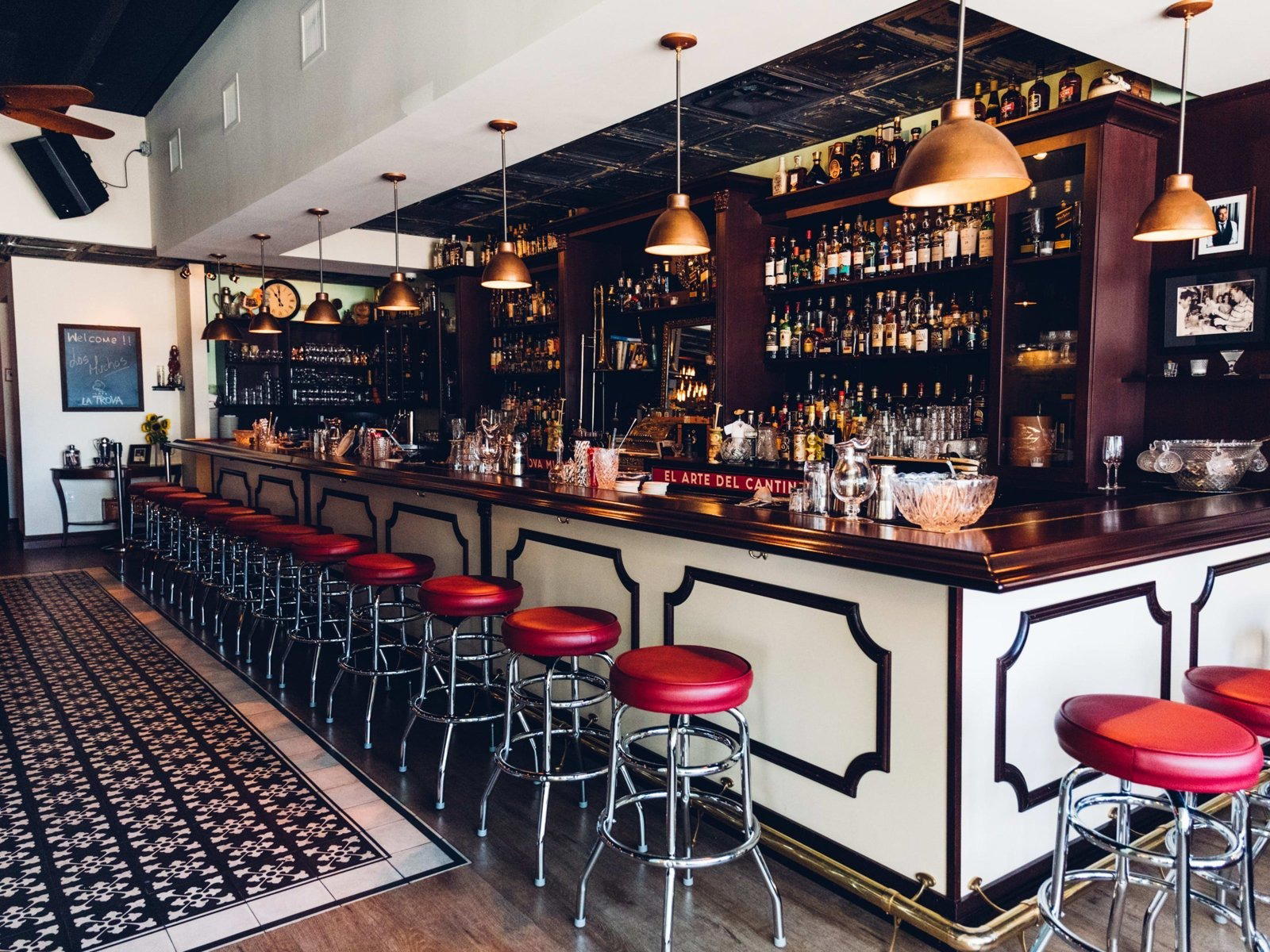
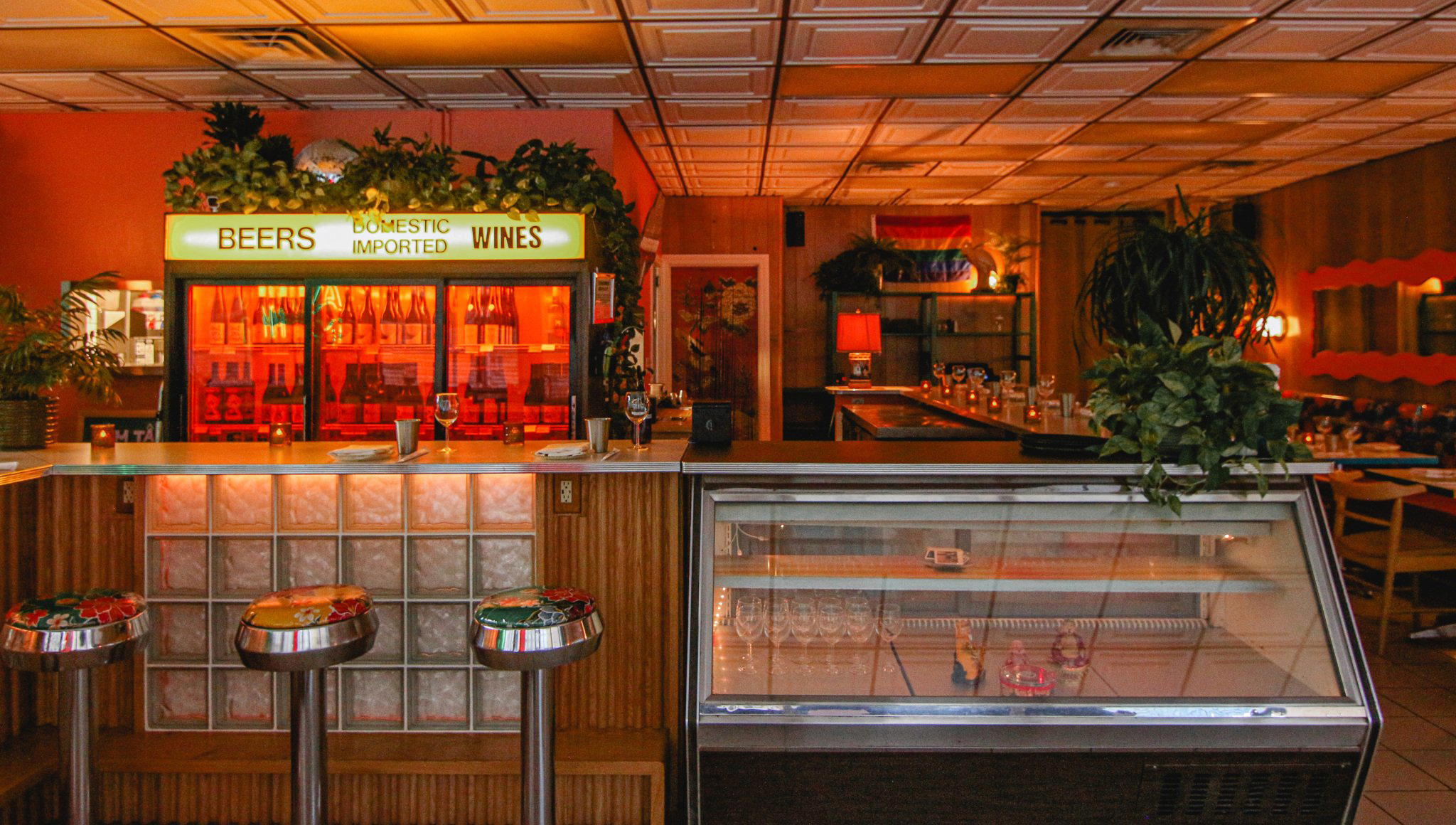
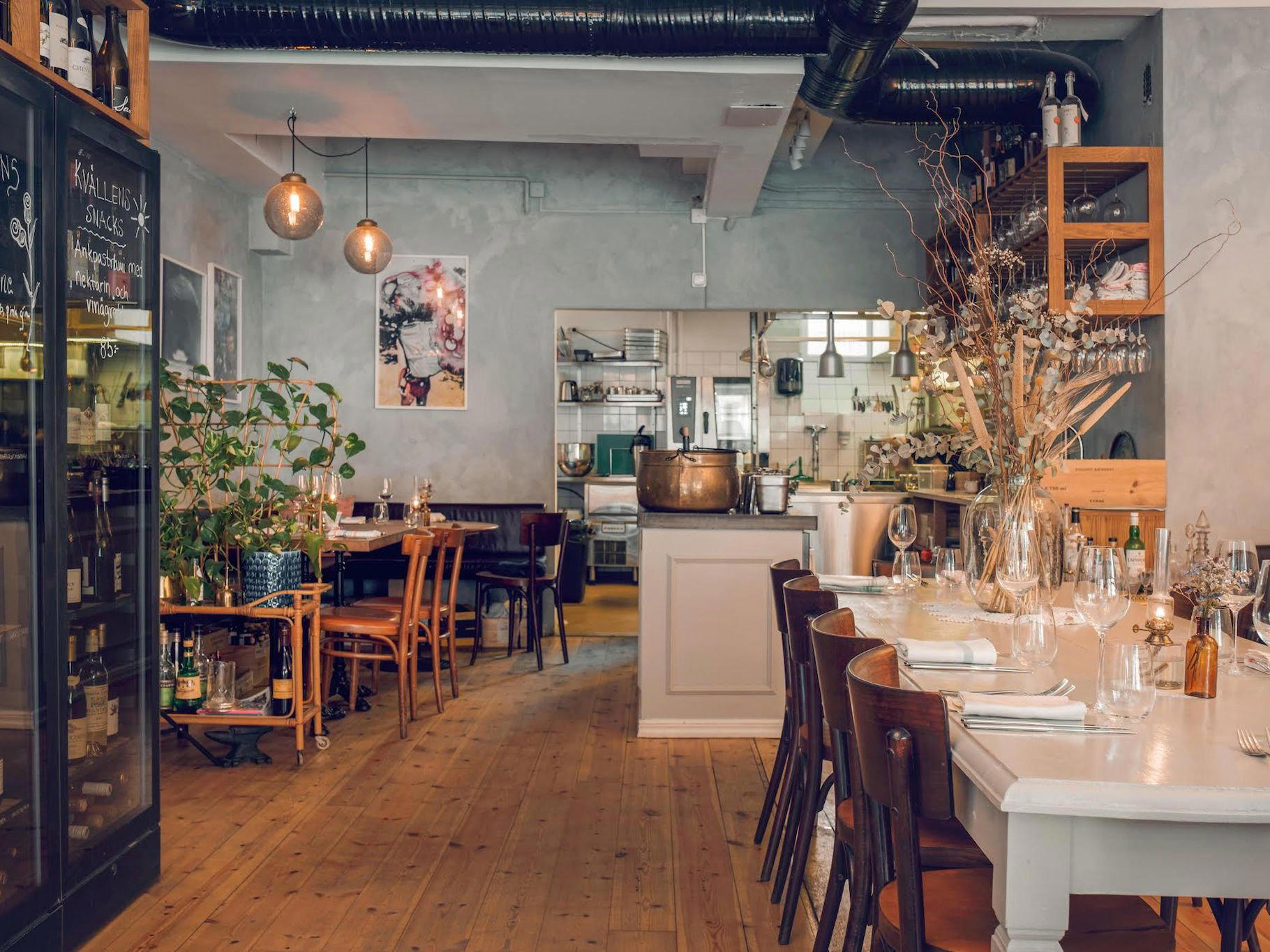
Lively and colorful decor inspired by Peruvian street food festivities, offering a casual, family-friendly and lively atmosphere.
Know Before You Go
- Getting there
- 115 NE 3rd Ave, Miami, FL 33132