Manta Wynwood
Manta Wynwood occupies a corner of Miami's most restless arts district, where the conversation around sustainability and sourcing has moved well beyond talking points. The kitchen operates within a framework that connects ingredient provenance to plate with the kind of transparency that defines where serious dining in South Florida is heading. For the NW 25th Street stretch, this is one of the addresses that signals the neighbourhood's culinary maturation.
Pearl is the En Primeur Club membership app — saves, bookings, and concierge access live there. Same editors, same standards.
- Address
- 102 NW 25th St, Miami, FL 33127
- Phone
- +17869324678
- Website
- manta-restaurants.com
- Directions
- Get directions
 Saves & bookings on Pearl
Where Wynwood's Dining Scene Meets Environmental Accountability
Approaching NW 25th Street from the east, the murals thin out and the industrial footprint takes over. Wynwood built its reputation on spectacle, but the blocks around it have quietly attracted a different kind of attention: restaurants that treat sourcing and waste reduction as structural commitments rather than marketing footnotes. Manta Wynwood, at 102 NW 25th St, sits in this evolving pocket of the district, where the ambient energy of the arts scene meets a more considered approach to what ends up on the plate.
Miami's premium dining tier has expanded substantially over the past decade. Where once the city's serious kitchens clustered in South Beach and Brickell, the centre of gravity has shifted. Wynwood now holds its own alongside those corridors, and the venues that have established themselves here tend to share certain characteristics: a willingness to operate outside conventional hospitality formats, a closer relationship with regional producers, and a design sensibility that reflects the neighbourhood's visual culture without being consumed by it.
The Sustainability Frame That Defines the Approach
Across American fine dining, the sustainability conversation has bifurcated. At one end, it functions as positioning: a line in the press release, a seasonal menu update, a claim about compostable packaging. At the other end, it operates as an actual constraint on sourcing decisions, kitchen waste management, and supplier relationships. The venues in the second category are rarer, and they tend to cluster in cities where there is both a consumer appetite for accountability and a viable network of local producers to draw from.
South Florida offers an unusual combination of year-round growing conditions and proximity to Caribbean and Latin American supply chains. Restaurants working seriously with this geography have access to ingredients that most of the country cannot source at comparable freshness. Venues like ITAMAE, which has built a rigorous Peruvian-Japanese framework around sustainable seafood sourcing, demonstrate what that commitment looks like when it is applied with precision. The standard they set shapes expectations for any Miami kitchen that makes similar claims.
The broader American conversation around sustainable dining has produced some of the country's most scrutinised programmes. Blue Hill at Stone Barns in Tarrytown built an entire operating model around farm integration, while Single Thread Farm in Healdsburg fused agriculture and hospitality into a single structure. These are the reference points against which serious sustainability claims are measured, regardless of city or scale.
The neighbourhood's dining scene has developed a genuinely varied competitive set. Ariete has held the Modern American banner in Miami with a $$$$ price point and a kitchen that draws on Cuban-American culinary inheritance. Boia De operates at $$$ with an Italian-contemporary format that has drawn consistent critical recognition. Cote Miami brings the Korean steakhouse format to the city with a confidence that has translated into strong awards attention.
What these venues share is a seriousness about identity, a refusal to compromise their core format for the sake of broader appeal. Manta Wynwood enters a district where that kind of commitment is assumed rather than aspirational. The neighbourhood no longer gives credit for simply being in Wynwood; the work on the plate and behind the sourcing decisions has to justify the address.
For context on where Miami sits in the national conversation about ambitious dining, the city now holds its own alongside markets like Los Angeles, where Providence has maintained a long-running commitment to sustainable seafood at the highest tier, and San Francisco, where Lazy Bear has built a communal-format programme around local sourcing. Miami's version of that conversation has its own character, shaped by climate, geography, and a dining culture that moves between Latin American, Caribbean, and European reference points with unusual fluency.
What Responsible Sourcing Looks Like in South Florida
The logistics of sustainable sourcing in Miami differ from those in, say, the Pacific Northwest or the Hudson Valley. The growing season is inverted relative to northern states, meaning that summer in Wynwood kitchens is the period of greatest constraint while winter brings the widest local availability. Proximity to the Florida Keys and the broader Gulf provides access to domestic seafood that many inland markets cannot match for freshness, but responsible procurement requires navigating species-specific pressure on fish populations that are unevenly managed across the region.
Kitchens that take this seriously tend to work with a small number of named suppliers rather than broad commodity distributors, maintain transparency about which species they are buying and from which fisheries, and adjust menus in response to seasonal availability rather than locking in dishes that require year-round sourcing. This kind of operational discipline is more demanding than a fixed menu approach, and it is the meaningful distinction between sustainability as ethics and sustainability as marketing.
Across the country, the restaurants that have made this work at the highest tier, from Le Bernardin in New York, which has held a long commitment to responsible seafood, to Addison in San Diego, which integrates regional California sourcing into a formal dining framework, have demonstrated that ethical procurement and serious cooking are not in tension. They reinforce each other when the kitchen has the discipline to follow through.
For those comparing across Miami's wider premium tier, L'Atelier de Joël Robuchon Miami represents the French fine dining tradition applied to the city's market, while our full Miami restaurants guide maps the broader range of where serious dining is concentrated across the city's distinct neighbourhoods.
Know Before You Go
Address: 102 NW 25th St, Miami, FL 33127
Neighbourhood: Wynwood, Miami
Pricing: Confirm current pricing with the venue; the Wynwood premium dining tier typically runs $$$ to $$$$
Getting there: Wynwood is accessible by ride-share from Brickell or South Beach in under 20 minutes under normal traffic conditions; street parking is available on surrounding blocks but limited on weekend evenings
Timing: Wynwood restaurants at this tier are busiest Thursday through Saturday; weekday reservations are generally easier to secure
How Manta Wynwood Miami compares with similar nearby venues.
| Venue | Cuisine | Price |
|---|---|---|
| Ossobuco | Contemporary | $$$ |
| Maty's | Peruvian | $$$ |
Continue exploring
More in Miami
Restaurants in Miami
Browse all →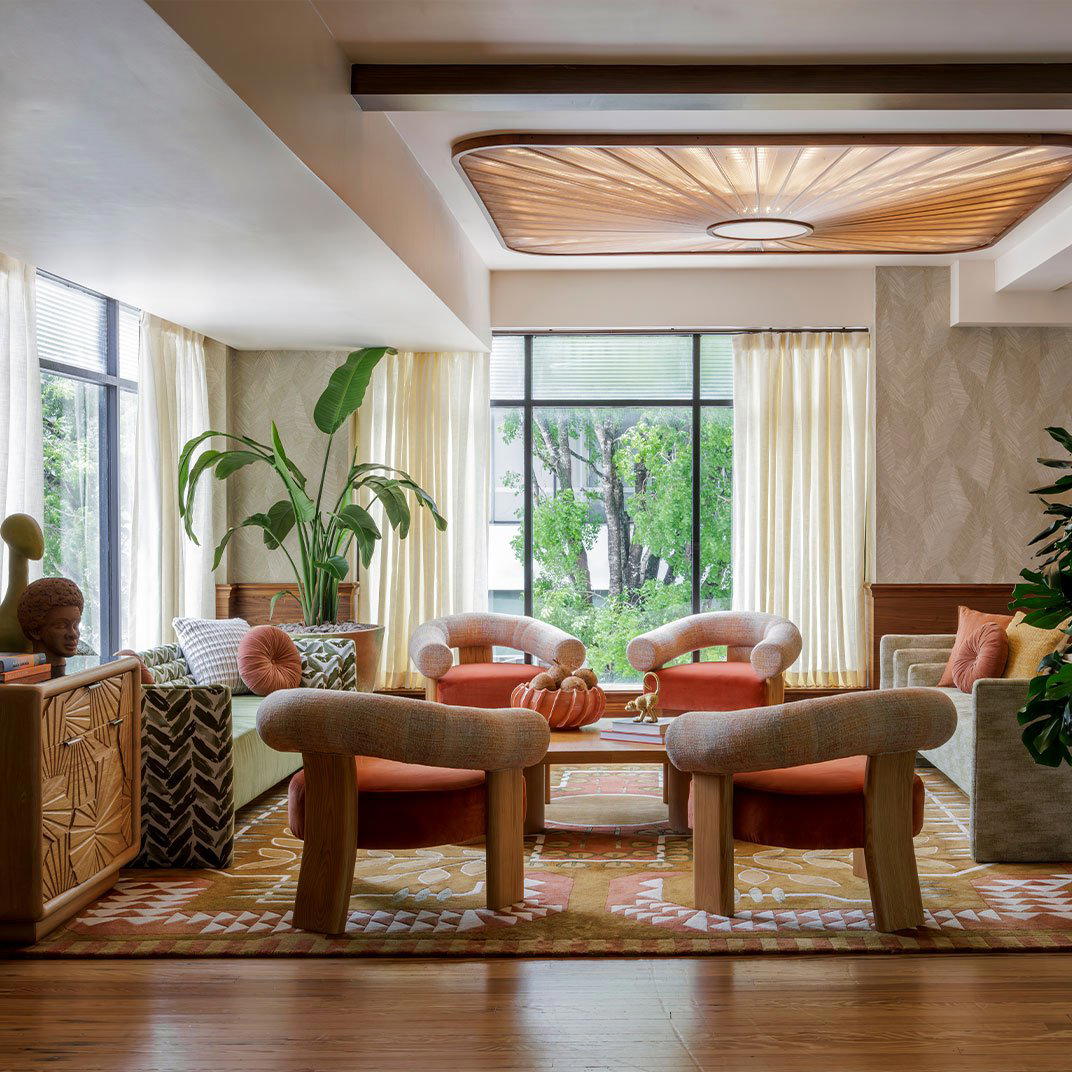
At a Glance
- Trendy
- Lively
- Casual Hangout
- Group Dining
- Craft Cocktails
- Sustainable Seafood
Current opening hours
- Monday
- 12–10 PM
- Tuesday
- 12–10 PM
- Wednesday
- 12–10 PM
- Thursday
- 12–10 PM
- Friday
- 12–11 PM
- Saturday
- 12–11 PM
- Sunday
- 12–10 PM
Hours can change for holidays and private events. Last verified .
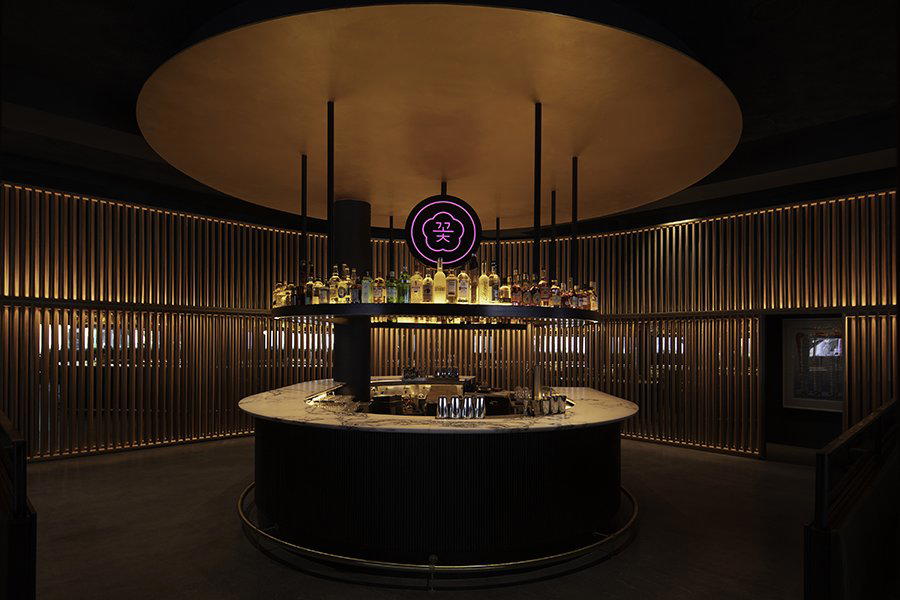
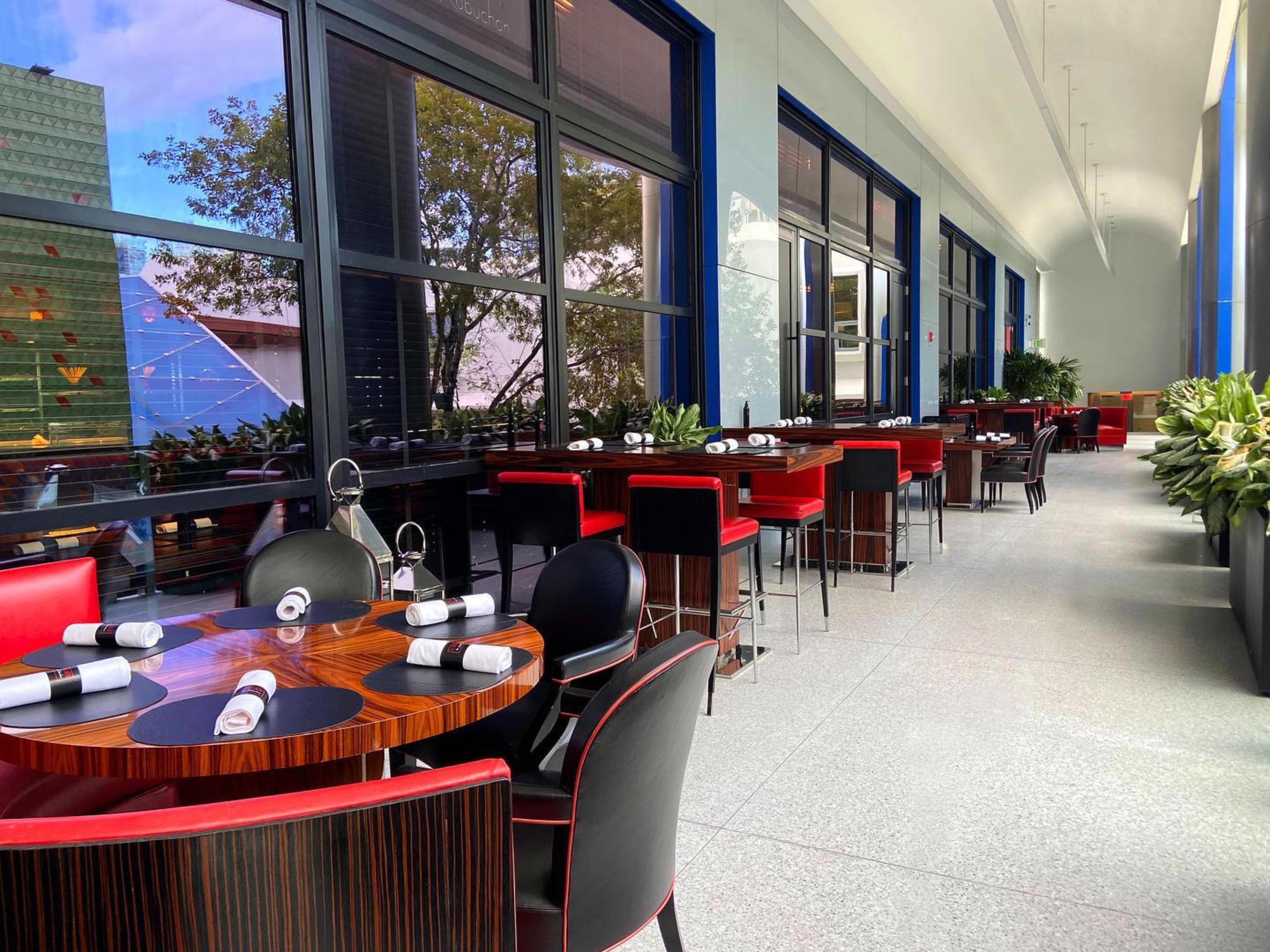
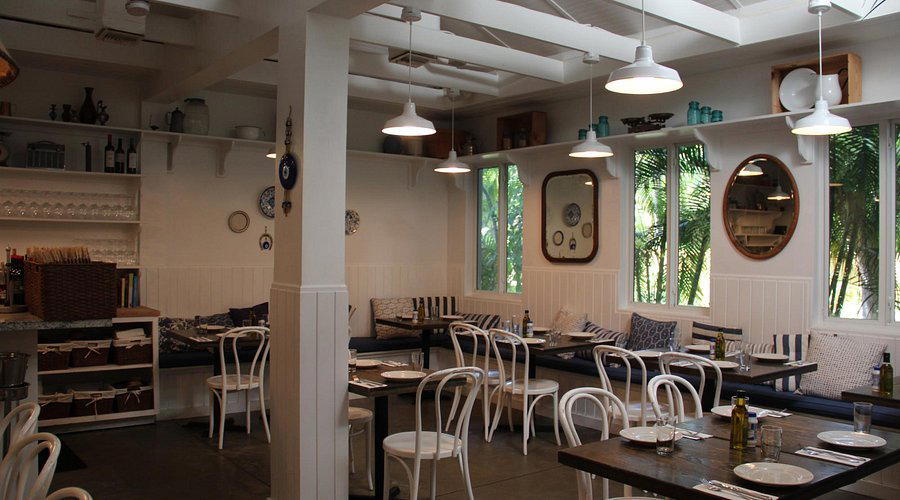
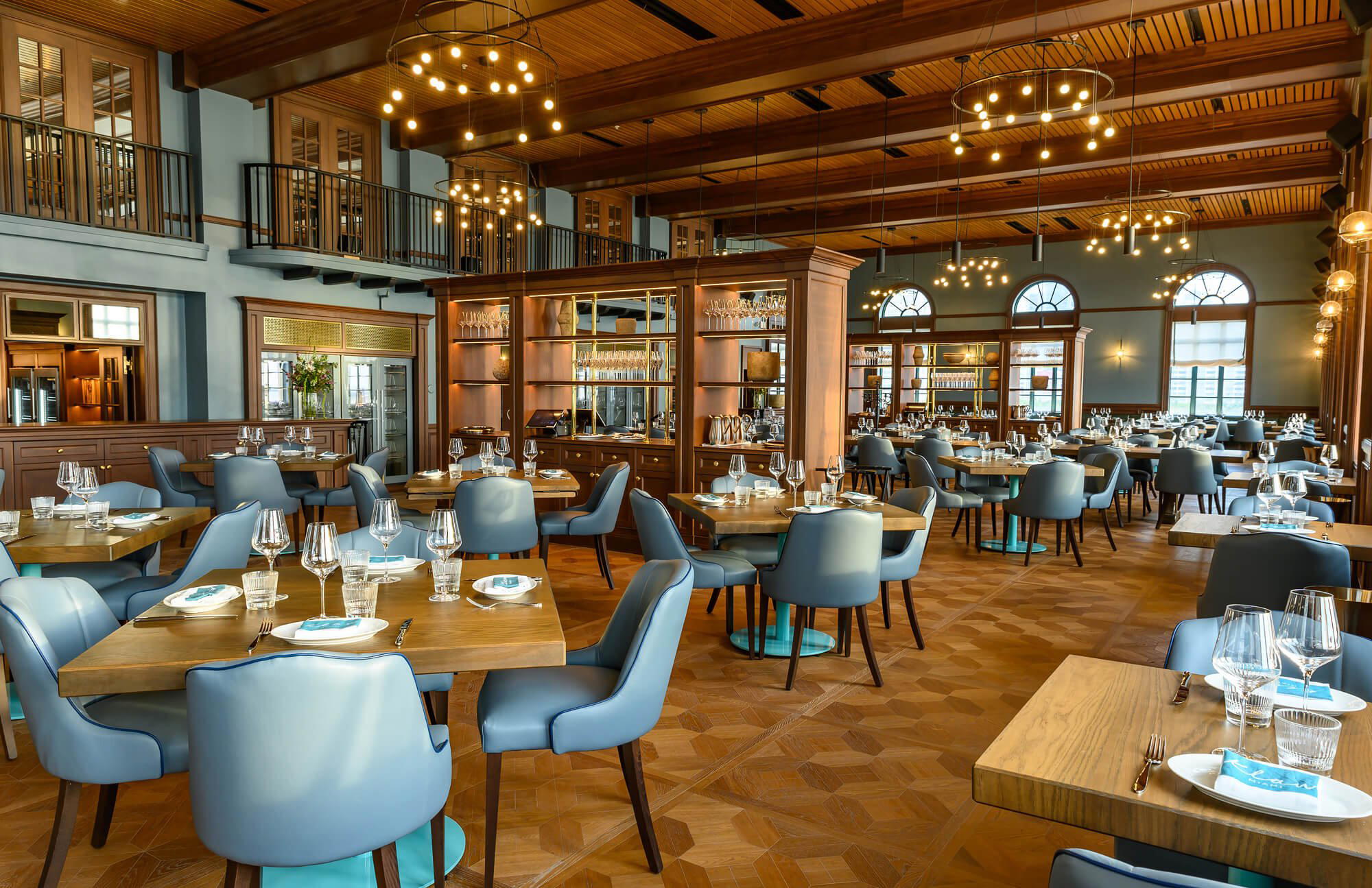
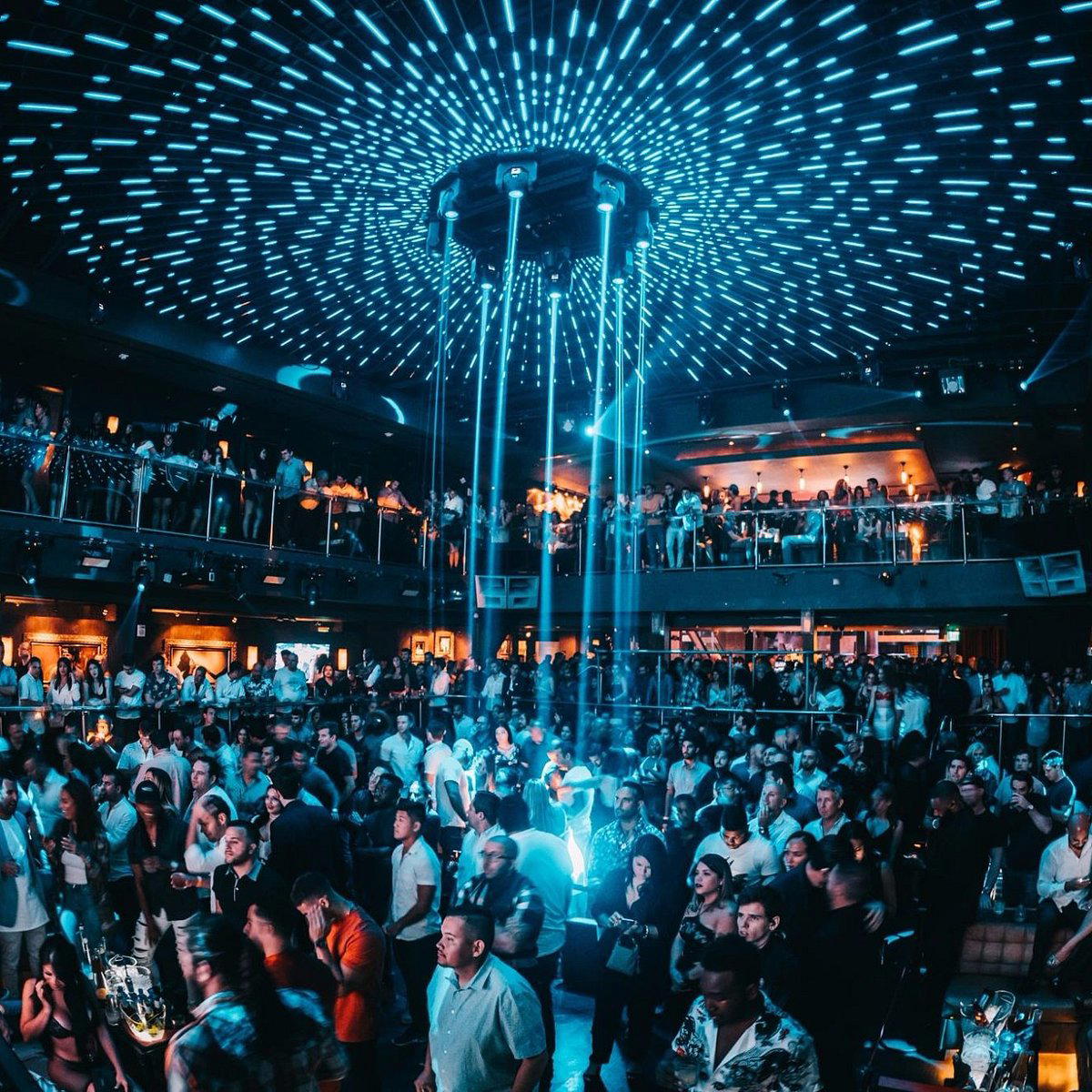
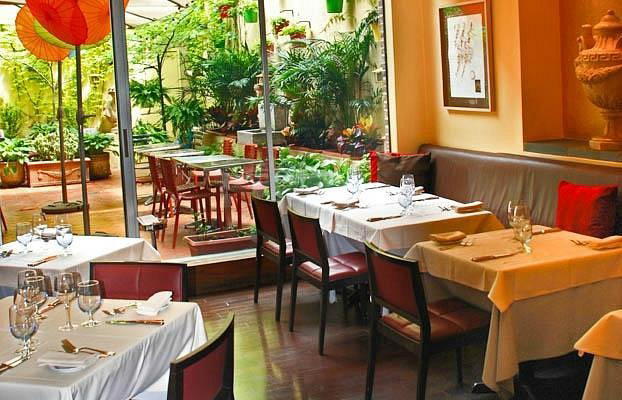
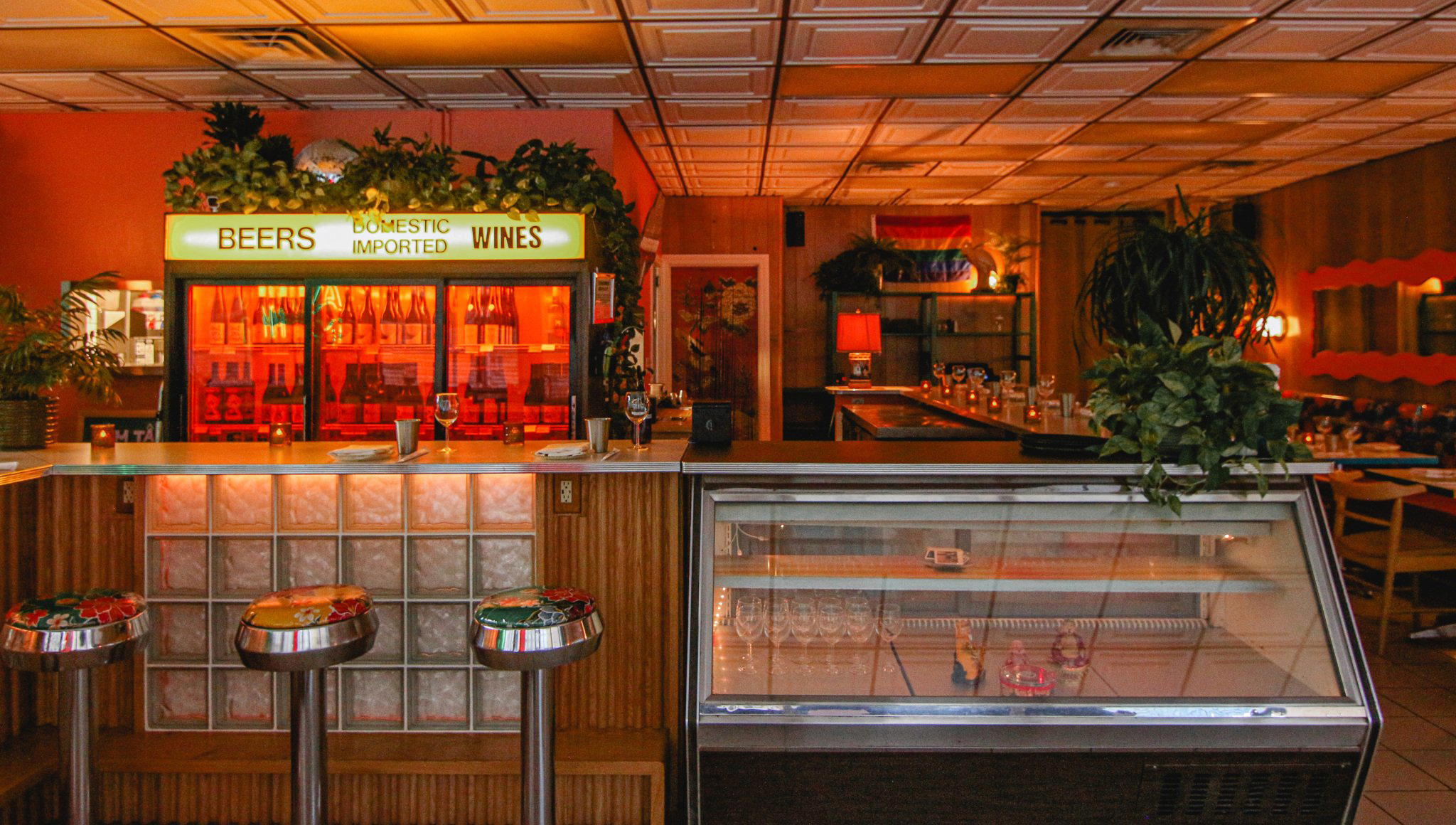
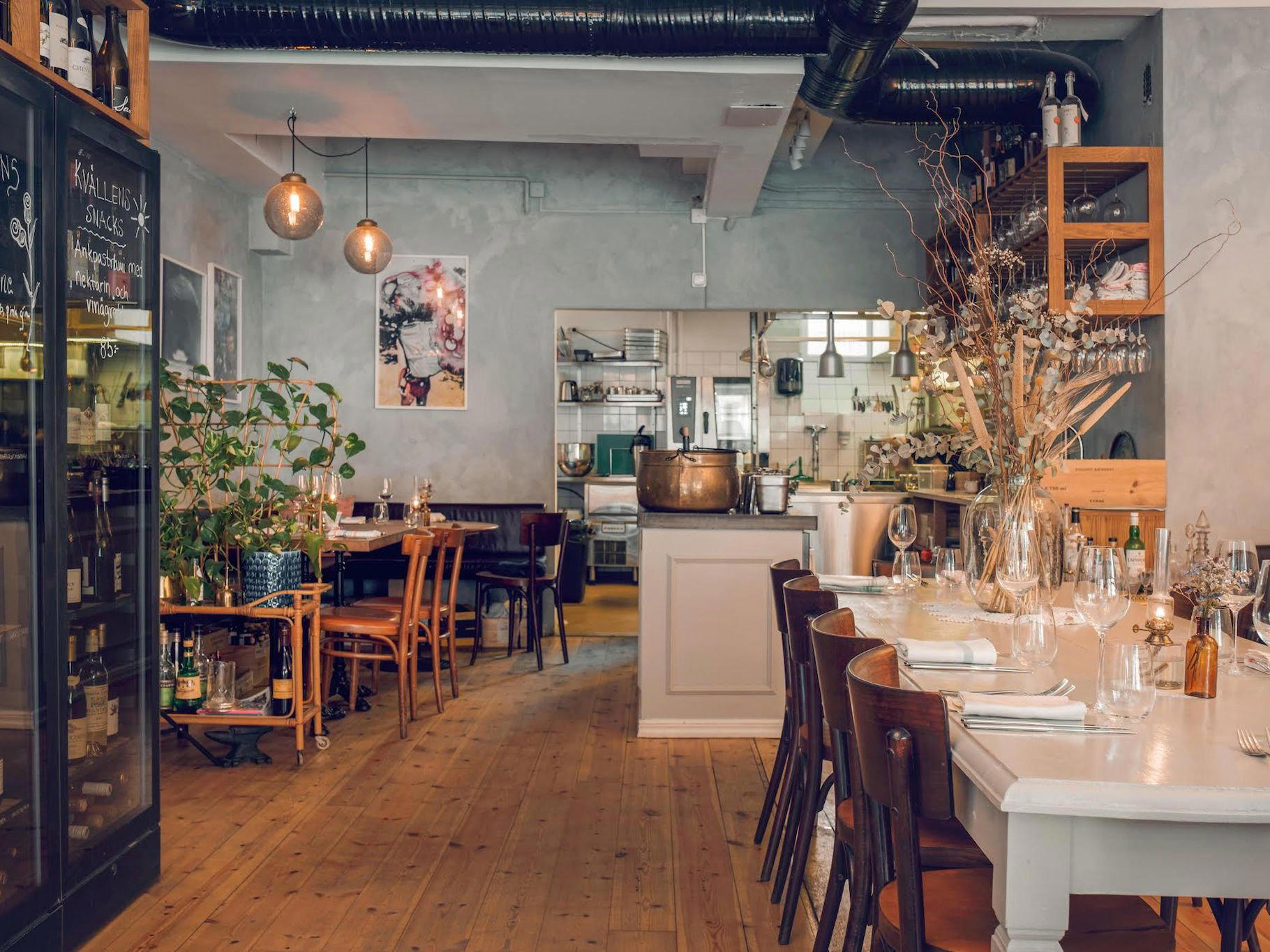
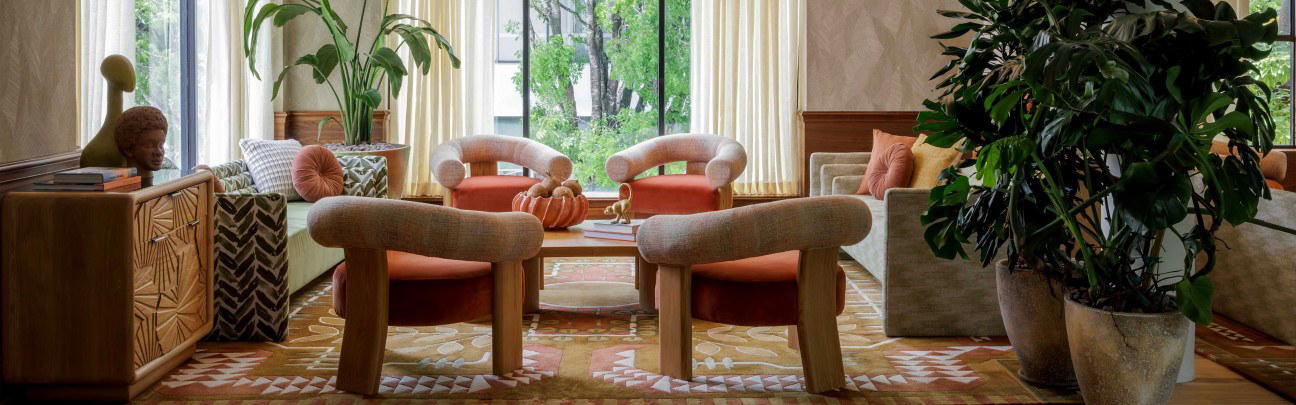
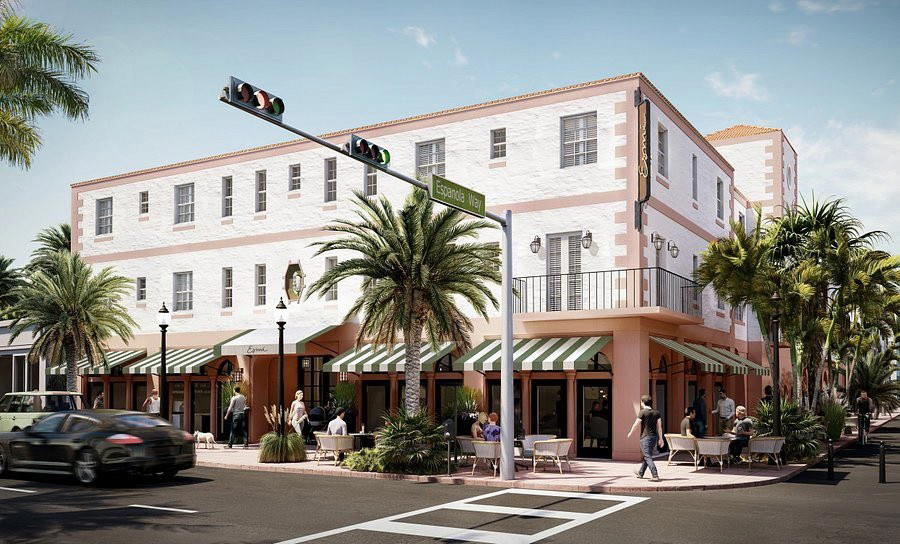
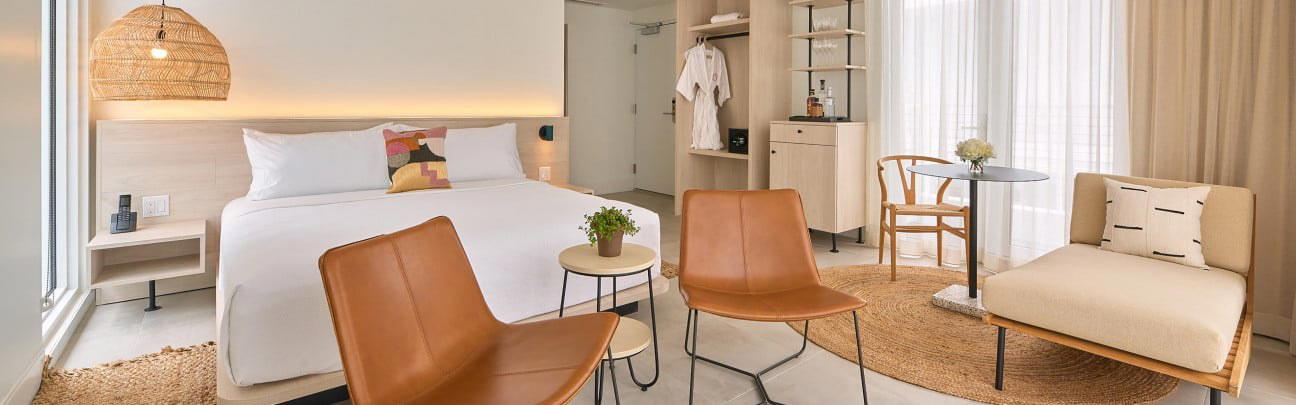
Casual, airy, and stylish with a lively Wynwood vibe, offering inviting indoor and outdoor seating.
Know Before You Go
- Getting there
- 102 NW 25th St, Miami, FL 33127