Polentina
Polentina occupies a quiet corner of Bow, East London, where the address alone signals a certain remove from the West End dining circuit. The kitchen draws on the polenta traditions of northern Italy, placing it in a small but growing tier of London restaurants built around a single regional ingredient rather than a broad Italian canon. For those tracking the city's shift toward specificity over scope, it warrants attention.
Pearl is the En Primeur Club membership app — saves, bookings, and concierge access live there. Same editors, same standards.
- Address
- 1, Bowood House, Empson St, London E3 3LT, United Kingdom
- Phone
- +447481602750
- Website
- polentina.com
- Directions
- Get directions
 Saves & bookings on Pearl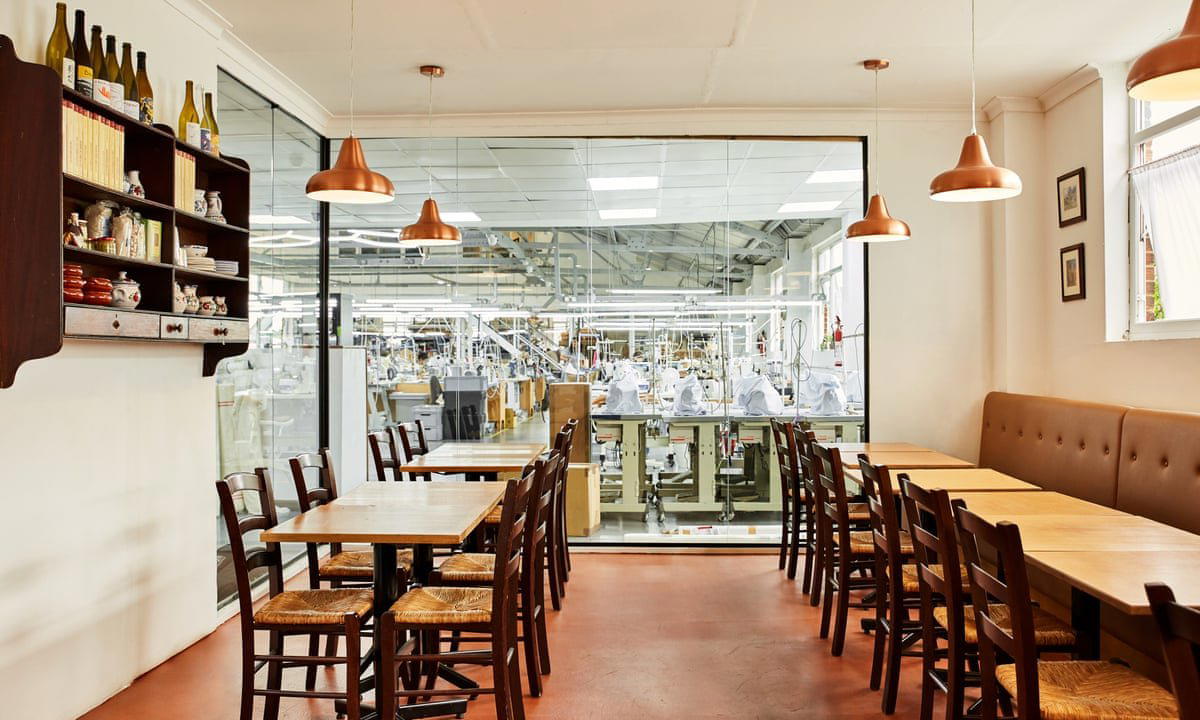
East London and the Case for Specificity
The address tells you something before you arrive. Bowood House on Empson Street sits in Bow, E3, a stretch of East London that has accumulated creative businesses and independent food operations without acquiring the self-conscious restaurant-destination identity of Shoreditch or Dalston to its north. Arriving here, you are not following a well-worn dining trail. The surrounding streets are residential and industrial in roughly equal measure, and the absence of obvious foot traffic is itself a kind of signal: this is a place you come to deliberately, not by accident.
That deliberateness shapes the experience before the meal begins. London's dining geography has long favoured a centre-west axis, with frequently discussed addresses clustering around Mayfair, Chelsea, and Knightsbridge. Operations outside that corridor, from neighbourhood bistros to single-concept kitchens like Polentina, occupy a different register entirely. They are not competing for the same clientele as CORE by Clare Smyth or Restaurant Gordon Ramsay. The comparison set is different, the expectations recalibrated.
The Northern Italian Thread
Polenta as a subject is easy to underestimate. For much of its post-war history in Britain, it appeared as a side dish, a textural footnote to braised meat or grilled fish, and rarely as a kitchen's organising principle. But in the Veneto, Lombardy, Piedmont, and Friuli, polenta is infrastructure. It shapes the sequence of a meal, defines the weight of a course, and varies in texture and grain size in ways that carry genuine technical complexity.
Kitchens that commit seriously to polenta are rare in the UK, and rarer still in London's competitive Italian sector. The mainstream of London Italian dining runs toward pasta-forward trattoria formats, pizza-led neighbourhood operations, and the prestige tier of modern Italian tasting menus such as those explored further afield at Le Manoir aux Quat'Saisons in Oxford or regionally anchored destinations like L'Enclume in Cartmel. A kitchen that plants its flag in northern Italian grain traditions rather than southern pasta culture is making a genuinely uncommon editorial choice about what belongs at the centre of the plate.
Thinking Through the Meal in Sequence
The tasting progression at a polenta-centred kitchen is structurally different from what diners encounter at the formal tasting menu addresses on London's current circuit. At Sketch, The Lecture Room and Library or The Ledbury, the kitchen orchestrates a procession of small courses, each designed to shift register. The ingredient logic is lateral, moving across the kitchen's technical range. A polenta kitchen operates differently: the central grain provides continuity, and the progression is built around how that base material changes in texture, temperature, and accompaniment as the meal moves forward.
Think of it as a vertical rather than lateral arc. Early courses might present polenta in a finer grind, softer set, paired with something acid or brightly flavoured to open the palate. As courses progress, the grain coarsens, the body increases, and accompaniments shift toward richer braises or aged cheeses that can stand against a more assertive base. The meal has internal logic: it builds rather than restarts with each course. This is closer in structure to the way a serious bread-forward kitchen in France sequences its service than to the multi-cuisine progression of a contemporary European tasting menu.
Restaurants elsewhere on the EP Club network that share this quality of sequential thinking, where the meal's architecture is as considered as its individual dishes, include Moor Hall in Aughton and Midsummer House in Cambridge, though the contexts and cuisines are entirely distinct.
The East London Context
Polentina's E3 location places it within a broader pattern of London restaurant geography that has seen serious food operations migrate east, driven partly by lower property costs and partly by an audience that is sceptical of the West End's formality and pricing structures. The same dynamic has produced strong neighbourhood kitchens across Hackney, Bethnal Green, and Stratford over the past decade, and it has created space for concept-led operations that would struggle to establish themselves in Mayfair's cost environment.
For a point of comparison elsewhere in the UK, the value-per-kilometre calculation that sends London diners east mirrors the logic that sends destination diners toward Hand and Flowers in Marlow or hide and fox in Saltwood: a willingness to travel slightly off the obvious axis in exchange for something more specific. Closer to home, Polentina asks a version of the same question of its East London audience.
The international comparison is also instructive. London's shift toward ingredient-specific, smaller-format restaurants tracks with what has happened in New York over the same period, where kitchens like Atomix have demonstrated that a highly focused, culturally specific kitchen can generate significant recognition outside the traditional fine dining architecture. The ambition, if not the scale or recognition, points in a similar direction.
Situating Polentina in London's Broader Offer
Against the full range of what London currently offers at the serious end, which includes three-Michelin-star addresses, globally recognised tasting menus, and a deepening tier of ambitious neighbourhood operations, Polentina occupies a position defined by its specificity rather than its formal credentials. Its comparable set is not Dinner by Heston Blumenthal or the prestige strip. It sits closer to the growing cohort of London restaurants that have identified a single culinary tradition or ingredient and built a kitchen around it with genuine conviction.
That cohort deserves more serious critical attention than it typically receives. The impulse to evaluate restaurants against formal accolades, prix-fixe pricing, and Michelin recognition can obscure what is happening in ingredient-focused kitchens at lower price points, particularly in postcodes that fall outside the traditional restaurant press circuit. A broader view of the London scene, including the kind of coverage collected in our full London restaurants guide, suggests that one interesting development in the city's dining right now is not at the summit of the existing hierarchy but in how the tier below it is defining its own terms.
For those who have already tracked the progression of UK destination dining through addresses like Gidleigh Park in Chagford, Restaurant Andrew Fairlie in Auchterarder, or the seafood precision of Le Bernardin in New York City, Polentina represents a different register of the same underlying ambition: a kitchen that knows what it is and has built its offer around that knowledge rather than accommodating every direction at once.
Planning Your Visit
Polentina is located at 1 Bowood House, Empson Street, London E3 3LT. The nearest transport links serve Bow and the surrounding area; Bow Road and Bromley-by-Bow are both within reasonable walking distance.
Quick reference: 1 Bowood House, Empson St, London E3 3LT. Verify current hours and booking availability directly with the venue.
Recognition, Side-by-Side
Comparable venues nearby, for context on price, style, and recognition.
| Venue | Cuisine | Price | Notes |
|---|---|---|---|
| PolentinaThis venue — the venue you are viewing | Regional Italian Canteen | $$ | Not listed |
| Il Bacino | Italian Pizza and Pasta | $$ | Wapping |
| The Lucky Pig | Italian Pizza & Cocktails | $$ | Fitzrovia |
| ADORA PIZZA | Neapolitan Pizza | $$ | Kensington Palace Gardens |
| Tarantella | Authentic Puglian Italian Trattoria | $$ | Chiswick |
| Fatto a Mano Bethnal Green | Authentic Neapolitan Pizza | $$ | Bethnal Green |
Continue exploring
More in London
Restaurants in London
Browse all →
Bars in London
Browse all →
Hotels in London
Browse all →




At a Glance
- Cozy
- Intimate
- Rustic
- Casual Hangout
- Open Kitchen
Current opening hours
- Monday
- Closed
- Tuesday
- Closed
- Wednesday
- Closed
- Thursday
- 12:30–4 PM, 6–11 PM
- Friday
- 12:30–4 PM, 6–11 PM
- Saturday
- 12:30–4 PM, 6–11 PM
- Sunday
- 12:30–4 PM
Hours can change for holidays and private events. Last verified .
Cozy glass-enclosed space within a working garment factory, offering an intimate, unpretentious atmosphere with views of the production line.