The Lucky Pig
On Clipstone Street in Fitzrovia, The Lucky Pig occupies a corner of London's mid-market dining scene where provenance and produce tend to do the talking. The name signals something unpretentious, and the address, a short walk from the restaurant density of Charlotte Street, places it inside one of central London's most competitive neighbourhoods for casual-to-serious eating.
Pearl is the En Primeur Club membership app — saves, bookings, and concierge access live there. Same editors, same standards.
- Address
- 5 Clipstone St, London W1W 6BB, United Kingdom
- Phone
- +442074360035
- Website
- theluckypig.co.uk
- Directions
- Get directions
 Saves & bookings on Pearl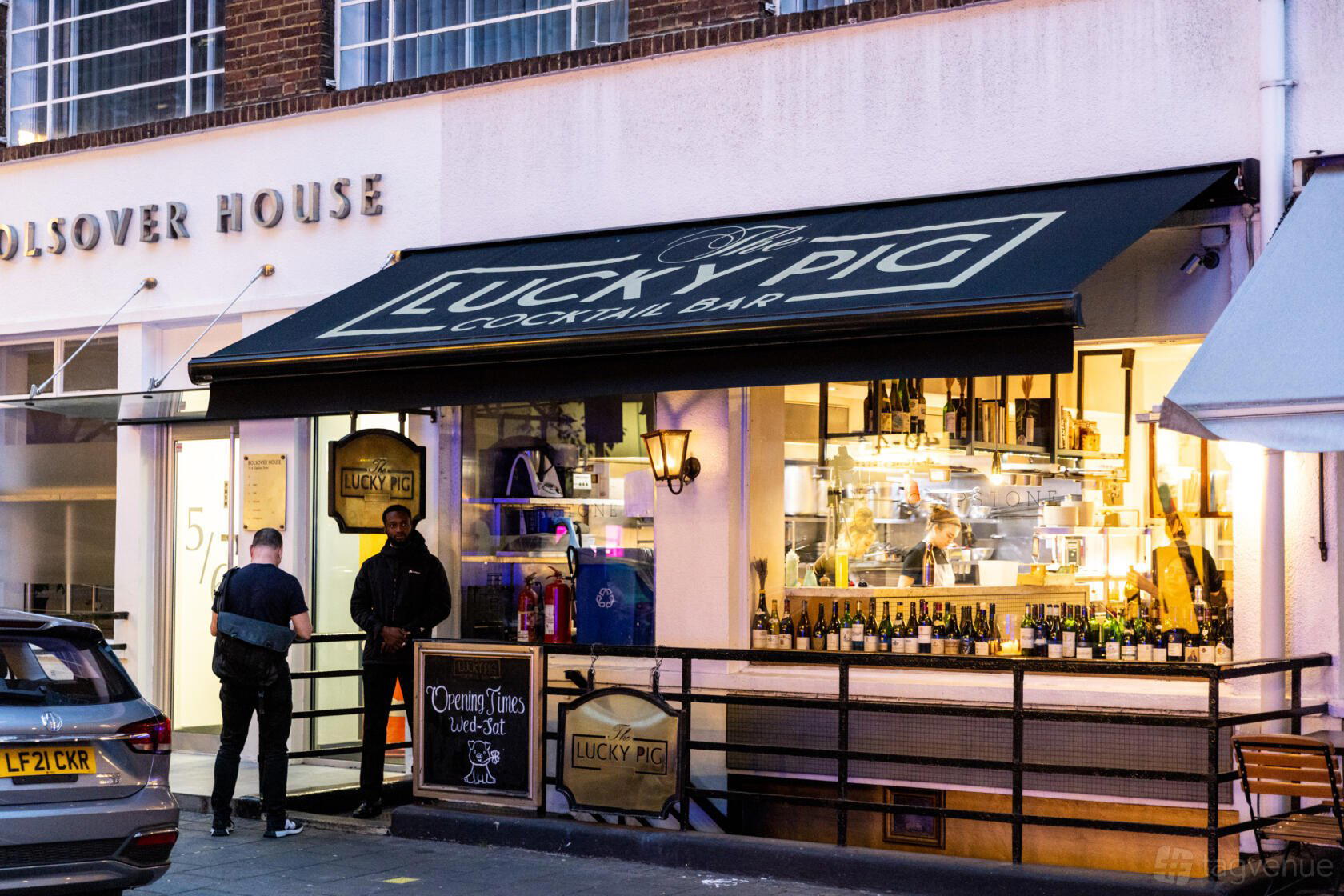
Fitzrovia and the Provenance Question
Clipstone Street sits at the quieter northern edge of Fitzrovia, a neighbourhood that has spent the better part of two decades sorting itself into distinct dining tiers. The southern stretch toward Oxford Street pulls tourists. The cluster around Charlotte Street absorbs the media-lunch crowd. The streets further north, where The Lucky Pig occupies number five, tend to attract a local and professional clientele with a lower tolerance for theatre and a higher expectation of actual cooking. That context matters, because it shapes what a venue on this block needs to do to hold its audience.
Across London, particularly durable mid-market restaurants have increasingly anchored their identity in sourcing. That shift, from technique-forward menus toward ingredient-led ones, accelerated after 2010 and has since filtered down from the Michelin bracket to neighbourhood dining. In the broader London dining conversation, this puts it in a category alongside dozens of operators who have moved sourcing from a footnote on the menu to the central editorial premise of the food.
The Clipstone Street Address and What It Implies
London's premium dining is heavily concentrated in Mayfair and Knightsbridge, where properties like CORE by Clare Smyth, Sketch, The Lecture Room and Library, and Dinner by Heston Blumenthal operate at the ££££ tier with full tasting-menu formats, extensive wine programmes, and booking horizons that can stretch months ahead. Further west, The Ledbury and Restaurant Gordon Ramsay hold equivalent positions in Notting Hill and Chelsea respectively. The Fitzrovia address of The Lucky Pig places it outside that high-formality bracket by geography and by register.
That is not a limitation. Fitzrovia's strength as a dining neighbourhood is that it tolerates a wider range of formats, from counter seats with natural wine lists to longer, more considered menus that would feel out of place in a more transactional part of the city. The Lucky Pig name itself carries a deliberate informality that signals something closer to the gastropub tradition than to the tasting-menu circuit, even if the cooking may reach beyond that baseline.
Ingredient-Led Kitchens in a British Context
The British ingredient-sourcing conversation has a specific geography. Much of frequently cited produce comes from farms in the West Country, the Scottish Highlands, and coastal suppliers in Cornwall and the Hebrides. The restaurants that have built strongest reputations around sourcing, among them L'Enclume in Cartmel and Moor Hall in Aughton, tend to have either direct farm relationships or estate land of their own. London kitchens without that physical proximity have to work differently: through specialist wholesalers, direct supplier relationships, and a disciplined commitment to seasonality that resists the temptation of year-round consistency for its own sake.
Venues that make sourcing the premise of their menu take on a specific obligation to the guest. When the argument is that the ingredient matters, the cooking has to stay close enough to that ingredient for the claim to be legible. Highly manipulated dishes can obscure provenance. The strongest version of this approach, seen at places like hide and fox in Saltwood and Hand and Flowers in Marlow, treats the sourcing story as structural rather than decorative: the menu changes because the supply changes, not because a PR cycle demands novelty.
The Atmosphere Register
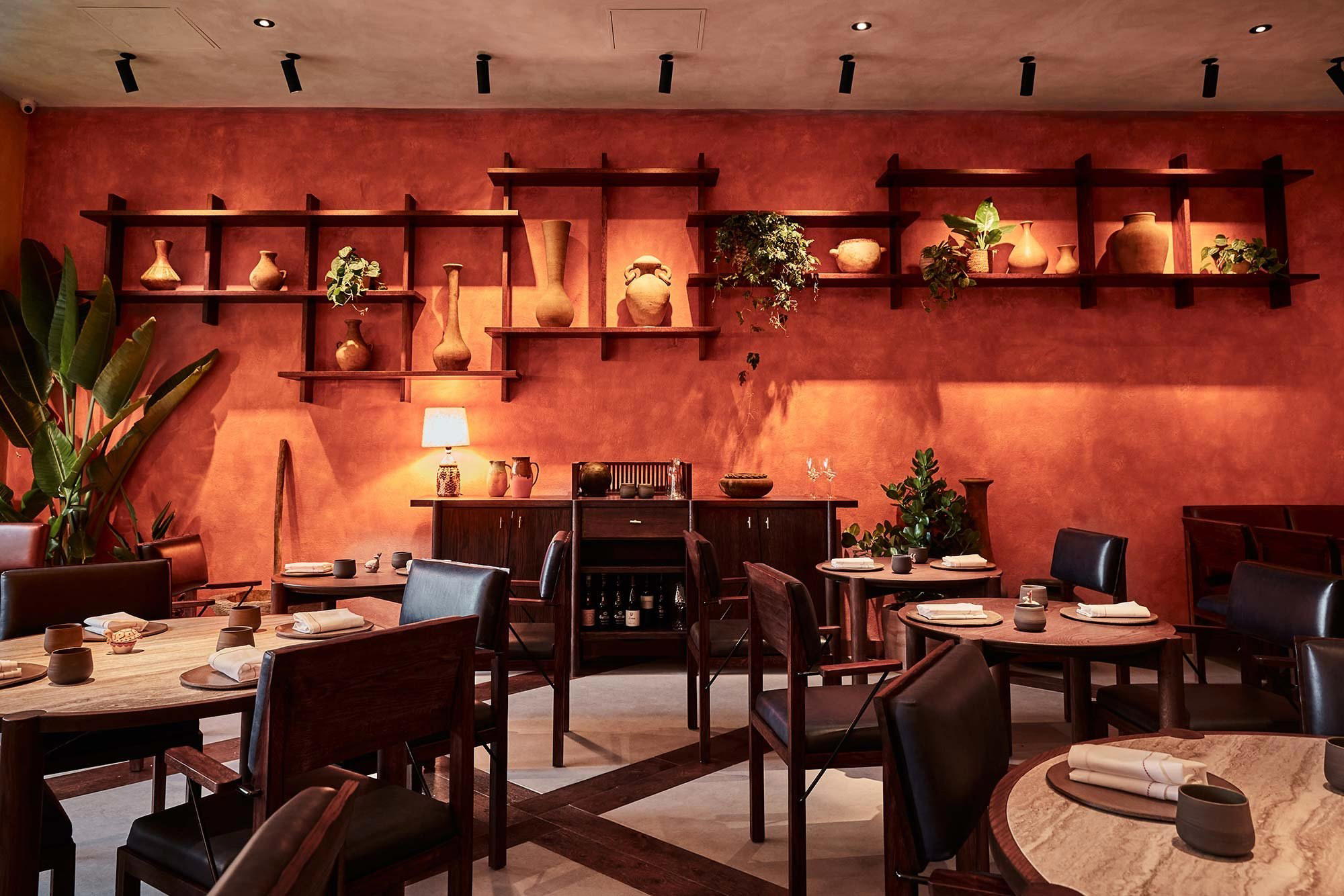
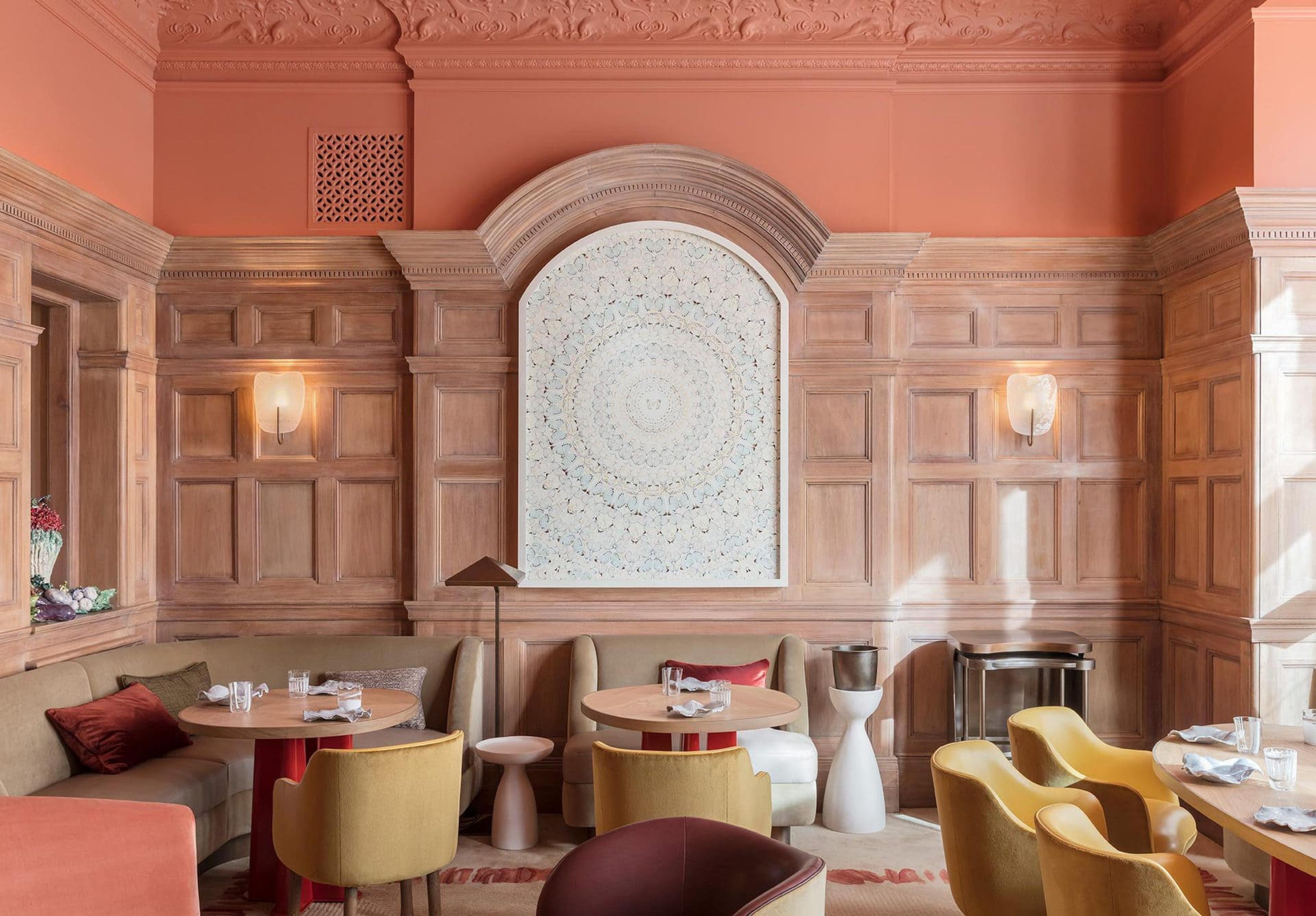
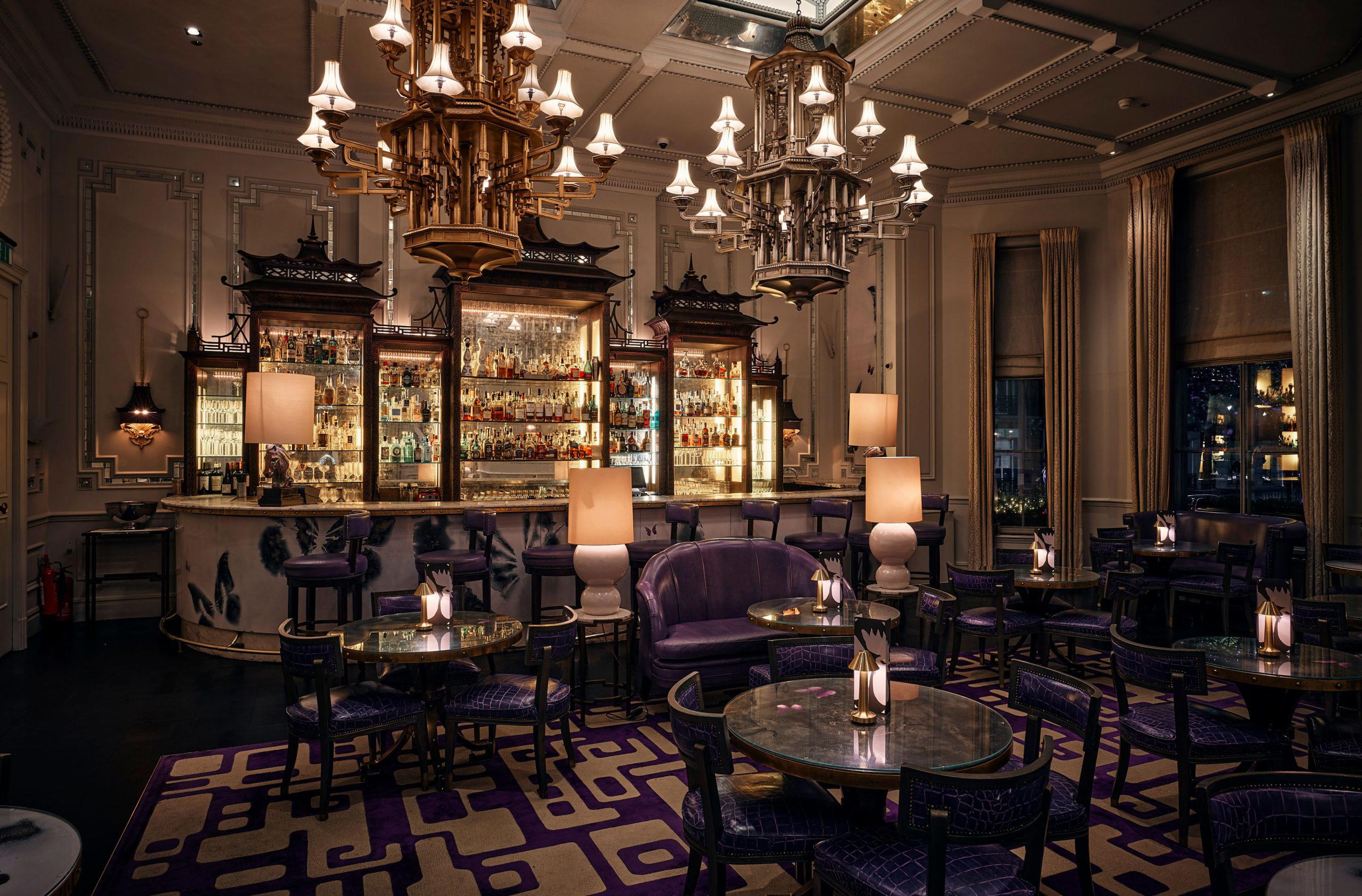
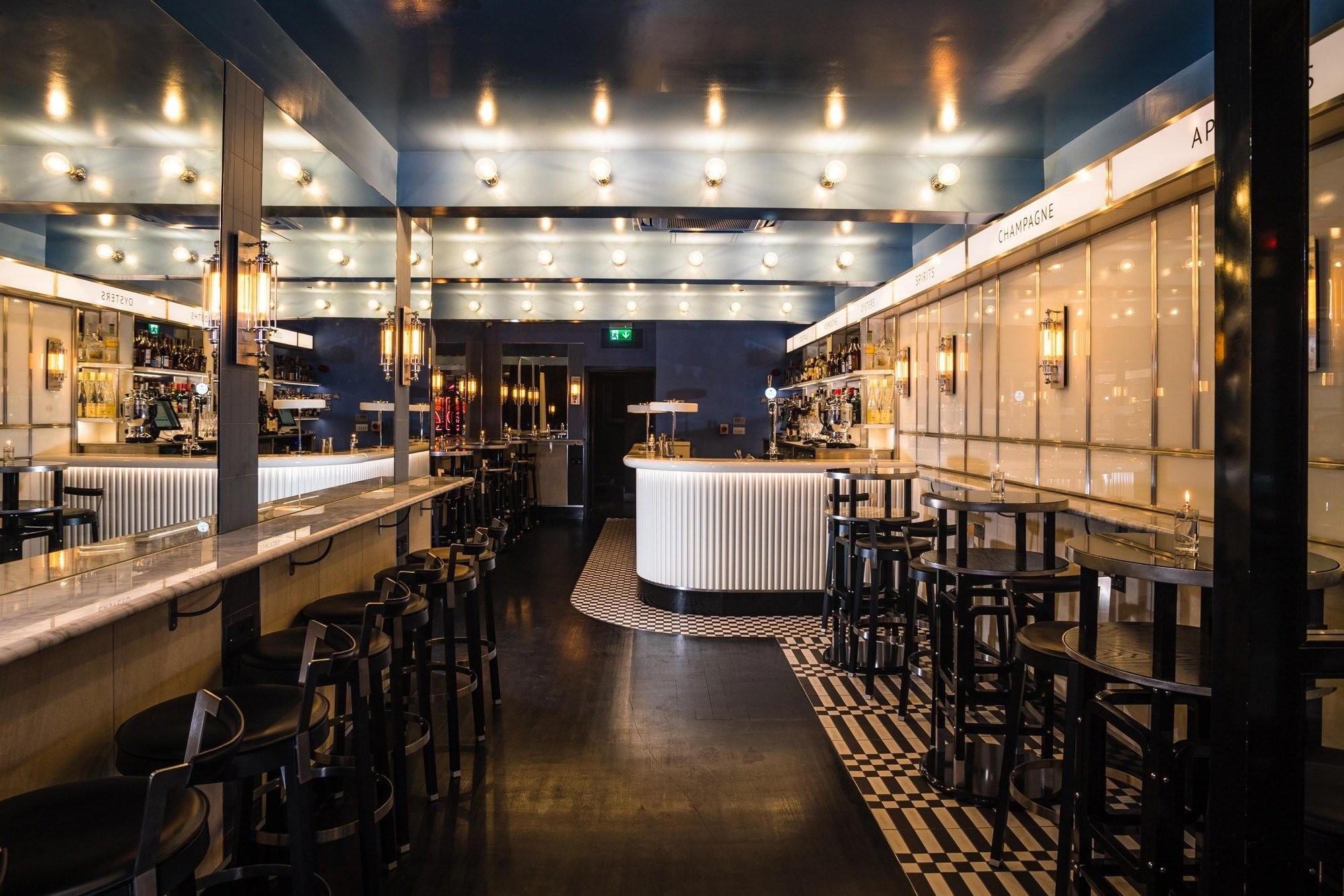
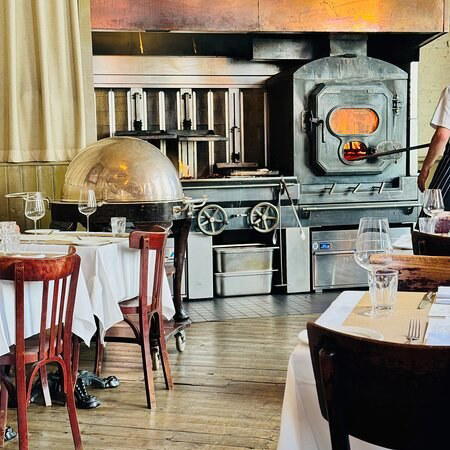
In the broader context of Fitzrovia dining, venues that lean into informality tend to run noisier rooms, shorter menus, and a pace that suits the neighbourhood's working-week rhythm. The name the restaurant belongs to a well-established tradition of British pub and restaurant naming that signals approachability over aspiration, a positioning choice that typically produces a room with fewer ceremonies and more momentum. For comparison, London's destination dining, from Waterside Inn in Bray to Le Manoir aux Quat'Saisons in Oxford, operates with a formality that requires specific expectation-setting before arrival. The Clipstone Street address, by contrast, suggests a room you can enter without a strategy.
That accessibility is its own editorial point. Not every significant London dining experience requires advance preparation, a dress code review, or a tasting-menu commitment. The restaurants that sit slightly below the leading formal tier but above casual chain dining occupy a position that is harder to sustain, because they must deliver food worth seeking out without the structural support of a full tasting format or a marquee name above the door. The restaurant operates in that territory.
London in a Wider British Dining Frame
London's dining scene remains the country's most internationally competitive, though the gap between the capital and its regional peers has narrowed considerably over the past decade. Midsummer House in Cambridge, Opheem in Birmingham, Restaurant Andrew Fairlie in Auchterarder, and Gidleigh Park in Chagford all hold serious positions in the national ranking without requiring a London postcode. That regional maturity has made London operators sharper about what a city address actually offers: density of audience, access to supplier networks, and proximity to media attention. Whether a venue uses those advantages well is ultimately a question answered by the plate, not the postcode.
For international reference points in the premium-casual conversation, Le Bernardin in New York City and Atomix in New York City represent the upper end of how sourcing-led kitchens position themselves in a competitive metropolitan market.
Know Before You Go
- Address: 5 Clipstone St, London W1W 6BB
- Neighbourhood: Fitzrovia, central London
- Nearest transport: Great Portland Street (Circle, Hammersmith and City, Metropolitan lines) and Warren Street (Northern, Victoria lines) are both within a short walk
- Booking: Reservation recommended
- Price tier: ££
- Hours: Tue to Wed 5 PM to 12 AM; Thu 5 PM to 1 AM; Fri to Sat 5 PM to 2 AM; Mon and Sun closed
A Quick Peer Check
Comparable venues nearby, for context on price, style, and recognition.
| Venue | Cuisine | Price | Notes |
|---|---|---|---|
| The Lucky PigThis venue — the venue you are viewing | Italian Pizza & Cocktails | $$ | Not listed |
| Bancone Golden Square | Modern Italian Pasta | $$ | Soho |
| Florencio | Argentinian-Influenced Sourdough Pizza | $$ | Marble Arch |
| Da Moreno Pizzeria | Authentic Neapolitan Wood-Fired Pizza | $$ | Northfields |
| Carmelina's | Italian | $$ | Markham |
| L'Antica Pizzeria da Michele | Authentic Neapolitan Pizza | $$ | Lisson Grove |
At a Glance
- Intimate
- Romantic
- Lively
- Classic
- Date Night
- Casual Hangout
- After Work
- Late Night
- Group Dining
- Live Music
- Private Dining
- Craft Cocktails
- Zero Proof
- Local Sourcing
Current opening hours
- Monday
- Closed
- Tuesday
- 5 PM–12 AM
- Wednesday
- 5 PM–12 AM
- Thursday
- 5 PM–1 AM
- Friday
- 5 PM–2 AM
- Saturday
- 5 PM–2 AM
- Sunday
- Closed
Hours can change for holidays and private events. Last verified .
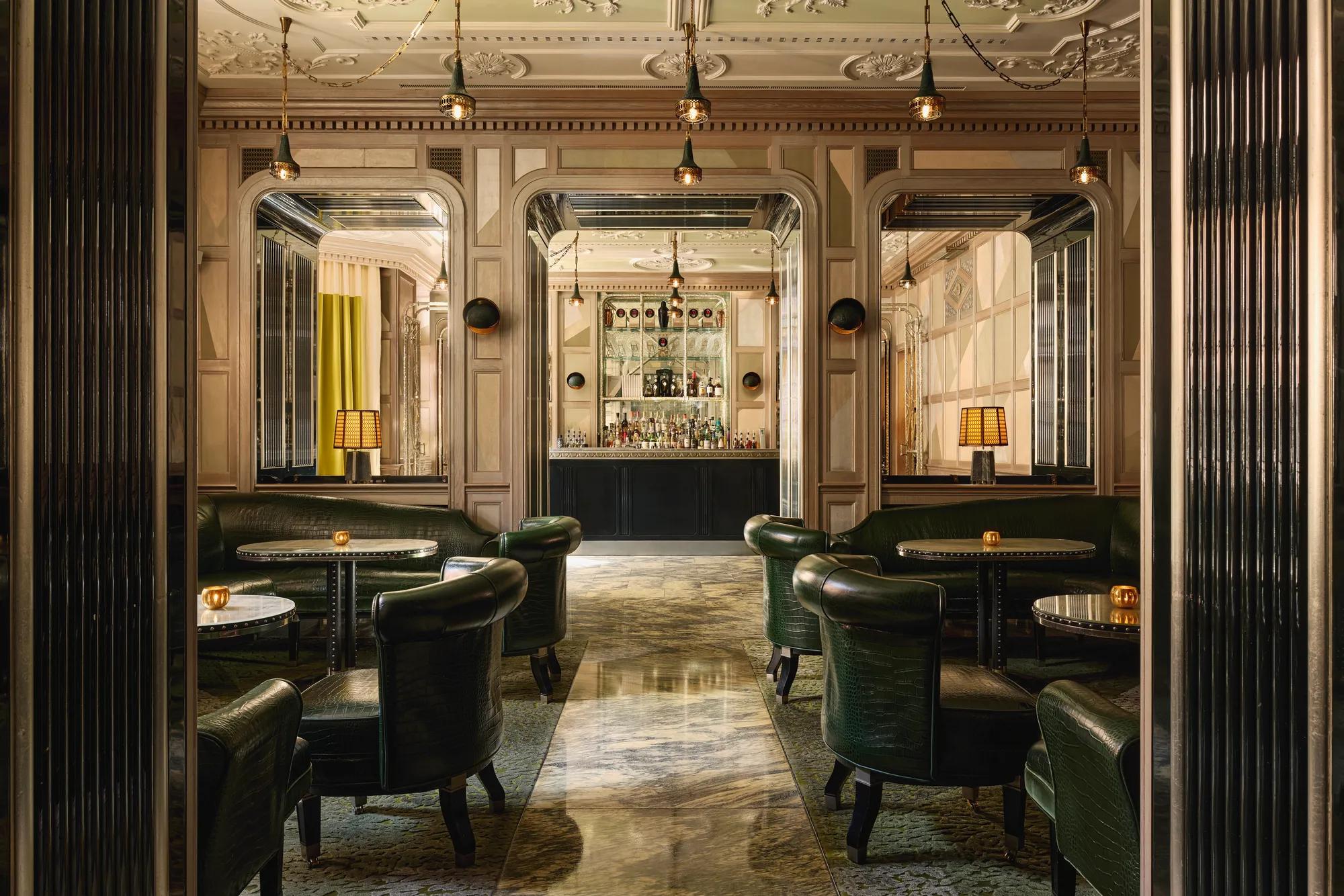
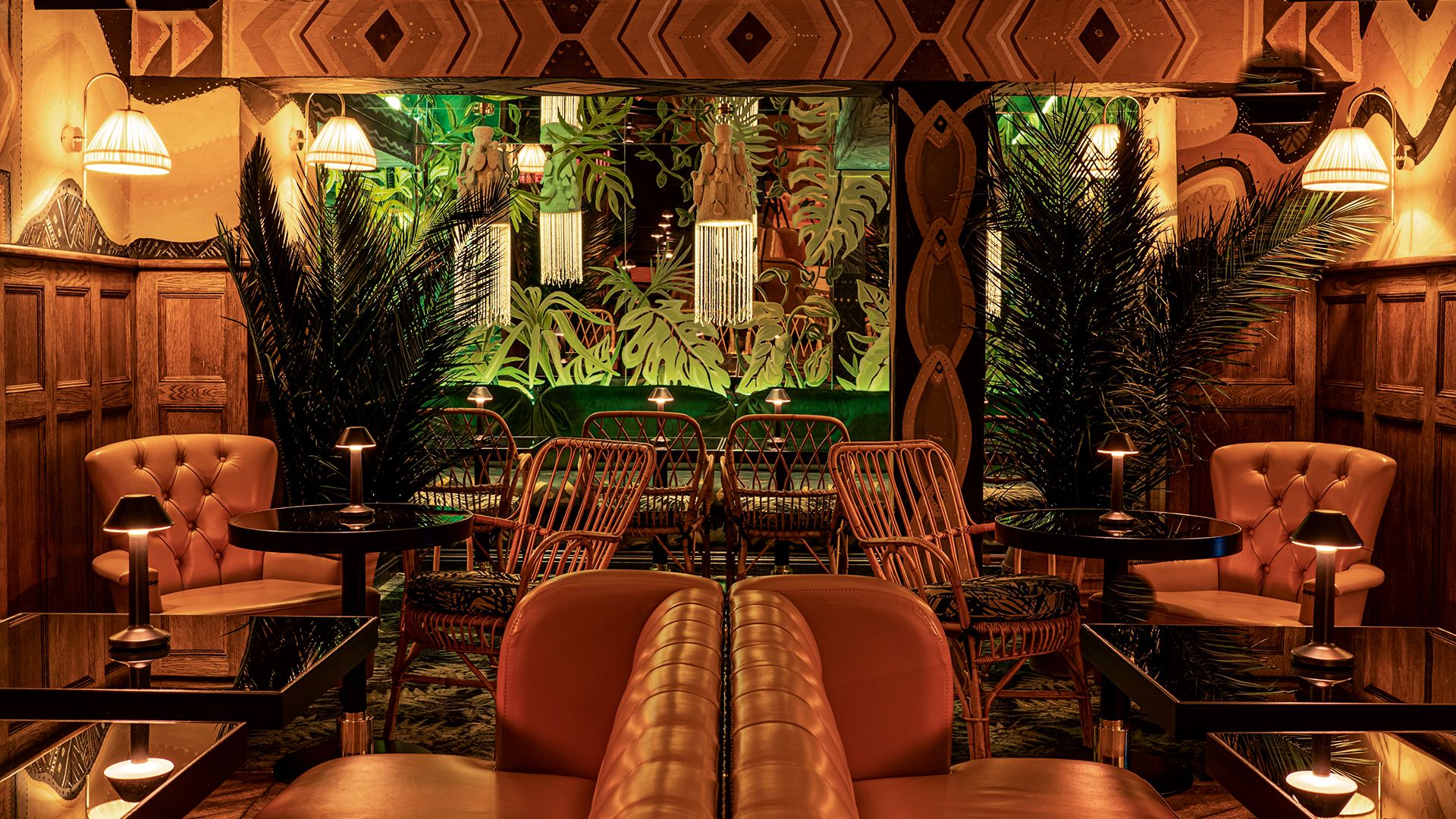
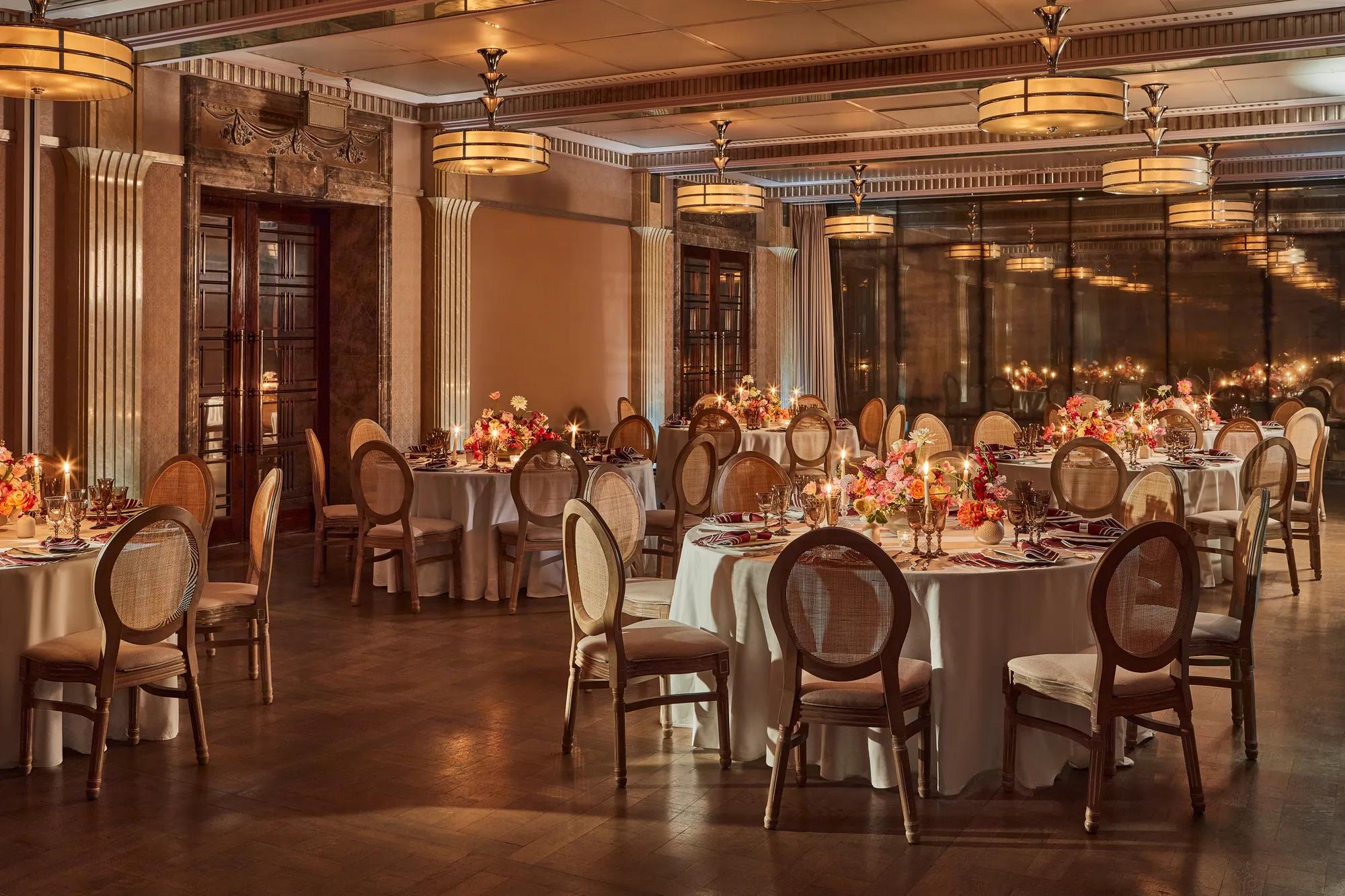
Dimly lit underground space with retro decor, vintage treasures, chaises longues, and curtained-off vaults creating an intimate, seedy Prohibition-era atmosphere.