Point Brugge Cafe
Point Brugge Cafe on Hastings Street brings Belgian-inflected cooking to Pittsburgh's Point Breeze neighbourhood, where the city's appetite for European bistro formats meets the sourcing possibilities of western Pennsylvania. The kitchen applies classical technique to regional ingredients in a setting that reads as neighbourhood institution rather than destination restaurant. For Pittsburgh diners who want substance over spectacle, it earns its place in the city's mid-tier dining conversation.
Pearl is the En Primeur Club membership app — saves, bookings, and concierge access live there. Same editors, same standards.
- Address
- 401 Hastings St, Pittsburgh, PA 15206
- Phone
- +14124413334
- Website
- pointbrugge.com
- Directions
- Get directions
 Saves & bookings on Pearl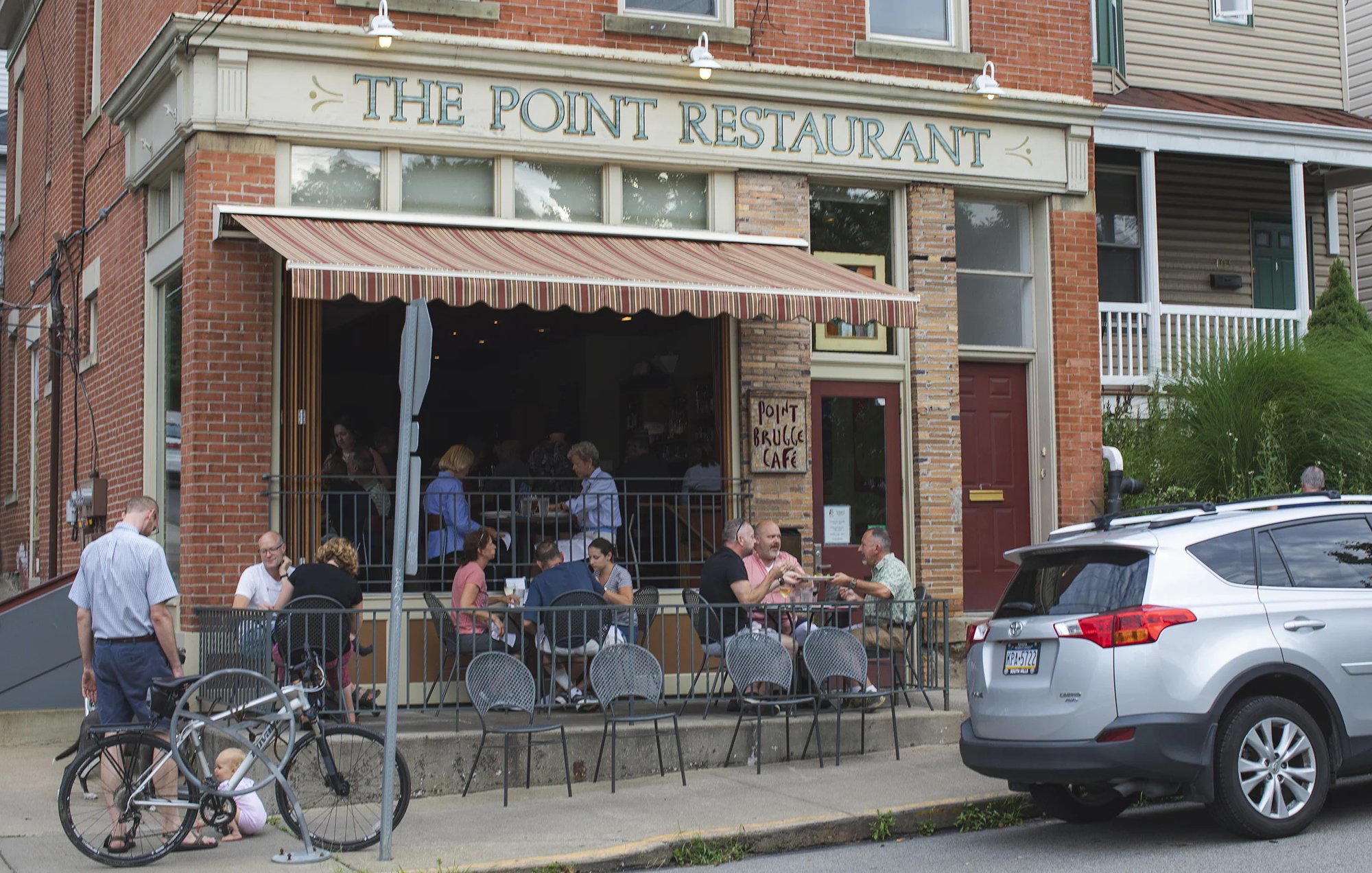
Point Breeze and the Belgian Bistro Tradition in Pittsburgh
Pittsburgh's neighbourhood restaurant culture has long operated on a different axis than its downtown dining corridor. In areas like Point Breeze, where Point Brugge Cafe sits at 401 Hastings Street, the expectation is a room that functions as an extension of the street rather than a retreat from it. Belgian bistro cooking fits that brief precisely because it is, at its core, a cuisine of regulars: built around dishes that reward familiarity, portions that reflect generosity over showmanship, and a beer culture that turns a midweek dinner into something genuinely relaxed.
The Belgian model that Point Brugge draws from is not the haute Brussels tradition of tasting menus and formal service, but the brasserie register that dominates Bruges and Ghent: moules-frites in deep copper pots, hops-driven sauces paired with local proteins, and a beer list that functions as a culinary document rather than an afterthought. It is a format that has translated well into American neighbourhood settings precisely because it asks relatively little of the diner while delivering significant depth of flavour for the price bracket.
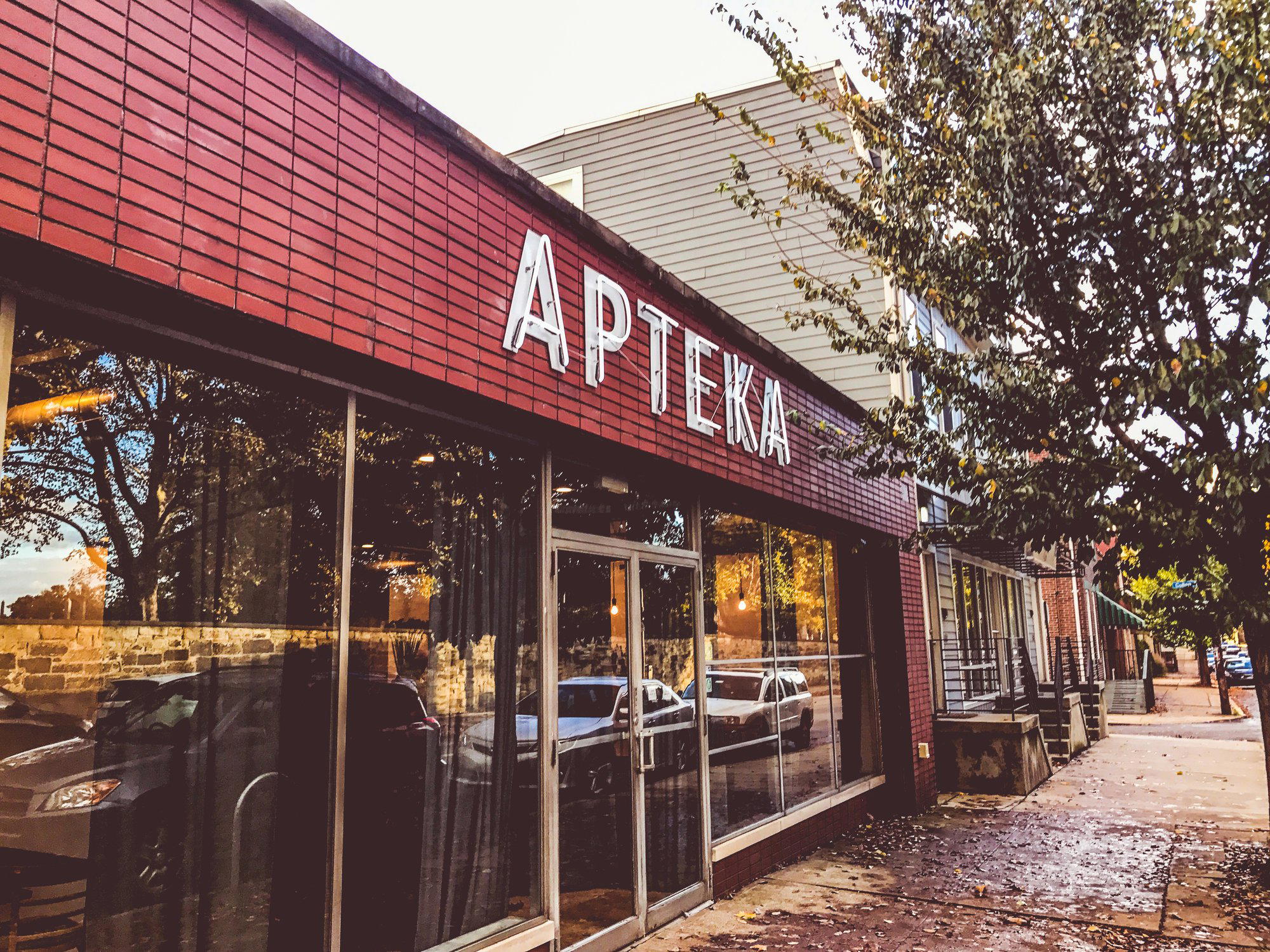
Within Pittsburgh's mid-tier restaurant map, Point Brugge occupies a position that differs from the vegetable-forward Eastern European inflections at Apteka or the Italian-American reinterpretations at Alfabeto. Where those venues use European precedents as a creative departure point, Point Brugge applies them as a structural template, which is a different editorial choice and a legitimate one. It tells you something about what Point Breeze residents want from a local: consistency and execution over reinvention.
Belgian Technique Meets Western Pennsylvania Sourcing
The editorial angle worth applying to a restaurant like Point Brugge is not simply what it cooks but how classical Belgian method interacts with what the mid-Atlantic and Great Lakes supply chains actually produce. Pennsylvania sits in one of the more agriculturally varied states on the eastern seaboard: the Pittsburgh region has access to Appalachian pork, Great Lakes freshwater fish, and a growing network of small-scale vegetable growers whose output does not travel to the coasts. When a kitchen applies Flemish braising traditions to locally sourced proteins, the results tend toward a richer, less refined texture than the original European versions, which is not a criticism but a genuine regional interpretation.
This intersection of imported method and indigenous product is where neighbourhood Belgian restaurants in American cities have historically made their clearest case. The moule, farmed domestically from Prince Edward Island or Pacific Northwest beds rather than the North Sea, tastes different in its brine and yield. A Belgian-style carbonnade braise built around Pennsylvania-raised beef reads heavier than its Brussels equivalent but holds better in a cold-weather city where October through March demands substance. The frite, the more demanding technical element of the two, relies on potato variety and double-fry discipline that travels regardless of geography.
American cities that have absorbed European bistro formats most successfully tend to be those with strong neighbourhood-dining cultures rather than destination-dining cultures. Pittsburgh belongs firmly in the former category. The comparison point is not Le Bernardin in New York City or Alinea in Chicago, and it should not be: those are institutions built around singular technical ambition and the economics of destination tourism. Point Brugge operates in a comparable set closer to the mid-tier European-inflected neighbourhood restaurants that give cities like Pittsburgh, Cincinnati, and St. Louis their actual dining character, the places that fill on a Tuesday without a reservation push from a hospitality publicist.
Where Point Brugge Sits in Pittsburgh's Dining Conversation
Pittsburgh's restaurant scene has broadened considerably over the past decade. The downtown and Strip District corridors now carry venues that would not look out of place in comparable mid-sized American cities, including the ambitious cocktail-and-small-plates formats at Bakersfield Penn Ave and the steak-and-view positioning of Altius. Against that broader map, Point Brugge represents the neighbourhood anchor: a restaurant whose value proposition is less about the occasion and more about the frequency of return.
That is a harder position to maintain than it appears. Neighbourhood restaurants fail when they mistake familiarity for complacency, when the regulars stop being challenged and the kitchen stops tightening its technique. The Belgian bistro format is disciplined enough structurally to resist that drift, provided the kitchen maintains its standards on the foundational dishes. Mussels cooked unevenly, frites served limp, or a beer list that has not been refreshed in years are the specific failure signals to watch in this format.
For Pittsburgh diners mapping their year across different registers, Point Brugge fits into the rotation at a different tier than the destination dining offered by, say, 1930 by Atria's. Across that range, venues like Point Brugge provide the connective tissue that makes a city's dining culture feel inhabited rather than curated.
Planning a Visit to Point Brugge Cafe
The neighbourhood character is quiet and low-density, which means street parking is generally available in the evenings. Belgian bistro formats of this type typically operate on a walk-in basis for smaller parties on weekday evenings, while weekends in popular neighbourhood restaurants in this city tend to fill by seven o'clock.
For visitors placing Point Brugge within a broader Pittsburgh itinerary, the Point Breeze location works well as an evening stop before or after Frick Park, which borders the neighbourhood on its eastern edge. The restaurant's positioning within a residential street suits the Belgian brasserie format it references. Diners looking for the refined tasting-menu experience would be better served by other Pittsburgh addresses; those seeking something that functions like a proper local bistro will find the register fits.
Recognition, Side-by-Side
Comparable venues nearby, for context on price, style, and recognition.
| Venue | Cuisine | Price | Notes |
|---|---|---|---|
| Point Brugge CafeThis venue — the venue you are viewing | Belgian-Inspired Bistro | $$ | Not listed |
| Jozsa Corner | Hungarian Home Cooking | $$ | Hazelwood |
| Grandview Saloon | Steakhouse with Seafood | $$ | Duquesne Heights |
| Steel Mill Saloon | American Gastropub | $$ | Duquesne Heights |
| Penn Brewery | German Euro-Pittsburgh Brew Pub | $$ | Troy Hill |
| Franktuary (Lawrenceville) | Gourmet Hot Dogs with Regional Toppings | $$ | Lower Lawrenceville |
Continue exploring
More in Pittsburgh
Restaurants in Pittsburgh
Browse all →
Bars in Pittsburgh
Browse all →
At a Glance
- Cozy
- Rustic
- Lively
- Casual Hangout
- Brunch
- Group Dining
- Beer Program
Current opening hours
- Monday
- Closed
- Tuesday
- 11:30 AM–9 PM
- Wednesday
- 11:30 AM–9 PM
- Thursday
- 11:30 AM–9 PM
- Friday
- 11:30 AM–9 PM
- Saturday
- 11:30 AM–9 PM
- Sunday
- 11 AM–8 PM
Hours can change for holidays and private events. Last verified .
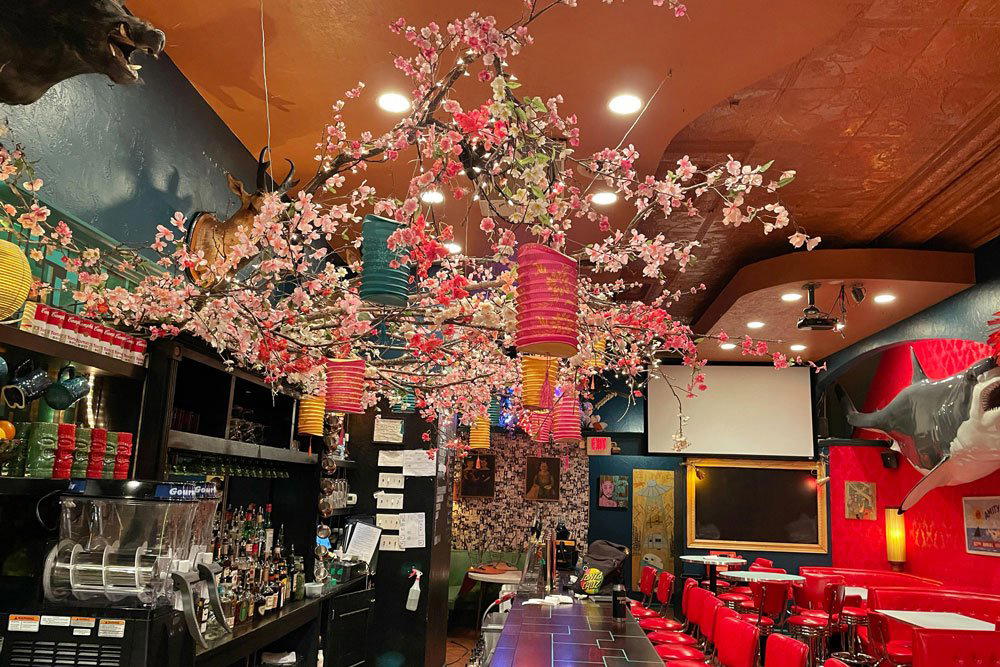
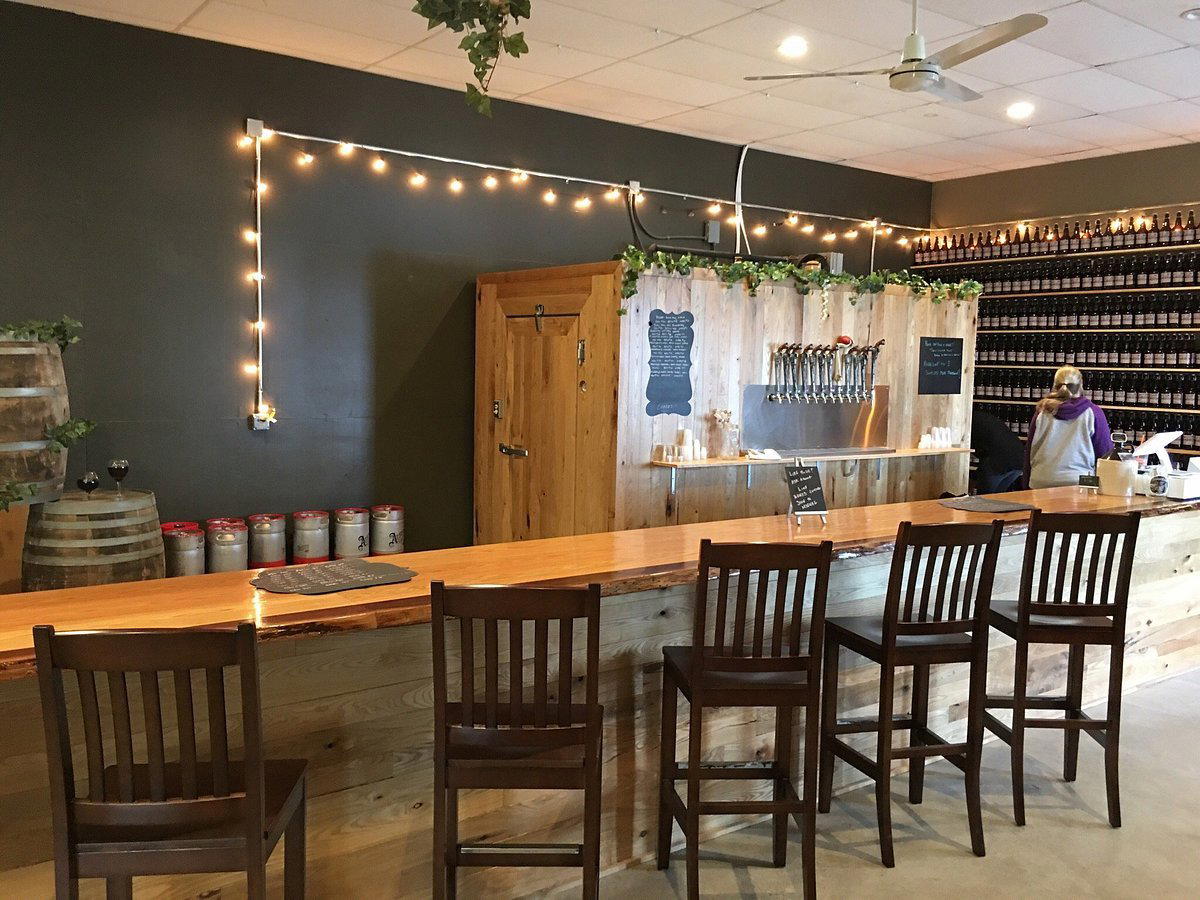
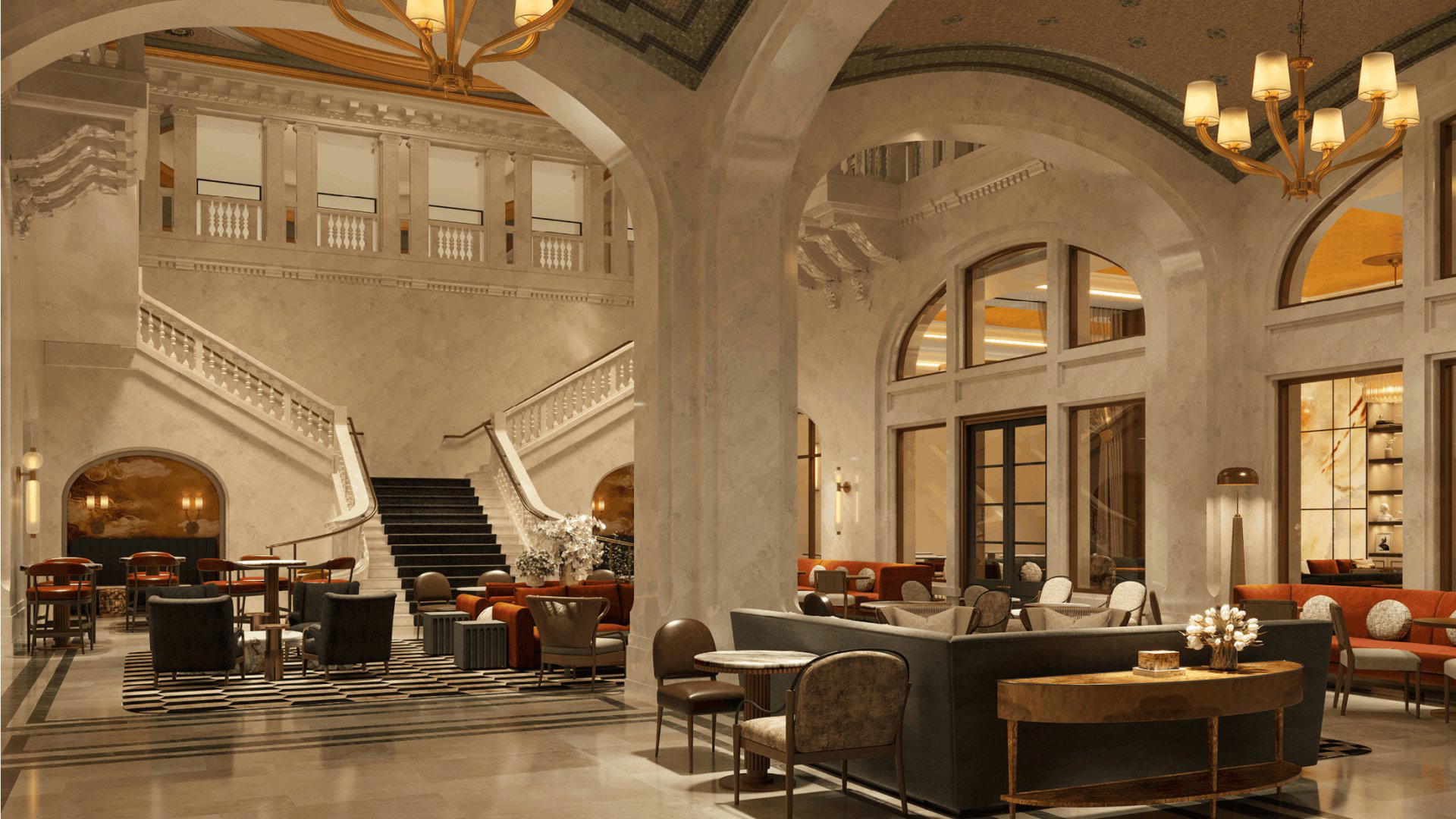
Cozy neighborhood spot with retro hip vibe, blending indoor and outdoor environments through movable windows, featuring warm lighting and casual European bistro atmosphere.