Penn Brewery
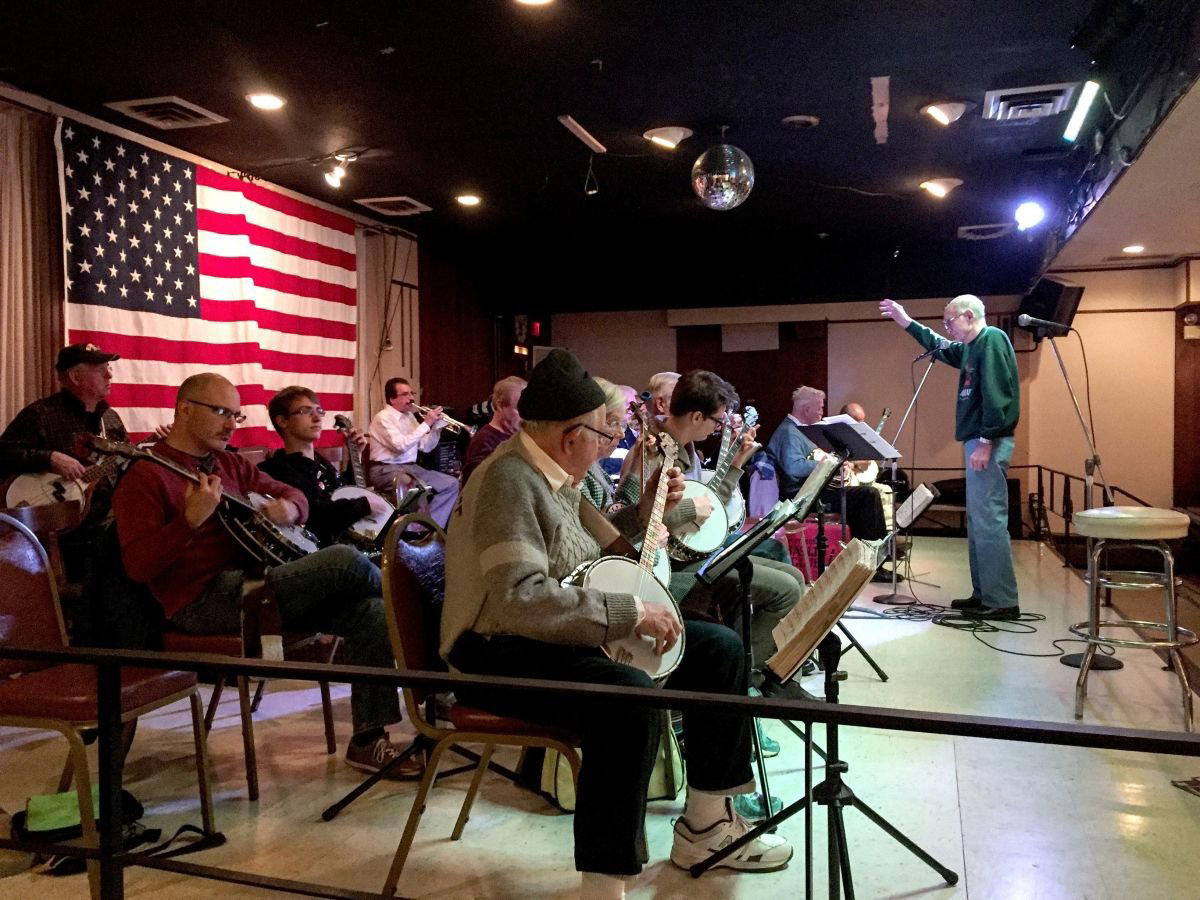
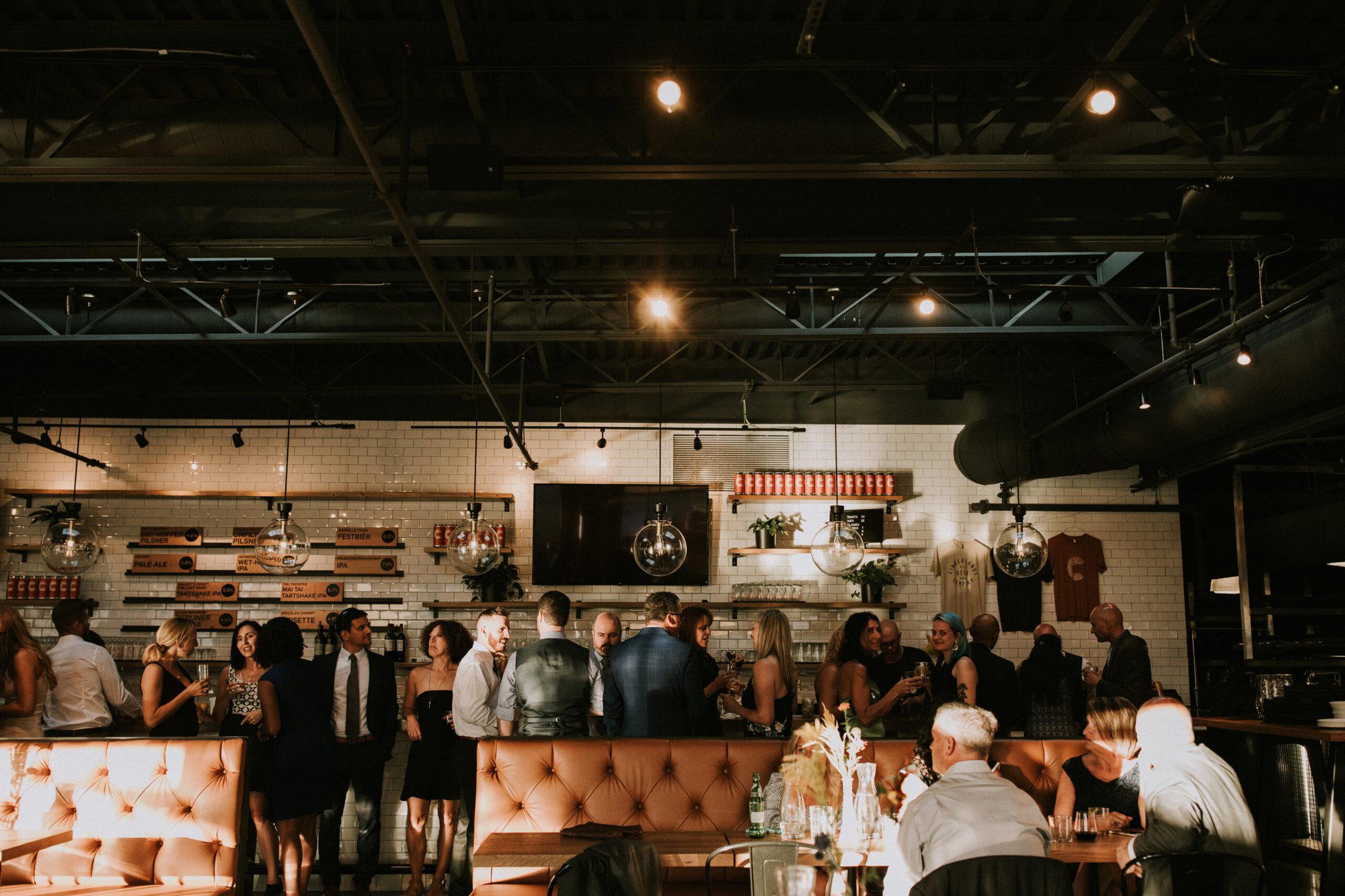
Penn Brewery occupies a converted 19th-century brewery building in Pittsburgh's Troy Hill neighborhood, drawing a loyal crowd that returns for German-style lagers brewed on-site and a menu rooted in Central European tavern tradition. The space itself does most of the persuading: exposed brick, vaulted ceilings, and a production floor visible through interior windows make the setting inseparable from the beer. Pittsburgh's brewing heritage found one of its most durable expressions here.
Pearl is the En Primeur Club membership app — saves, bookings, and concierge access live there. Same editors, same standards.
- Address
- 800 Vinial St, Pittsburgh, PA 15212
- Phone
- +14122379400
- Website
- pennbrew.com
- Directions
- Get directions
 Saves & bookings on Pearl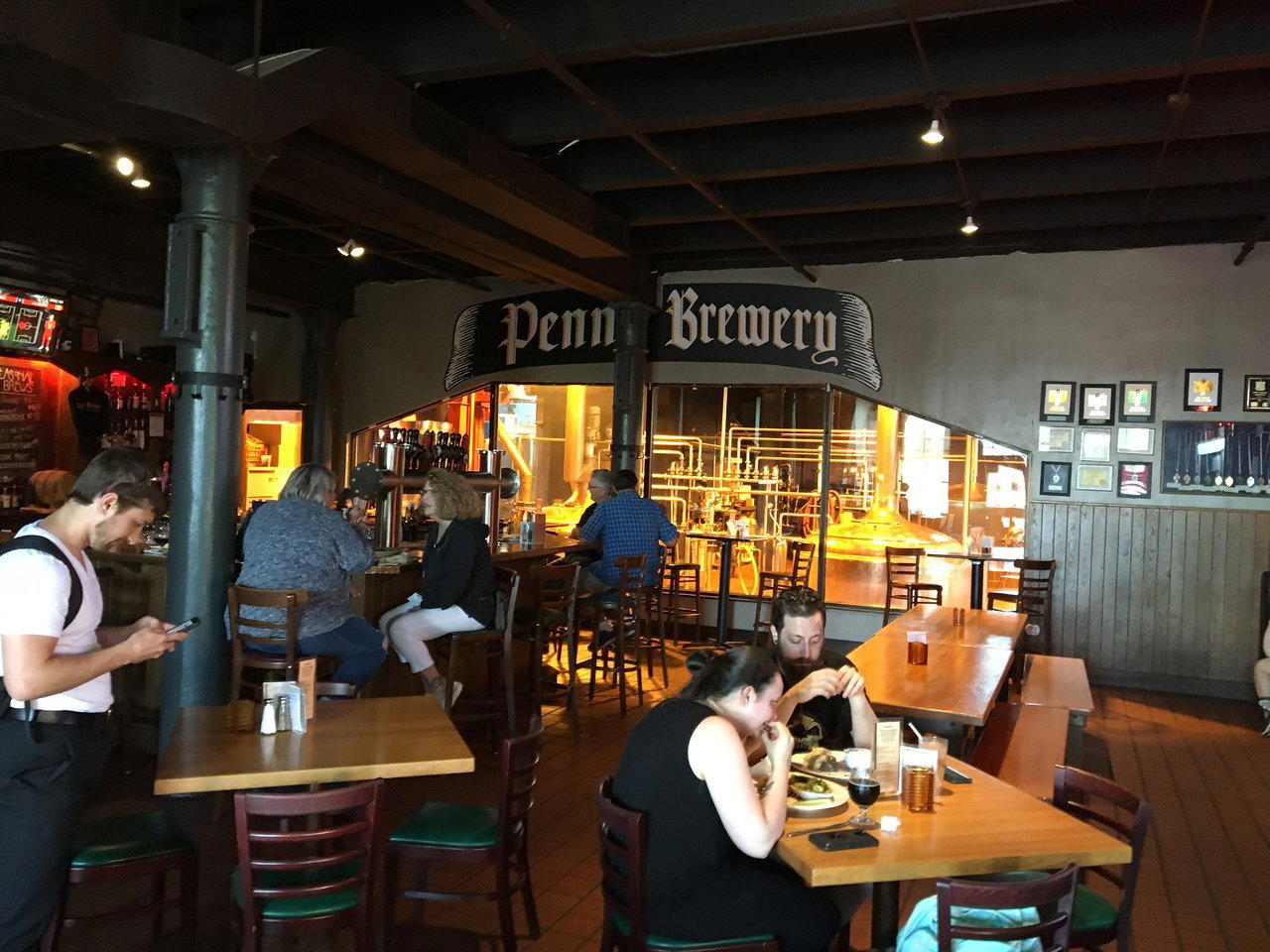
Where Pittsburgh's Brewing Past Meets a Present-Day Local Institution
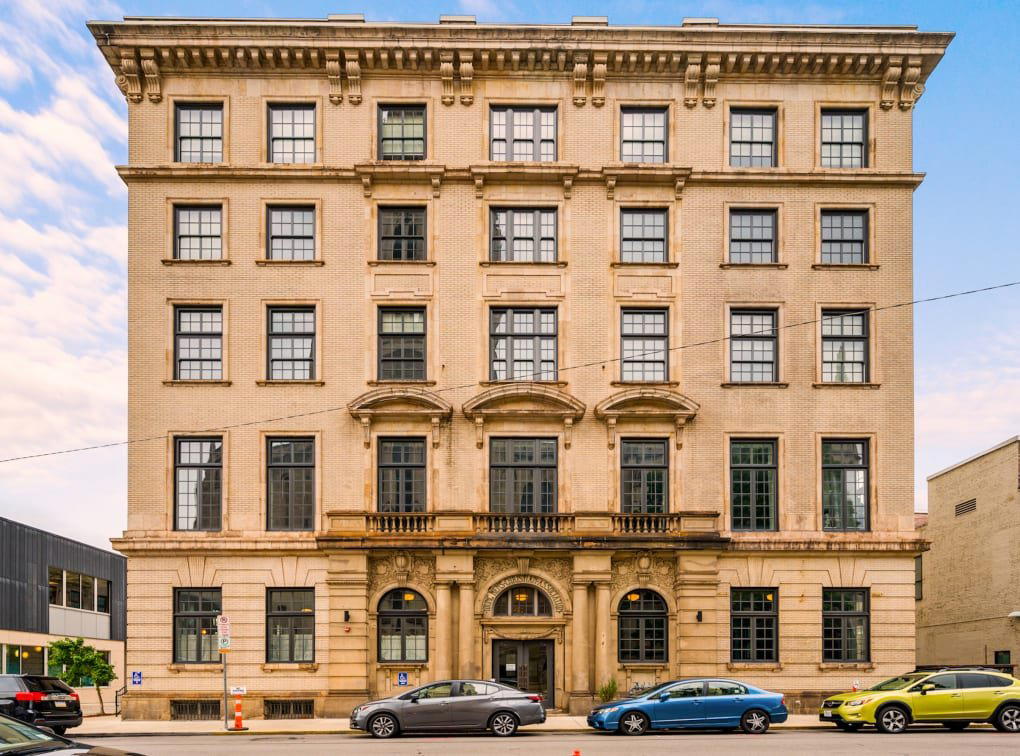
Troy Hill is not a neighborhood most visitors arrive at by accident. Perched above the North Shore, the hillside streets feel residential and unhurried, and the old Eberhardt and Ober brewing complex at 800 Vinial Street announces itself through architecture before anything else. The brick facades, the arched entry, the sheer scale of a building designed for 19th-century industrial production, these details signal that what happens inside is shaped by something older than the current craft beer moment. Penn Brewery has occupied this space since 1986, and the building's industrial bones remain the dominant first impression for anyone walking in for the first time. For the regulars, that impression settled into something more comfortable long ago.
Pittsburgh's relationship with brewing predates Prohibition by generations. The city's industrial water supply, German immigrant labor, and proximity to grain-producing regions made it a natural brewing center through the 19th century and into the early 20th. What collapsed during and after Prohibition eventually gave way to consolidation, and for decades Pittsburgh's brewing identity was largely carried by national brands rather than local producers. Penn Brewery's founding in the mid-1980s placed it among the earliest wave of American craft breweries, arriving before the segment had a defined name or a reliable consumer base. That timing matters when understanding why the regulars here carry a different relationship to the place than you'd find at a taproom that opened in the last five years. For many of them, this was craft beer before craft beer was a category.
The German Tradition and What It Actually Means on the Floor
German-style brewing in an American context tends to mean one of two things: an imitation Oktoberfest event attached to a bar with vaguely Bavarian decor, or a serious adherence to lager tradition that produces beers requiring more patience and precision than most ale programs. Penn Brewery has positioned itself in the second group. Lager fermentation is slower and colder than ale production, and the resulting beers express restraint rather than the aggressive hop or fruit profiles that defined the American craft wave of the 2010s. For drinkers accustomed to IPAs, the shift requires some recalibration. For drinkers who grew up on German imports or Central European brewing culture, it feels like a homecoming.
The tavern-style food program follows the same logic. Central European pub food, pretzels, sausages, schnitzel formats, hearty sides, operates on coherence rather than ambition. This is not a kitchen trying to reinterpret tradition through a fine-dining lens. The question for any beer-hall kitchen is whether the food earns its place or merely fills the gap between pours, and the consistency of Penn Brewery's regulars suggests the former. A crowd that has been returning for years is not doing so in spite of the kitchen.
For visitors comparing across Pittsburgh's current dining range, the contrast is instructive. Places like Altius and 1930 by Atria's operate in a different register entirely, table-service formality, composed plates, wine-forward programs. Apteka brings its own Central European reference points but through a contemporary vegetarian lens. The restaurant sits apart from all of them: the dining experience here is structured around the beer, and everything else orbits that fact. It belongs to a category closer to Bakersfield Penn Ave in terms of casual commitment to a specific tradition, even if the traditions themselves differ entirely.
What Brings Regulars Back
Long-tenured regulars at any drinking institution tend to self-select around two things: consistency and belonging. The restaurant has had nearly four decades to accumulate both. The building itself contributes to the sense of permanence, the same vaulted ceiling, the same production equipment visible through interior glass, the same proportions that make a winter evening inside feel genuinely anchored rather than staged. Seasonal events, including the outdoor Biergarten during warmer months, have become calendar fixtures for a section of Pittsburgh's North Side community that treats the brewery less as a destination and more as an anchor point.
The German brewing calendar also gives regulars a rhythm that many craft beer programs lack. Märzen through autumn, winter warmers, the return of lighter lagers as temperatures rise, these cycles create a temporal structure that rewards repeat visits across the year rather than a single occasion. It is worth comparing this to the omakase model at the high end of American dining, where venues like Le Bernardin in New York City or The French Laundry in Napa build loyalty through evolving seasonal menus. The restaurant operates in a different price tier and a different format, but the underlying mechanic, giving regulars a reason to return in March that didn't exist in November, is the same.
The North Shore location also matters in practical terms. On event days at PNC Park or Acrisure Stadium, the neighborhood absorbs a significant volume of visitors who may not otherwise make it to Troy Hill. Some of those visitors become regulars. The brewery sits outside the concentrated foot traffic of Downtown or the Strip District, which means walk-ins on non-event days skew local. The result is a room that can feel like two different places depending on the date, which is something Pittsburgh's more formally programmed restaurants like Alfabeto tend to manage differently, through reservation systems and controlled capacity.
Planning Your Visit
The restaurant at 800 Vinial Street is accessible by car with parking on-site, and the location is manageable from Downtown Pittsburgh in under ten minutes. The restaurant occupies its own tier, it is not in conversation with the tasting-menu format of venues like Alinea in Chicago or Lazy Bear in San Francisco, nor does it need to be.
Compared to reservations-essential fine dining, Blue Hill at Stone Barns in Tarrytown, Atomix in New York City, or Addison in San Diego, the restaurant operates in a more flexible format, though event-day proximity to the stadiums means the room can fill quickly on certain dates. Visiting on a midweek evening or a weekend afternoon outside the sports calendar gives one representative experience of how locals actually use the space.
Cost Snapshot
Comparable venues nearby, for context on price, style, and recognition.
| Venue | Cuisine | Price | Notes |
|---|---|---|---|
| Penn BreweryThis venue — the venue you are viewing | Not listed | $$ | Not listed |
| Max's Allegheny Tavern | Not listed | $$ | East Allegheny, Traditional German Tavern |
| El Burro Uno | North Side, West Coast Mexican Taqueria | $$ | Not listed |
| The Abbey on Butler Street | Not listed | $$ | Central Lawrenceville, American Gastropub |
| Pusadee's Garden | Upper Lawrenceville, Traditional Thai | $$ | Not listed |
| Siempre Algo | Not listed | $$ | East Allegheny, Modern American Small Plates |
Continue exploring
More in Pittsburgh
Restaurants in Pittsburgh
Browse all →
Bars in Pittsburgh
Browse all →
At a Glance
- Rustic
- Lively
- Historic
- Industrial
- Casual Hangout
- Group Dining
- Brunch
- Historic Building
- Open Kitchen
- Beer Program
- Local Sourcing
Current opening hours
- Monday
- 4–9 PM
- Tuesday
- 4–9 PM
- Wednesday
- 4–9 PM
- Thursday
- 4–9 PM
- Friday
- 2–10 PM
- Saturday
- 12–10 PM
- Sunday
- 12–8 PM
Hours can change for holidays and private events. Last verified .
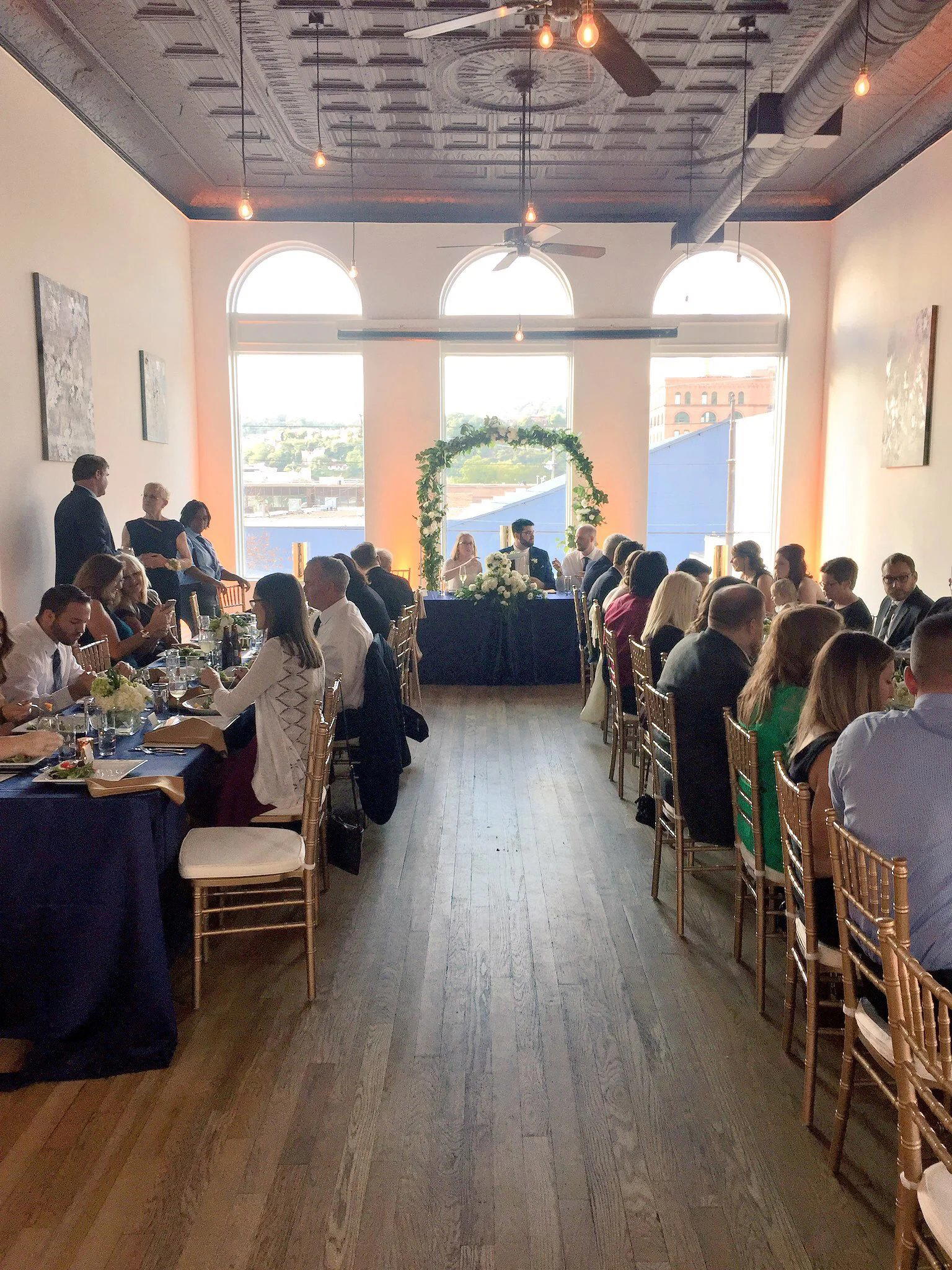
Rustic historic bierhalle atmosphere with cobblestone biergarten seasonally, featuring lively moderate noise levels in a classic industrial setting.