The Butcher's Daughter
On Abbot Kinney Boulevard, The Butcher's Daughter occupies a specific lane in Los Angeles plant-based dining: casual enough for a weekday juice, considered enough for a full sit-down meal. The Venice address places it at the intersection of neighbourhood institution and destination café, drawing from a crowd that treats sourcing as a baseline expectation rather than a selling point.
Pearl is the En Primeur Club membership app — saves, bookings, and concierge access live there. Same editors, same standards.
- Address
- 1205 Abbot Kinney Blvd, Venice, CA 90291
- Phone
- +1 310 981 3004
- Website
- thebutchersdaughter.com
- Directions
- Get directions
 Saves & bookings on Pearl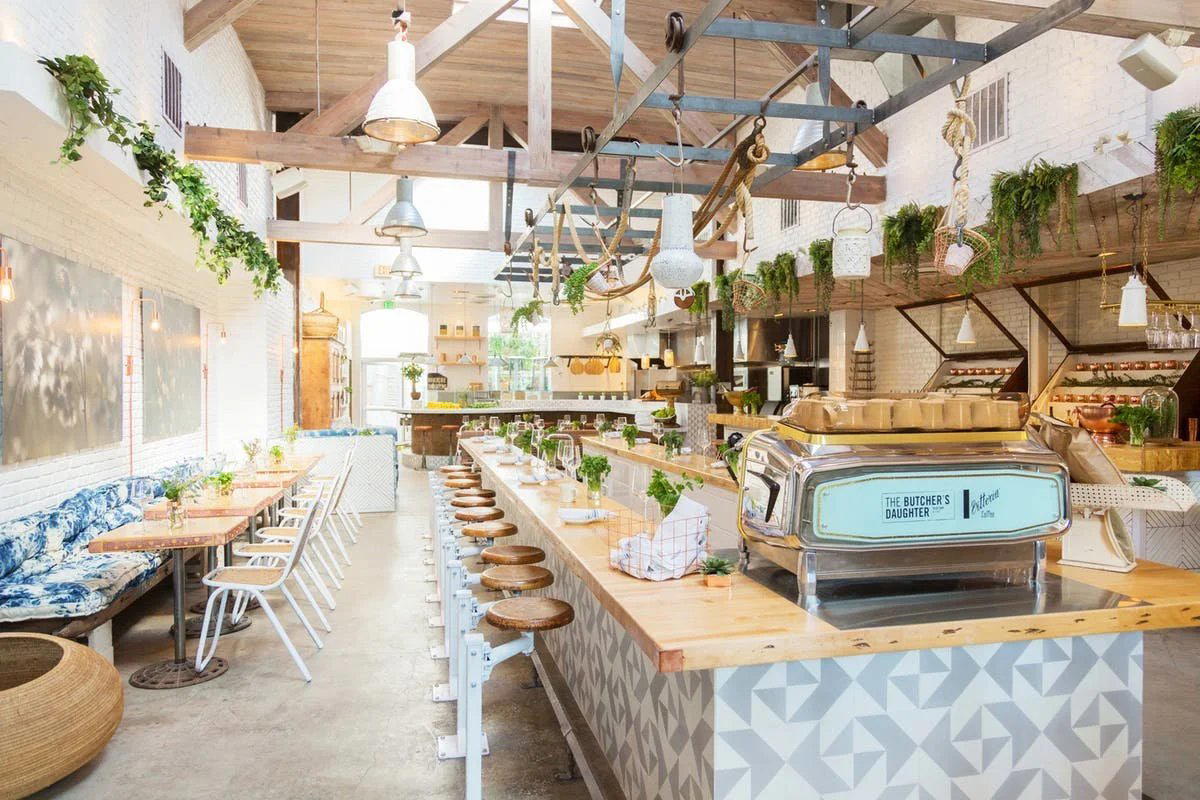
Abbot Kinney and the Plant-Forward Premise
Venice's Abbot Kinney Boulevard has spent the better part of a decade sorting itself into a legible dining identity: independent, ingredient-led, and almost aggressively casual about it. The street resists the white-tablecloth register that defines much of West Hollywood or downtown's Arts District, favouring instead a format where the quality of what's on the plate is expected to speak without the theatre. The Butcher's Daughter at 1205 Abbot Kinney Blvd fits that pattern precisely. It is a plant-based café and restaurant that operates in a city where plant-forward dining has moved well past novelty and into competitive territory, with concepts ranging from fast-casual to multi-course tasting menus all making similar sourcing claims.
What separates the credible from the performative in this space is usually the same thing: the actual provenance of the ingredients, and whether that provenance shapes the menu or merely decorates the marketing. The Butcher's Daughter has built a reputation in Venice that leans on the former. Los Angeles's proximity to some of California's most productive agricultural regions, from the Central Valley to the coastal farms of Santa Barbara County, means that a café operating at this address has genuine supply infrastructure to draw from, if it chooses to use it. The broader plant-based dining conversation in LA is richer for that geography than almost anywhere else in the United States.
The Sourcing Frame: Why Ingredient Origin Drives the Format
The farm-to-table argument has been made so many times in American dining that it risks becoming ambient noise. But in the context of a plant-forward concept, sourcing carries a different kind of weight. When animal protein is removed from the equation, the quality of the vegetables, grains, fruits, and legumes doing the structural work becomes the primary variable. A wilted or out-of-season vegetable has nowhere to hide behind a sauce built on reduced stock or a sear on a piece of meat. The ingredient is the dish.
This is the structural reality that concepts like The Butcher's Daughter operate within, and it's why the farm sourcing question matters more here than it might at a steakhouse or a French bistro. California's year-round growing season is a material advantage. Farmers' markets like the Santa Monica Wednesday market and the Hollywood Sunday market operate at a scale and variety that allow chefs and café operators to build menus around what is peaking rather than what is available. The name itself, a deliberate play on the butchery tradition, signals an awareness of that tension between meat-centric culinary heritage and plant-focused cooking, positioning the kitchen's work as a kind of transformation of that tradition rather than a rejection of it.
In the wider context of ingredient-driven dining in Los Angeles, this approach puts the restaurant in a different competitive bracket from, say, Kato or Hayato, both of which operate at the summit of the city's tasting menu tier with price points and booking lead times that reflect that position. It also sits apart from the Michelin-registered upper tier represented by Providence or Somni. The restaurant is doing something different: making sourcing-led food accessible within a neighbourhood café format, where the barrier to entry is a walk-in visit rather than a months-in-advance reservation.
Venice as Context
The neighbourhood context matters. Venice has historically attracted a dining demographic that is health-conscious without being ascetic, willing to spend on quality but resistant to formality. That combination has made Abbot Kinney fertile ground for concepts that would struggle in more traditional dining corridors. A plant-based café that takes its produce seriously is a natural fit here in a way it might not be on, say, La Cienega's Restaurant Row, where the room design and protein-heavy menus have historically defined status.
The street's evolution over the past decade mirrors a broader shift in how Los Angeles thinks about casual dining. The city has always had the full formal range, from Osteria Mozza anchoring the mid-to-upper Italian register to farm-sourcing destination restaurants that sit alongside peers like Single Thread Farm in Healdsburg and Blue Hill at Stone Barns in the national conversation about ingredient-first dining philosophy. But the city's real texture has always lived in the mid-register, where the cooking is serious but the room lets you come as you are.
Nationally, the plant-forward sourcing argument has been made with equal seriousness at different price points. Smyth in Chicago and Lazy Bear in San Francisco both foreground their sourcing within tasting menu formats where the price reflects the depth of that commitment. Addison in San Diego and The French Laundry in Napa anchor the fine dining end of California's produce-led argument. The restaurant positions itself at the accessible entry point of that same conversation, where the philosophy is consistent but the format is designed for frequency rather than occasion.
Planning Your Visit
The Abbot Kinney location remains a character-consistent address for the brand. The street is walkable from the beach and accessible by rideshare from most of central Los Angeles, though parking on Abbot Kinney itself is limited, particularly on weekend mornings when foot traffic on the boulevard peaks.
How It Compares
| Venue | Format | Price Tier | Booking Lead Time | Leading For |
|---|---|---|---|---|
| The restaurant | Café / All-day dining | $$ | Walk-in or same-day | Casual sourcing-led meals, Venice neighbourhood |
| Kato | Tasting menu | $$$$ | Weeks to months ahead | New Taiwanese fine dining |
| Hayato | Omakase counter | $$$$ | Months ahead | Japanese kaiseki precision |
| Holbox | Counter / Casual | $$ | Walk-in or same-day | Mexican seafood, Grand Central Market |
| Somni | Tasting menu | $$$$ | Months ahead | Molecular / avant-garde |
Frasca Food & Wine in Boulder, Emeril's in New Orleans, Le Bernardin in New York City, Atomix in New York City, The Inn at Little Washington, and Atelier Moessmer Norbert Niederkofler in Brunico, which represents the European end of the produce-sovereignty argument in fine dining.
- Avocado Toast
- Mushroom Calamari
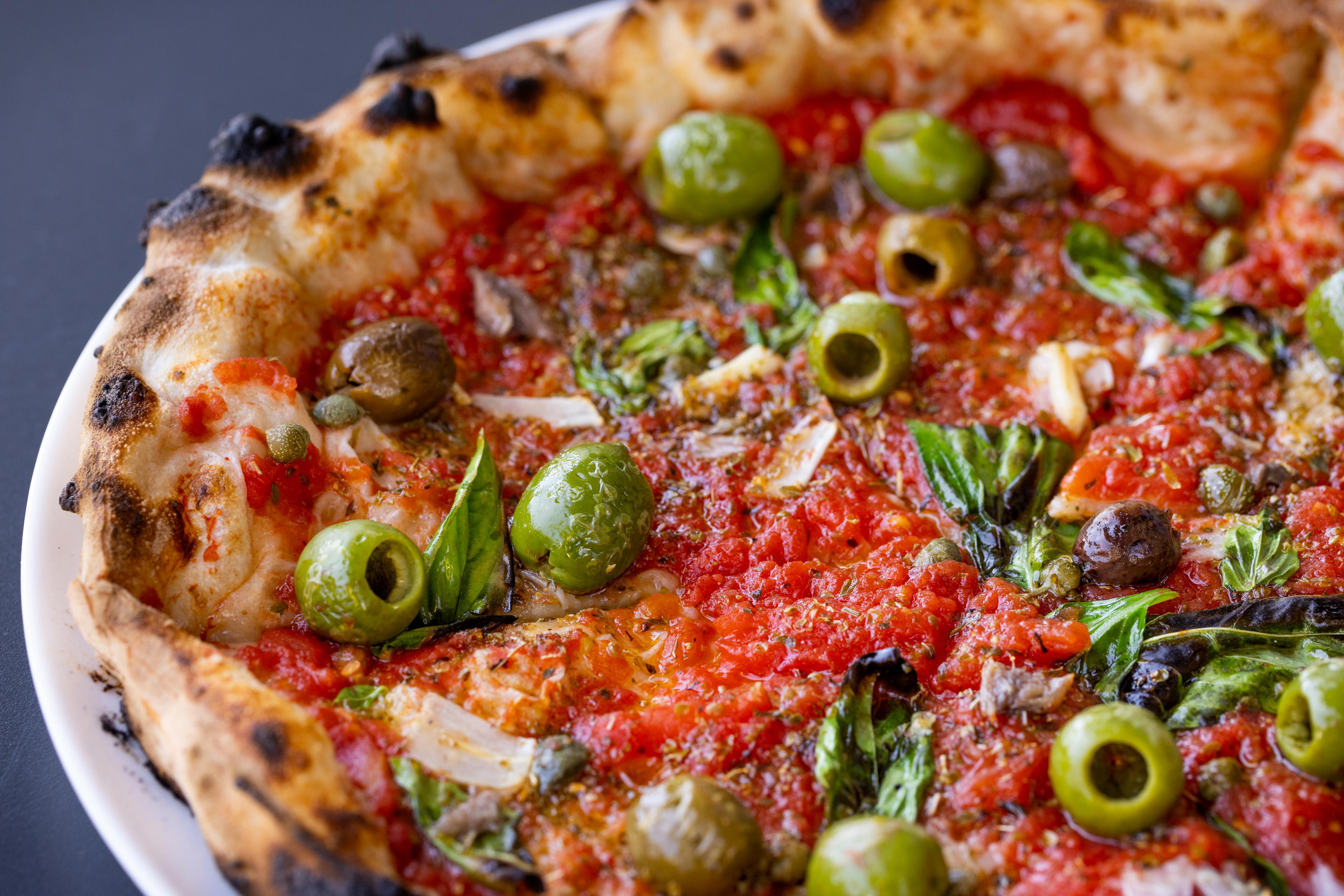
- Hot Honey & Beet Pepperoni Pizza
- Cauliflower T-Bone
- Raw Pesto Linguine
- Carbonara
A Quick Peer Check
Comparable venues nearby, for context on price, style, and recognition.
| Venue | Cuisine | Price | Notes |
|---|---|---|---|
| The Butcher's DaughterThis venue — the venue you are viewing | Plant-Forward Vegetarian Café & Juice Bar | $$ | Not listed |
| Vegetable | Organic Plant-Based Cafe | $$ | Hollywood Hills |
| Veda Yoga - Venice | vegetarian | Not listed | Palms |
| The Night We Met | Thai-Inspired Pan-Asian Fusion | $$ | Mid-Wilshire |
| Early World Restaurant | Natural Foods | Not listed | Brentwood |
| Ramen Nagi | Authentic Japanese Ramen | $$ | Century City |
Continue exploring
More in Los Angeles
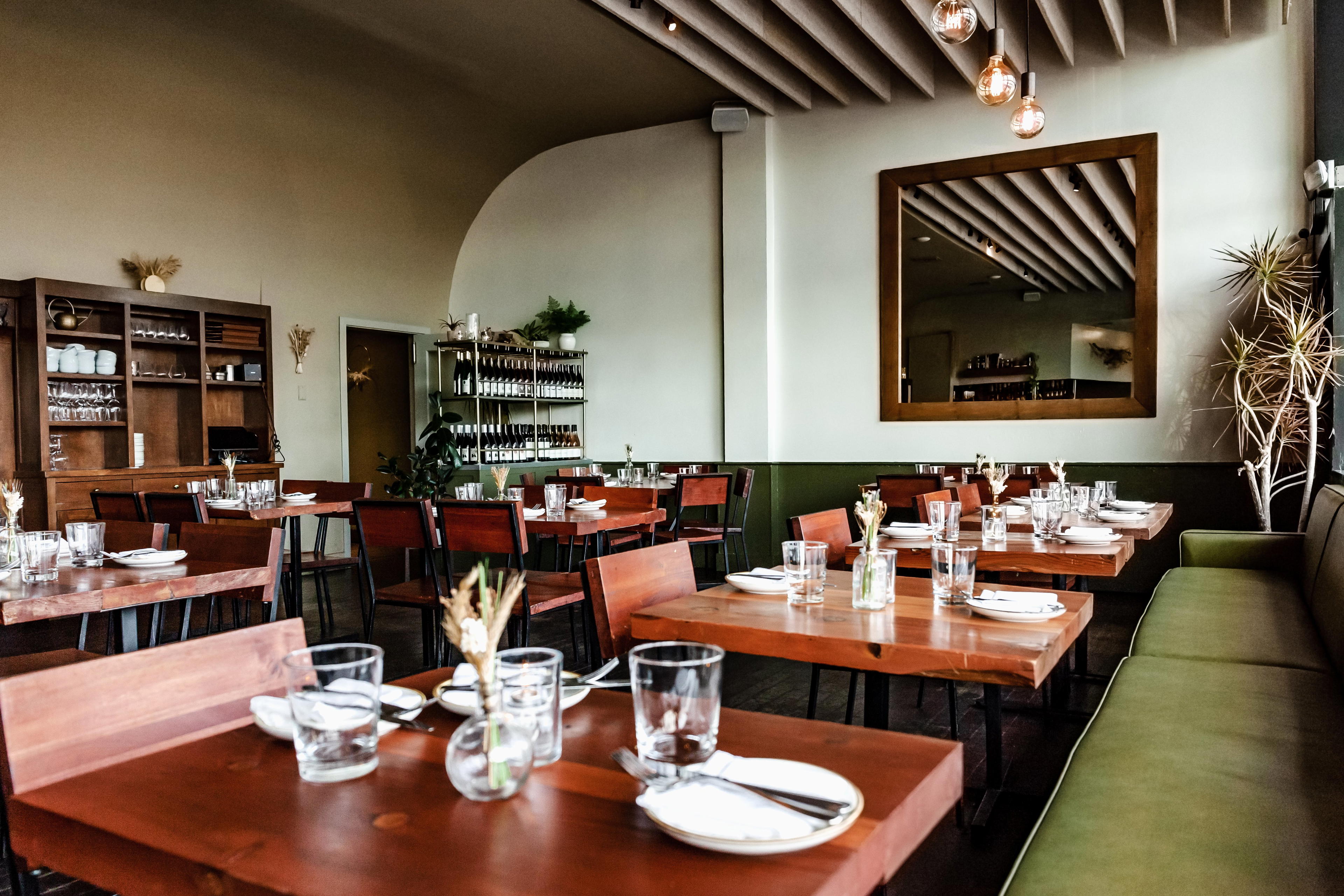
Restaurants in Los Angeles
Browse all →
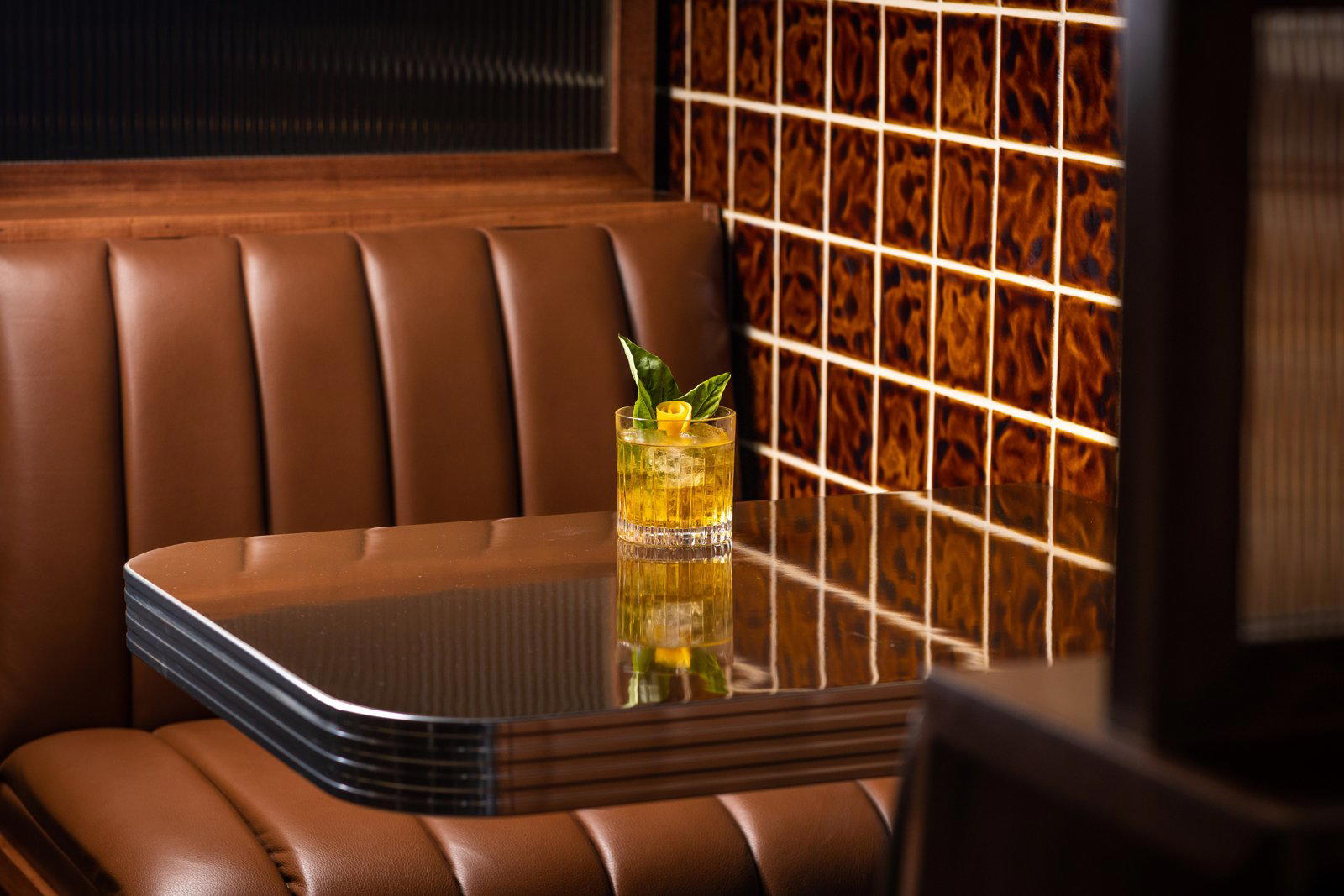
Bars in Los Angeles
Browse all →
Hotels in Los Angeles
Browse all →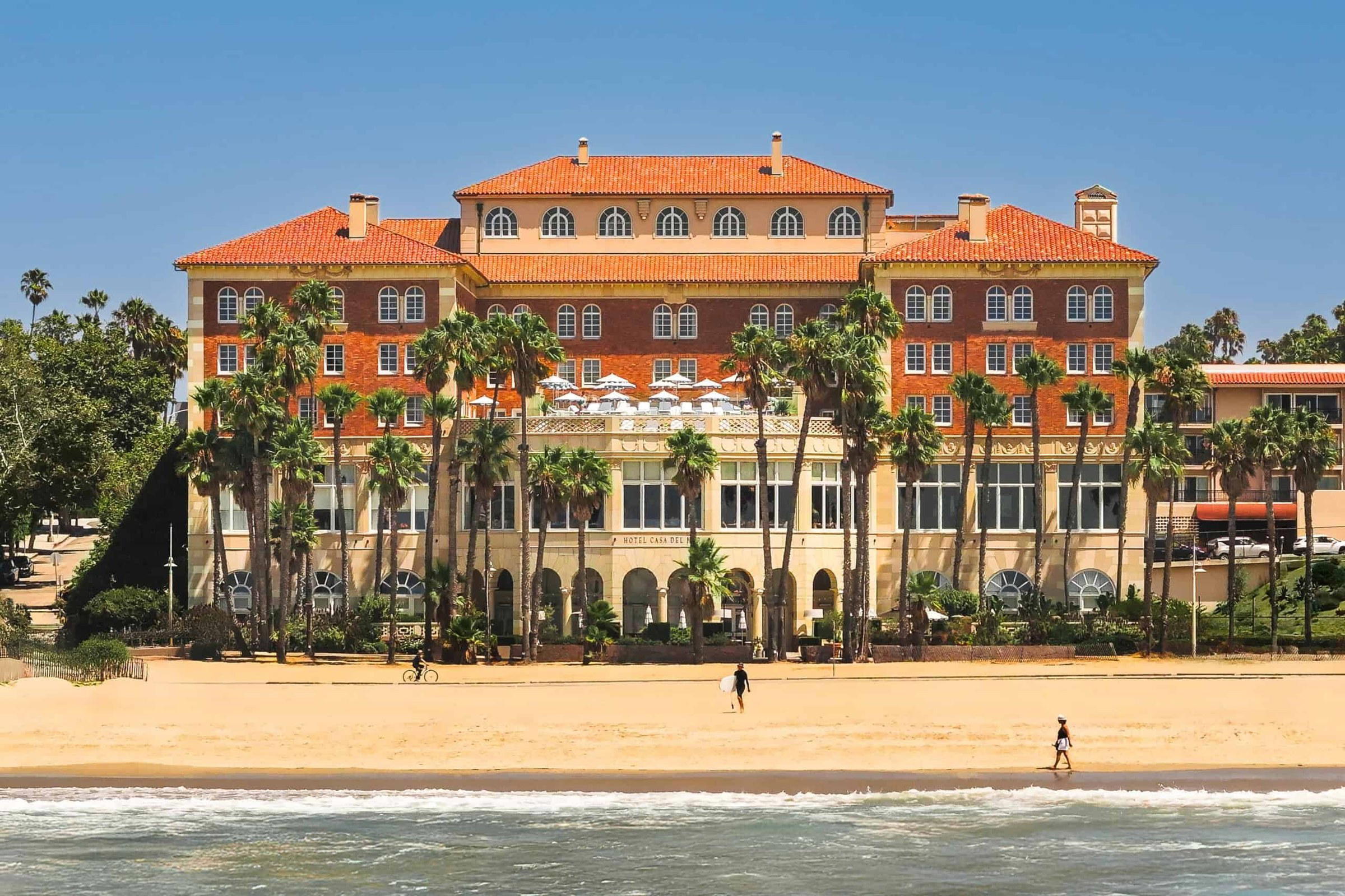
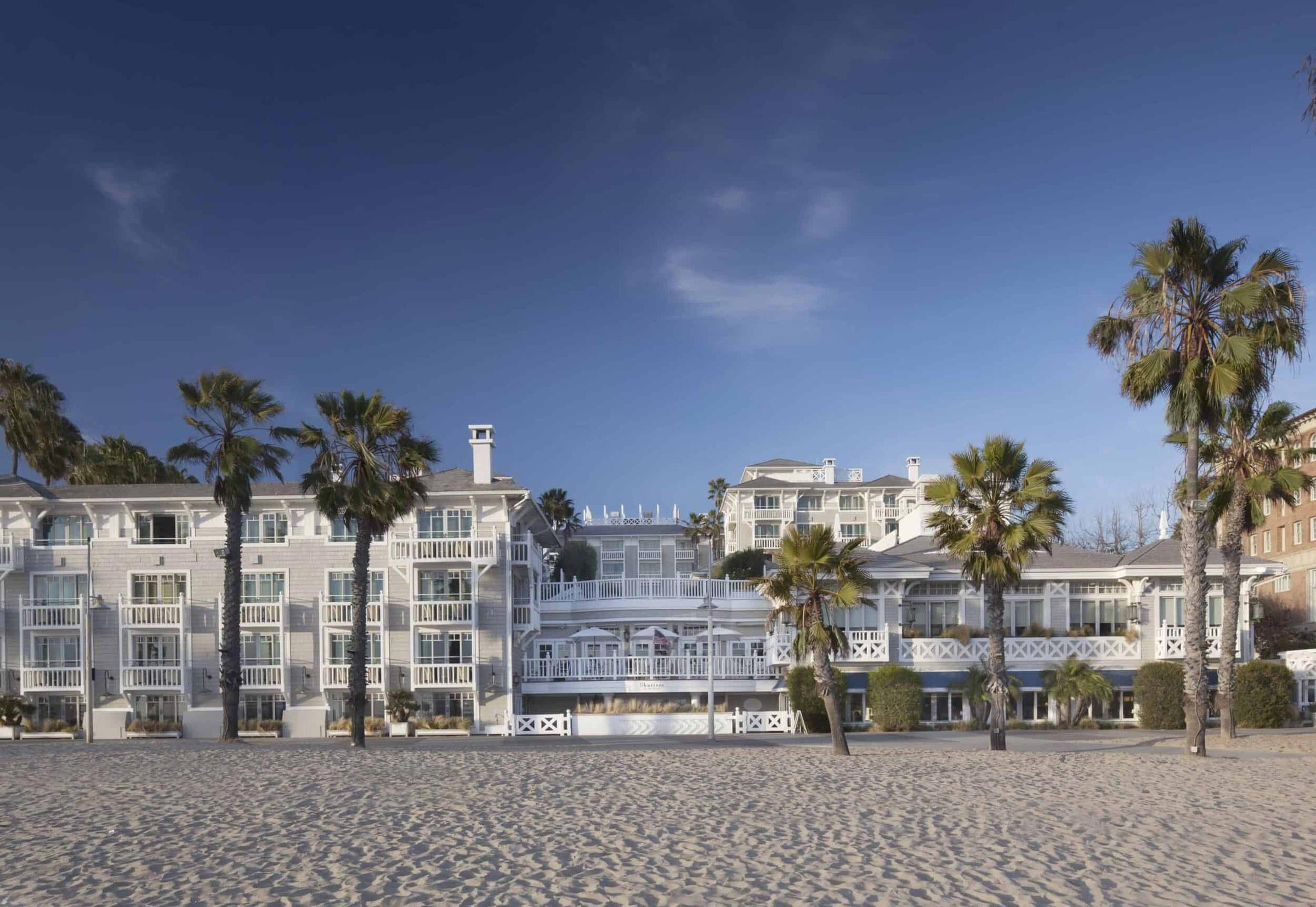
Wineries in Los Angeles
Browse all →
At a Glance
- Bohemian
- Casual
- Trendy
- Cozy
- Brunch
- Casual Hangout
- Group Dining
- Family
- Standalone
- Garden
- Open Kitchen
- Craft Cocktails
- Beer Program
- Farm To Table
- Organic
- Local Sourcing
Current opening hours
- Monday
- 8 AM–9 PM
- Tuesday
- 8 AM–9 PM
- Wednesday
- 8 AM–9 PM
- Thursday
- 8 AM–9 PM
- Friday
- 8 AM–10 PM
- Saturday
- 8 AM–10 PM
- Sunday
- 8 AM–9 PM
Hours can change for holidays and private events. Last verified .
Dreamy and welcoming atmosphere with meat hooks overhead repurposed as decor, reflecting the sunny, laid-back vibe of Venice with chill, neighborhood-focused energy.