Pizzeria Toscana
Pizzeria Toscana brings Italian wood-fired tradition to Feuerthalen, a small Rhine-side town in the canton of Schaffhausen. Situated at Zürcherstrasse 8, the restaurant sits within a local dining scene that otherwise skews toward Swiss and regional European cooking. For visitors to the area, it represents a straightforward Italian option in an otherwise quiet stretch of northern Switzerland.
Pearl is the En Primeur Club membership app — saves, bookings, and concierge access live there. Same editors, same standards.
- Address
- Zürcherstrasse 8, 8245 Feuerthalen, Switzerland
- Phone
- +41526592222
- Website
- pizzatoscana.ch
- Directions
- Get directions
 Saves & bookings on Pearl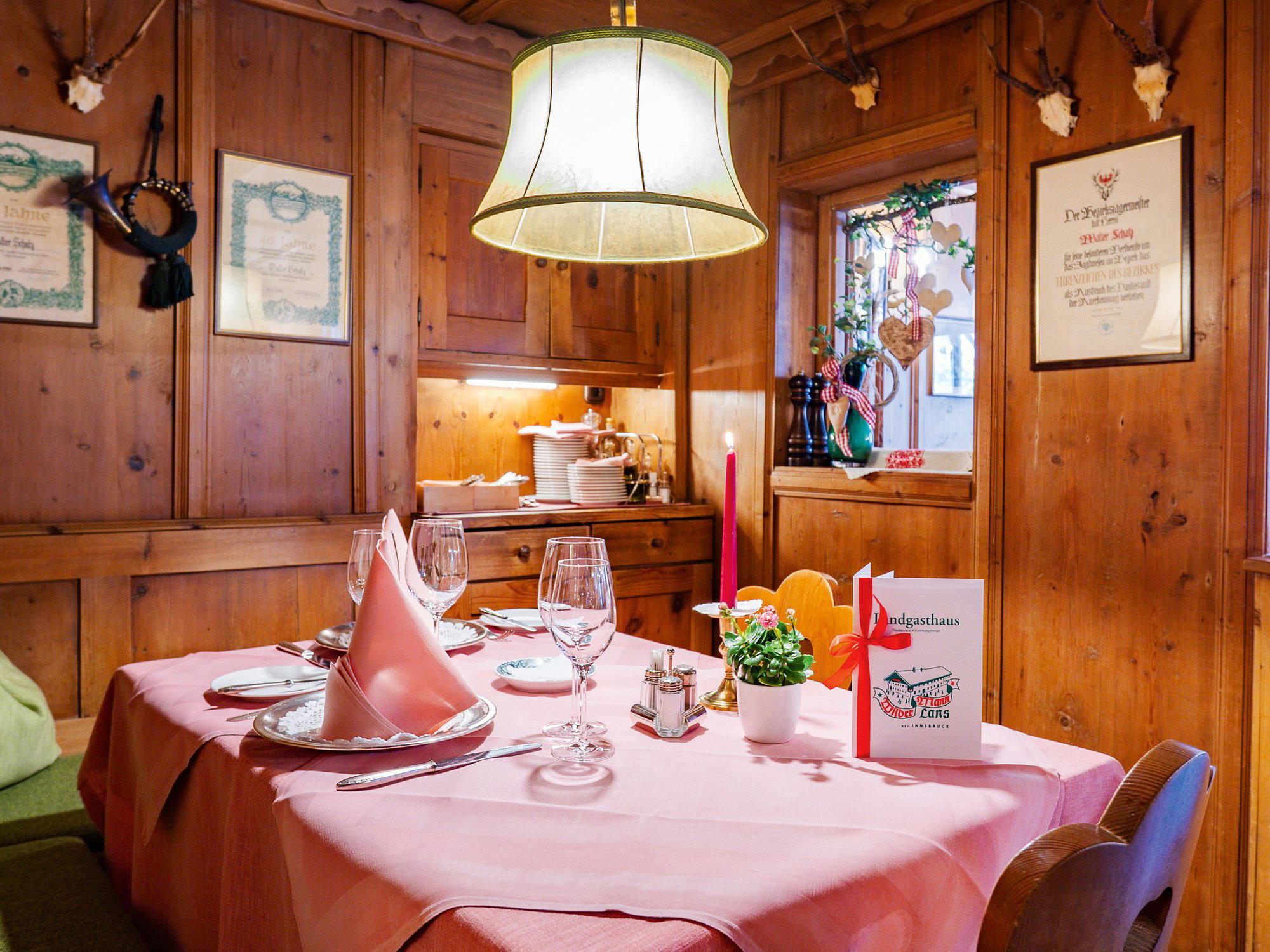
Italian Cooking in a Swiss River Town
Feuerthalen occupies the northern bank of the Rhine directly across from Schaffhausen, a position that makes it geographically marginal to most food itineraries focused on Swiss fine dining. The town's restaurant scene is modest and local in character, oriented toward residents rather than destination diners. Within that context, an Italian pizzeria carries a specific cultural logic: the Italian restaurant tradition has embedded itself across German-speaking Switzerland over several decades, to the point where it functions less as exotic cuisine and more as a civic constant, present in nearly every Swiss town regardless of size or culinary ambition. Pizzeria Toscana at Zürcherstrasse 8 fits that pattern, occupying a community-facing role in a town where dining options are limited and regulars matter more than passing trade.
The Tuscan Reference and What It Signals
The name Toscana gestures toward a specific region of Italian cooking, one associated with restraint rather than richness: olive oil over butter, grilled meats over cream sauces, bread without salt, and a preference for letting ingredients carry the weight. Tuscan culinary identity was built around the cucina povera tradition, the cooking of scarcity that became a cooking of precision, where the quality of a single ingredient determines the dish. Whether a pizzeria in northern Switzerland fully embodies that tradition is a separate question from what the name signals to a diner choosing between options on a given evening. The Toscana label functions as a positioning choice, aligning the restaurant with central Italian culinary roots rather than the richer, tomato-heavier south or the butter-forward north.
Pizza itself sits at an interesting remove from Tuscany as a cultural origin. The form belongs to Naples, and the twentieth-century export of pizza across Europe happened largely through Neapolitan and Campanian emigration. By the time pizzerias proliferated across Switzerland in the 1970s and 1980s, the dish had already been abstracted from its regional Italian identity into something broadly "Italian," with individual operators layering in their own regional references through naming and decor. A Toscana-named pizzeria is a recognizable type: it suggests warmth, familiarity, and a slightly more considered Italian-Swiss offering than a purely generic trattoria name would imply.
Feuerthalen's Place in the Northern Swiss Dining Map
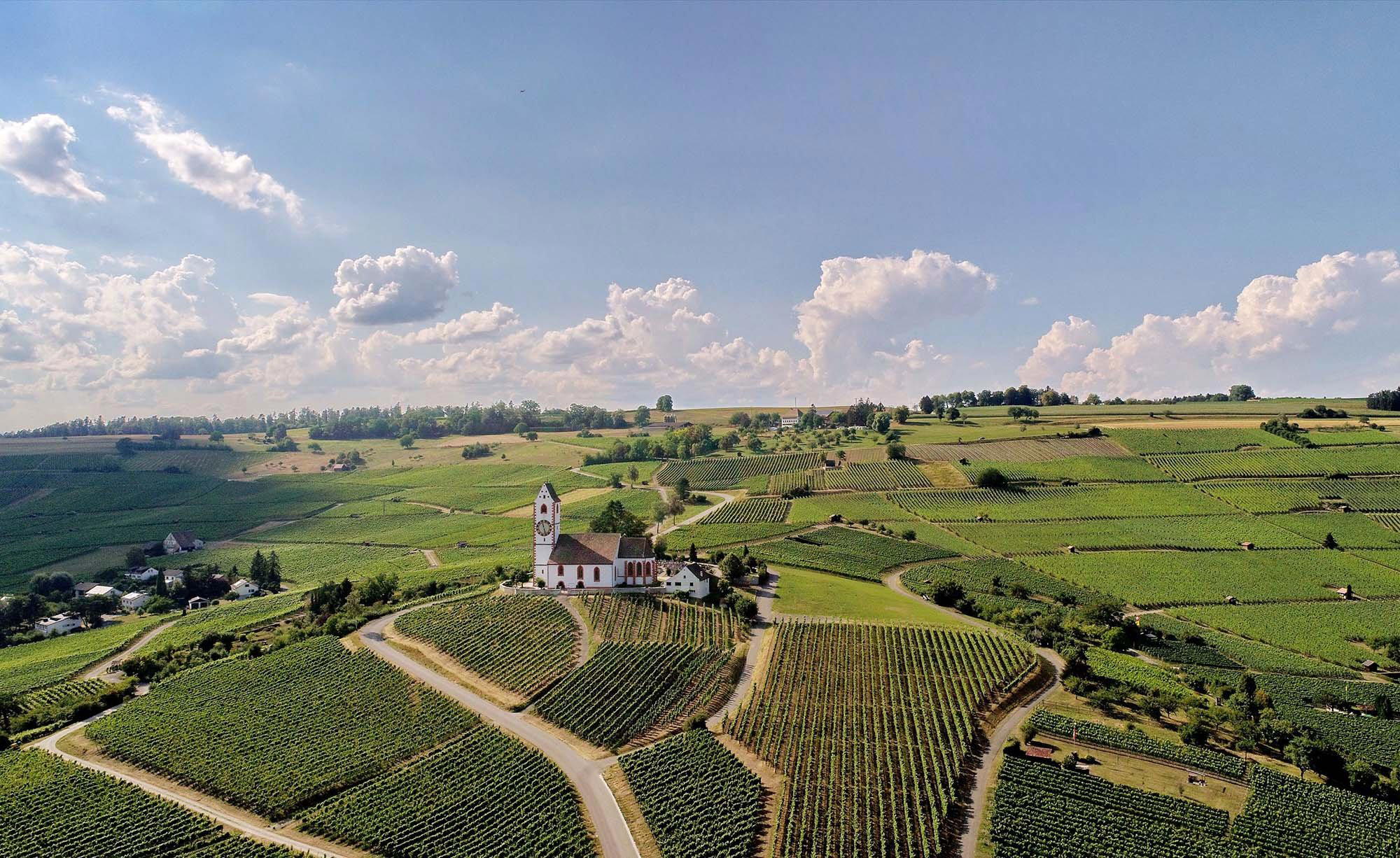
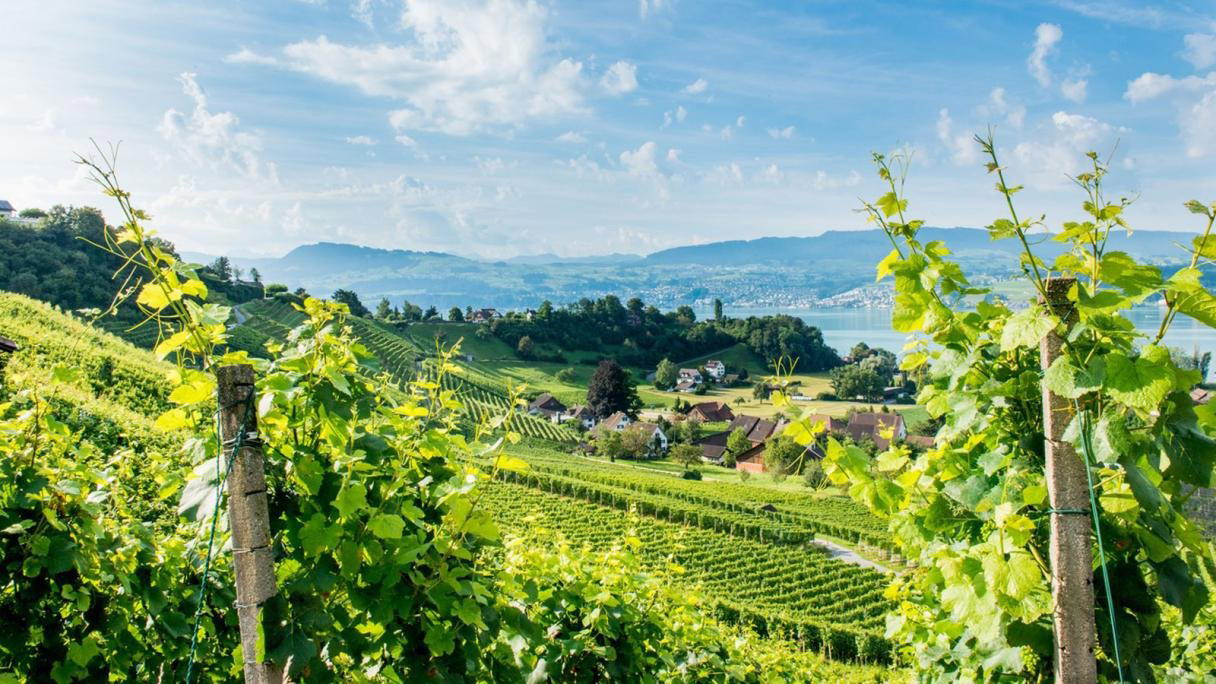
The canton of Schaffhausen produces one of Switzerland's smallest wine regions, built around Blauburgunder (Pinot Noir) grown on limestone and basalt soils north of the Rhine Falls. That agricultural specificity gives the area a regional food identity anchored more in wine and seasonal German-Swiss cooking than in Italian influences. Restaurants like Munotblick represent the local fine-dining tradition with views over the Rhine and a menu rooted in regional produce.
For travelers arriving in the area from Zurich, roughly 30 kilometers to the south, the dining calculus shifts depending on what they are looking for. Switzerland's concentration of Michelin-starred restaurants means that ambitious diners passing through the north of the country often route their meals toward destinations like Einstein Gourmet in Sankt Gallen or make the longer trip to properties such as Schloss Schauenstein in Fürstenau or Memories in Bad Ragaz. Those are destination meals requiring advance planning and significant spend. Pizzeria Toscana operates in a completely different register: it is a neighborhood restaurant in a small river town, and the relevant comparison set is other casual Italian restaurants in the Schaffhausen district rather than the Swiss fine-dining tier represented by operations like focus ATELIER in Vitznau or IGNIV Zürich by Andreas Caminada.
What Draws People to Italian in This Context
The Italian restaurant in a small Swiss or German town serves a social function that goes beyond the food itself. It is typically the venue for birthday dinners, post-school gatherings, and the kind of midweek meal that requires no special occasion. The format is familiar across the country: pizza and pasta as anchors, a wine list oriented toward Italian bottles at accessible prices, and a room temperature that tends toward warm and loud rather than hushed and spare. That format has demonstrated staying power precisely because it is not trying to be ambitious in the way that a tasting-menu restaurant is. The Italian-Swiss pizzeria occupies a lane that Swiss and French cooking rarely fills in the same way.
By contrast, the upper end of Swiss Italian dining has its own hierarchy. Da Vittorio in St. Moritz represents the Bergamo-origin luxury Italian model exported to an Alpine resort context. La Brezza in Ascona sits in Ticino, where Italian cooking is less an imported tradition and more the default culinary language. These are different registers entirely from what a Zürcherstrasse pizzeria in Feuerthalen is doing. The comparison is useful not to position Pizzeria Toscana as lesser, but to map the actual range of Italian dining across Switzerland and clarify where each type fits.
Planning a Visit
Feuerthalen is accessible by train via Schaffhausen station, with local connections crossing the Rhine. The address at Zürcherstrasse 8 places the restaurant along the main road running through the town, within walking distance of the Rhine crossing. Given the absence of public booking data, contacting the restaurant directly before visiting is advisable, particularly for groups or weekend evenings when local demand in small-town restaurants can exceed available tables. For broader context on eating and drinking across the area, our full Feuerthalen restaurants guide covers the options in more detail.
Those building a wider Swiss dining itinerary through the north of the country might also consider the full range of options available across the region, from Cheval Blanc by Peter Knogl in Basel to Magdalena in Schwyz, Colonnade in Lucerne, or further afield to Hotel de Ville Crissier in Crissier, La Table du Lausanne Palace in Lausanne, and L'Atelier Robuchon in Geneva. For international reference points on what Italian-influenced fine dining achieves at its ceiling, the gap to operations like Le Bernardin in New York City or Atomix in New York City is instructive in calibrating expectations across the full spectrum. 7132 Silver in Vals rounds out the picture of what ambitious Swiss dining looks like at the other end of the country.
How Pizzeria Toscana Feuerthalen compares with similar nearby venues.
| Venue | Cuisine | Price |
|---|---|---|
| D'Chuchi | Modern Cuisine | €€ |
Continue exploring
More in Feuerthalen
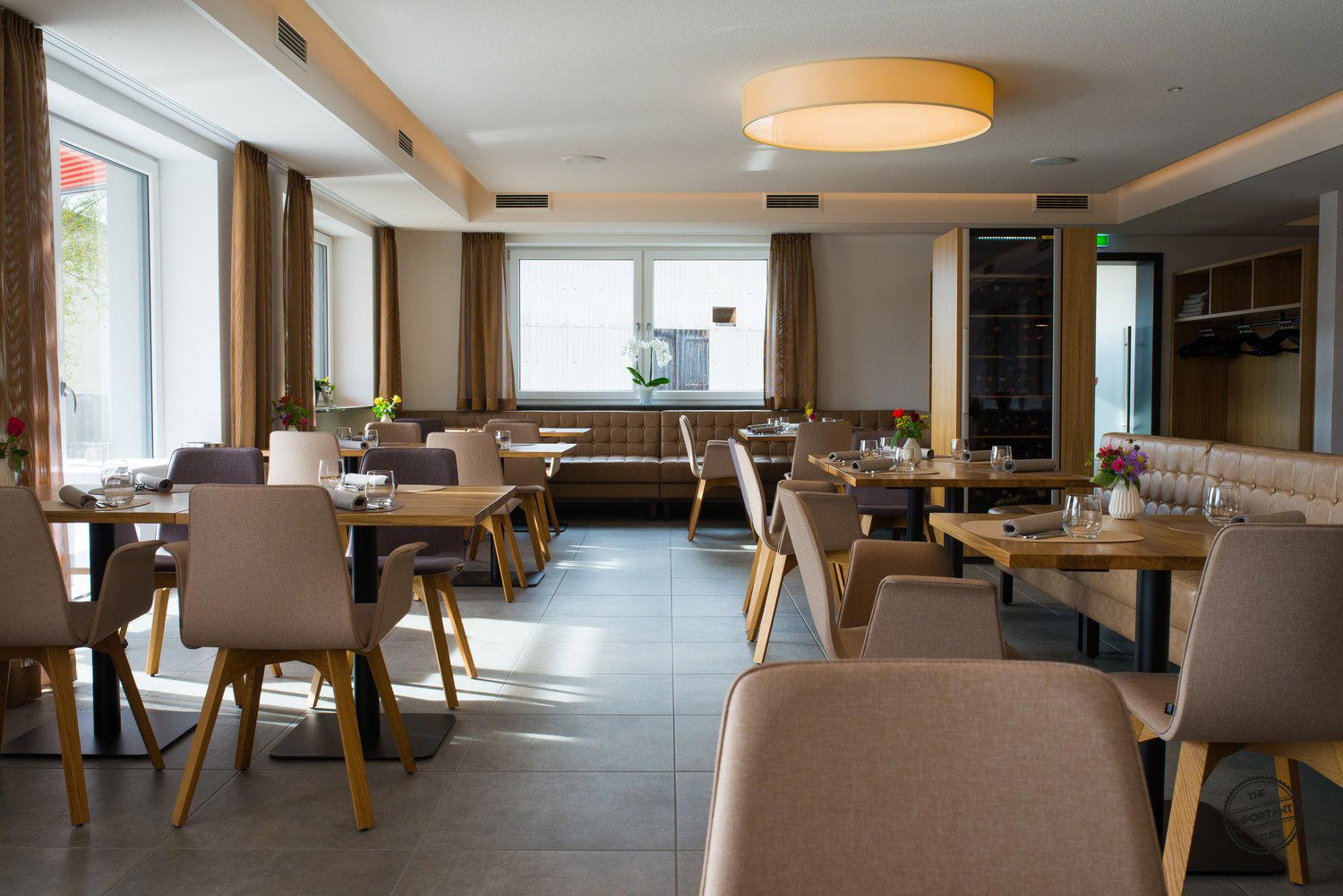
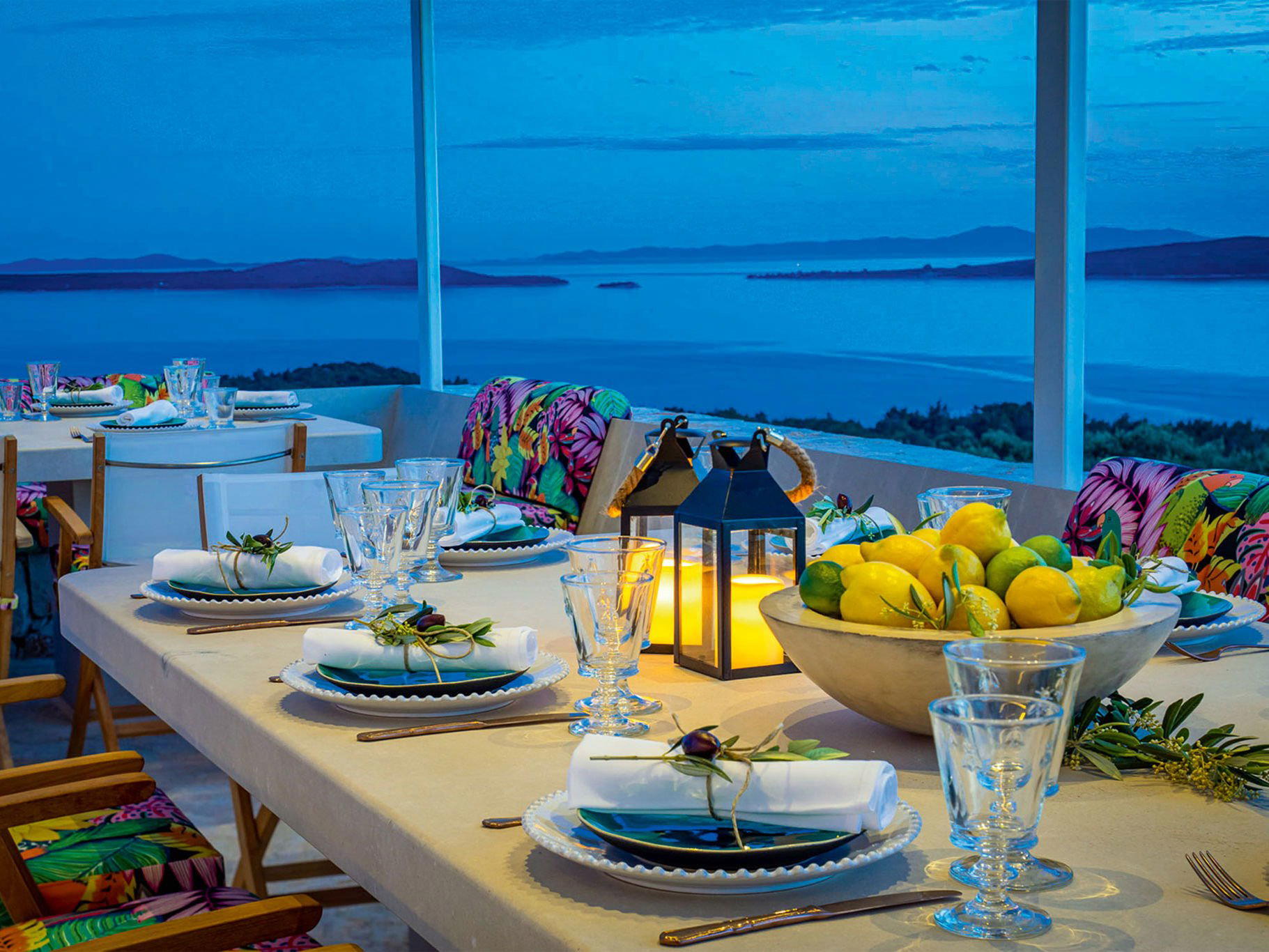
Restaurants in Feuerthalen
Browse all →
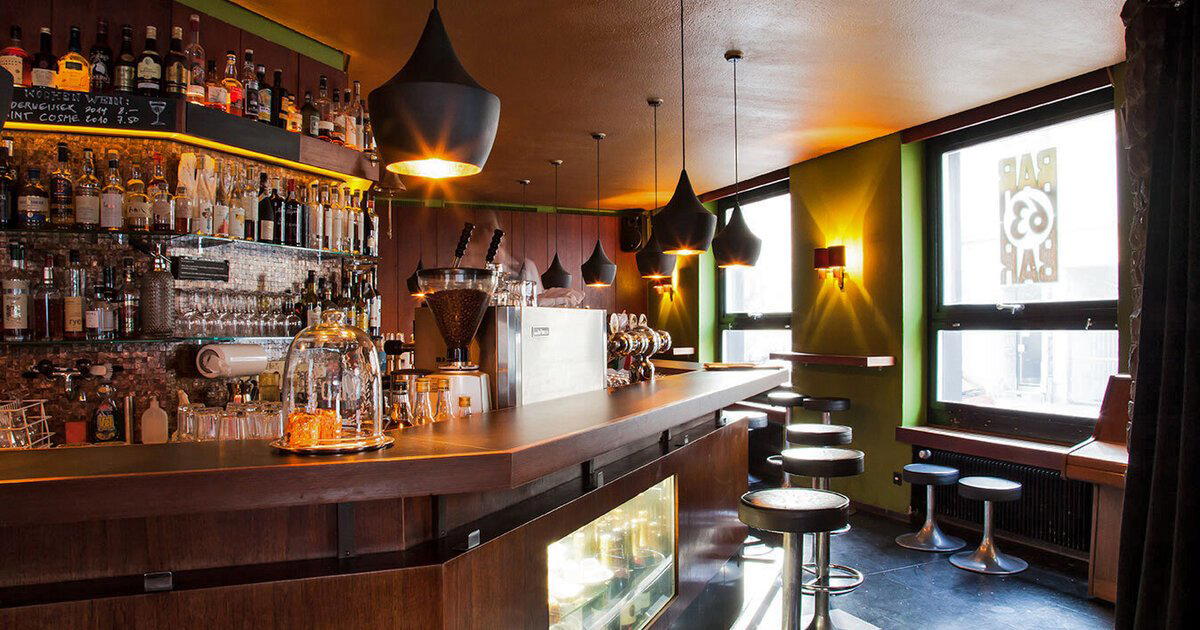
Bars in Feuerthalen
Browse all →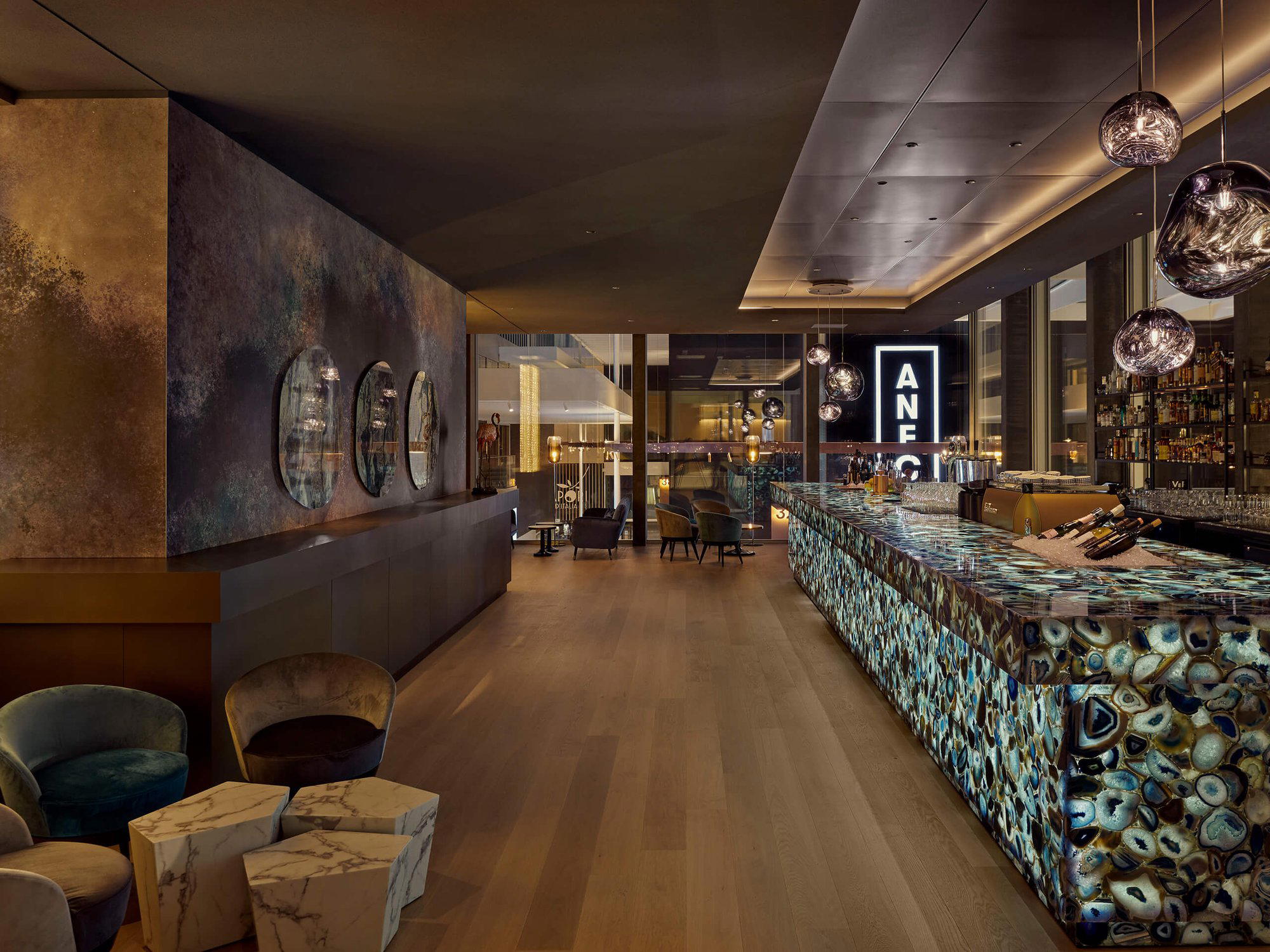
Hotels in Feuerthalen
Browse all →

At a Glance
- Cozy
- Rustic
- Casual Hangout
- Family
Current opening hours
- Monday
- 11 AM–1:30 PM, 5–11 PM
- Tuesday
- 11 AM–1:30 PM, 5–11 PM
- Wednesday
- 11 AM–1:30 PM, 5–11 PM
- Thursday
- 11 AM–1:30 PM, 5–11 PM
- Friday
- 11 AM–1:30 PM, 5–11 PM
- Saturday
- 11 AM–1:30 PM, 5–11 PM
- Sunday
- 2–10 PM
Hours can change for holidays and private events. Last verified .
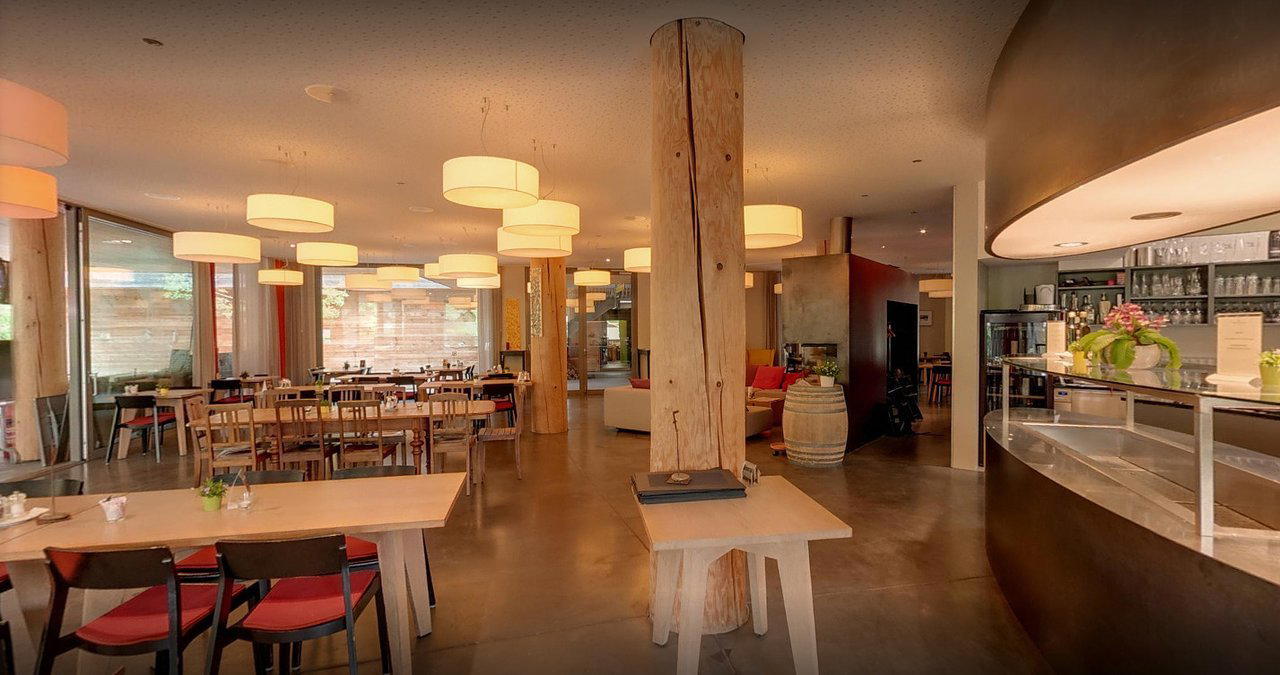
Cosy restaurant ambiente with inviting atmosphere