Casa Gourmet

Gambero Rosso 1 Spicchio
Our verdict
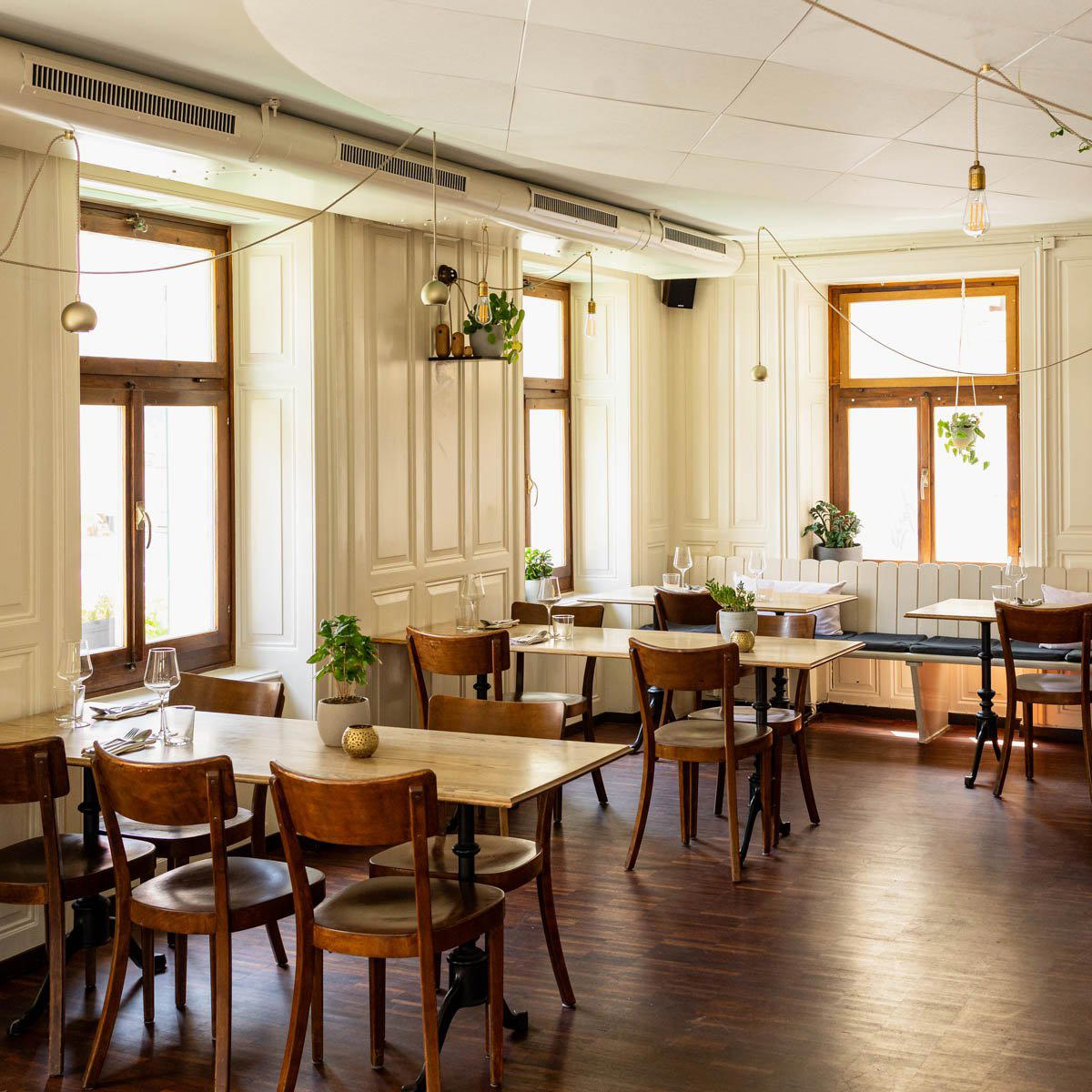
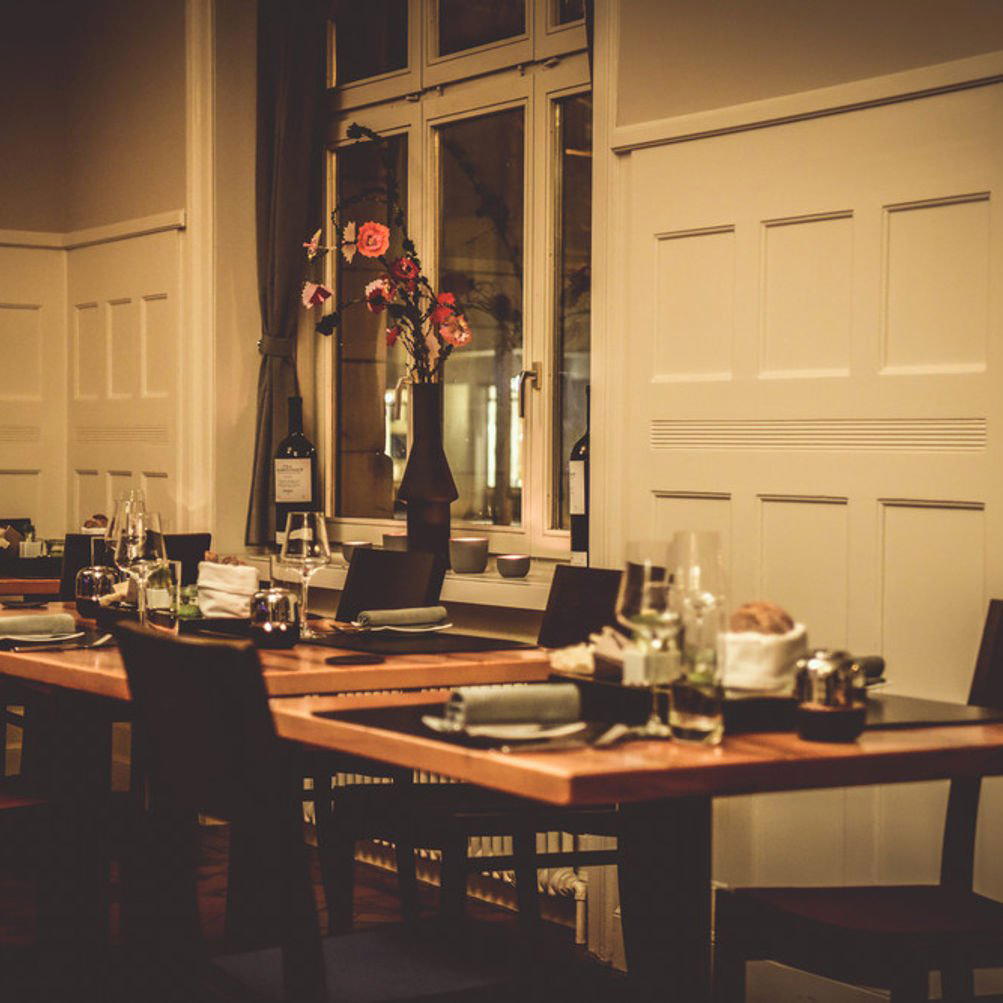
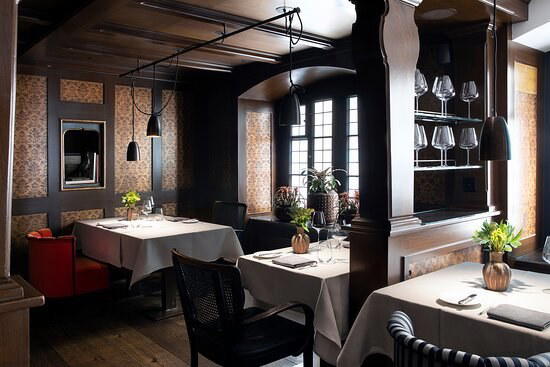
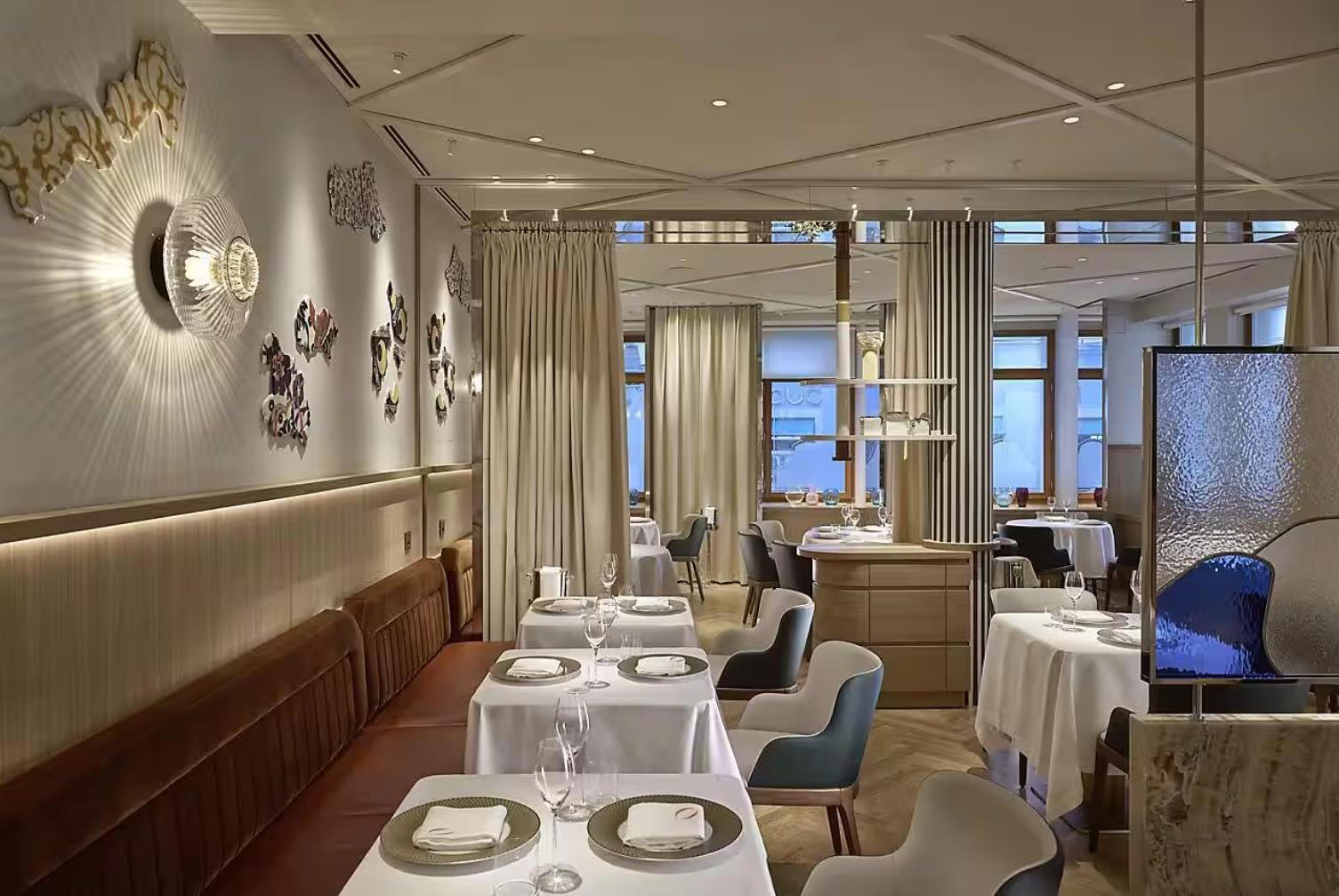
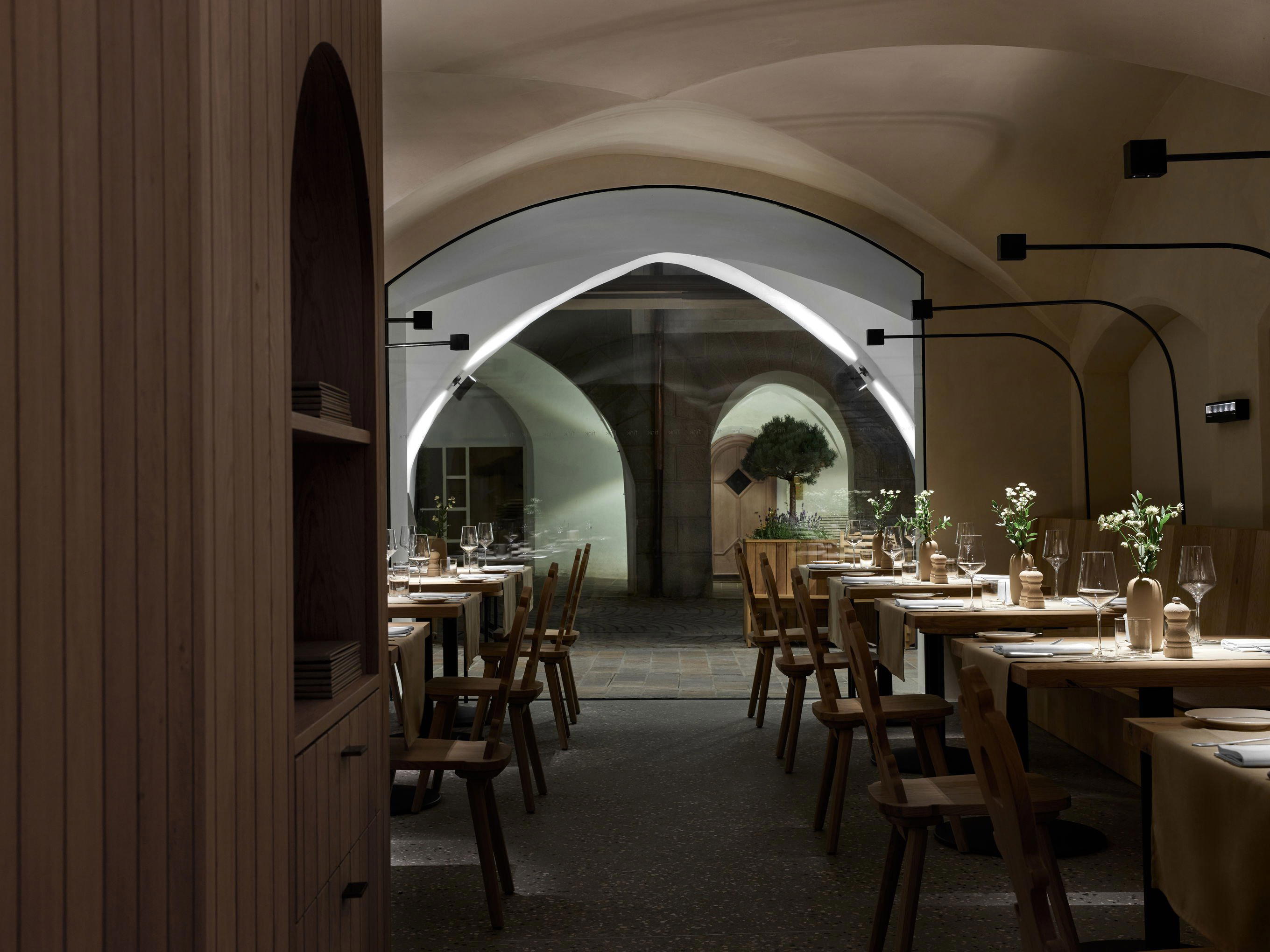
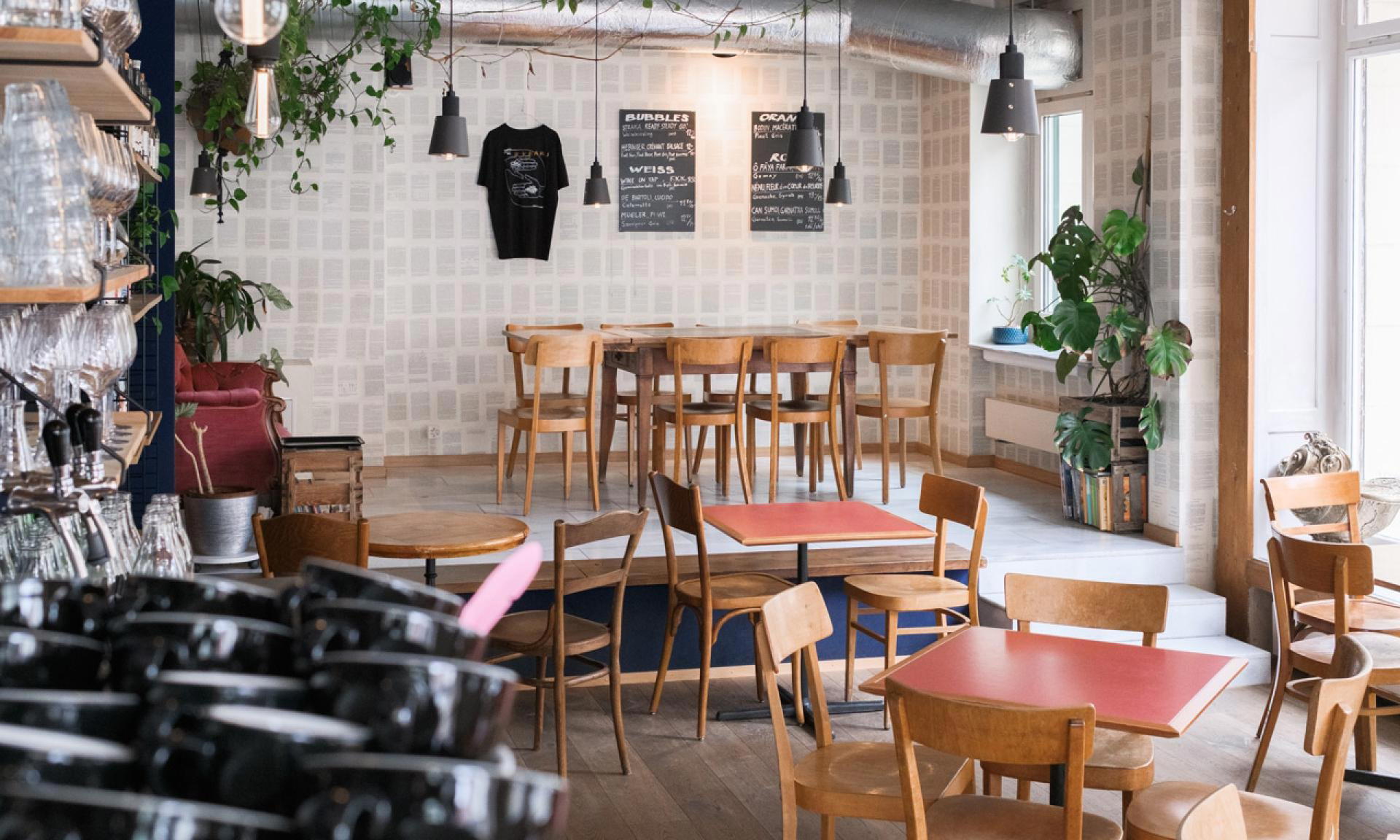
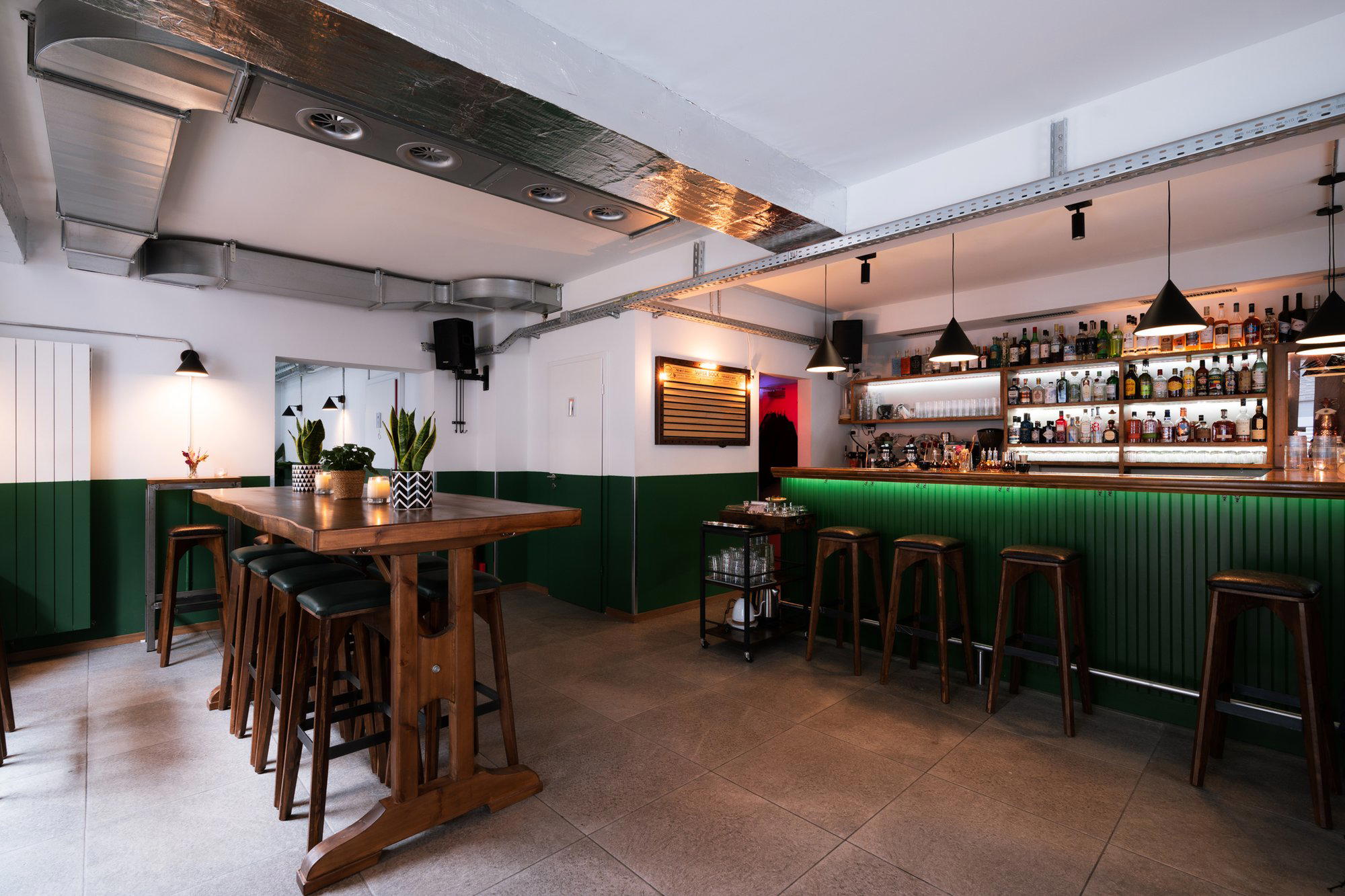
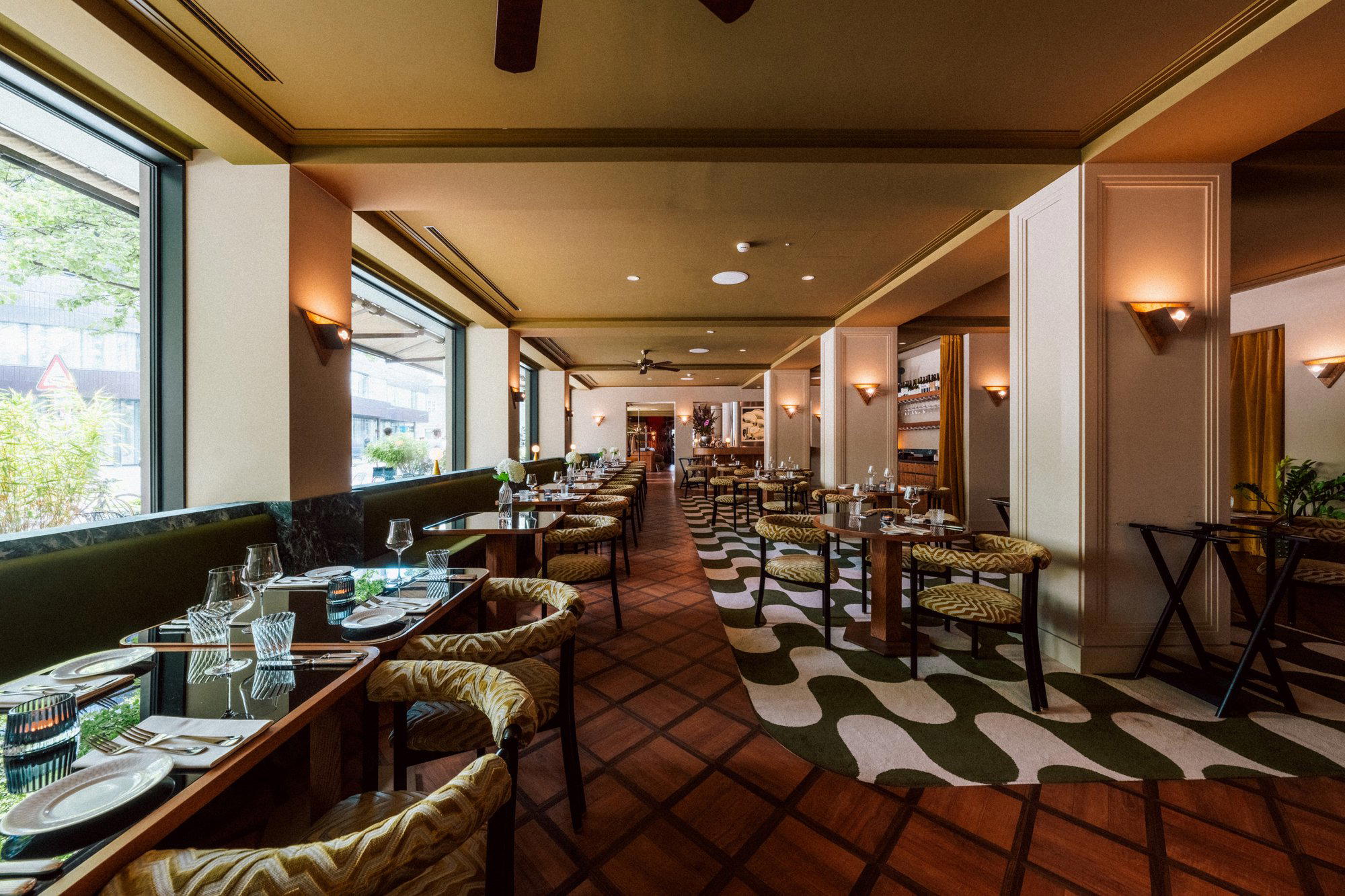
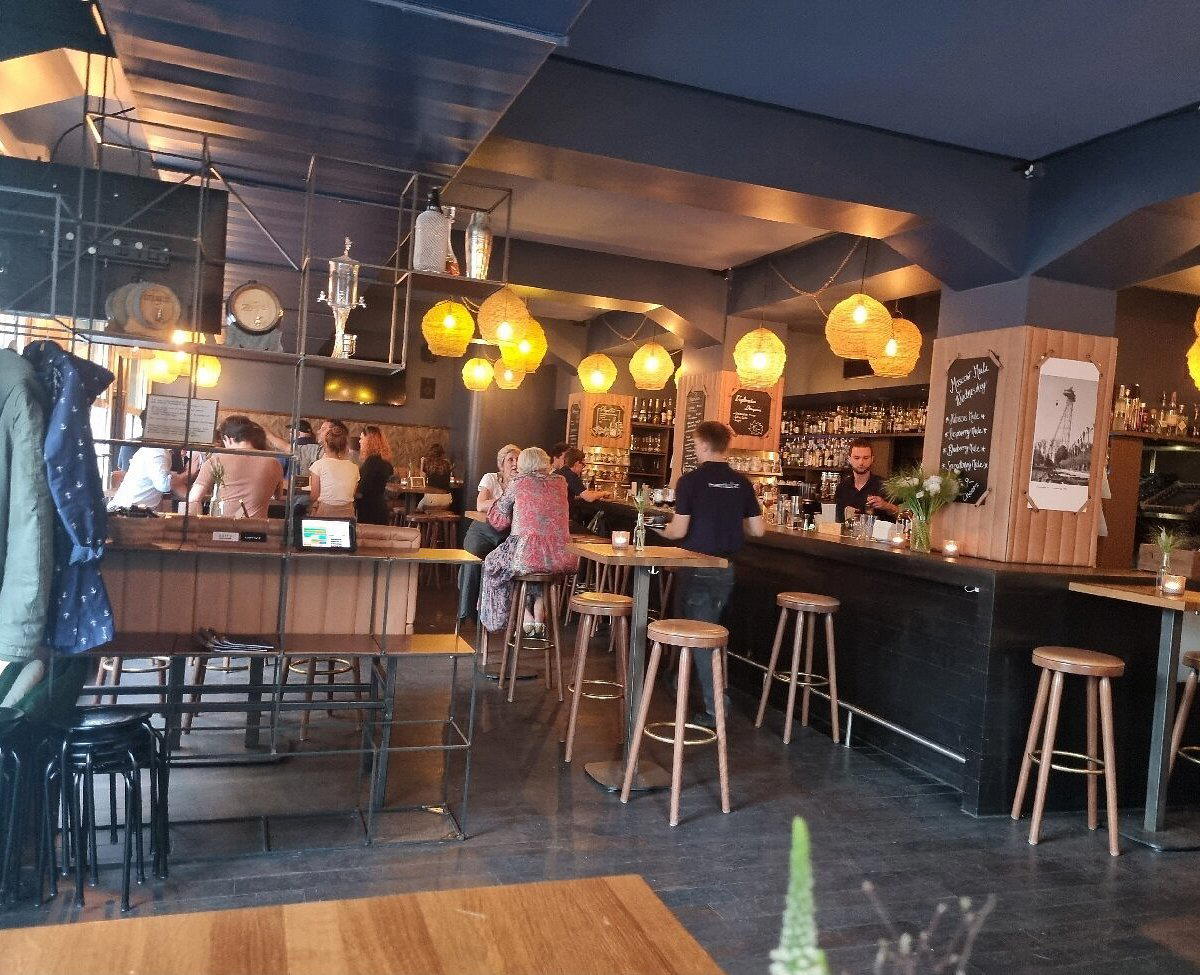
Casa Gourmet occupies a residential stretch of Birmensdorferstrasse in the 3rd district, operating in a quieter register than Zurich's central fine-dining corridor. Where peers like IGNIV and The Counter compete on spectacle and format innovation, this address positions itself through a more contained, room-level hospitality. A useful entry point for readers mapping the city's full dining spread beyond Niederdorf and Kreis 1.
The menu
What to order
- Pizza Casa Gourmet
Where Zurich's Dining Geography Extends Past the Centre
Zurich's fine-dining conversation tends to anchor in Kreis 1 and the hotel dining rooms clustered around Bahnhofstrasse, but the city's eating has spread considerably further over the past decade. The 3rd district, running south-west from the centre along Birmensdorferstrasse, represents one strand of that dispersal: a residential corridor where restaurants operate on neighbourhood logic rather than tourist-circuit positioning. Casa Gourmet, at number 259 on that street, sits in this secondary geography, at a remove from the dense peer competition around Paradeplatz and Niederdorf.
That positioning matters more than it might initially appear. Zurich's premium dining tier is relatively small compared to Paris or London, and the venues that hold it tend to cluster in ways that make comparison almost automatic. IGNIV Zürich by Andreas Caminada anchors the sharing-format end of the market; The Counter and The Restaurant compete in creative tasting-menu territory; Widder and Eden Kitchen & Bar serve different price brackets while still targeting a well-travelled guest. A venue on Birmensdorferstrasse enters that competitive set from a different angle, one where the room itself and the regularity of the guest relationship carry weight that a central address trades for footfall.
The Dynamics of a Room-Led Operation
Swiss gourmet dining has long operated on a particular model: relatively small covers, a tightly coordinated front-of-house, and kitchen output calibrated to that scale. This is not the Swiss version of a London brasserie; it is closer in spirit to the canton-level restaurant culture that produced places like Schloss Schauenstein in Fürstenau or Mammertsberg in Freidorf, where physical setting and the coherence of the team read as a single argument about what hospitality should feel like.
At its finest, this model depends on three functions operating in close alignment: a kitchen that sets pace and register, a sommelier who reads the room rather than recites a list, and a front-of-house that translates both into a guest experience that feels uncontrived. When that triangle works, the result is not service theatre but something closer to a well-run private dinner at scale. When one element lags, the others cannot compensate. It is a format that rewards guest familiarity and repeat visits, because both kitchen and floor develop a shared shorthand with regulars that makes the experience incrementally more precise over time.
The broader Swiss fine-dining context sets a high floor for this kind of operation. Switzerland's density of Michelin recognition relative to population is among the highest in Europe, which means the reference points even mid-tier gourmet restaurants are measured against include addresses like Hotel de Ville Crissier, Memories in Bad Ragaz, and Cheval Blanc by Peter Knogl in Basel. The guest arriving at a Zurich gourmet address on a residential street may not articulate that reference set explicitly, but their calibration is shaped by it.
The Neighbourhood as Context
Birmensdorferstrasse runs through Kreis 3, a district that has shifted in character over the past fifteen years from a primarily working-class and immigrant residential area toward something more mixed in demographic and in amenity. It has not undergone the wholesale gentrification of Kreis 4 or Kreis 5, which means restaurants here are not surfing a neighbourhood trend so much as making an independent argument for their location. That argument is typically about value signal: a chef or operator confident enough in the offer to not require a prestigious postcode to frame it.
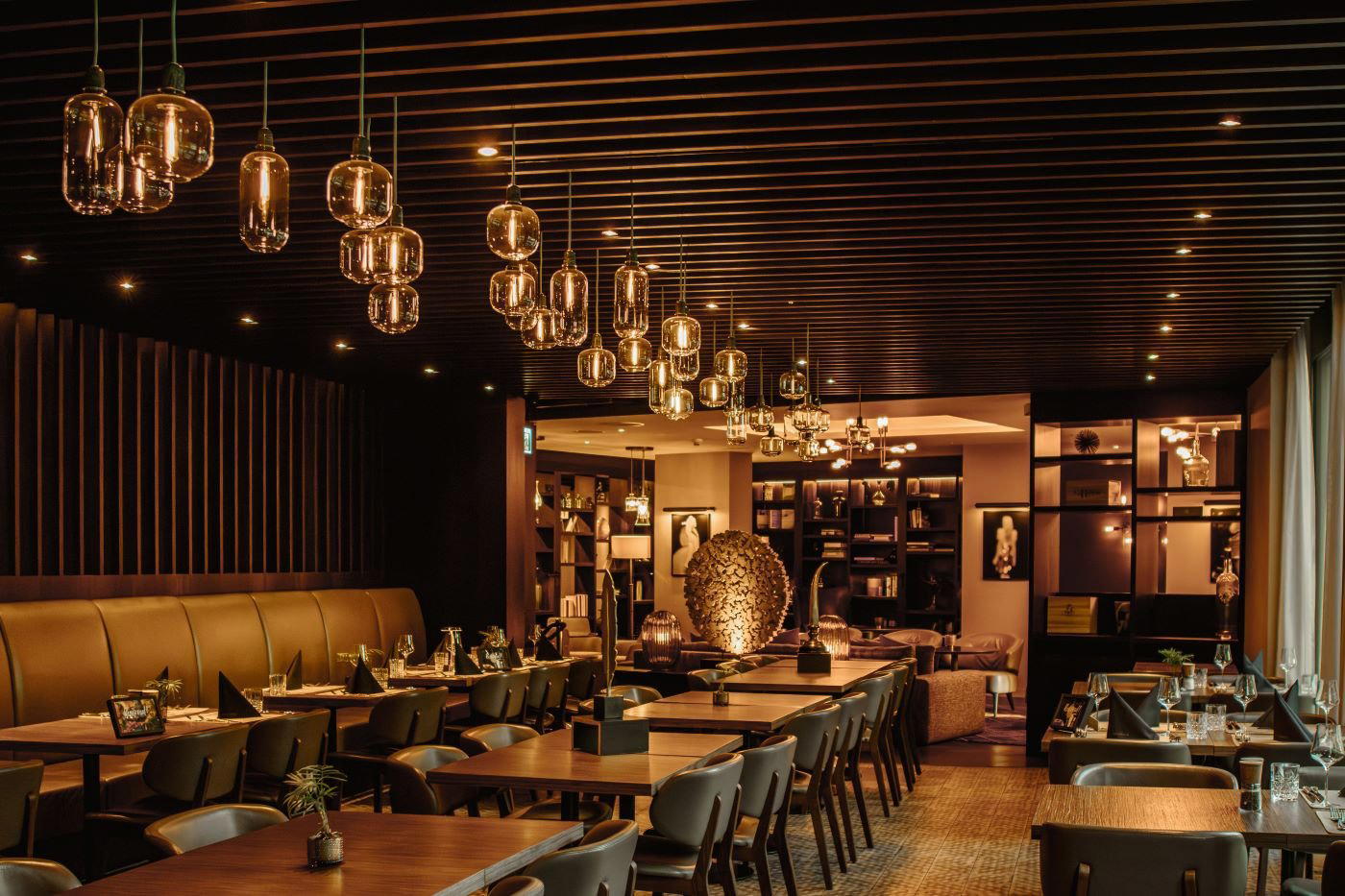
For the guest, the practical implication is a different arrival experience than the central dining room. The approach is quieter, the street-level impression more domestic than theatrical. This is worth factoring into expectations: the room will not do the work of priming a dining mood the way a hotel lobby or a Niederdorf cobblestone approach might. The experience either starts at the table or it starts with the aperitif; the walk from the tram stop does not contribute. Tram line 14, which connects the area to the central station and the broader network, makes the logistics workable without a car, though it adds a planning step that central addresses do not require.
Placing Casa Gourmet in a Wider Swiss Frame
For readers building a multi-day Zurich itinerary or planning a wider Swiss eating circuit, understanding where Casa Gourmet sits relative to the broader map matters. Within Zurich, the restaurant addresses venues like The Counter at the creative-tasting end of the dial, while a venue at the Birmensdorferstrasse address appears to operate from a more contained, classically oriented hospitality position. Outside the city, the Swiss gourmet circuit extends to destinations including Einstein Gourmet in Sankt Gallen, Da Vittorio in St. Moritz, Maison Wenger in Le Noirmont, focus ATELIER in Vitznau, and La Table du Valrose in Rougemont, each of which represents a distinct take on what Swiss fine dining means at the regional level.
Internationally, the collaborative hospitality model that Zurich's better rooms attempt has reference points well outside Switzerland. Le Bernardin in New York City represents one version of the tightly integrated kitchen-floor relationship at the highest level; Lazy Bear in San Francisco demonstrates how a community-oriented format can produce the same sense of coherence from a very different angle. Neither comparison is direct, but both illustrate what the team-dynamic model looks like when it operates at full confidence.
For our full guide to eating and drinking across the city, see the EP Club Zurich restaurants guide.
Know Before You Go
- Address: Birmensdorferstrasse 259, 8055 Zürich, Switzerland
- District: Kreis 3, south-west of the city centre
- Getting There: Tram line 14 connects the area to Zurich HB; check current ZVV schedules for stop proximity
- Booking:
- What is the ideal way to book Casa Gourmet?
- What is the defining dish or idea at Casa Gourmet?
- Do they accommodate allergies at Casa Gourmet?
- Is Casa Gourmet worth it?
- What the address and positioning suggest is a room operating in a quieter register than Zurich's central gourmet corridor, which historically correlates with a guest experience more dependent on the team's consistency than on external recognition signals. Cross-reference with current reviews before committing.
- How does Casa Gourmet compare to other gourmet options in Zurich's outer districts?
- Zurich's gourmet dining is concentrated in Kreis 1 and hotel-adjacent addresses, which makes any well-run operation in Kreis 3 a relative outlier in geographic terms. For a broader view of where this address fits, the EP Club Zurich guide maps the full spectrum of the city's dining options.
Frequently asked questions
Where is Casa Gourmet located?
Casa Gourmet is located at Birmensdorferstrasse 259, 8055 Zürich, Switzerland, Zurich.
How does Casa Gourmet fit into Zurich's broader dining geography?
Casa Gourmet is located at Birmensdorferstrasse 259 in Kreis 3, placing it south of the city centre and outside the cluster of hotel-anchored fine-dining rooms near Bahnhofstrasse. That position makes it one of relatively few gourmet-designated addresses in a district historically underrepresented in Zurich's restaurant conversation. Readers planning a wider Swiss eating circuit should treat it as a neighbourhood-specific counterpoint to central Zurich's more established rooms.
What's the signature dish at Casa Gourmet?
Given the gourmet positioning in Kreis 3, the kitchen output is likely calibrated to a small-covers model typical of Swiss fine dining, but confirming any signature requires direct contact with the restaurant.
What's the best way to book Casa Gourmet?
No phone number or website is currently listed in the public record for Casa Gourmet at Birmensdorferstrasse 259, 8055 Zürich. Arriving in person during service hours or checking third-party reservation platforms covering Zurich's Kreis 3 dining scene are the most reliable routes at this time.
What's the defining dish or idea at Casa Gourmet?
Casa Gourmet's defining idea, based on its Kreis 3 address and gourmet designation, appears to be bringing considered, room-led dining to a Zurich neighbourhood that sits outside the traditional Bahnhofstrasse and Kreis 1 fine-dining corridor.
Do they accommodate allergies at Casa Gourmet?
Swiss gourmet operations of this scale typically handle dietary requirements when notified at the time of booking, so raising any specific needs in advance is advisable.
Is Casa Gourmet worth it?
Casa Gourmet sits on Birmensdorferstrasse in Zurich's Kreis 3, a district that has shifted noticeably over the past decade and now supports a more considered dining offer than its working-class origins suggested. For visitors building a multi-day Zurich itinerary who want to eat beyond the hotel dining rooms of Kreis 1, it represents a geographically and conceptually distinct option, though pricing and awards data are not yet on record.
Compact Comparison
| Venue | Cuisine | Price | Awards | Notes |
|---|---|---|---|---|
| Casa GourmetThis venue (the venue you are viewing) | Creative Italian Pizza and Pasta | Not listed | Gambero Rosso 1 Spicchio | Not listed |
| IGNIV Zürich by Andreas Caminada | Modern Swiss Fusion Sharing | $150–200 | 2 Michelin Stars · La Liste Top Restaurants | Sharing |
| KLE | Modern Vegan Fine Dining | $100–150 | 1 Michelin Star · The Best Chef One Knife | Vegan |
| Kronenhalle | Classic Swiss Fine Dining | $100–150 | Michelin Plate · World's 50 Best #32 | Swiss, Traditional Cuisine |
| The Counter | Modern Cosmopolitan Omakase with East Asian Influences | $300–500 | 2 Michelin Stars · La Liste Top Restaurants | Creative |
| Eden Kitchen & Bar | Mediterranean-Italian | $100–150 | 1 Michelin Star · Falstaff Bar - 94 Falstaff Points | Italian |
Recognition history
Dated appearances from independent guides and award organizations, with the underlying list record or original source where available.
Gambero Rosso 1 Spicchio
Gambero Rosso