Castello – Ristorante & Pizzeria
Castello – Ristorante & Pizzeria serves Italian Pizza & Pasta at Rümlangstrasse 6 in Oberglatt, with calzone pizza and homemade pasta for lunch or dinner.
Pearl is the En Primeur Club membership app — saves, bookings, and concierge access live there. Same editors, same standards.
- Address
- Rümlangstrasse 6, 8154 Oberglatt, Switzerland
- Phone
- +41448505480
- Website
- ristorante-castello.ch
- Directions
- Get directions
 Saves & bookings on Pearl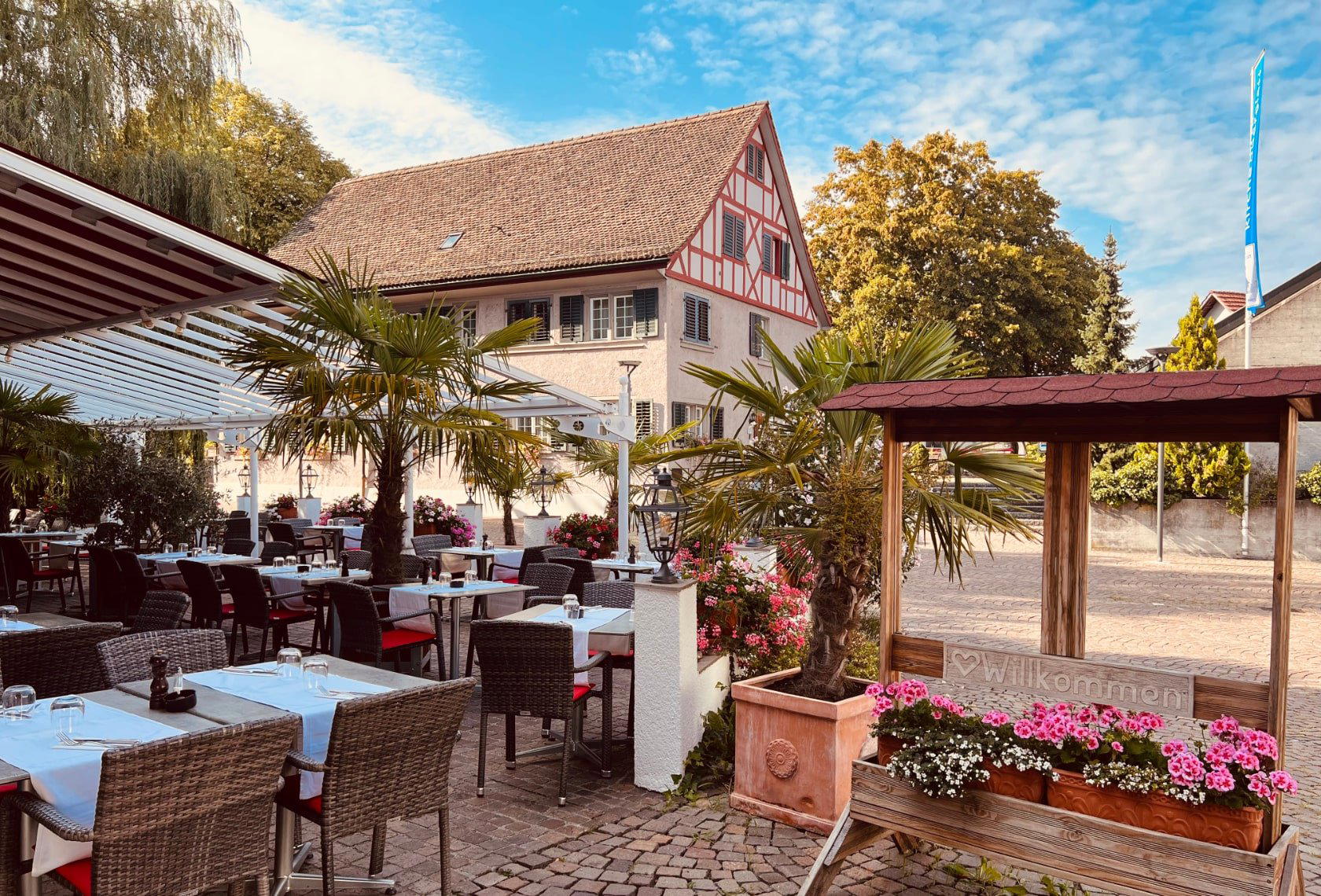
Italian Dining in the Zürich Periphery
Oberglatt sits in the flat agricultural corridor between Zürich city and Kloten airport, a stretch of the canton where suburban infrastructure dominates and dining options tend toward the functional. In that context, a ristorante-pizzeria combination occupies a category that Swiss-Italian restaurants have carved out across the German-speaking cantons over several decades: the neighbourhood trattoria format, which typically bridges casual pizza service with a broader Italian menu and positions itself as the weeknight anchor for local regulars. Castello, at Rümlangstrasse 6, fits that template and addresses a gap in a district where the nearest concentration of ambitious kitchens is a short S-Bahn or car ride toward the city. For a fuller picture of what Oberglatt's dining scene offers, see our full Oberglatt restaurants guide.
The Ristorante-Pizzeria Format and What It Signals
Across Switzerland, the dual ristorante-pizzeria designation carries specific meaning. It signals a kitchen that runs two service tracks simultaneously: the faster, wood-fire or deck-oven pizza line alongside a plated Italian menu that typically involves pasta made in-house or sourced from quality-forward suppliers, secondi, and a structured wine list. Venues that maintain both tracks well tend to develop a loyalty cycle that single-format restaurants struggle to replicate. The pizza side draws families and casual mid-week diners; the ristorante side accommodates anniversaries, work dinners, and occasions where the table lingers. Whether Castello's execution follows this pattern closely, the name and address together place it within a well-established Swiss-Italian dining tradition that has produced some genuinely precise kitchens in suburban settings.
Swiss-Italian restaurants in the Zürich metropolitan area operate in a competitive and culturally layered space. Northern Italian cuisine arrived in German Switzerland partly through post-war labour migration and partly through the country's geographic proximity to Lombardy and Ticino, which means local expectations for pizza dough hydration, pasta texture, and espresso quality are often higher than in markets where Italian food is more exotic. A neighbourhood restaurant in this region is measured against a baseline set by decades of Italian cooking culture rather than against a foreign import standard.
Ingredient Sourcing and the Italian Kitchen's Supply Logic
The editorial angle that matters most when assessing any ristorante-pizzeria is sourcing: where the flour comes from, whether the mozzarella is flown or trucked from Campania, how the kitchen handles seasonal vegetable ingredients, and whether the wine list reflects a genuine engagement with Italian appellations or defaults to the same four bottles that appear on every mid-market Italian menu in central Europe. Switzerland's position at the intersection of Italian, French, and German food cultures gives kitchens here unusual access to cross-border supply chains. San Marzano tomatoes, 00 flour from Neapolitan mills, and DOP-certified dairy products move north through Ticino and the Gotthard corridor in ways that make authentic sourcing viable even for restaurants outside major urban centres.
For diners who follow ingredient provenance closely, the questions worth asking at any Swiss-Italian restaurant are the same ones that define the gap between a serious trattoria and a generic pizza chain. Does the kitchen use fresh or dried pasta, and from where? Is the charcuterie board sourced from named Italian producers? These are not questions reserved for Michelin-tier restaurants. They apply equally to neighbourhood ristoranti that claim to take Italian cooking seriously. The answers, wherever Castello lands on that spectrum, place it in one of two peer tiers: the engaged local kitchen or the volume-driven casual operator.
For context on what the best of Switzerland's Italian-influenced dining tier looks like, Da Vittorio - St. Moritz in St. Moritz represents the high end of that lineage in Switzerland, with the Cerea family's Bergamo-rooted cooking translated into an alpine setting. That comparison is not offered to set unfair expectations for a neighbourhood ristorante but to illustrate how broad and varied Switzerland's Italian dining spectrum runs, from Michelin-recognised addresses to the weekly local that families return to by habit rather than occasion.
Oberglatt and the Broader Swiss Dining Map
Switzerland's most-discussed kitchens cluster in Zürich, Basel, Geneva, and the landmark destination restaurants that draw international visitors to places like Fürstenau or Bad Ragaz. Schloss Schauenstein in Fürstenau and Memories in Bad Ragaz represent the Swiss fine-dining tier where tasting menus run across multiple hours and reservations are measured in months. Hotel de Ville Crissier in Crissier and Cheval Blanc by Peter Knogl in Basel anchor the French-influenced end of Swiss haute cuisine. Further afield on the Swiss map, Maison Wenger in Le Noirmont, Einstein Gourmet in Sankt Gallen, and focus ATELIER in Vitznau extend the reach of that upper tier into smaller cities and lakeside settings.
Neighbourhood restaurants like Castello operate in a different register entirely, one that is no less important to the fabric of how Swiss residents actually eat most of the time. The gap between destination dining and the local ristorante is not a deficiency on either side; it reflects two entirely different functions. Skin's - the restaurant in Lenzburg, Taverne zum Schäfli in Wigoltingen, and Magdalena in Schwyz each illustrate how serious kitchen work happens at various price points and ambition levels across the canton. Mammertsberg in Freidorf and La Table du Valrose in Rougemont add further texture to the Swiss mid-tier. Internationally, the sourcing discipline visible at places like Le Bernardin in New York City or the community-driven format of Lazy Bear in San Francisco set benchmarks for what ingredient rigour and format clarity can look like at scale, providing useful reference points even when the cuisine category differs entirely. For regional comparison within Switzerland's Italian-inflected dining tradition, La Brezza in Ascona and The Japanese Restaurant in Andermatt each show how destination resort settings shape dining identity in distinct ways. Mammertsberg and La Brezza in particular illustrate the premium that sourcing transparency commands even outside of Michelin-tracked kitchens.
Planning Your Visit
Castello is located at Rümlangstrasse 6 in Oberglatt, reachable from Zürich HB via the S-Bahn lines serving the Kloten-Bülach corridor, with Oberglatt station placing it within reasonable walking distance for those arriving without a car. Reservations for a Friday or Saturday evening in a suburban Swiss restaurant of this type are generally advisable, particularly if dining in a group larger than four.
How Castello – Ristorante & Pizzeria Oberglatt: Hours & Casual Dining compares with similar nearby venues.
| Venue | Cuisine | Price |
|---|---|---|
| Sablier | French Contemporary | €€€ |
Continue exploring
More in Oberglatt
Restaurants in Oberglatt
Browse all →
Bars in Oberglatt
Browse all →
Hotels in Oberglatt
Browse all →

At a Glance
- Rustic
- Cozy
- Classic
- Casual Hangout
- Family
- Standalone
Current opening hours
- Monday
- 11 AM–2 PM, 5–11 PM
- Tuesday
- 11 AM–2 PM, 5–11 PM
- Wednesday
- 11 AM–2 PM, 5–11 PM
- Thursday
- 11 AM–2 PM, 5–11 PM
- Friday
- 11 AM–2 PM, 5–11 PM
- Saturday
- 5–11 PM
- Sunday
- Closed
Hours can change for holidays and private events. Last verified .
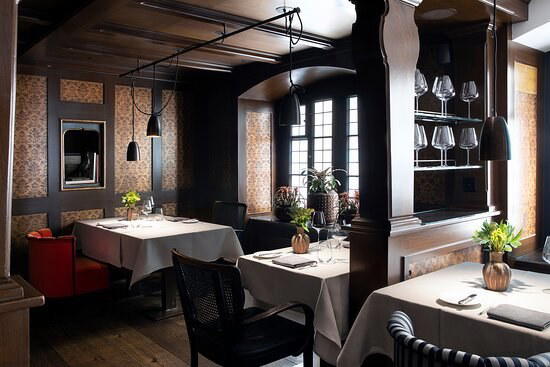
Rustic warm flair with gnarled wooden beams creating a relaxed, inviting Italian atmosphere.
Know Before You Go
- Getting there
- Rümlangstrasse 6, 8154 Oberglatt, Switzerland