A fixture on Rue Réaumur since its arrival in Paris's 2nd arrondissement, Pizzeria Popolare operates in the casual end of a city more accustomed to white tablecloths than wood-fired ovens. The space itself does the editorial work: high ceilings, communal tables, and a format that prioritises throughput and accessibility over ceremony. In a neighbourhood thick with grand brasseries, it represents a different kind of ambition entirely.
Pearl is the En Primeur Club membership app — saves, bookings, and concierge access live there. Same editors, same standards.
- Address
- 111 Rue Réaumur, 75002 Paris, France
- Phone
- +33973034391
- Website
- circolopopolare.com
- Directions
- Get directions
 Saves & bookings on Pearl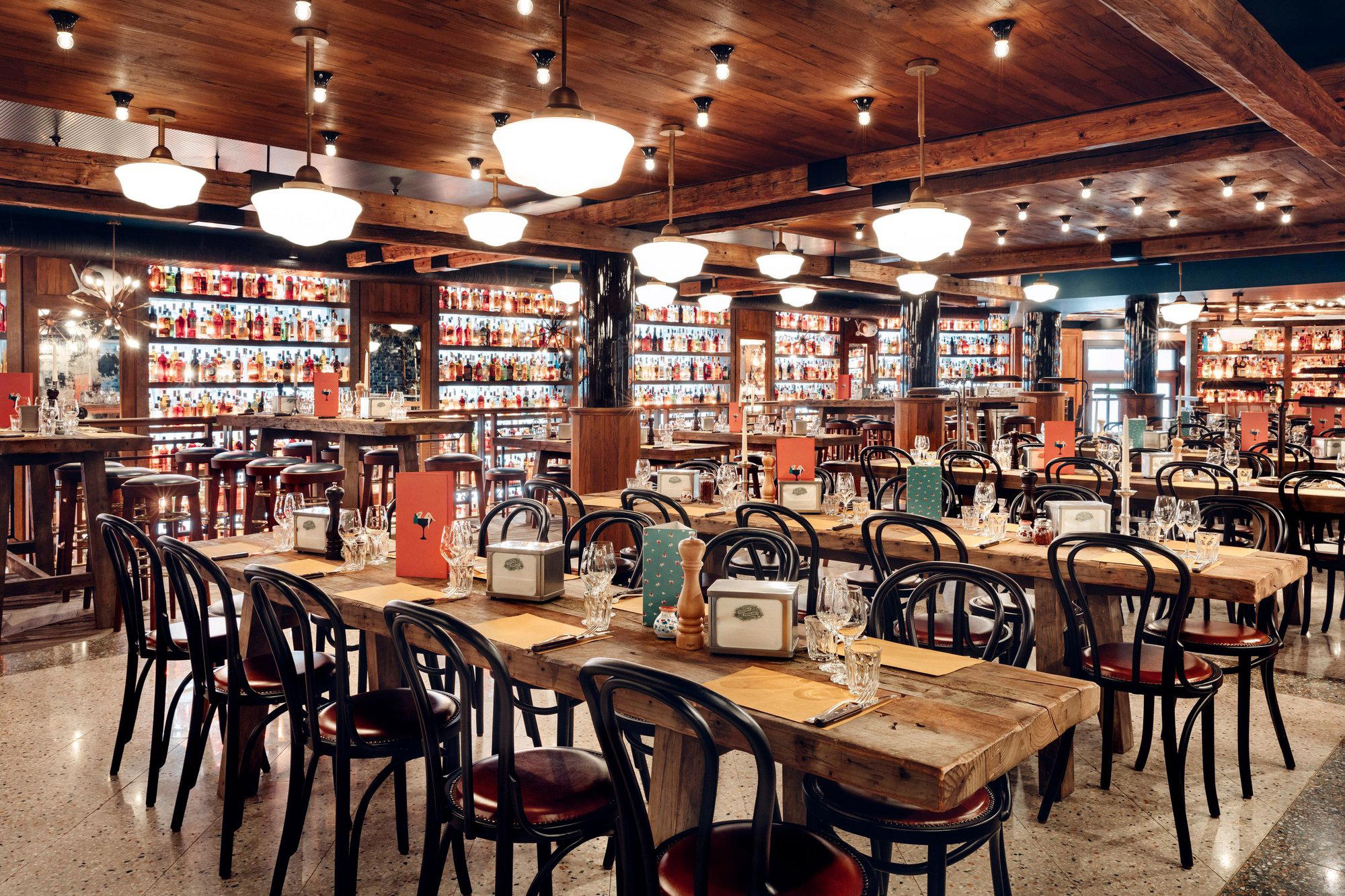
Casual by Design: How Pizzeria Popolare Fits Into Paris's 2nd Arrondissement
Paris has long wrestled with pizza. The city that produced the formal architecture of haute cuisine, the hierarchical brigade, the tasting menu progression, the reverence for provenance, has historically treated the Neapolitan disc as a concession to informality rather than a subject worth serious attention. That is changing, and Pizzeria Popolare is a Neapolitan Pizza Trattoria at 111 Rue Réaumur, 75002 Paris, France, and it treats the casual dining format not as an apology but as its entire point.
Rue Réaumur runs through the 2nd arrondissement, a district that historically housed the French press and now accommodates a mix of media companies, finance offices, and the kind of foot traffic that wants lunch sorted in under an hour. The neighbourhood's dining character is shaped by this rhythm: plates need to move, tables need to turn, and the experience needs to feel worth the detour from a desk. Pizzeria Popolare was positioned within that context from the start, and its physical design reflects that positioning at every decision point.
The Space as Argument
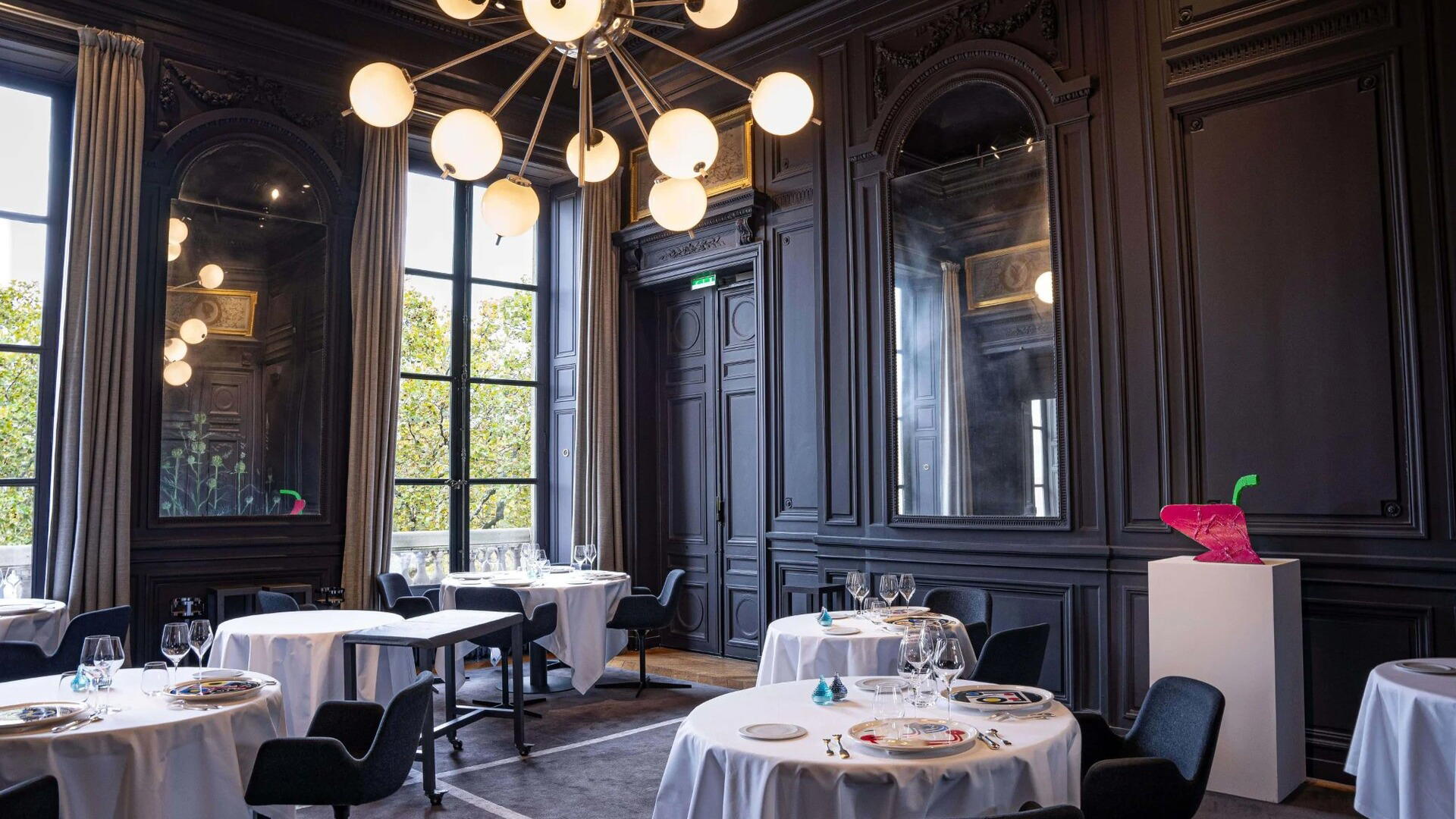
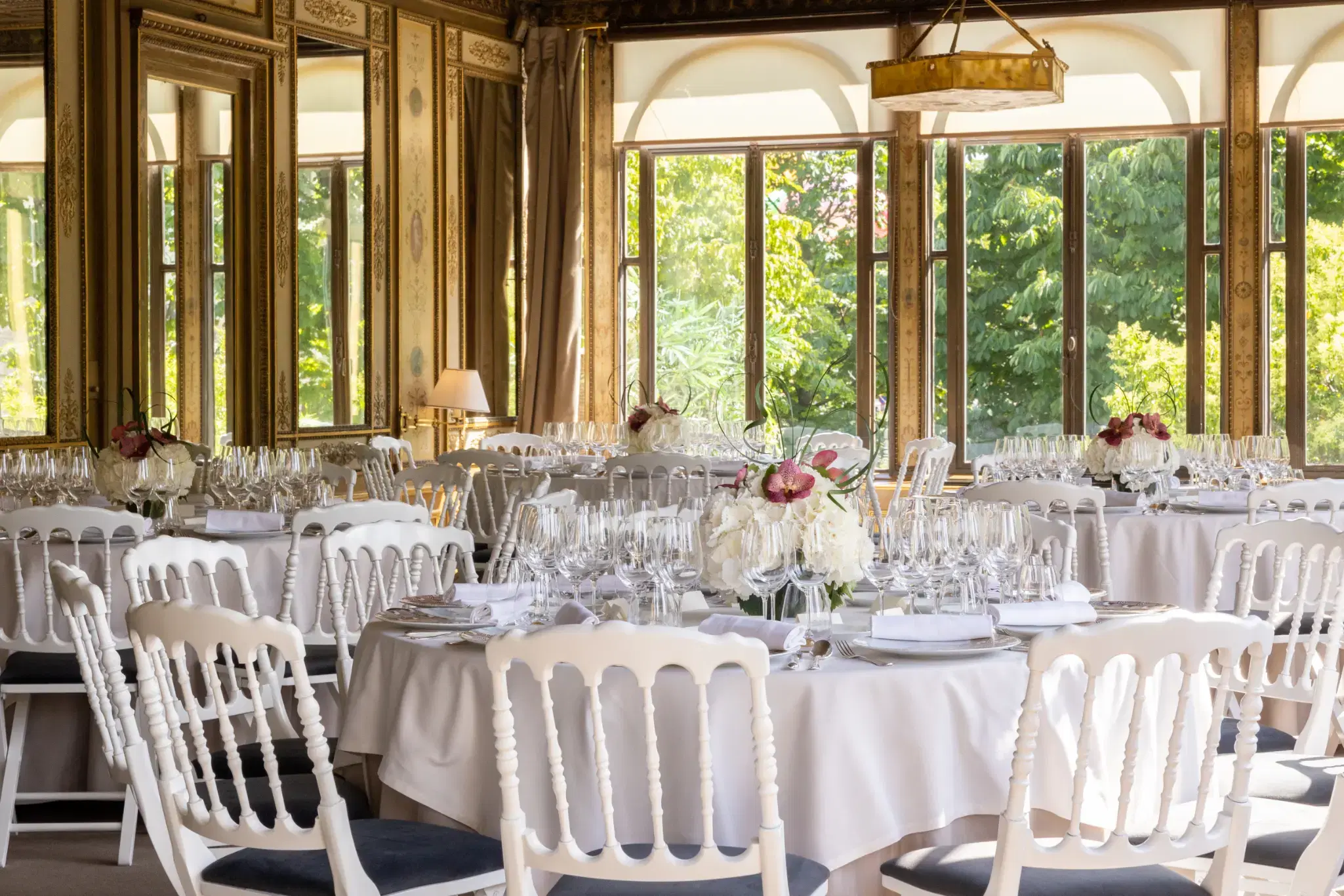
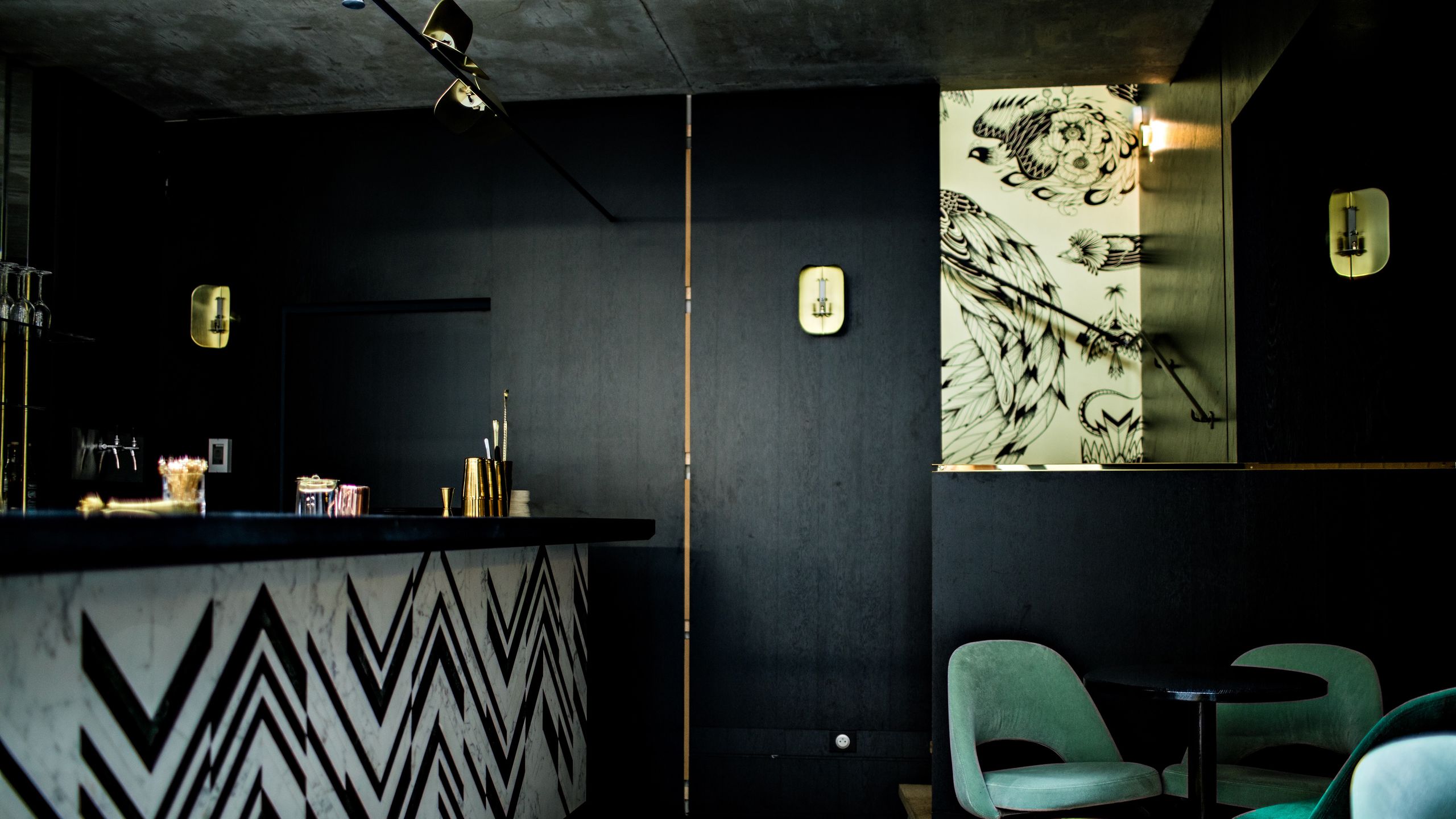
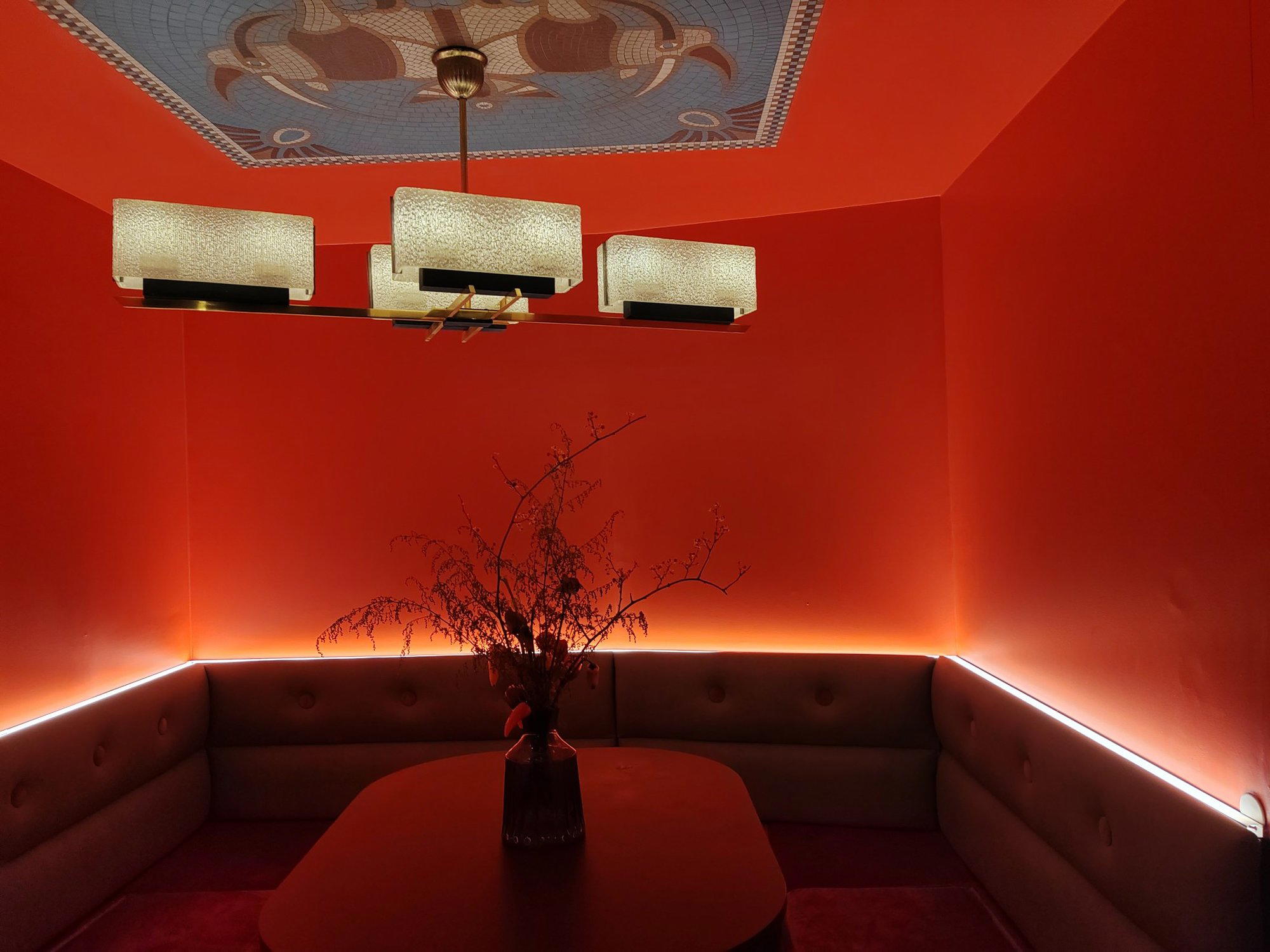
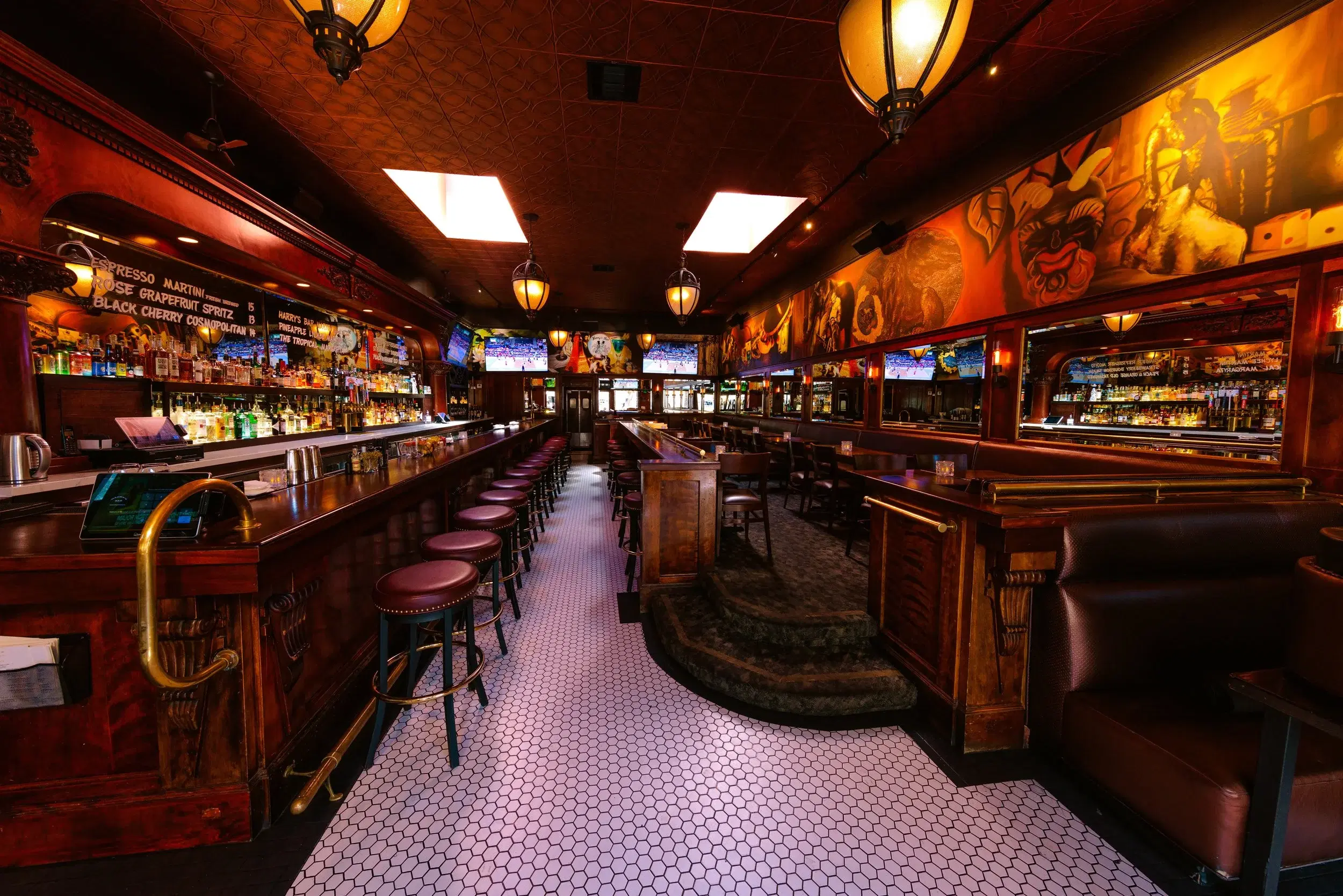
In a city where dining rooms are frequently arranged around the theatre of exclusivity, the discreet entrance, the white tablecloth, the space between tables that signals you are paying for privacy as much as food, the restaurant takes the opposite position. The interior reads as deliberately anti-ceremonial: high ceilings that hold noise rather than absorb it, communal seating that eliminates the private table as a default, and a visual register closer to a Milanese aperitivo bar than a Parisian restaurant.
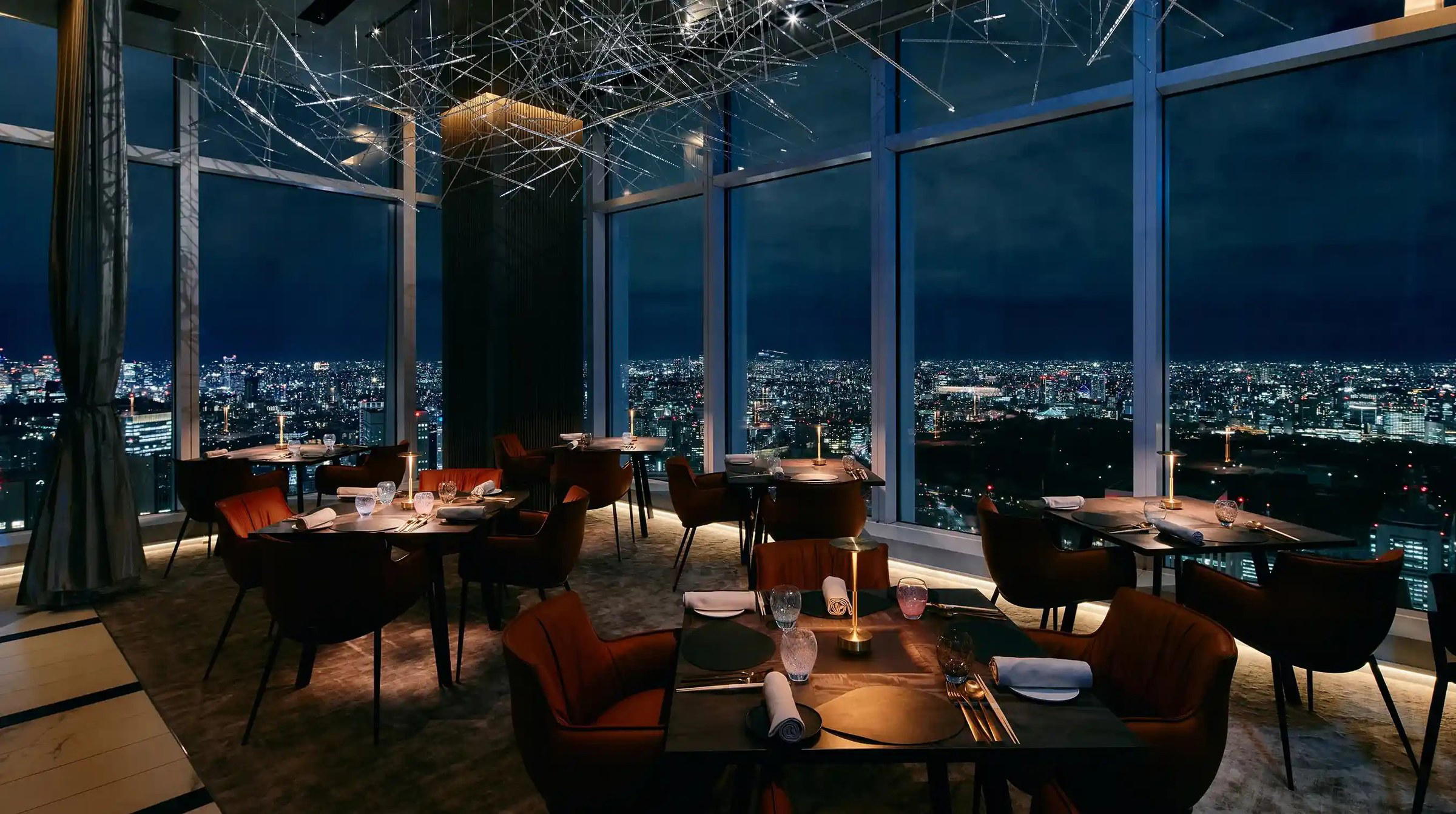
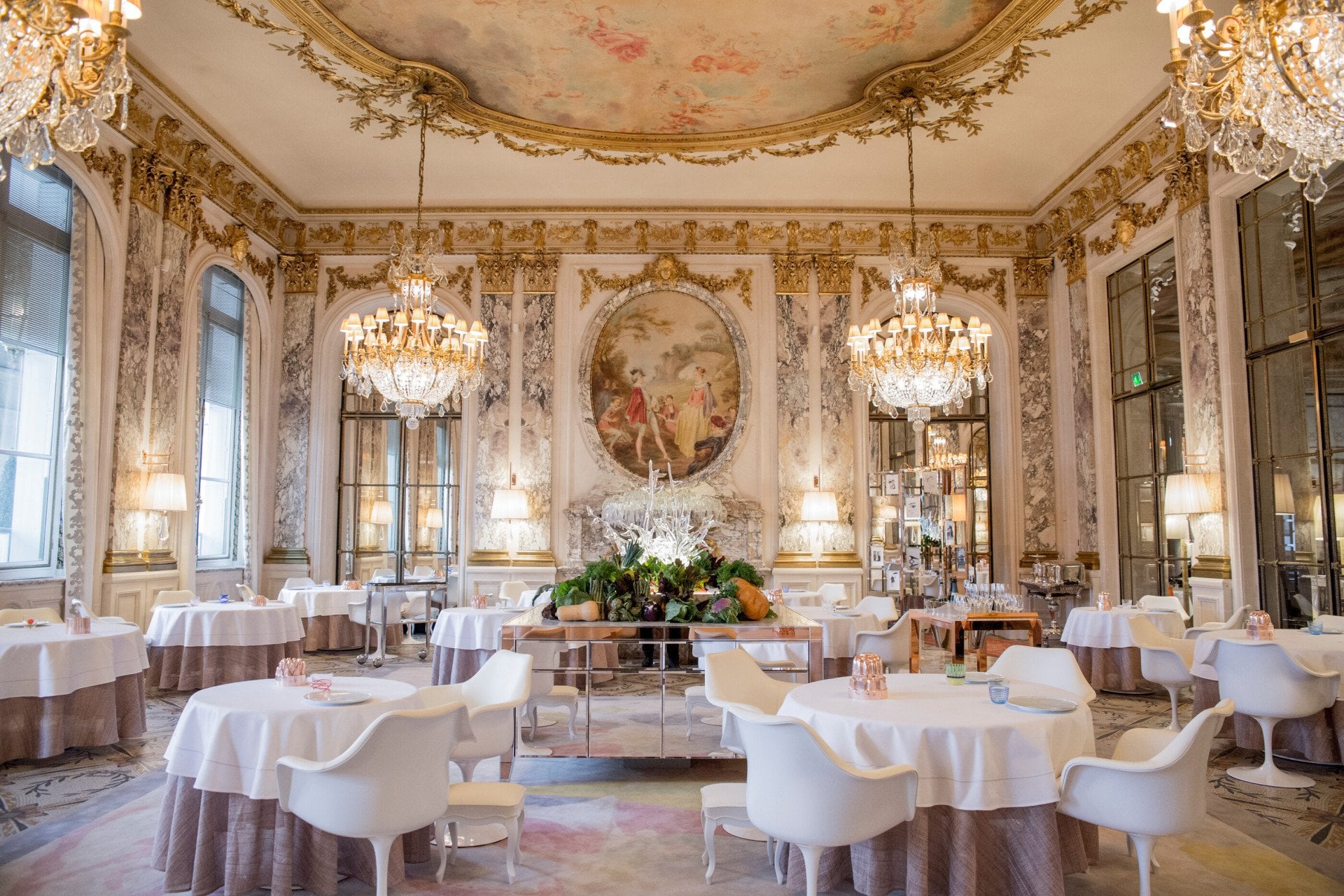
This is a design argument in the same way that a stripped-back counter at a Tokyo ramen shop is a design argument. The room says: the food is the point, the social friction of sitting close to strangers is acceptable, and the transaction does not require ritual. For a city that has historically conflated fine dining with formality, that is a more pointed statement than it might appear. Compare this to the soaring formal rooms of Le Cinq at the Four Seasons Hôtel George V or the restrained classicism at L'Ambroisie, and the distance between those worlds is not just a matter of price point. It is a fundamental disagreement about what a dining room is for.
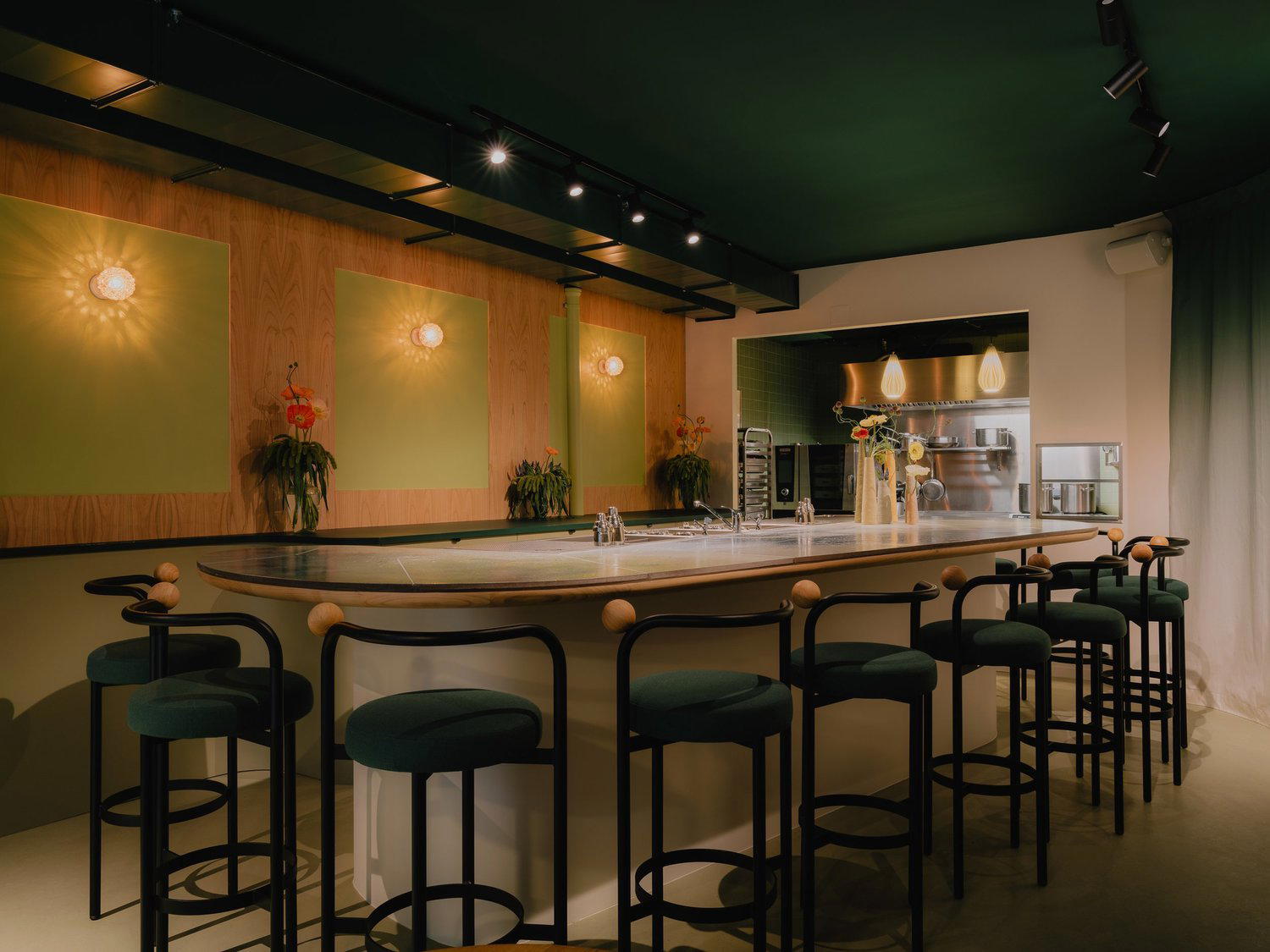
High-volume casual formats in Paris have generally followed one of two spatial templates: the long zinc bar of the brasserie, or the small bistro with tables packed tight enough that conversations bleed between them. The restaurant draws from a third reference: the Italian pizzeria model, where communal benches, tile surfaces, and an open kitchen visible from most seats create a particular kind of democratic warmth. The energy is loud without being aggressive, and the layout means that solo diners, groups, and couples occupy the same kind of territory without hierarchy.
Where It Sits in the Paris Dining Tier
Paris dining divides more cleanly than many other cities between the formal and the genuinely casual, with a comparatively thin middle tier of neighbourhood restaurants that do neither particularly well. The city's Michelin-starred contingent, including three-star houses like Arpège and Alléno Paris au Pavillon Ledoyen, or the contemporary precision of Kei, operates at price points that require planning and occasion. The restaurant does not compete in that tier and does not try to.
Instead, it occupies the space that fast-casual formats have carved out in other European capitals but that Paris has been slower to develop with any consistency. The comparison set is less the grand Parisian table and more the better-positioned casual operators in London's Soho or Milan's Navigli district: places where the food quality holds against scrutiny, the price points allow repeat visits, and the spatial design generates the kind of ambient atmosphere that sustains a room through a full lunch and dinner service. Across France more broadly, serious cooking at different price registers has produced destinations worth long drives: from Mirazur in Menton to Bras in Laguiole to Flocons de Sel in Megève. The restaurant operates in a different register entirely, but it addresses a real gap in what Paris offers at the accessible end of the market.
Planning a Visit
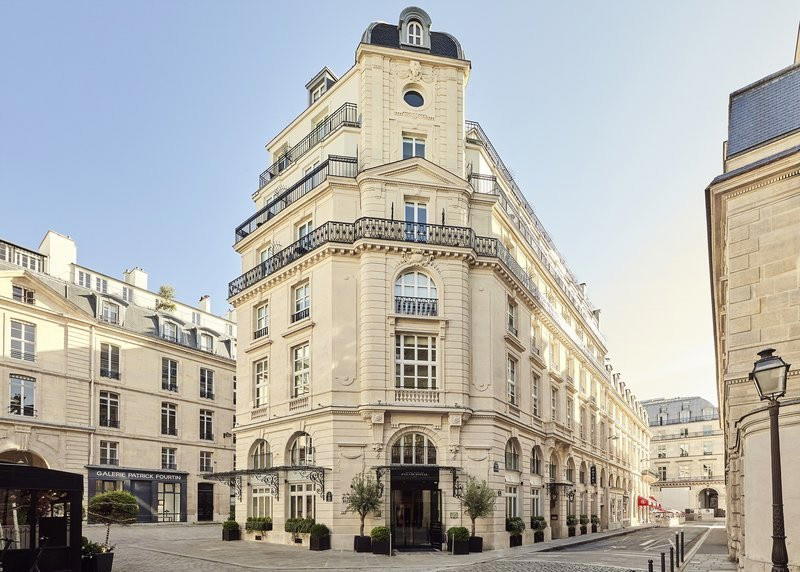
The Rue Réaumur address puts the restaurant within walking distance of the Réaumur-Sébastopol metro stop, which sits on both lines 3 and 4, useful if you are coming from the Marais, the Grands Boulevards, or anywhere in central Paris without a specific neighbourhood destination in mind. The 2nd arrondissement compresses a great deal of activity into a small area, and the restaurant's position on a broad, commercially active street means it is easy to locate without cross-referencing narrow side streets.
Given the communal format and the throughput-oriented layout, queues at peak lunch and weekend dinner hours are a realistic expectation. Arriving at the edges of standard service windows, before 12:30 for lunch, or early in the dinner service, tends to reduce wait times. The format is not built around lingering, which means tables turn at a pace that keeps queues moving faster than the line length might suggest. Booking policies, current hours, and any seasonal adjustments are best confirmed directly with the venue before visiting, as those details are subject to change.
For a broader map of Paris dining across all tiers and neighbourhoods, the EP Club Paris restaurants guide provides context on where different operators sit relative to each other and what the city's dining geography actually looks like at street level. For those whose Paris itinerary extends to day trips or regional detours, the wider French dining circuit includes institutions at different scales: from Paul Bocuse's Auberge du Pont de Collonges outside Lyon to Auberge de l'Ill in Illhaeusern and Au Crocodile in Strasbourg in Alsace, Assiette Champenoise in Reims an hour east of Paris, Auberge du Vieux Puits in Fontjoncouse in the south, and AM par Alexandre Mazzia in Marseille, and Troisgros in Ouches.
Peers You’d Cross-Shop
Comparable venues nearby, for context on price, style, and recognition.
| Venue | Cuisine | Price | Notes |
|---|---|---|---|
| Pizzeria PopolareThis venue — the venue you are viewing | Neapolitan Pizza Trattoria | $$ | Not listed |
| Romantica Caffè | Authentic Italian with tableside pasta flambé | $$ | 16th Arr. - Passy |
| Roco | Neapolitan Pizzeria | $$ | Ternes |
| Ozio | Italian Pizza & Pasta | $$ | 16th Arr. - Passy |
| Zola | Italian Trattoria & Pizza | $$ | Vivienne (Passage des Panoramas) |
| Latte Cisternino | Italian Deli Cooperative | $$ | 10th arrondissement |
At a Glance
- Lively
- Trendy
- Cozy
- Energetic
- Group Dining
- Casual Hangout
- Date Night
- Open Kitchen
- Extensive Wine List
- Craft Cocktails
- Local Sourcing
Current opening hours
- Monday
- 11:45 AM–2:15 PM, 6–10:15 PM
- Tuesday
- 11:45 AM–2:15 PM, 6–10:15 PM
- Wednesday
- 11:45 AM–2:15 PM, 6–10:15 PM
- Thursday
- 11:45 AM–2:15 PM, 6–10:45 PM
- Friday
- 11:45 AM–2:15 PM, 6–10:45 PM
- Saturday
- 12–4:15 PM, 6–10:45 PM
- Sunday
- 12–4:15 PM, 6–10:15 PM
Hours can change for holidays and private events. Last verified .
Lively and lively with colorful decor, an open kitchen, fully Italian staff, and a festive electric Italian atmosphere featuring long shared tables.