Roco occupies a quietly considered address in Paris's 17th arrondissement, a district that has long operated at a remove from the city's more conspicuous dining circuits.
Pearl is the En Primeur Club membership app — saves, bookings, and concierge access live there. Same editors, same standards.
- Address
- 1 Rue Guillaume Tell, 75017 Paris, France
- Phone
- +33147644939
- Website
- rocoparis.fr
- Directions
- Get directions
 Saves & bookings on Pearl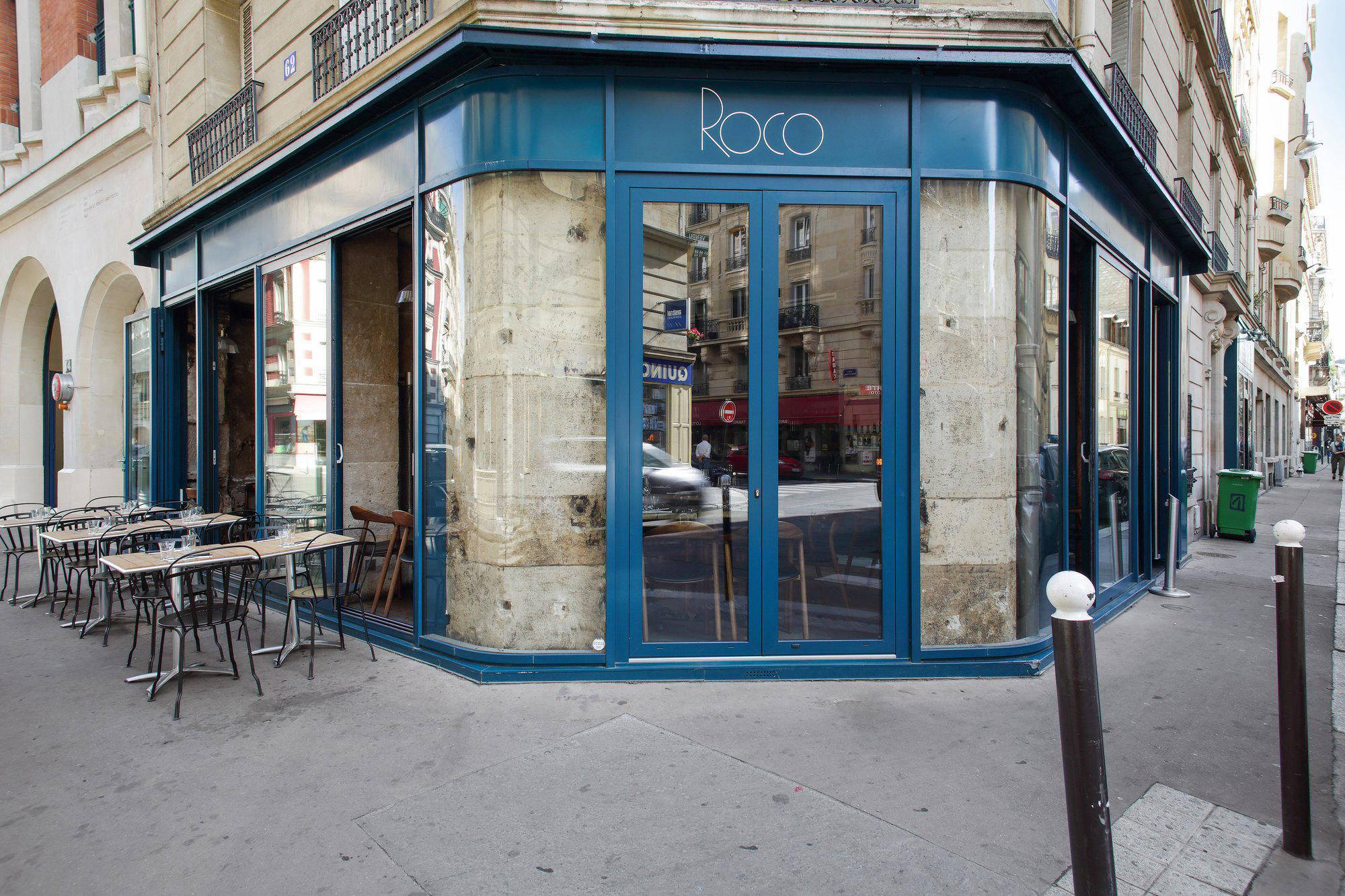
The 17th Arrondissement and the Restaurants That Define It
Paris's 17th arrondissement has never been the city's most obvious dining destination. It sits between the grand boulevard theatrics of the 8th and the increasingly colonised streets of Batignolles, occupying a middle register that suits a certain kind of serious restaurant: one that doesn't need a postcode to justify itself. The rue Guillaume Tell address places Roco in this context, a neighbourhood where the ambient dining culture tends toward the considered rather than the conspicuous. That positioning matters because it shapes the expectations visitors should carry through the door.
Paris's premium dining tier has, over the past fifteen years, undergone a slow but legible redistribution. Roco is a casual Neapolitan Pizzeria in Paris 17th, where a meal runs about $25 per person. The concentration of Michelin-starred and critically noted restaurants along the 6th, 7th, and 8th arrondissements remains intact, Arpège on the rue de Varenne, L'Ambroisie on the Place des Vosges, Alléno Paris au Pavillon Ledoyen with its monumental Champs-Élysées adjacency, but a secondary layer of credible, lower-profile addresses has taken root in less trafficked districts. The 17th has attracted some of that dispersal.
How the Neighbourhood Has Changed
Ten years ago, the stretch around Ternes and Batignolles was understood primarily through its traditional bistros and a handful of legacy brasseries. What has shifted since is the presence of smaller, format-conscious restaurants that operate without the institutional scaffolding of hotel dining rooms or heritage addresses. Le Cinq at the Four Seasons George V, for context, represents the fully institutionalised end of Paris dining: enormous rooms, embedded wine programmes, and the full weight of a global hotel group behind every service decision. The 17th offers something structurally different, addresses where the format itself is part of the editorial statement.
That shift mirrors what has happened in French fine dining more broadly over the same period. The generation of restaurants that followed the nouvelle cuisine moment, technically precise, saucier-forward, deeply classical, has given way to a more fragmented scene. Some houses, like Kei, have introduced Japanese precision into contemporary French frameworks and earned Michelin recognition for the result. Others have turned toward product-led minimalism or bio-dynamic sourcing as organising principles. The trajectory is away from a single dominant idiom and toward a wider register of serious cooking.
Roco in the Current Picture
Roco sits within this evolving frame. The restaurant's address on the rue Guillaume Tell places it in a part of the 17th that functions less as a destination district and more as a working neighbourhood, which tends to mean a local-first clientele, less tourist traffic, and a set of regulars who have formed opinions through repeated visits rather than algorithm-driven discovery. That dynamic shapes the atmosphere in ways that a more prominent address cannot replicate.
The city's dining culture, from Mirazur in Menton to Flocons de Sel in Megève, has consistently rewarded visitors who arrive having done the groundwork directly with the kitchen team.
The Longer Arc: French Dining and Its Reinventions
To understand where a restaurant like Roco might position itself, it helps to understand how French haute cuisine has cyclically reinvented its own terms. The houses that defined post-war French cooking, Paul Bocuse's Auberge du Pont de Collonges, Auberge de l'Ill in Alsace, Troisgros in Ouches, established a set of expectations around service, room scale, and culinary ambition that later generations have spent considerable energy either honouring or departing from. Bras in Laguiole took the departure route, building a language rooted in terroir and plant-forward cooking that felt, at the time, like a rupture. Auberge du Vieux Puits in Fontjoncouse and Assiette Champenoise in Reims have each evolved within that lineage, adapting classical foundations to contemporary expectations without abandoning the formal ambitions that define the upper tier.
In Paris specifically, the pace of change has been compressed. The city's restaurant culture operates under more competitive pressure and more critical scrutiny than anywhere else in France, which means that restaurants which survive and develop over time do so by making genuine decisions, about format, about sourcing, about what kind of experience they are actually building, rather than coasting on reputation. AM par Alexandre Mazzia in Marseille and Au Crocodile in Strasbourg illustrate how regional French addresses have navigated that same pressure outside the capital.
For a comparative frame that extends beyond France, it is worth noting that Paris's contemporary dining culture has influenced, and been influenced by, kitchens far outside its borders. Le Bernardin in New York carries explicit French lineage, classical technique applied to seafood with a precision that echoes the Parisian model, while Atomix in New York represents a different kind of dialogue: non-French in origin but deeply shaped by the formal-dining grammar that Paris helped codify.
Planning Your Visit
| Factor | Roco (1 Rue Guillaume Tell, 75017) | Typical 17th Arr. Peer | Central Paris Fine Dining |
|---|---|---|---|
| Booking lead time | 1-3 weeks typical | 4-12 weeks for starred rooms | |
| Walk-in availability | Limited; lunch more accessible | Rare at premium tier | |
| Price range | About $25 per person | €€ to €€€ typical range | €€€€ at starred addresses |
| Transport | 1 Rue Guillaume Tell, 75017 Paris, France | 17th well served by metro | Central; multiple metro options |
| Dress code | Smart casual to formal | Formal expected at top tier |
Quick Comparison
Comparable venues nearby, for context on price, style, and recognition.
| Venue | Cuisine | Price | Notes |
|---|---|---|---|
| RocoThis venue — the venue you are viewing | Neapolitan Pizzeria | $$ | Not listed |
| Le Talon Caché | Authentic Puglian Italian Trattoria | $$ | Plaine de Monceaux |
| Fragola Marais | Authentic Italian Pizza and Pasta | $$ | Marais |
| Marzo | Authentic Neapolitan Pizza | $$ | 7th arrondissement (Saint Germain) |
| Zola | Italian Trattoria & Pizza | $$ | Vivienne (Passage des Panoramas) |
| Senza Nome | Neapolitan Wood-Fired Pizza | $$ | Châtelet |
Recognition history
Dated appearances from independent guides and award organizations, with the underlying list record or original source where available.
50 Top Pizza Europe #24
50 Top Pizza
Continue exploring
More in Paris
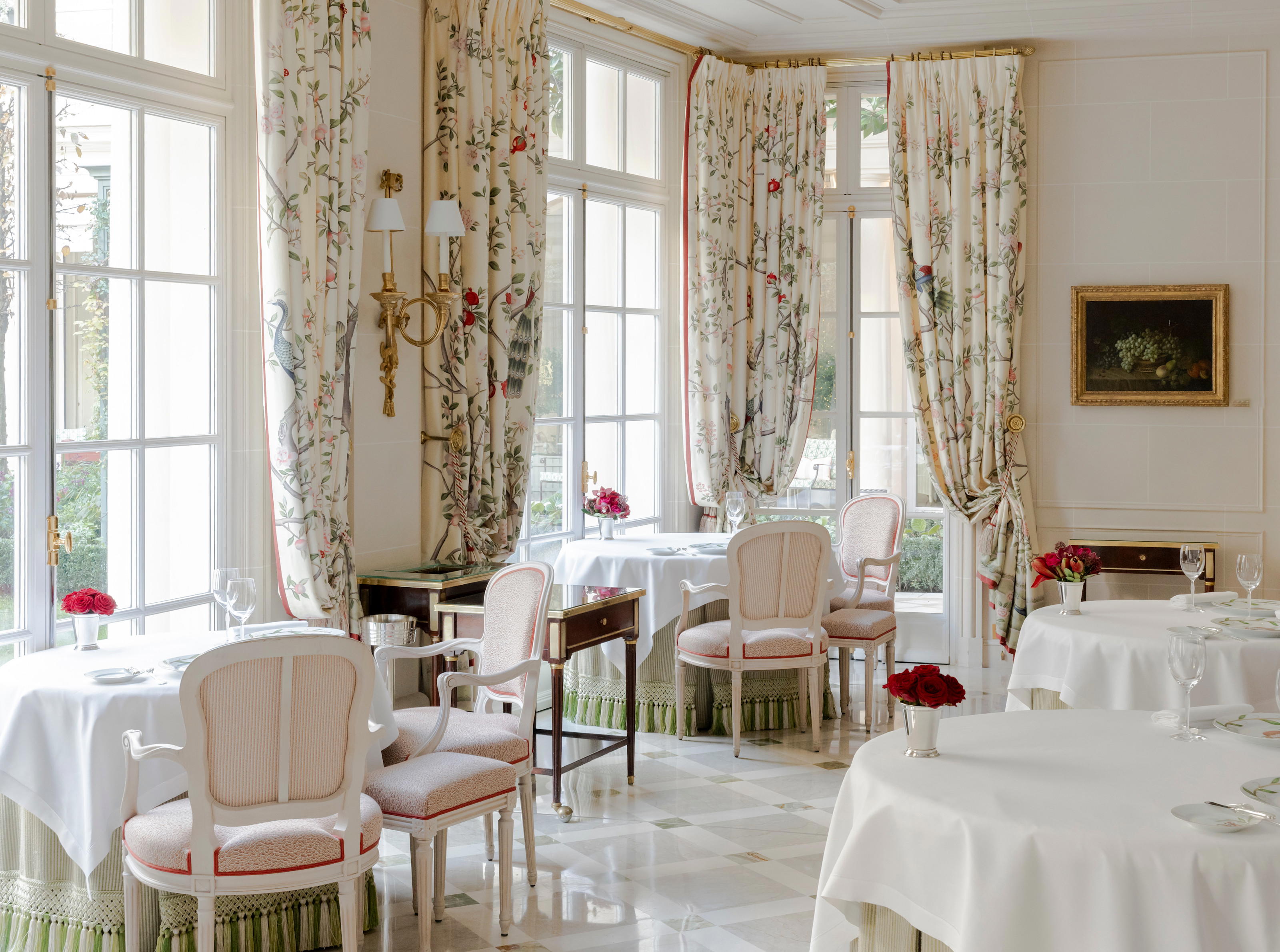
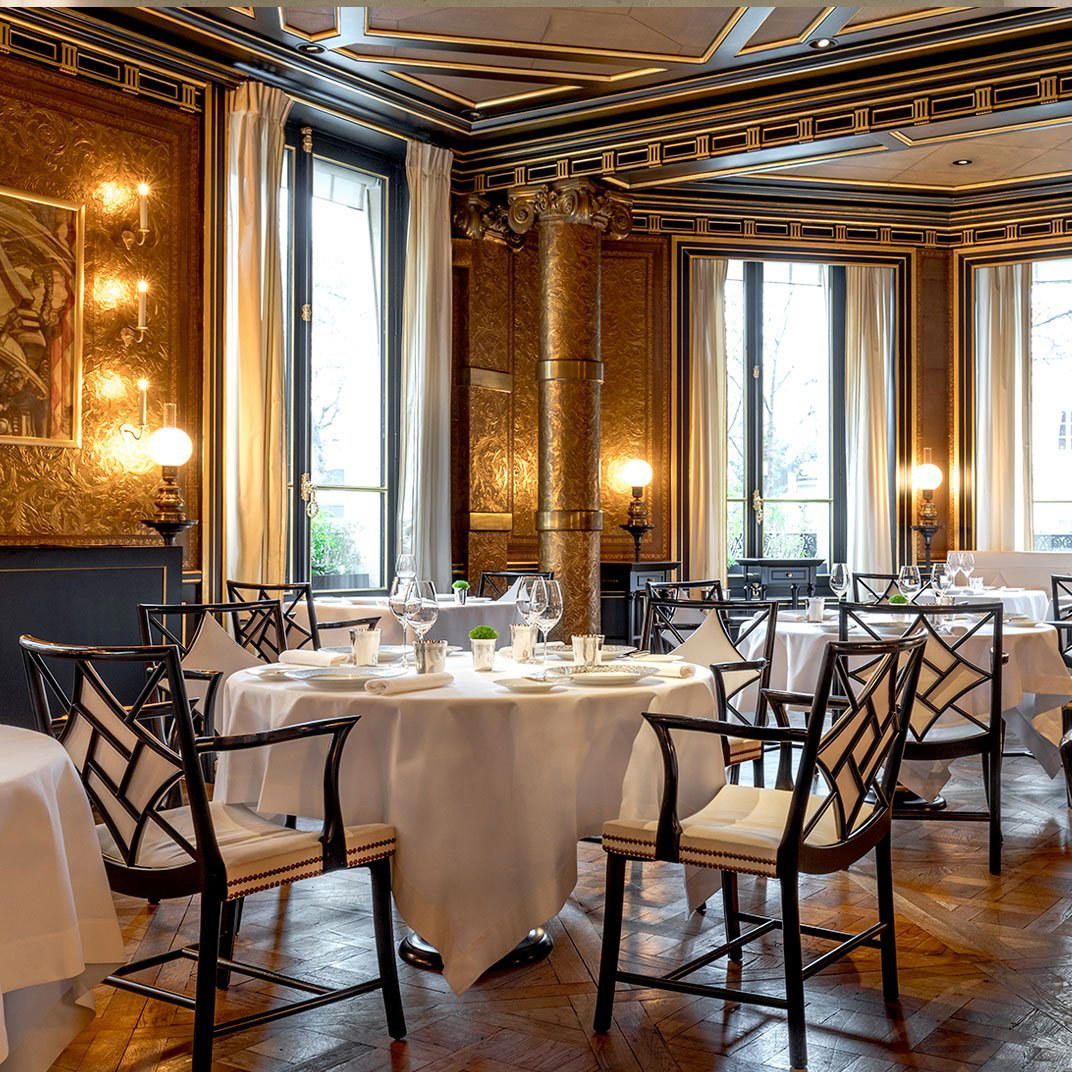
Restaurants in Paris
Browse all →
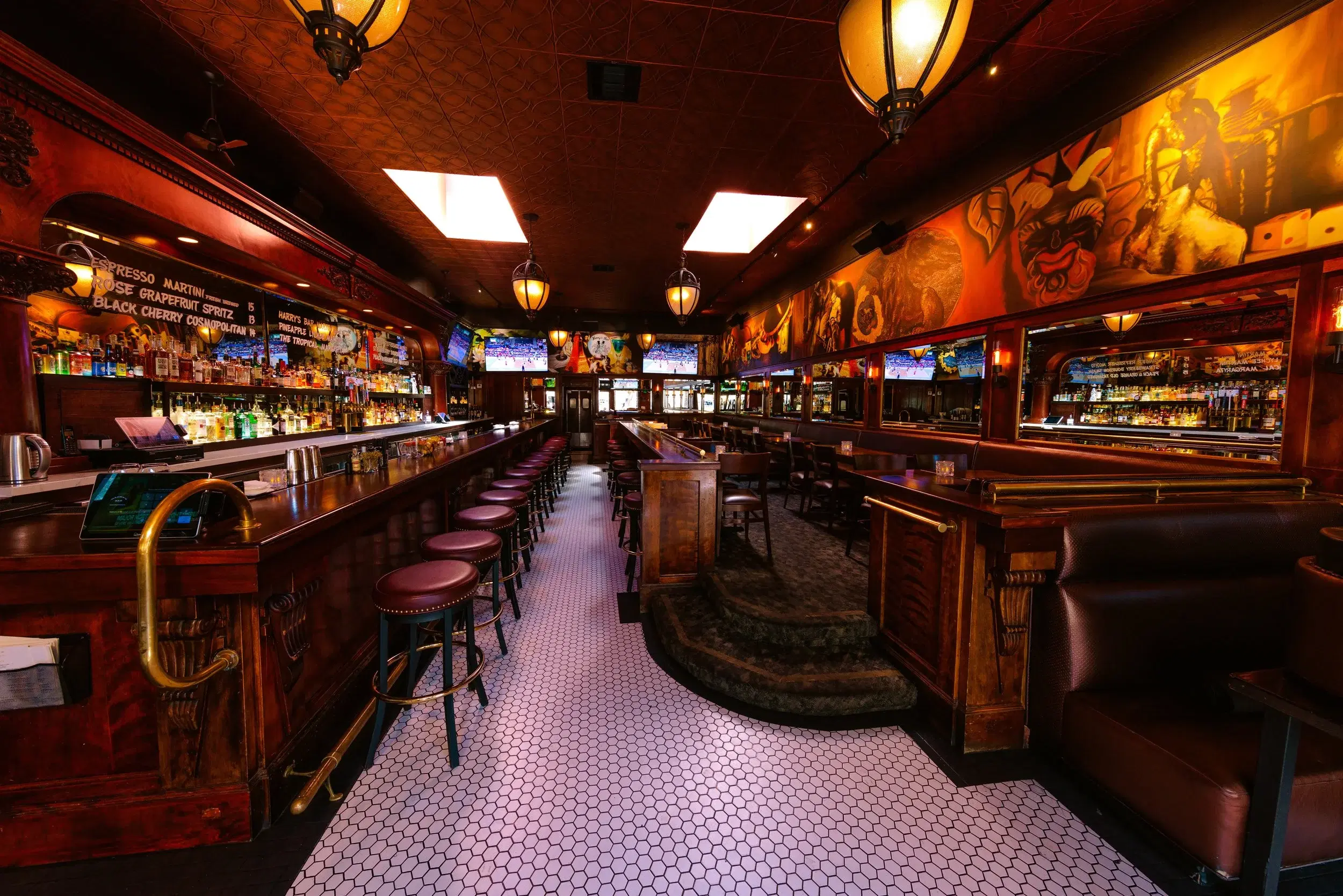
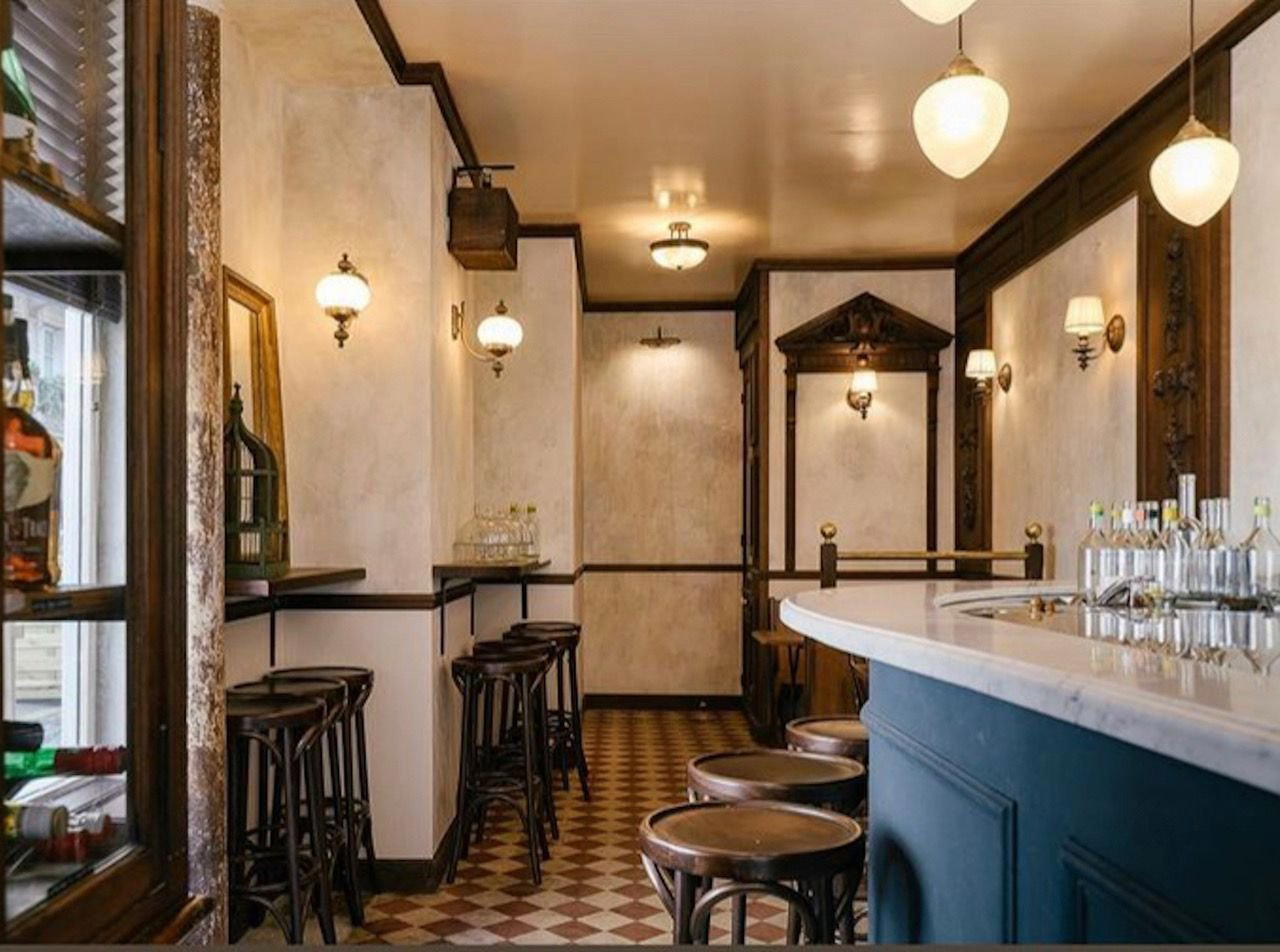
Bars in Paris
Browse all →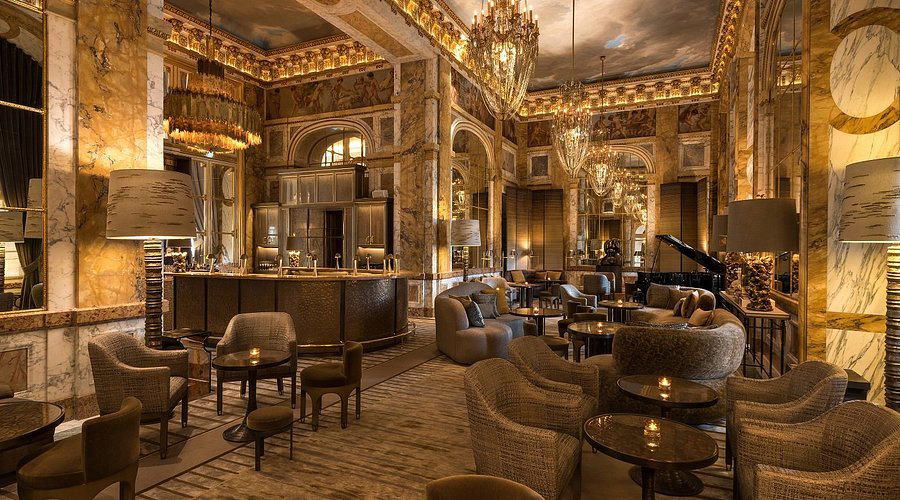
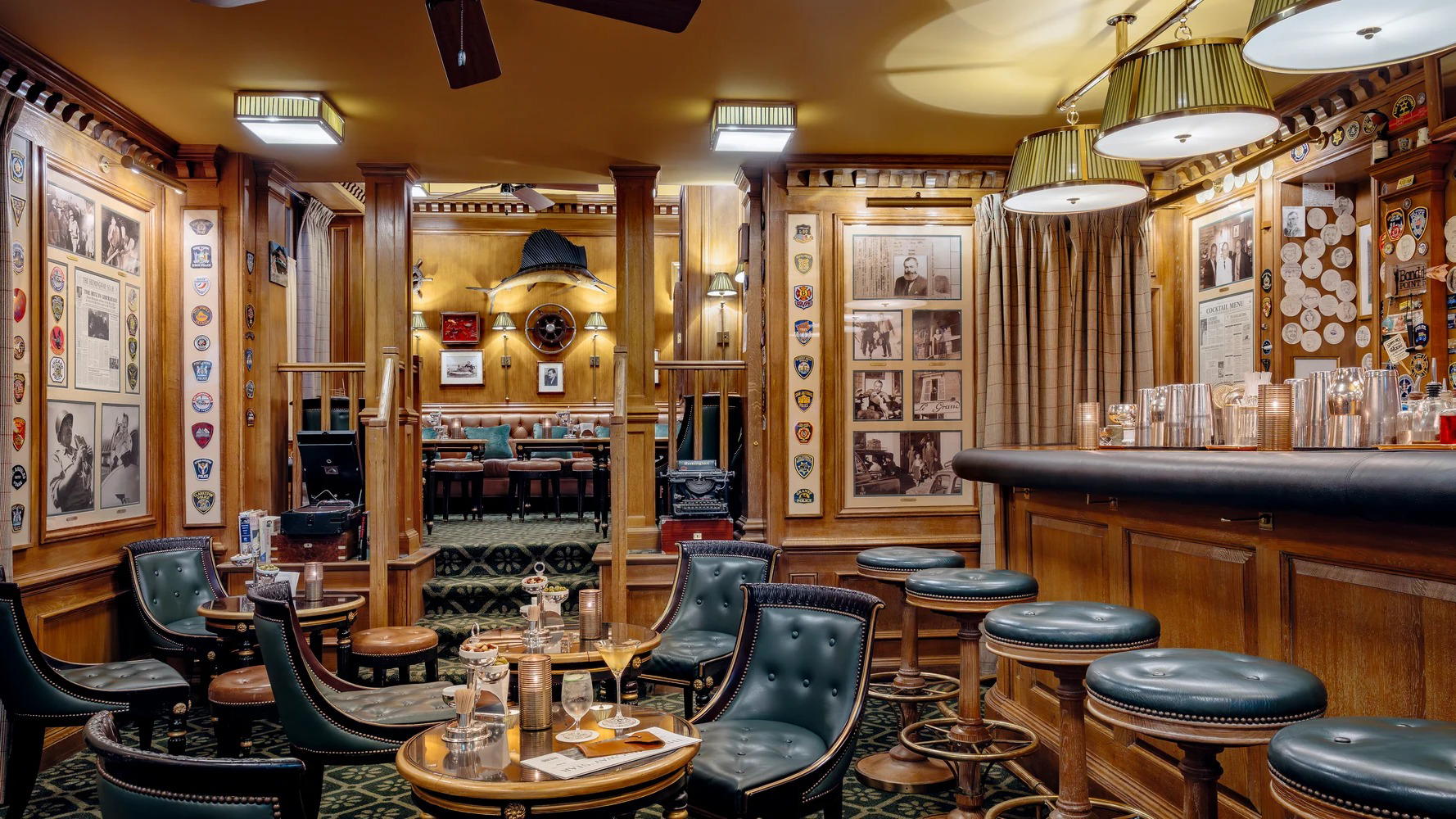
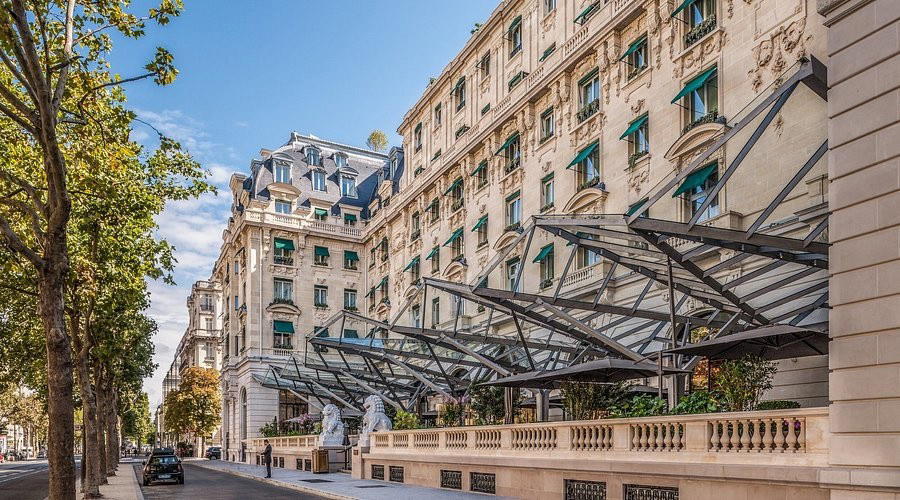
Hotels in Paris
Browse all →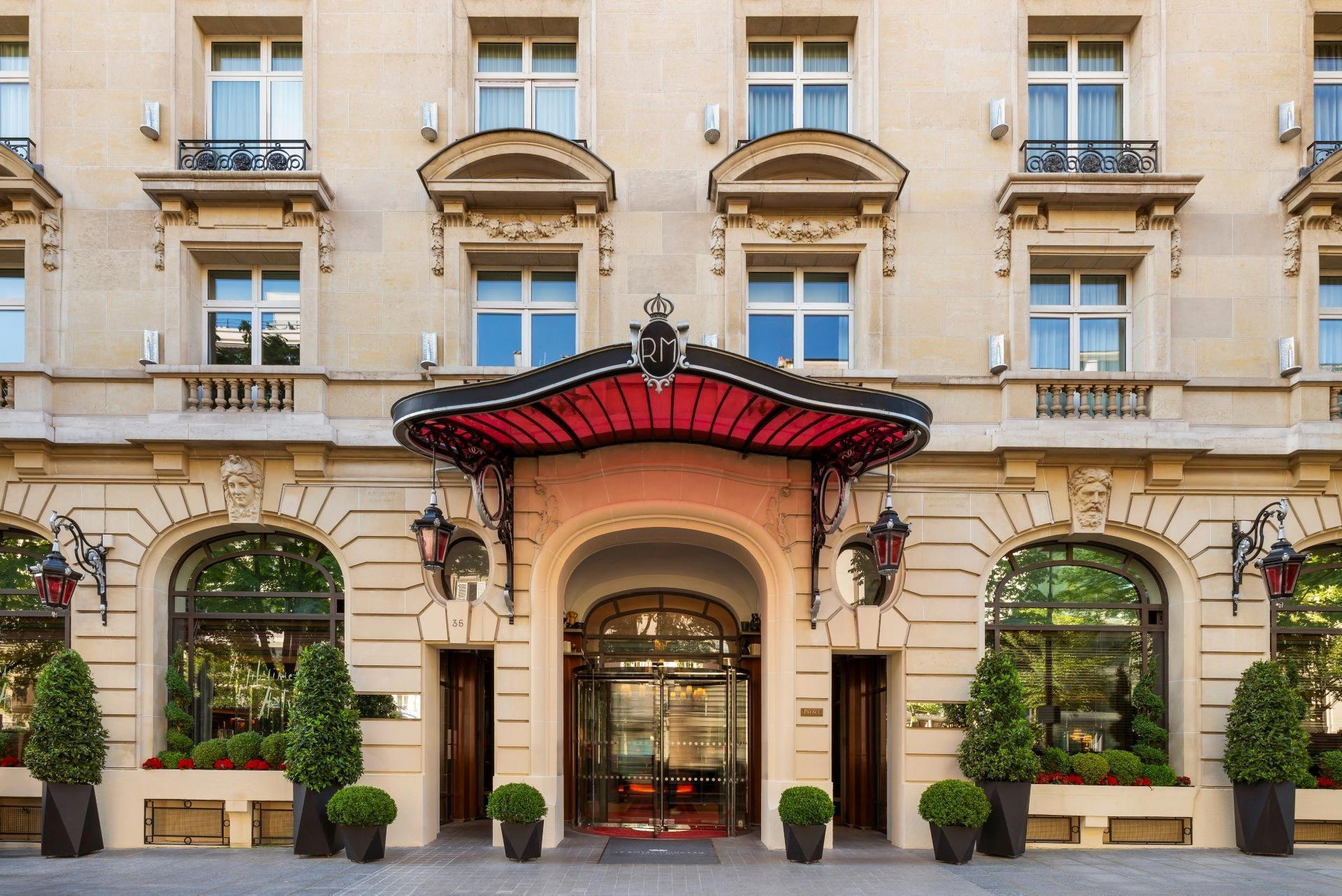



At a Glance
- Cozy
- Trendy
- Casual Hangout
- Terrace
- Natural Wine
Current opening hours
- Monday
- 12–2:15 PM, 7–10 PM
- Tuesday
- 12–2:15 PM, 7–10:30 PM
- Wednesday
- 12–2:15 PM, 7–10:30 PM
- Thursday
- 12–2:15 PM, 7–10:30 PM
- Friday
- 12–2:15 PM, 7–10:30 PM
- Saturday
- 12:30–2:30 PM, 7–10:30 PM
- Sunday
- 12:30–2:30 PM, 7–10 PM
Hours can change for holidays and private events. Last verified .