Status-check profile: Zola at 62 Pass. des Panoramas, 75002 Paris, France has unresolved or unverified current status after a June 21, 2026 audit. Verify directly before planning a visit.
Pearl is the En Primeur Club membership app — saves, bookings, and concierge access live there. Same editors, same standards.
- Address
- 62 Pass. des Panoramas, 75002 Paris, France
- Phone
- +33974641703
- Website
- zola.paris
- Directions
- Get directions
 Saves & bookings on Pearl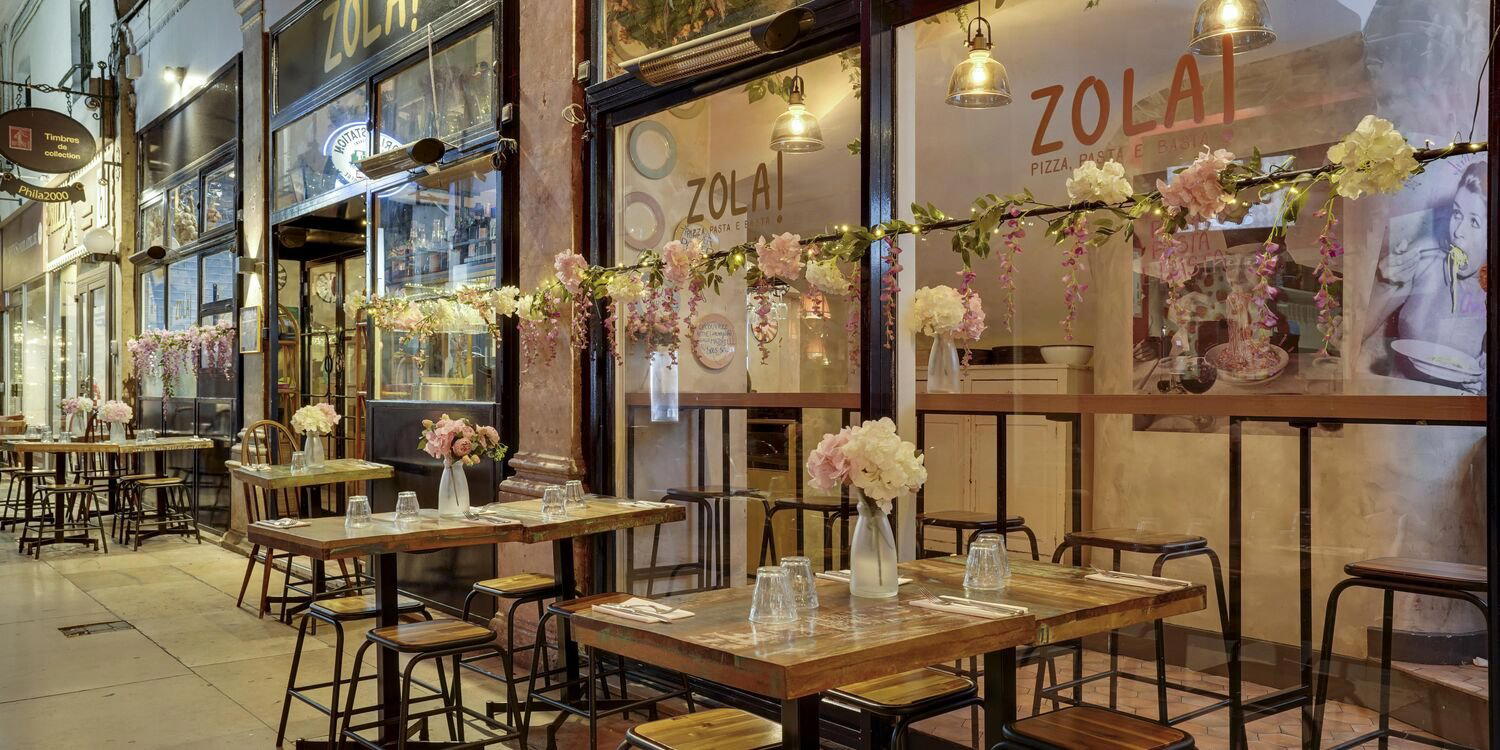
Passage des Panoramas and the Return of Provenance
Passage des Panoramas, the oldest surviving covered arcade in Paris, opened in 1800 and spent the better part of two centuries cycling through printers, stamp dealers, theatre crowds, and forgotten brasseries. The passage's revival as a dining address is one of the more quietly significant stories in the 2nd arrondissement's recent restaurant history. Zola sits inside it at number 62, and the address alone frames a certain expectation: this is not the grand-boulevard French dining of L'Ambroisie or the institution-scale productions at Le Cinq, but something closer to the neighbourhood-anchored, produce-led bistro format that has defined one interesting tier of Paris cooking over the past decade.
That format has its own competitive density now. The Right Bank's 2nd and 3rd arrondissements have accumulated enough sourcing-focused kitchens that provenance has shifted from talking point to baseline expectation. What separates the better addresses in this bracket is not the claim of sourcing but the specificity of it: named producers, seasonal windows treated as genuine constraints rather than marketing, and a menu that visibly changes when the supply does. Zola positions itself within that sharper cohort.
Where the Ingredients Come From, and Why That Shapes the Plate
The ingredient-sourcing movement in French bistro cooking did not arrive in a vacuum. It follows a longer arc that runs from the nouvelle cuisine turn of the 1970s through the farm-to-table consolidation of the 2000s and into the current generation of chefs who trained partly outside France, bringing back frameworks from Nordic and Basque kitchens that treat supply chains as editorial decisions. Restaurants like Mirazur in Menton and Bras in Laguiole made terroir-specificity central to their identity years before it became common in Paris neighbourhood dining. What has changed is the democratisation of that approach: the logic that once required a destination restaurant in the Aveyron or on the Riviera is now present in a covered passage in the 2nd.
The practical consequence for a kitchen like Zola's is that the menu reflects the market rather than the other way around. Dishes built around sourced ingredients from specific regions of France arrive and disappear with the producer's season, which means a February visit and a May visit can yield substantially different plates. That is a different rhythm from the fixed-format tasting menus at Alléno Paris au Pavillon Ledoyen or the precision-engineered à la carte at Kei, and it creates a different kind of value proposition: the interest is in the produce itself, and the cooking exists to frame it rather than to transform it beyond recognition.
This approach aligns Zola with a comparable set that includes particularly intellectually serious kitchens in provincial France. Troisgros in Ouches has long treated its surrounding Loire producers as co-authors of the menu. Auberge du Vieux Puits in Fontjoncouse built its identity almost entirely on hyper-local Corbières sourcing. What Zola does is bring a version of that thinking into a dense urban address where the producer is always physically distant but the traceability is kept close.
The Passage as Context
Eating in Passage des Panoramas carries a specific atmospheric weight that is worth accounting for before you book. The arcade's nineteenth-century glass roof filters afternoon light into something diffuse and slightly theatrical. The stone floors and narrow shopfronts that line the passage outside have been there long enough that they feel structural rather than decorative. Dining here is not the same experience as a terrace on the Île Saint-Louis or a basement room in Saint-Germain. The covered-gallery format puts you inside a piece of Paris urban history that most tourists pass through quickly on the way to somewhere else, which gives the meal a sense of occasion that has nothing to do with formality.
For comparison, the covered passages of the Right Bank represent one of the few remaining spatial formats in Paris that predate Haussmann's 1850s reconstruction of the city. The Galerie Vivienne, the Galerie Colbert, and the Passage des Panoramas are the survivors of a format that once numbered in the dozens. Dining in one of them is a specific kind of Paris experience that the grand hotel dining rooms and the Michelin-stage restaurants in the 7th and 8th arrondissements cannot replicate.
Zola in the Wider French Dining Conversation
France's most decorated kitchens remain concentrated outside Paris as often as inside it. Flocons de Sel in Megève, Assiette Champenoise in Reims, and Au Crocodile in Strasbourg each operate in cities where the restaurant is often the primary draw. Paris operates differently: there are enough serious kitchens at every price point that the field is crowded, and a sourcing-focused bistro in the 2nd earns its place through consistency and editorial conviction rather than through spectacle or star-chasing. Paul Bocuse's auberge in Collonges-au-Mont-d'Or and Auberge de l'Ill in Illhaeusern represent a different generational argument about what French cooking should be. Zola represents a more recent one.
For Paris visitors whose dining frame of reference extends to New York, the comparison is instructive. Le Bernardin and Atomix both operate with rigorous ingredient programs, but in a format and at a price point that places them in a different register. AM par Alexandre Mazzia in Marseille offers the closer French analogue in ambition, though its three-star context is a different conversation. Zola occupies the space between those poles: serious about sourcing, accessible in format, and rooted in a specific Paris address that gives it a character no amount of produce alone can manufacture.
The Arpège model of garden-to-table cooking, which Alain Passard made central to his identity in the early 2000s, cast a long shadow over how Paris kitchens think about vegetables and primary ingredients. Zola's generation inherits that framework at bistro scale, which is where most diners actually encounter it.
Planning Your Visit
Standing Among Peers
Comparable venues nearby, for context on price, style, and recognition.
| Venue | Cuisine | Price | Notes |
|---|---|---|---|
| ZolaThis venue — the venue you are viewing | Italian Trattoria & Pizza | $$ | Not listed |
| Bianca | Authentic Italian Trattoria | $$ | Vivienne |
| Le Cherche Midi | Authentic Italian Trattoria | $$ | Notre-Dame-des-Champs |
| PICCOLA TOSCANA | Authentic Southern Italian Trattoria | $$ | 9th Arrondissement (Opéra) |
| Il Cuoco Galante | Modern Italian Trattoria | $$ | 9th Arr. |
| Anima | Neapolitan Pizza Trattoria | $$ | Notre-Dame-des-Champs |

At a Glance
- Cozy
- Rustic
- Classic
- Casual Hangout
- Group Dining
- Date Night
- Historic Building
- Standalone
- Beer Program
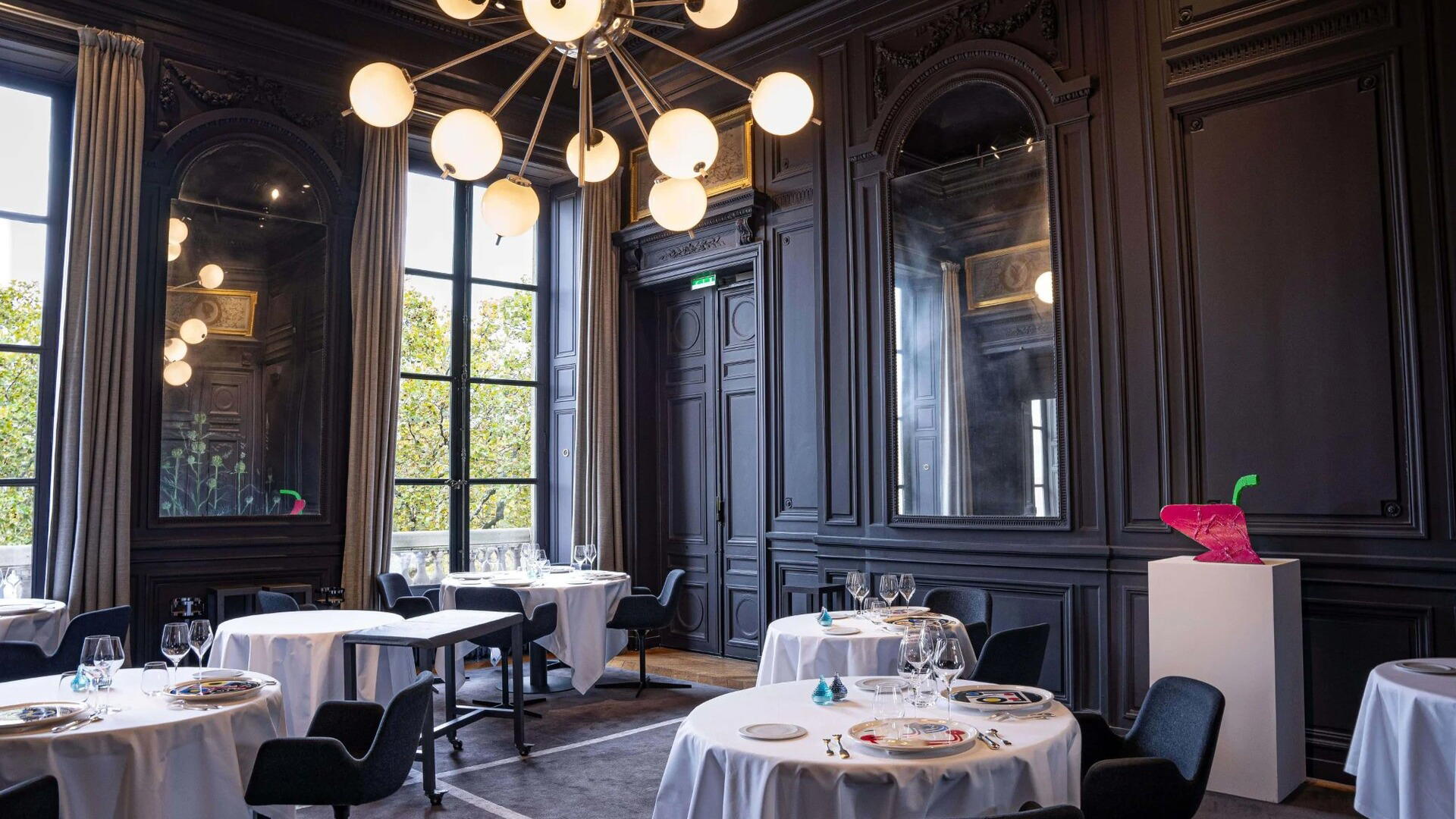
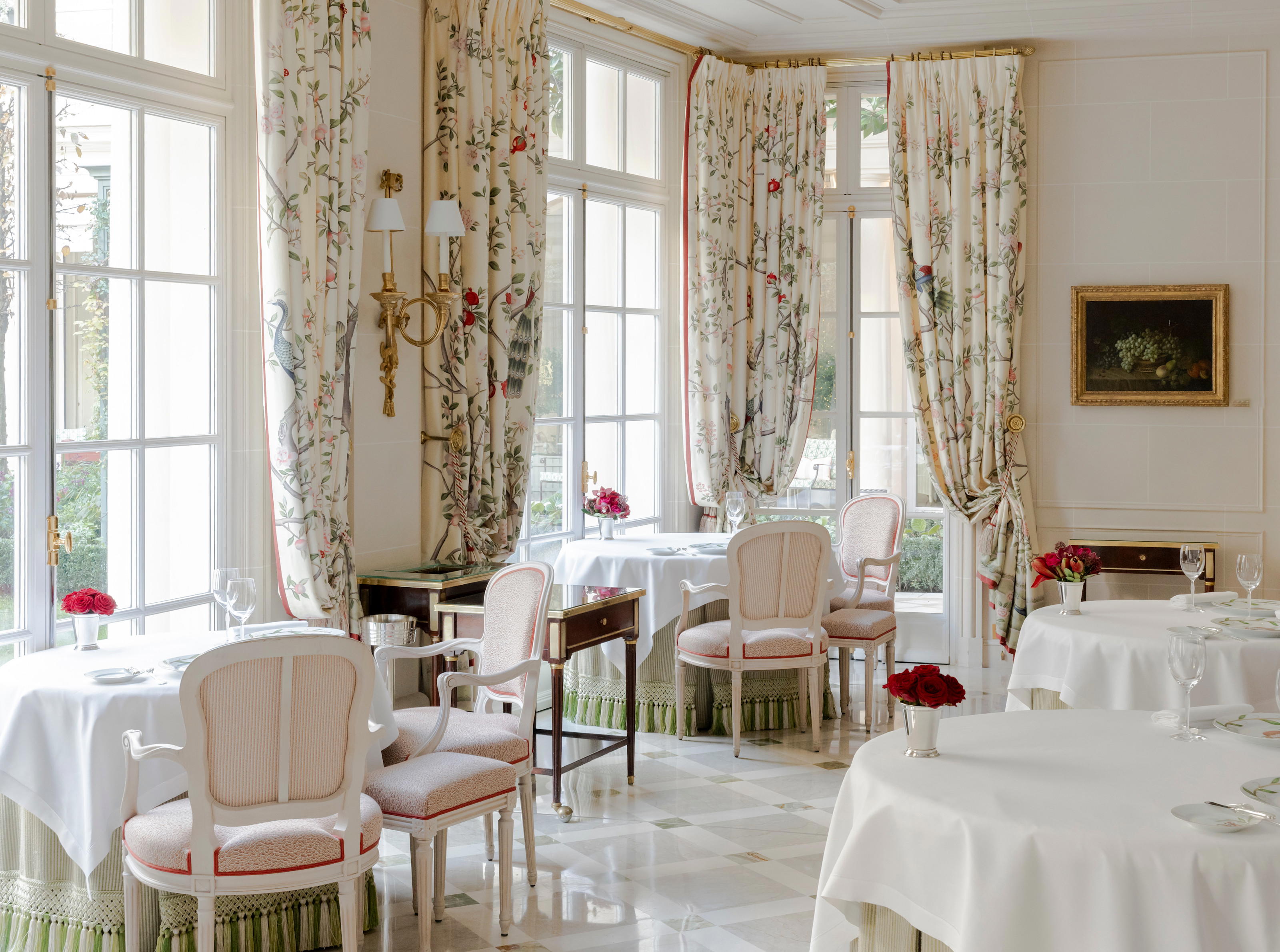
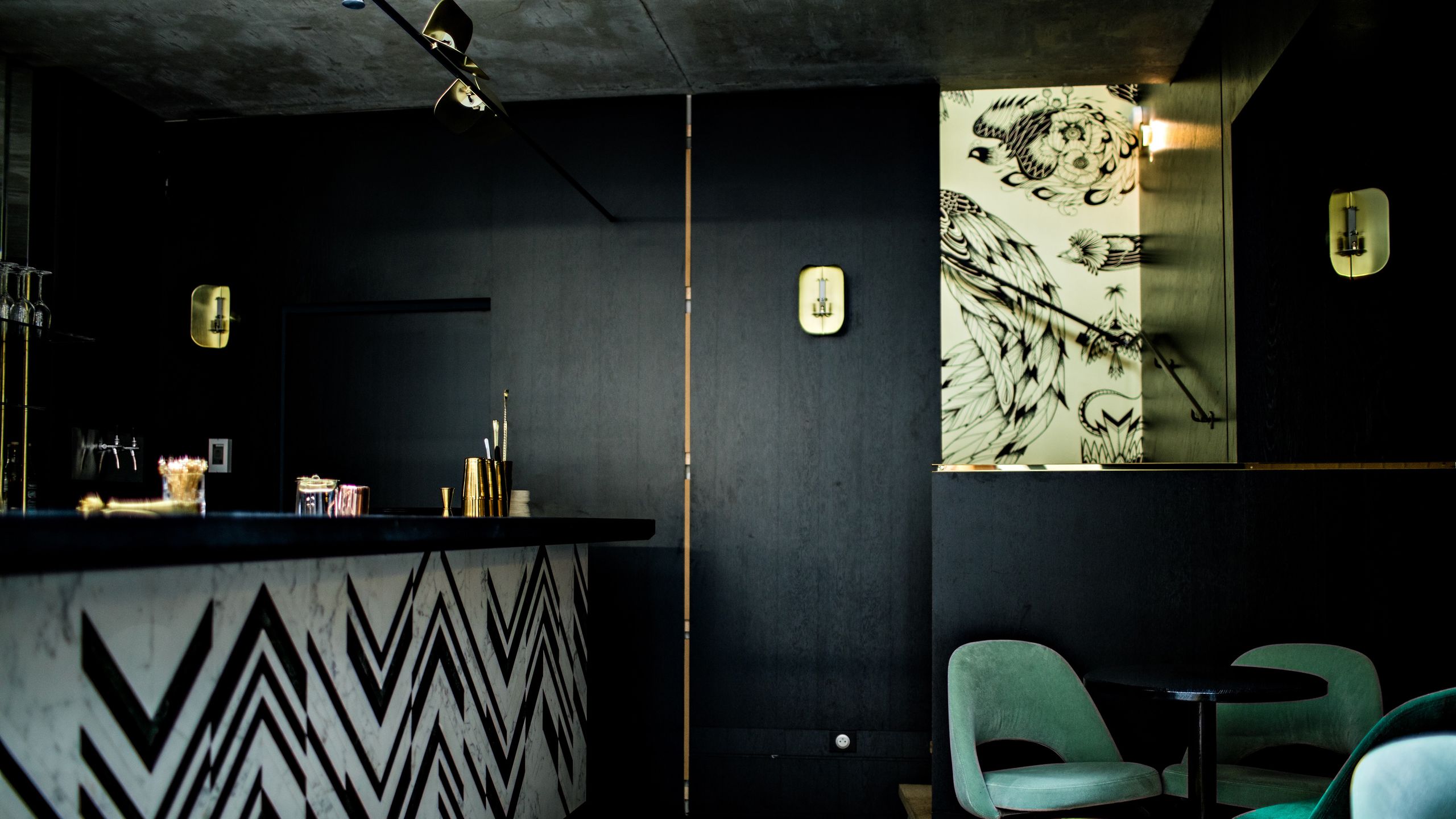
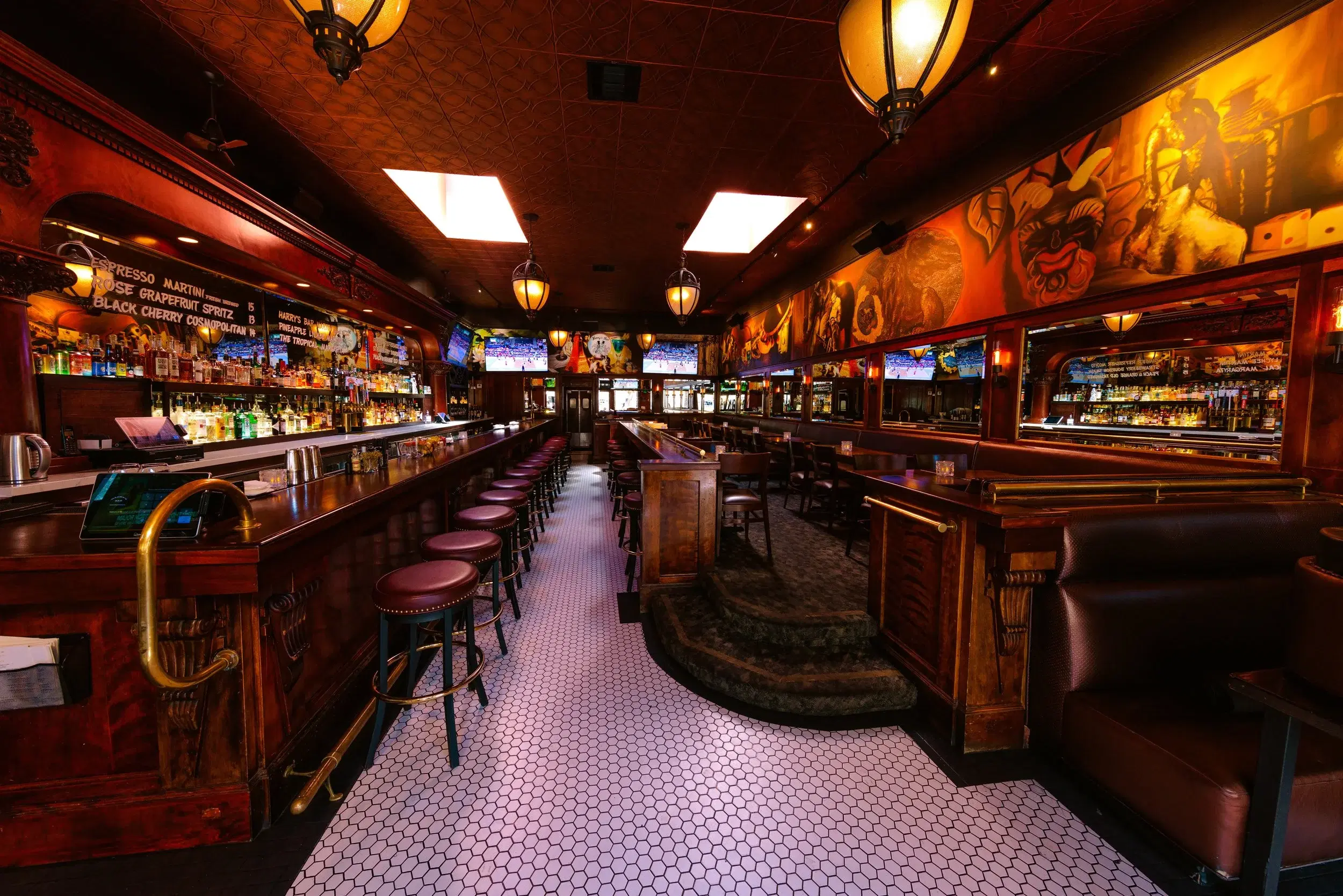
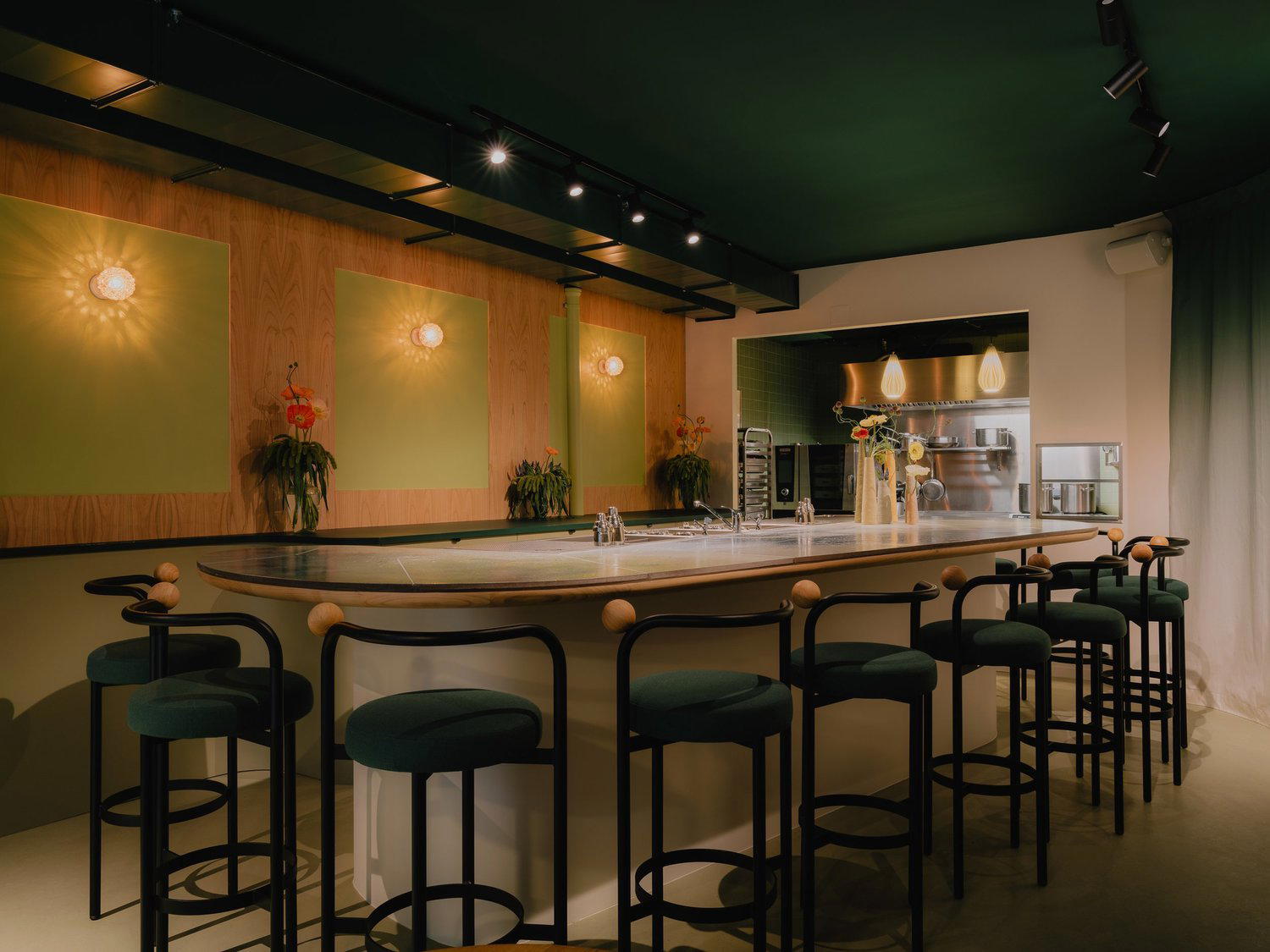
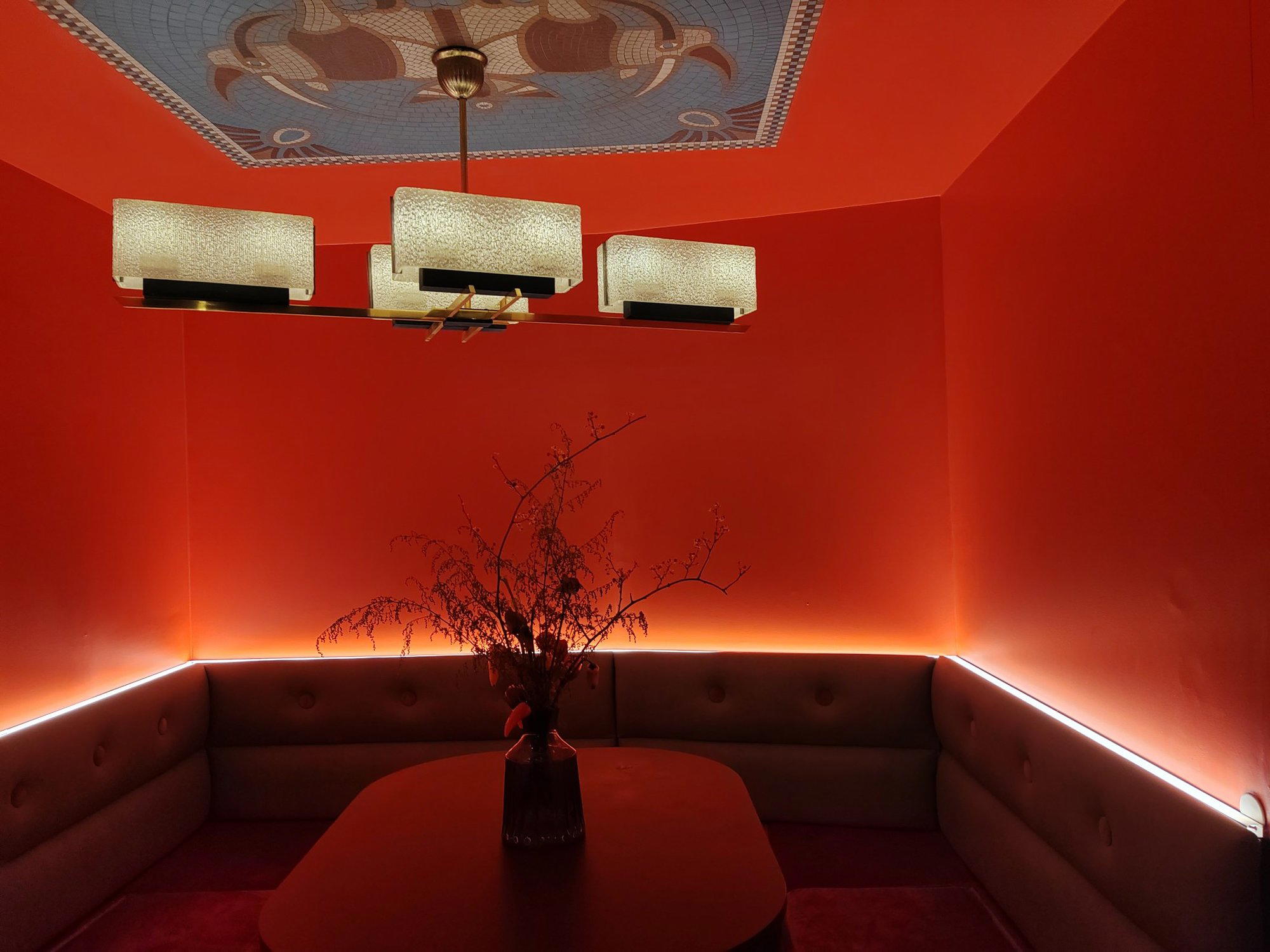
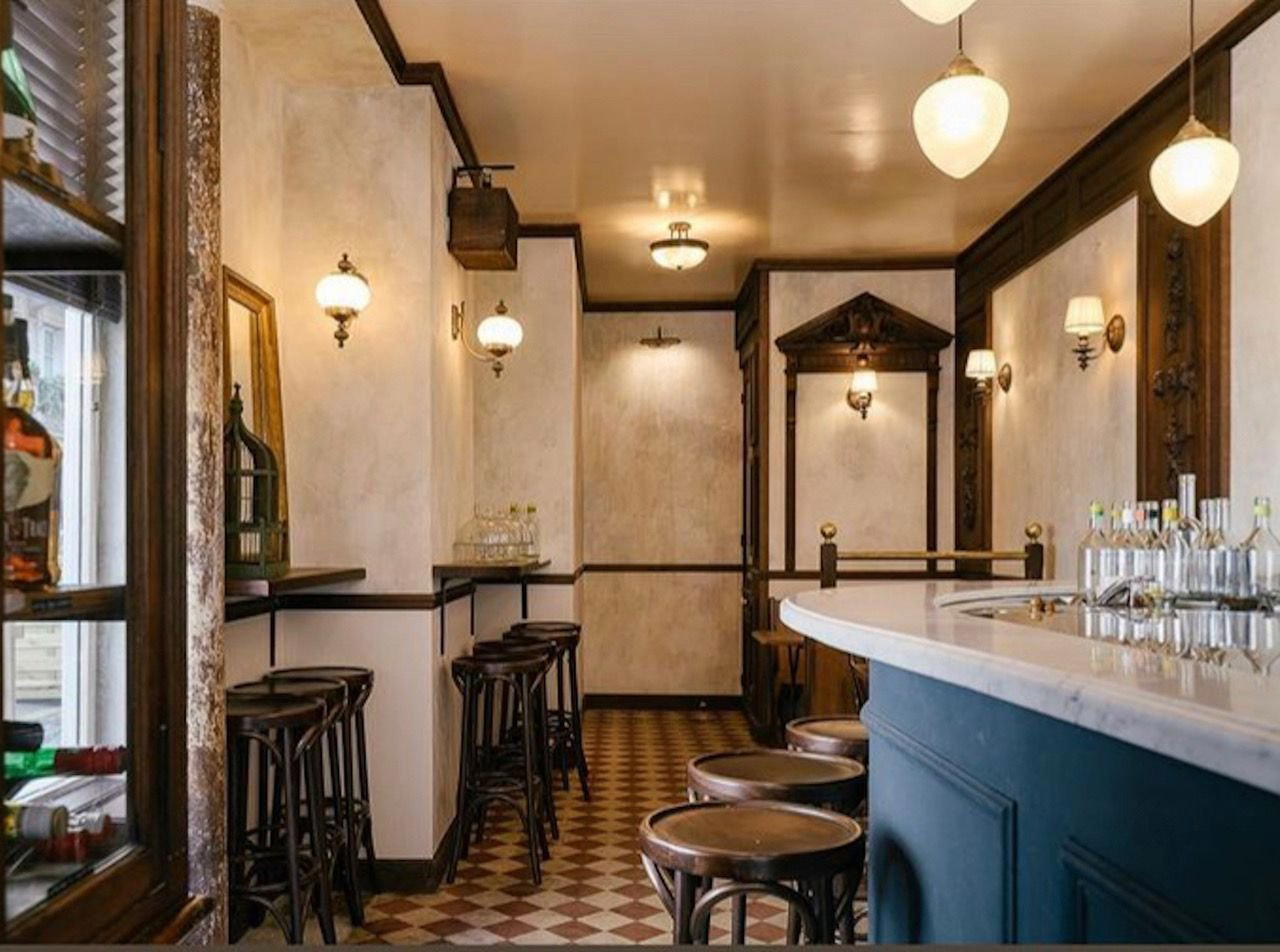
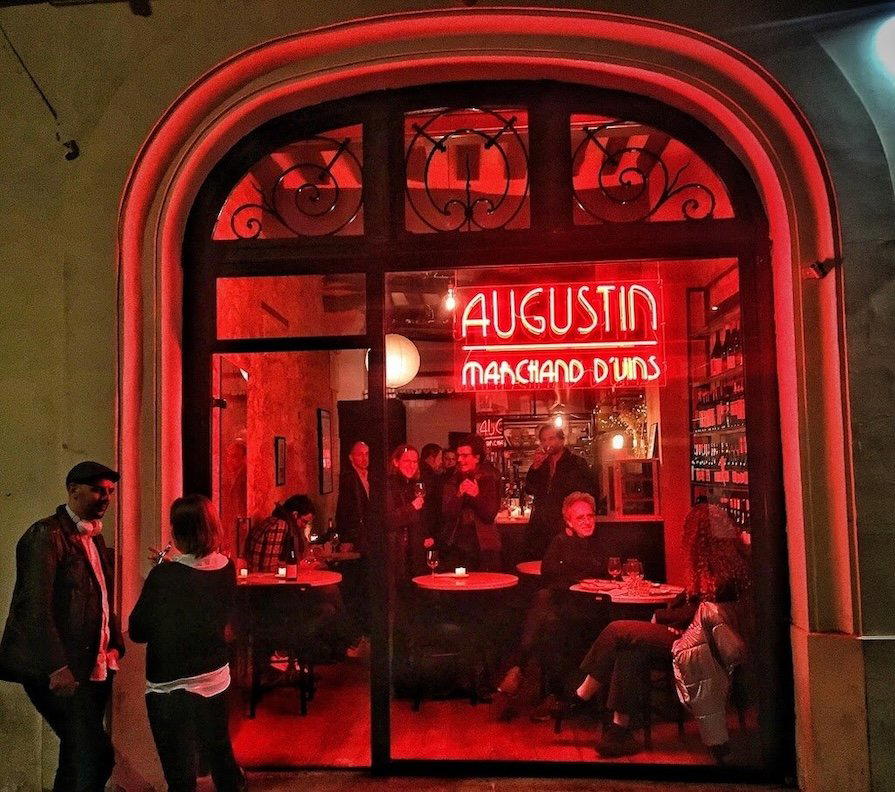
Casual, unpretentious trattoria setting with well-designed interior in a charming covered arcade passage.