On a stretch of the 10th arrondissement where the Faubourg Poissonnière corridor connects working-class Paris to its more design-conscious north, Latte Cisternino occupies a specific neighbourhood niche. The regulars here return not for spectacle but for consistency — a quality that, in a city of restless reinvention, carries its own weight. A reference point for the area's dining character.
Pearl is the En Primeur Club membership app — saves, bookings, and concierge access live there. Same editors, same standards.
- Address
- 46 Rue du Faubourg Poissonnière, 75010 Paris, France
- Phone
- +33 1 47 70 30 36
- Directions
- Get directions
 Saves & bookings on Pearl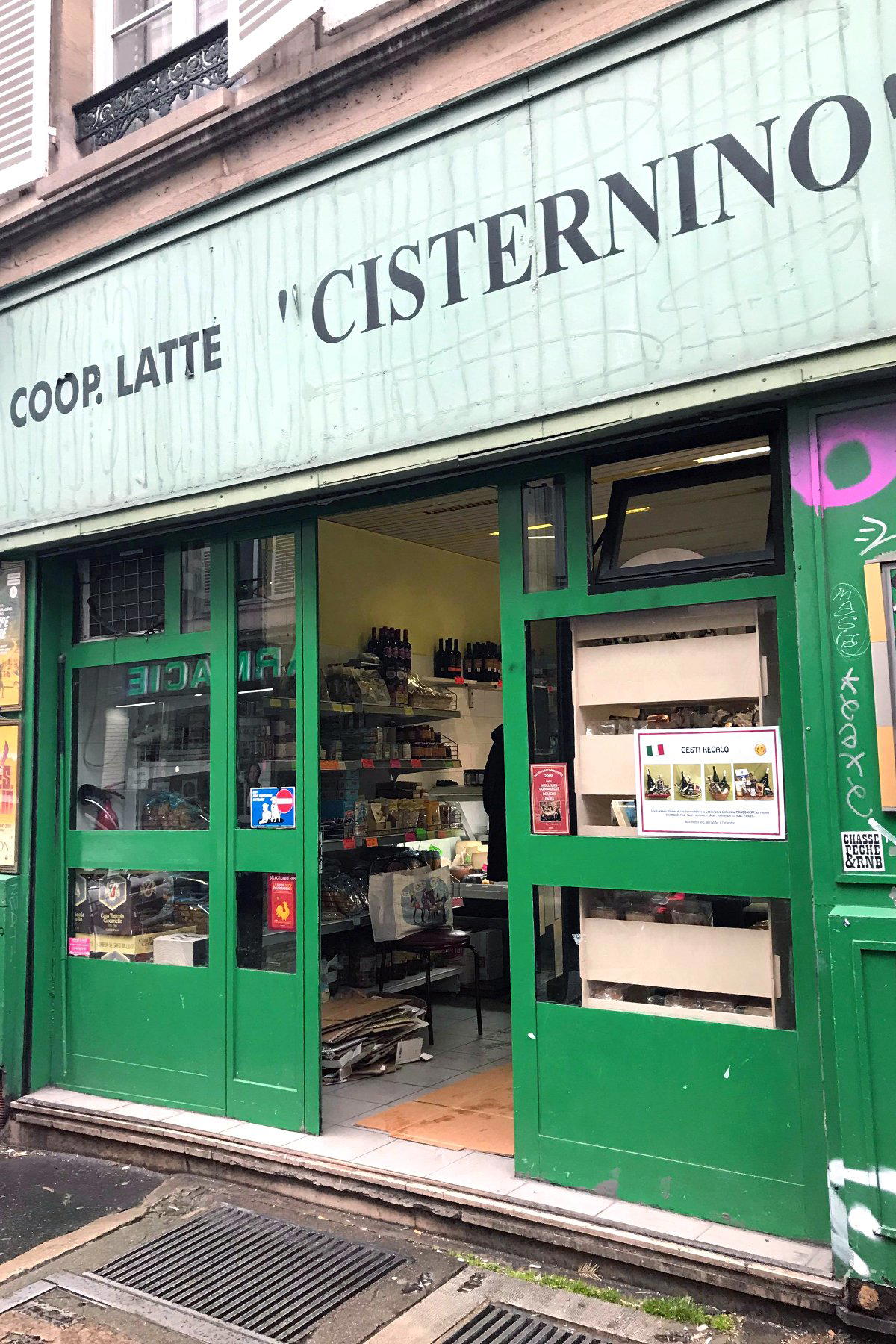
What the 10th Arrondissement Asks of Its Restaurants
The stretch of Rue du Faubourg Poissonnière running through the 10th arrondissement has quietly become one of the more telling corridors in Paris for understanding how the city's mid-tier dining culture actually works. This is not the Paris of destination tasting menus at Alléno Paris au Pavillon Ledoyen or the formal grandeur of L'Ambroisie. It is a neighbourhood where restaurants earn loyalty through repetition rather than occasion, where a table becomes a regular's table through accumulated visits rather than a single transcendent night. Latte Cisternino sits at number 46 on that street, operating within that social contract.
The 10th has shifted considerably over the past decade. What was once a passage district — transit rather than destination — has developed a residential dining culture with genuine staying power. Venues here compete less on prestige signals and more on the ability to anchor a neighbourhood habit. That shift places real pressure on consistency, on the kind of cooking and service that holds up on a Tuesday in November as well as a Friday in June.
The Character of the Room
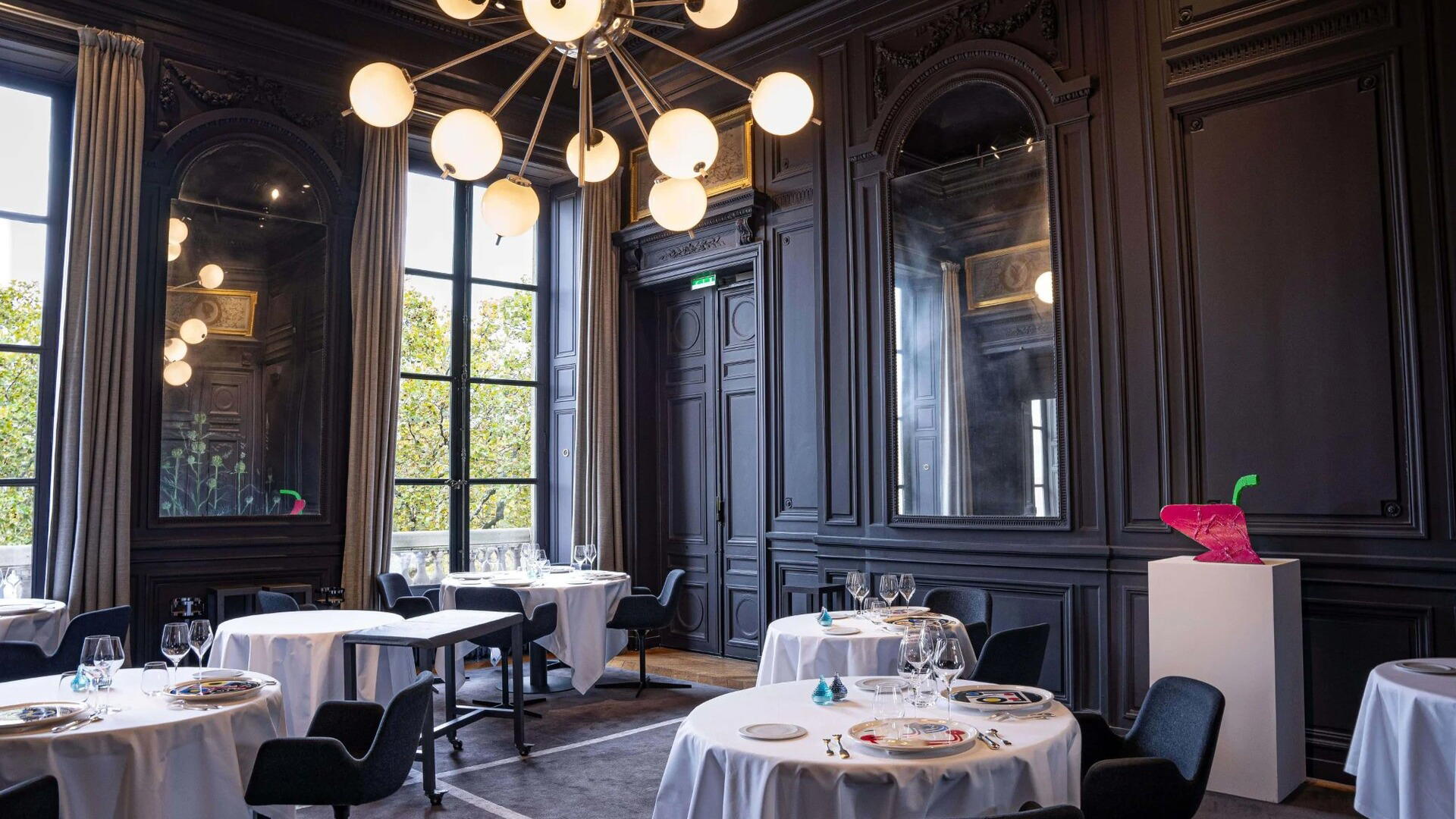
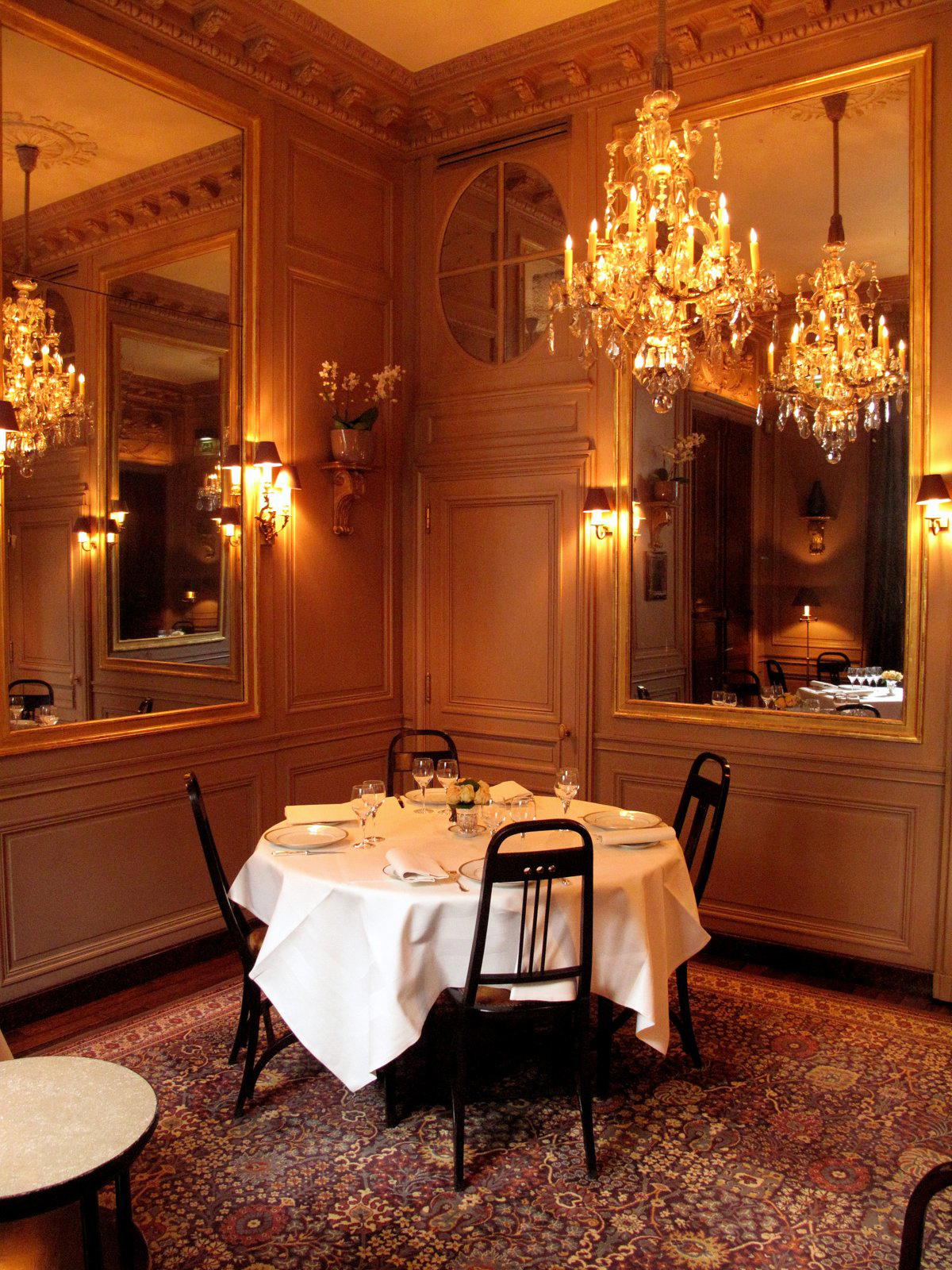
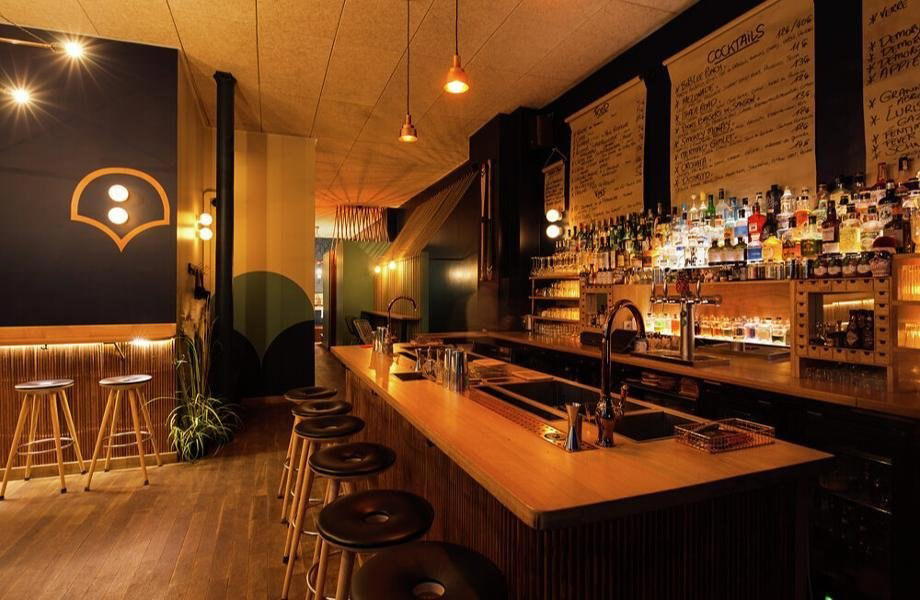
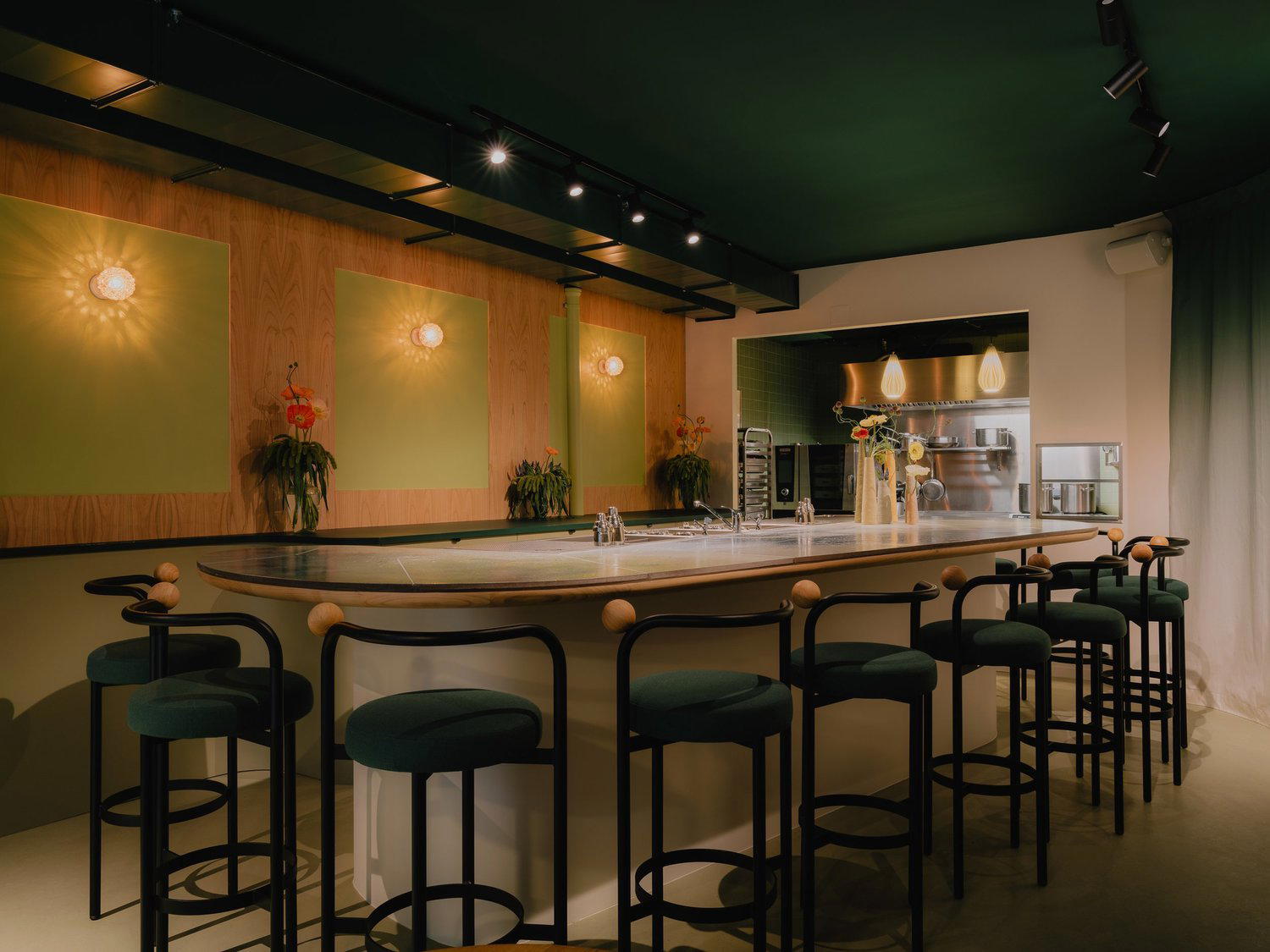
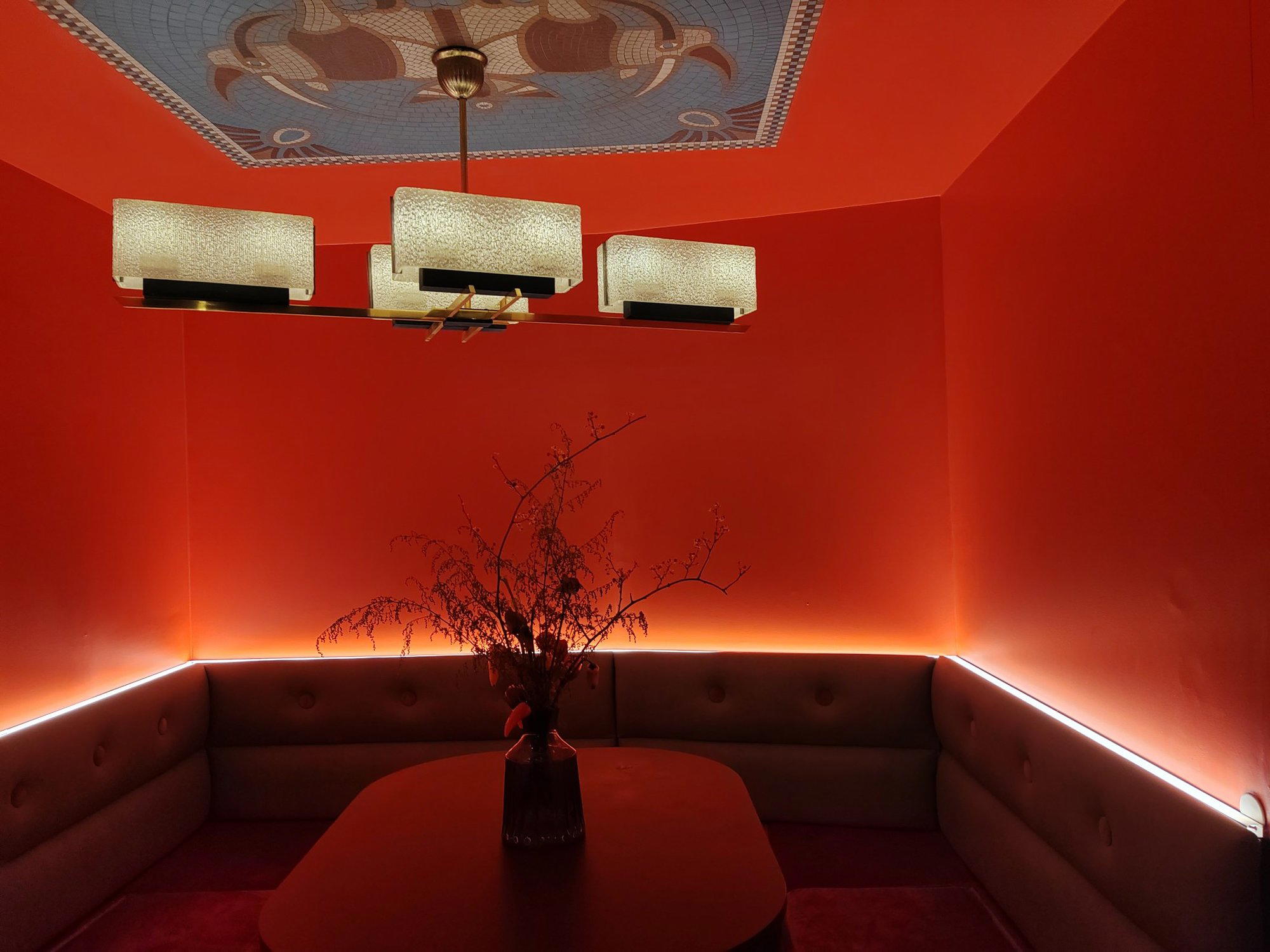
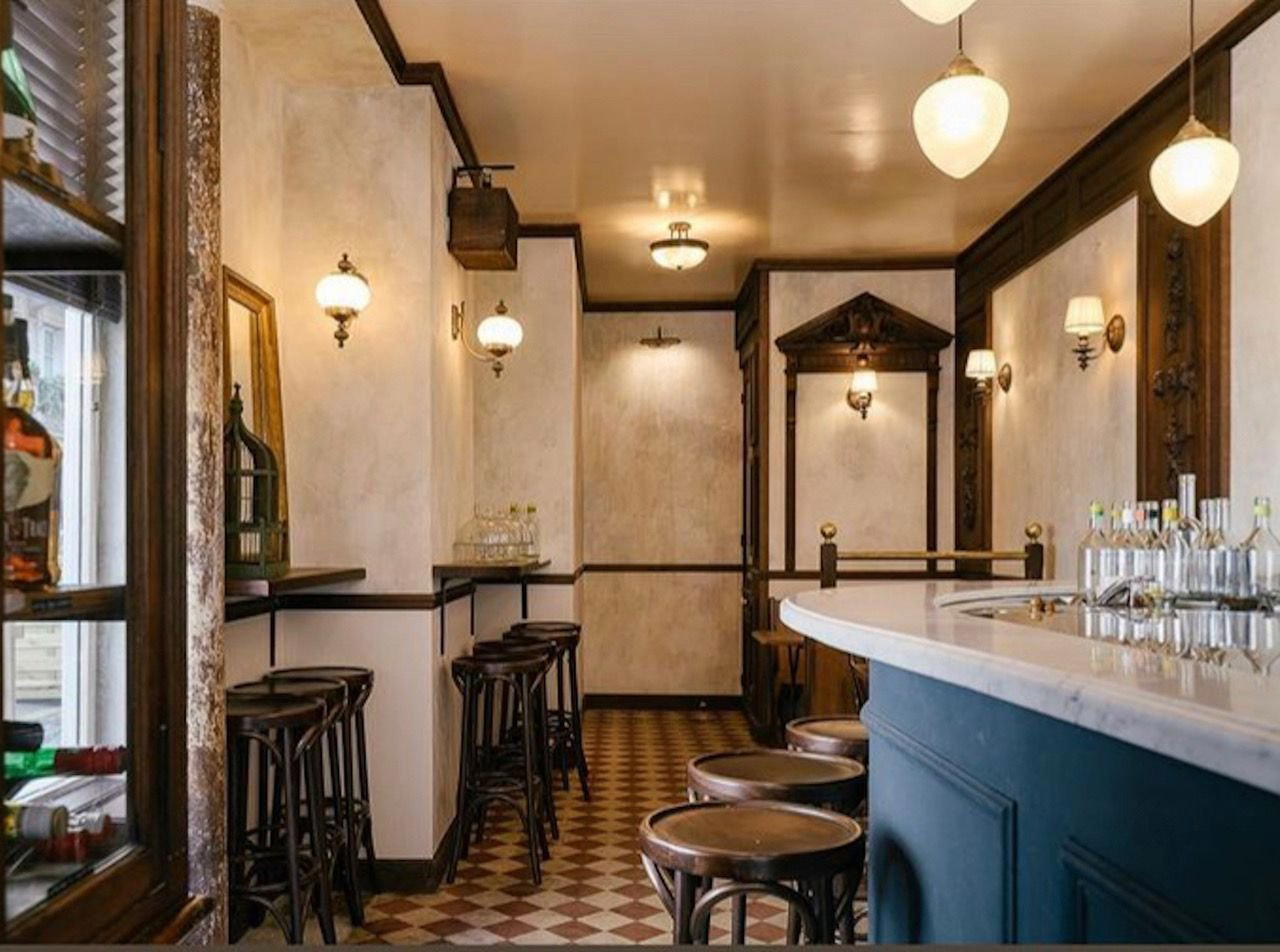
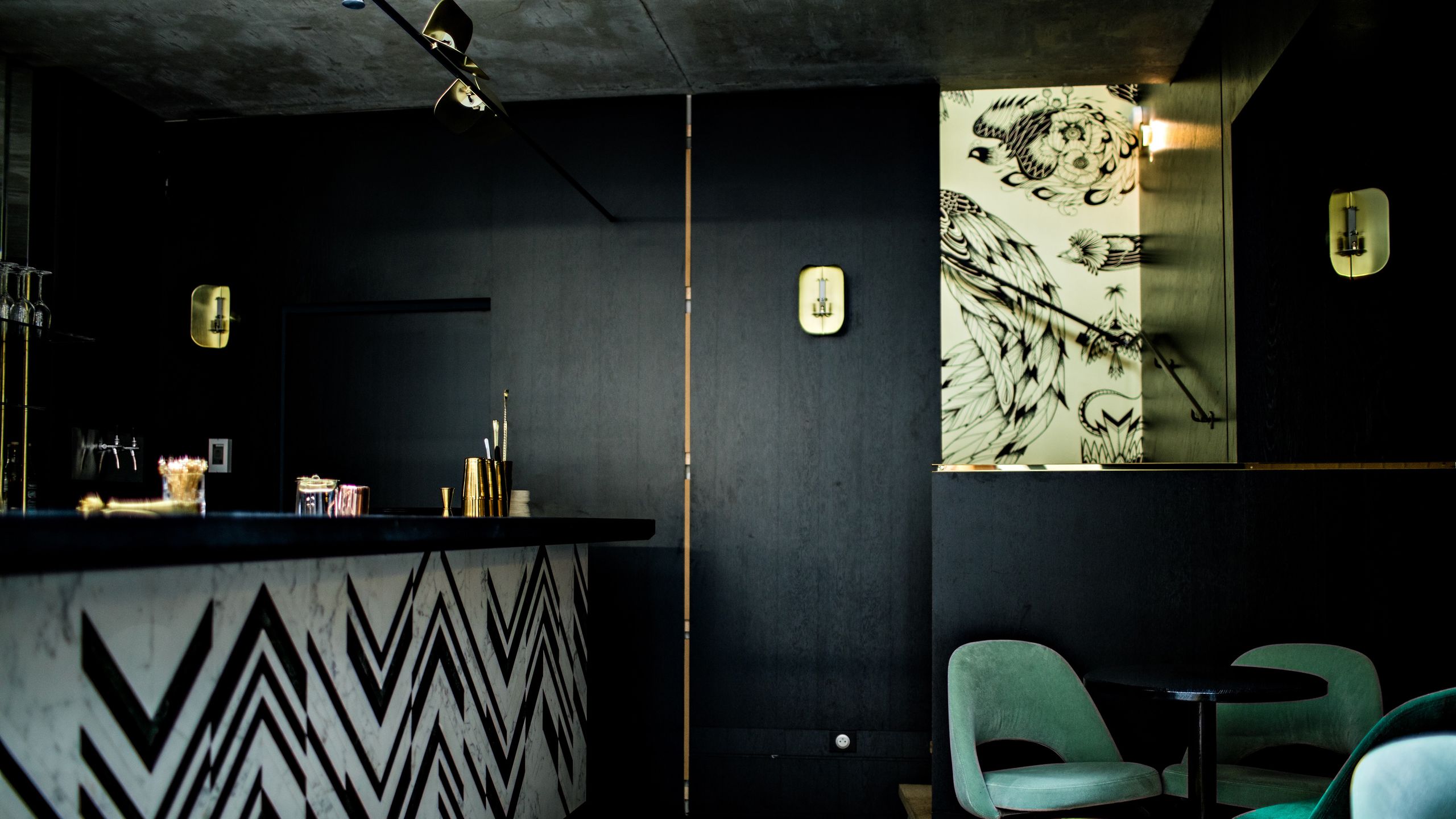
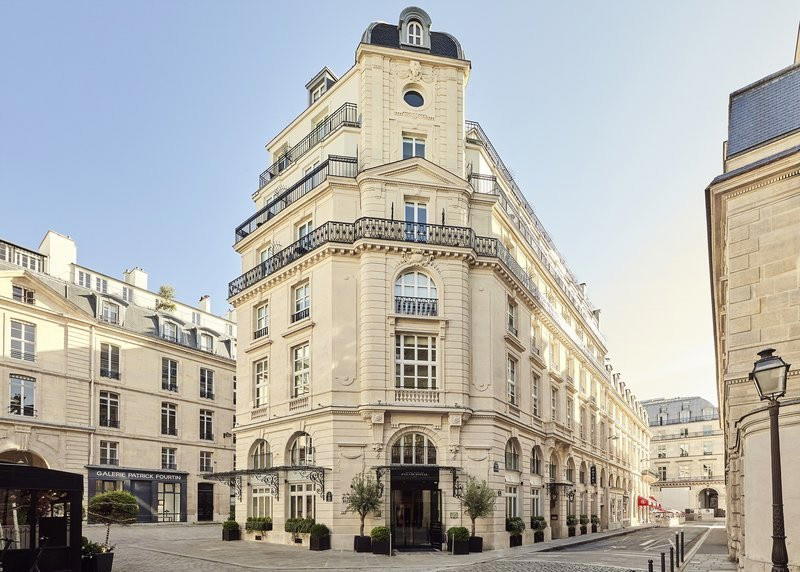
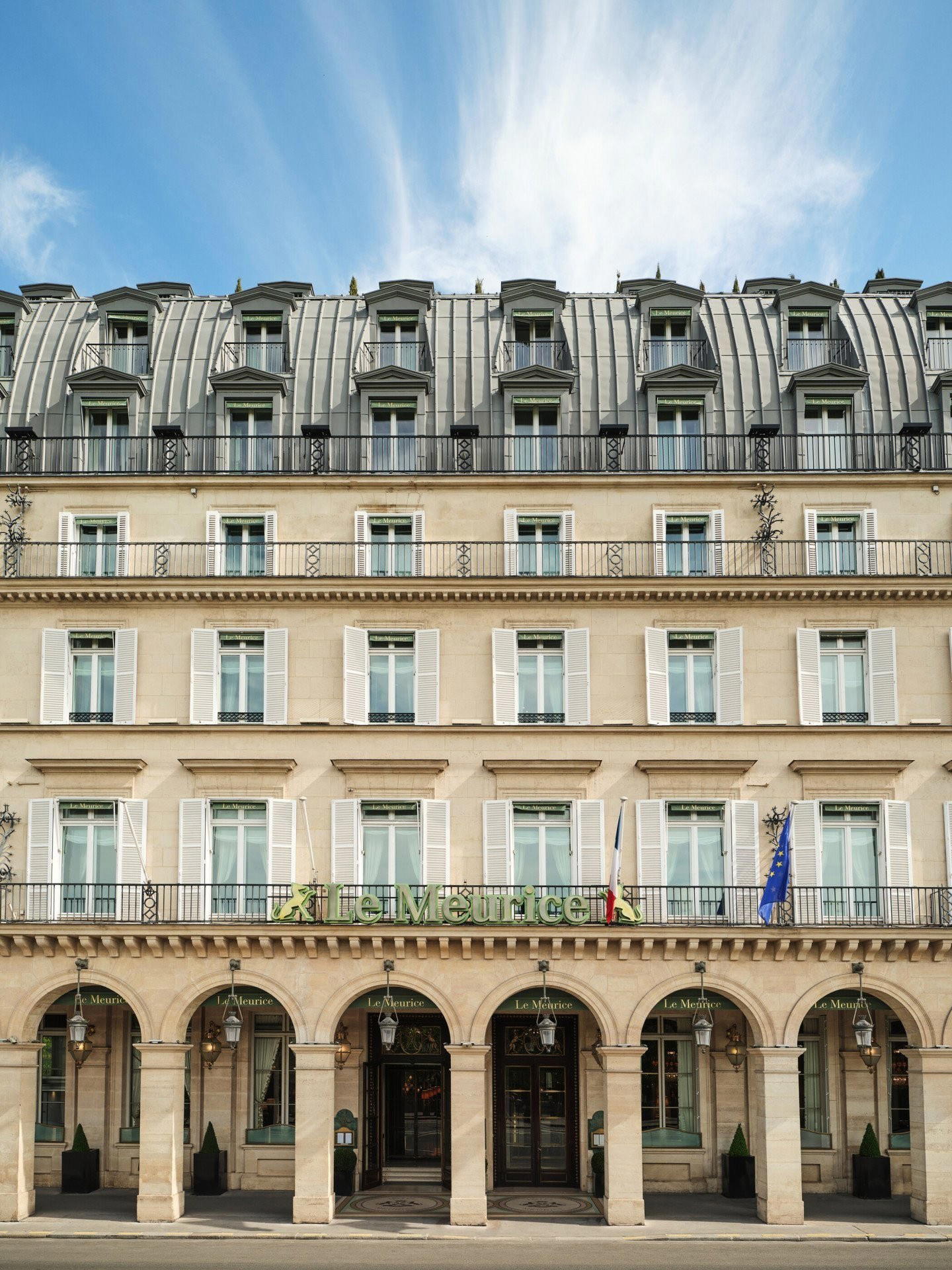
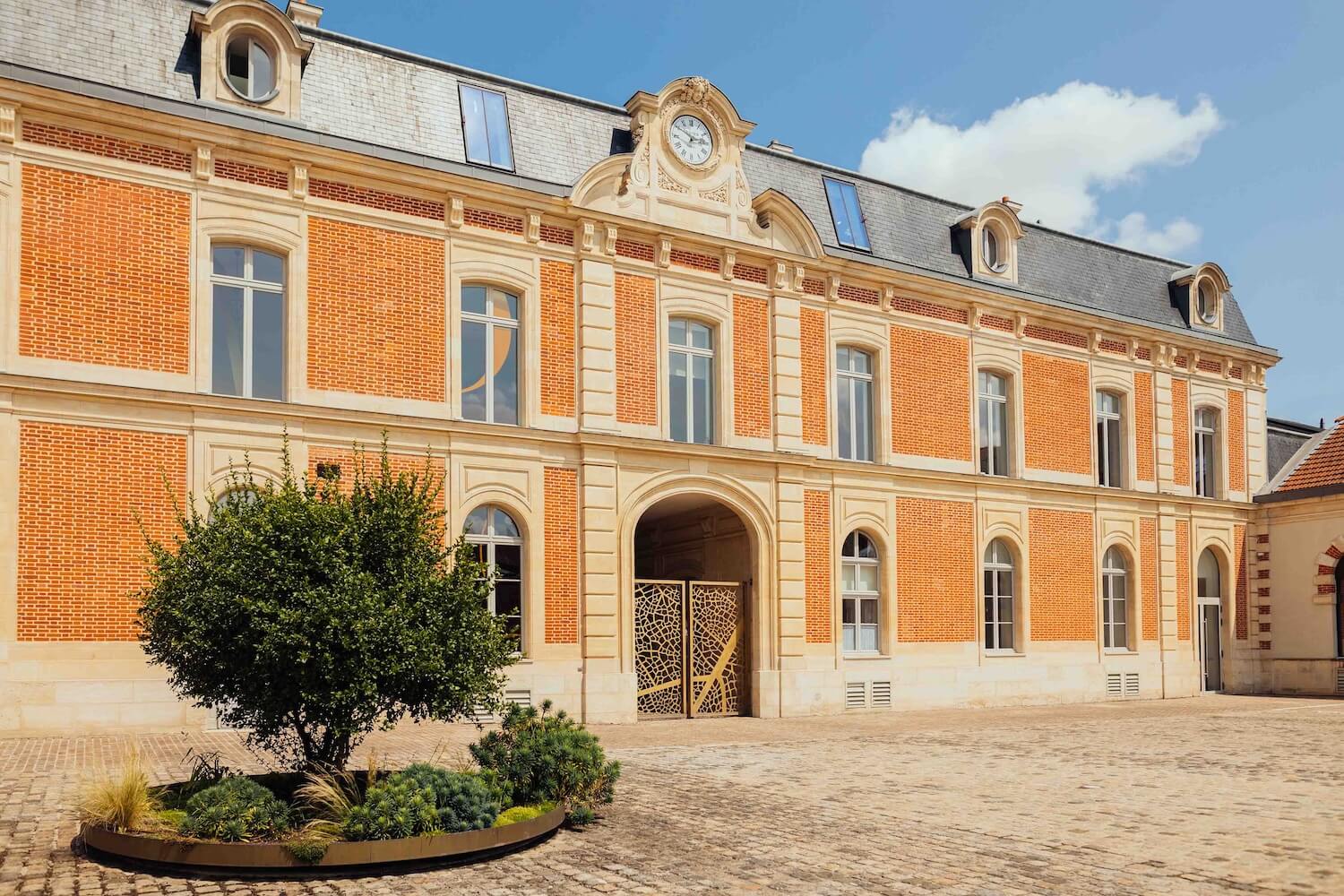
Approaching 46 Rue du Faubourg Poissonnière, the visual grammar is typical of the arrondissement's better independent addresses: a facade that reads as functional rather than theatrical, a room that communicates effort without announcing it. The regulars at addresses like this one tend to notice when something changes before they can articulate why, the light, the pace of service, a small shift in the menu's register. That attentiveness, on both sides of the pass, is what separates a neighbourhood anchor from a neighbourhood option.
Parisian dining in this price corridor has moved away from the bistro formality that once defined mid-range eating in the city. The room at Latte Cisternino reflects where that category has landed: less stiff, more calibrated to a clientele that knows what it wants and does not need to be sold on the concept. For context on the wider range of what Paris currently offers across formats and price points, the EP Club Paris restaurants guide maps the full picture.
Why Regulars Return
The regulars' perspective on any neighbourhood restaurant is one reliable index of what that restaurant actually delivers. At addresses like Latte Cisternino, the unwritten menu, what experienced diners know to order, what they know to avoid, which table to request, which evening of the week runs smoothest, accumulates over visits rather than from any single source. This kind of institutional knowledge, held by the clientele rather than published anywhere, is the real measure of a dining room's competence.
Repeat visitors to Paris's 10th arrondissement independents tend to share a few common instincts: they book ahead rather than walk in, they return to addresses that hold their standard across seasons, and they notice when a kitchen is working from genuine conviction rather than category habit. The French dining tradition rewards this kind of fidelity. The great regional houses, Troisgros in Ouches, Bras in Laguiole, Auberge de l'Ill in Illhaeusern, built their authority over decades precisely because local regulars tested them against that standard before any guide took notice.
At the neighbourhood scale, the same dynamic operates with less fanfare. The measure is not whether a restaurant has attracted a critic's annotation, but whether it has attracted a circle of people who return without needing a reason beyond the fact that it works for them. That is a harder thing to sustain than it sounds, and in a city with the dining density of Paris, it is not a trivial achievement.
Placing Latte Cisternino in the Paris Context
Paris's restaurant map is stratified in ways that are not always visible from the outside. At the leading end, a small number of houses command the conversation: Arpège, Le Cinq at the Four Seasons George V, Kei. Below that tier, the city sustains an enormous middle band of independents that serve the actual daily life of Parisians rather than their occasion dining. This is the band the restaurant operates in, and the standards in that band are set by the clientele more than by any external body.
For comparison, the French culinary tradition at its most celebrated destination level includes addresses such as Mirazur in Menton, Flocons de Sel in Megève, Les Prés d'Eugénie in Eugénie-les-Bains, and Georges Blanc in Vonnas. Those houses define one pole. The neighbourhood independent defines another, and the distance between them is not simply one of budget or prestige, it is a difference in what dining is for. The neighbourhood table is for the week, not the occasion. The logic of Paul Bocuse's Auberge du Pont de Collonges or Auberge du Vieux Puits in Fontjoncouse is pilgrimage. The logic of Rue du Faubourg Poissonnière is routine, and routine demands a different kind of reliability.
Internationally, the contrast holds across cities. Le Bernardin in New York and Lazy Bear in San Francisco occupy the destination end of their respective markets. The neighbourhood tier, present in every serious food city, works from a different premise entirely. It earns its place not through a single brilliant meal but through the aggregate of many adequate-to-good ones, delivered to people who know the room well enough to have a preference for where they sit. La Table du Castellet similarly anchors its local context in Le Castellet, operating from regional loyalty rather than tourist traffic.
Planning a Visit
The restaurant is located at 46 Rue du Faubourg Poissonnière in the 10th arrondissement, accessible by metro from the Bonne Nouvelle or Poissonnière stops. As with most neighbourhood addresses in Paris that have developed a loyal local clientele, arriving with a reservation on evenings and weekend lunches is the safer approach, regulars tend to hold the same slots week to week, and last-minute walk-in availability on busy services is not guaranteed.
| Venue | Cuisine | Price | Awards |
|---|---|---|---|
| Latte CisterninoThis venue — the venue you are viewing | This venue | Not listed | Not listed |
| Alléno Paris au Pavillon Ledoyen | Creative | €€€€ | Michelin 3 Star |
| Kei | Contemporary French, Modern Cuisine | €€€€ | Michelin 3 Star |
| L'Ambroisie | French, Classic Cuisine | €€€€ | Michelin 3 Star |
| Le Cinq - Four Seasons Hôtel George V | French, Modern Cuisine | €€€€ | Michelin 3 Star |
| Pierre Gagnaire | French, Creative | €€€€ | Michelin 3 Star |



At a Glance
- Cozy
- Casual Hangout
- Standalone
- Natural Wine
- Local Sourcing
Current opening hours
- Monday
- Closed
- Tuesday
- 10 AM–7 PM
- Wednesday
- 10 AM–7 PM
- Thursday
- 10 AM–7 PM
- Friday
- 10 AM–7 PM
- Saturday
- 10 AM–7 PM
- Sunday
- Closed
Hours can change for holidays and private events. Last verified .
Small welcoming boutique with a neighborhood feel focused on quality Italian imports.