Pine Street Grill
Our verdict
Pine Street Grill sits on a residential stretch of Philadelphia's Graduate Hospital neighborhood, operating as the kind of American neighborhood restaurant that privileges seasonal sourcing over spectacle. The kitchen draws from a mid-Atlantic pantry shaped by the region's agricultural depth, placing it in a city where farm-driven cooking has moved from niche positioning to the dominant mode among serious independents.

Pearl is the En Primeur Club membership app — saves, bookings, and concierge access live there. Same editors, same standards.
- Address
- 2227 Pine St, Philadelphia, PA 19103
- Hours
- Mon 4–11 PMTue ClosedWed–Fri 4–11 PMSat–Sun 10 AM–2 PM, 5–11 PM
- Website
- pinestreetgrill.com
- Directions
- Get directions
- Booking
- Book on OpenTable
The menu
What to order
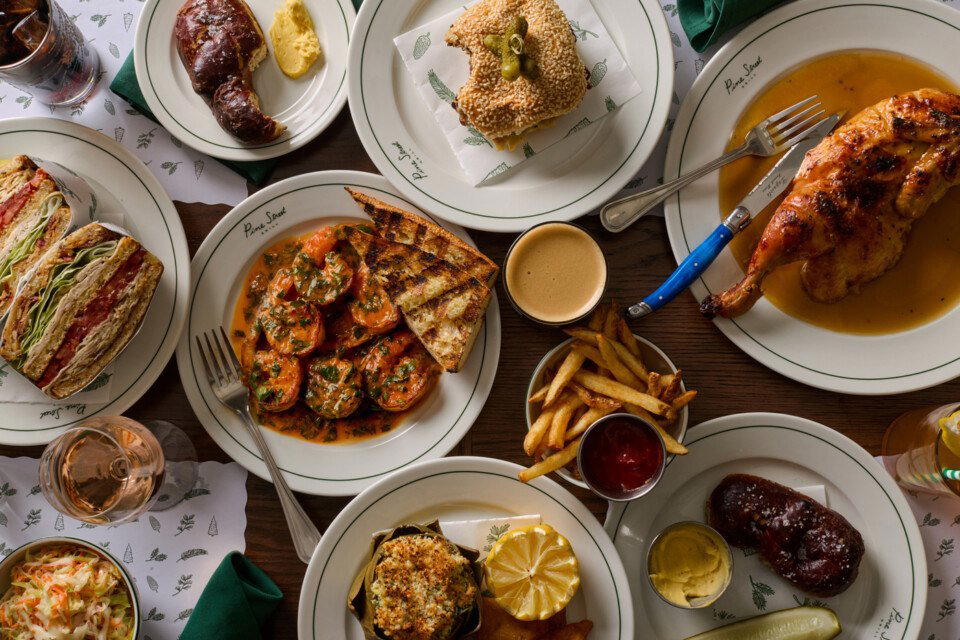
- Shrimp “Pil Pil”
- PSG burger
- Rotisserie Chicken
Where Neighborhood Eating Meets Mid-Atlantic Seasonality
Pine Street, in the Graduate Hospital section of Philadelphia, reads like a textbook case of what the American neighborhood restaurant has become over the past two decades. The block at 2227 is residential in character — brownstones, sidewalk trees, the low ambient noise of a walkable city quarter — and that setting shapes expectations before a guest crosses the threshold. Restaurants on streets like this one are not destination theaters built around a chef's biographical arc. They are places that earn repeat custom from the surrounding blocks, and that social contract demands consistency, legibility, and honest cooking more than it demands showmanship.
Pine Street Grill occupies that kind of position in the Philadelphia dining map: an American neighborhood restaurant in a city that has learned, over the past fifteen years, to treat that category with the same seriousness it once reserved for white-tablecloth French rooms. The shift is visible across Philadelphia's independent dining scene, where places like Fork and Friday Saturday Sunday have demonstrated that ingredient-led New American cooking can sustain long-term critical and commercial relevance without the infrastructure of a fine-dining institution.
The Farm-to-Table Argument in Philadelphia
The farm-to-table frame, which arrived in American restaurants as a marketing position in the late 1990s and early 2000s, has since matured into something more demanding: a set of sourcing relationships that require genuine logistics, seasonal discipline, and a kitchen willing to build menus around what is available rather than what is comfortable. Philadelphia is geographically well-placed for this kind of cooking. The mid-Atlantic region's agricultural output, Lancaster County farms, South Jersey truck gardens, Delaware Valley orchards, Chesapeake watermen, gives kitchens in this city access to a produce and protein range that rivals the Bay Area's celebrated Northern California supply chain.
That supply chain is what separates the credible farm-driven restaurant from the decorative version. Operations like Single Thread Farm in Healdsburg and Blue Hill at Stone Barns in Tarrytown have made sourcing architecture the structural center of their entire proposition, with named farm relationships and seasonal calendars that drive menu decisions from the leading down. Philadelphia's neighborhood tier operates at a different scale and price point, but the underlying logic, that the sourcing network precedes the menu, not the reverse, increasingly applies across the city's serious independents.
Mawn applies it through a Cambodian and Pan-Asian lens, drawing on Southeast Asian herb and spice traditions while grounding the cooking in local proteins. My Loup works the same seasonal fidelity through a French-influenced frame. And South Philly Barbacoa demonstrates how regional tradition can sit inside a hyper-local sourcing practice without contradiction. The city's dining culture has become sophisticated enough to hold all of these simultaneously, which is the condition that makes a straight-line American neighborhood restaurant like Pine Street Grill legible on its own terms rather than as a default category.
The American Neighborhood Restaurant as a Critical Category
Across American cities with strong independent dining cultures, Philadelphia, Chicago, San Francisco, New Orleans, the neighborhood restaurant has shed its connotation as a fallback option and become a deliberate editorial statement. The format says something specific: the cooking will be rooted in place, the price will reflect the surrounding community's baseline, and the experience will prioritize regular guests over destination visitors. Some of the most compelling American cooking of the past decade has happened in this format, well below the ceiling occupied by tasting-menu operations like Smyth in Chicago or The French Laundry in Napa.
The contrast is worth holding in mind. Restaurants operating at the Le Bernardin or Addison tier are governed by a different set of constraints, investment in technique, staffing ratios, dining room formality, that shape both what the kitchen attempts and what the guest expects. The neighborhood register operates under a different set of pressures: proximity to the community, price accessibility, the social weight of being a local institution rather than a destination. When those pressures are handled well, the result is a restaurant that functions as an anchor for a block or a neighborhood, the way Emeril's in New Orleans once functioned for the Warehouse District before its scale shifted its identity entirely.
Nationally, the conversation about where farm-to-table cooking goes next is live and unresolved. Operations like Lazy Bear in San Francisco, Providence in Los Angeles, and The Inn at Little Washington each represent different answers to how American ingredients and sourcing depth can be formalized into a dining proposition. At the neighborhood end of the spectrum, the answer tends to be simpler and more durable: cook what the region produces, charge what the block can support, and keep the room full of people who live nearby. That is a harder argument to make glamorous, but it is the one that sustains a restaurant across multiple economic cycles.
What to Know Before You Go
Pine Street Grill sits at 2227 Pine Street in the Graduate Hospital neighborhood, a walkable quarter with easy street access that makes it a natural choice for nearby residents and for visitors staying in Center City or the South Street corridor. For visitors coming from further afield, particularly those building a broader Philadelphia itinerary, it is worth reading alongside our full Philadelphia restaurants guide, which covers the city's dining tiers and neighborhood anchors in more depth. On the international side, the farm-driven ethos that frames Pine Street Grill's category finds its most formal expression in European operations like Atelier Moessmer Norbert Niederkofler in Brunico and in Korean-American hybrids like Atomix in New York City, both of which treat sourcing provenance as a philosophical position rather than a menu footnote.
Specific hours, pricing, and booking details for Pine Street Grill are best confirmed directly through current listings, as neighborhood restaurants in this category frequently adjust seasonal hours and reservation policies. The Graduate Hospital location means parking and transit options are consistent with the surrounding residential grid.
Frequently asked questions
What's Pine Street Grill's location?
Pine Street Grill is located at 2227 Pine St, Philadelphia, PA 19103, Philadelphia.
Is Pine Street Grill a good option for a casual weeknight dinner in Philadelphia's Graduate Hospital neighborhood?
Pine Street Grill at 2227 Pine Street is positioned squarely as a neighborhood restaurant within Graduate Hospital, one of Philadelphia's more walkable residential quarters. Its American cuisine with a seasonal, Mid-Atlantic orientation makes it suited to the kind of unfussy, ingredient-led weeknight meal that has become the hallmark of Philadelphia's independent dining culture. The address and format both point toward accessibility over occasion dining.
What do people recommend at Pine Street Grill?
Pine Street Grill operates as an American neighborhood restaurant with a Mid-Atlantic seasonal focus, so the menu tracks what is locally available rather than holding fixed signatures year-round. Dishes rooted in the farm-to-table approach that has matured across Philadelphia's independent dining scene tend to draw the most repeat attention. Checking recent visits from local diners or the venue directly will give you the most current picture of what is performing well.
How hard is it to get a table at Pine Street Grill?
Pine Street Grill sits at 2227 Pine Street in Graduate Hospital, a walkable Philadelphia quarter with a strong density of regulars. Neighborhood restaurants of this type in Philadelphia tend to fill quickly on weekend evenings, particularly when operating as a community anchor rather than a reservation-heavy destination. Contacting the venue ahead of time is advisable for Friday and Saturday seatings.
What's the signature at Pine Street Grill?
The clearest signature is format rather than a single dish: Pine Street Grill operates as a true American neighborhood restaurant in the Graduate Hospital section of Philadelphia, where seasonal Mid-Atlantic sourcing drives the menu rather than a fixed culinary set piece. That positioning, which the broader Philadelphia independent dining scene has embraced as a serious critical category, is the throughline that defines the kitchen's output.
Does Pine Street Grill justify its prices?
Without current menu pricing on record, a direct cost-to-value comparison is not possible here. What the Graduate Hospital location and American seasonal format suggest is a neighborhood price register rather than a destination tasting-menu bracket. For the most accurate picture, check directly with the restaurant, as seasonal menus in this category can shift pricing alongside ingredient availability.
Comparable Spots, Quickly
Comparable venues nearby, for context on price, style, and recognition.
| Venue | Cuisine | Price | Notes |
|---|---|---|---|
| Pine Street GrillThis venue — the venue you are viewing | Elevated American Bar & Grill | $30–50 | Not listed |
| Harper's Garden | Seasonal New American | $50–100 | Penn Center |
| Quaker Kitchen @ UPenn | American Comfort Food | Not listed | University City |
| Brooklyn Bowl Philadelphia | American Comfort Food | $20–30 | Northern Liberties |
| SOMO | Modern American Gastropub | $30–50 | Manayunk |
| Spread Bagelry | Montreal-Style Wood-Fired Bagels | $10–20 | Rittenhouse Square |
Continue exploring
More in Philadelphia
Restaurants in Philadelphia
Browse all →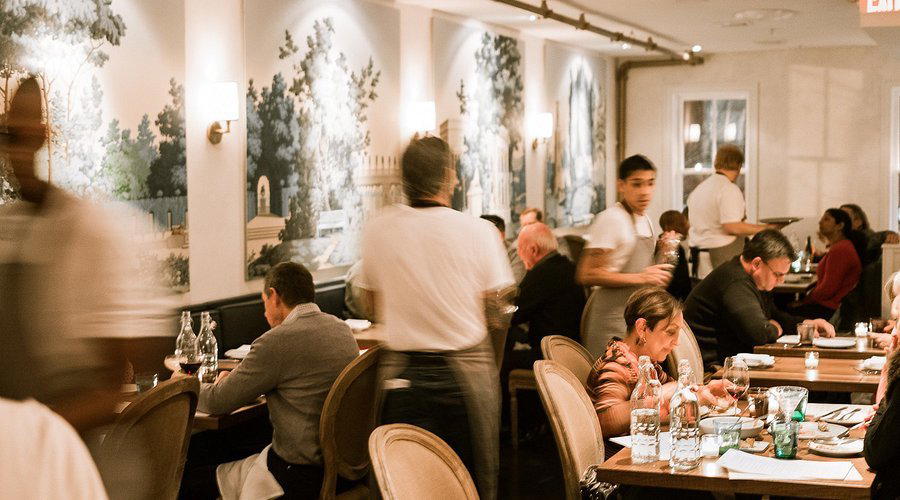
Bars in Philadelphia
Browse all →
Details
- Classic
- Cozy
- Lively
- Casual Hangout
- Date Night
- After Work
- Open Kitchen
- Craft Cocktails
- A La Carte
Current opening hours
- Monday
- 4–11 PM
- Tuesday
- Closed
- Wednesday
- 4–11 PM
- Thursday
- 4–11 PM
- Friday
- 4–11 PM
- Saturday
- 10 AM–2 PM, 5–11 PM
- Sunday
- 10 AM–2 PM, 5–11 PM
Hours can change for holidays and private events. Last verified .
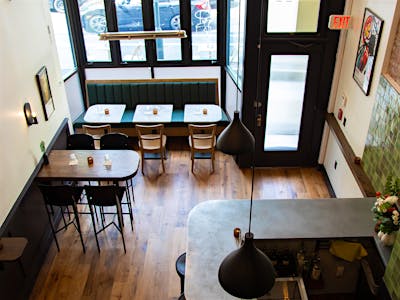
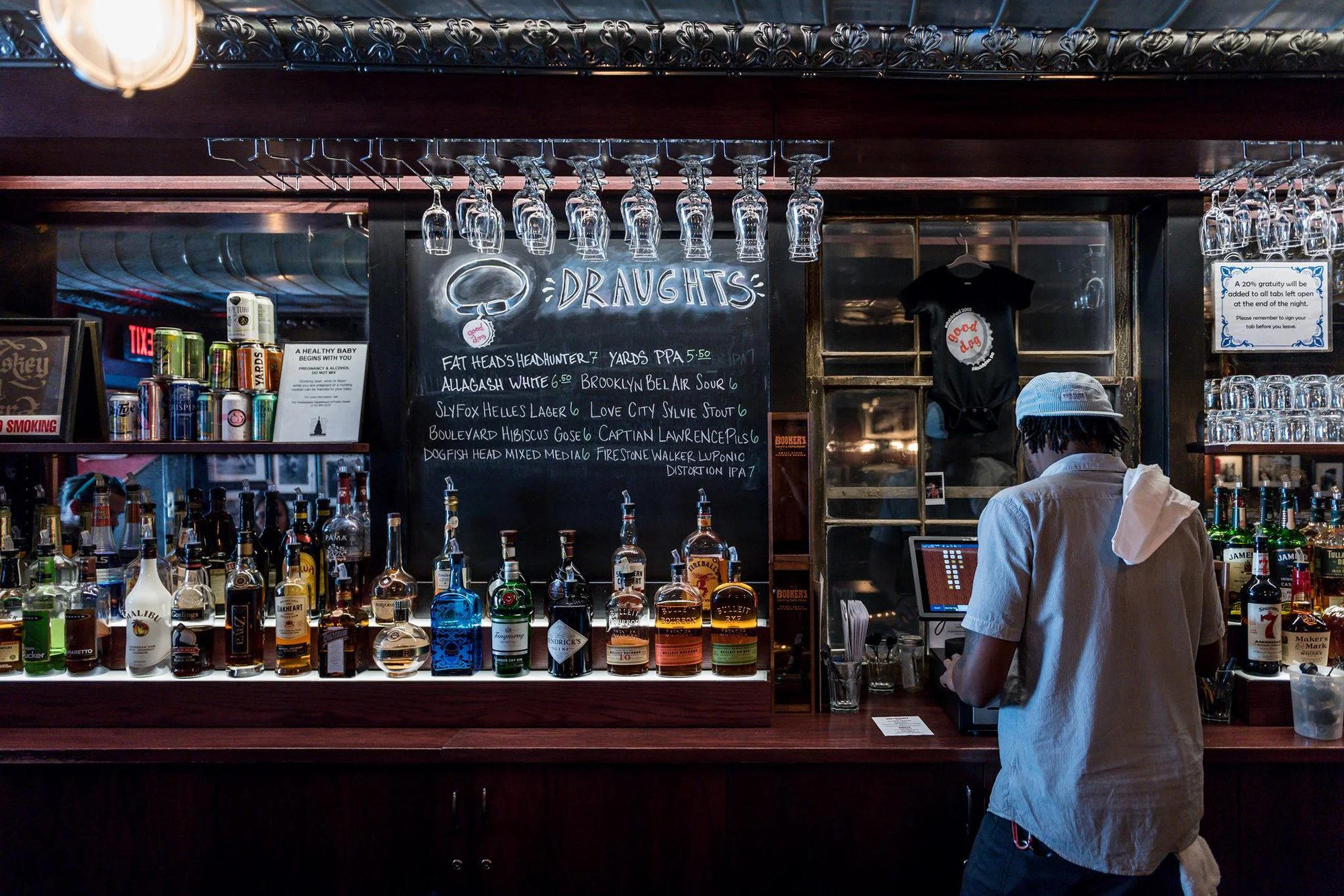
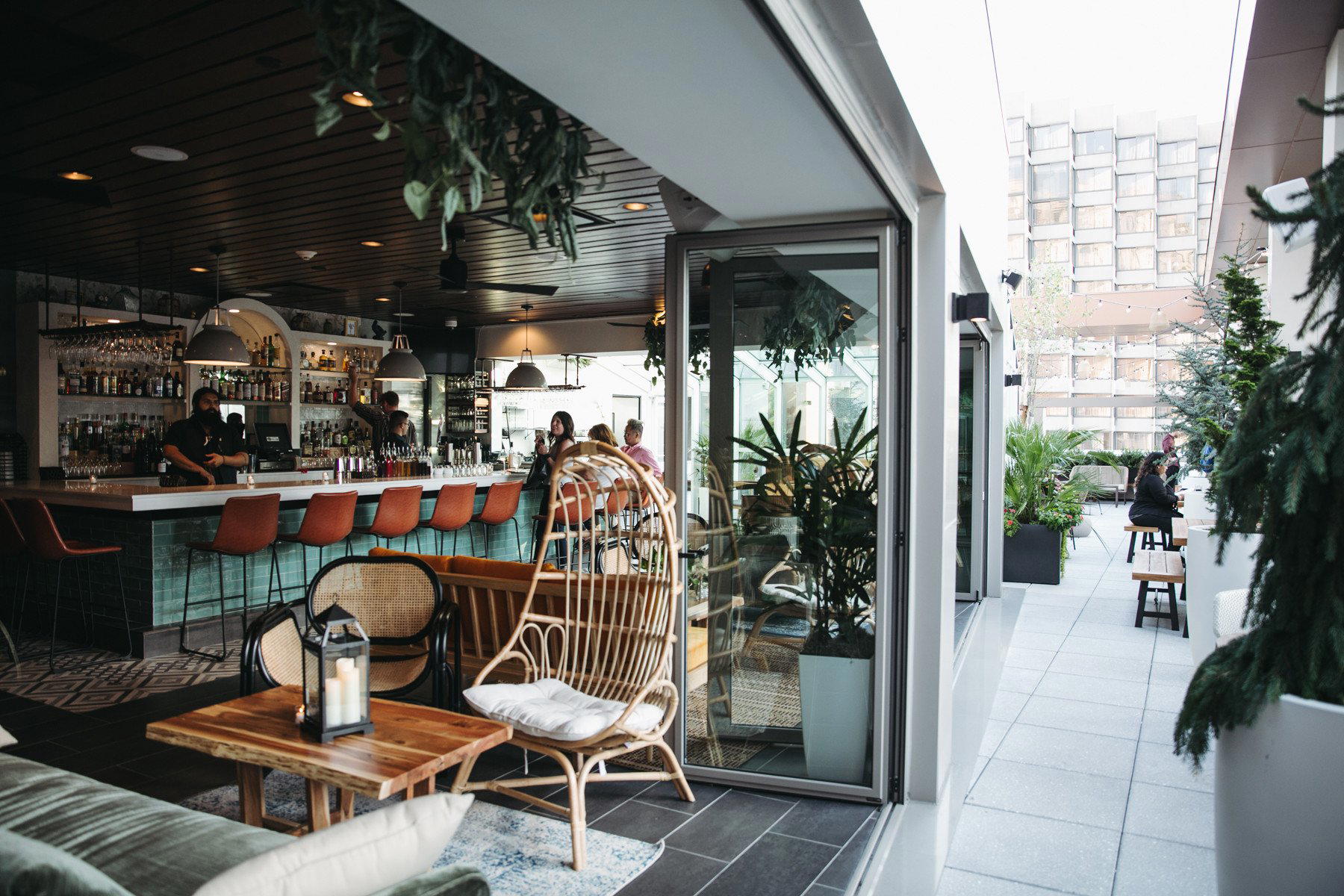
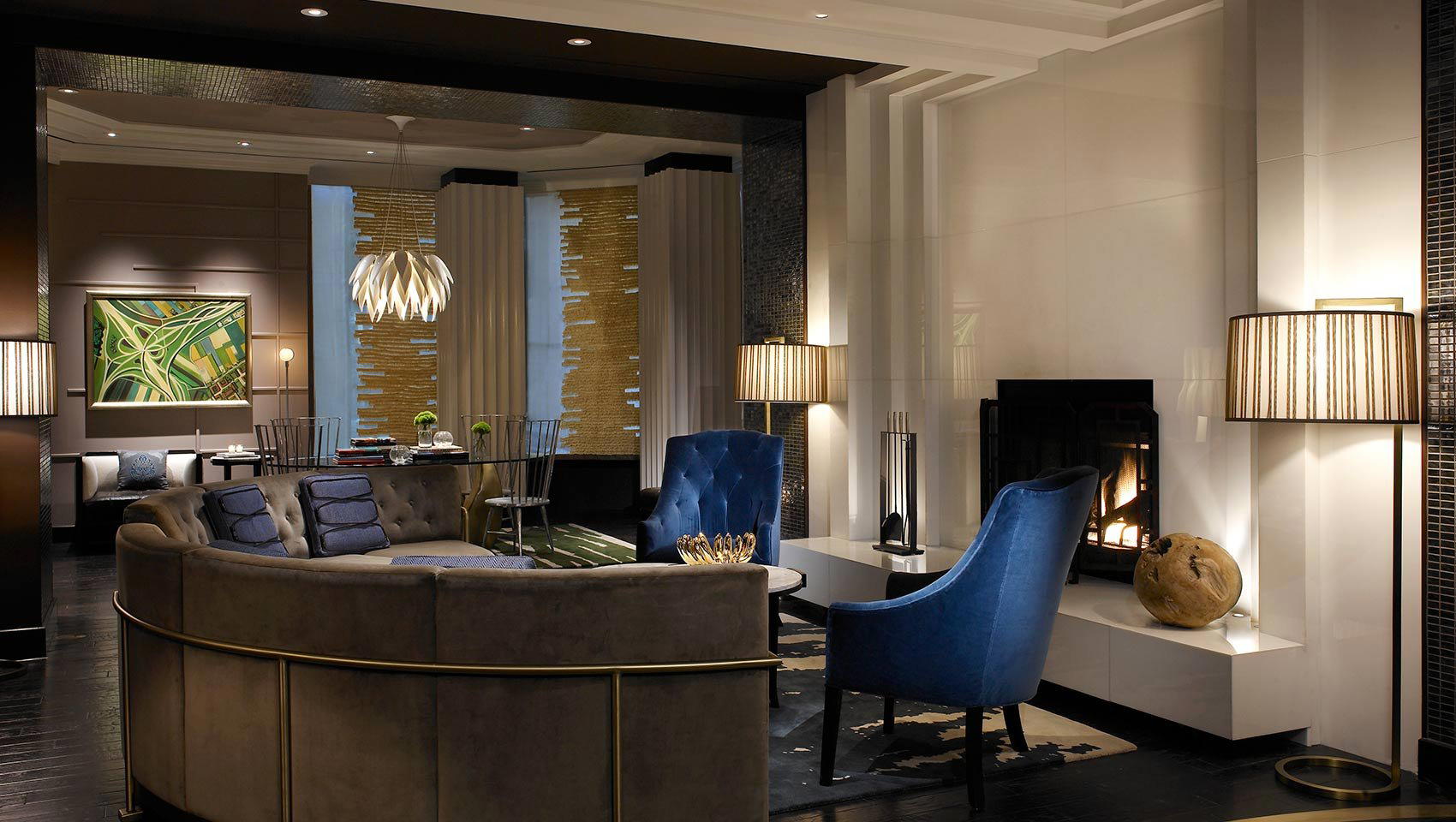
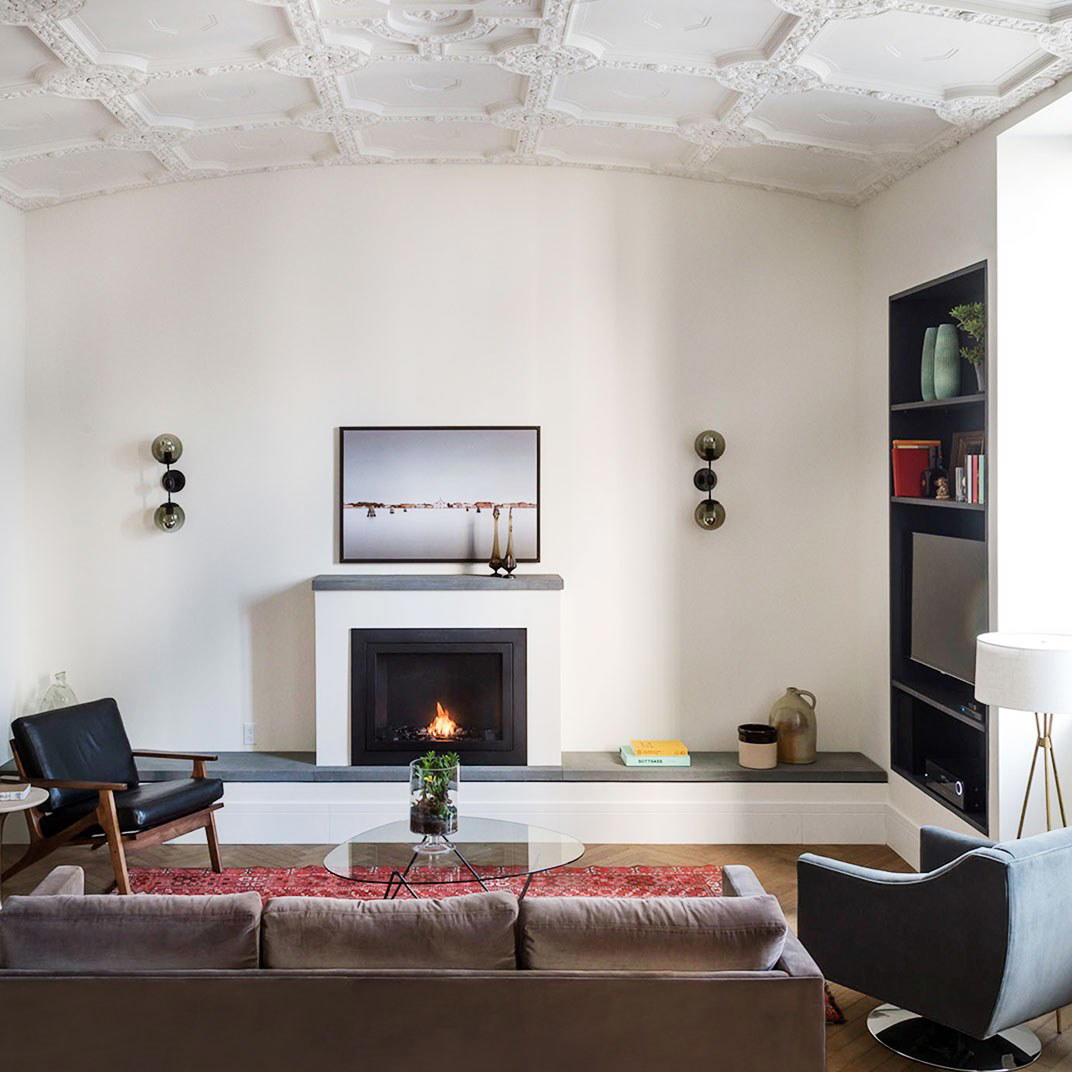
Warm and nostalgic neighborhood atmosphere with moderate noise, featuring attentive service and comforting bar grill vibes.