Harper's Garden
Our verdict
Harper's Garden occupies a corner of Center City Philadelphia's Rittenhouse Square corridor, bringing a garden-inflected dining room to one of the city's most competitive restaurant blocks. The space trades on seasonal American cooking in a setting that reads as genuinely planted rather than decoratively green. Booking ahead is advisable for prime evening slots along this stretch of South 18th Street.

Pearl is the En Primeur Club membership app — saves, bookings, and concierge access live there. Same editors, same standards.
- Address
- 31 S 18th St, Philadelphia, PA 19103
- Phone
- (267) 886-8552
- Hours
- Mon–Fri 11:30 AM–12 AMSat 10 AM–12 AMSun 10 AM–2:30 PM
- Website
- harpersgardenphilly.com
- Directions
- Get directions
- Booking
- Book on the venue's website
The menu
What to order
- The ‘Merica Burger
- Artisanal Cheese Board
- Market Oysters
Center City's Garden Dining Tradition
Philadelphia's Rittenhouse Square corridor has long functioned as the city's most stable address for ambitious American cooking. The blocks radiating from the square concentrate a dining population that tilts toward the established over the experimental, and South 18th Street in particular has supported a succession of rooms that trade on seasonal ingredients and considered interiors. Harper's Garden, at 31 S 18th St, sits squarely in that tradition: a space where the visual language of greenery and natural materials is meant to communicate something about the food's sourcing logic, not merely its decor budget.
Garden-themed dining rooms have proliferated in American cities over the past decade, and not all of them earn the positioning. The credibility question is always whether the botanical aesthetic extends to the plate or stops at the wallpaper. In Philadelphia specifically, where Fork (New American) has spent years anchoring the Old City end of the city's seasonal American conversation, and where Friday Saturday Sunday (New American) has redefined what a neighborhood room can aspire to on the tasting menu side, the bar for sincerity in this category is measurably higher than in markets with less history in the format.
The Room and What It Signals
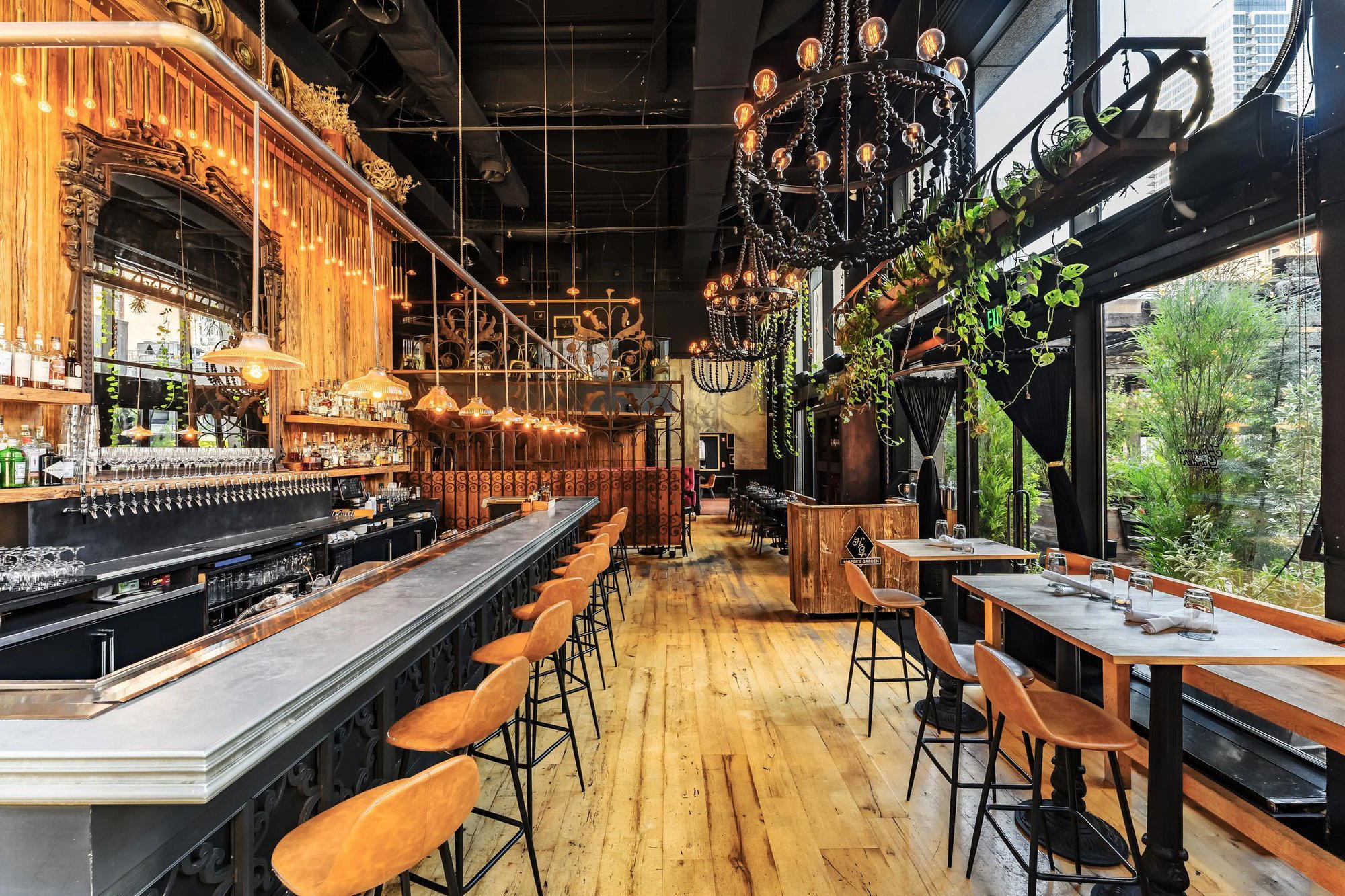
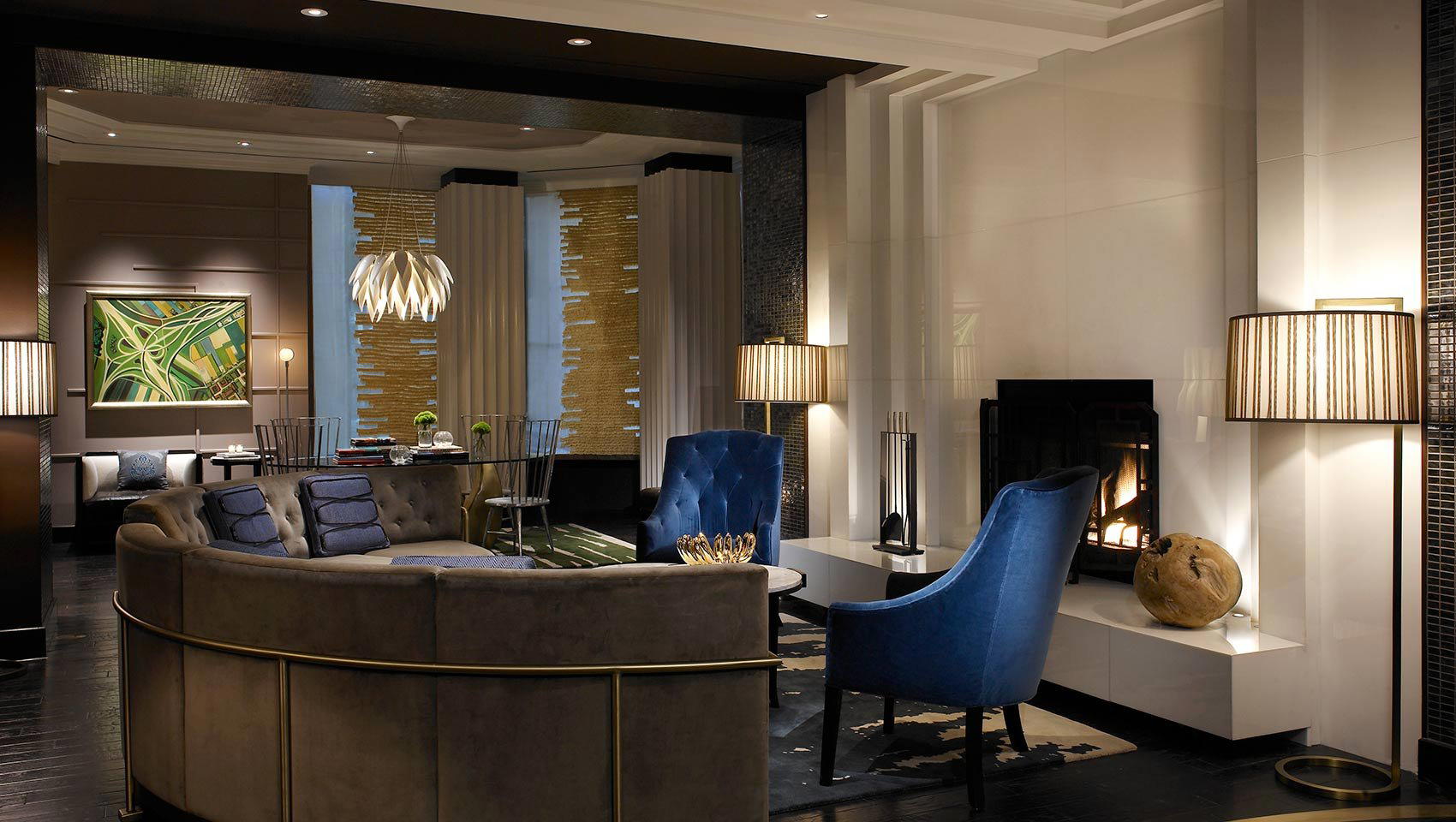
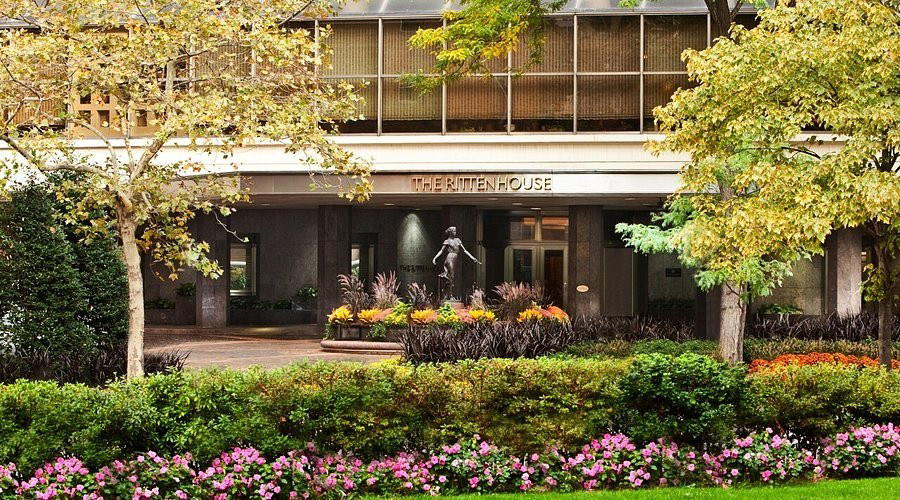
Walking toward Harper's Garden from the Rittenhouse Square park, the approach tells you something about the room's intentions. The address places it among the neighborhood's business-lunch and date-night population, drawing from the office density of the surrounding blocks as much as from destination diners. Inside, the garden framework is structural rather than applied: planting, natural light management, and materials that suggest the outdoors have been built into the architecture, not draped over it after the fact. That distinction matters in a city where diners have grown sophisticated about the difference between a themed room and a genuinely considered one.
The Rittenhouse dining population rewards this kind of legibility. Philadelphia's center city diners have access to a wide competitive set, including the Thai cooking that Kalaya has brought to national attention, the Cambodian and pan-Asian registers at Mawn (Cambodian, Pan-Asian), and the French-inflected work at My Loup (French-Inspired). Against that breadth, a room that focuses on the American garden idiom is making a specific bet about what its neighborhood wants on a given Tuesday evening.
Seasonal American Cooking in Cultural Context
The broader category Harper's Garden operates in, seasonal American with an emphasis on produce and the natural world, carries a specific cultural history in this country. It descends from the farm-to-table movements that accelerated in the 1990s and early 2000s, picking up influence from California's produce-first ethos and the northeastern tradition of letting sourcing drive the menu. In practice, this means menus that shift with the agricultural calendar, a preference for restraint in technique that allows ingredient quality to remain legible on the plate, and a visual presentation language that references the garden directly.
At the national level, this cooking tradition has found its most cited expressions in rooms like Blue Hill at Stone Barns in Tarrytown, which has built its entire premise around the farm-to-table relationship as an architectural and culinary system, and in the broader ethos visible at Single Thread Farm in Healdsburg, where ingredient sourcing and hospitality are treated as inseparable categories. These are the rooms that define what serious commitment to the idiom looks like at the top of the market. Philadelphia's version of this conversation is less pastoral and more urban, necessarily: the city's gardens are rooftop and community plots rather than working farms, and the sourcing relationships are regional rather than on-property.
That urban inflection is where a room like Harper's Garden finds its specific position. The botanical dining room in a dense city neighborhood is making a different argument than a rural inn surrounded by its own acreage. It is arguing that the spirit of garden-to-table cooking can survive translation into a commercial block on a high-traffic street, and that the relationship between a kitchen and the surrounding region is worth communicating visually as well as through the menu.
Philadelphia's Competitive Middle Tier
Harper's Garden operates in a competitive tier that Philadelphia has developed with some depth over the past fifteen years. This is the category below the tasting-menu rooms that make national lists, and above the neighborhood casual spots that don't require a reservation. It's a tier occupied by rooms that take the food seriously, invest in the interior, and price at a level that reflects both commitments without requiring the full ceremony of a multi-course progression.
Nationally, this middle tier has produced some of the more durable dining formats in American cities. Rooms in this bracket at other addresses, from Lazy Bear in San Francisco to Providence in Los Angeles, have found ways to hold both critical recognition and sustained neighborhood loyalty, two things that don't always travel together. The challenge for any room in this position is maintaining the editorial clarity of its concept across enough covers to support the overhead of a well-staffed, well-appointed space.
In Philadelphia, the success cases, including the rooms at Fork and Friday Saturday Sunday, suggest that the city's dining population will sustain a serious American room if the kitchen keeps pace with the ambition signaled by the interior. The Rittenhouse corridor in particular has proven willing to support restaurants that don't rely on novelty alone, rewarding consistency and a clear point of view over trend-cycling.
Planning a Visit
Harper's Garden is located at 31 S 18th Street in Center City Philadelphia, within walking distance of Rittenhouse Square and the dense hotel and office concentration of the surrounding blocks. The address is well-served by public transit on multiple lines, and the neighborhood supports easy access by foot from most Center City accommodations. For evening reservations, particularly on weekends, booking in advance through whatever current reservation system the venue uses is the practical approach, as this stretch of South 18th Street draws consistent demand from both local regulars and visitors staying nearby. For the most current information on hours, booking availability, and any seasonal menu direction, the venue's own channels are the authoritative source.
Frequently asked questions
What part of town is Harper's Garden in?
Harper's Garden is located at 31 S 18th St, Philadelphia, PA 19103, Philadelphia.
How does Harper's Garden compare to other garden-concept restaurants in Philadelphia's Center City?
Philadelphia's Center City has developed a distinct tier of seasonal American rooms over the past fifteen years, and Harper's Garden at 31 S 18th Street occupies the garden-focused segment of that category. What separates it from broader farm-to-table entries is the consistency of the garden concept as both an aesthetic and a sourcing framework, not just a menu label. For visitors comparing options on the Rittenhouse Square corridor, that specificity of concept is the operative distinction.
What's the signature dish at Harper's Garden?
Harper's Garden operates within the seasonal American tradition, with garden produce shaping both the sourcing and the visual identity of the menu. Specific dishes rotate with the seasons, so the menu a visitor encounters in April will differ from what's available in October. The kitchen's clearest through-line is its commitment to produce-centered cooking rather than any single fixed dish.
Should I book Harper's Garden in advance?
Yes. The Rittenhouse Square corridor at 31 S 18th Street draws consistent foot traffic from hotel guests, local professionals, and visitors, which means evening tables at rooms in this category fill quickly. Booking at least several days ahead for weekday dinners, and further out for weekend evenings, is the practical approach for this stretch of Center City Philadelphia.
What's Harper's Garden best at?
The venue's clearest strength is conceptual coherence: the garden-inflected setting and the seasonal American cooking function as a unified position rather than two separate ideas bolted together. In Philadelphia's competitive Center City dining tier, that alignment between room identity and menu philosophy is less common than it might appear.
Is Harper's Garden allergy-friendly?
Produce-forward kitchens operating in the seasonal American category tend to have more natural flexibility around common dietary restrictions than protein-heavy menus do. That said, specific allergen policies at Harper's Garden are best confirmed directly when booking, as menu composition changes with the season and sourcing.
Pricing, Compared
Comparable venues nearby, for context on price, style, and recognition.
| Venue | Cuisine | Price | Awards | Notes |
|---|---|---|---|---|
| Harper's GardenThis venue — the venue you are viewing | Seasonal New American | $50–100 | Not listed | Not listed |
| Bud & Marilyn's | Retro American Comfort | $30–50 | Not listed | Gayborhood, Retro American Comfort |
| Pergola at The Bellevue | Modern American with Philadelphia influences | Not listed | Not listed | Avenue of the Arts, Modern American with Philadelphia influences |
| Bloomsday Restaurant & Wine Bar | Modern American Wine Bar | $50–100 | Wine Spectator Award of Excellence | Society Hill, Modern American Wine Bar |
| a.kitchen | Seasonal American Small Plates with French Influences | $30–50 | Wine Spectator Best of Award of Excellence | Rittenhouse Square, Seasonal American Small Plates with French Influences |
| High Street on Market | Modern American with House-Made Breads and Pastas | $30–50 | Not listed | Washington Square West, Modern American with House-Made Breads and Pastas |
Continue exploring
More in Philadelphia
Restaurants in Philadelphia
Browse all →
Bars in Philadelphia
Browse all →
Details
- Trendy
- Elegant
- Cozy
- Scenic
- Date Night
- Brunch
- Casual Hangout
- Garden
- Terrace
- Courtyard
- Craft Cocktails
- Local Sourcing
- Garden
- A La Carte
- Small Plates
- Craft Cocktails
- Vegetarian Friendly
- Gluten Free Options
Current opening hours
- Monday
- 11:30 AM–12 AM
- Tuesday
- 11:30 AM–12 AM
- Wednesday
- 11:30 AM–12 AM
- Thursday
- 11:30 AM–12 AM
- Friday
- 11:30 AM–12 AM
- Saturday
- 10 AM–12 AM
- Sunday
- 10 AM–2:30 PM
Hours can change for holidays and private events. Last verified .
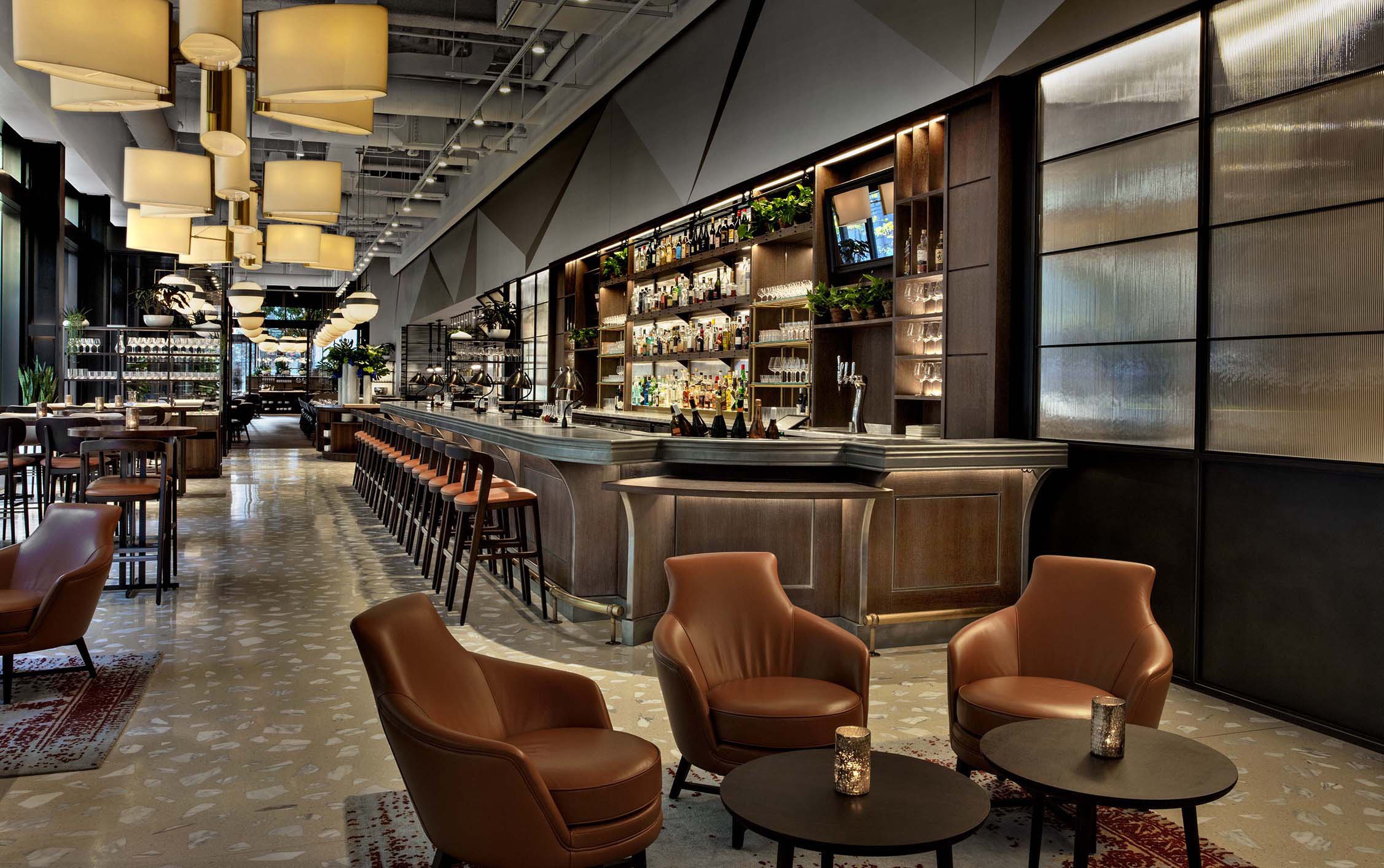
Lush greenery, high ceilings, open-air scheme creating an elegant, inviting garden atmosphere.