Piedra y Brasa Interlomas
Piedra y Brasa Interlomas anchors the fire-cooking tradition in the Palmas Hills corridor of Huixquilucan, where the ritual of live-fire preparation shapes both the menu and the pace of the meal. Positioned in a residential enclave of Estado de México, it draws from the regional appetite for ember-driven cuts that defines serious asador dining west of Mexico City.
Pearl is the En Primeur Club membership app — saves, bookings, and concierge access live there. Same editors, same standards.
- Address
- Blvd. Palmas Hills 1, Villa de las Palmas, 52787 Naucalpan de Juárez, 52787 Estado de méxico, Méx., Mexico
- Phone
- +525566323377
- Website
- piedraybrasa.com.mx
- Directions
- Get directions
 Saves & bookings on Pearl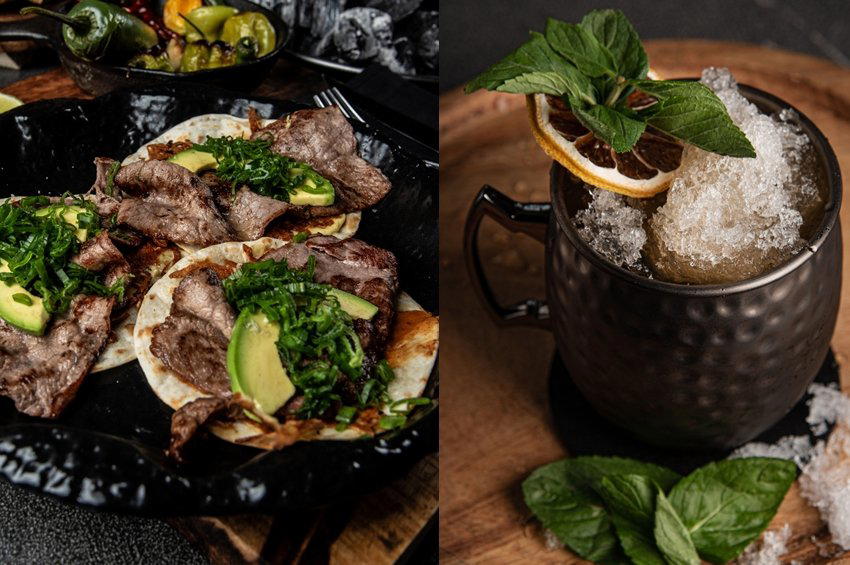
Fire as Method, Not Spectacle
The western suburbs of Mexico City have developed a dining corridor distinct from the capital's centro circuit. Huixquilucan and its Interlomas pocket — stretching across Blvd. Palmas Hills into the Villa de las Palmas hills — attract a residential dining crowd that prioritizes substance over novelty. In this context, a restaurant named for stone and fire stakes out a clear identity: this is a place organized around live-flame cooking, where the kitchen technique announces itself before the first plate arrives.
Live-fire cooking in Mexico carries a deeper logic than fashion. Long before wood-fired tasting menus became a marker of fine-dining ambition at places like Animalón in Valle de Guadalupe or the ember-roasted preparations at Alcalde in Guadalajara, the brasa tradition in northern and central Mexico operated as a social institution. Families gathered around smoke and meat; cuts were judged by their relationship to heat rather than by sauce. That tradition, transplanted into a suburban Estado de México setting, arrives here stripped of any self-conscious reinvention. Piedra y Brasa Interlomas positions itself as an honest practitioner of the form.
The Ritual of an Asador Meal
Dining in the asador format asks more of its guests than most other formats. The pacing is set by fire, not by a kitchen brigade running à la minute service. Cuts take time to achieve the right internal temperature over live coals; sauces and sides are secondary considerations. A meal here is not a quick passage through courses but a sustained event built around anticipation, conversation, and the visible drama of cooking that has no off switch.
This model differs sharply from the precision-tasting formats that have drawn international attention to Mexican cooking, such as the fermentation-forward omakase sensibility of Pujol in Mexico City or the marine minimalism of HA' in Playa del Carmen. The asador does not ask diners to read a menu as a curated intellectual argument. It asks them to choose, wait, and eat well. Those two modes represent genuinely different philosophies about what a restaurant meal is for.
In the Interlomas corridor, that philosophy has practical grounding. The suburb runs on extended family gatherings, business lunches that last the afternoon, and the kind of social dining where the table is the point. The format aligns with the audience. Venues like Cambalache Interlomas draw on the South American parrilla tradition to serve a similar demographic appetite for fire-cooked protein, which suggests a sustained local demand for this dining mode rather than a trend moment.
Placement in the Interlomas Dining Scene
The Interlomas strip offers a range of dining registers that spans from casual to formally plated. Italian formats, represented by Ciao Mamma and Il Parmiggiano, serve the neighborhood's appetite for familiar European comfort. Japanese concepts like El Japonez Interlomas address a separate register. Seafood-focused options such as Barrita de Mar Interlomas round out a scene that, while not operating at the ambition level of Mexico's destination restaurants, functions as a competent suburban ecosystem.
Within that ecosystem, a fire-cooking specialist occupies a specific niche. Brasa-focused restaurants carry higher operating complexity than most formats, live coals, proper ventilation, sourcing for quality cuts, which means the category skews toward committed operators rather than opportunistic openings. That barrier to entry tends to produce a more consistent product than, say, a casual fusion concept where the kitchen can improvise around menu gaps. The name itself is a positioning statement, signaling that the cooking method is the core product rather than a stylistic choice grafted onto a broader menu.
For context on how fire-forward cooking is evolving at the higher end of Mexican dining, the wood-fired sensibility at Lunario in El Porvenir and the origin-driven approach of KOLI Cocina de Origen in Monterrey illustrate how the tradition informs fine-dining ambition elsewhere in the country. The tradition also connects to vegetable-focused ember cooking at Levadura de Olla Restaurante in Oaxaca, where fire serves a different culinary argument. Against those reference points, Piedra y Brasa Interlomas reads as a neighborhood-serving practitioner rather than a destination statement, a distinction that shapes how you should approach it.
How to Approach the Meal
The address, Blvd. Palmas Hills 1, Villa de las Palmas, Naucalpan de Juárez, places the restaurant in a residential hills development west of the main Interlomas commercial spine. The neighborhood character is quieter than the mall-adjacent dining of the corridor's commercial center, which generally means more parking ease and a lower ambient noise level. Arriving in the early evening for a meal that extends into the night fits the format better than a compressed lunch window, given that fire cooking rewards patience.
Booking practices, hours, and pricing details are not confirmed in current records. Given the format and the suburban location, this is not typically the kind of operation that requires weeks of advance planning during the week, but weekends in the area, particularly for larger groups, benefit from confirmed reservations. The full Huixquilucan restaurants guide covers the broader area booking context and can help with comparative planning across the corridor.
Dress code expectations in the Interlomas register run toward smart casual. The dining posture here is relaxed by design, an asador meal does not benefit from formality, and the setting does not require it. What it does require is time. Plan for at least two hours at the table; the meal structure and cooking method make shorter visits feel incomplete.
The fire-cooking format also pairs naturally with wine and spirits in a way that rewards some forethought. Mexico's domestic wine scene, centered in Baja's Valle de Guadalupe and explored at producers like those reviewed in Olivea Farm to Table in Ensenada, produces reds with the structure to hold up to ember-cooked protein. That pairing logic applies directly to the table here, even if the wine list specifics are not documented in current records.
Continue exploring
More in Huixquilucan
Restaurants in Huixquilucan
Browse all →
Bars in Huixquilucan
Browse all →

At a Glance
- Elegant
- Modern
- Sophisticated
- Business Dinner
- Date Night
- Special Occasion
- Open Kitchen
Current opening hours
- Monday
- 1–10 PM
- Tuesday
- 1–10 PM
- Wednesday
- 1–10 PM
- Thursday
- 1–11:30 PM
- Friday
- 1–11:30 PM
- Saturday
- 1–11:30 PM
- Sunday
- 1–8 PM
Hours can change for holidays and private events. Last verified .
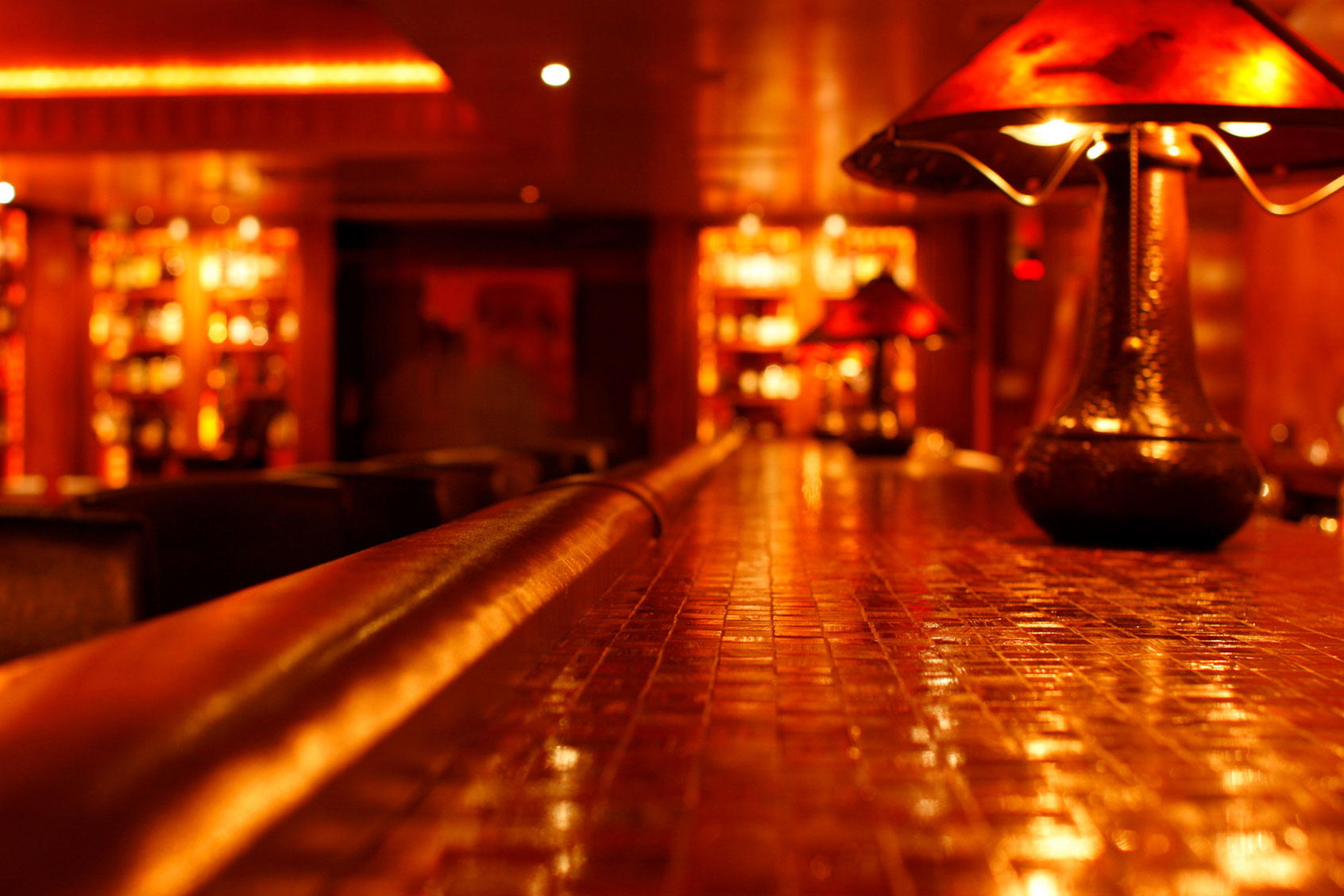
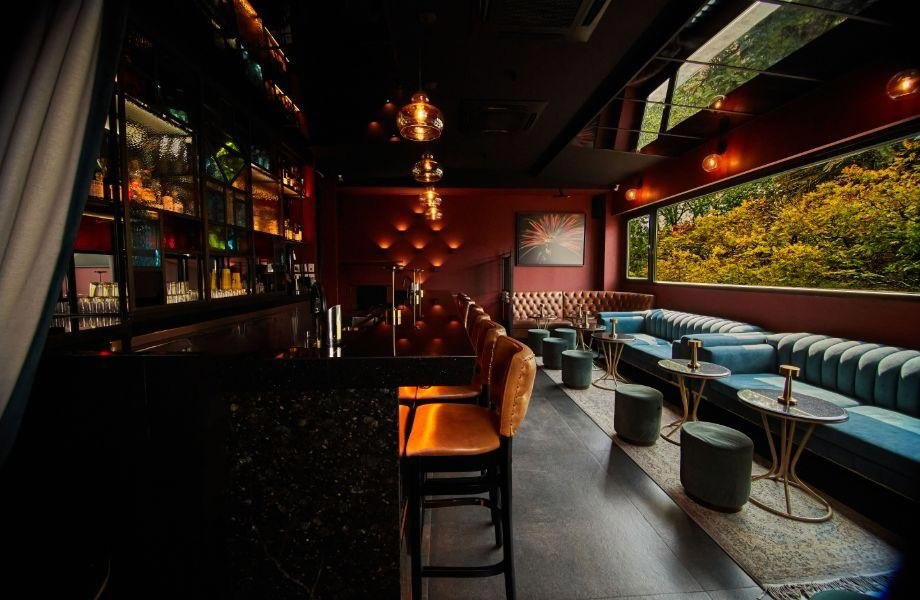
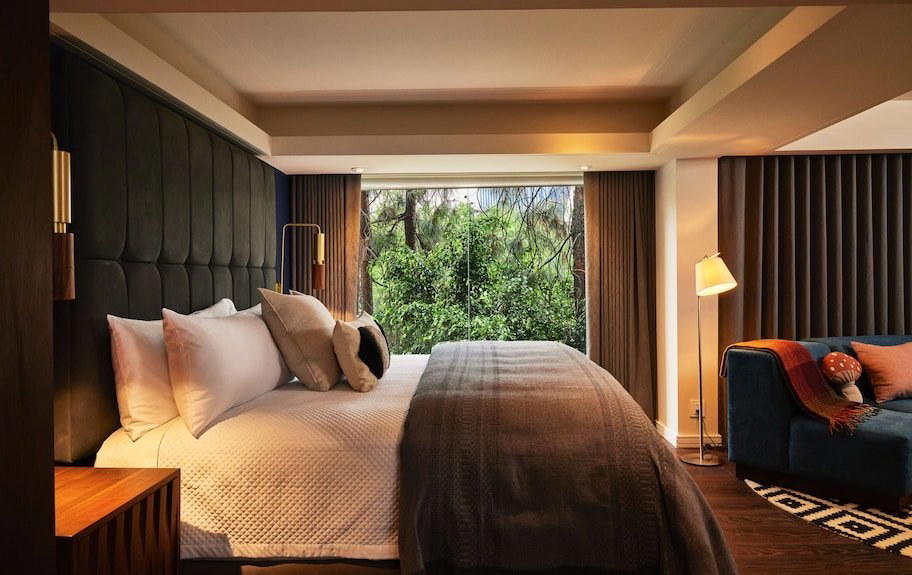
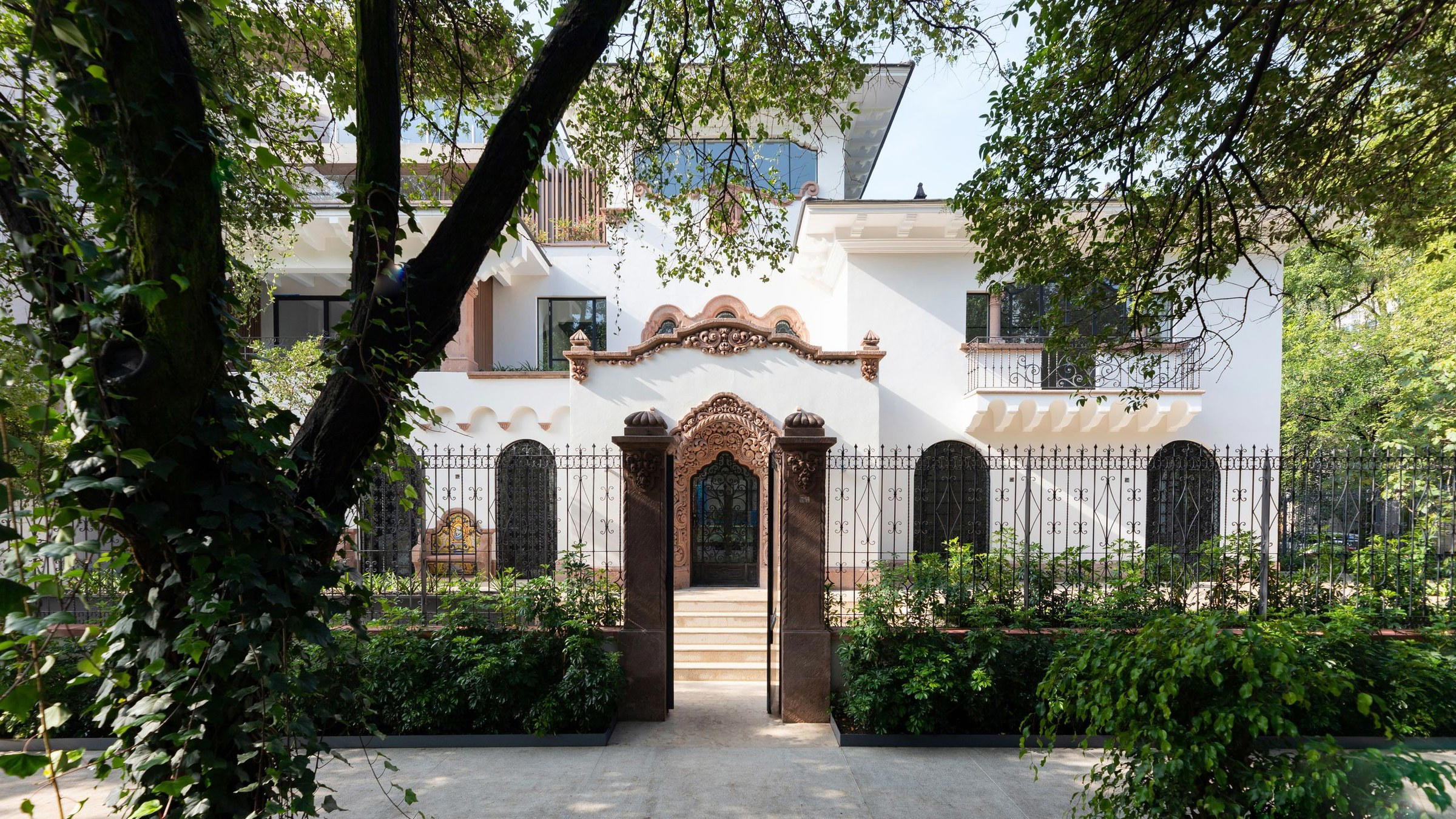
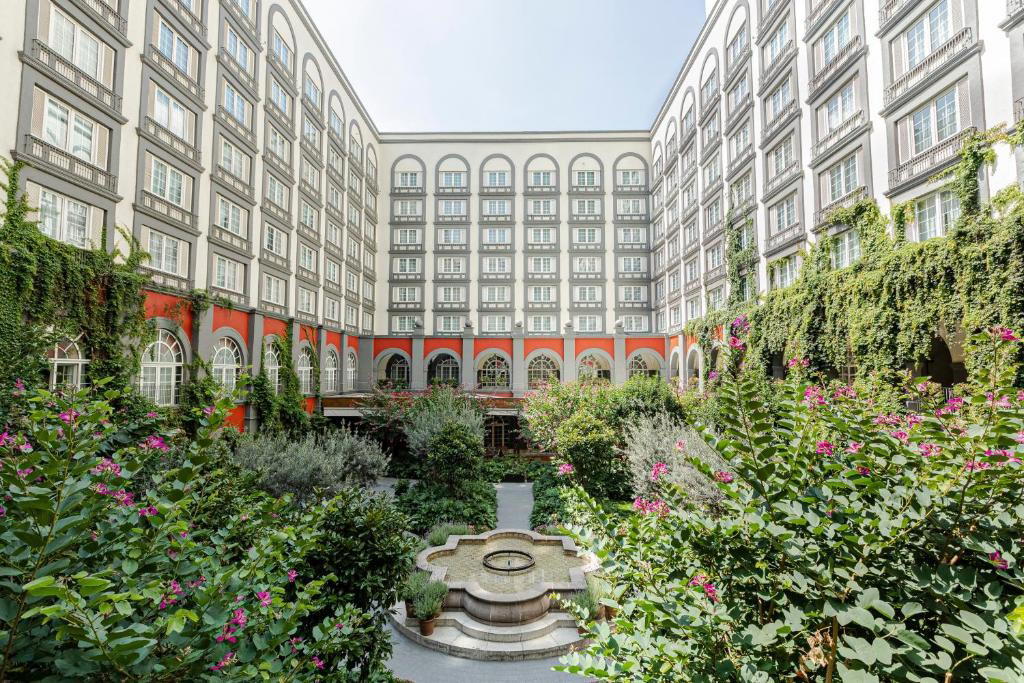
Upscale and refined with careful attention to design and presentation; sophisticated dining environment.
Know Before You Go
- Getting there
- Blvd. Palmas Hills 1, Villa de las Palmas, 52787 Naucalpan de Juárez, 52787 Estado de méxico, Méx., Mexico