Our verdict
Picniq occupies a address on Sint-Jorispoort in the heart of Antwerp, placing it within reach of the city's most competitive dining corridor. The format sits squarely in the tradition of relaxed, ingredient-led eating that has defined the Flemish table for generations, offering a counterpoint to the tasting-menu formality found at the city's decorated fine-dining rooms.

Pearl is the En Primeur Club membership app, where members save venues, book tables and use the concierge.
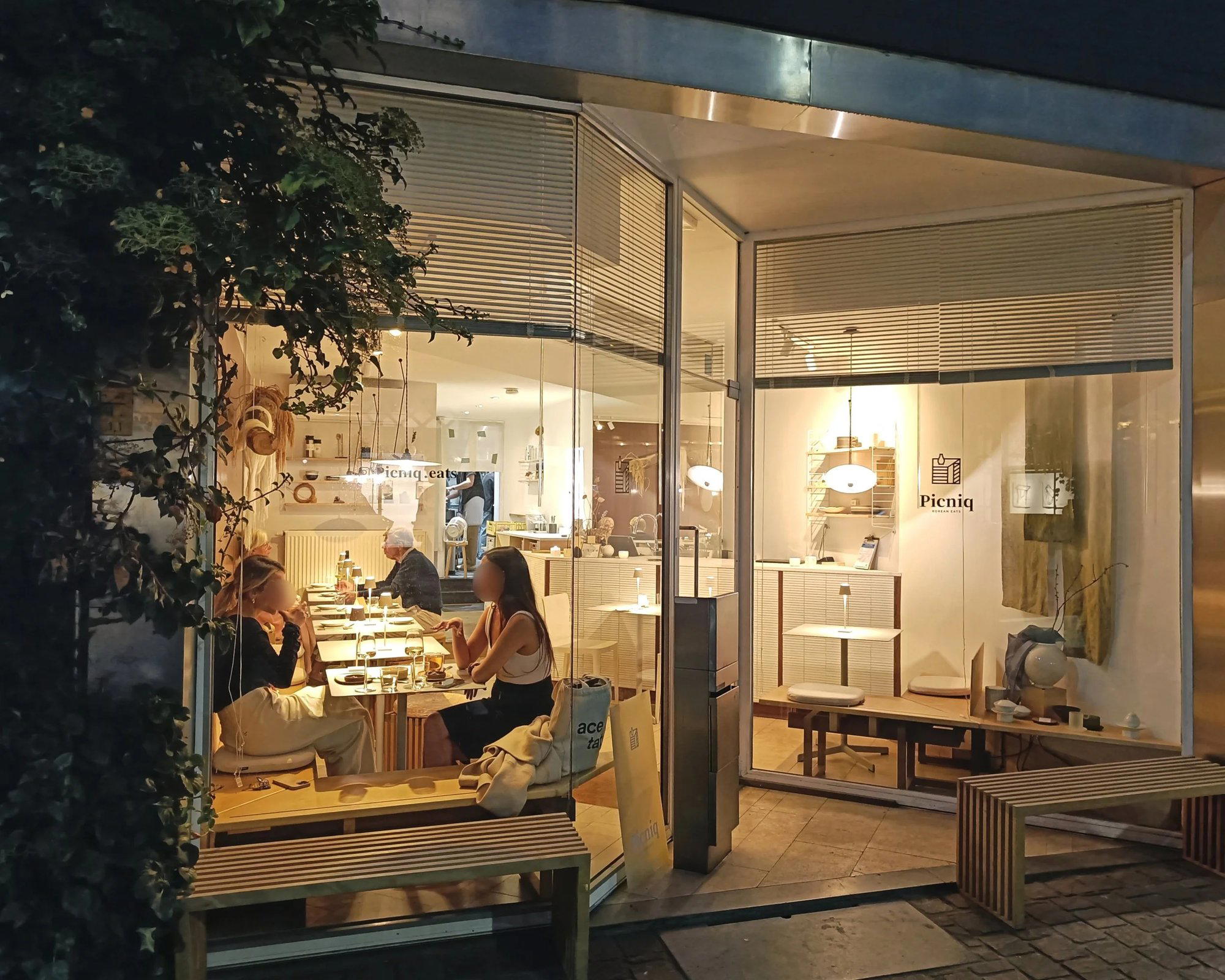
Sint-Jorispoort and the Case for Informal Flemish Eating
Antwerp's dining identity has always operated on two registers. At one end sit the long-tablecloth rooms and Michelin-tracked tasting menus, places like Zilte and Hertog Jan at Botanic, where the cooking is the explicit purpose of the evening and the format structures the experience accordingly. At the other end sits a quieter but equally serious tradition: the Belgian neighbourhood table, where produce drives the menu, portions are generous, and the room feels like somewhere locals actually return to on a Tuesday. Picniq, at Sint-Jorispoort 12 in the 2000 district, occupies territory closer to that second register.
Sint-Jorispoort is one of those Antwerp addresses that reads differently depending on whether you arrive from the cathedral quarter or from the direction of the Meir. Come from the old town and you feel the shift from tourist-facing to resident-facing almost immediately. The street sits inside the broader Flemish city that functions day-to-day rather than performing for visitors, which is precisely the environment in which this style of eating makes most sense.
The Cultural Register of the Flemish Table
To understand what Picniq represents, it helps to understand what the Flemish table has historically meant. Belgian cuisine, particularly in its Flemish expression, is not a cuisine of minimalist technique or austere plating. It draws from French rigour without adopting French formality, and it overlays that foundation with a distinctly Flemish appetite for generosity, both in portion and in flavour. The classic markers, waterzooi, stoofvlees, seasonal game, raw-bar platforms, and the almost philosophical commitment to good butter, appear across price points and formats throughout the country.
Antwerp adds a port-city dimension to that tradition. The city's history as a trading hub, a role that made it one of Europe's most commercially significant cities in the sixteenth century, left behind a culinary openness that persists. You see it in the relative density of quality Asian cooking here, restaurants like DIM Dining occupying the same premium tier as classic Flemish rooms. You see it in the way the city has absorbed French influence without surrendering its own identity, evident in places like Bistrot du Nord, which pitches traditional French cooking to a local audience that understands the reference. Picniq, with its name evoking something relaxed and seasonal, sits within this broader context of a city comfortable holding multiple culinary traditions at once.
Where Picniq Sits in the Antwerp Tier Structure
Antwerp's restaurant market has stratified fairly clearly in recent years. The upper tier, anchored by venues with Michelin recognition or equivalent critical standing, prices at €€€€ and structures around longer formats. 't Fornuis, one of the city's most enduring classic rooms, represents the European-Flemish tradition at that level. Below that sits a middle band where cooking ambition remains high but format is less prescribed, and it is here that a name like Picniq most plausibly positions itself.
The name itself carries editorial weight. Picniq signals something intentionally casual, outdoor-adjacent in spirit if not literally al fresco, and seasonally oriented. In the Belgian context, that framing maps onto a specific type of eating: market-driven, produce-first, lighter in structure than a tasting menu but more considered than a brasserie. That positioning is not accidental in a city where the competition at the formal end is as serious as anywhere in the country. Belgium's restaurant culture punches well above its population size at the decorated level, with rooms like Hof van Cleve in Kruishoutem and Boury in Roeselare setting the national standard. Picniq does not compete in that register. It does something different, and in Antwerp's dining ecology, that difference has value.
Seasonal Orientation and What That Means in Practice
A name that evokes outdoor eating and seasonal produce implies a kitchen that follows the Belgian agricultural calendar more closely than one built around a fixed signature repertoire. In practice, that means the menu in spring looks meaningfully different from autumn. Belgian white asparagus, which runs roughly from late March through June and commands a near-ritualistic devotion in Flemish households and restaurants alike, would be the kind of ingredient a kitchen like this builds around when it is available. Late summer brings tomatoes from the Flemish polders; autumn brings game and wild mushrooms from the Ardennes. Winter defaults to the braised, the roasted, and the warming, formats where Belgian cuisine has centuries of accumulated knowledge.
Readers considering Picniq should plan with that seasonal rhythm in mind. The experience in May, when Belgian produce is at its most demonstrative, will differ from a visit in January, which is not a disadvantage so much as a design feature of this style of cooking. For visitors already in the city for a broader dining itinerary, it is worth cross-referencing with our full Antwerp restaurants guide to sequence venues by format and occasion.
Antwerp in the Wider Belgian Dining Picture
Belgium's dining geography extends well beyond Brussels and Antwerp, and understanding Picniq's local positioning benefits from knowing how Antwerp relates to the rest of the country's restaurant culture. The coast produces its own serious cooking tradition, visible in venues like Bartholomeus in Heist and Willem Hiele in Oudenburg, where North Sea produce sets the agenda. Inland, rooms like Castor in Beveren, just outside Antwerp, and De Jonkman in Sint-Kruis near Bruges represent the Flemish countryside tradition at serious levels. The Walloon side brings its own registers, from L'air du temps in Liernu to d'Eugénie à Emilie in Baudour, and Bozar in Brussels anchors the capital's serious dining conversation. Against that national backdrop, Antwerp's informal, produce-led tier, the one Picniq inhabits, serves a distinct function: accessible enough for a weeknight but considered enough to reward attention.
For those building a broader Belgium trip, regional comparisons are useful. The approach at rooms like La Durée in Izegem or the coastal-focused kitchens near Bruges share some of the same produce-first orientation even when the formats differ. That shared sensibility, seasonal, ingredient-led, resistant to unnecessary complexity, is the through-line of Flemish cooking at its most grounded.
Planning Your Visit
Picniq is located at Sint-Jorispoort 12 in the 2000 postcode, Antwerp's central district and walkable from the main rail station. Given the limited specific operational data currently available, prospective visitors should confirm hours and booking requirements directly before planning a visit. For seasonal timing, the spring and early autumn windows, when Belgian produce markets are at their most active, are generally the periods when produce-led kitchens of this type operate at their most expressive. Antwerp's dining scene is dense enough that building an evening around multiple stops is a reasonable strategy; the Sint-Jorispoort address is well-placed relative to the city's broader dining corridors.
Frequently asked questions
What is Picniq known for?
What's the signature dish at Picniq?
How far ahead should I plan for Picniq?
Is Picniq suitable for a solo dining visit in Antwerp?
City Peers
Comparable venues nearby, for context on price, style, and recognition.
| Venue | Cuisine | Price | Notes |
|---|---|---|---|
| PicniqThis venue (the venue you are viewing) | Modern Korean Small Plates | $30–50 | Not listed |
| Table d'Ho | Authentic Korean BBQ | $20–30 | Borgerhout |
| Bourla | Classic Belgian Brasserie | $30–50 | Graanmarkt |
| Hawaiian Poké Bowl | Hawaiian Poke Bowls | $10–20 | Antwerp Center |
| Takumi Ramen Kitchen | Authentic Japanese Ramen | $20–30 | Centrum |
| Monkeys | Cantonese Chinese | $20–30 | Damwijk |
Continue exploring
More in Antwerp
Restaurants in Antwerp
All restaurants in Antwerp →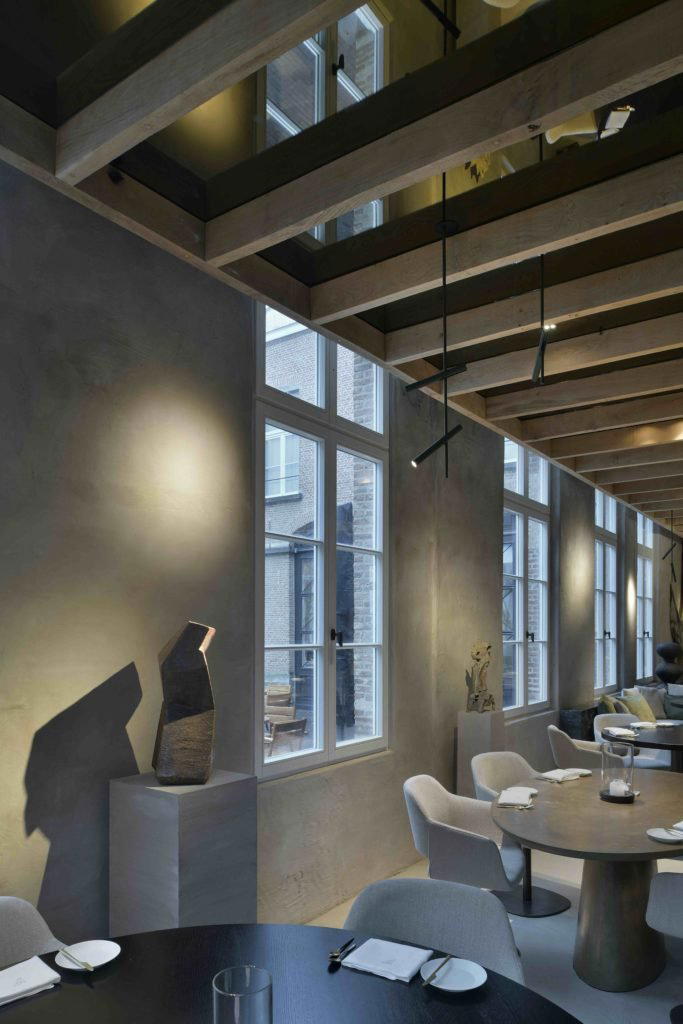
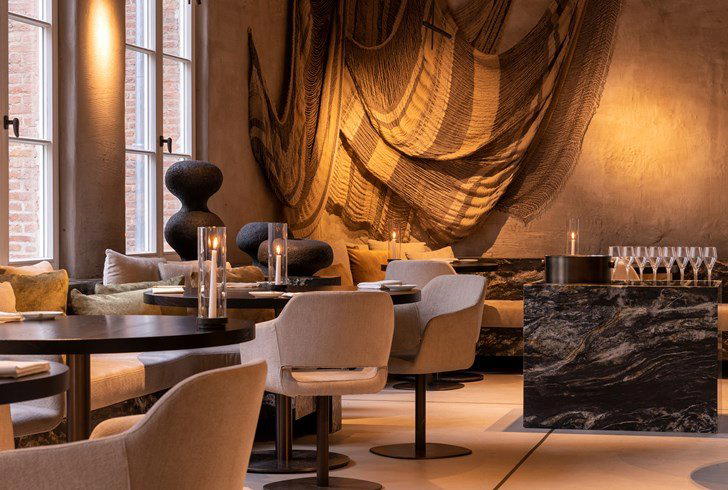
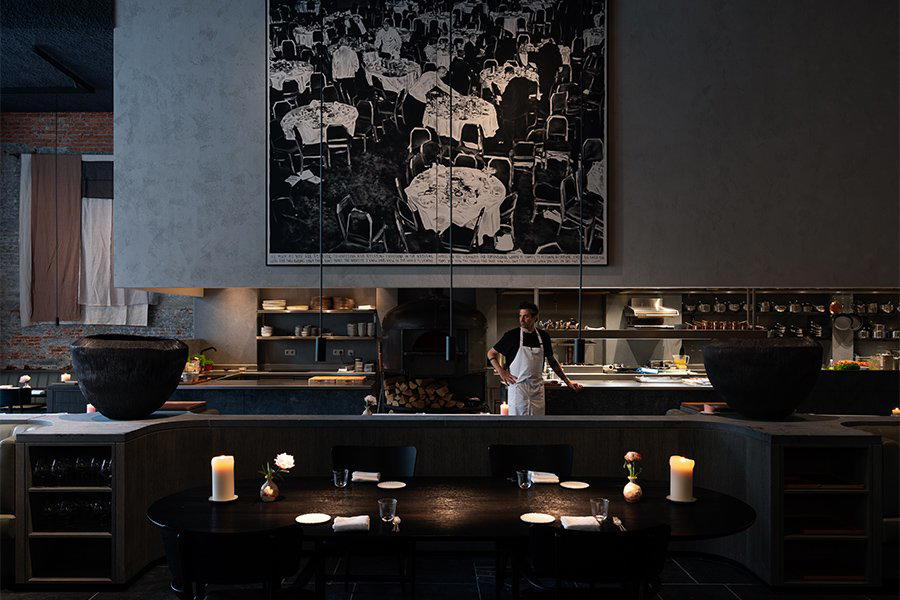
Bars in Antwerp
All bars in Antwerp →
Details
- Modern
- Trendy
- Minimalist
- Date Night
- Casual Hangout
- Terrace
- Local Sourcing
- Small Plates
- A La Carte
- Vegan Options
- Vegetarian Friendly
Current opening hours
- Monday
- Closed
- Tuesday
- 6–10 PM
- Wednesday
- 6–10 PM
- Thursday
- 6–10 PM
- Friday
- 12–2 PM, 6–10:15 PM
- Saturday
- 12–2 PM, 6–10:15 PM
- Sunday
- Closed
Hours can change for holidays and private events. Hours as of .
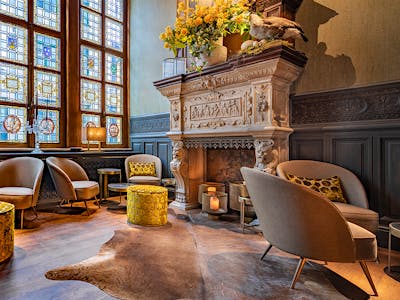
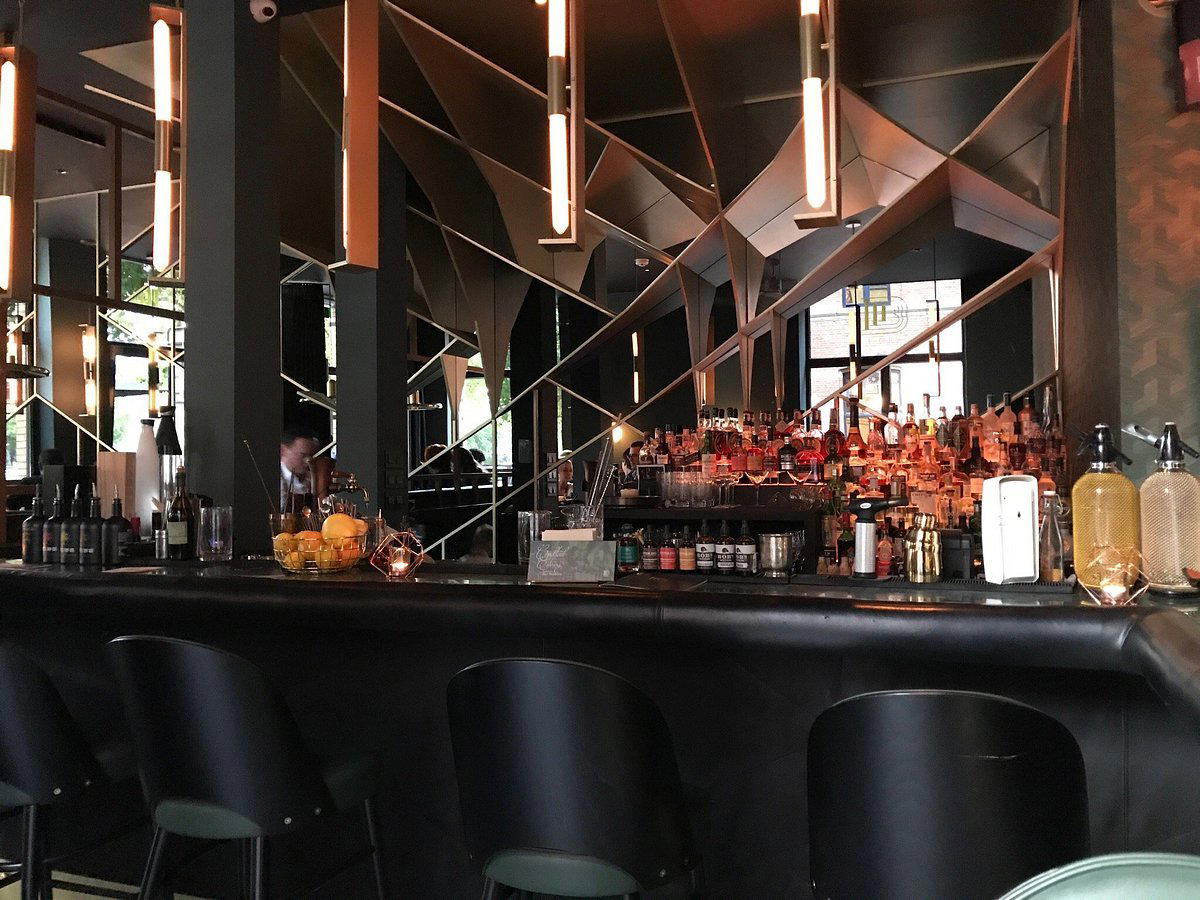
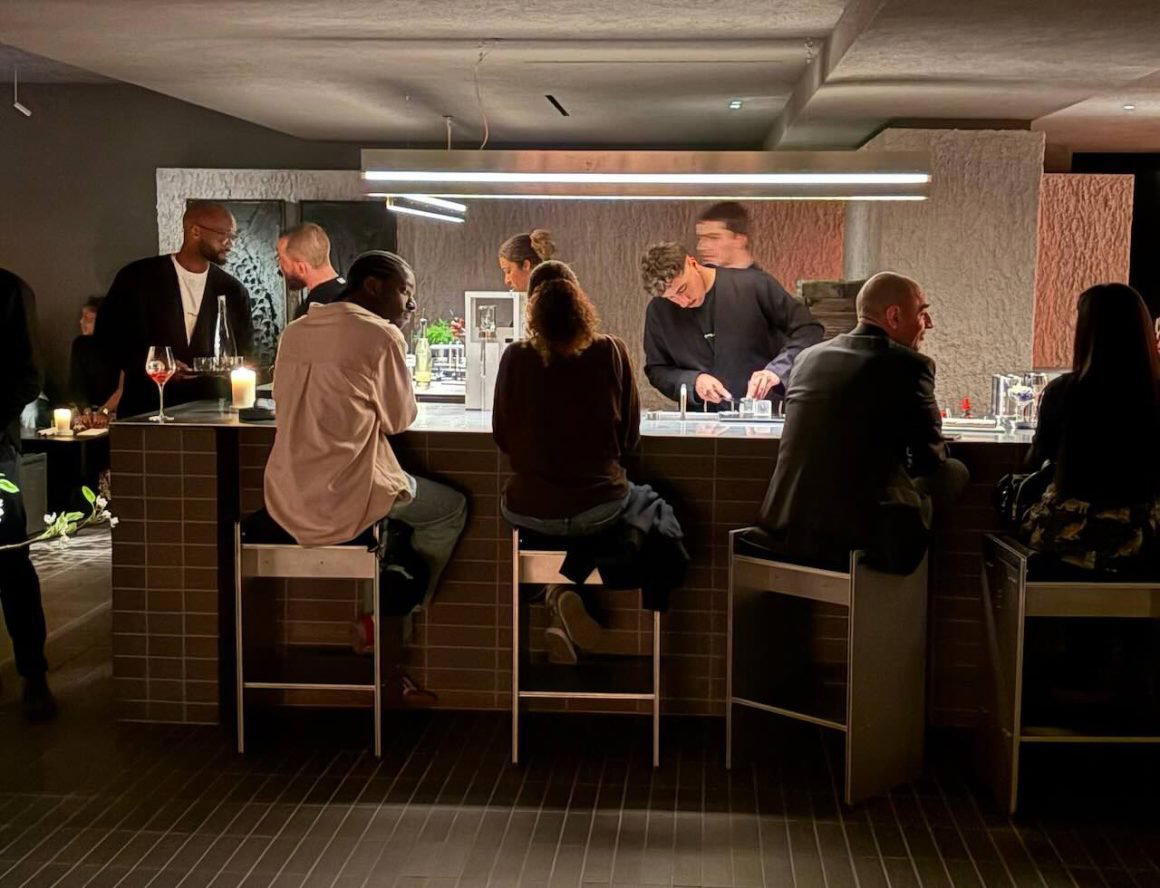
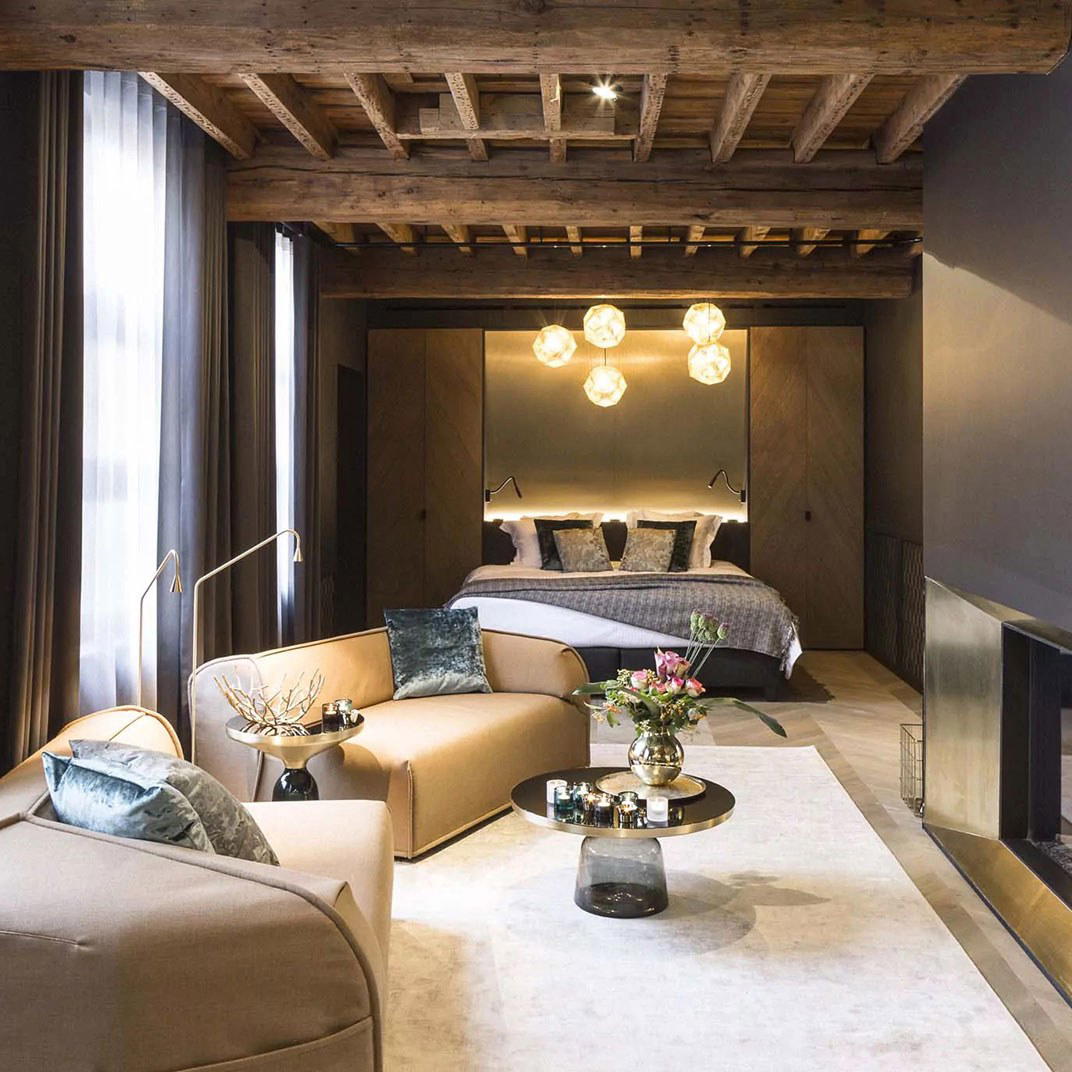
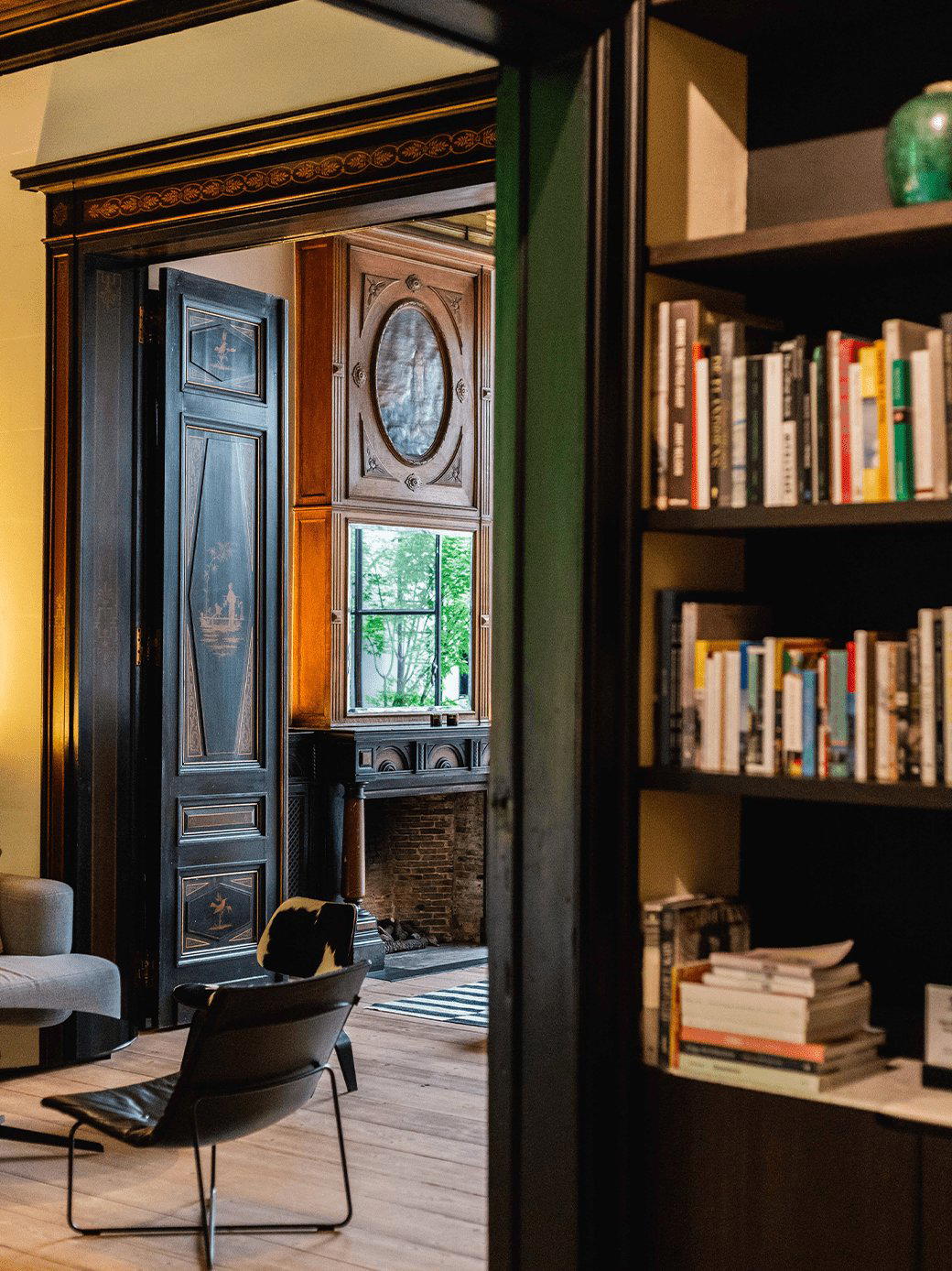
Slick and immaculate with light wooden stools and banquette seating, creating a modern minimalist atmosphere.