

Michelin Plate · We're Smart World 1 Radish
Our verdict
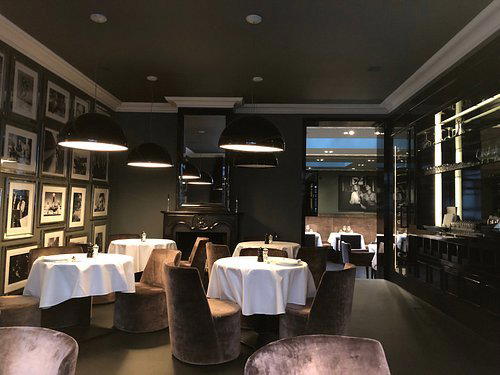
A Michelin Plate-recognised address on Rue du Châtelain, Odette en Ville occupies a grand citizen house in one of Ixelles' most composed residential squares. The kitchen works a seasonal Modern French register with vegetables at the centre of every plate, positioning it closer to produce-led neighbourhood dining than to formal French classicism.

Pearl is the En Primeur Club membership app, where members save venues, book tables and use the concierge.
The menu
What to order
- Ceviche
- Nems in spicy sauce
- Taglioni with pink shrimps
- Scallops and foie gras in duck stock
- Tuna mi-cuit
A Grand House, a Considered Menu
Rue du Châtelain is one of Ixelles' more architecturally coherent streets, lined with late-nineteenth-century bourgeois houses and a weekly market that draws the neighbourhood's more food-conscious residents. The setting for Odette en Ville is entirely in keeping: an imposing citizen house whose proportions, high ceilings, substantial facades, rooms that feel like rooms rather than converted retail space, frame the meal before a single plate arrives. In a Brussels dining culture where stripped-back industrial formats have dominated the past decade, that kind of architectural weight carries a distinct register.
The broader Ixelles dining scene runs a wide competitive range, from the plant-driven tasting format at Humus x Hortense and the farm-to-table propositions at Amen and Chou through to the Japanese precision of Kamo and the more casual Chinese offer at Car Bon. Within that spread, Odette en Ville occupies a specific position: a Modern French kitchen in a formal domestic setting, priced at the €€€ tier and recognised by the Michelin Guide with a Plate in both 2024 and 2025. That sustained recognition places it inside the city's credible mid-to-upper dining tier, a step below starred addresses but meaningfully above neighbourhood bistro territory.
What the Menu Architecture Reveals
The clearest editorial signal at Odette en Ville is not the French technique base but the structural role vegetables play across the menu. In French-rooted kitchens, vegetables have historically operated as accompaniment or garnish, subordinate to the protein anchor at the centre of the plate. Here, the configuration is different: vegetables appear as colour, as primary ingredient, and as an adjustable variable, with diners able to request additional portions of mixed salads and vegetable stews alongside the core dishes. That option matters because it turns the vegetable component from a fixed garnish into a modular element of the meal, a structural choice rather than a kitchen afterthought.
This positions Odette en Ville within a broader shift visible across European Modern French kitchens, where seasonal produce calendars increasingly drive menu architecture rather than simply informing it. At higher-end addresses like Sketch, The Lecture Room and Library in London or Schanz in the Moselle, the French technical vocabulary remains intact but the sourcing logic and seasonal structure now shape what appears on the menu as much as classical convention does. Odette en Ville operates in a less rarefied register than either of those addresses, but the underlying commitment to a vegetable-forward, seasonally governed menu follows the same directional logic.
Across Belgium's more celebrated kitchens, seasonal discipline is a baseline expectation rather than a differentiator. Three-Michelin-starred Hof van Cleve in Kruishoutem, Boury in Roeselare, and coastal addresses like Bartholomeus in Heist and Willem Hiele in Oudenburg all work seasonal calendars as part of their identity. What distinguishes Odette en Ville is that it applies this logic at the neighbourhood-dining tier, with a price point and setting that make the produce-led approach accessible to a broader dining frequency than a dedicated occasion restaurant allows.
The Setting as Part of the Proposition
In French and Belgian dining tradition, the maison bourgeoise format carries specific connotations. Meals served in private-house architecture tend to read as more personal and less transactional than purpose-built restaurant rooms, and the formality of the space creates a kind of ambient occasion-ness without requiring a tasting menu or dress code to sustain it. At Odette en Ville, the citizen house framing is described as an enchanting setting, language that points toward a dining room with genuine architectural character rather than applied decoration.
That atmospheric coherence between building and menu matters more than it might appear. The vegetable-forward healthy kitchen and the formal house setting sit together without contradiction because both carry a sense of considered restraint: neither the menu nor the room is trying to produce spectacle. The result is a restaurant that makes the most sense as a regular address for Ixelles residents rather than a destination proposition that requires planning from outside the neighbourhood.
How It Compares in the Brussels Context
Brussels operates as a city with genuine dining density but uneven international visibility. The Michelin Guide covers it seriously: addresses like Zilte in Antwerp and Bozar Restaurant in Brussels itself demonstrate the range of recognition available across the country. Odette en Ville's consecutive Michelin Plate recognitions in 2024 and 2025 place it in the Guide's acknowledged tier without the star hierarchy, a position that in practical terms means consistent kitchen quality rather than the tighter seasonal evolution and creative risk-taking associated with starred addresses.
Within Ixelles specifically, the restaurant's €€€ pricing aligns it with Amen and Kamo, and below the €€€€ positioning of Humus x Hortense. For a neighbourhood with strong resident dining demand and a weekly market culture already oriented around seasonal produce, Odette en Ville fills a specific gap: formal enough for occasion dining, accessible enough for regular use, and with a menu architecture that coherently extends the seasonal logic the area's food culture already privileges.
Planning a Visit
Odette en Ville is located at Rue du Châtelain 25, in the Châtelain district of Ixelles, one of Brussels' more walkable and food-dense neighbourhoods. The €€€ price tier places an average meal in a range comfortably above casual but without the financial commitment of starred Belgian addresses. The seasonal menu construction means the offer shifts across the year; visits in different seasons will encounter different produce orientations, which is a reason to return rather than a reason to wait. For a fuller picture of what the area offers, the Ixelles restaurants guide maps the neighbourhood's complete dining range, while Ixelles hotels, the Ixelles bars guide, the Ixelles wineries guide, and the Ixelles experiences guide cover the broader context for anyone building a longer itinerary around the neighbourhood.
Frequently asked questions
What awards or recognition does Odette en Ville have?
Odette en Ville has received recognition including: An imposing citizen house in an enchanting setting is the framework for Odette and ville. Here a healthy kitchen is used that follows the seasons. Every dish is coloured with vegetables. Moreover, you can always add extra portions of vegeta….
What's the signature dish at Odette en Ville?
There is no fixed signature plate, which is consistent with a kitchen that follows the seasonal produce calendar. The structural constant across the menu is vegetables: every dish is built around them, and diners can order additional portions of mixed salads or greens on top of the set menu.
What's the address for Odette en Ville?
Odette en Ville is located at Rue du Châtelain 25, 1050 Bruxelles, Belgium, Ixelles.
Is Odette en Ville reservation-only?
The restaurant holds Michelin Plate status for 2024 and 2025 and occupies a sought-after address in the Châtelain district of Ixelles, where tables at recognised addresses fill quickly. Contacting the restaurant directly via its Rue du Châtelain 25 address is the most reliable route.
What's the defining dish or idea at Odette en Ville?
The defining idea is structural: this is a Modern French kitchen where vegetables are not a side consideration but the organising principle of every plate. Set against the architectural backdrop of a late-nineteenth-century bourgeois house on Rue du Châtelain, the format pairs seasonal, produce-led cooking with a setting that carries the formality of a private residence rather than a conventional restaurant room.
The Short List
| Venue | Cuisine | Price | Awards | Notes |
|---|---|---|---|---|
| Odette en VilleThis venue (the venue you are viewing) | Modern French with International Influences | $50–100 | Michelin Plate · We're Smart World 1 Radish | Not listed |
| Kamo | Modern Japanese Fine Dining | $100–150 | 1 Michelin Star | Japanese |
| Humus x Hortense | Plant-Based Gastro-Botanical Fine Dining | $200–300 | 1 Michelin Star · We're Smart World Top 100 #10 | Creative |
| Amen | Modern European | $50–100 | Michelin Plate | Farm to table |
| Car Bon | Authentic Sichuan Chinese | $20–30 | Michelin Bib Gourmand | Chinese |
| L'épicerie Nomad | Global Fusion Small Plates | $20–30 | Michelin Plate | Mediterranean Cuisine |
Recognition history
Dated appearances from independent guides and award organizations, with the underlying list record or original source where available.
Michelin Plate
Michelin
We're Smart World 1 Radish
We're Smart World
Full recognition history (4 entries)
Michelin Plate
Michelin
Michelin Plate
Michelin
Continue exploring
More in Ixelles
Restaurants in Ixelles
All restaurants in Ixelles →
Bars in Ixelles
Browse all →
Hotels in Ixelles
All hotels in Ixelles →
Wineries in Ixelles
Browse all →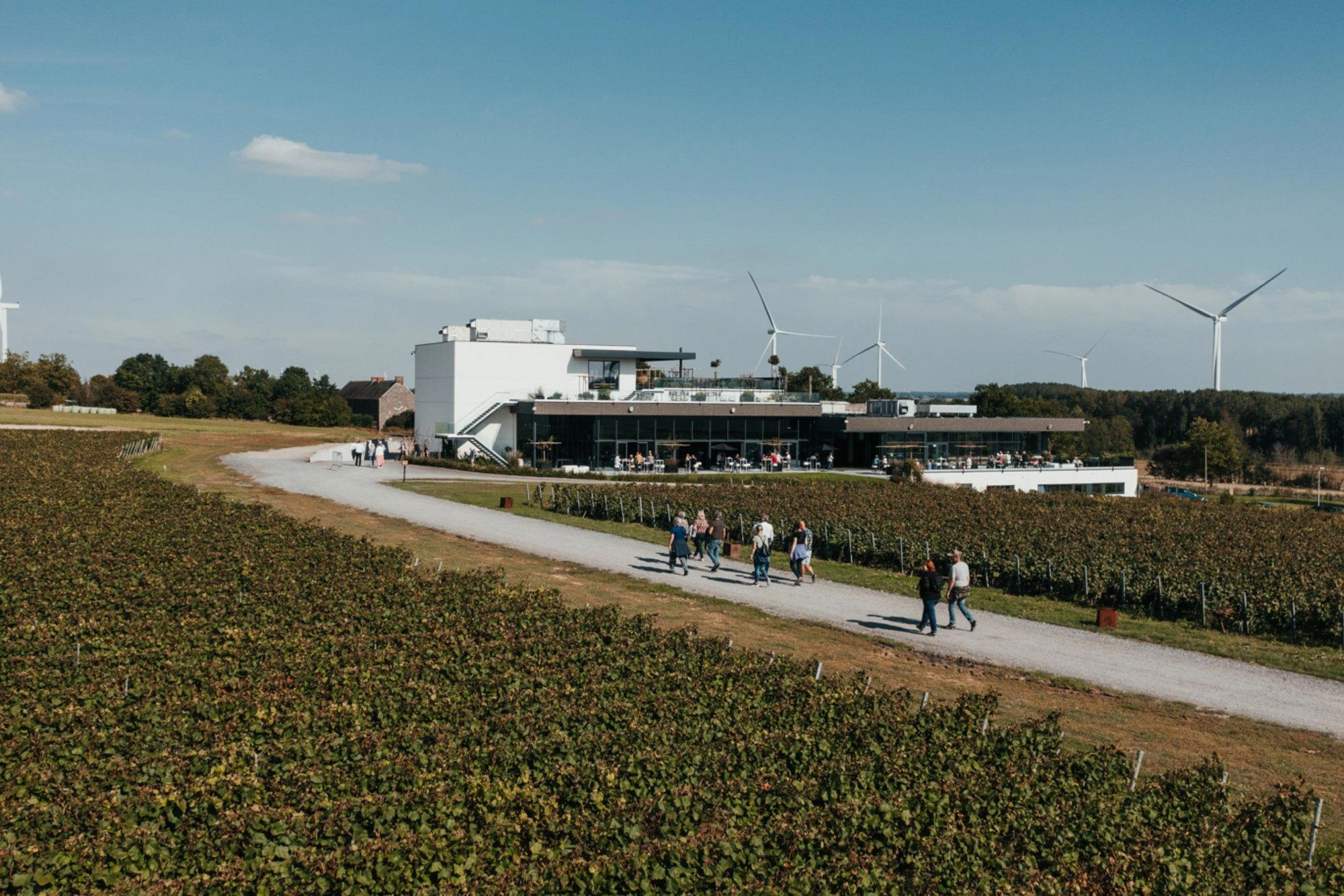
Details
- Elegant
- Trendy
- Romantic
- Sophisticated
- Date Night
- Special Occasion
- Hotel Restaurant
- Design Destination
- Extensive Wine List
- Craft Cocktails
- A La Carte
- Cocktails
- Wine
Dimly lit with refined, intimate atmosphere featuring tamed lighting and sophisticated decor; however, music volume is notably loud with heavy bass, creating a club-like environment that some find intrusive.