Our verdict
Monkeys occupies a neighbourhood dining position on Antwerp's Turnhoutsebaan, the kind of address built on repeat visits from local regulars rather than destination traffic. It sits within the Belgian tradition of ingredient-led cooking shaped by Flemish and French influences, on a residential corridor that operates apart from the city's more prominent waterfront dining cluster.

Pearl is the En Primeur Club membership app, where members save venues, book tables and use the concierge.
Turnhoutsebaan and the Question of Neighbourhood Loyalty
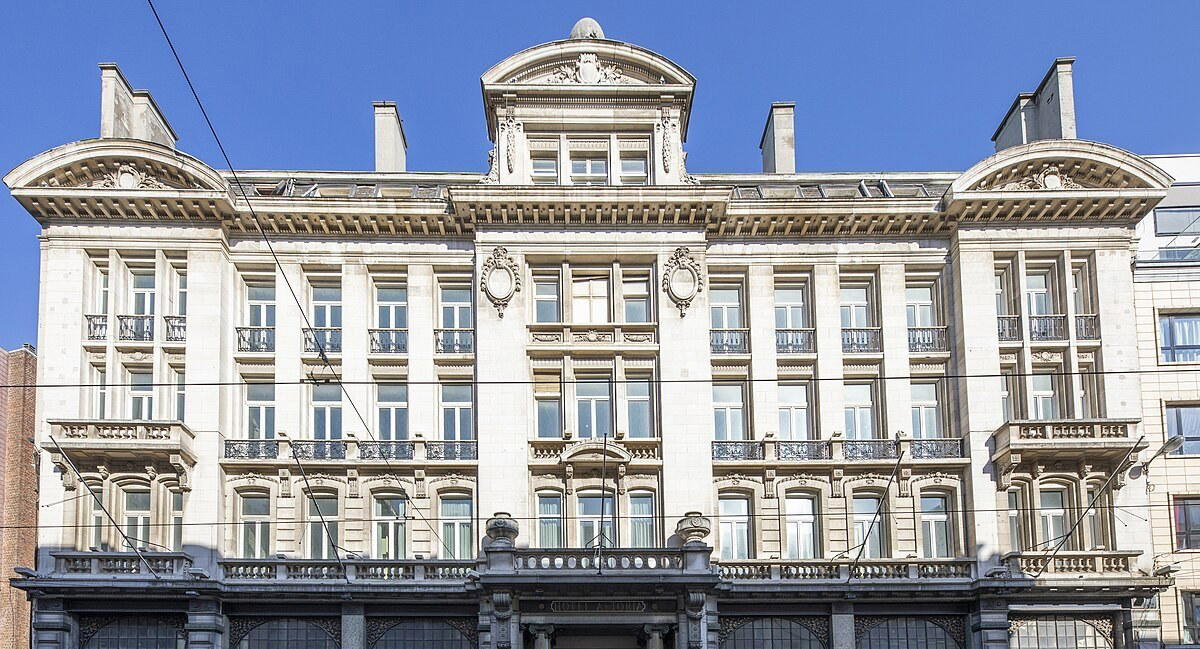
Antwerp's dining scene tends to concentrate its critical attention on the Eilandje waterfront and the historic centre, where addresses like Zilte and Hertog Jan at Botanic draw visitors from well beyond the city. The northern arc along Turnhoutsebaan operates on a different register. It is a working neighbourhood axis, the kind of street where residents eat regularly rather than occasionally, and where a restaurant earns its reputation one return visit at a time rather than through a launch review. Monkeys, at number 36 on that road, sits squarely in that tradition.
What this address signals before you even cross the threshold is an orientation toward the regular rather than the occasion diner. The street itself is neither destination nor spectacle. That is precisely the point. The restaurants that survive and accumulate genuine loyalty along stretches like Turnhoutsebaan do so because the kitchen is consistent, the room is honest, and the regulars feel the place belongs to them.
What Keeps People Returning
Across Antwerp's mid-market and upper-casual dining tier, the venues with the most durable followings share a few structural qualities: the menu moves with season and availability rather than locking in year-round signatures, the room feels the same whether it is a Tuesday in January or a Saturday in October, and the kitchen does not visibly strain for effect. Compare that with the more performance-oriented end of the city's dining offer, where the theatrical ambitions of venues in the 't Fornuis or Bistrot du Nord register, and the trade-off becomes clearer. Regulars at those addresses go for the occasion; regulars at a place like Monkeys go because the occasion is simply eating well.
The neighbourhood restaurant in Belgium operates within a particular culinary grammar. It draws from the Flemish tradition of ingredient-led cooking, where the quality of a piece of fish or a cut of meat is allowed to do most of the argumentative work, supplemented by classical French technique that never fully disappeared from the Belgian kitchen even as Nordic and Japanese influences reshaped the country's more ambitious tables. Antwerp restaurants in the DIM Dining mode signal a city that has absorbed those global currents; places like Monkeys speak to the current that runs underneath them.
The Unwritten Menu and the Loyalty It Builds
The concept of an unwritten menu is not about secret dishes or insider knowledge in any theatrical sense. It refers instead to the accumulated experience that a regular brings to a room: the knowledge of which days the kitchen is at its sharpest, which sections of the menu reflect the chef's current interests most directly, and what the kitchen will do without being asked if you signal that you are in their hands. This kind of relationship between a restaurant and its clientele develops over months and years, not over a single visit or a recommendation from a travel site.
At an address like Monkeys, the regulars are, in effect, co-authors of the experience. Their consistent presence tells the kitchen what to keep, what to refine, and what the room will tolerate by way of experiment. Belgium's most enduring neighbourhood restaurants operate this way across cities, and Antwerp, with its strong tradition of local identity even within a cosmopolitan port city, has always supported this model well. For context on the broader Belgian dining environment that produces and sustains these establishments, the range of kitchens across the country, from Boury in Roeselare and Hof van Cleve in Kruishoutem to coastal operations like Bartholomeus in Heist and Willem Hiele in Oudenburg, gives a sense of how much range the country supports at its upper levels. The neighbourhood tier that Monkeys represents is the foundation underneath all of that.
Antwerp's Northern Corridor
The Turnhoutsebaan corridor runs northeast from the city's ring and connects several residential districts that have seen gradual but real change over the past decade. The dining offer along this axis has thickened as those neighbourhoods have matured, adding cafés, wine bars, and small restaurants with genuine kitchen ambition to what was previously a predominantly functional strip. That process continues, and Monkeys occupies a position within it that is neither at the leading edge of that gentrification nor entirely apart from it.
For visitors to Antwerp who have already covered the waterfront dining offer and want to understand how the city actually eats, a stretch of Turnhoutsebaan tells you more than the Eilandje does. The comparison with Brussels is instructive: in that city, the Saint-Gilles and Ixelles neighbourhoods carry a similar function, and Bozar Restaurant in the capital represents the institutional prestige end of that city's dining offer, while the neighbourhood mid-tier does the daily work. Antwerp operates similarly, and Turnhoutsebaan belongs to the layer that keeps the city fed between the occasions.
Planning a Visit
Monkeys is located at Turnhoutsebaan 36 in the 2100 postal district of Antwerp, accessible from the city centre by tram or a short ride. Given that the venue sits within a neighbourhood dining tradition where reservations tend to follow local rhythms, booking a few days to a week ahead is a reasonable working assumption for weekends, though the actual availability will depend on the current season and whether the room has developed a stronger outside following. Contact details and current hours are best confirmed directly with the venue before visiting. For a broader map of what Antwerp's dining scene offers across price tiers and cuisines, the EP Club Antwerp guide covers the full range, and neighbouring strong addresses at the more formal end include Zilte and Hertog Jan at Botanic for multi-course occasions, and Bistrot du Nord for classic French framing at a competitive price point.
Frequently asked questions
What's the address for Monkeys?
Monkeys is located at Turnhoutsebaan 36, 2100 Antwerpen, Belgium, Antwerp.
Is Monkeys a good option for dinner in Antwerp's northern districts away from the tourist centre?
Monkeys at Turnhoutsebaan 36 in the 2100 postal district sits in a part of Antwerp that has seen gradual residential change without attracting the restaurant density of the Eilandje or the city's historic core. For visitors or locals based in the northeastern corridors, it functions as one of the few sit-down addresses with an established local following in that stretch.
What do people recommend at Monkeys?
The body of returning guests at Monkeys on Turnhoutsebaan 36 points to a menu shaped by consistency rather than novelty, the kind of dishes that accumulate a following through repetition and reliability rather than seasonal rotation. Specific current dishes are best confirmed by visiting or contacting the venue directly, as the menu is not published online.
How hard is it to get a table at Monkeys?
Monkeys sits in Antwerp's northern residential corridor, a stretch of the city that doesn't draw the same tourist footfall as the Eilandje waterfront or the historic centre. That geography tends to keep walk-in prospects more realistic than at comparable venues downtown, though weekend demand from the local neighbourhood can shift that. No public booking data is available, so calling ahead is advisable.
What's the standout thing about Monkeys?
Its address on Turnhoutsebaan 36, in the 2100 district northeast of Antwerp's ring, places it squarely outside the circuits that draw food press and destination diners. The venue's following appears built on neighbourhood loyalty rather than critical recognition, which in Antwerp's dining context is a different and arguably more durable kind of credential.
Can Monkeys adjust for dietary needs?
No dietary policy or menu detail is published for Monkeys. Given the venue's positioning as a neighbourhood-focused address in Antwerp's 2100 district, the practical approach is to check the venue's official channels before visiting to confirm what accommodations are possible.
Is Monkeys worth it?
For diners already in Antwerp's northern residential districts, Monkeys on Turnhoutsebaan 36 represents the kind of local anchor that doesn't require a cross-city journey to justify. For visitors staying in the centre, the case depends on what they're looking for: critical acclaim and Michelin-tracked addresses sit elsewhere in the city, but Monkeys appears to offer something the downtown circuit rarely does, a room full of people who live nearby and keep coming back.
Price Lens
Comparable venues nearby, for context on price, style, and recognition.
| Venue | Cuisine | Price | Awards | Notes |
|---|---|---|---|---|
| MonkeysThis venue (the venue you are viewing) | Cantonese Chinese | $20–30 | Not listed | Not listed |
| Ting Kee Mie | Chinese Noodle Bar | $10–20 | Not listed | Chinatown, Chinese Noodle Bar |
| Fong Mei | Authentic Cantonese Dim Sum | $20–30 | Not listed | Chinatown, Authentic Cantonese Dim Sum |
| Bistrot fromm | French-Belgian Bistro | $30–50 | Not listed | Ekeren, French-Belgian Bistro |
| Qin | Modern Cantonese | $30–50 | Michelin Plate | Centrum, Modern Cantonese |
| Verso Café | Fusion Bistro | $30–50 | Not listed | fashion district, Fusion Bistro |