Phở Tùng
Among Prague's Vietnamese restaurants, Phở Tùng occupies a residential stretch of Praha 4 rather than the tourist-facing corridors of the city centre, drawing a predominantly local crowd to its pho and broader Vietnamese repertoire. That address alone signals something about its priorities. Compared to the fine-dining tier represented by venues like La Degustation Bohême Bourgeoise, Phở Tùng operates in a different register entirely, everyday, precise, and community-rooted.
Pearl is the En Primeur Club membership app — saves, bookings, and concierge access live there. Same editors, same standards.
- Address
- Libušská 319/126, 142 00 Praha
 Saves & bookings on Pearl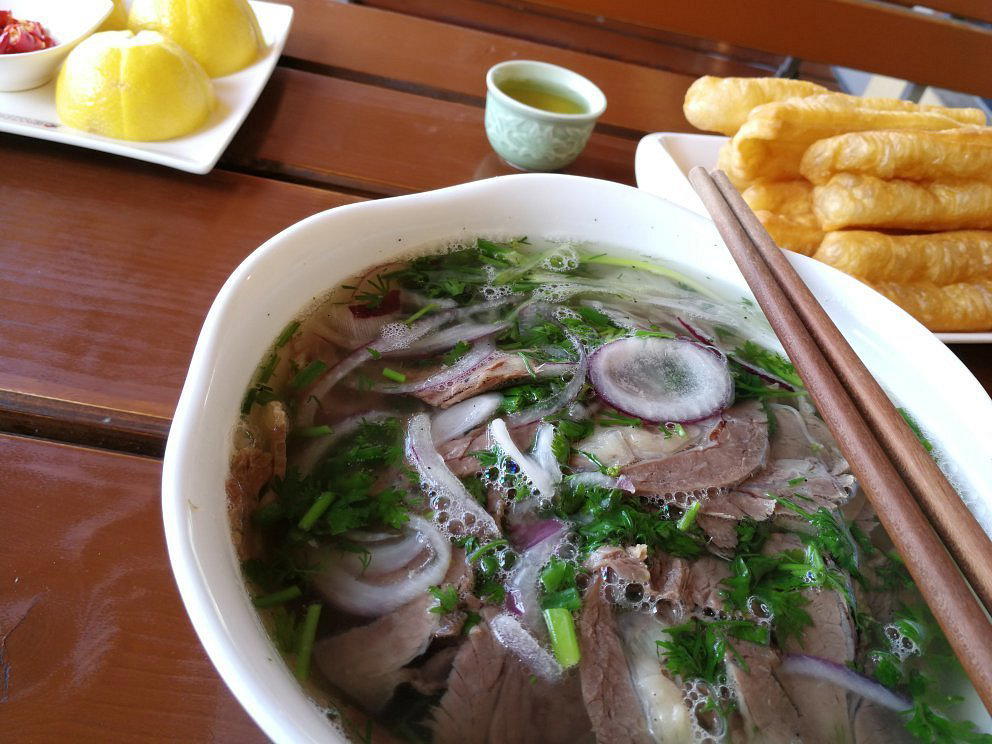
A Bowl of Broth in Praha 4: Where Prague's Vietnamese Community Eats
Phở Tùng is a casual Vietnamese restaurant in Praha 4, Prague, serving Traditional Northern Vietnamese Pho at about $10 per person. Prague's relationship with Vietnamese cuisine runs deeper than most Central European capitals. The Czech Republic hosts one of the largest Vietnamese diaspora communities in Europe, a legacy of bilateral labour agreements stretching back to the 1980s, and the restaurants that community sustains are often found not in tourist-adjacent neighbourhoods but in residential districts where rents are lower and the regulars are loyal. Libušská in Praha 4 is exactly that kind of address. The street moves at a different pace from Old Town Square, and the dining rooms along it serve people who live nearby rather than visitors passing through.
Phở Tùng sits on that residential stretch, Libušská 319/126, in a part of the city where Vietnamese restaurants operate as genuine neighbourhood institutions rather than novelty propositions. For a visitor accustomed to evaluating Prague dining against the tasting-menu tier of La Degustation Bohême Bourgeoise or the modern European cooking at Alcron, this part of Praha 4 requires a recalibration of expectations, and rewards it.
The Arc of a Vietnamese Meal: From Broth to Table
Vietnamese restaurant meals in the Central European diaspora context tend to follow a logic shaped by the cuisine's own internal sequence rather than by Western tasting-menu conventions. The bowl of phở is rarely just an opening course; in many contexts it is the meal itself, a self-contained world of stock, noodle, protein, and herb. But the broader menu at a kitchen like this typically moves outward from that anchor, offering grilled items, rice plates, and stir-fried dishes that reward ordering in rounds with a group.
The progression that makes most sense here begins with broth. Phở, the dish that gives the restaurant its name, is the clearest statement of any Vietnamese kitchen's priorities. A well-made phở bò requires stock simmered for hours, charred ginger and onion, star anise and cinnamon in measured proportion, and beef applied in multiple forms: tendon, brisket, eye of round sliced thin enough to finish cooking in the bowl. The quality of that stock is not something that can be improvised; it is the accumulated result of technique and time. At Praha 4 Vietnamese restaurants operating for a local clientele, consistency in that broth is the standard by which regulars judge the kitchen.
From the broth, the meal can extend toward lighter, sharper registers. Fresh spring rolls, gỏi cuốn, provide textural contrast: rice paper, vermicelli, herbs, and protein assembled without heat, often arriving with a peanut-hoisin dipping sauce. This course functions as a palate reset between richer elements. Grilled items, where they appear, tend to anchor the middle of the table, bún chả-style combinations of pork and noodle, or rice plates where the char from the grill marks the flavour as much as the marinade does.
The Vietnamese diaspora restaurant scene in Prague operates at a price point that reflects its community function. This is everyday eating, not occasion dining, and the value-to-quality relationship sits in a different tier from the formal restaurants of Prague 1 or the wine-led experiences you find at venues like Alma or Amano. That positioning is a feature, not a gap.
Praha 4 and the Geography of Honest Eating
Understanding where Phở Tùng sits geographically helps explain what kind of experience it delivers. Praha 4 is a broad, largely residential district south of the city centre, home to a significant portion of Prague's Vietnamese-Czech population. The Vietnamese market and restaurant infrastructure here is substantial, this is not a single restaurant operating in isolation but part of a denser ecosystem of Vietnamese food businesses that has developed over decades. That density creates competition and, with it, a baseline of quality that rewards the curious visitor willing to travel beyond the tourist core.
The contrast with Prague's centre is instructive. In the streets around Wenceslas Square or Old Town, restaurants calibrate their offer for high-turnover visitor trade. In Praha 4, the clientele is local and repeat, and the kitchen's reputation lives or dies on whether the regulars come back next week. That accountability tends to produce more consistent food than the tourist-adjacent model. Visitors who have tracked down Vietnamese restaurants in similarly residential contexts in other Central European cities, comparable to the experience of finding Hello Vietnam in Karlovy Vary or community-rooted spots in Brno like BRATRS, will recognise the dynamic.
How It Compares: Prague's Dining Register
Prague's restaurant scene in 2024 has diversified considerably across price tiers and cuisine categories. Stronger examples from the market is anchored by tasting-menu formats: La Degustation Bohême Bourgeoise at the French-Czech end, and modern European formats at places like 420 Restaurant and Emperor Square in Prague 1. Below that tier, the middle market has expanded with Italian and international offerings. Vietnamese cooking, particularly at the community-restaurant level in outer districts, occupies a different axis altogether, one defined by cuisine authenticity and neighbourhood function rather than by design investment or tasting format.
For visitors planning a broader Prague eating itinerary, this distinction matters. A meal at Phở Tùng is not competing with Alcron or Alma for the same occasion. It belongs to the part of the schedule dedicated to eating what the city actually eats, the kind of meal that, in any city with a substantial diaspora community, often outperforms expectations set by its price and postcode. Visitors who make the trip to Praha 4 for this kind of eating tend to find the approach, a tram or Metro ride from the centre, a residential streetscape, a room full of Czech-Vietnamese regulars, clarifying rather than inconvenient.
The international comparison points are instructive here too. Vietnamese food at the community-restaurant tier in cities like New York, where fine dining institutions like Le Bernardin and creative Korean formats like Atomix define the prestige end, is understood to operate on a completely separate register from the tasting-menu world. Prague is moving in the same direction: a city where sophisticated fine dining coexists with deeply rooted community kitchens, and where a knowing visitor knows which occasion calls for which.
Planning Your Visit
The restaurant is at Libušská 319/126, Praha 4. The area is accessible by Metro Line C (Háje or Chodov) or by tram from the centre. As with most neighbourhood Vietnamese restaurants in Prague's outer districts, the busiest periods tend to be lunch and early evening, arriving outside peak windows typically means shorter waits and a quieter room.
For those building a broader Czech Republic itinerary, comparable community-rooted restaurants worth tracking include Bylo, nebylo in Liberec, La Chica in Plzen, U Lípy in Hrensko, Restaurace Dr. Grill in Havirov, ARRIGŌ in Děčín, Gokana in Ostrava, and Vinařství Gurdau in Kurdejov for wine country contrast.
The Short List
Comparable venues nearby, for context on price, style, and recognition.
| Venue | Cuisine | Price | Notes |
|---|---|---|---|
| Phở TùngThis venue — the venue you are viewing | Not listed | $ | Not listed |
| Bánh cuốn Huyền Long | Písnice, Northern Vietnamese Bánh Cuốn | $ | Not listed |
| Chè Sai Gòn | Not listed | $ | Libuš (SAPA), Traditional Vietnamese Desserts & Chè |
| Gao Den | Stodulky, Modern Vietnamese | $$ | Not listed |
| Sandwich Rodeo | Pelc Tyrolka, American Sandwiches | $$ | Not listed |
| Cafe Slavia | Not listed | $$ | Praha 1, Traditional Czech Cafe |
At a Glance
- Cozy
- Casual Hangout
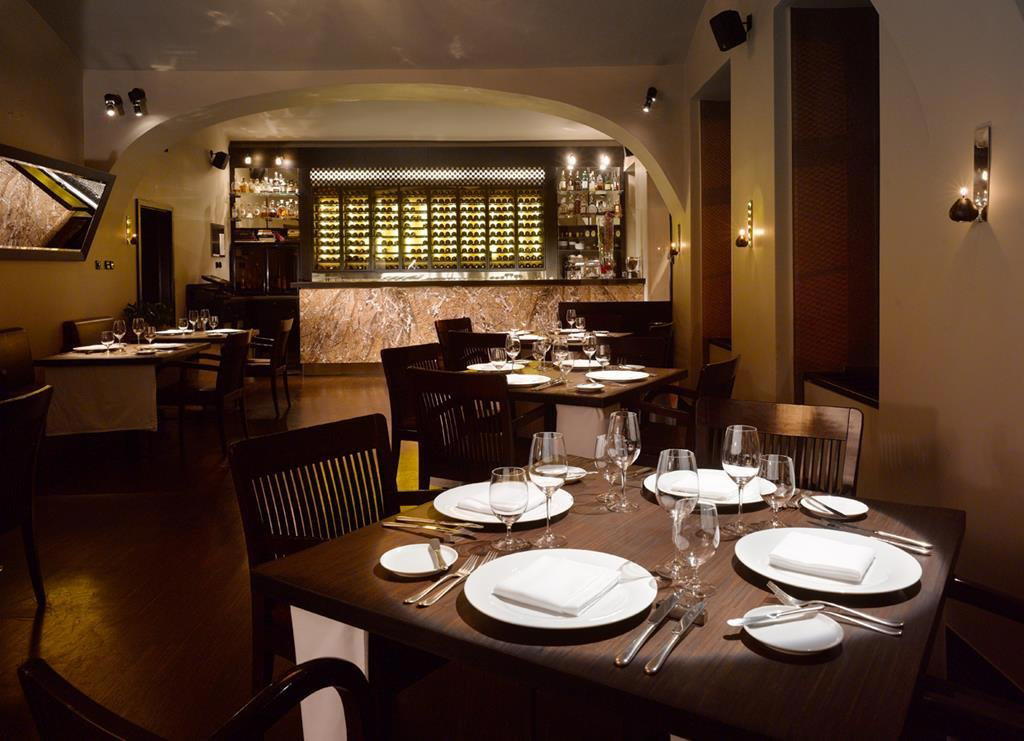
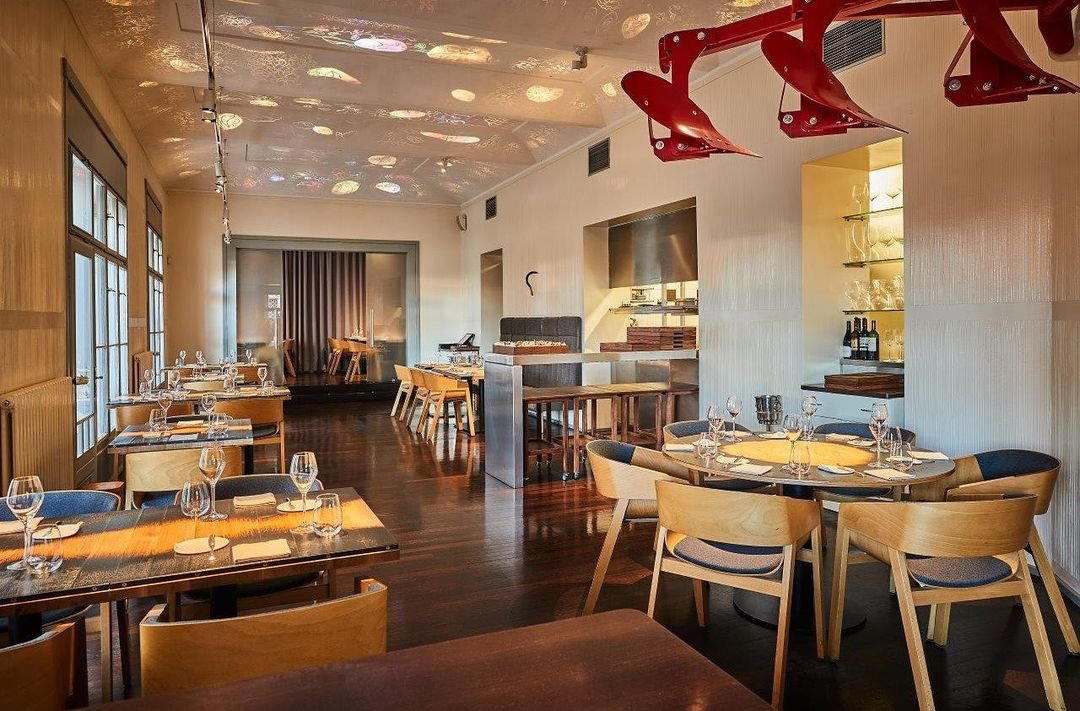
Clean and modern fastfood environment in a Vietnamese market setting.