Bánh cuốn Huyền Long
Bánh cuốn Huyền Long brings one of Vietnam's most technically demanding street dishes to Prague's growing Southeast Asian dining scene. The kitchen specialises in bánh cuốn, the delicate steamed rice rolls that define northern Vietnamese breakfast culture. For a city more accustomed to svíčková than pho, this address represents a precise, narrow specialism that earns its following on craft alone.

Pearl is the En Primeur Club membership app — saves, bookings, and concierge access live there. Same editors, same standards.
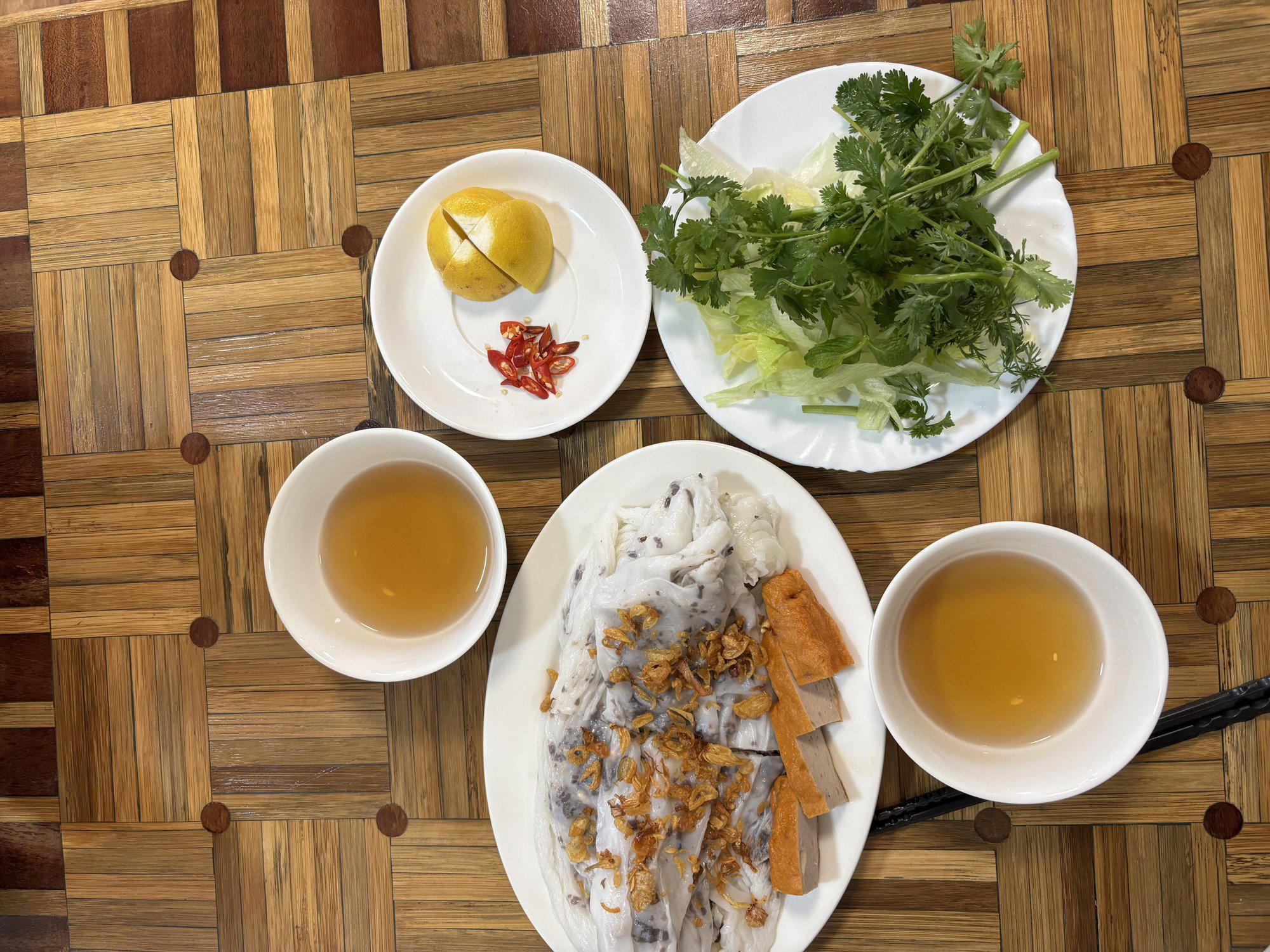
Steam, Rice, and the Morning Ritual: Prague Encounters Northern Vietnam
Walk into a bánh cuốn specialist anywhere in Hanoi at seven in the morning and the air is already thick with steam. The rice batter hits the cloth stretched over boiling water, sets in seconds, and is peeled away in a single sheet before being folded over a filling of minced pork and wood-ear mushroom. It is a dish that rewards patience and precision in equal measure, and it rarely travels well outside the cities where it originated. That Bánh cuốn Huyền Long operates in Prague makes it a notable address in the Czech Republic's dining scene.
Prague's Vietnamese community is among the largest in Europe, a legacy of labour migration agreements between Czechoslovakia and the Socialist Republic of Vietnam during the 1970s and 1980s. That history produced a city with more Vietnamese residents per capita than most Western European capitals, and with it, a food culture that runs far deeper than the typical immigrant-restaurant shorthand. The bánh cuốn format sits in a specific tier within that community: it is not a populist bowl of pho built for volume, but a specialist preparation that signals a kitchen's commitment to a single dish done properly.
The Dish at the Centre
Bánh cuốn is northern Vietnamese in origin, rooted in the Red River Delta provinces and associated with Hanoi's morning food culture. The wrapper itself, made from a thin rice flour batter steamed over a drum of simmering water, is translucent and faintly elastic, its texture sitting somewhere between a crepe and a dim sum skin. The filling is typically a combination of seasoned ground pork and rehydrated wood-ear mushroom, which provides both earthiness and a slight resistance against the softness of the rice sheet. The dish is served with nuoc cham, crispy shallots, and often a slice of cha lua, the Vietnamese pork sausage that anchors many northern breakfasts.
What separates competent bánh cuốn from the version that locals will travel across a city for is almost entirely textural. The batter ratio, the heat of the water, and the speed of peeling determine whether the sheet holds together or tears. A kitchen that produces consistent, intact rolls over a full service has earned a degree of technical respect that the dish's modest appearance does not immediately signal to the uninitiated.
For context, Prague's more formal dining tier includes addresses like La Degustation Bohême Bourgeoise, which operates at the intersection of French technique and Czech culinary heritage, and Alcron, one of the city's established modern European rooms. Bánh cuốn Huyền Long occupies a fundamentally different register: lower price point, narrower focus, and a format built around daily preparation rather than tasting menus. Its comparable set is closer to the community-driven Vietnamese spots scattered through Prague's Žižkov and Holešovice districts than to the Michelin-adjacent circuit. That positioning is not a limitation; it reflects exactly what this category of restaurant is and who it serves.
Atmosphere and the Logic of the Specialist Kitchen
Specialist kitchens of this type share a recognisable sensory grammar. The dining room, if there is a formal one, tends toward function over decoration. Steam is ambient and constant. The sound of the kitchen, the soft percussion of prep and the hiss of water, carries into the front of house in a way that more composed restaurants work hard to suppress. Here it is simply the evidence that the dish is being made correctly, in real time, rather than assembled from components prepared hours earlier.
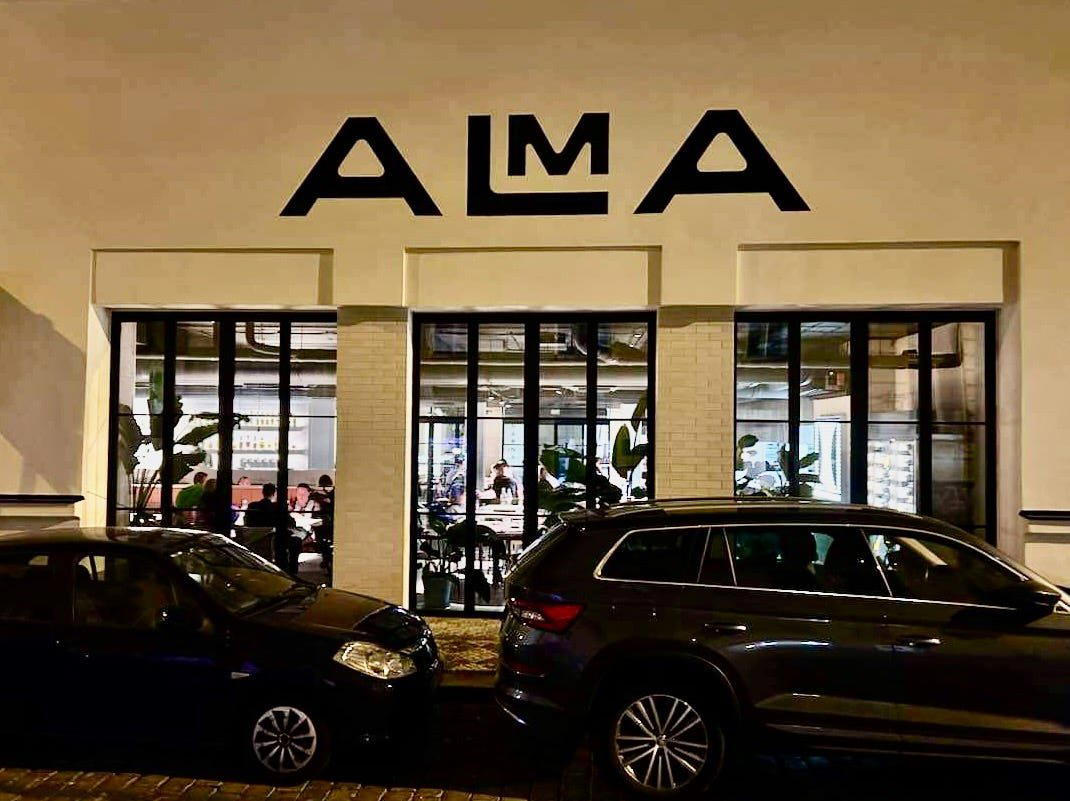
That transparency of process is increasingly rare in Prague's dining scene, where kitchen theatre has migrated toward the tasting-menu format. Venues like 420 Restaurant, Alma, and Amano each represent different points on Prague's spectrum of considered, constructed dining experiences. The specialist Vietnamese kitchen operates from a different logic: the craft is in the repetition, and the transparency is the point. You see the steam, you hear the process, and you understand that the dish on your table came directly from a technique practised until it became automatic.
Placing Huyền Long in the Czech Dining Map
Across the Czech Republic, regional dining has its own centres of gravity. Pavillon Steak House in Brno and Na Spilce in Pilsen reflect the country's appetite for hearty, protein-led formats that have defined Czech hospitality for generations. More contemporary outliers like Long Story Short Eatery and Bakery in Olomouc, Cattaleya in Čeladná, and Chapelle in Písek each demonstrate how the country's dining culture is fragmenting beyond its traditional anchors. Smaller operations like Tlustá Kachna in Chrudim, Dvůr Perlová voda in Budyně nad Ohří, Perk Restaurant in Šumperk, ARRIGŌ in Děčín, and V Bezovém Údolí in Kryštofovo Údolí point to a dispersed appetite for specificity and craft that does not require a Prague address to be taken seriously.
Against that backdrop, Bánh cuốn Huyền Long reads as a Prague expression of a pattern visible across European cities with established Vietnamese communities: the move from broad-menu Vietnamese restaurants toward venues built around a single dish or regional tradition. It is the same trajectory that took ramen from a category to a discipline, and dim sum from a communal format to a specialist preparation.
Planning Your Visit
The restaurant is walk-in friendly and best visited in the morning or early afternoon, when bánh cuốn is traditionally served. As a general principle for this category, morning and early afternoon remain the traditional service window for bánh cuốn, reflecting the dish's roots as a breakfast and brunch preparation. Arriving before midday gives a stronger chance of finding the freshest batter preparation of the day.
Nearby-ish Comparables
Comparable venues nearby, for context on price, style, and recognition.
| Venue | Cuisine | Price | Notes |
|---|---|---|---|
| Bánh cuốn Huyền LongThis venue — the venue you are viewing | Northern Vietnamese Bánh Cuốn | $ | Not listed |
| Phở Tùng | Traditional Northern Vietnamese Pho | $ | Little Hanoi |
| Chè Sai Gòn | Traditional Vietnamese Desserts & Chè | $ | Libuš (SAPA) |
| Bánh Mì Má Lúm | Authentic Vietnamese Bánh Mì | $$ | Libuš |
| Kantýna | Traditional Czech Grillhouse | $$ | Praha 2 |
| Dejvická 34 | Modern Italian-Czech Bistro | $$ | Bubenec |


At a Glance
- Rustic
- Casual Hangout
- Standalone