Field




Field Restaurant holds a Michelin star in Prague's Old Town, where chef Radek Kašpárek runs tasting menus built around Czech seasonal produce in a minimalist dining room on U Milosrdných. The format splits between a longer evening tasting and shorter daytime versions, with tableside theatrics, flambéed sauces, smoke-box brioche, that sit within a restrained, technically focused framework. Opinionated About Dining ranked it among Europe's top restaurants in 2025.
Pearl is the En Primeur Club membership app — saves, bookings, and concierge access live there. Same editors, same standards.
- Address
- U Milosrdných 12, 110 00 Staré Město, Czechia
- Phone
- +420 725 170 583
- Website
- fieldrestaurant.cz
- Directions
- Get directions
 Saves & bookings on Pearl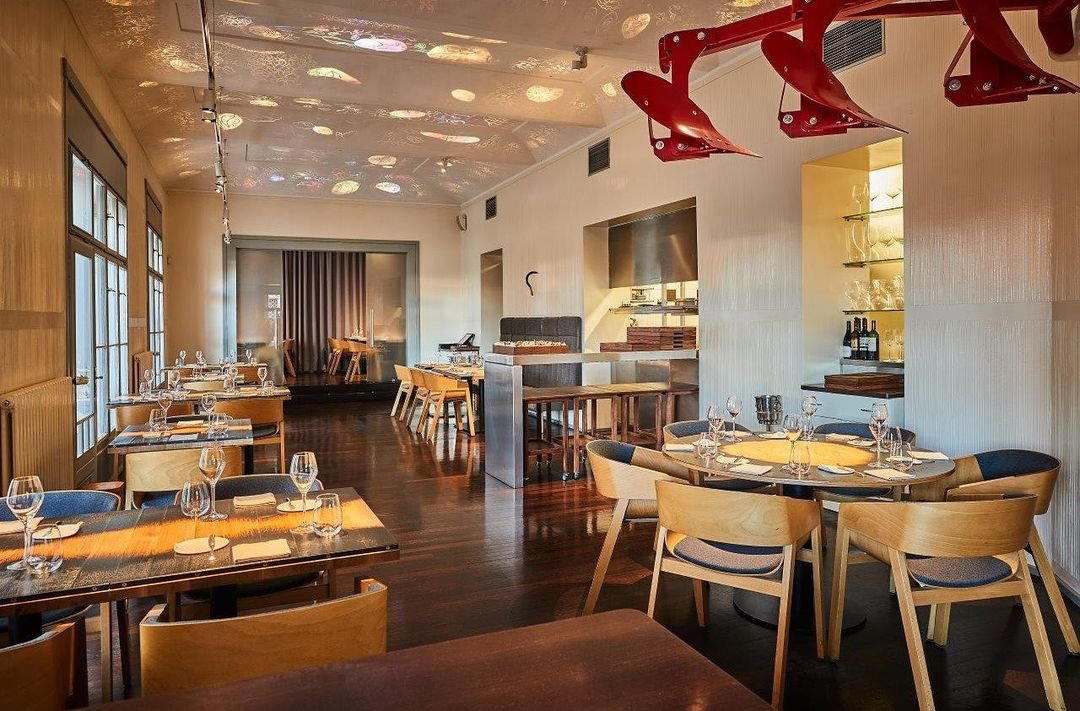
Old Town, Minimalist Shell, Technical Core
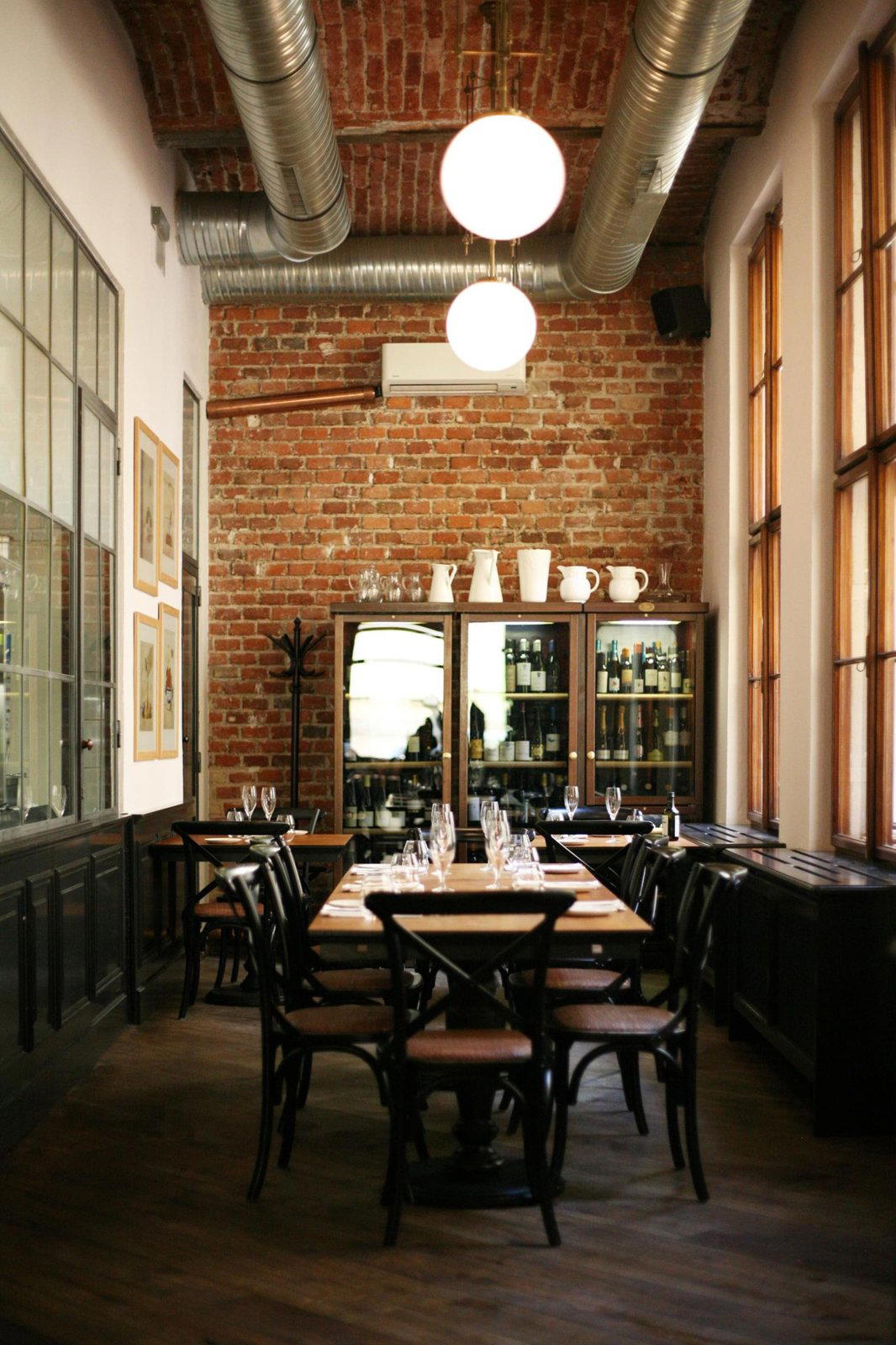
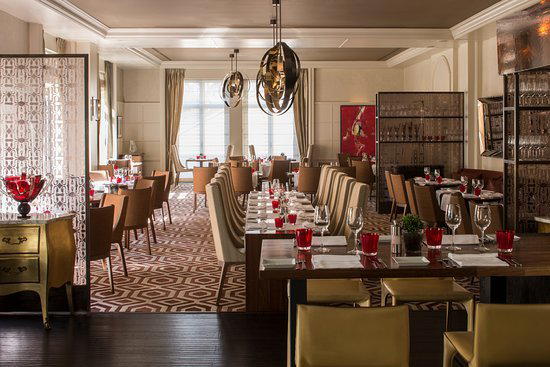
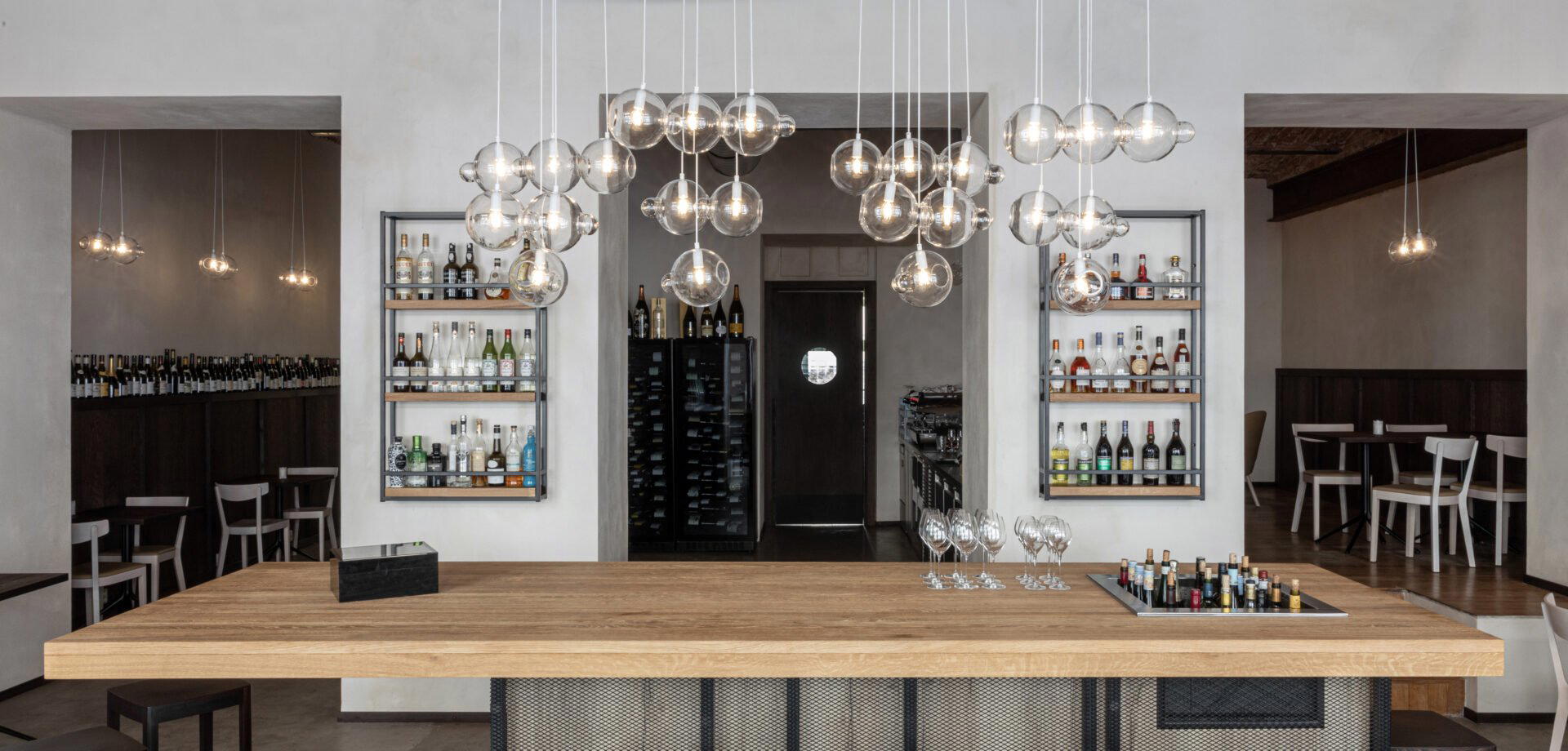
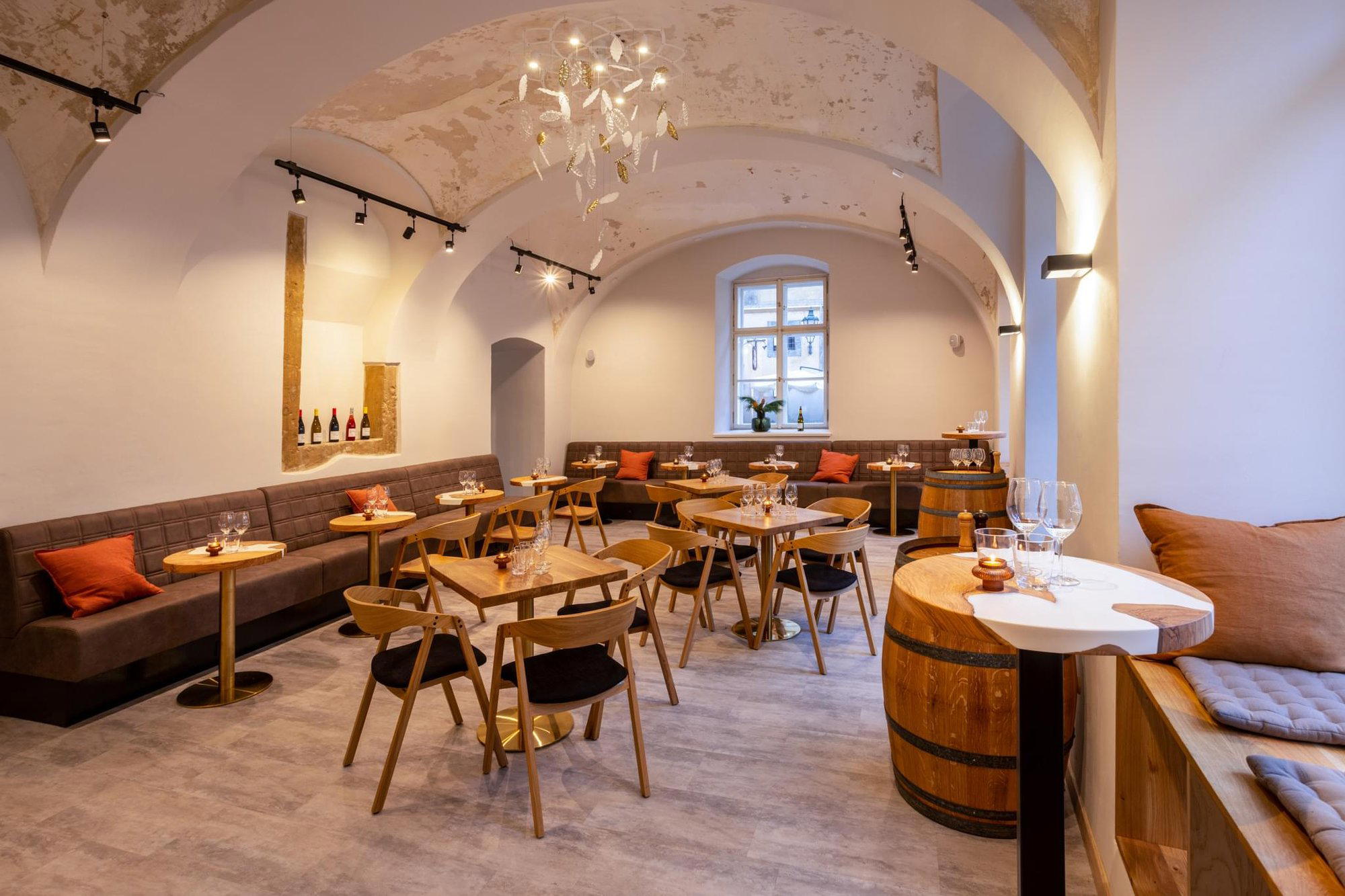
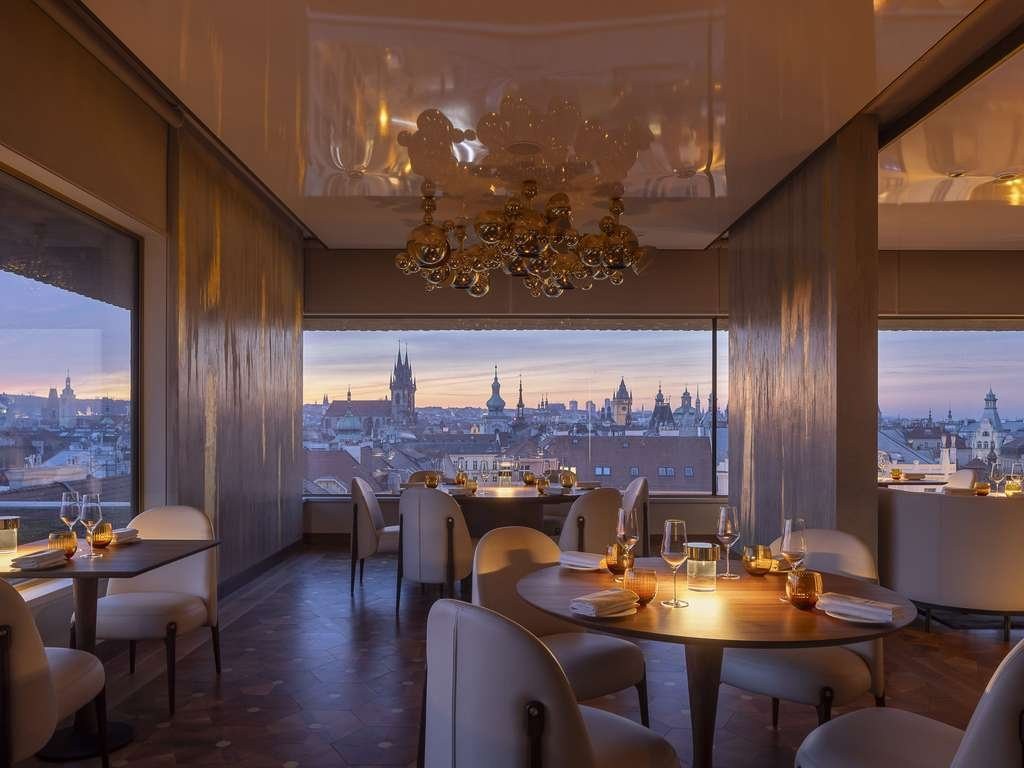
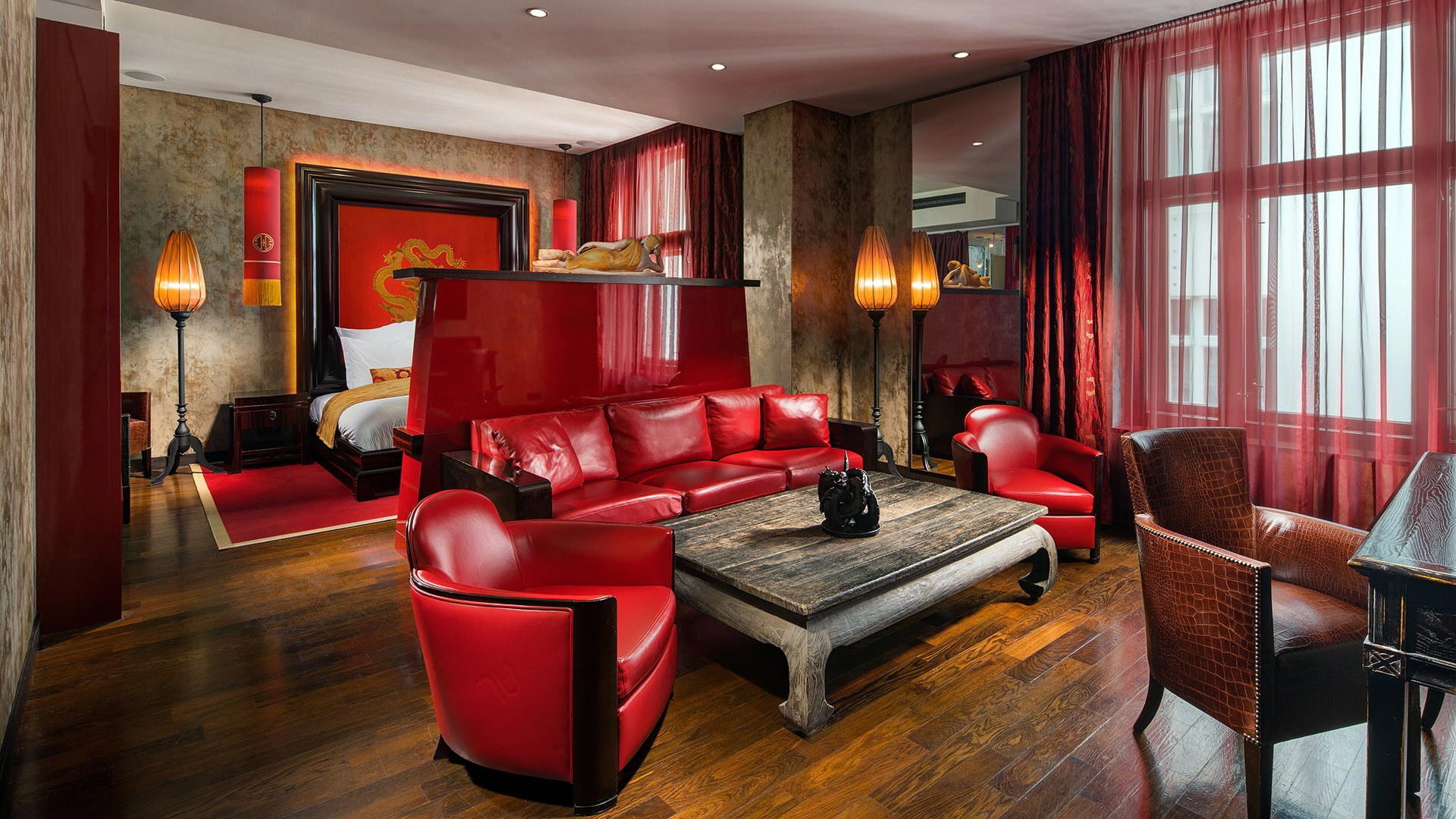
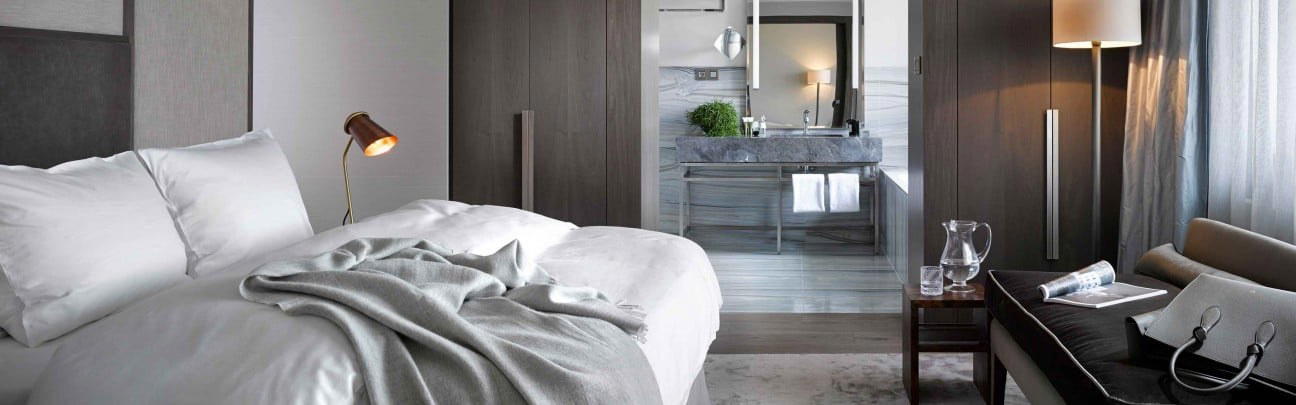
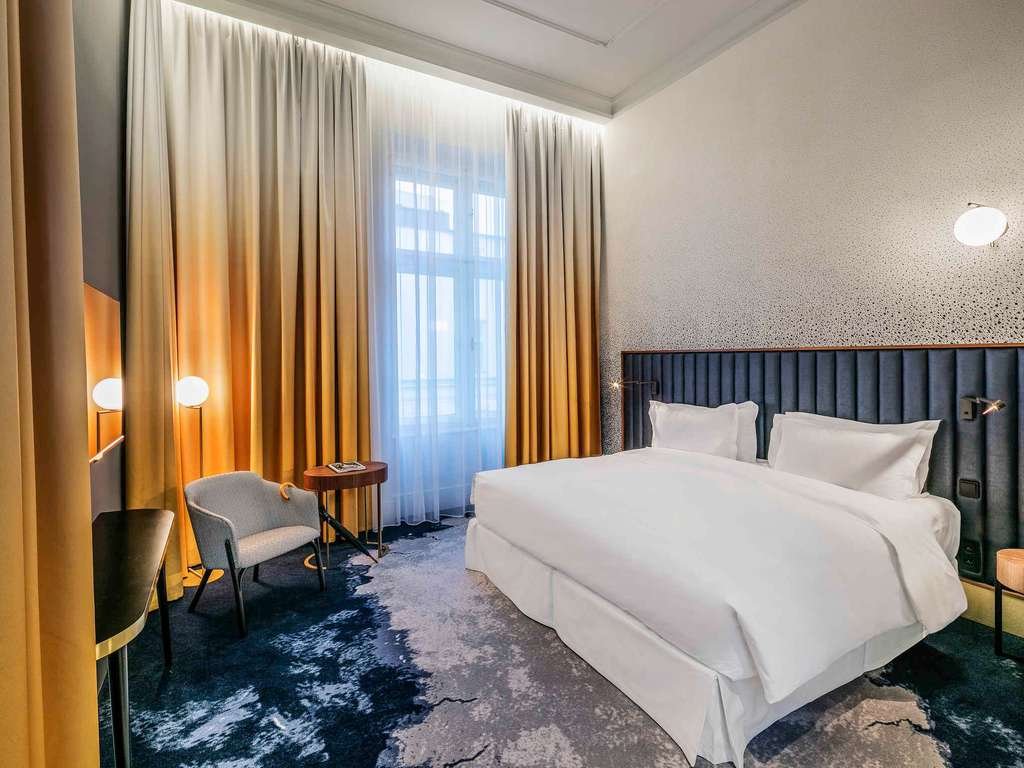
Prague's Old Town accumulates restaurants the way medieval cities accumulate walls: layer upon layer, with little logic to the sequence. On U Milosrdných, a short street in the Josefov-adjacent quarter, Field occupies a space that strips away the ornamental instinct entirely. Where many of the neighbourhood's dining rooms lean into vaulted ceilings and period detail, the interior here reads as a deliberate refusal of that heritage shorthand. The minimalism is not decorative restraint for its own sake; it functions as a signal about where the kitchen's priorities sit.
That interior context matters because it frames how Field positions itself within Prague's fine-dining tier. The city has a compact but serious upper bracket: La Degustation Bohême Bourgeoise runs a long-form French-Czech tasting format at the summit end of the price scale; Alcron occupies a hotel dining room with its own distinct register. Field holds a Michelin star and a 2025 ranking of #655 among Opinionated About Dining's leading restaurants in Europe, placing it in the mid-to-upper tier of serious European tasting-menu destinations.
The Lunch and Dinner Divide
The operational split between daytime and evening at Field is more than a scheduling detail, it describes two meaningfully different experiences of the same kitchen. Lunch runs on weekdays from 11 AM to 2:30 PM and on weekends from noon to 3 PM. Dinner service opens at 6 PM across the week, closing at 10:30 PM Monday through Saturday and at 10 PM on Sunday. The practical window for lunch is narrow by central European standards, and the kitchen offers two separate shorter set menus for weekday and weekend lunches respectively, acknowledging that the audience and pace differ between a Tuesday midday sitting and a Saturday afternoon.
Evening service carries the full tasting menu in both its longer and shorter forms. The format is where the kitchen's technical vocabulary becomes most legible: sauces flambéed tableside, a brioche glazed with duck fat arriving in a smoke-filled box, fallow deer cooked to medium-rare. These are not theatrical flourishes added to compensate for the room's austerity, they are controlled demonstrations of a kitchen that understands the difference between drama and technique. The smoke box, in particular, is a format seen across a certain generation of European tasting-menu restaurants as a way of making the aroma component of a dish arrive at the table rather than dissipating in the kitchen.
The practical argument for lunch over dinner is partially one of access. For travellers whose schedule allows flexibility, the weekday lunch represents the lower-commitment entry point into the kitchen's register; the evening menus reward those who want the full sequential arc of a tasting format, including the longer version with its more extended progression through Czech-sourced ingredients.
What the Kitchen Is Actually Doing
Field's menu logic centres on Czech produce read through a modern European technique framework. This is a specific creative position: not the nostalgic Czech-ingredients-as-heritage approach, and not the placeless modernism of kitchens that could operate identically in any European capital. Dishes like lamb with kale, watercress, and green tea represent the kind of combination that requires clean sourcing and confident acid-balance thinking. The fallow deer medium-rare suggests a kitchen comfortable with game cookery, which in Central Europe draws on a genuine regional tradition without needing to announce it.
The front-of-house operates with a sommelier as a named presence in the service team, which is relevant to how the wine program functions. Rather than leaving pairings as an optional add-on, the service model integrates the sommelier's explanations into the meal's pacing. For a restaurant in a city where wine culture is often secondary to the food conversation, this signals a pairing program treated as substantive rather than perfunctory.
Within Prague's tasting-menu tier, Field's peers include restaurants running comparable formats at comparable investment levels. 420 Restaurant, Alma, and Amano each occupy distinct positions in the city's modern-dining map, and understanding Field means understanding where its Michelin recognition and seasonal-Czech focus places it relative to that comparable set rather than against the broader city restaurant population. For Modern European tasting-menu cooking in a European context, parallels exist at Aulis London and La Rei Natura by Michelangelo Mammoliti in Serralunga d'Alba, though the Czech ingredient focus gives Field a regional specificity those rooms do not share.
The Czech Republic's restaurant scene extends beyond Prague. ATELIER bar & bistro in Brno, ARRIGŌ in Děčín, Babiččina zahrada in Průhonice, Bohém in Litomyšl, Cattaleya in Čeladná, and Chapelle in Písek all represent the country's wider ambitions in this category.
Planning a Visit
Field is at U Milosrdných 12 in Prague's Staré Město. The address sits within walking distance of the Old Town Square and the Jewish Quarter, making it practical to combine with an afternoon in that part of the city before an evening sitting. Lunch bookings on weekdays offer the shorter set-menu format within the 11 AM to 2:30 PM window; weekend lunch runs noon to 3 PM. Evening service begins at 6 PM. Reservations are advisable for all sittings, and the nature of the tasting-menu format means late arrivals compress the experience rather than simply delaying a single course. Chef Radek Kašpárek leads the kitchen.
Recognition Snapshot
Comparable venues nearby, for context on price, style, and recognition.
| Venue | Cuisine | Price | Awards | Notes |
|---|---|---|---|---|
| Field RestaurantThis venue — the venue you are viewing | Modern European Fine Dining | $$$$ | Michelin 1 Star | Not listed |
| Štangl | Modern Czech Seasonal | $$$$ | Michelin 1 Star | Karlin |
| Casa De Carli | Modern Italian Fine Dining | $$$ | Michelin 1 Star | Josefov |
| La Degustation Bohême Bourgeoise | Modern Czech Fine Dining | $$$$ | Michelin 1 Star | Josefov |
| LEVITATE | Asian-Scandinavian Fusion Fine Dining | $$$$ | Michelin 1 Star | Vinohrady |
| Café Imperial | Classic Czech Brasserie | $$$ | Michelin Plate | Pelc Tyrolka |
Recognition history
Dated appearances from independent guides and award organizations, with the underlying list record or original source where available.
Falstaff Restaurant - 95 Falstaff Points
Falstaff
Michelin 1 Star
Michelin
Opinionated About Dining Top Restaurants in Europe Recommended
Opinionated About Dining
Star Wine List
Star Wine List
Michelin 1 Star
Michelin
Opinionated About Dining Top Restaurants in Europe Ranked #655
Opinionated About Dining
Opinionated About Dining Top New Restaurants in Europe Recommended
Opinionated About Dining
At a Glance
- Modern
- Minimalist
- Cozy
- Elegant
- Date Night
- Special Occasion
- Open Kitchen
- Extensive Wine List
- Local Sourcing
Current opening hours
- Monday
- 11 AM–2:30 PM, 6–10:30 PM
- Tuesday
- 11 AM–2:30 PM, 6–10:30 PM
- Wednesday
- 11 AM–2:30 PM, 6–10:30 PM
- Thursday
- 11 AM–2:30 PM, 6–10:30 PM
- Friday
- 11 AM–2:30 PM, 6–10:30 PM
- Saturday
- 12–3 PM, 6–10:30 PM
- Sunday
- 12–3 PM, 6–10 PM
Hours can change for holidays and private events. Last verified .
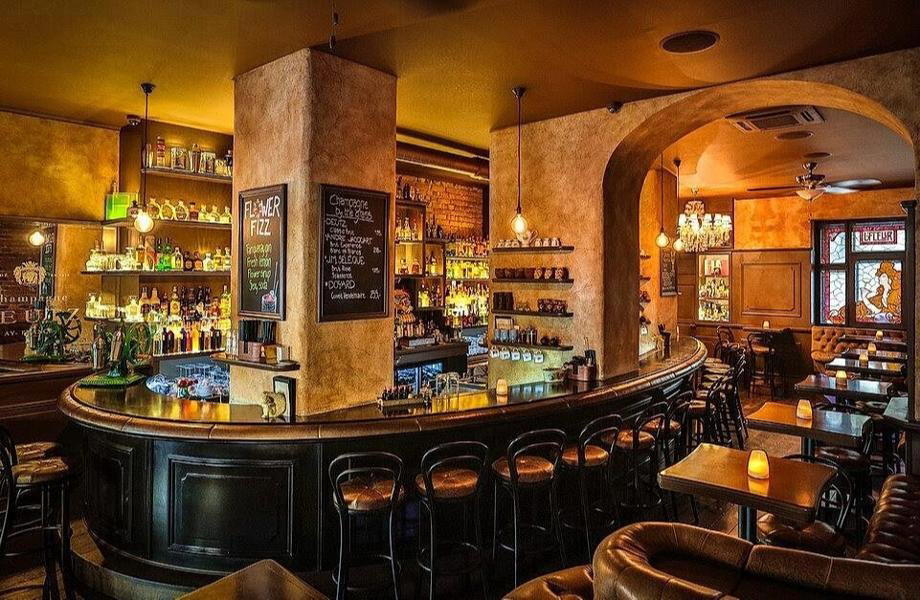
Modern Scandi minimalist design with high ceilings, wood elements, artwork depicting field themes, and a cozy yet sophisticated atmosphere.