Chè Sai Gòn
Chè Sai Gòn brings Vietnamese dessert culture to Prague, occupying a niche that sits apart from the city's broader Southeast Asian restaurant scene. The format centres on chè, layered, sweetened Vietnamese drinks and desserts, a category that rarely gets dedicated treatment outside Vietnam itself. It operates as a compact, daytime-leaning spot in a city where the gap between casual lunch and formal dinner dining is pronounced.

Pearl is the En Primeur Club membership app — saves, bookings, and concierge access live there. Same editors, same standards.

Vietnamese Dessert Culture in a Central European City
Prague's international dining scene has expanded considerably over the past decade, but the growth has not been uniform. The city now supports a range of Vietnamese restaurants, yet most of those venues focus on savoury staples: pho, bún bò Huế, bánh mì. Dedicated Vietnamese dessert formats remain rare, which is precisely what positions Chè Sai Gòn as an outlier in the local context. The concept centres on chè, a broad Vietnamese category covering layered sweet soups, jellied drinks, and coconut-milk desserts served hot or cold depending on the season. In Ho Chi Minh City, chè vendors operate at every street corner; in Prague, the category barely registers on menus at all.
That gap matters because chè is not a minor subcategory, it is one of the more technically varied dessert traditions in Southeast Asia, with dozens of regional variants distinguished by their beans, jellies, taro preparations, and pandan infusions. A city like Prague, where the dessert vocabulary at most Central European restaurants runs from strudel to trdelník, offers genuine contrast for a venue that commits to this format.
The Setting and What It Signals
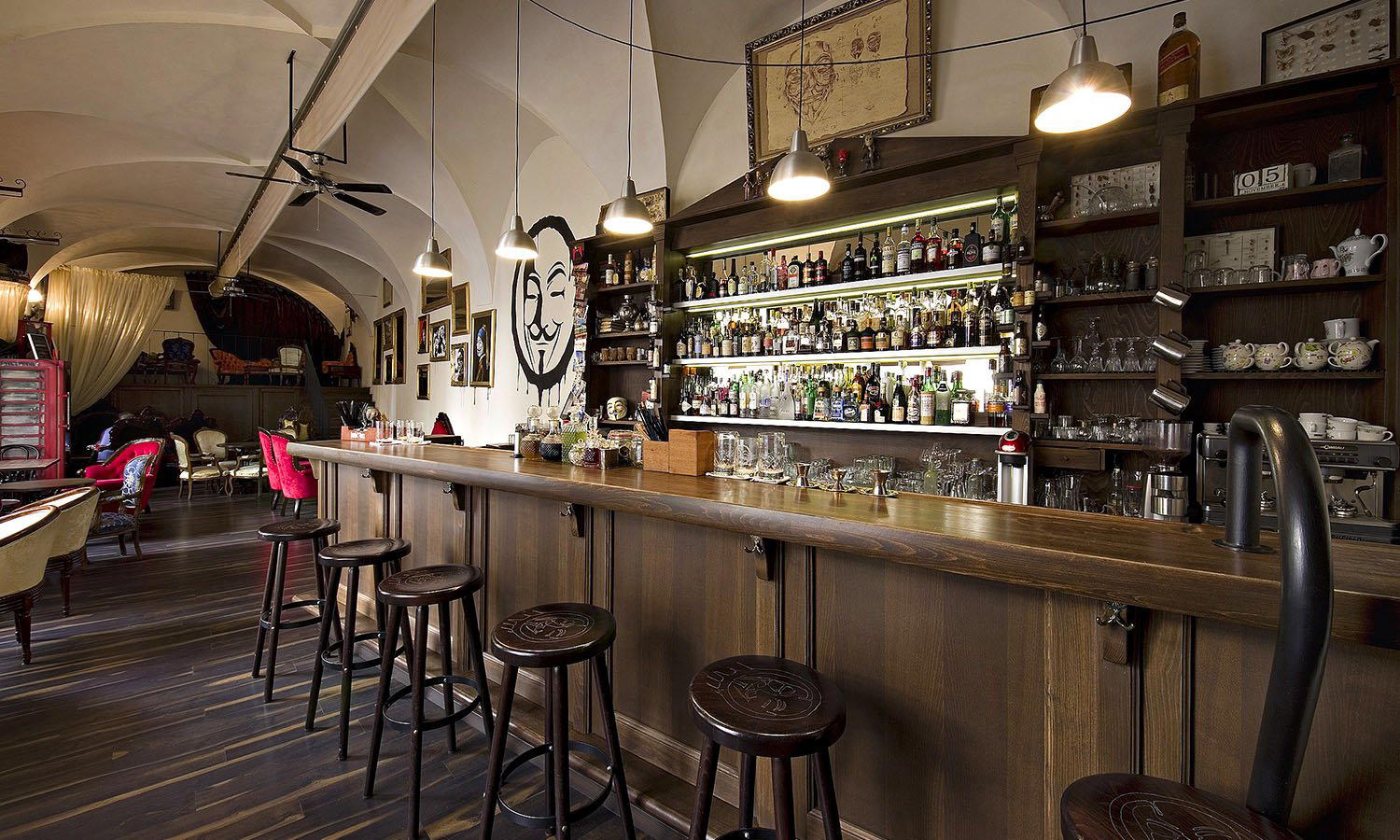
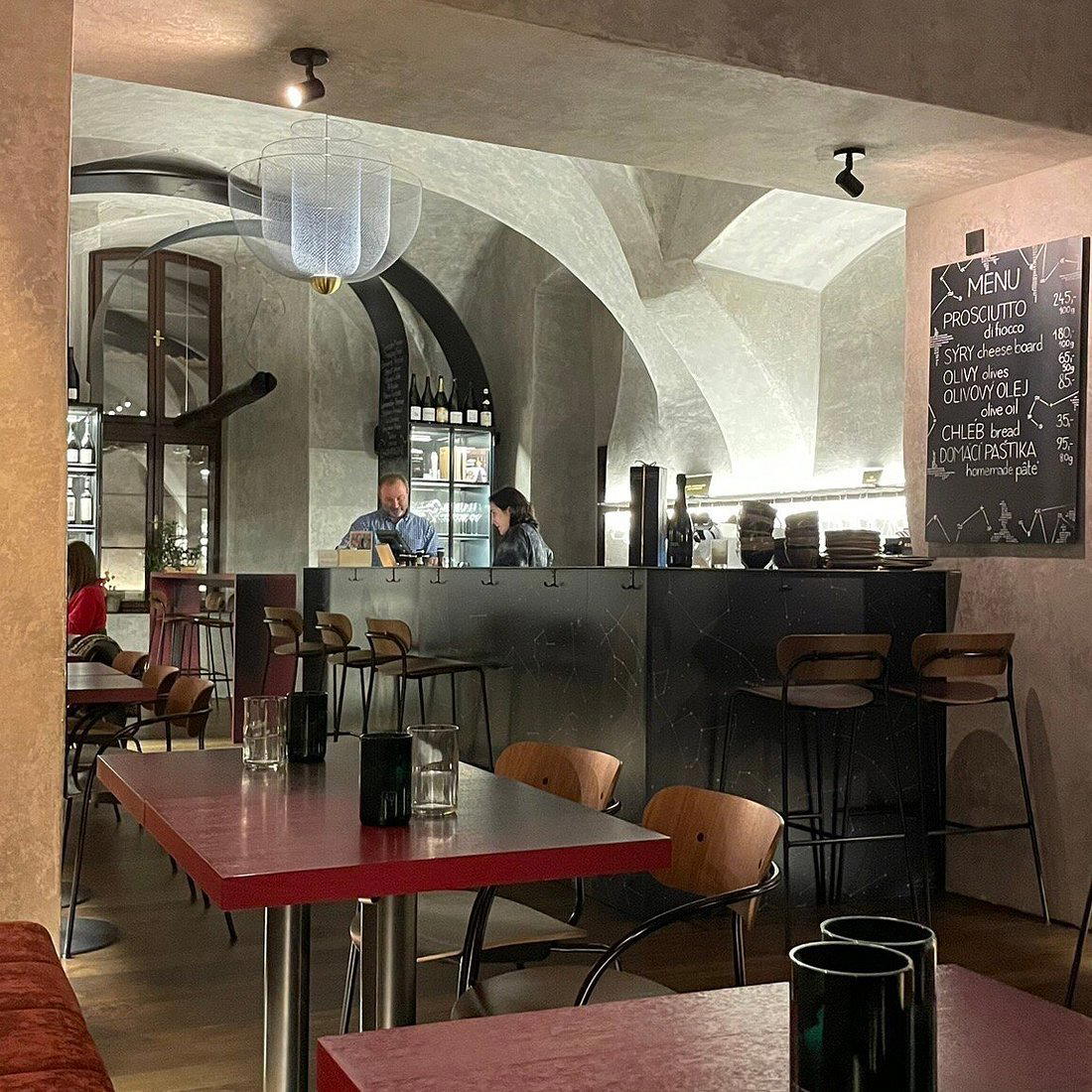
Prague has developed a recognisable geography for its international casual dining: the inner districts of Žižkov, Vinohrady, and Holešovice now carry most of the city's independently run, format-driven spots, while the Old Town and Lesser Quarter remain dominated by tourist-oriented Czech cuisine. A Vietnamese dessert shop in Prague fits most naturally in that inner-district register, small footprint, daytime service as the core offer, the kind of place that fills a neighbourhood need rather than a destination dining slot. The physical environment reflects that logic: modest, direct, built around the product rather than theatrical interior design.
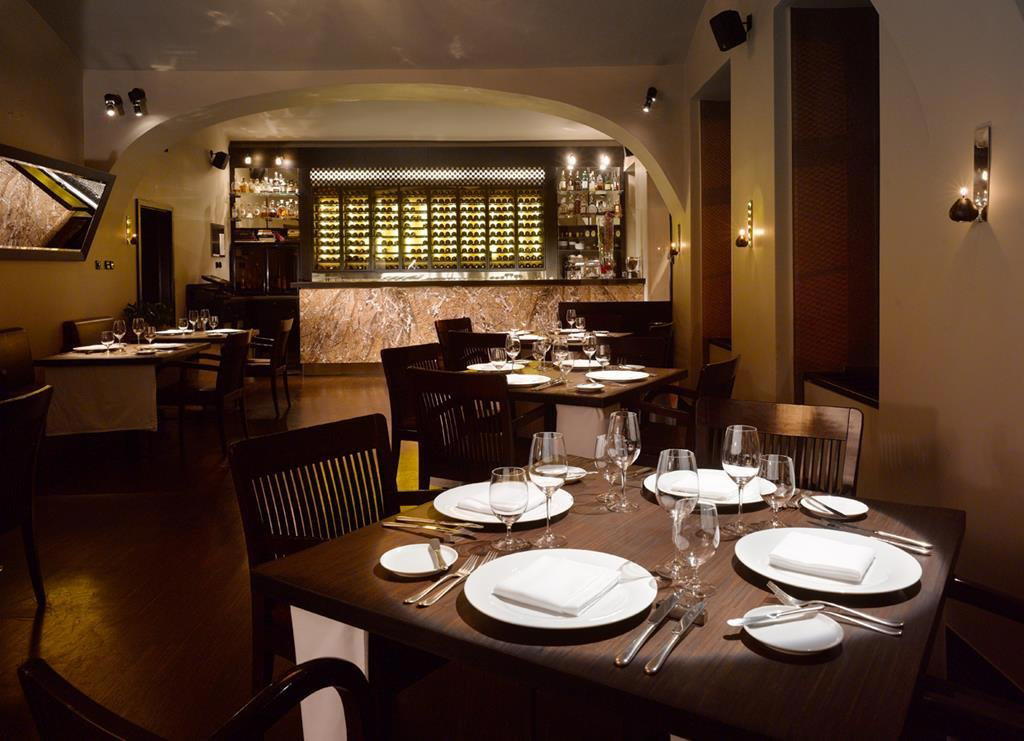
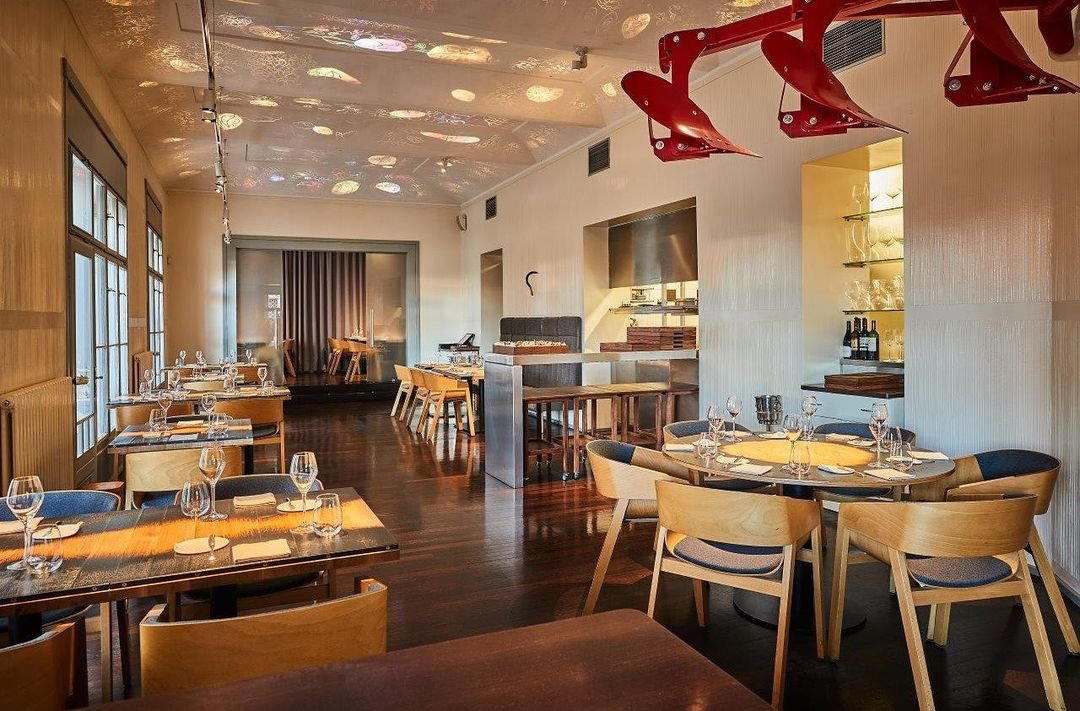
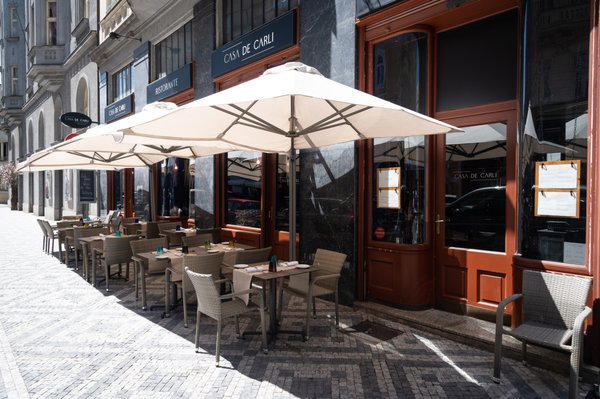
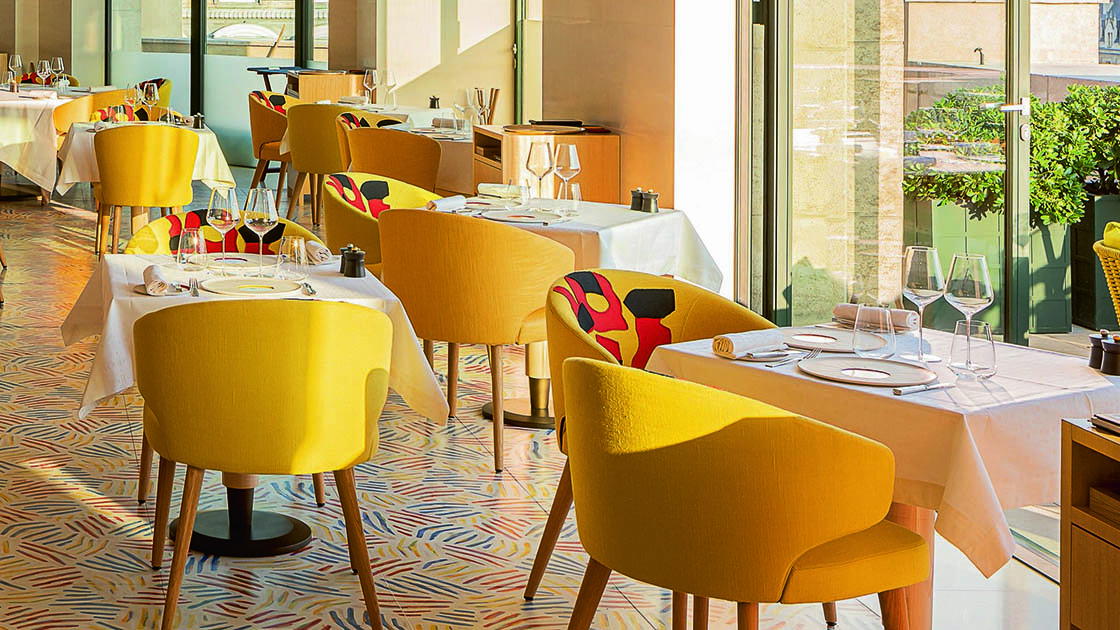
Approaching a venue like this in Prague, you read the signals quickly. The absence of a formal dining room, the counter-oriented service style, the light filtering through a compact front window, these are details that place it firmly in the casual, accessible tier of the city's eating culture, closer in spirit to Amano in its neighbourhood function than to the tasting-menu formalism of La Degustation Bohême Bourgeoise. The atmosphere is unhurried in the way that daytime dessert spots tend to be: no pressure to turn tables, no ambient competitive tension between diners.
Lunch vs. Evening: How the Divide Plays Out Here
The lunch-versus-dinner divide operates differently for a dessert-focused venue than it does for a full-service restaurant. At dinner-oriented spots like Alcron or the modern European programmes at Alma, the evening service carries the formal weight, longer menus, higher covers, higher spend. Chè Sai Gòn inverts that model. The daytime hours are where the concept makes most sense: a mid-afternoon chè during Prague's summer heat, or a warming version on a grey Central European afternoon, sits naturally in the rhythm of the city's café culture. The venue operates primarily as a daytime destination, and that is when both the offer and the setting align.
Evening visits, if the venue maintains them at all, shift the dynamic. The dessert format becomes an after-dinner stop rather than a primary destination, and the question of pacing changes accordingly. Across Prague's broader dining circuit, the after-dinner dessert stop is an underdeveloped category, most diners default to a Czech pub for beer or a wine bar for a glass of Moravian natural wine. A specialised Vietnamese dessert venue fills a different slot in that sequence, functioning more like a patisserie or a Japanese kakigōri bar than like a conventional restaurant. That positioning is niche in Prague, but it corresponds to a real gap in the city's offer.
For comparison, daytime-focused, accessible spots elsewhere in the country, such as Long Story Short Eatery & Bakery in Olomouc or Chapelle in Písek, suggests a broader national shift toward lighter, café-adjacent formats that prioritise quality of product over service formality. Chè Sai Gòn fits that trajectory while adding an ethnic specificity that remains unusual outside Prague's own Vietnamese community.
Where It Sits in Prague's Vietnamese Food Context
Czech-Vietnamese culinary history is longer and more embedded than most visitors realise. Vietnamese migration to Czechoslovakia began under bilateral labour agreements in the socialist era, and the community now numbers in the tens of thousands, concentrated largely in Prague. The city's Vietnamese restaurant offer reflects that depth: there are cheap, reliable pho houses that have operated for decades, Vietnamese market halls in districts like Sapa (Prague 12), and a newer generation of more polished venues that reframe the cuisine for a broader dining public. The restaurant occupies a different space again, not the legacy savoury restaurant, not the upmarket reinterpretation, but the specialised single-category format that assumes some prior familiarity with Vietnamese food culture on the part of its audience.
That assumption is increasingly reasonable in Prague. The city's food culture has matured over the same period that produced the Michelin-recognised tasting menus at La Degustation Bohême Bourgeoise, the modern European programmes tracked by outlets like 420 Restaurant, and the Italian-inflected casual dining at [Dejvická 34 by Tomáš Černý]. A diner who navigates that range comfortably is likely to approach a chè-specific menu with curiosity rather than confusion.
Planning a Visit
The restaurant functions leading as a mid-day or afternoon stop rather than an anchor booking for a full dining itinerary.
For a broader sense of where this venue sits in the city's dining picture, the EP Club Prague restaurants guide covers the full range from neighbourhood lunch spots to formal tasting menus, including how the Vietnamese dining category has evolved alongside the city's wider international offer. Pavillon Steak House in Brno to ARRIGŌ in Děčín, Na Spilce in Pilsen, Dvůr Perlová voda in Budyně nad Ohří, Perk Restaurant in Šumperk, Cattaleya in Čeladná, Tlustá Kachna in Chrudim, and V Bezovém Údolí in Kryštofovo Údolí.
- Chè Thái Sầu
- Caramel Flan
- Jackfruit Dessert
- Taro Dessert
- Mango Smoothie
- Cane Sugar Juice with Lime
Cuisine Lens
Comparable venues nearby, for context on price, style, and recognition.
| Venue | Cuisine | Price | Notes |
|---|---|---|---|
| Chè Sai GònThis venue — the venue you are viewing | Traditional Vietnamese Desserts & Chè | $ | Not listed |
| Pizzeria Da Pietro | Neapolitan Pizza | $$ | Praha 2 |
| Kantýna | Traditional Czech Grillhouse | $$ | Praha 2 |
| Červený jelen | Modern Czech Steakhouse | $$ | Josefov |
| Krystal Bistro | Traditional Czech with French Charm | $$ | Karlin |
| Bánh cuốn Huyền Long | Northern Vietnamese Bánh Cuốn | $ | Písnice |

At a Glance
- Casual
- Casual Hangout
- Solo
Casual, bright, and welcoming Vietnamese dessert shop with a focus on fresh, colorful presentations of traditional sweets and refreshing beverages.