Phở Pasteur
Our verdict
Phở Pasteur on Washington Street has anchored Boston's Vietnamese dining scene for decades, drawing regulars with its no-frills approach to pho and the broader canon of southern Vietnamese cooking. The room is direct and functional, the bowls are generous, and the pricing keeps it accessible to a wide cross-section of the city. For anyone building a working knowledge of Boston's ethnic dining corridor, this is a reference point.

Pearl is the En Primeur Club membership app — saves, bookings, and concierge access live there. Same editors, same standards.
- Address
- 682 Washington St, Boston, MA 02111
- Phone
- (617) 482-7467
- Hours
- Daily 10 AM–9:30 PM
- Website
- phopasteur.com
- Directions
- Get directions
- Booking
- Book on the venue's website
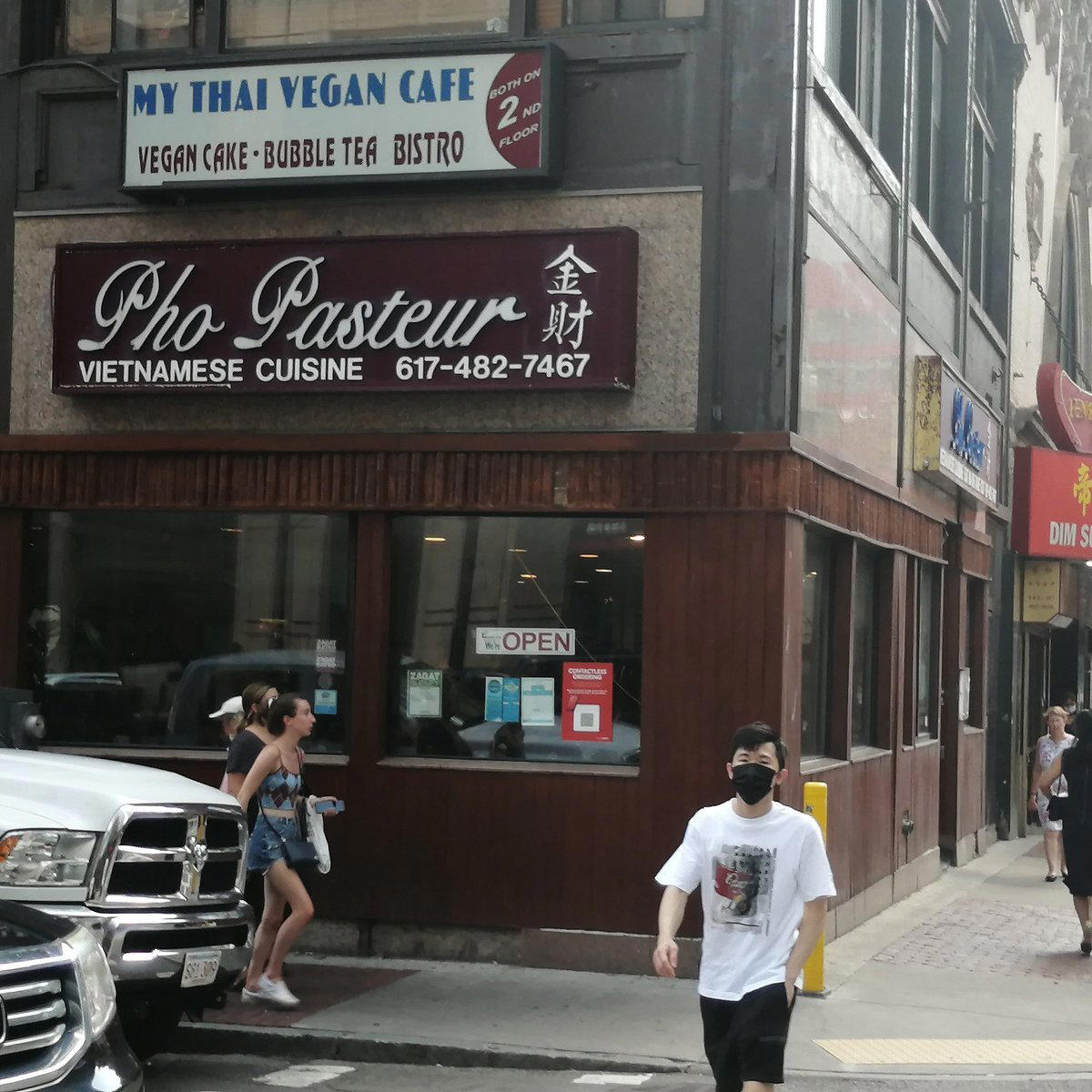
Washington Street and the Vietnamese Dining Corridor
Boston's Chinatown has long served as the city's most compressed block of Asian dining, where Vietnamese, Cantonese, Thai, and Taiwanese kitchens operate within a few hundred meters of each other. Washington Street, in particular, runs through this corridor as the spine of the neighborhood's most utilitarian dining culture: high-turnover, cash-friendly, and built around a regulars economy rather than a tourist one. Phở Pasteur at 682 Washington St sits inside this context, part of a tradition of Vietnamese restaurants that arrived in Greater Boston following the 1975 diaspora and gradually became load-bearing institutions in the neighborhood's food identity.
The name itself signals something specific about origin: Pasteur Street in Ho Chi Minh City (formerly Saigon) is one of the city's classic addresses for pho stalls, and a number of Vietnamese restaurants globally have borrowed the reference to locate themselves within a southern Vietnamese culinary tradition. That framing matters, because southern-style pho differs meaningfully from its northern counterpart: the broth tends toward sweetness and greater aromatic complexity, the table typically arrives with a plate of bean sprouts, Thai basil, lime, and chilies for self-adjustment, and the overall approach is more accommodating of variation than the purer, plainer northern bowl.
The Bowl as a Calibration Tool
Pho occupies an unusual position in American dining in 2024. It has moved from a niche ethnic-food discovery to a category familiar enough that diners arrive with formed opinions about broth clarity, fat content, noodle texture, and the ratio of tendon to brisket. In cities with large Vietnamese communities, this has created a tiered market: high-end restaurants that use pho as a fine-dining canvas, and long-standing neighborhood spots where the measure of quality is consistency across thousands of bowls, not innovation. Chinatown's Vietnamese spots, including Phở Pasteur, belong firmly to the latter tier.
This is not a criticism. The neighborhood pho shop performs a different function than a tasting-menu counter. Its value lies in repetition, affordability, and availability, particularly late at night when most of Boston's more ambitious kitchens have already closed. For comparison: the kind of multi-course Vietnamese-inflected tasting menu you might encounter at a chef-driven counter operates in a completely different register from the direct bowl-and-chopsticks format that defines Washington Street's Vietnamese restaurants. Neither replaces the other.
For visitors oriented toward high-end dining across the United States, places like Atomix in New York City or Alinea in Chicago represent the creative fine-dining end of the spectrum. Boston has its own version of that ambition: Agosto, a Portuguese-inspired tasting-menu chef's counter, or the omakase format at 311 Omakase. Phở Pasteur operates in a different register entirely, serving a function that those restaurants are not designed to fill.
The Wine Angle: What Pho Does to a Cellar
Vietnamese cuisine presents one of the more interesting pairing challenges in the broader world of food and wine, and it is worth addressing directly rather than glossing over. The combination of long-simmered bone broth, star anise, cinnamon, clove, and fish sauce in a classic pho base is not an easy wine match. Most sommeliers with experience across Asian cuisines reach for off-dry Riesling, Gewurztraminer, or light-bodied, low-tannin reds when faced with pho's aromatic complexity, though the Vietnamese preference for iced tea, Vietnamese coffee, and beer as accompaniments reflects a practical wisdom about what the cuisine actually wants beside it.
This is a structural point about the category, not a commentary on any wine program at Phở Pasteur specifically. Casual Vietnamese restaurants in Chinatown are generally not wine destinations. The pairing conversation belongs to a different tier of Vietnamese cooking, one where a chef is actively designing courses to support a beverage program. At the neighborhood level, the drink of the room is typically iced Vietnamese coffee, a combination of dark-roast drip coffee through a phin filter over sweetened condensed milk, which handles the aromatic weight of the food rather better than most wine would.
For readers interested in depth of cellar and sommelier-driven programs in Boston, 1928 Rowes Wharf and Abe and Louie's operate at a different point on the spectrum. On the national scale, the wine programs at The French Laundry in Napa, Le Bernardin in New York City, or Providence in Los Angeles represent what a serious cellar-led dining experience looks like in the American context.
Chinatown Logistics and Peer Context
Washington Street's dining strip is walkable from Downtown Crossing and the Theater District, and the neighborhood operates later than much of Boston's restaurant scene. This late-night availability is one of the corridor's defining practical characteristics: it fills a gap that the city's more formal dining rooms do not. For seafood in the same neighborhood, 75 on Liberty Wharf is a short distance toward the waterfront, and Neptune Oyster on Salem Street handles the raw bar end of that same seafood appetite. For Japanese cooking in Boston's mid-to-upper tier, Agosto and the sushi counters are the relevant peers.
The broader EP Club view of Boston's restaurant scene is covered in our full Boston restaurants guide, which maps the city's dining across neighborhoods, price points, and cuisine categories. Internationally, readers comparing premium dining experiences might also look at Blue Hill at Stone Barns in Tarrytown, Single Thread Farm in Healdsburg, Addison in San Diego, The Inn at Little Washington, Lazy Bear in San Francisco, Emeril's in New Orleans, or 8½ Otto e Mezzo Bombana in Hong Kong to understand the range of what serious dining looks like across formats and geographies.
Know Before You Go
- Address: 682 Washington St, Boston, MA 02111
- Neighborhood: Chinatown / Downtown Crossing corridor
- Reservations: Not confirmed; walk-in is standard practice for this category in Chinatown
- Hours: Not confirmed; verify directly before visiting
- Phone / Website:
- What's the vibe at Phở Pasteur?
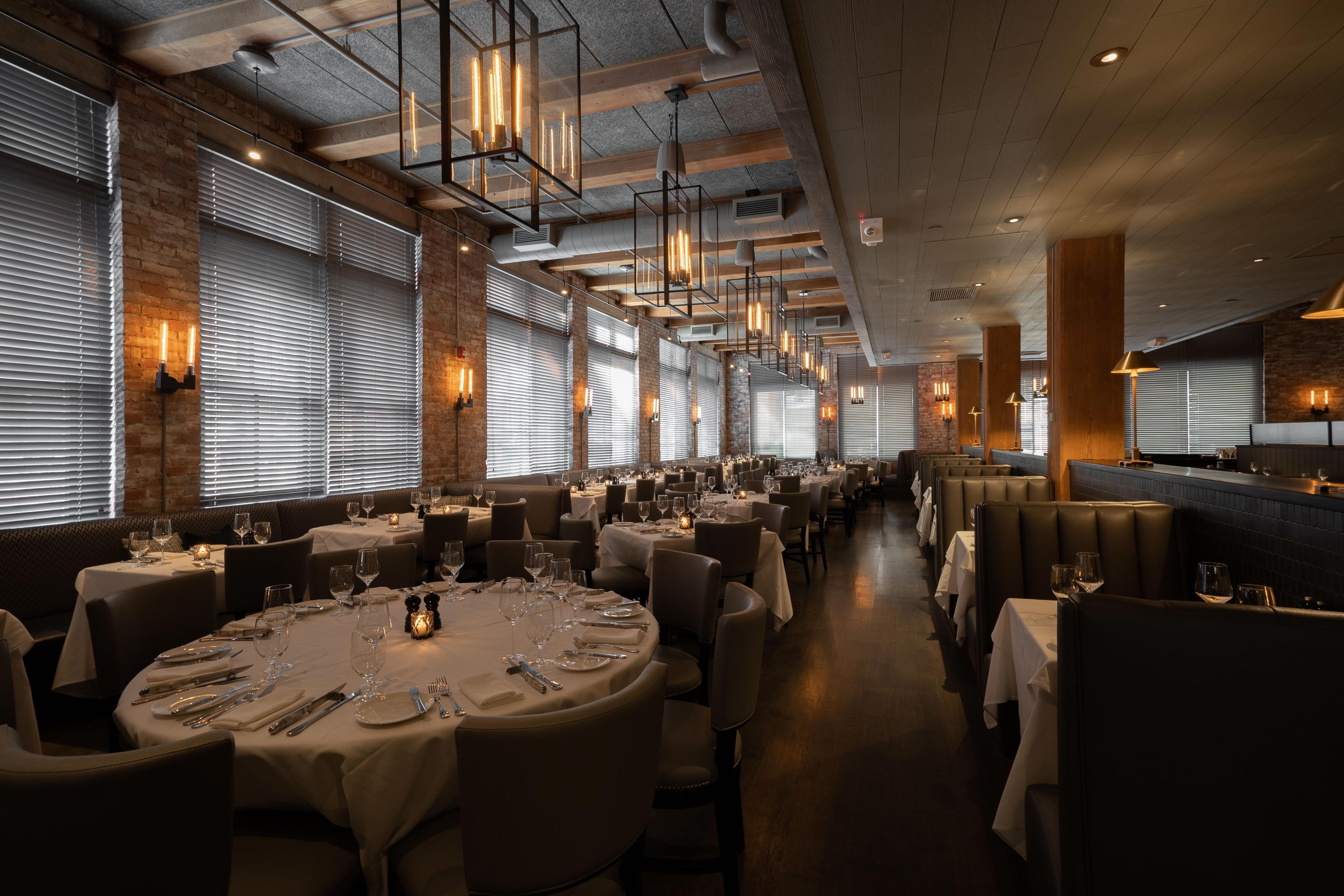
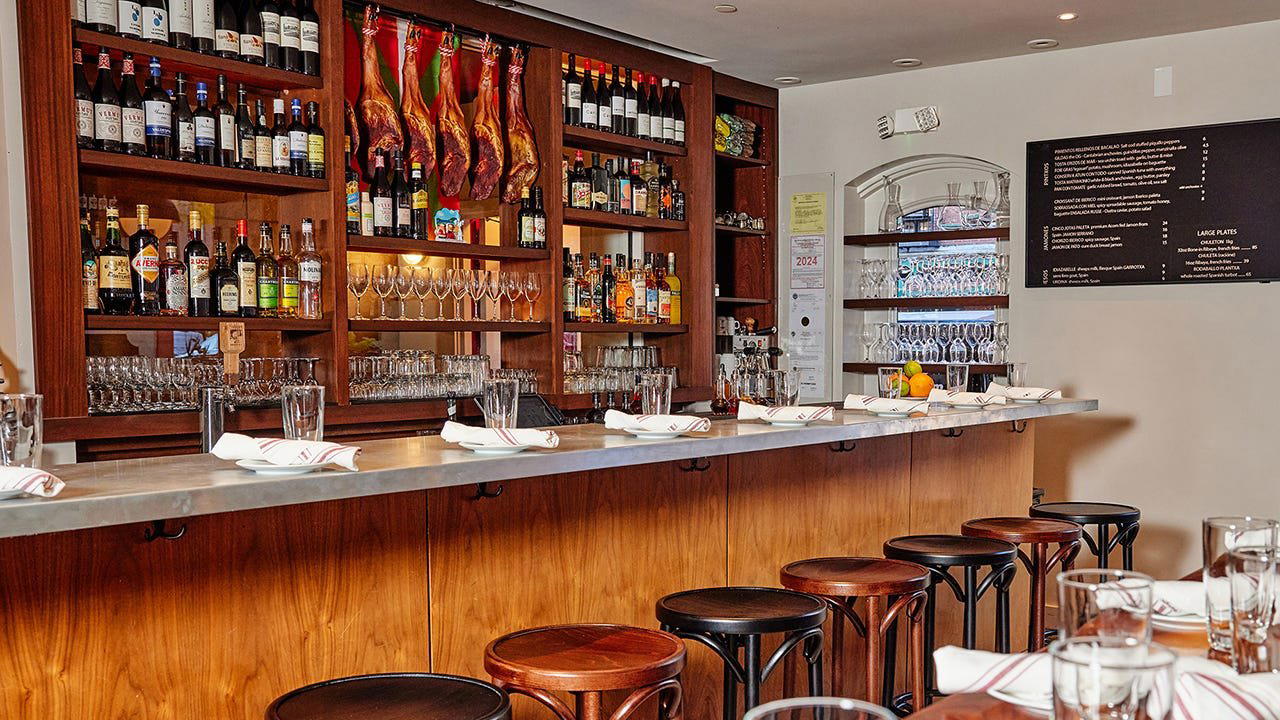
- Washington Street's Vietnamese restaurants operate in a functional, no-ceremony register: the priority is the food, the turnover, and the accessibility. In a city where the upper end of the dining market includes tasting-menu counters and award-recognized kitchens, Phở Pasteur occupies the everyday-institution tier.
- What should I eat at Phở Pasteur?
- The restaurant's name is the most direct signal: pho is the organizing dish of the menu, drawing on a southern Vietnamese tradition that emphasizes aromatic broth and tableside customization with fresh herbs, sprouts, and citrus. The safest approach is to order from the bowl-based section of the menu, which is where this category of restaurant concentrates its effort.
- How does Phở Pasteur fit into Boston's broader Vietnamese dining scene?
- Boston's Vietnamese restaurant community is concentrated in Chinatown and parts of Dorchester, with the Washington Street corridor representing the most historically continuous cluster. Phở Pasteur's address at 682 Washington St places it at the center of that tradition rather than on its edges. For diners building a map of the city's ethnic dining history alongside its newer, chef-driven kitchens such as Agosto or 311 Omakase, the Chinatown corridor offers a useful counterpoint about how a cuisine establishes itself over decades before becoming fine-dining source material.
Frequently asked questions
Is Phở Pasteur okay with children?
Phở Pasteur's Washington Street location in Boston's Chinatown suits families reasonably well. Pho is a format that translates easily for younger diners — broth-based, customizable at the table, and served without a lengthy tasting structure. The neighborhood operates at a casual, utilitarian register, which generally works in a family's favor.
Where is Phở Pasteur in Boston?
Phở Pasteur is located at 682 Washington St, Boston, MA 02111, Boston.
What's the vibe at Phở Pasteur?
Phở Pasteur sits on Washington Street in the heart of Boston's Chinatown, a block where the dining operates at a practical, no-ceremony pitch. Expect a straightforward room oriented around the food rather than the setting — this is the kind of place where the bowl arrives quickly and the focus stays on the broth. It shares a neighborhood with Cantonese, Thai, and Taiwanese kitchens, giving the strip a density that keeps the pace moving.
What should I eat at Phở Pasteur?
Pho is the throughline at Phở Pasteur — that's the name on the door and the format the kitchen is built around. Vietnamese pho in a Chinatown context means the broth is the measure of quality, and it's worth ordering a standard combination bowl before exploring off-menu variations. The Washington Street location places you within the city's most concentrated Asian dining corridor, so the surrounding peer context sets a useful baseline for comparison.
Cuisine Context
Comparable venues nearby, for context on price, style, and recognition.
| Venue | Cuisine | Price | Notes |
|---|---|---|---|
| Phở PasteurThis venue — the venue you are viewing | Authentic Vietnamese Pho | $10–20 | Not listed |
| China Pearl | Authentic Cantonese Dim Sum & Banquet | $20–30 | Chinatown |
| Si Cara South Boston | Canotto-Style Italian Pizzeria | $20–30 | South Boston |
| Cafe sauvage | Modern French Bistro | $30–50 | Back Bay |
| Shy Bird - Fenway | American Rotisserie | Not listed | Kenmore |
| Taiwan Cafe | Authentic Taiwanese | $10–20 | Downtown Crossing |