Peya sits on East Hastings in Vancouver's Hastings-Sunrise neighbourhood, a stretch that has drawn a quiet wave of independent restaurants working with local Pacific Northwest ingredients and technique-forward approaches. The address places it outside the downtown dining corridor, where cover charges and tasting menus dominate, and closer to the neighbourhood-restaurant register that increasingly defines serious eating in the city.
Pearl is the En Primeur Club membership app — saves, bookings, and concierge access live there. Same editors, same standards.
- Address
- 2101 E Hastings St, Vancouver, BC V5L 1V2, Canada
- Phone
- +16046135430
- Website
- peya.ca
- Directions
- Get directions
 Saves & bookings on Pearl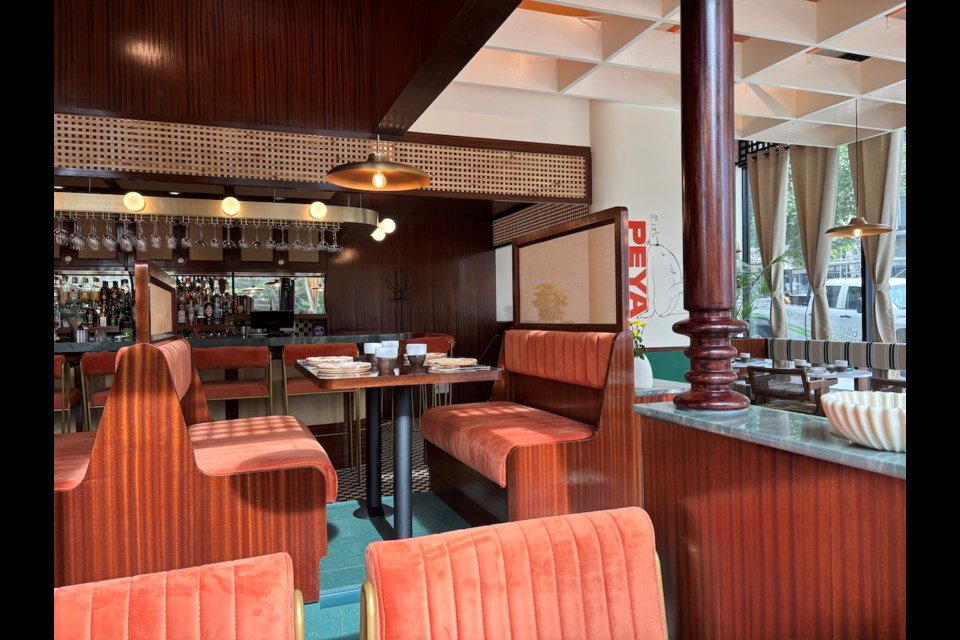
East of the Usual Circuit
Vancouver's serious dining conversation has long centred on the downtown core and Gastown, where tasting-menu formats and high cover charges set the tone. The East Hastings corridor operates on a different register. Independent restaurants along this stretch tend to work closer to neighbourhood scale, with cooking that reflects the city's geographic position: Pacific coastline to the west, agricultural lowlands to the south and east, and a produce culture shaped by proximity to both. Peya, at 2101 East Hastings, sits within that geography rather than against it.
The address matters. Hastings-Sunrise is not a restaurant district in the conventional sense, meaning the venues that do well there earn their regulars through cooking rather than foot traffic or tourist positioning. That dynamic tends to attract a particular kind of operator, one working with specific sourcing relationships and a point of view about what the neighbourhood can sustain. Across the city, a similar pattern has played out in Mount Pleasant and East Vancouver more broadly, where some of the most considered cooking in the city now happens outside the established fine-dining corridor. Peya fits that pattern at East Hastings and Renfrew.
The Local-Global Kitchen in Vancouver's Context
The intersection of imported culinary technique and Pacific Northwest ingredients is one of the defining tensions in Vancouver's contemporary dining scene. The city's geographic and demographic position makes it a natural site for this kind of cooking: Japanese knife traditions and fermentation methods, French brigade structure, Korean banchan logic, and Peruvian acid-forward approaches all have deep roots in Vancouver kitchens. What changes is the raw material. Dungeness crab, Pacific halibut, spot prawns, fiddleheads from the Fraser Valley, foraged mushrooms from the Coast Mountains, and BC's expanding viticulture zone all provide a local product base that rewards technical handling.
Restaurants working most seriously in this register in Vancouver tend to occupy the upper price tier. Kissa Tanto, with its Italian-Japanese fusion format in Chinatown, is one of the city's clearest examples of how imported method and local product can produce something with genuine identity. Masayoshi applies Japanese precision to Pacific seafood with the kind of discipline that makes the sourcing legible on the plate. AnnaLena and Barbara both work in a contemporary mode that foregrounds local product through European-trained technique. These venues cluster at the $$$$ price point and serve as the reference set for serious contemporary cooking in the city.
Peya's address on East Hastings suggests a different operating logic, one where the neighbourhood-restaurant format allows for tighter sourcing relationships and a more direct relationship with a local clientele. Whether that plays out through a specific technique or a particular product focus is not yet in the public record, but the trajectory of independently operated restaurants in this part of Vancouver points toward exactly that kind of intentional cooking.
The Broader Canadian Comparison
The local-ingredients, imported-technique approach is not unique to Vancouver in the Canadian context. Across the country, the most discussed restaurants tend to be those where a specific regional product base has been married to training and method drawn from elsewhere. Tanière³ in Quebec City builds around hyper-local Quebec terroir with a technique register that reads as contemporary French. Alo in Toronto applies French fine-dining structure to Canadian ingredients. Jérôme Ferrer's Europea in Montreal has sustained a French-technique, Quebec-product approach across multiple formats.
Outside the major cities, the pattern holds at smaller scale. Restaurant Pearl Morissette in Lincoln, Ontario, has built a reputation on this exact axis, using the Niagara wine country's agricultural richness as the raw material for cooking trained in European kitchens. Eigensinn Farm in Singhampton represents a more radical version of the same impulse: farm-direct product, European classical training, near-total isolation from urban dining circuits. In Rimouski, Narval applies serious technique to the St. Lawrence's seafood in a format far removed from metropolitan dining. These venues collectively define what serious Canadian cooking looks like when it moves away from imported prestige products and toward the specificity of place.
The international reference point for this approach sits in part with kitchens like Le Bernardin in New York City, where technique functions as a precision instrument applied to the leading available product rather than as a display of complexity for its own sake. Atomix, also in New York, demonstrates how Korean culinary logic can be applied to local American ingredients without either tradition losing its integrity. The approach at venues like these has filtered into how ambitious independent kitchens across North America think about the relationship between sourcing and method.
What the Address Tells You
Restaurants on East Hastings do not rely on walk-in tourist traffic. The clientele tends to be local, repeat, and relatively informed about what the kitchen is doing. That context produces a different kind of restaurant: less performative, more focused on what the kitchen does consistently over time rather than what it can show a first-time visitor. For diners who pay attention to where serious neighbourhood cooking happens in a city, East Hastings in 2024 and 2025 warrants the same attention that Main Street and Commercial Drive received in earlier cycles of Vancouver's independent restaurant scene.
Elsewhere in the city, the pattern of destination-worthy cooking appearing outside established dining corridors is well-documented. iDen and QuanJuDe Beijing Duck House draws from across the city for a format that has no equivalent in Gastown or Yaletown. The same logic applies to pockets of Burnaby, Richmond's seafood restaurants, and now stretches of East Hastings. Peya fits this pattern: a restaurant that earns its audience through a specific point of view rather than a convenient location.
For context on where Peya sits within the full range of Vancouver dining, see our full Vancouver restaurants guide. Related Canadian dining worth tracking: The Pine in Creemore, Barra Fion in Burlington, Aux Anciens Canadiens in Quebec, and Bearspaw Golf Club in Calgary.
Know Before You Go
- Address: 2101 E Hastings St, Vancouver, BC V5L 1V2
- Neighbourhood: Hastings-Sunrise, East Vancouver
- Getting There: The address is on East Hastings at Renfrew, served by the 14 and 16 bus routes along Hastings; street parking is generally available in the evening
- Hours: Not confirmed; verify before visiting
How Peya Vancouver compares with similar nearby venues.
| Venue | Cuisine | Price |
|---|---|---|
| Nero Tondo | Contemporary | $$$ |
Continue exploring
More in Vancouver
Restaurants in Vancouver
Browse all →
Bars in Vancouver
Browse all →
At a Glance
- Trendy
- Modern
- Elegant
- Sophisticated
- Date Night
- Special Occasion
- Open Kitchen
- Craft Cocktails
- Local Sourcing
Current opening hours
- Monday
- Closed
- Tuesday
- 3–10 PM
- Wednesday
- 3–10 PM
- Thursday
- 3–10 PM
- Friday
- 3–10 PM
- Saturday
- 3–10 PM
- Sunday
- 3–10 PM
Hours can change for holidays and private events. Last verified .
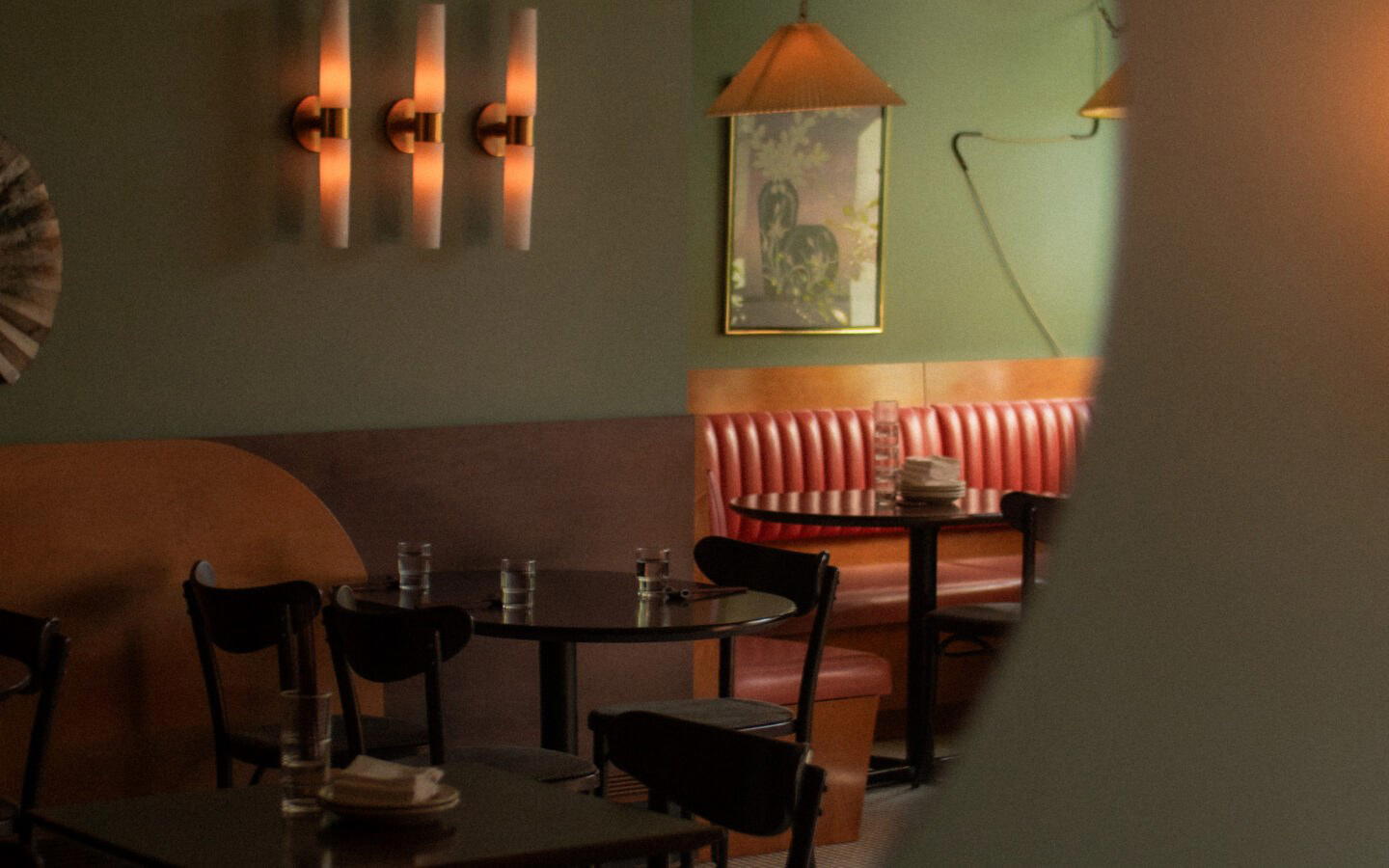
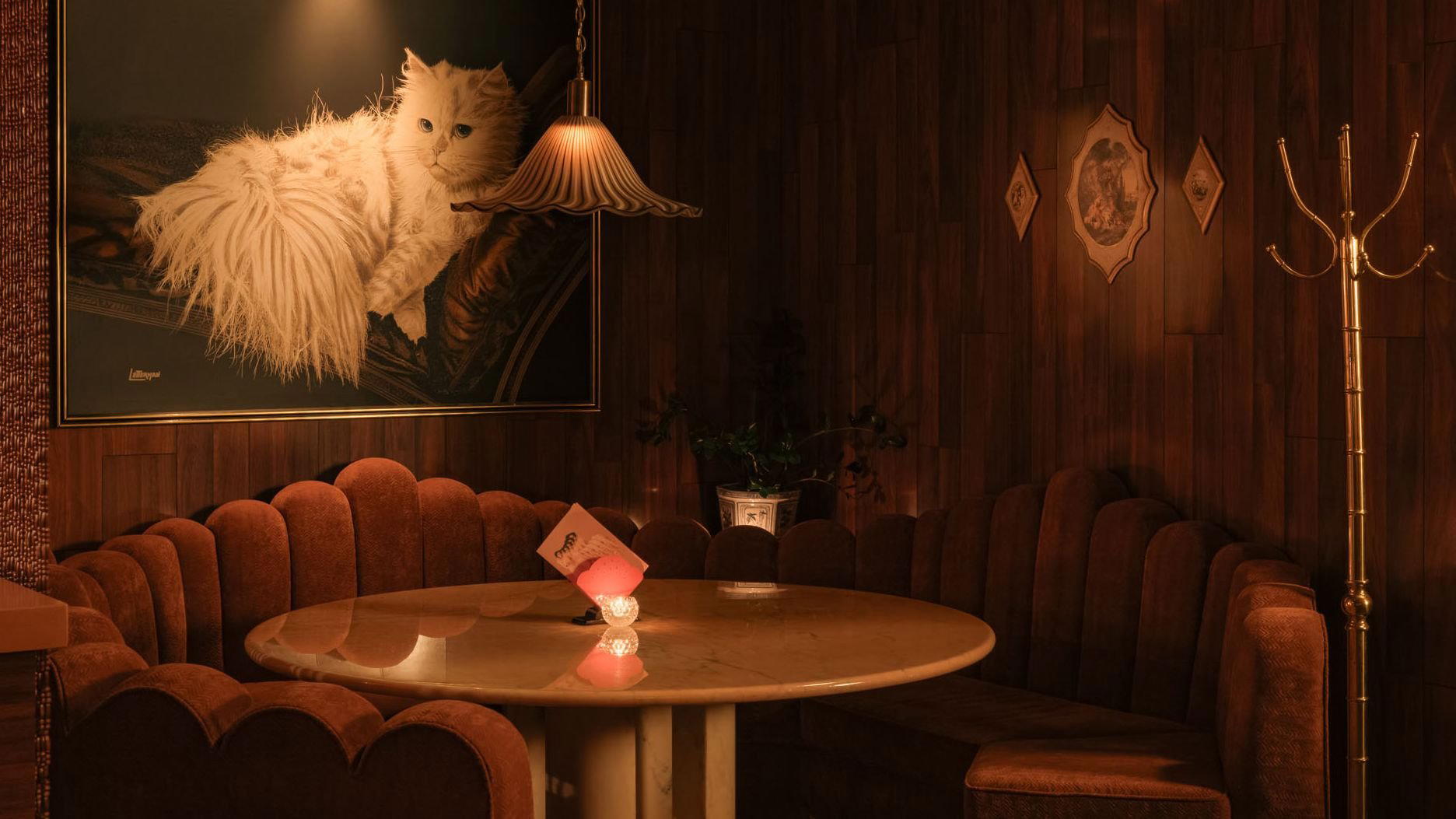
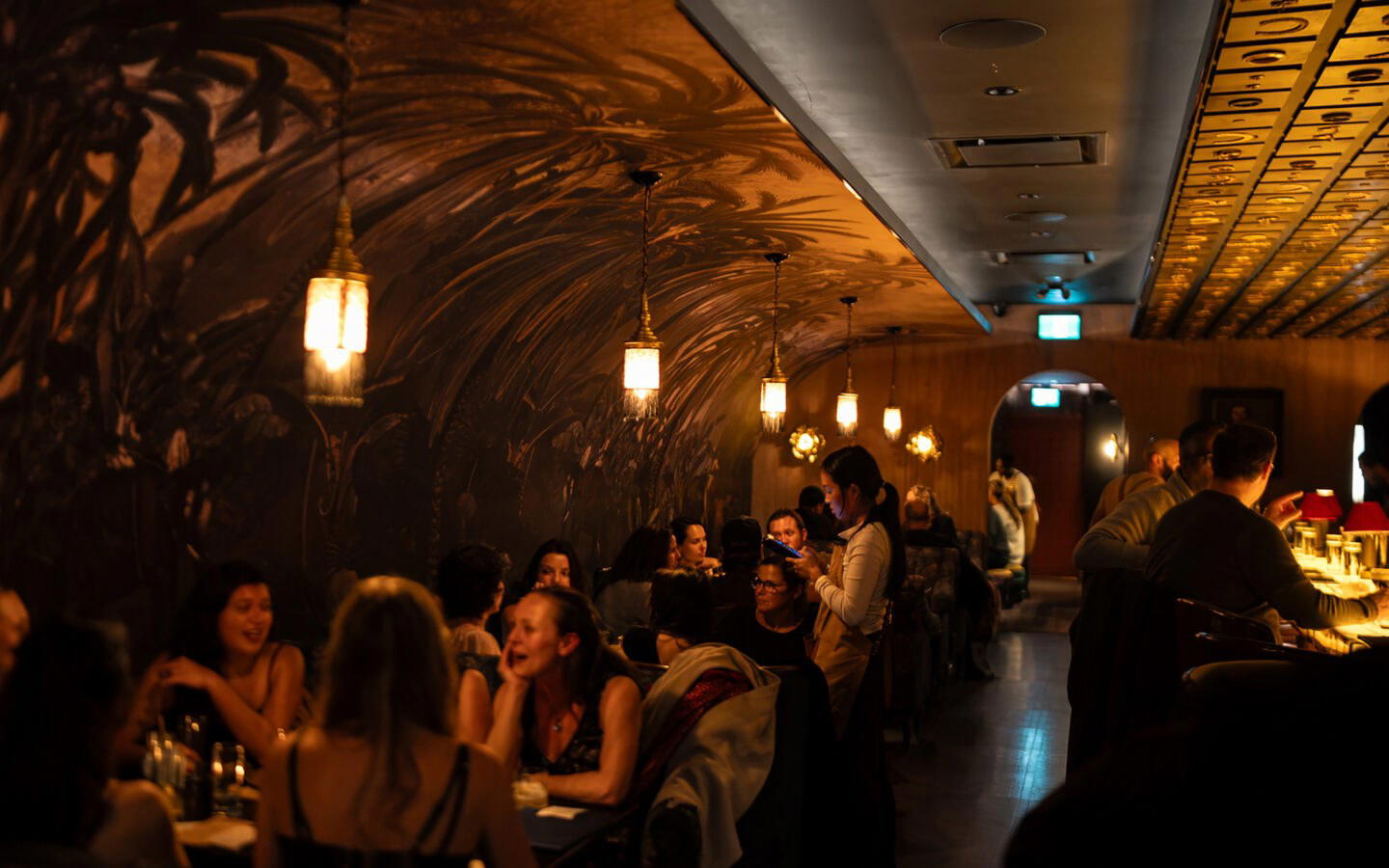
Chic and hip atmosphere with a playful 60’s safari diner vibe in emerald greens and burnt orange, featuring an airy dining room and cushiony seats.
Know Before You Go
- Getting there
- 2101 E Hastings St, Vancouver, BC V5L 1V2, Canada