Our verdict
Mak N Ming occupies a quiet address on Yew Street in Kitsilano, operating within a Vancouver dining tier defined by neighbourhood-rooted independents rather than downtown spectacle. The restaurant sits in a city where the gap between casual and formal has narrowed considerably, and where local regulars often drive the most interesting reservations. Check current availability directly before planning a visit.

Yew Street and the Kitsilano Independent
Kitsilano has long operated as Vancouver's counterweight to the downtown dining corridor. Where the city centre consolidates its higher-profile openings near Robson, Alberni, and the West End, Kits tends to reward the kind of neighbourhood restaurateur who values regulars over reservation hype. Yew Street, which runs a few blocks from the shoreline of English Bay, sits inside that quieter ecosystem. Mak N Ming holds a position at 1629 Yew Street that places it squarely in this local-first tradition: a block-level address rather than a destination-district one, which in Vancouver's dining geography carries its own meaning.
That geography matters because Kitsilano's dining scene has evolved in a specific direction. The neighbourhood carries enough residential density and sufficient household spending that serious independent restaurants can sustain themselves without relying on convention-centre overflow or tourist footfall. The result, across the suburb's better blocks, is a category of restaurant that prioritises the returning customer over the first-time visitor. Whether Mak N Ming fully occupies that position is worth assessing against what Vancouver's broader independent tier currently looks like.
Where the Room Sits in the Atmosphere of the Street
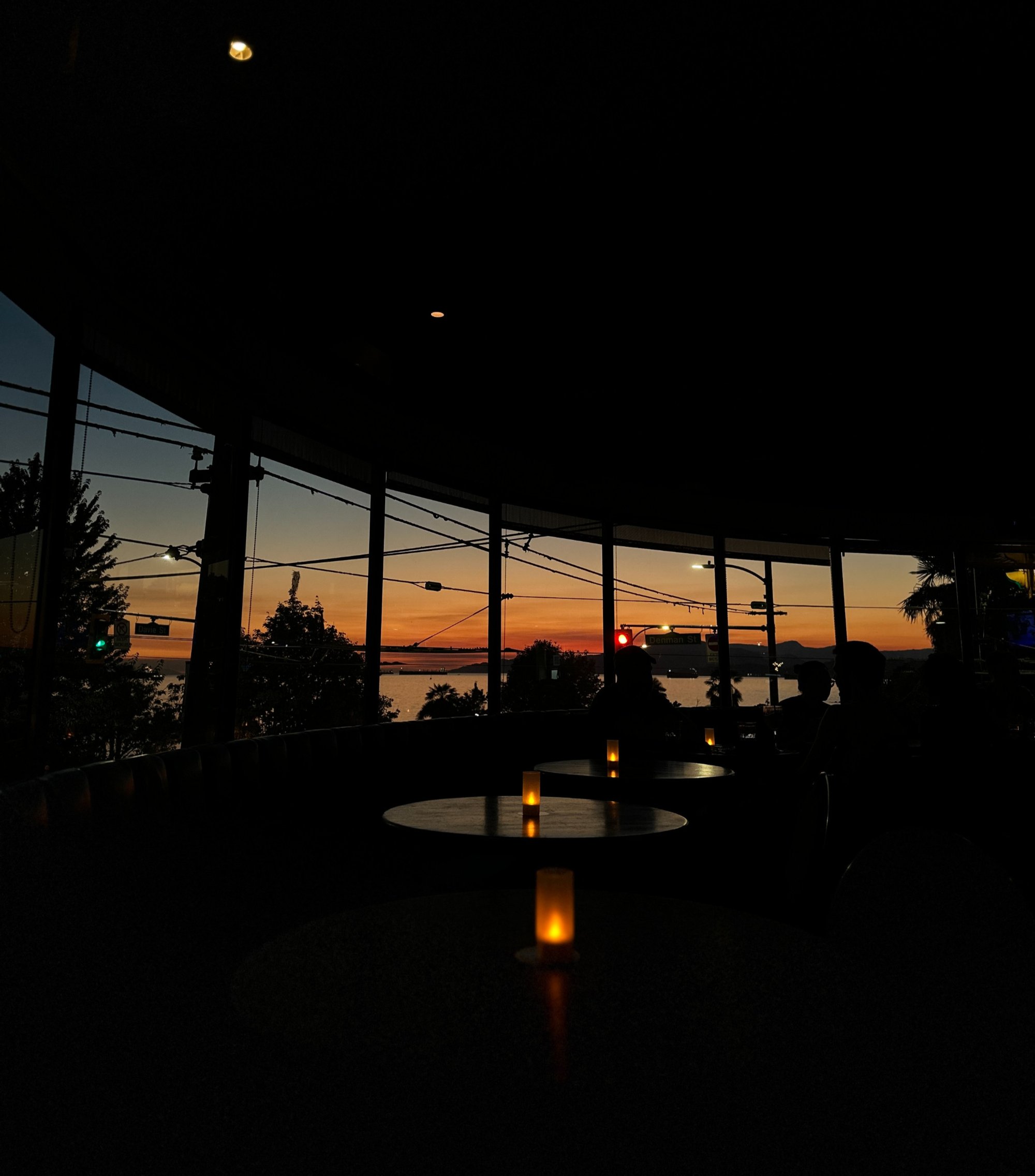
Approaching from the beach end of Yew, the street transitions from the more commercial stretch near 4th Avenue into a quieter residential and small-restaurant mix. The physical scale of buildings here is low, which keeps the sensory register of the block subdued relative to Vancouver's denser eating corridors. Arriving at a restaurant on this block means arriving without the ambient noise floor of a packed urban strip. That absence shapes what you notice first: the pace of the pavement, the proximity of the water to the west, the residential quiet that presses in on either side of whatever is open.
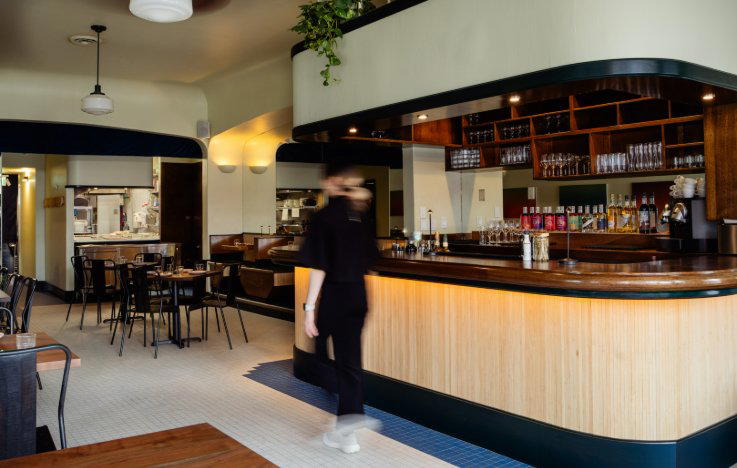
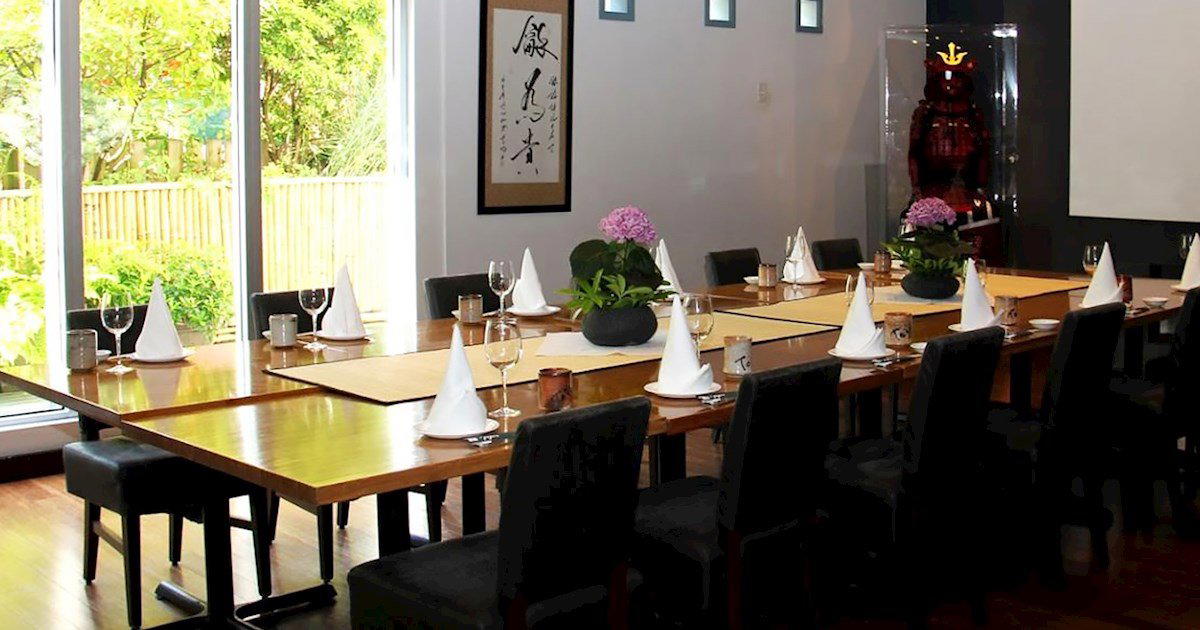
Interior atmosphere in this category of Kitsilano venue tends to follow one of two approaches. The first is the warmly lit, close-quarters independent where the room itself is part of the proposition. The second is a more open, counter-facing format that borrows spatial logic from the city's Japanese-influenced dining culture. Vancouver's restaurant stock, particularly in neighbourhoods like Kits and Main Street, has absorbed substantial influence from Japanese spatial restraint, and that influence shows in how independent operators think about seat count and room temperature.
The Vancouver Independent Tier: A Competitive Map
To understand where Mak N Ming sits, it helps to read the broader tier it occupies. Vancouver's upper-independent category is well-populated. AnnaLena and Barbara both operate at the $$$$ price point in the contemporary idiom. Kissa Tanto holds EnRoute recognition within its Italian-Japanese fusion format. Masayoshi anchors the city's premium Japanese counter tier. Further into the Chinese dining tradition, iDen & QuanJuDe Beijing Duck House represents a different kind of institutional weight.
Mak N Ming's Yew Street address places it outside the clusters where most of those venues operate, which is itself a positioning signal. Restaurants that succeed on residential side streets in Vancouver do so because the neighbourhood absorbs them as a local asset, not because they benefit from the gravitational pull of a dining district. That dynamic is visible across Canadian independents more broadly: Eigensinn Farm in Singhampton and Cafe Brio in Victoria both demonstrate that destination-level cooking is not exclusive to major urban corridors. In Vancouver, a Yew Street address works well when the food supports it on its own terms.
For comparison points outside the city, the structural logic of what Mak N Ming appears to attempt connects with how smaller-format independents function at a national level. Restaurant Pearl Morissette in Lincoln and Narval in Rimouski both operate with a similar neighbourhood-or-region-first orientation rather than a capital-city positioning. The contrast with larger-scale flagship restaurants, whether Alo in Toronto or Tanière³ in Quebec City, illustrates that the independent neighbourhood model is a deliberate mode rather than a fallback. Internationally, that split between neighbourhood-embedded and destination-flagship formats shows up across every serious dining city: Le Bernardin in New York City and Lazy Bear in San Francisco anchor the destination end, while the more residential counterparts absorb different kinds of loyalty.
What the Cuisine Register Signals
The name Mak N Ming carries enough specificity to suggest a named-partnership structure, which is a format common in Vancouver's independent dining tier. Two-name restaurants in this city tend to cluster around personal-kitchen models rather than corporate hospitality groups, though the format alone does not define the output. Vancouver has shown, repeatedly, that the city's greatest culinary strengths are in its access to Pacific seafood, its proximity to the Fraser Valley's agricultural output, and its layered Asian culinary heritage that goes well beyond any single reference cuisine.
A restaurant on Yew Street drawing on any combination of those inputs can credibly situate itself in the city's wider food story. The neighbourhood itself runs toward a demographic with both spending capacity and culinary attention, which tends to select for menus that are considered rather than crowd-pleasing. That is a different brief from what a venue near BC Place would be writing for, and it shapes what the kitchen can reasonably offer and at what price. For a broader read on how Vancouver's dining scene distributes across neighbourhoods and price tiers, our full Vancouver restaurants guide maps those patterns in detail.
Planning a Visit: What to Know Before You Go
Mak N Ming sits at 1629 Yew Street in Kitsilano, accessible by the 2 and 22 bus routes that run along Yew and 4th Avenue respectively, or a short walk from the Burrard Street and Granville Street corridors if arriving from downtown by foot or bike. Street parking on Yew and the residential cross-streets is generally available outside peak evening hours, though summer evenings near the beach bring higher competition for spots. Phone and website details were not available at time of publication.
For those building a broader Vancouver itinerary that extends to more formal destination dining, Jérôme Ferrer - Europea in Montreal and Fogo Island Inn Dining Room in Joe Batt's Arm illustrate how Canada's most considered independent dining experiences tend to share a deliberate smallness of scale, regardless of geography. The Pine in Creemore and Busters Barbeque in Kenora extend that argument further: regional independents with strong local identity hold their own against urban competition when the cooking is grounded in place. On Yew Street, that is the standard Mak N Ming is measured against.
Frequently asked questions
How do I find Mak N Ming?
Mak N Ming is located at 1629 Yew St, Vancouver, BC V6K 3E6, Canada, Vancouver.
Is Mak N Ming in Kitsilano a good option for a special occasion dinner in Vancouver?
Mak N Ming at 1629 Yew Street sits in Kitsilano, a Vancouver neighbourhood that has historically attracted chef-driven independents oriented toward a local residential clientele rather than a tourist circuit. The named-partnership structure the restaurant's title implies is a format that Vancouver diners associate with a more personal, accountable style of service. For occasions where the room's character and chef involvement matter more than a trophy address, the Yew Street location offers a different register than downtown Vancouver's higher-profile corridors.
What should I order at Mak N Ming?
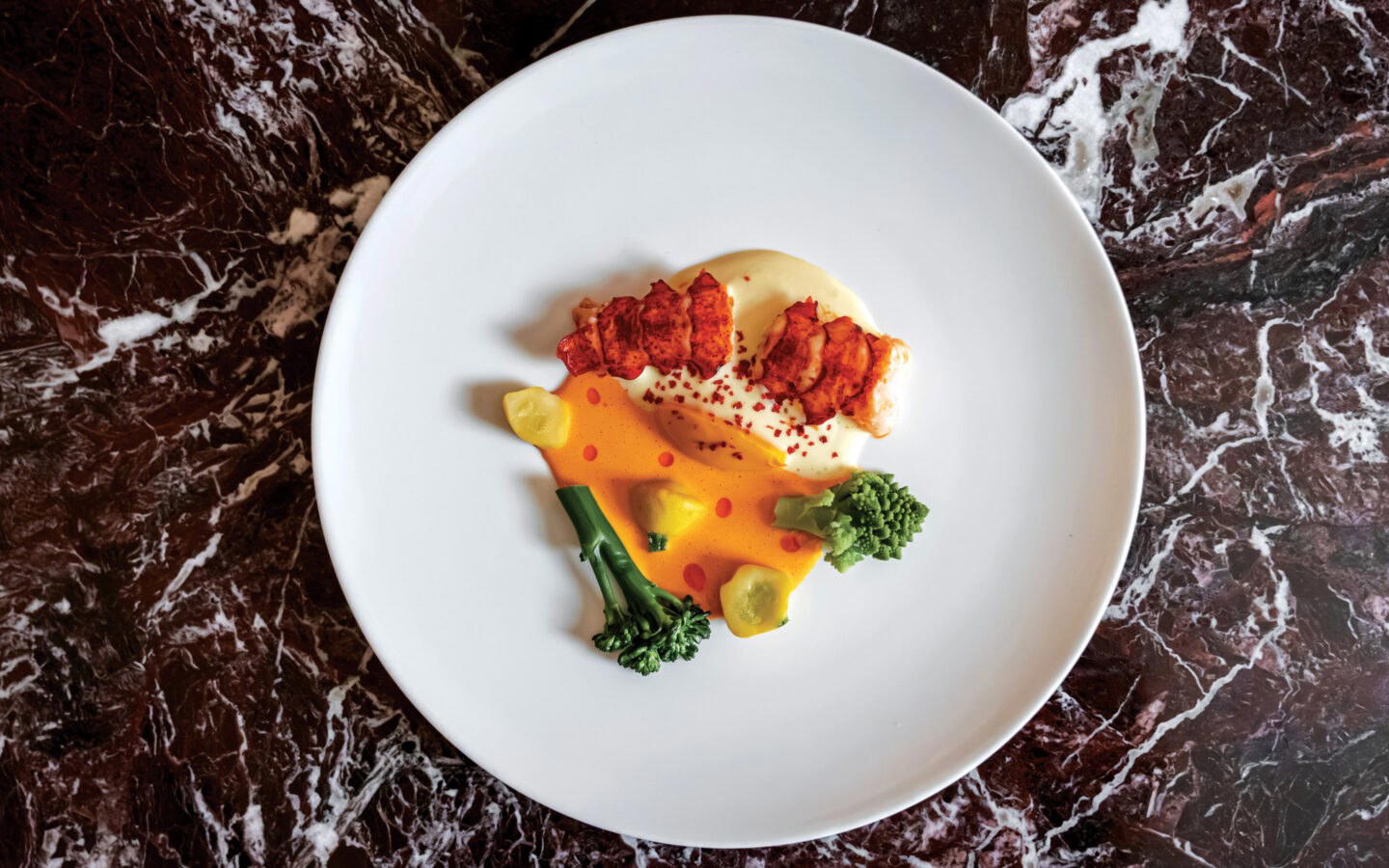
Specific menu details for Mak N Ming at 1629 Yew Street are not published in advance, which is consistent with independent kitchens in Vancouver's upper tier that rotate their offer by season or supplier availability. The name-partnership format typically signals a chef-driven approach where the menu reflects the principals' direct decisions rather than a fixed corporate brief. Arriving with an open brief and asking the floor what is running that evening is the practical approach here.
Can I walk in to Mak N Ming?
Contacting the venue directly before arrival is the safest route, as seating capacity in this format is typically limited. The 2 and 22 bus routes along Yew and 4th Avenue make the address straightforward to reach if a last-minute slot does open.
What do critics highlight about Mak N Ming?
No specific critical reviews or awards are currently documented in the public record for Mak N Ming. Mak N Ming's positioning on Yew Street, away from the downtown concentration of higher-profile openings, places it in a neighbourhood category that Vancouver critics have historically tracked for less mediated cooking.
Credentials Lens
A quick snapshot of similar venues for side-by-side context.
| Venue | Cuisine | Price | Awards | Notes |
|---|---|---|---|---|
| Mak N MingThis venue (the venue you are viewing) | French-Japanese Fusion Tasting Menus | Not listed | Not listed | Not listed |
| AnnaLena | Modern Canadian Tasting Menu | $100–150 | 1 Michelin Star · World's 50 Best #35 | Contemporary |
| iDen & QuanJuDe Beijing Duck House | Beijing Roast Duck Fine Dining | $100–150 | 1 Michelin Star | Chinese |
| Kissa Tanto | Japanese-Italian Fusion | $100–150 | 1 Michelin Star · La Liste Top Restaurants | Fusion |
| Masayoshi | Modern Japanese Omakase | $200–300 | 1 Michelin Star | Japanese |
| Published on Main | Contemporary Canadian | $150–200 | 1 Michelin Star · World's 50 Best #17 | Contemporary |