
A take-out bakery in Mizuho-ku with Tabelog 100 Bread EAST selections in 2020 and 2022, peu frequente belongs to Nagoya’s quieter bread circuit rather than its station-district dining rush. The appeal is regular-client logic: sandwiches and bread bought for the day, not a staged restaurant experience.
Pearl is the En Primeur Club membership app — saves, bookings, and concierge access live there. Same editors, same standards.
- Address
- 愛知県名古屋市瑞穂区豊岡通1-25 シャンボール近藤 1F
- Phone
- +81528582577
- Website
- tabelog.com
 Saves & bookings on Pearl
On Toyookadori in Mizuho-ku, the bakery rhythm is local rather than theatrical: a compact shopfront, take-out service, and a regulars’ pattern built around bread for home, work, and family tables. Nagoya’s dining reputation often leans toward miso-katsu, hitsumabushi, kishimen, and coffee-shop morning sets, but its bread culture has a separate, less touristic grammar. It rewards repeat buying, early decisions, and a sense of what disappears before casual visitors have understood the shelves.
peu frequente sits inside that daily-use category, yet its Tabelog 100 Bread EAST selections in 2020 and 2022 place it above the level of a convenient neighbourhood stop. The useful comparison is not a grand tasting-menu restaurant; it is the Japanese bakery as a precision retail format, where small differences in texture, portioning, sandwich construction, and turnover decide loyalty. The spending band is modest, which sharpens the point: recognition here is not tied to luxury signals, but to consistency in a category where customers can return often.
A Nagoya bakery culture built on repeat buying, not ceremony
Japan’s serious bakery scene has long absorbed French technique, local wheat conversations, and convenience-led retail habits without needing white-tablecloth framing. In Nagoya, that makes bakeries unusually useful for travellers who want to read the city outside formal meals. A bakery purchase can sit between a hotel breakfast and a late lunch, or replace the station-chain default before moving across the city. That everyday role explains why regulars matter more here than spectacle.
The format is take-out, so the decision-making is fast and practical. Bread and sandwiches are the stated categories, and two bread types require reservations, a detail that says more about demand patterns than any grand narrative could. This is the kind of shop where the unwritten menu lives in repeat behaviour: knowing which items justify planning, which purchases are everyday staples, and when a narrow space becomes less forgiving for browsing. Children are welcome, but the room is compact, so this is not a lingering café stop.
That regulars’ perspective is the right lens for peu frequente. A visitor looking for a sit-down meal will misread the place; a visitor treating it as part of Nagoya’s daily food infrastructure will understand it faster. Compared with Nagoya peers in the supplied set, the spending band aligns more closely with Komugi to Yakiago Sugure than with Una Toyo, while the category logic is entirely different from Raa Menya Shio Soba Shizuku or Dote no Shinagawa. The point is not to rank unlike venues, but to separate meal types: bakery buying is about timing and selection, not table time.
Recognition without luxury theatre
Tabelog’s Bread EAST 100 selections are useful here because they identify excellence in a field that travellers often under-research. Bread shops rarely announce themselves with the same international shorthand as sushi counters or hotel bars, and Nagoya’s strongest casual food moments can sit far from the obvious visitor routes. A Tabelog score of 3.65 and repeated Bread EAST recognition give peu frequente a concrete trust signal without asking the reader to accept vague local praise.
The critical value is the gap between price and reputation. In Japan, sub-¥1,000 bakery purchases can still involve serious craft, but the experience remains transactional: choose, pay, leave. That discipline is part of the appeal. There is no chef mythology to decode, no tasting-menu choreography, no wine-pairing theatre. For regulars, the draw is practical confidence. For travellers, it is a low-cost way to see how Nagoya eats when it is not performing for visitors.
Many premium-leaning travellers are used to online menus, booking platforms, and glossy English pages; small Japanese bakeries often work through location, habit, and phone-era logistics instead. Cash is the safer assumption when card and digital payments are not accepted. The private parking lot across the street has six spaces, while on-street parking on the main road is discouraged, so the smoother move is to treat the bakery as a purposeful stop rather than an improvisational drive-by.
Where it fits in a Nagoya itinerary
Mizuho-ku is not the same proposition as dining around Nagoya Station or Sakae. It asks for a more residential reading of the city, and that is precisely why a bakery like this has editorial interest. The surrounding food map can stretch from commuter-friendly casual meals to destination errands, but the reward is different from the central entertainment districts. Travellers building a broader Nagoya plan should pair this kind of stop with neighbourhood time rather than force it between tightly spaced reservations.
For a wider city edit, start with Our full Nagoya restaurants guide, then cross-check hotel positioning through Our full Nagoya hotels guide. Drinking routes sit separately in Our full Nagoya bars guide, while broader planning can extend to Our full Nagoya experiences guide and Our full Nagoya wineries guide. Within the restaurant archive, Nagoya entries such as 1022, 451, Aaron, Alan., and All Day Dining Montmartre help map the city’s range beyond bakery culture.
Readers comparing Japan more broadly can place this stop against different casual formats, from -Grilled beef Sukiyaki- KAMAKURA TANUKIAN 鎌倉 たぬき庵 in Kamakura and. 鮪と炭火焼き うお炭 秋葉原店 in Tokyo to.cafe in Osaka.know in Kumamoto, (Shoku) Vietnam in Kawasaki, and [Curry Senmon Ten] Maruyama Kyoju. in Sapporo. For overseas Japanese-leaning formats, Jōdo Saké Bar in Los Angeles and Onigiri Time in Pasadena show how everyday Japanese categories change when exported. The restaurant is smaller in ambition than those comparative routes, but that is the lesson: Nagoya’s food intelligence often sits in routine, not performance.
Accolades, Compared
Comparable venues by cuisine and category.
| Venue | Cuisine | Price | Notes |
|---|---|---|---|
| peu frequenteThis venue — the venue you are viewing | Artisan Bakery & Sandwiches | $ | Not listed |
| SURIPU | Artisan Bakery & Sandwiches | $ | Naka |
| baguette rabbit | French-inspired artisan bakery | $ | Meitō |
| Toyo Ken Nagoya mitsukoshi ten | Yoshoku (Japanese-style Western) & Black Curry | $$ | Naka |
| KOBOYA Ikeshita ten | Seasonal fruit parlor & dessert café | $$ | Chikusa |
| FORTISSIMO H | French-style patisserie & dessert cafe | $$ | Chikusa |
Recognition history
Dated appearances from independent guides and award organizations, with the underlying list record or original source where available.
Tabelog 100 #74 · No. 74
Tabelog · Tabelog 100 - Bread - EAST - 2022
Continue exploring
More in Nagoya
Restaurants in Nagoya
Browse all →
At a Glance
- Cozy
- Solo
- Family
- Casual Hangout
- After Work
- Standalone
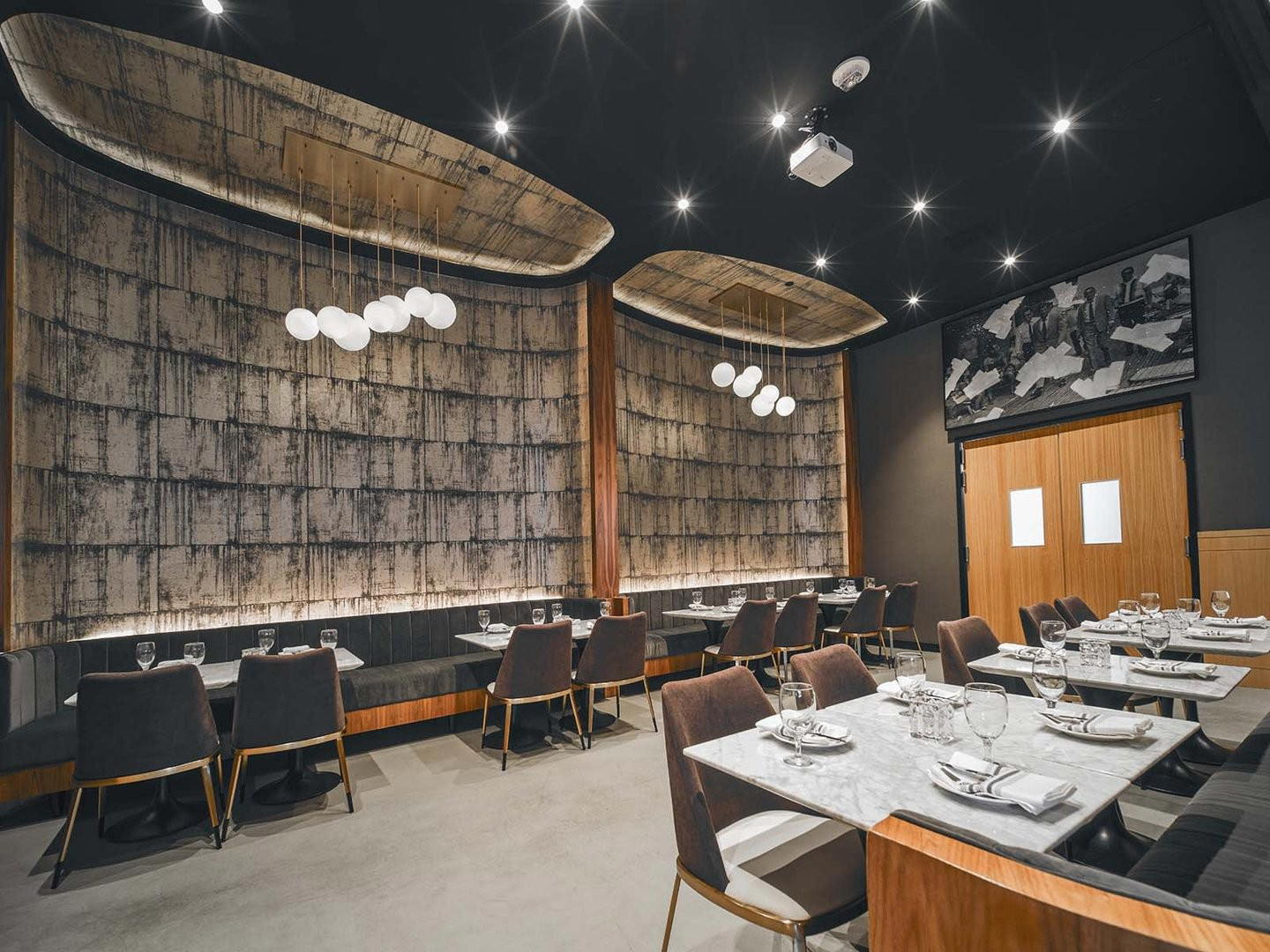
A small, cozy bakery with a narrow interior and a casual, family-friendly atmosphere; guests primarily visit to buy takeout bread rather than sit for a full meal, so the space feels relaxed but can be busy during peak times.