Our verdict
Peshawari at ITC Maratha carries the Northwest Frontier cooking tradition into Mumbai with a format that has remained consistent across ITC's hotel portfolio for decades. The dal, breads, and slow-cooked meats are benchmarks of their style in the city, and the setting inside one of Andheri East's most substantial hotel properties frames a meal that belongs to a specific, well-defined Indian dining register.

Pearl is the En Primeur Club membership app — saves, bookings, and concierge access live there. Same editors, same standards.
- Address
- Sahar Road, Andheri East, ITC Maratha, Mumbai 400099, India
- Phone
- +91 124 4172055
- Hours
- Mon–Fri 12–3 PM, 7–11:30 PMSat 12–3 PM, 7–11 PMSun 12–3 PM, 7–11:30 PM
- Website
- itchotels.com
- Directions
- Get directions
The menu
What to order
- Dal Bukhara
- Murgh Malai Kebab
- Sikandari Raan
- Paneer Tikka
Northwest Frontier Cooking in a City That Rarely Slows Down
Mumbai's premium restaurant scene has split decisively in recent years between two modes: the modernist Indian counter, where chefs rework subcontinent ingredients through French or Japanese technique, and the tradition-anchored room, where a specific regional cooking lineage is the entire point. Peshawari at ITC Maratha belongs firmly to the second category. It makes no concessions to fusion and no apologies for staying the course on a cuisine that traces its identity to the Khyber Pass and the clay ovens of the Northwest Frontier — what is now the Pakistan-Afghanistan borderlands.
That cuisine arrived in India's hotel dining rooms largely through the ITC group's deliberate project to document and present regional Indian cooking traditions at a premium level. Peshawari has been part of that project for long enough that it now functions as a reference point rather than a novelty. In Mumbai, where Masque and The Table represent the forward-looking contemporary Indian register, Peshawari occupies the opposite pole: a kitchen defined by restraint in seasoning, patience in technique, and fidelity to a tradition rather than a chef's personal vision.
The Room and What It Signals
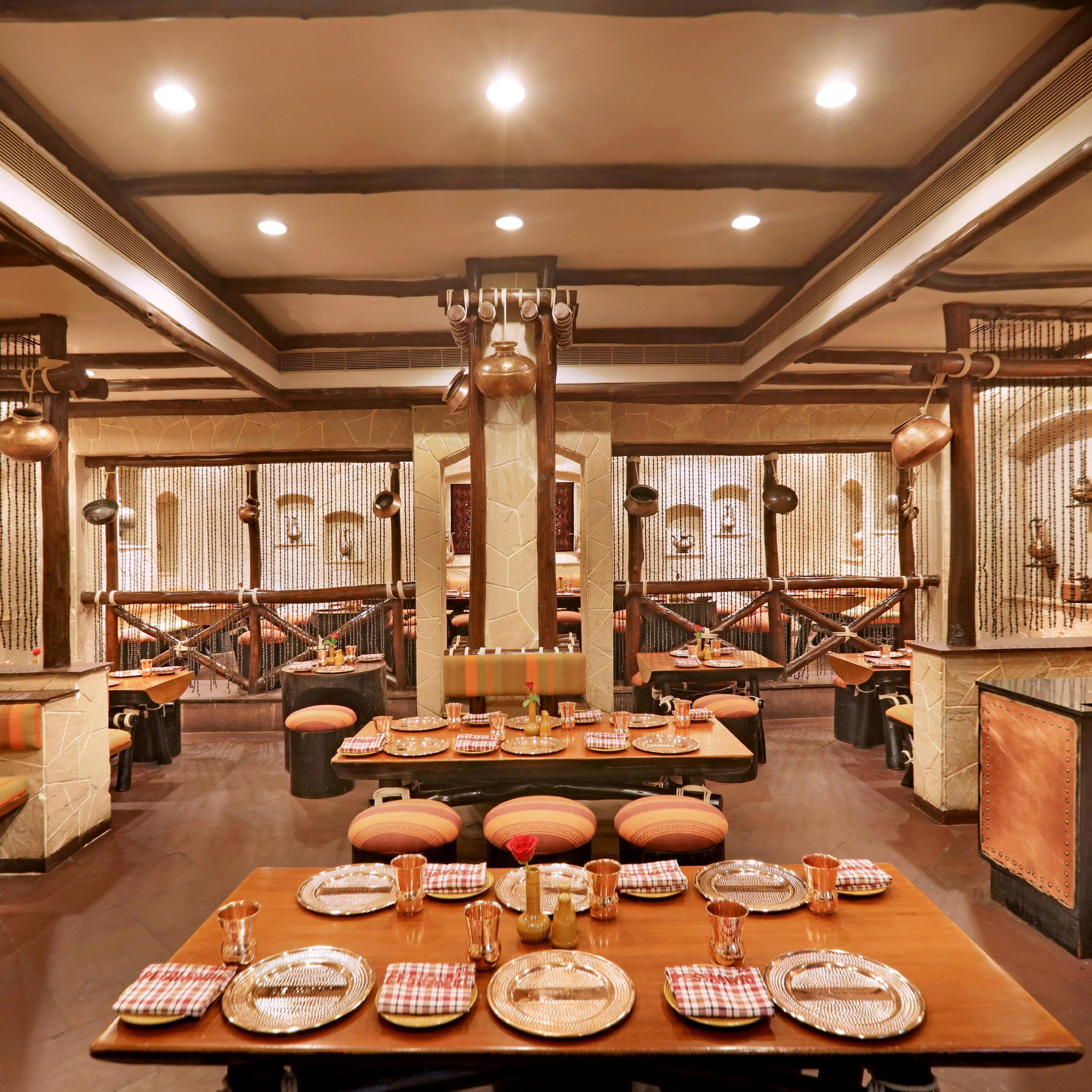
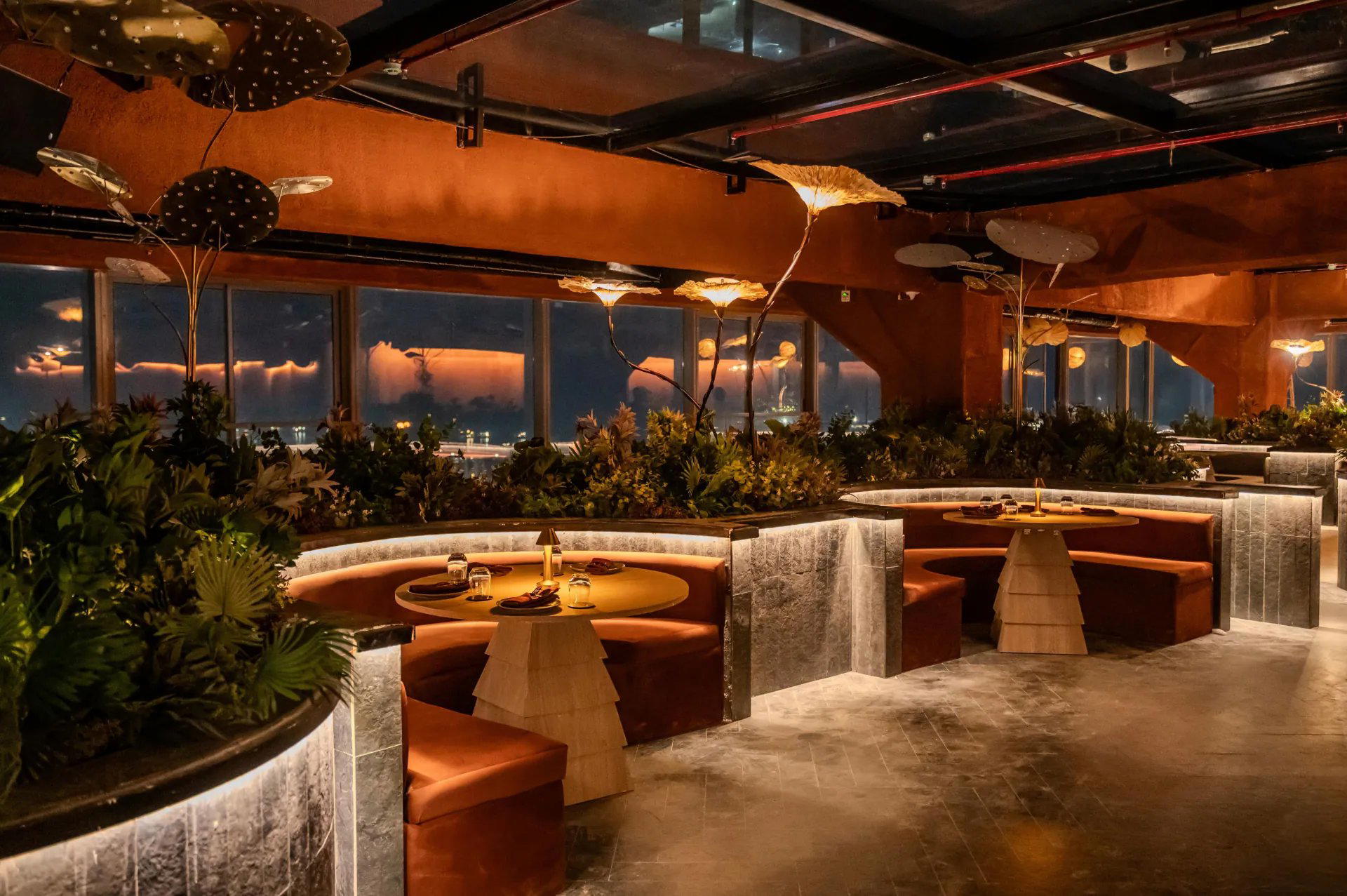
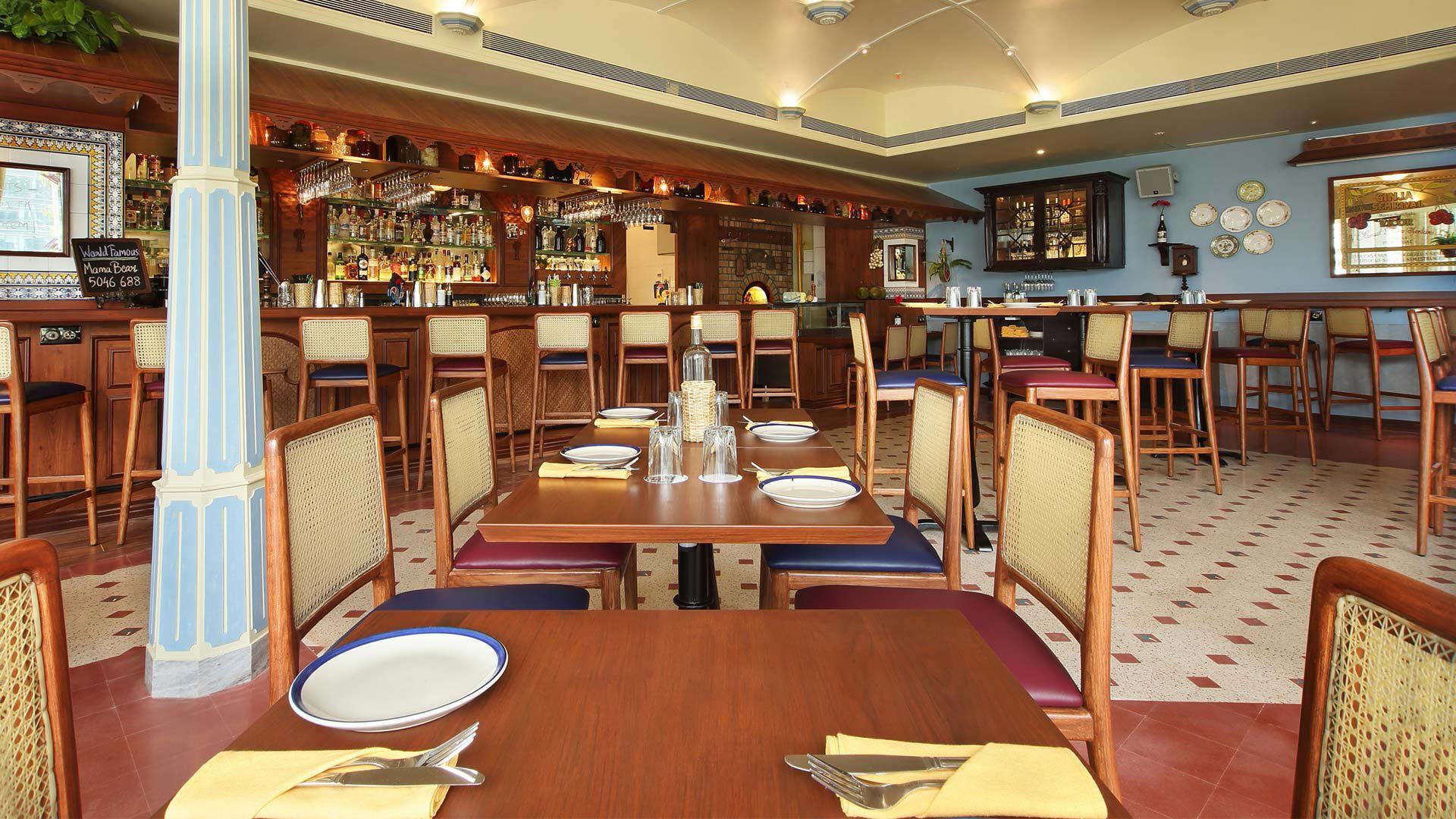
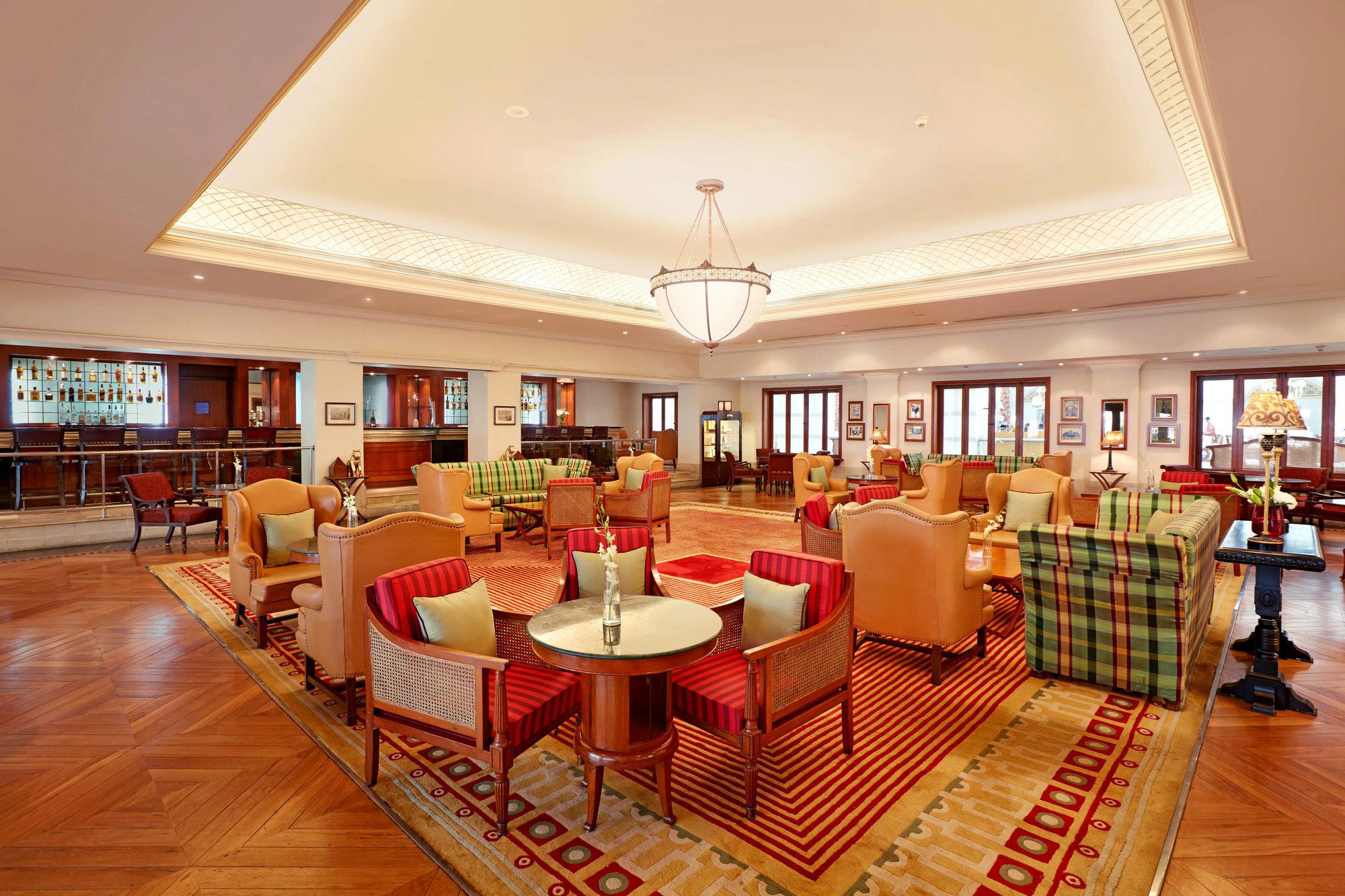
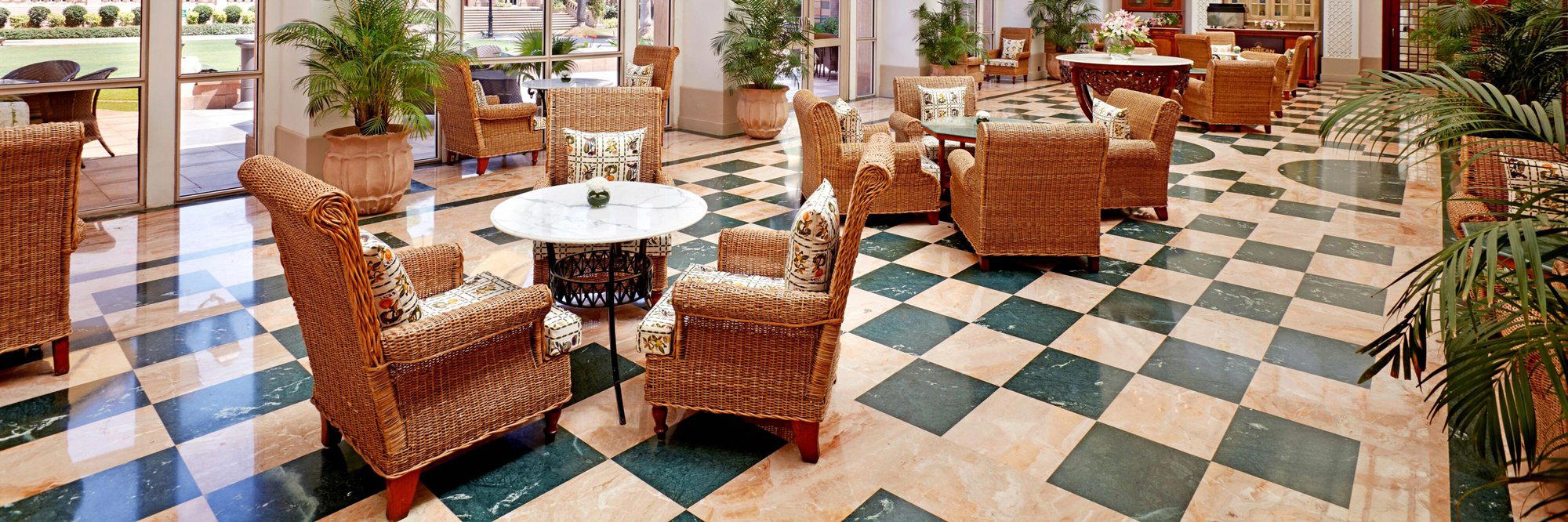
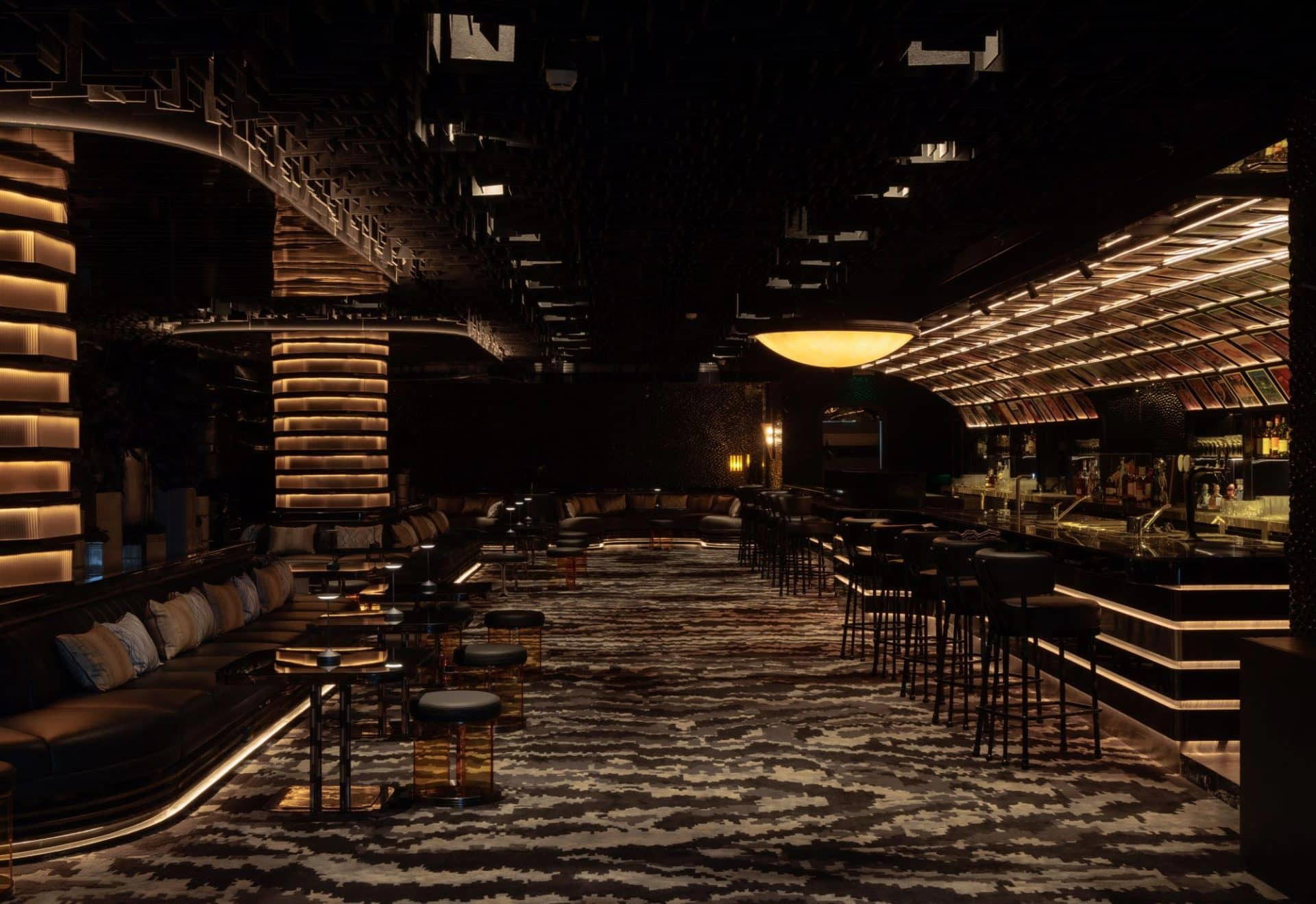
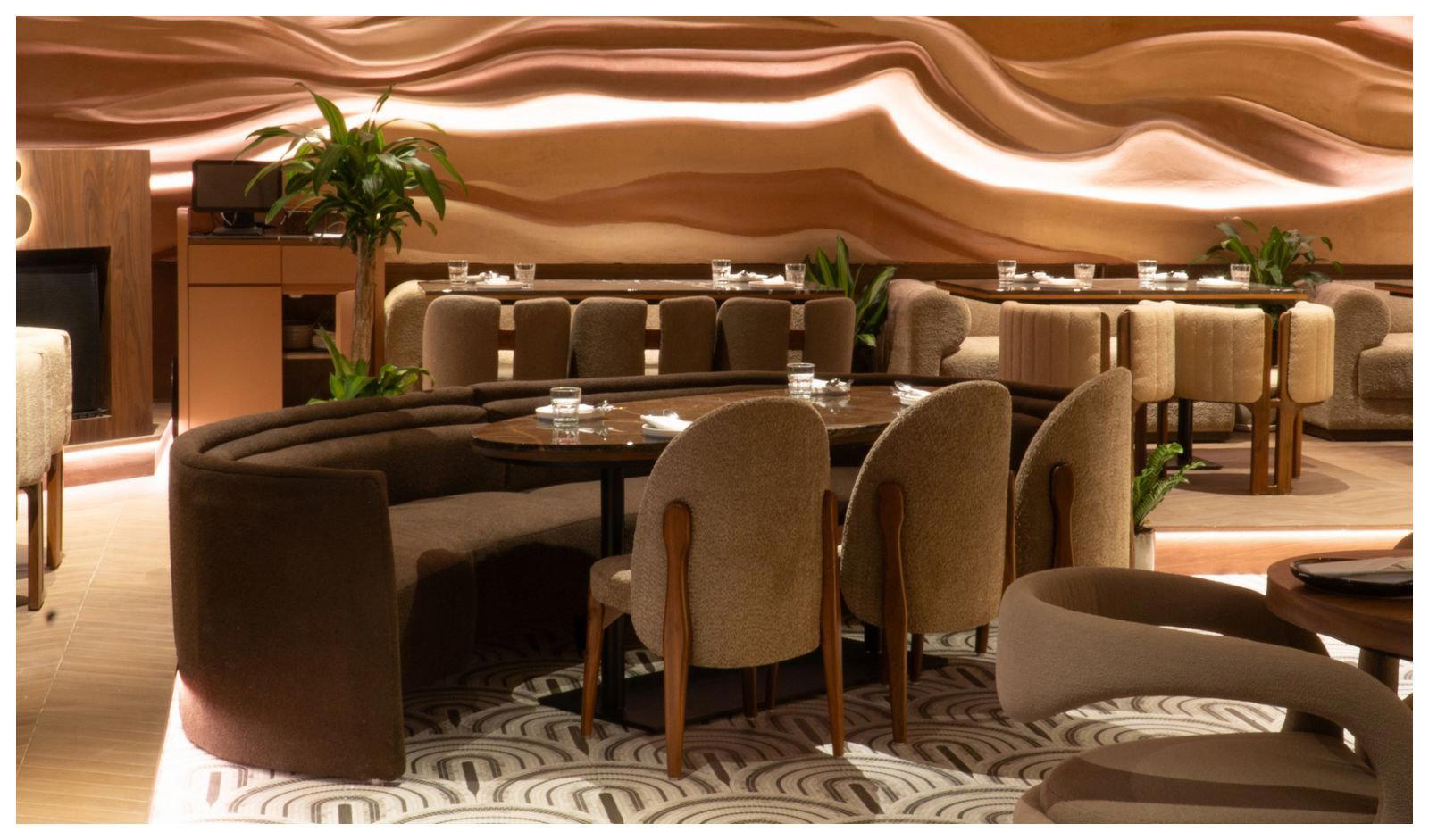
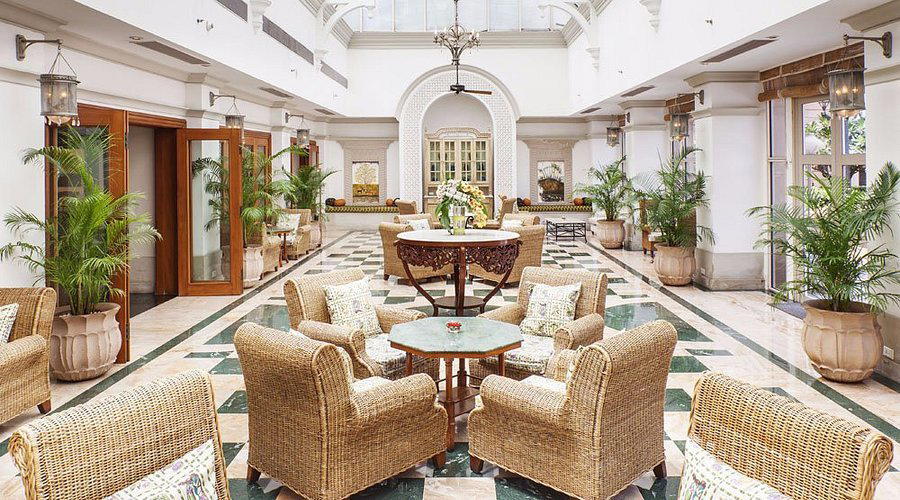
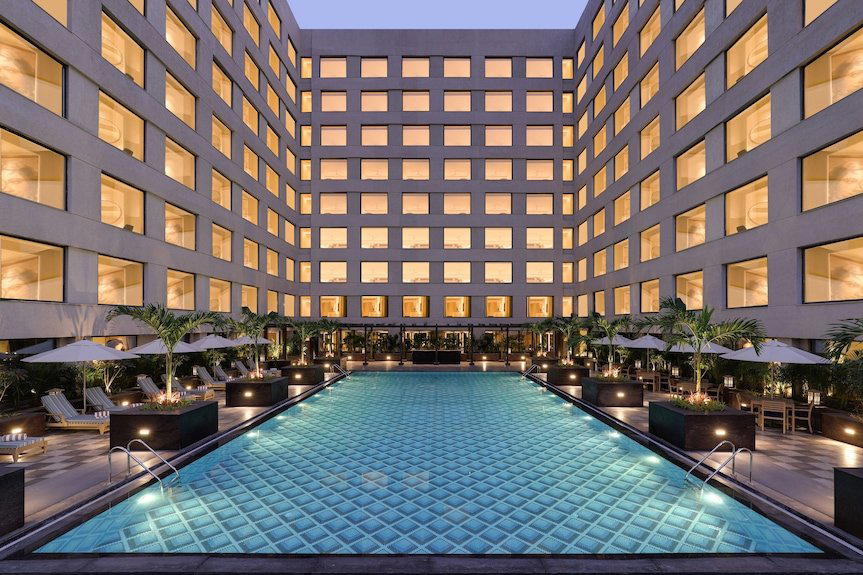
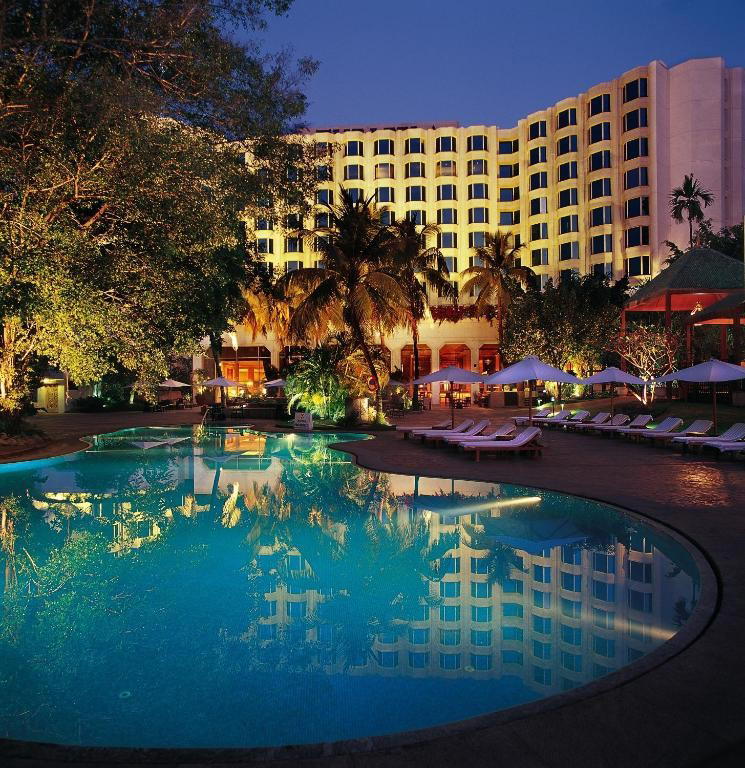
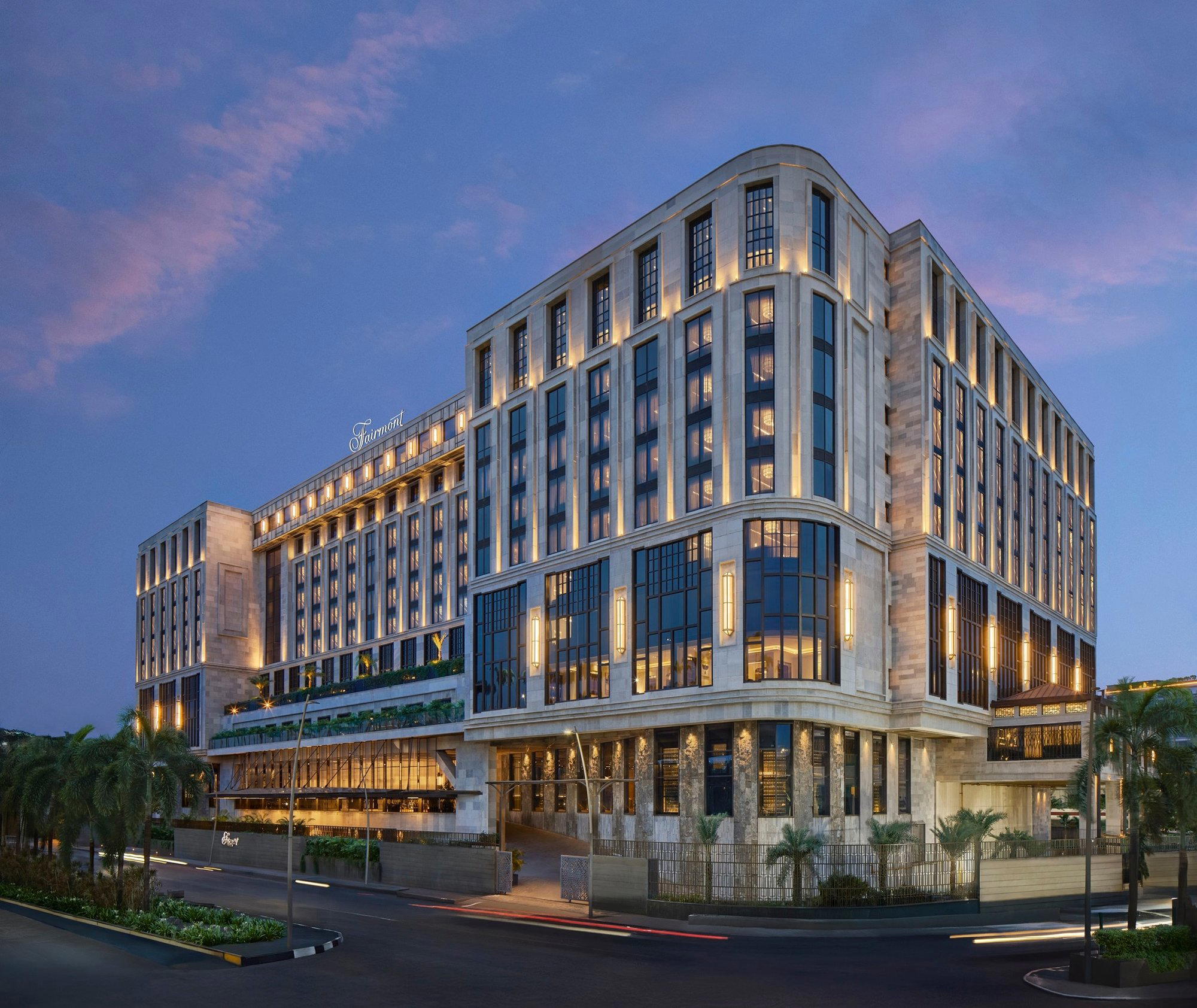
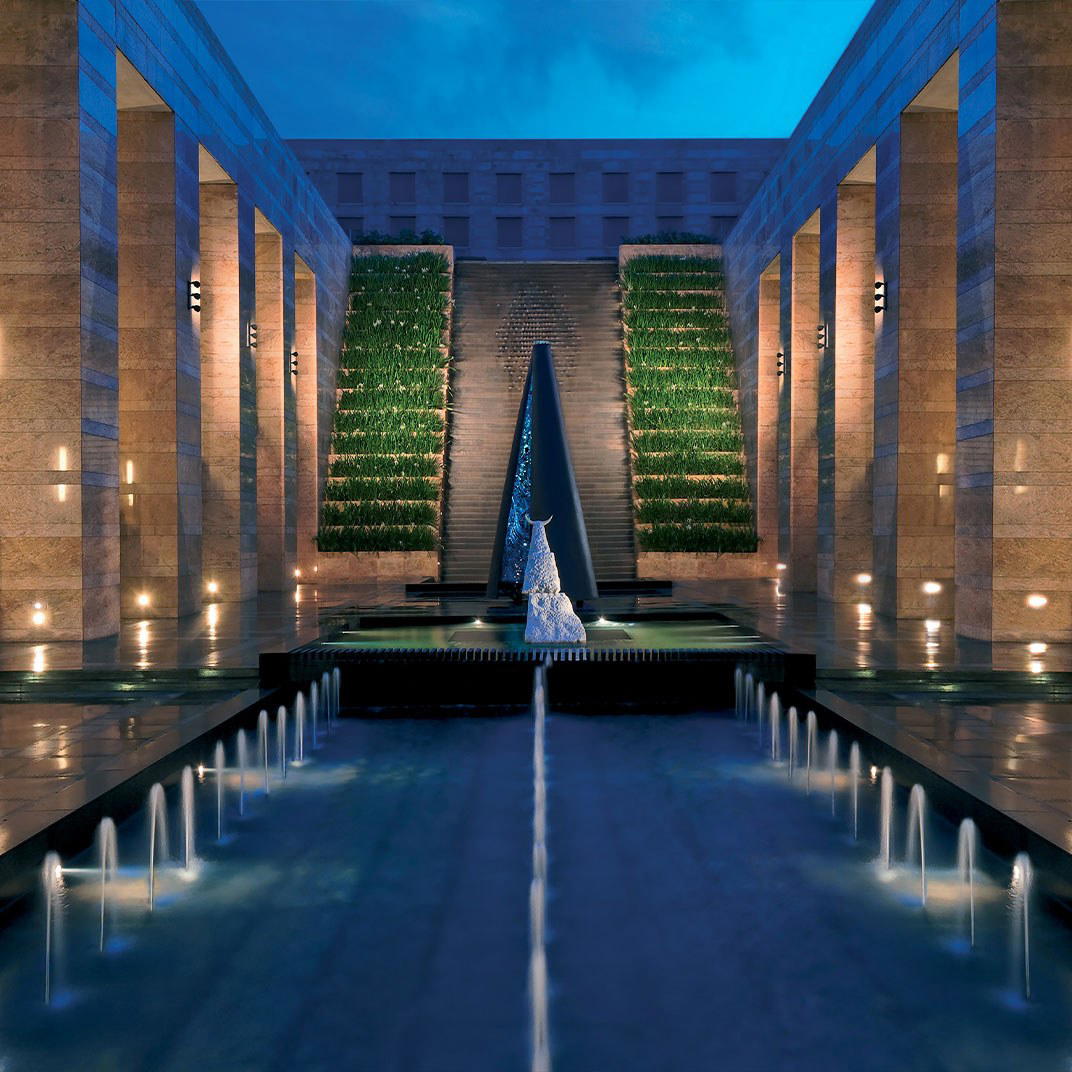
ITC Maratha on Sahar Road sits close to Chhatrapati Shivaji Maharaj International Airport, which makes it a logical stop for travellers with layovers or early morning departures, but also gives the hotel a slightly removed quality from the city's central dining circuits in South Mumbai and Bandra. The Maratha property was designed with Maharashtrian heritage architecture as its reference, and Peshawari sits within that shell in a way that establishes a mild geographical tension — a Northwest Frontier table inside a Maharashtrian palace hotel. The dining room leans into that contrast with Frontier-appropriate furnishings: natural materials, low light, and a format that steers attention toward the food and the tandoor rather than the view.
The tandoor is worth lingering on, because it is not incidental to this kitchen. Northwest Frontier cooking is organised around live fire in a way that most Indian restaurant formats, which treat the tandoor as one tool among many, are not. The bread programme and the meat cookery here carry the weight that a sauce station would carry in a French kitchen. This is not a cuisine of complexity built through layered spice; it is a cuisine of intensity built through heat, time, and a short list of carefully sourced ingredients.
What You Are Actually Eating
The dal here has the kind of reputation that travels ahead of it. Slow-cooked over extended periods, it is the dish that regulars cite first when explaining Peshawari to someone who hasn't been. That status is consistent with the wider ITC Peshawari tradition, where the dal has become a signature not just for this Mumbai outpost but for the format across properties. It is not a dish that announces itself through technique or presentation; it delivers through depth of flavour built over time, which is exactly what the Northwest Frontier tradition prizes.
Bread programme sits alongside the dal as a structural pillar of the meal. Sikandari raan and similar slow-cooked meat preparations carry the same logic: long cooking, minimal intervention, and a kitchen philosophy closer to the tandoor master than the line cook. This positions Peshawari at a different point on the Indian dining map from The Bombay Canteen, which draws from a wider pan-Indian vernacular, or Americano, which routes Indian ingredients through a different cultural prism entirely.
For a direct peer comparison within the ITC group's own tradition-focused restaurant portfolio, Dum Pukht in New Delhi offers a useful contrast: Dum Pukht specialises in the sealed slow-cook method of Awadhi court cooking, where Peshawari is about exposed fire and the Frontier's austere approach to seasoning. Both represent the serious end of ITC's investment in documented Indian regional traditions, and together they define a tier of hotel-anchored Indian fine dining that sits apart from the standalone contemporary restaurant scene represented by venues like Farmlore in Bangalore or Adaa at Falaknuma Palace in Hyderabad.
The Drinks Dimension
Premium Indian hotel restaurants have historically operated wine lists as an amenity rather than a programme, which is worth stating clearly before discussing what to drink here. The ITC Maratha's food and beverage operation supports a broader cellar than many standalone Mumbai restaurants, partly because the hotel infrastructure allows for proper storage and a larger by-the-bottle selection. Pairing wine with Northwest Frontier cooking is not the challenge it might appear: the smoky, fatty character of tandoor-cooked meats has an affinity with medium-bodied reds that can hold up to char and spice without being overwhelmed by either.
Indian wine has made enough progress in the last decade that Nashik-sourced Cabernet blends and Syrah from producers like Sula and KRSMA now appear credibly on hotel lists, and a pairing conversation at this level is worth having with whoever is managing the floor. The wine angle here is less about cellar depth than about using what the hotel format makes possible, a temperature-controlled environment, a team trained across multiple F&B outlets, and a buying operation that extends beyond what a single-site restaurant can sustain. For readers who want to explore how Mumbai's wine and beverage scene maps more broadly, our full Mumbai bars guide and our full Mumbai wineries guide provide wider context.
Planning a Visit
The ITC Maratha's proximity to the airport, Sahar Road runs through Andheri East directly adjacent to the terminal complex, makes Peshawari a practical choice for a meal before an evening flight or after an early arrival. That positioning also means it draws a significant corporate and transit clientele, which sets it apart from the destination-dining crowd that fills Masque or Dakshin on a Saturday evening. Reservations are advisable for dinner, particularly on weekends, though the hotel format means the booking process is managed through the property's central reservations rather than a separate restaurant line. Dress code expectations align with what a five-star hotel dining room requires: smart casual at minimum, with the room's own formality suggesting something closer to business or occasion-appropriate attire.
Readers building a broader Mumbai itinerary can reference our full Mumbai restaurants guide and our full Mumbai hotels guide for context across the city's full dining and accommodation range. Those interested in how tradition-rooted formats compare across other Indian cities should look at Naar in Kasauli, Baan Thai in Kolkata, and Bomras in Anjuna for a range of approaches to regional specificity in premium dining. And for those who want a global reference point for what kitchen discipline around a narrow, precise tradition looks like at its most refined, Le Bernardin in New York City and Atomix in New York City represent how singular culinary focus translates to the best of the market in a different context entirely.
For a broader experiences context in Mumbai, our full Mumbai experiences guide covers the wider city.
Frequently asked questions
How do I find Peshawari Mumbai?
Peshawari Mumbai is located at Sahar Road, Andheri East, ITC Maratha, Mumbai 400099, India, Mumbai.
Is Peshawari Mumbai a good option for a meal during an airport layover in Mumbai?
ITC Maratha sits on Sahar Road in Andheri East, directly adjacent to Chhatrapati Shivaji Maharaj International Airport, making Peshawari one of the few full-service restaurants in Mumbai where Northwest Frontier tandoor cooking is accessible without travelling into the city. The hotel format means the room operates on hotel timing rather than a narrow dinner-only window. For travellers with a layover of three hours or more, it is a practical way to eat at a Mumbai restaurant with a genuine culinary identity rather than settling for terminal dining.
What's the signature dish at Peshawari Mumbai?
The dal is the dish regulars cite first and the one that carries Peshawari's reputation across Mumbai's hotel dining circuit. Slow-cooked over extended periods, it has become a reference point for the style. The tandoor-based preparations from the Northwest Frontier repertoire run alongside it as the kitchen's second pillar.
How hard is it to get a table at Peshawari Mumbai?
Peshawari sits inside ITC Maratha on Sahar Road in Andheri East, which means its dining room serves both hotel guests and walk-in reservations from the city. Demand is consistent enough that booking ahead is advisable, particularly for dinner. The airport-adjacent location means the room turns over with a mix of business travellers and Mumbai residents, so midweek lunch is typically the most accessible slot.
What do critics highlight about Peshawari Mumbai?
The slow-cooked dal draws the most sustained attention, with food writers treating it as a benchmark for the dish in Mumbai's premium hotel restaurant category. The Northwest Frontier cooking format — built around the tandoor rather than the modernist Indian approaches now common across the city — is consistently noted as a deliberate counterpoint to that trend. ITC Maratha's position as one of Mumbai's established luxury hotel addresses lends the restaurant institutional credibility within that context.
Can Peshawari Mumbai accommodate dietary restrictions?
Peshawari's menu is rooted in grilled and slow-cooked preparations from the Northwest Frontier tradition, which means proteins and lentil-based dishes are central. Vegetarian options exist within that framework, including the dal that defines the kitchen's identity. Guests with specific dietary requirements should contact ITC Maratha directly, as the hotel's service infrastructure is equipped to handle such requests at a property-level.
Comparable Venues
Comparable venues nearby, for context on price, style, and recognition.
| Venue | Cuisine | Price | Notes |
|---|---|---|---|
| Peshawari MumbaiThis venue — the venue you are viewing | North West Frontier Indian | Not listed | Not listed |
| Trishna Mumbai | Mangalorean Seafood | Not listed | Oshiwara |
| Khyber | North-West Frontier/Mughlai | $20–30 | Fort Mumbai |
| Gajalee | Malvani Seafood | $20–30 | Vile Parle |
| Koh | Modern Thai | $30–50 | Kumbala Hill |
| Cecconi's Mumbai | Modern Northern Italian | $30–50 | Juhu Beach, Mumbai |
Details
- Rustic
- Cozy
- Classic
- Well Known
- Special Occasion
- Business Dinner
- Family
- Group Dining
- Open Kitchen
- Craft Cocktails
- A La Carte
- Vegetarian Friendly
- Vegan Options
- Gluten Free Options
- Halal
Current opening hours
- Monday
- 12–3 PM, 7–11:30 PM
- Tuesday
- 12–3 PM, 7–11:30 PM
- Wednesday
- 12–3 PM, 7–11:30 PM
- Thursday
- 12–3 PM, 7–11:30 PM
- Friday
- 12–3 PM, 7–11:30 PM
- Saturday
- 12–3 PM, 7–11 PM
- Sunday
- 12–3 PM, 7–11:30 PM
Hours can change for holidays and private events. Last verified .
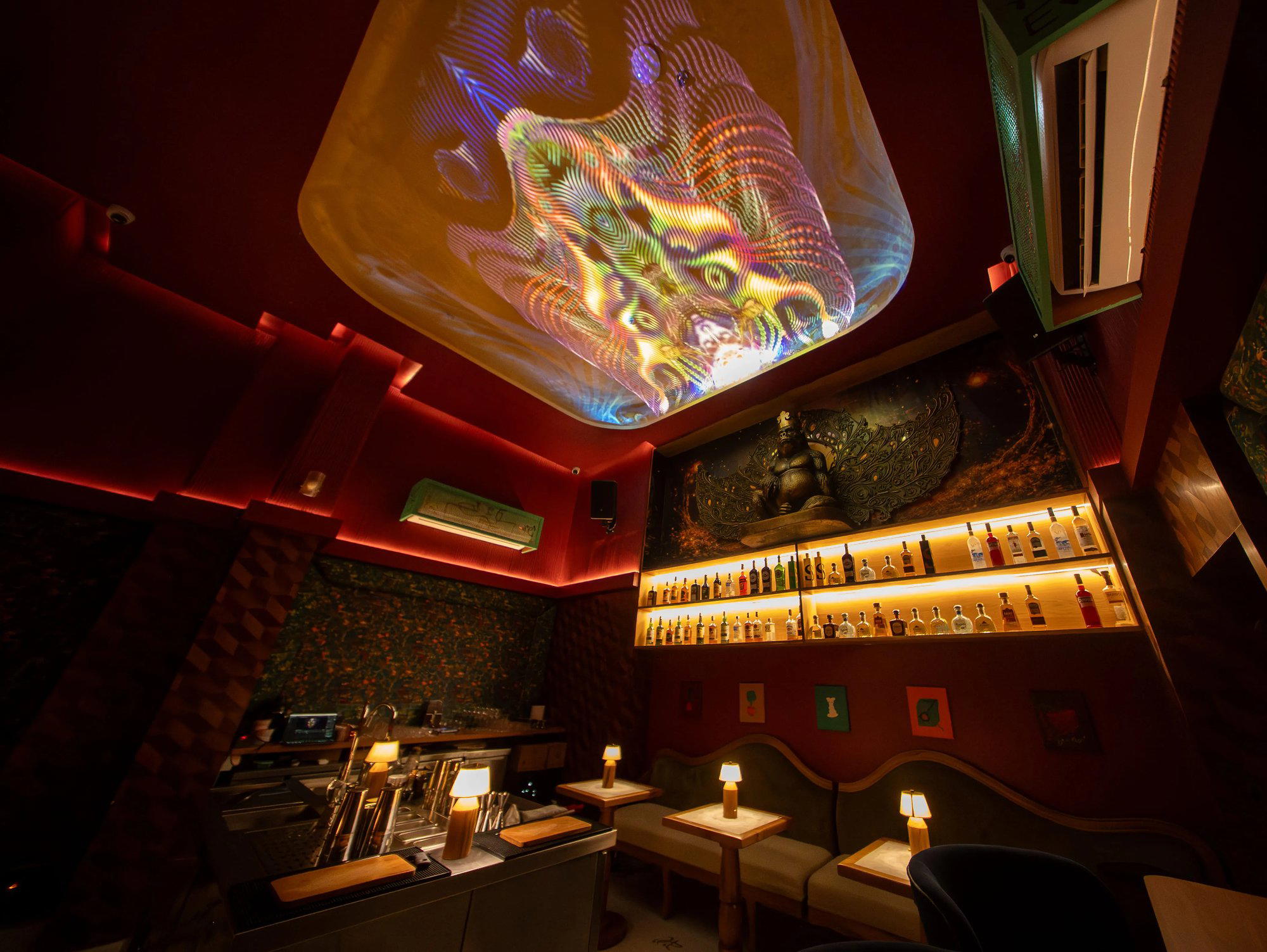
Rustic and cozy with warm lighting, vintage charm, and rough-hewn tables evoking a traditional frontier atmosphere.