Michelin Plate
Our verdict
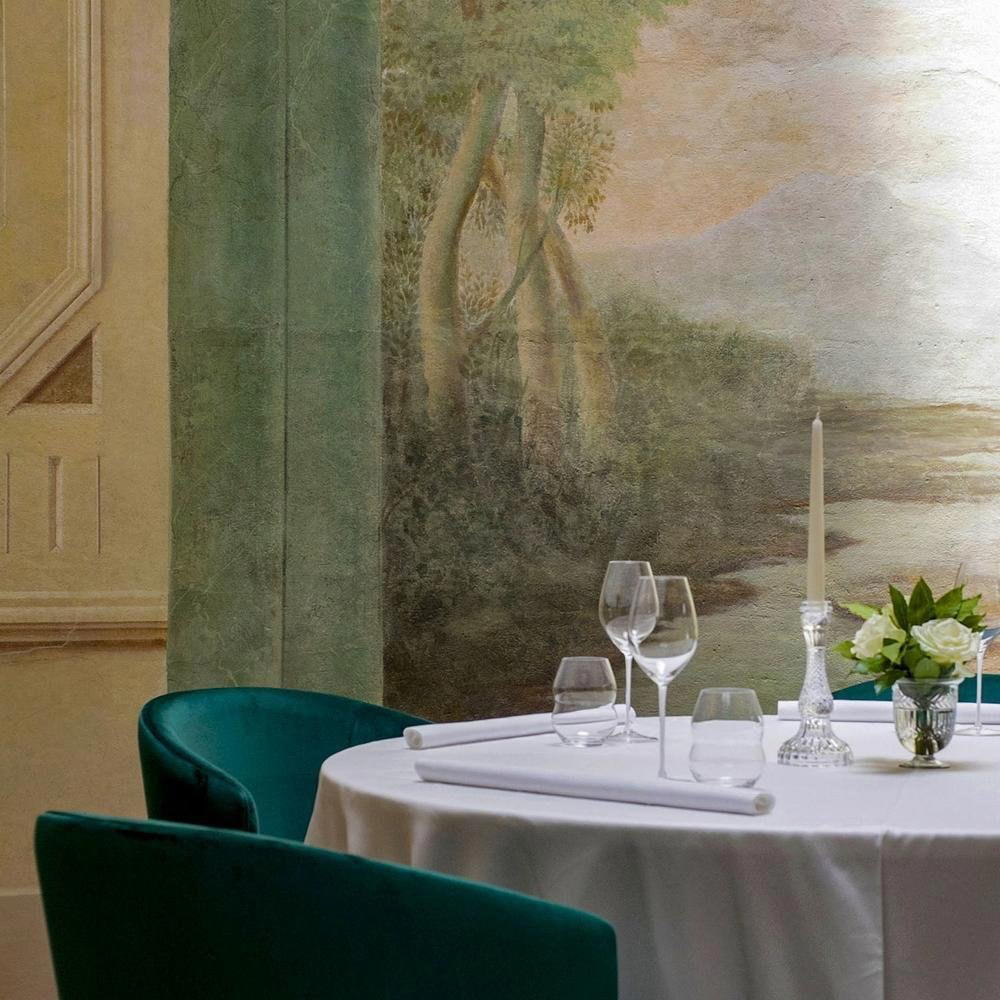
A gastro-bistro on Via Giovanni Bausan in the Chiaia district, Persika pairs an Italian restaurateur with a Swedish chef to produce contemporary cooking that draws on Campanian produce while applying international technique. The name, meaning 'peach' in both Italian and Swedish, signals the collaboration at its core. Choose between the surprise menu or an à la carte that reads as genuinely accessible rather than merely permissive.

Pearl is the En Primeur Club membership app, where members save venues, book tables and use the concierge.

The menu
What to order
- Crostini with anchovies
- Spaghetti with garlic chilli and anchovy
- Sirloin steak
- Monkfish
- Tagliatelle with mushrooms
- Artichokes in bagna cauda
Where Chiaia Meets the North
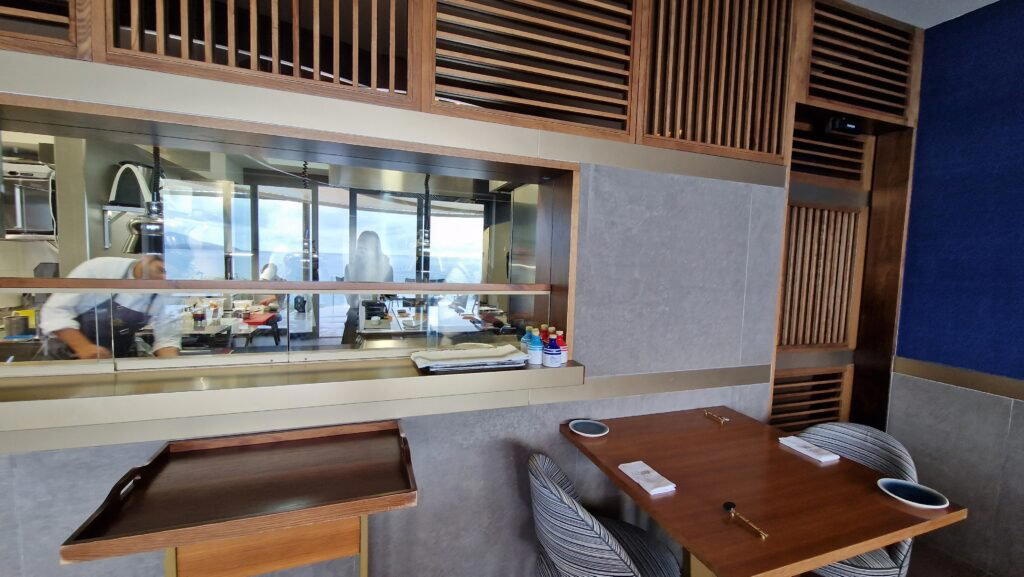
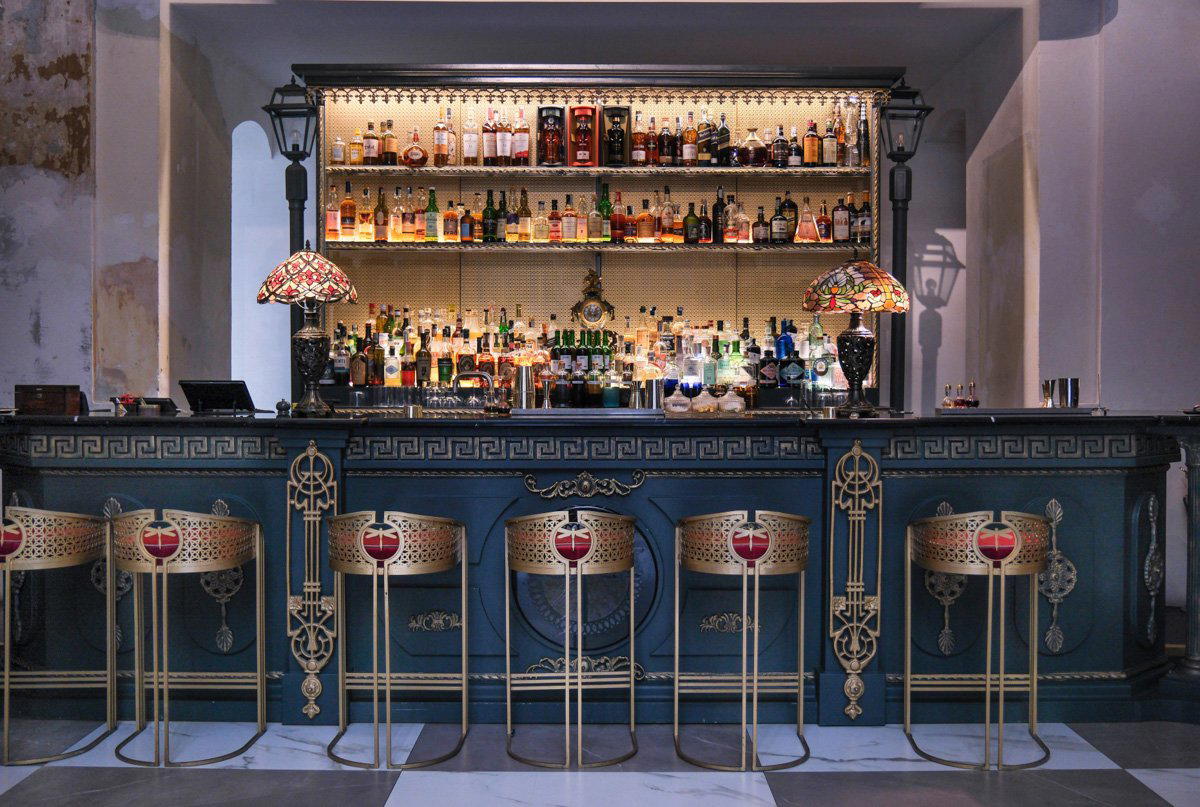
Chiaia is the neighbourhood Naples presents when it wants to look composed. The streets between the seafront promenade and the Villa Comunale carry a different register to the centro storico: less diesel and decibels, more aperitivo-hour calm and boutique frontage. It is in this setting, on Via Giovanni Bausan, that Persika occupies its position, a gastro-bistro whose atmosphere reads as deliberately unhurried, the kind of room where the lighting has been considered and the pace of service follows the guest rather than the kitchen's preferred turnover rate.
The name itself carries the project's logic in miniature. Persika translates as 'peach' in both Italian and Swedish, a piece of linguistic symmetry that reflects the collaboration between an Italian restaurateur and a Swedish chef whose professional record extends well beyond Scandinavia. This is not a novelty pairing or a marketing concept; it is the operating premise of everything on the plate.
The Intersection of Local Produce and Imported Technique
Contemporary Italian cooking has long wrestled with a productive tension: Campania produces some of the country's most characterful ingredients, San Marzano tomatoes, Amalfi lemons, locally landed seafood, buffalo mozzarella from Caserta, but the region's strongest culinary tradition is also its most conservative. The city's pizza identity, upheld by institutions like 50 Kalò and 3.0 Ciro Cascella, operates on the logic of reduction: fewer ingredients, higher fidelity, no deviation. Persika operates from a different premise entirely.
What happens when a chef trained in a culinary tradition defined by clean acidity, pickling, fermentation, and restraint in fat encounters the dense flavour concentration of Campanian raw materials? The answer, at Persika, is a cuisine that the venue itself describes as contemporary with international influences and a strong focus on local ingredients. That framing, modest as it sounds, points at something worth taking seriously. Nordic technique applied to southern Italian produce is not a new idea in fine dining, Atelier Moessmer Norbert Niederkofler in Brunico has spent years demonstrating how rigorous technique can serve hyper-local sourcing without overwhelming it, but it remains unusual at the gastro-bistro register, where the ambition is accessibility rather than statement-making.
That distinction matters. Naples already has restaurants working at the intersection of creativity and Campanian product at higher price points, including George Restaurant and Veritas, both operating in the upper tier of the city's contemporary dining bracket. Persika positions itself differently: the à la carte is described as interesting and accessible, and the surprise menu, a tasting format by another name, is frequently chosen by guests who want to hand over the decision. That flexibility in format is itself an editorial choice, signalling a room comfortable with different types of diner rather than one optimised for a single experience.
The Surprise Menu as Format
Across Italian fine dining, from Osteria Francescana in Modena to Enoteca Pinchiorri in Florence and Enrico Bartolini in Milan, the tasting menu has become the primary vehicle for communicating a chef's position. At that level, the format carries structural weight: it sequences argument, builds coherence, and demands that the kitchen commit to a point of view for every cover. At Persika, the surprise menu operates in a lighter register, closer to the spirit of a market-driven menu than to a formal progression, but the underlying logic is the same. The chef chooses; the guest responds.
The value of this at a gastro-bistro level is that it allows the kitchen to work with what is genuinely available and in condition, rather than printing a menu that commits to ingredients weeks in advance. In a city with the fish market access that Naples has, and with Campanian agriculture as a sourcing backdrop, that flexibility translates directly to what arrives at the table.
Placing Persika in the Naples Dining Context
Naples is not a city short of strong opinions about what food should be. The civic identity around pizza, pasta, and seafood is so consolidated that restaurants operating outside those categories can struggle to locate their audience. Contemporary restaurants that work with international reference points, the way 177 Toledo does, for instance, occupy a niche that is growing but remains secondary to the city's dominant culinary narrative.
Persika's Chiaia address helps. The neighbourhood attracts residents and visitors who are more likely to be cross-referencing restaurants across cities, guests who might also sit at Le Bernardin in New York City or Atomix when travelling, and who bring a broader frame of reference to what they want from a dinner. That is the audience for a project like Persika: not diners seeking confirmation of what they already know about Neapolitan cooking, but those curious about what the city's ingredients look like through a different lens.
At the same time, the gastro-bistro format and the accessible à la carte position Persika below the formality threshold that puts some diners off restaurants with serious culinary ambitions. It is possible to eat here without committing to a long evening or a multi-course progression, and that matters in a city where the competition for a casual dinner is measured against some of Italy's most accomplished pizza and seafood operations. Comparable coastal restaurants with strong local sourcing credentials, such as Quattro Passi in Marina del Cantone and Dal Pescatore in Runate, demonstrate how the combination of serious technique and regional produce loyalty can build lasting reputations; Persika is working in that same territory at a more approachable register.
Planning Your Visit
Persika is at Via Giovanni Bausan, 5, in the Chiaia district of Naples, a short walk from the waterfront and well within reach of the neighbourhood's main streets. For broader orientation across the city's restaurants, hotels, bars, wineries, and experiences, the EP Club guides cover Naples in full: see our full Naples restaurants guide, our full Naples hotels guide, our full Naples bars guide, our full Naples wineries guide, and our full Naples experiences guide. Booking in advance is advisable, particularly if you want to secure the surprise menu format on a specific evening; the à la carte offers more flexibility for walk-in timing.
Frequently asked questions
Has Persika won any awards?
Persika has received recognition including: Persika is a name that combines Italy and Sweden: in both languages, it means "peach." In the Chia district, an Italian restaurateur collaborates with a highly experienced Swedish chef to create a gastro-bistro with a relaxed and welcoming ….
Where is Persika located?
Persika is located at Via Giovanni Bausan, 5, 80121 Napoli NA, Italy, Naples.
What should I order at Persika?
The surprise menu is the format most guests choose, and it reflects the kitchen's strongest statement: a collaboration between Italian and Swedish sensibilities built around local Campanian produce. For those who prefer to choose, the à la carte menu offers the same contemporary, internationally influenced cooking without committing to the full sequence.
How hard is it to get a table at Persika?
Persika operates as a gastro-bistro at Via Giovanni Bausan, 5 in Chiaia, a neighbourhood with a concentrated dining scene. The combination of a surprise menu format and a relaxed atmosphere tends to attract a repeat local crowd alongside visitors, so booking ahead is advisable, particularly on weekends.
What is Persika known for?
Persika is known for its Italian-Swedish collaboration: the name itself means "peach" in both languages, and the kitchen pairs Campanian ingredients with the technique of a highly experienced Swedish chef. The result is a contemporary bistro in Chiaia that sits outside Naples' traditional trattoria or pizza-led dining circuit, offering a surprise menu alongside an accessible à la carte option.
Comparable Spots, Quickly
Comparable venues nearby, for context on price, style, and recognition.
| Venue | Cuisine | Price | Awards | Notes |
|---|---|---|---|---|
| PersikaThis venue (the venue you are viewing) | Contemporary Nordic-Italian | $50–100 | Michelin Plate | Not listed |
| Michelasso | Modern Neapolitan Fine Dining | Not listed | Michelin Plate | San Ferdinando |
| Joca | Modern Neapolitan Fine Dining with Tapas | $50–100 | Michelin Plate | Acquario |
| Terrazza Calabritto | Modern Italian Seafood | $50–100 | Not listed | Acquario |
| Pizzeria di Matteo | Traditional Neapolitan Pizza | $10–20 | Not listed | Stella |
| Luminist Cafè Bistrot | Modern Italian Bistro with French Pastry Influences | $20–30 | Michelin Plate | San Ferdinando |
Recognition history
Dated appearances from independent guides and award organizations, with the underlying list record or original source where available.
Michelin Plate
Michelin