
Occupying the ground floor of the historic Banco di Napoli building on Via Toledo, Luminist Cafè Bistrot holds a Michelin Plate for 2024 and 2025 and operates across restaurant, bar, and pasticceria formats under one roof. The menu moves between Campanian regional cooking, fish dishes drawn from international recipes, and lighter international options, making it one of the more compositionally varied stops on central Naples' main commercial artery.
Pearl is the En Primeur Club membership app — saves, bookings, and concierge access live there. Same editors, same standards.
- Address
- Via Toledo, 177/178, 80134 Napoli NA, Italy
- Phone
- +39 081 1975 8023
- Website
- linktr.ee
- Directions
- Get directions
 Saves & bookings on Pearl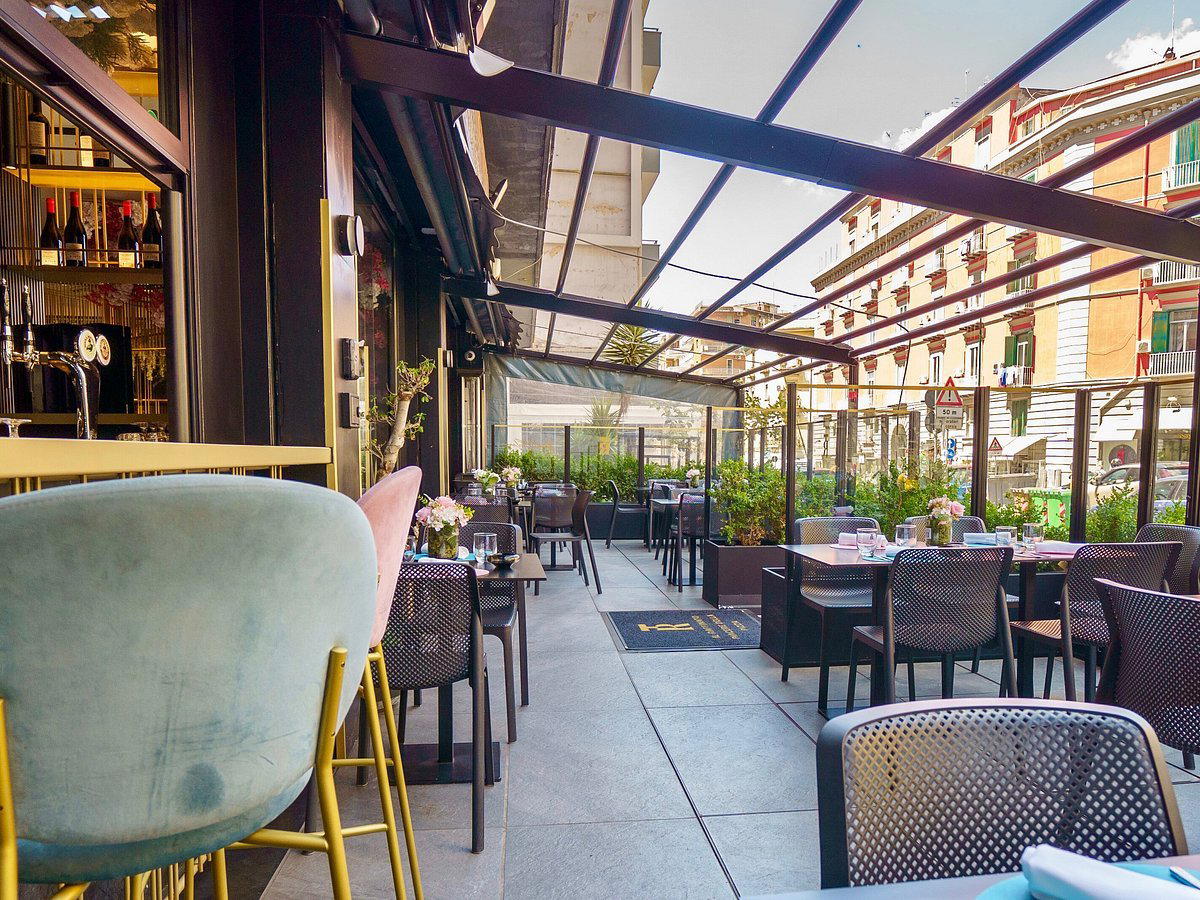
Via Toledo, the Banco di Napoli, and What a Room Can Ask of a Menu
Via Toledo is Naples at full volume: a long, straight commercial artery running from Piazza Dante toward the waterfront, lined with banks, pharmacies, fast fashion, and the occasional architectural relic that stops you mid-stride. The Banco di Napoli building is one of those relics. Its ground floor now houses Luminist Cafè Bistrot alongside the Gallerie d'Italia museum above, a pairing that says something about how Naples has started repositioning its historic civic infrastructure. When a city places a Michelin Plate restaurant and a fine arts museum in the same heritage envelope, the implicit argument is that the room itself is part of the experience.
That physical context matters here more than it would at a standalone trattoria down a side street. The architecture sets a register before the food arrives: high ceilings, stone and marble surfaces, the particular hush that old banking halls carry even when they're full. It is the kind of room that makes a coffee feel like a considered act. Whether you're arriving for a quick espresso at the bar, a slice from the pasticceria counter, or a full sit-down lunch, the building frames every transaction differently than a neutral modern interior would.
A Menu That Refuses a Single Category
Compositionally, the menu at Luminist is broader than most addresses at this price point in central Naples. The €€ bracket on Via Toledo tends to resolve into one of two modes: tourist-oriented trattorias that lean hard on Neapolitan staples, or cafès that serve decent pastry and indifferent lunch plates. Luminist positions itself across a wider range, running international dishes alongside fish preparations drawn from recipes beyond the Campanian coast, and regional specialities that anchor the menu in its actual geography.
The Campanian section carries editorial weight. Aubergine parmigiana, candele pasta with Neapolitan ragù, and babà appear as through-lines in how the kitchen frames its local identity. These are not incidental additions. Candele, the long tubular pasta traditionally broken by hand before serving, is one of the more labour-intensive formats in the Neapolitan canon; its presence alongside a slow ragù signals a kitchen willing to commit time to technique. Babà, the rum-soaked brioche that Naples claims with particular intensity, closes the loop on regional credibility. The Michelin Plate recognition in both 2024 and 2025 suggests the execution across this range meets a threshold of consistency, if not the headline ambition of the city's starred addresses.
The international and fish-forward sections of the menu serve a different function: they allow the kitchen to serve the full range of diners that Via Toledo generates, from locals on a lunch break to visitors using the Gallerie d'Italia as an anchor. This is a pragmatic editorial choice, not a dilution of identity, and it places Luminist in a different competitive set than the single-focus specialists elsewhere in the city. For a comparison point, the focused Campanian cooking at Veritas or the contemporary format at George Restaurant each occupy narrower, more expensive niches. Luminist trades some of that editorial clarity for operational breadth.
The Bar and Pasticceria Dimension
In Naples, the distinction between a restaurant and a bar is rarely clean. The city's café culture runs deep enough that the pasticceria counter is often where a space earns its local reputation before anyone orders a main course. Luminist operates all three formats under one roof, which means the rhythm of the room shifts across the day. Morning brings espresso and pastry; midday, lunch plates; evening, a longer restaurant register. This kind of format layering is common in historic civic buildings repurposed for hospitality across Italian cities, from Milan's repurposed bank spaces to the grand caffè-ristorante combinations in Rome, but it suits Naples particularly well given the city's existing habits around café stops and mid-morning pastry.
The pasticceria component also gives Luminist a walk-in accessibility that the sit-down restaurant format alone would not. On a street as trafficked as Via Toledo, that matters: it positions the address as a reference point for locals rather than purely a destination for out-of-towners visiting the museum above.
Where This Fits in Naples' Wider Dining Map
Naples has a tiered dining scene that rewards knowing where to look. At the leading end, addresses like George Restaurant and Veritas operate in the creative and Campanian fine-dining registers. The city's pizza tradition runs through institutions like 50 Kalò and 3.0 Ciro Cascella, each with their own specific technical approach to Neapolitan dough. The Italian contemporary format directly on Via Toledo is addressed by 177 Toledo a short walk along the same street. Luminist sits in a different register from all of them: it is a heritage-room address with Michelin Plate credentials, a multi-format operation, and a menu range that reflects the demographic complexity of its location rather than a chef's single editorial vision.
Across Italy more broadly, the Classic Cuisine category that Luminist occupies appears in addresses like KOMU in Munich and Maison Rostang in Paris, where the frame is tradition executed with care rather than innovation. Italy's own starred tier includes addresses like Osteria Francescana in Modena, Enoteca Pinchiorri in Florence, Enrico Bartolini in Milan, Dal Pescatore in Runate, Atelier Moessmer Norbert Niederkofler in Brunico, and the Campanian coastline's own Quattro Passi in Marina del Cantone. Luminist makes no claim on that tier and doesn't need to. Its logic is civic and contextual: a serious kitchen inside a historic room on Naples' busiest street, priced accessibly at the €€ range and credentialed by two consecutive Michelin Plates.
Planning a Visit
The address is Via Toledo 177/178 in the Banco di Napoli building, which places it in the heart of central Naples within easy reach of the Toledo metro station. Given the multi-format operation, arrival time shapes the experience significantly: a morning visit reads as a café stop, midday leans into the restaurant menu, and the building's museum context makes a pre-lunch or post-gallery lunch a natural sequence. Booking is recommended, particularly for lunch or larger groups.
Price and Recognition
Comparable venues nearby, for context on price, style, and recognition.
| Venue | Cuisine | Price | Awards | Notes |
|---|---|---|---|---|
| Luminist Cafè BistrotThis venue — the venue you are viewing | Classic Cuisine | $$$ | Michelin Plate | Not listed |
| Salvo | Chiaia, Authentic Neapolitan Pizza | $$ | Michelin Plate | Not listed |
| Pizzeria di Matteo | Stella, Traditional Neapolitan Pizza | $$ | Not listed | Not listed |
| Ostaria Pignatelli | Chiaia, Authentic Neapolitan Osteria | $$ | Bib Gourmand | Not listed |
| Palazzo Quattrocento | Mercato, Modern Italian Grill | $$$ | Not listed | Not listed |
| Palazzo Petrucci | Not listed | $$$$ | Michelin Plate | Mergellina, Modern Neapolitan Fine Dining |
Recognition history
Dated appearances from independent guides and award organizations, with the underlying list record or original source where available.
Michelin Plate
Michelin
Michelin Plate
Michelin
Michelin Plate
Michelin
Continue exploring
More in Naples
Restaurants in Naples
Browse all →
Bars in Naples
Browse all →
Hotels in Naples
Browse all →
At a Glance
- Elegant
- Modern
- Cozy
- Sophisticated
- Intimate
- Date Night
- Brunch
- Casual Hangout
- Historic Building
- Extensive Wine List
Current opening hours
- Monday
- 8 AM–7 PM
- Tuesday
- 8 AM–7 PM
- Wednesday
- 8 AM–7 PM
- Thursday
- 8 AM–7 PM
- Friday
- 8 AM–7 PM
- Saturday
- 8 AM–7 PM
- Sunday
- 8 AM–7 PM
Hours can change for holidays and private events. Last verified .
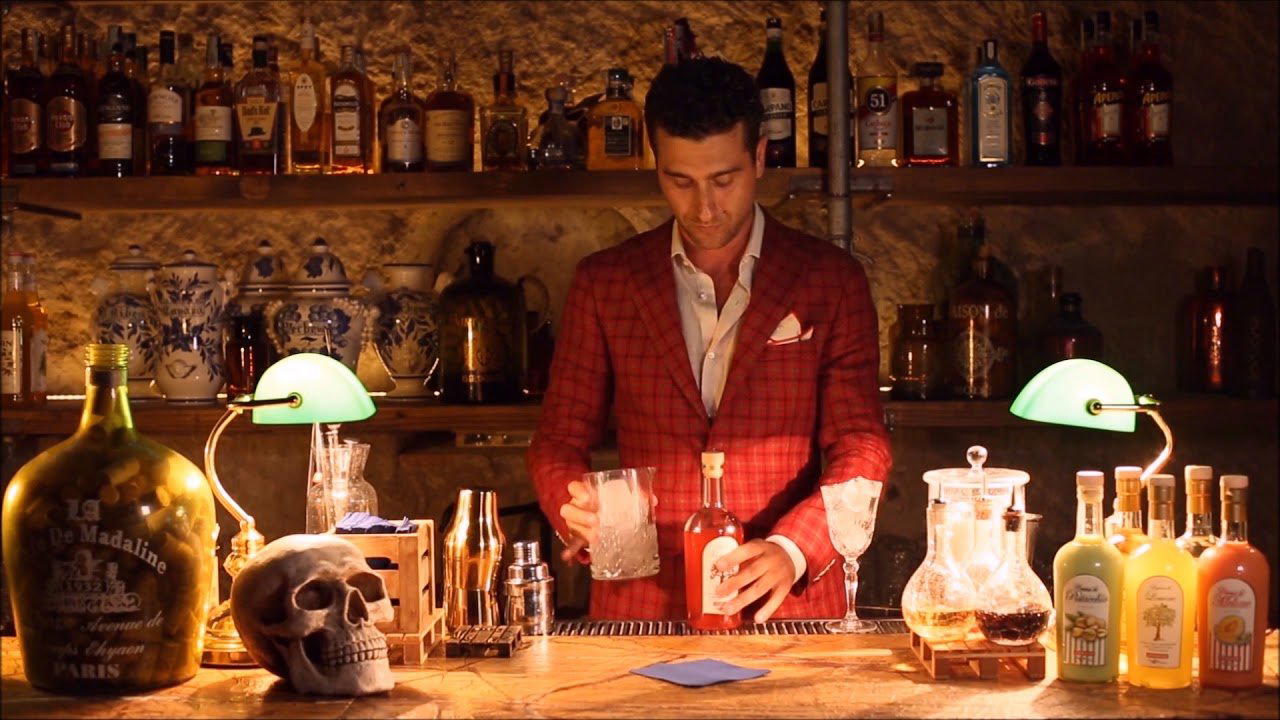
Modern minimalist design with soft lighting, creating a sophisticated yet sometimes cold Parisian-inspired atmosphere amid the bustle of Via Toledo.