
PEI FULL brings Jiangzhe cuisine to Da'an District under a 2025 Michelin Plate recognition, positioning it among Taipei's growing roster of Chinese regional specialists. Priced at the mid-range tier, it offers an accessible entry point into the refined culinary traditions of the Yangtze River Delta.
Pearl is the En Primeur Club membership app — saves, bookings, and concierge access live there. Same editors, same standards.
- Address
- No. 200號, Guangfu S Rd, Da’an District, Taipei City, Taiwan 106
- Phone
- +886 2 2773 1515
- Website
- unitedhotel.com.tw
- Directions
- Get directions
 Saves & bookings on Pearl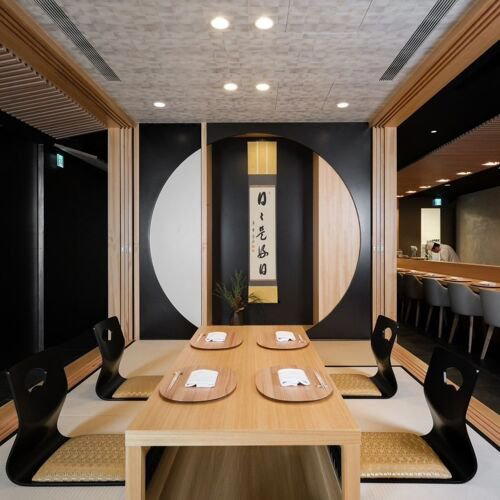
Jiangzhe in Taipei: The Regional Chinese Table That Rewards Attention
Da'an District has long been Taipei's most culinarily layered neighbourhood, where French-inflected tasting menus, Japanese precision counters, and regional Chinese specialists occupy the same city blocks. On Guangfu South Road, PEI FULL operates in the quieter register of that mix, serving Jiangzhe cuisine at a price point that sits well below the city's headline fine-dining tier. That combination, a 2025 Michelin Plate, a mid-range price bracket, and a cuisine tradition that most Taipei diners associate with comfort rather than theatre, gives the restaurant a distinct position in a city that more often exports culinary ambition upward.
What Jiangzhe Cuisine Actually Means
Jiangzhe, also rendered as Jiangsu-Zhejiang, refers to the culinary tradition of the Yangtze River Delta region encompassing the provinces of Jiangsu and Zhejiang. It is one of China's eight canonical regional cuisines, characterised by clean, lightly sweet flavours, careful knife work, and a preference for braising, steaming, and red-cooking over high-heat wok techniques. The tradition prizes natural ingredient character over heavy seasoning, making it among the more restrained of the major Chinese regional categories. That restraint is also why it travels well to Taipei, a city whose own culinary sensibility leans toward ingredient-forward cooking.
In the broader context of Taiwanese dining, Jiangzhe cuisine occupies an interesting middle ground. The culinary connections between Taiwan and mainland China's eastern seaboard run deep, with significant Shanghainese and Ningbo immigrant communities shaping Taipei's food culture from the mid-twentieth century onward. What distinguishes dedicated Jiangzhe restaurants from that wider influence is a commitment to technique-specific dishes rather than a generalised Shanghai-style menu. The gap between a dish executed with deliberate Jiangzhe craft and one assembled loosely under a regional label is considerable, and it is where restaurants in this category earn or lose credibility.
The Wine Question at a Jiangzhe Table
The editorial angle of a wine list matters less here than it might at a European-format restaurant, and that is itself a useful data point about how Jiangzhe dining tends to work. The cuisine's flavour profile, gentle sweetness, umami depth from aged soy and fermented ingredients, delicate seafood, creates a specific challenge for wine pairing that Western lists rarely address well. In practice, particularly considered pairings at Jiangzhe tables across the region tend toward off-dry German Riesling, aged white Burgundy, or sake, all of which have the acidity and texture to work alongside braised proteins and steamed preparations without overwhelming them. Dry tannic reds, the default of many Chinese restaurant wine programs, are a structural mismatch for this cuisine's core flavour logic.
Any diner approaching a mid-range Jiangzhe table in Taipei should arrive with their own thinking on this point. The cuisine rewards considered drinking rather than default ordering. For comparison, higher-priced Chinese regional specialists in Shanghai, including Moose (Changning) and Dining Room, have used wine list architecture as a differentiating signal; Nanjing's Chi Man takes a comparable approach to the same cuisine category. PEI FULL's 2025 Michelin Plate recognition suggests kitchen seriousness; the drinking side of the meal is where a diner can exercise independent judgment.
Where PEI FULL Sits in the Taipei Picture
Taipei's Michelin-tracked restaurant scene spans a wide range. At the leading end, Le Palais holds three stars for Cantonese cooking, while Taïrroir and logy represent the city's new-generation creative fine dining. L'Atelier de Joël Robuchon and Molino de Urdániz anchor the European end. The restaurant occupies a different tier entirely, the Michelin Plate signals inspectorate recognition without the star tier's price expectation, making it one of the more accessible entry points to Michelin-tracked eating in the city.
That positioning has practical consequences for how to use the restaurant. The restaurant is not the right choice for a celebration dinner benchmarked against Taipei's international tasting-menu scene. It is, however, a sensible anchor for an afternoon or evening that prioritises flavour tradition over theatre, and that can be combined with Da'an's broader food and drink options without requiring the kind of forward planning that starred venues demand.
Regional Context: Jiangzhe Beyond Taipei
For readers tracking this cuisine category across Taiwan and the wider region, the comparison set extends well beyond Taipei. Taiwan's Michelin program covers multiple cities, each with its own distinct Chinese regional specialisms. JL Studio in Taichung works a Nanyang-inflected creative framework; GEN in Kaohsiung takes a different approach to southern Taiwan's ingredient palette; A Cun Beef Soup in Tainan represents the opposite pole from Jiangzhe refinement, anchored in a single hyper-local preparation. The diversity of that landscape makes the restaurant's specific focus on Yangtze Delta tradition all the more legible: it is a restaurant making a deliberate regional argument in a city that hosts many of them.
Beyond Taiwan, visitors arriving from Shanghai or Hangzhou will bring a reference frame for Jiangzhe technique that sharpens evaluation. Those without that background may find the cuisine's signals subtler than they expect, which is a feature rather than a limitation. Jiangzhe cooking asks the diner to pay attention to texture and broth depth rather than to bold seasoning. Approached on those terms, it tends to reveal itself over multiple visits rather than in a single meal.
Know Before You Go
- Address: No. 200, Guangfu South Road, Da'an District, Taipei City, Taiwan 106
- Cuisine: Jiangzhe (Jiangsu-Zhejiang regional Chinese)
- Price range: Mid-range ($$)
- Recognition: Michelin Plate, 2025 3 stars (1,052 reviews)
- Booking: Recommended
- Nearest area: Da'an District, central Taipei
A Pricing-First Comparison
Comparable venues nearby, for context on price, style, and recognition.
| Venue | Cuisine | Price | Awards | Notes |
|---|---|---|---|---|
| PEI FULLThis venue — the venue you are viewing | Huasheng, Modern Jiangzhe Cuisine | $$$ | Michelin Plate | Not listed |
| The Dragon | Liming, Cantonese | $$$ | Michelin Plate | Not listed |
| Shi | Heng'an, Seasonal Contemporary Taiwanese | $$$ | Michelin Plate | Not listed |
| JUNTO | Guangfu, Modern Cantonese | $$$ | Michelin Plate | Not listed |
| Shing-Peng-Lai (Zhongshan North Road) | Tianfu, Traditional Taiwanese | $$ | Michelin Plate | Not listed |
| Cha Cha Thé Cuisine | Not listed | $$$ | Michelin Plate | Ren'ai, Chinese Tea House with French Fusion Desserts |
Recognition history
Dated appearances from independent guides and award organizations, with the underlying list record or original source where available.
Michelin Plate
Michelin
Michelin Plate
Michelin
Continue exploring
More in Taipei
Restaurants in Taipei
Browse all →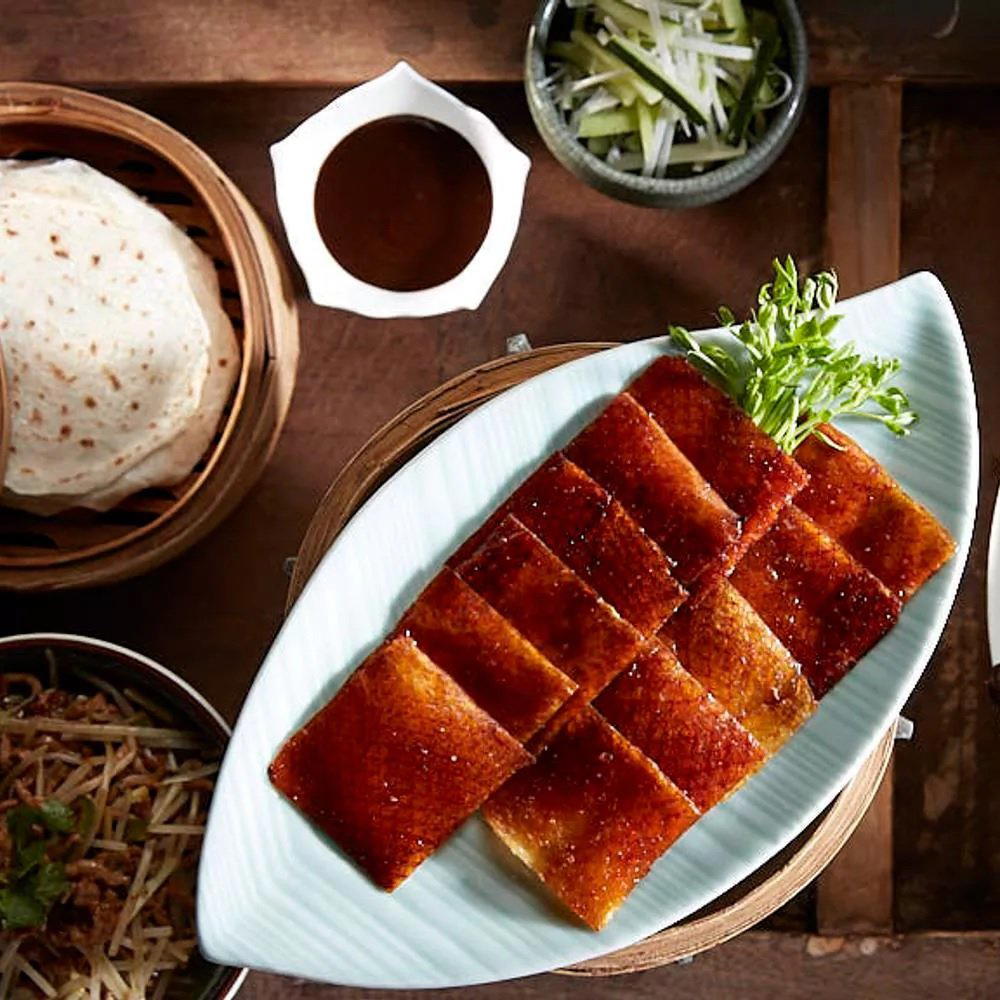
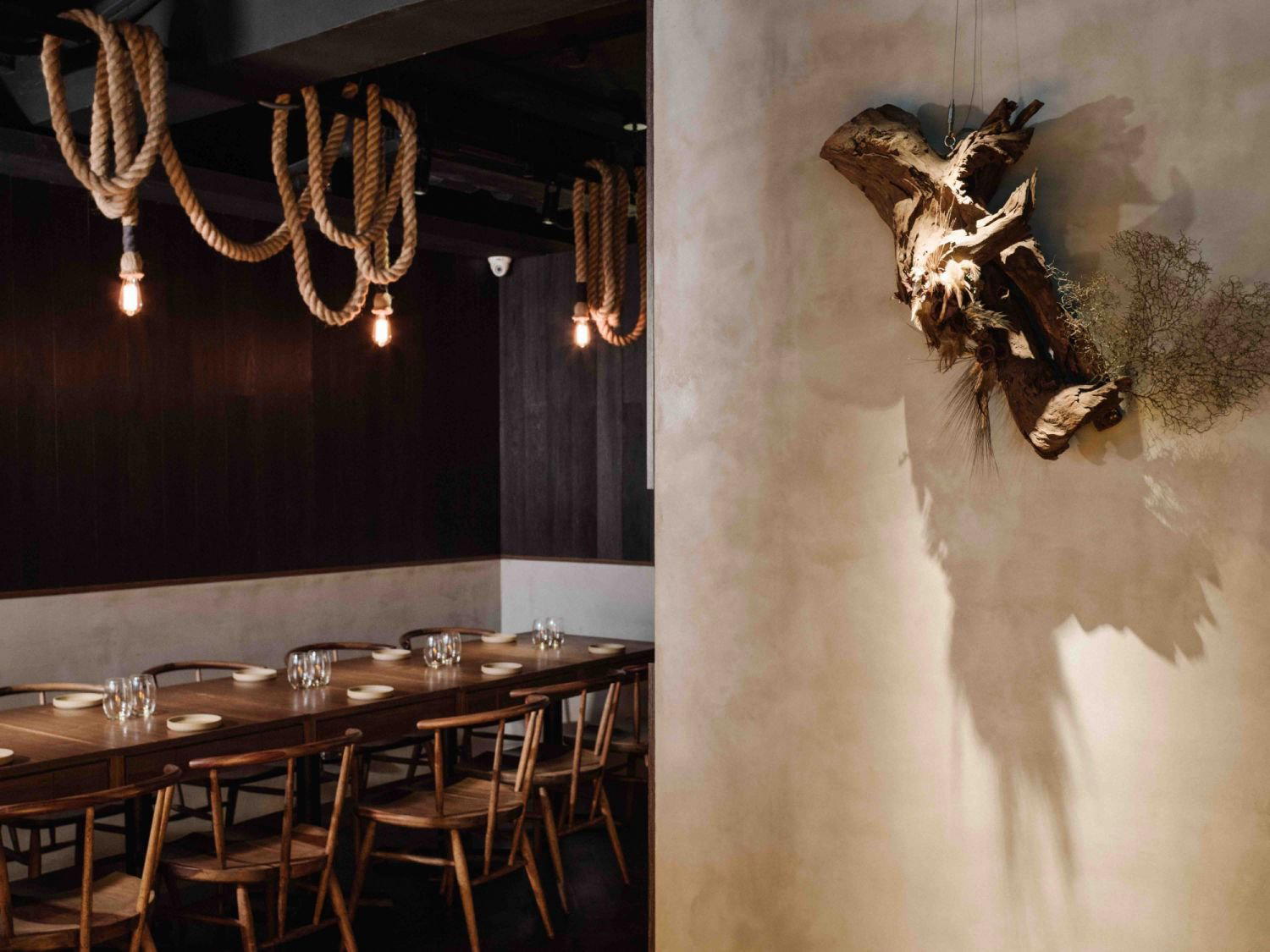
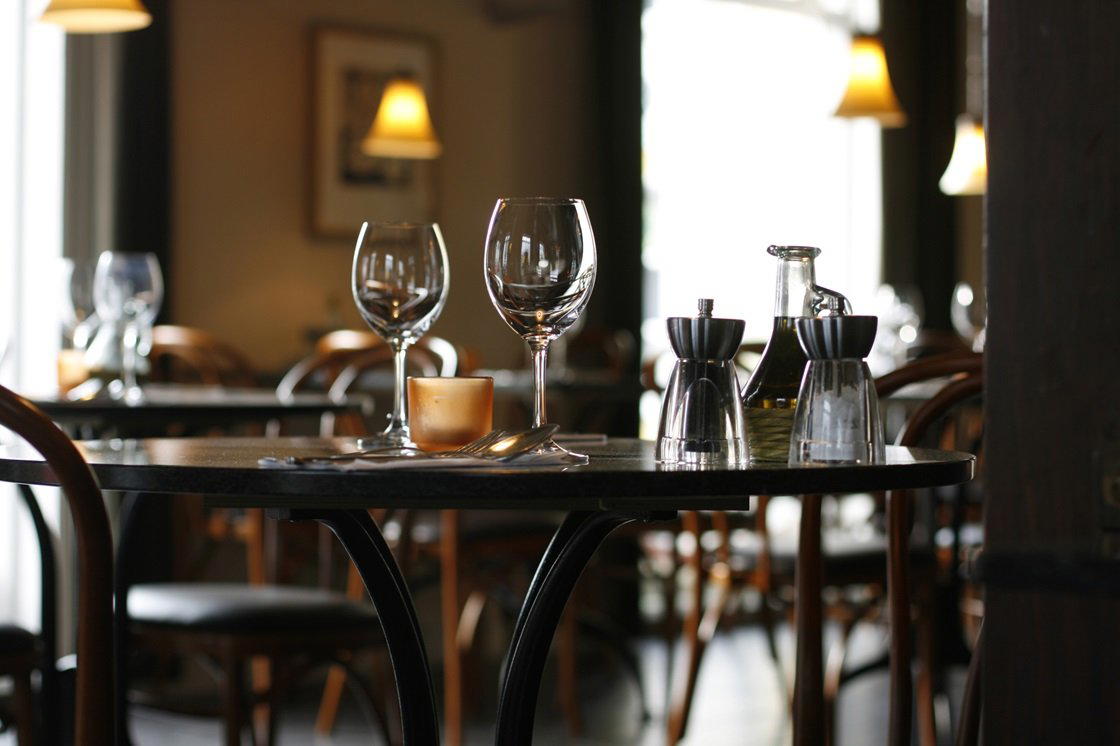
Bars in Taipei
Browse all →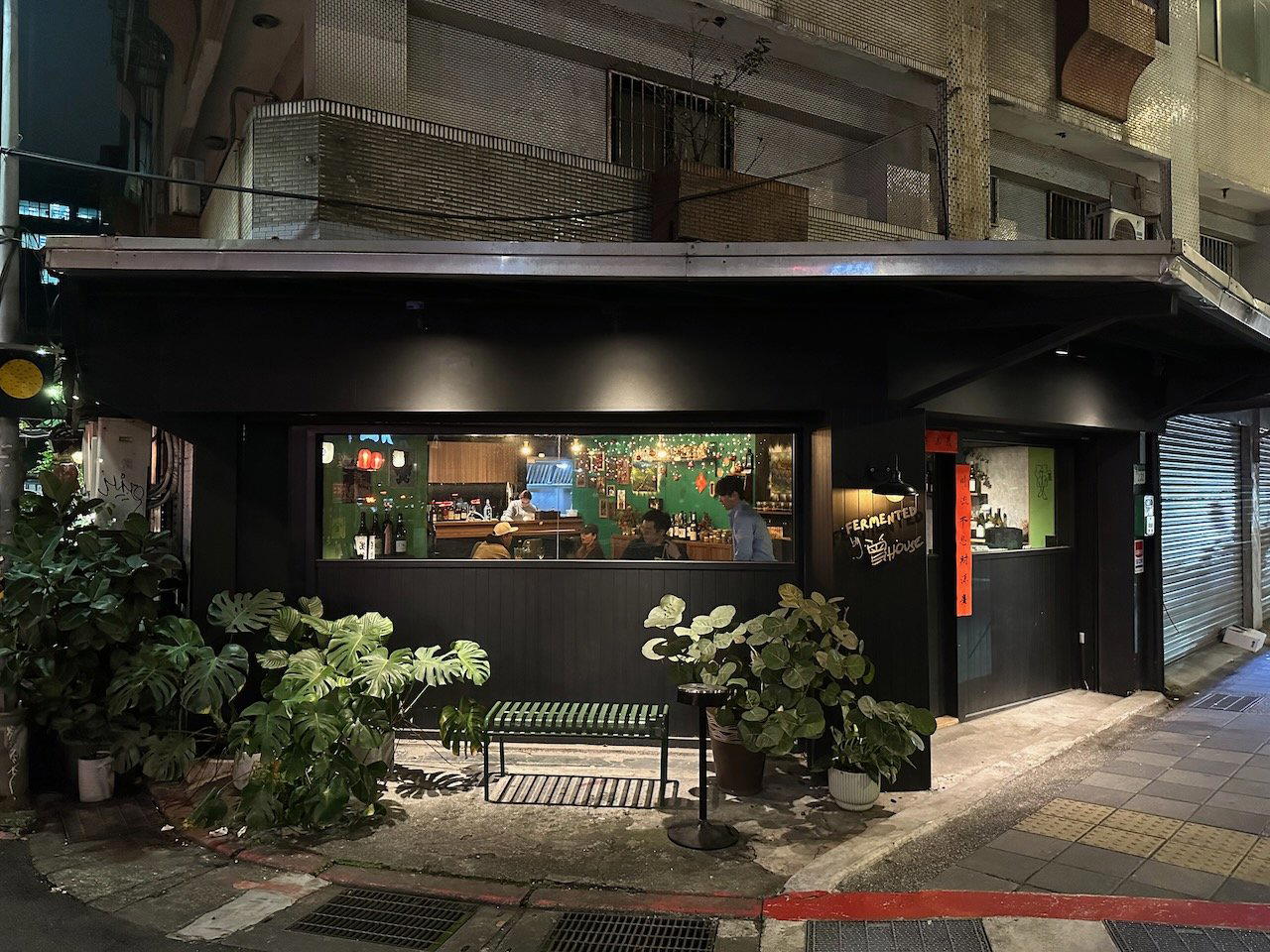
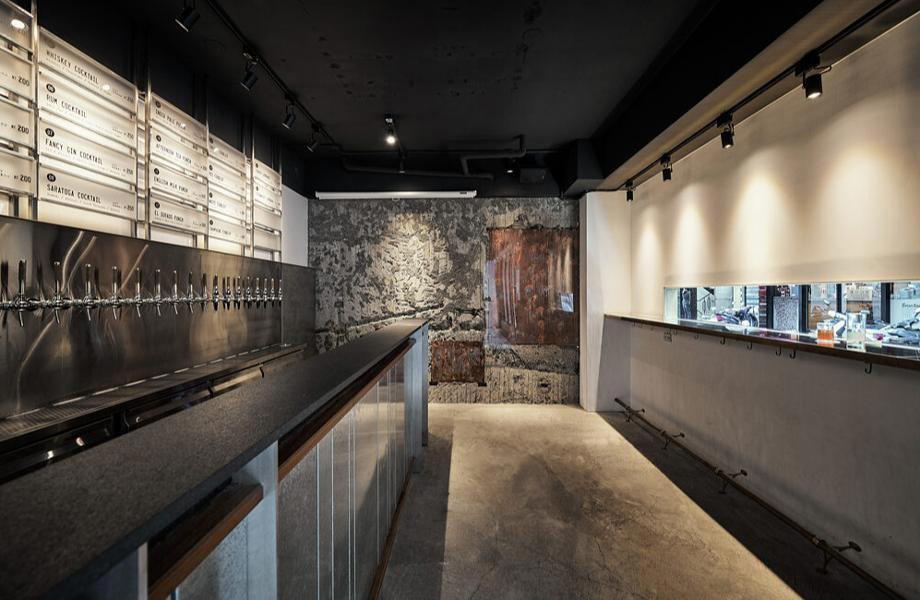
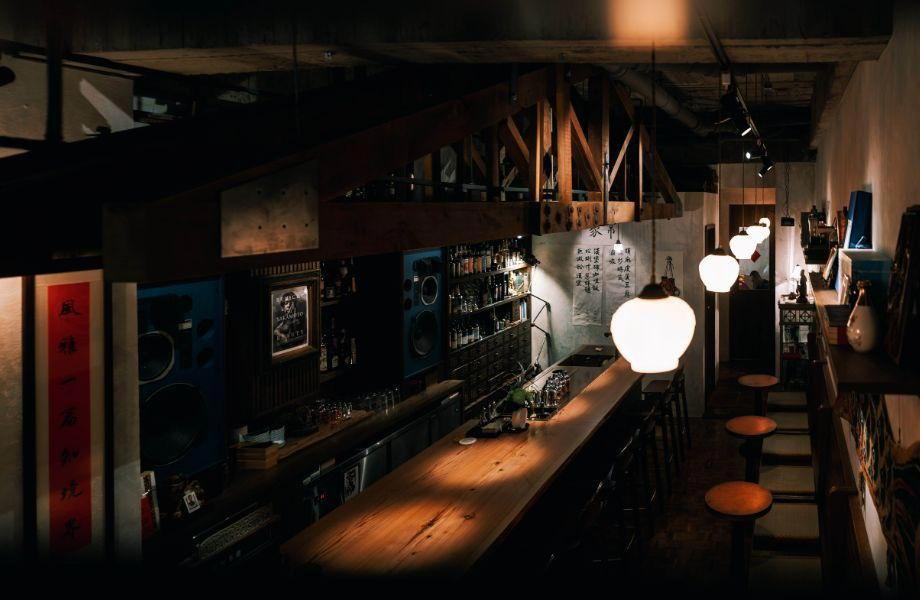
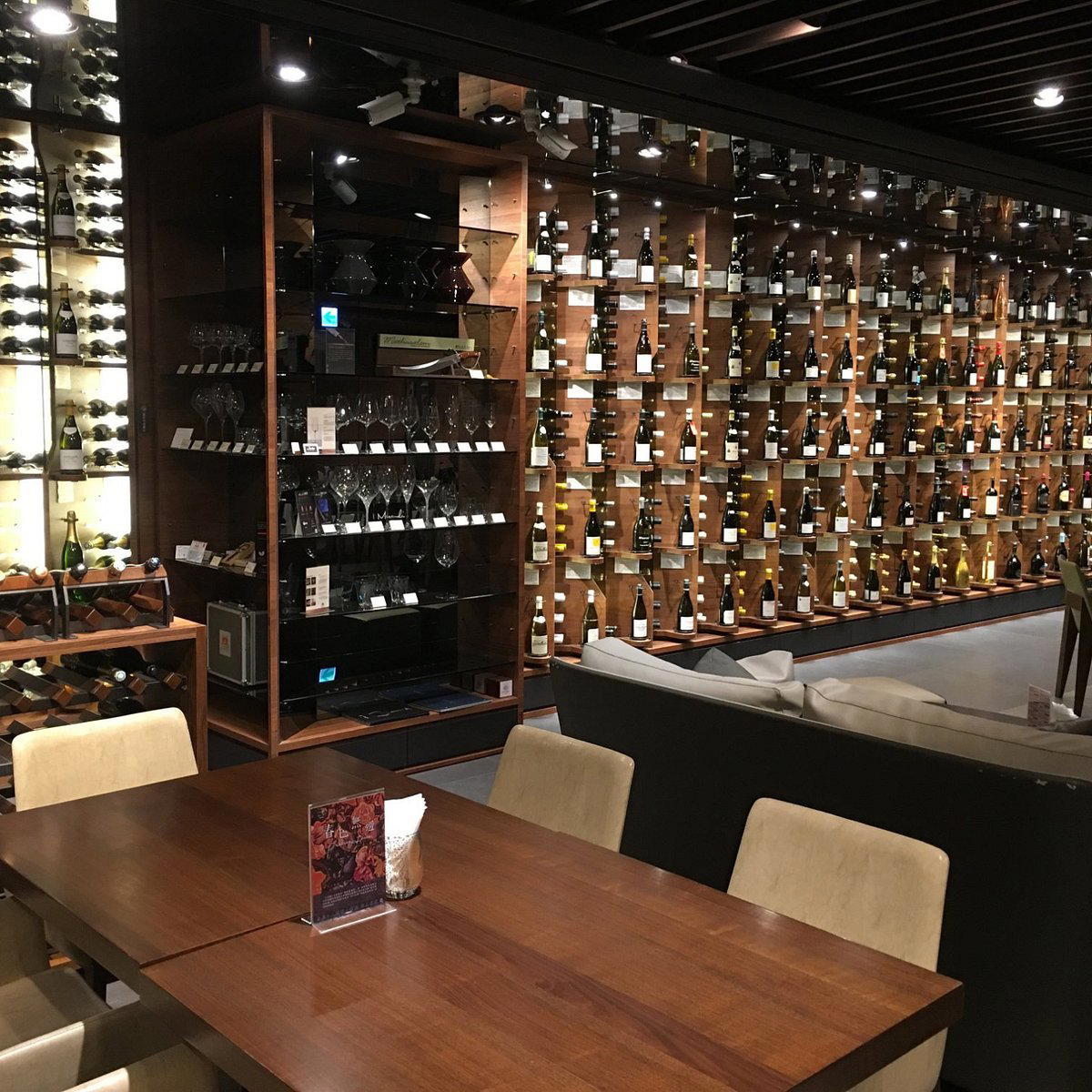
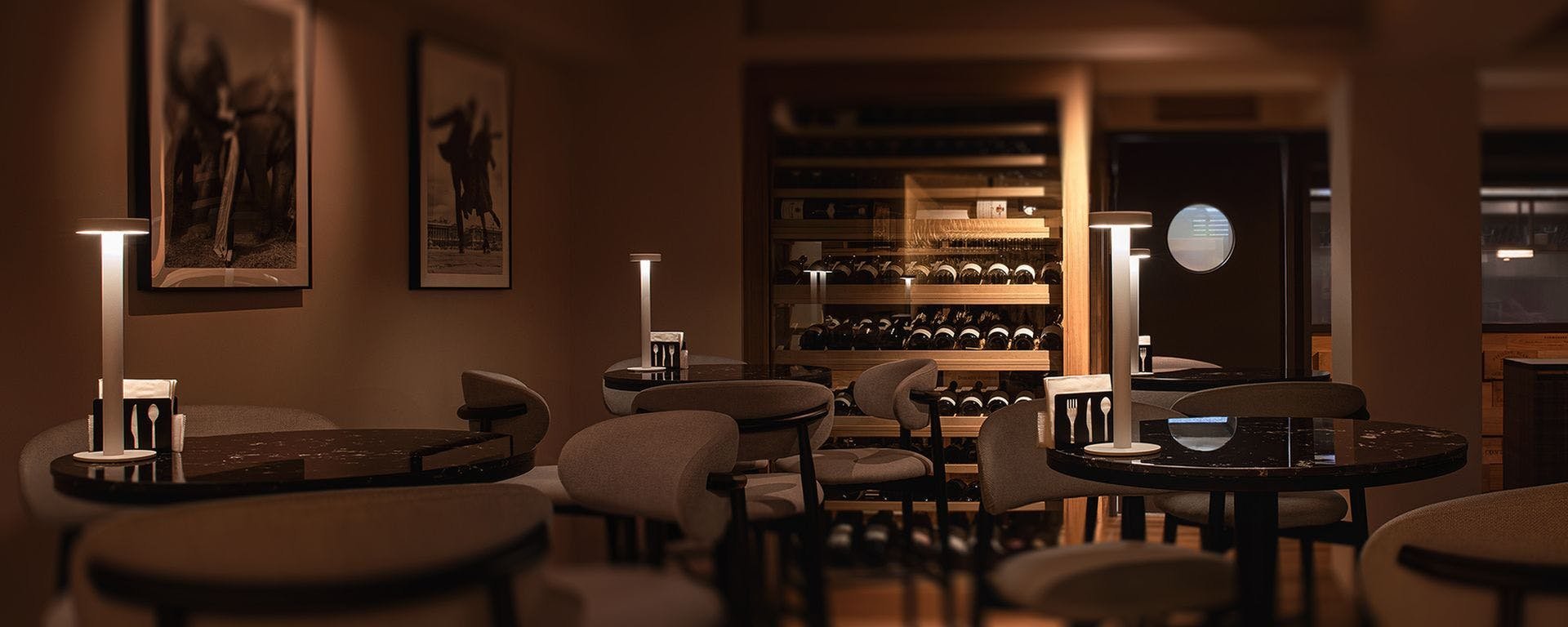
Hotels in Taipei
Browse all →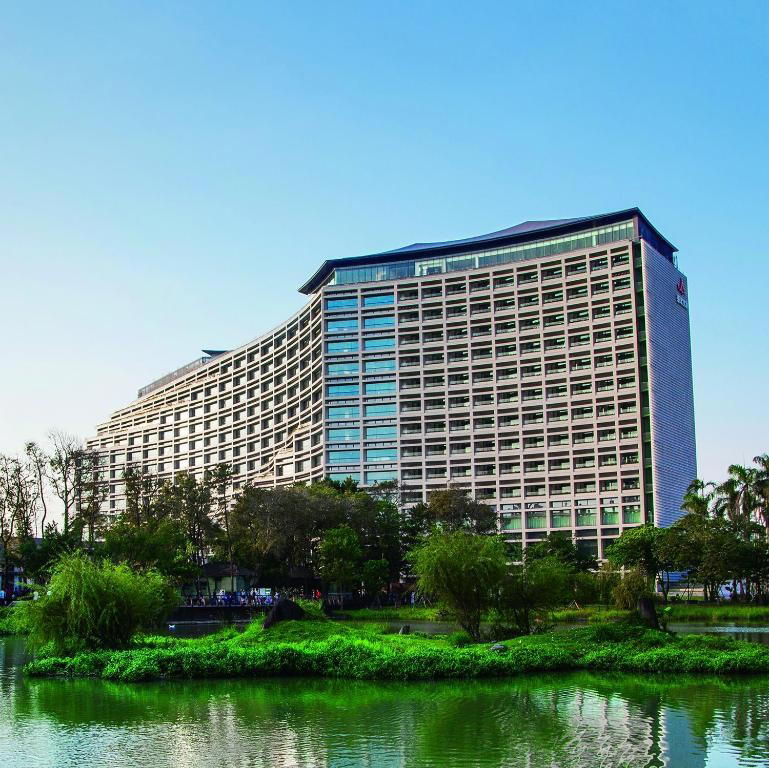
Wineries in Taipei
Browse all →
At a Glance
- Elegant
- Modern
- Sophisticated
- Business Dinner
- Special Occasion
- Group Dining
- Private Dining
- Hotel Restaurant
- Extensive Wine List
Bold red-and-green color scheme with balanced formality and warmth, managed lighting and acoustics for conversation, shifting from bright daytime to composed evening setting.