
On the Leie riverbank at Gordunakaai, Patyntje holds two consecutive Michelin Plate recognitions (2024 and 2025) for Flemish cooking that stays close to regional tradition rather than chasing contemporary reinvention.
Pearl is the En Primeur Club membership app — saves, bookings, and concierge access live there. Same editors, same standards.
- Address
- Restaurant 't Patyntje, Gordunakaai 91, 9000 Gent, Belgium
- Phone
- +32 9 222 32 73
- Website
- patyntje.be
- Directions
- Get directions
 Saves & bookings on Pearl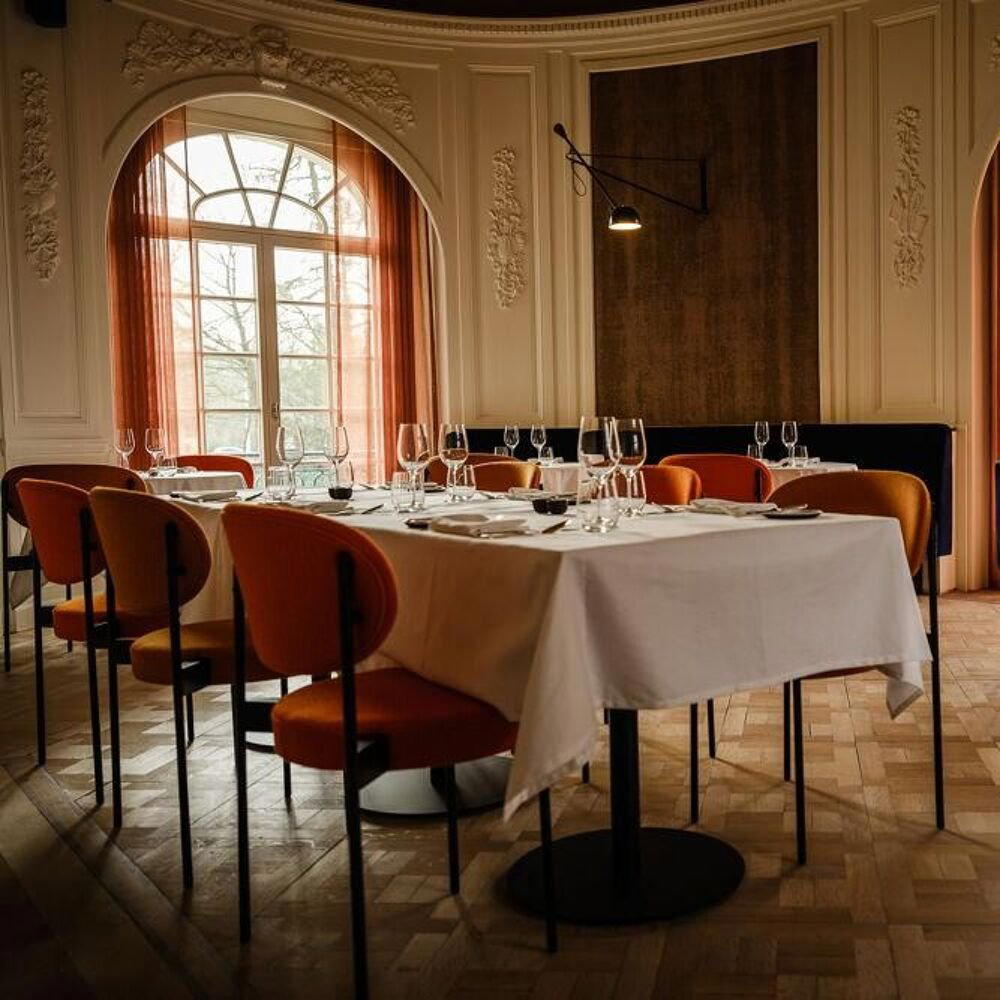
A Canalside Address That Sets Its Own Terms
Along the Gordunakaai, where the Leie bends south of Ghent's medieval centre, the physical setting does a great deal of work before a single dish arrives. Waterside dining on Ghent's secondary canals tends to attract a certain kind of room: broad windows, hard reflective surfaces, the kind of view that becomes the ceiling of any meal. Patyntje works within that logic while keeping the focus firmly on what comes out of the kitchen. The Gordunakaai address, some distance from the tourist concentration around Graslei and Korenlei, draws a clientele that has made a deliberate choice to be there rather than stumbling in from the afternoon crowds.
That separation from the centre is not incidental. Flemish cooking at the €€€ tier sits in a particular position in Ghent's dining ecology: above the casual bistro circuit but below the tasting-menu houses like Vrijmoed and Oak Gent, which operate at €€€€ and frame themselves around creative or modern European idioms. Patyntje's two consecutive Michelin Plate recognitions, awarded in 2024 and again in 2025, confirm a level of cooking that Michelin considers worth noting. That is a meaningful position: the Plate signals consistent quality at a price point accessible to a broader audience than the starred tier allows.
The Physical Container
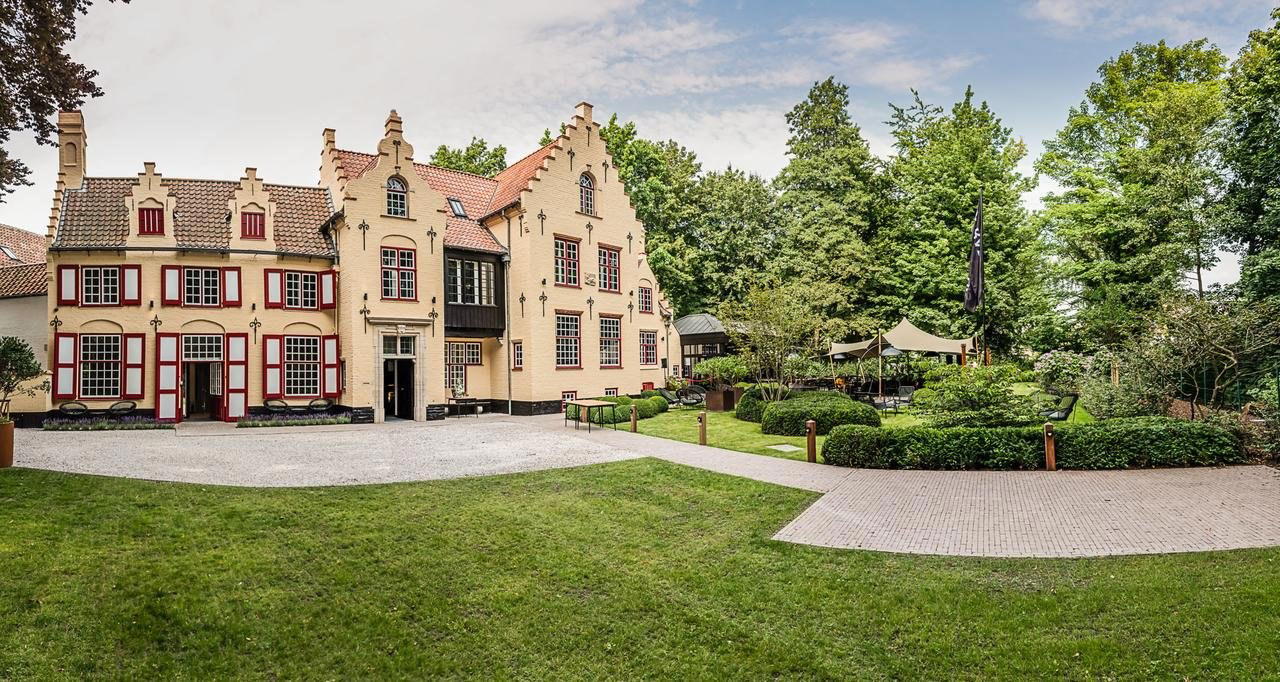
Flemish canalside architecture from the late nineteenth and early twentieth centuries has a particular grammar: pitched rooflines, brick facing, generous fenestration facing the water. Restaurants that occupy these buildings along the Leie corridor typically work with deep natural light during lunch service, light that flattens in winter and floods in summer when the surrounding linden trees are in full leaf. The seasonal shift in how the room reads is one of the more underappreciated aspects of dining along this stretch of the canal: a winter lunch at Gordunakaai and a summer evening meal are almost different spatial experiences within the same walls.
Among Ghent's Flemish-tradition restaurants, the canalside format itself acts as a kind of editorial framing for the cooking. There is an expectation, broadly shared among diners who seek out this type of address, that the food will be rooted and seasonal rather than abstract, that the room will be comfortable rather than spare, and that the experience will feel anchored in place.
Flemish Cooking and Its Current Moment
Traditional Flemish cuisine occupies an interesting position in Belgian gastronomy right now. The dominant creative energy in Ghent has moved toward modern interpretations: Souvenir and Publiek operate at the same price tier as Patyntje but frame their menus around contemporary technique and seasonal-creative formats. Across the city, a food affair adds an Asian register to the mix. The pull toward modern cuisine is evident across Belgian dining more broadly: venues like Boury in Roeselare and Zilte in Antwerp represent the starred end of that movement, while at the regional tradition end, addresses like Bar Bulot in Bruges and L.E.S.S. in Bruges demonstrate that Flemish cooking holds its own commercial and critical ground when executed with care.
What Michelin's consecutive Plate recognition signals in this context is a kitchen that knows what it is doing with the tradition rather than apologising for it or dressing it up in the language of innovation. The Plate is not a consolation; it is Michelin's signal that the food is good enough to guide readers toward. For a Flemish-classified restaurant at €€€, holding that recognition for two straight years places Patyntje in a defined comparable set: restaurants where the classical or regional idiom is the point, not the departure point.
Belgium's broader fine-dining scene provides a useful frame for understanding where that places Patyntje in the national hierarchy. At the summit sit venues like Hof van Cleve in Kruishoutem and Willem Hiele in Oudenburg, representing a different tier of ambition and price. Closer in register, Bartholomeus in Heist illustrates how coastal Flemish cooking builds its own critical conversation, and Bozar Restaurant in Brussels shows how the tradition translates in a capital-city context. Within Ghent, Patyntje's Flemish classification and its canalside address mark it as a distinct offering from the city's more progressive dining options.
Seasons and Timing
The case for timing a visit around late spring through early autumn is primarily about the room's relationship with its site. When light from the Leie enters the space at full strength and the surrounding waterway is in active use, the spatial logic of a canalside address comes together most completely. Winter lunch service has its own character: quieter, more intimate, the canal reduced to a grey frame rather than a feature, which suits a certain kind of unhurried Flemish meal. The kitchen's connection to Flemish seasonal produce means that the menu will shift across these periods regardless of what the room looks like, with autumn's more substantial preparations following summer's lighter cadences.
That distance from the central tourist circuit is exactly what gives the address its character, and it also means that the dining room atmosphere reflects the local character of that part of the city rather than the international visitor mix that clusters around Gravensteen and Sint-Baafskathedraal. For those building a wider Ghent itinerary,
Planning Your Visit
Patyntje sits at €€€, a price point that in Ghent translates to a serious but not special-occasion-only spend. The address is Gordunakaai 91, 9000 Gent.
Nearby-ish Comparables
Comparable venues nearby, for context on price, style, and recognition.
| Venue | Cuisine | Price | Notes |
|---|---|---|---|
| PatyntjeThis venue — the venue you are viewing | Traditional Belgian Brasserie | $$ | Not listed |
| Karel De Stoute | Modern French with Asian Influences | $$$ | Patershol |
| Rizoom | Modern Japanese-Influenced Seafood | $$$ | Patershol |
| LOF | Modern French Fine Dining | $$$$ | City Center |
| Lys d'Or | Modern Belgian-French Fine Dining | $$$$ | Arts Quarter |
| Le Baan Thaï | Traditional Thai | $$ | Patershol |
Recognition history
Dated appearances from independent guides and award organizations, with the underlying list record or original source where available.
Michelin Plate
Michelin
Michelin Plate
Michelin
Michelin Plate
Michelin
At a Glance
- Classic
- Cozy
- Elegant
- Date Night
- Family
- Group Dining
- Business Dinner
- Terrace
- Waterfront
- Historic Building
- Waterfront
Current opening hours
- Monday
- 12–2 PM, 6–9:30 PM
- Tuesday
- 12–2 PM, 6–9:30 PM
- Wednesday
- 12–2 PM, 6–9:30 PM
- Thursday
- 12–2 PM, 6–9:30 PM
- Friday
- 12–2 PM, 6–9:30 PM
- Saturday
- 12–2 PM, 6–9:30 PM
- Sunday
- 12–2:30 PM, 6–9 PM
Hours can change for holidays and private events. Last verified .
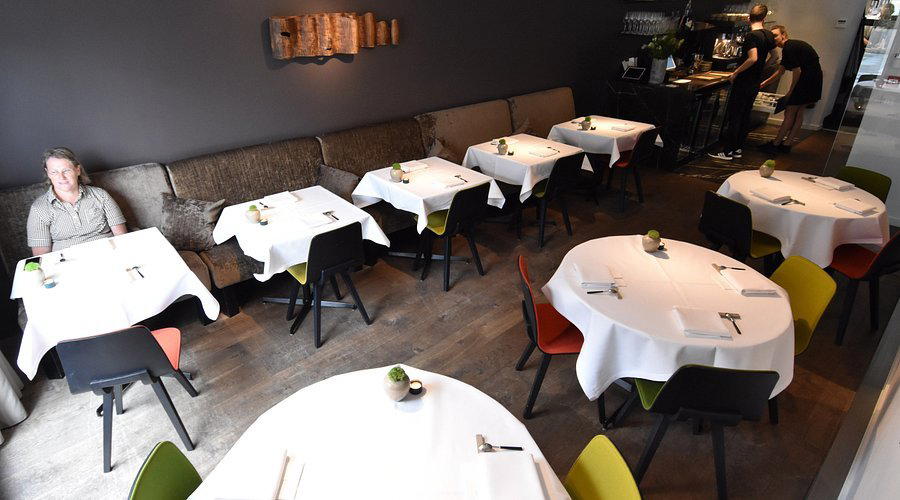
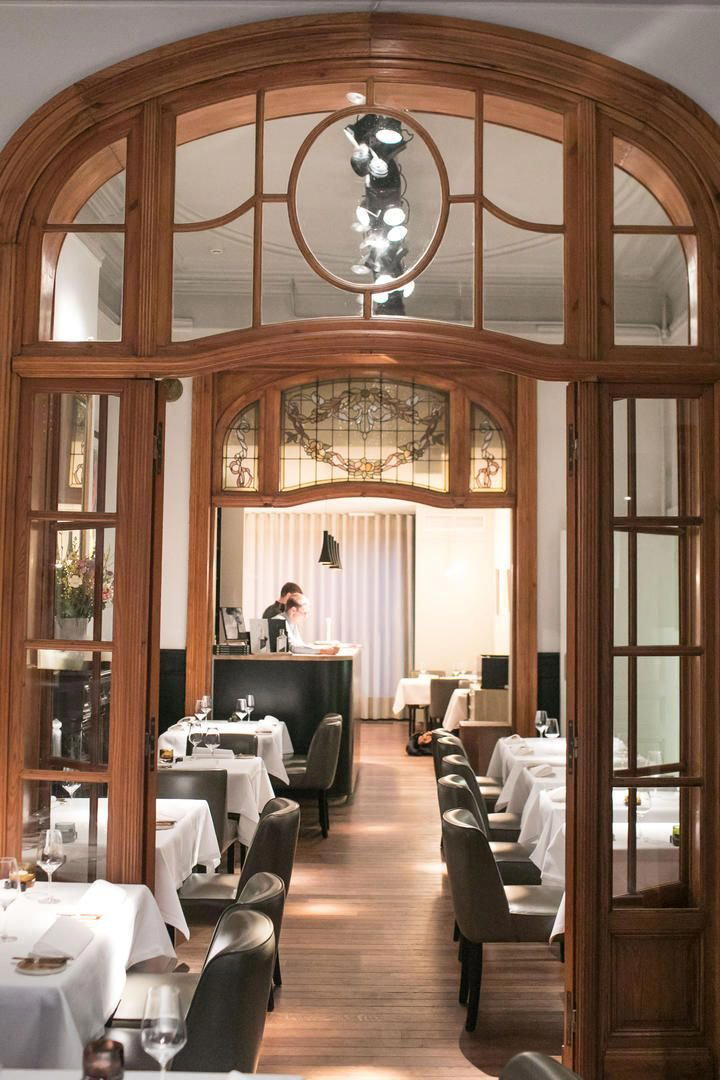
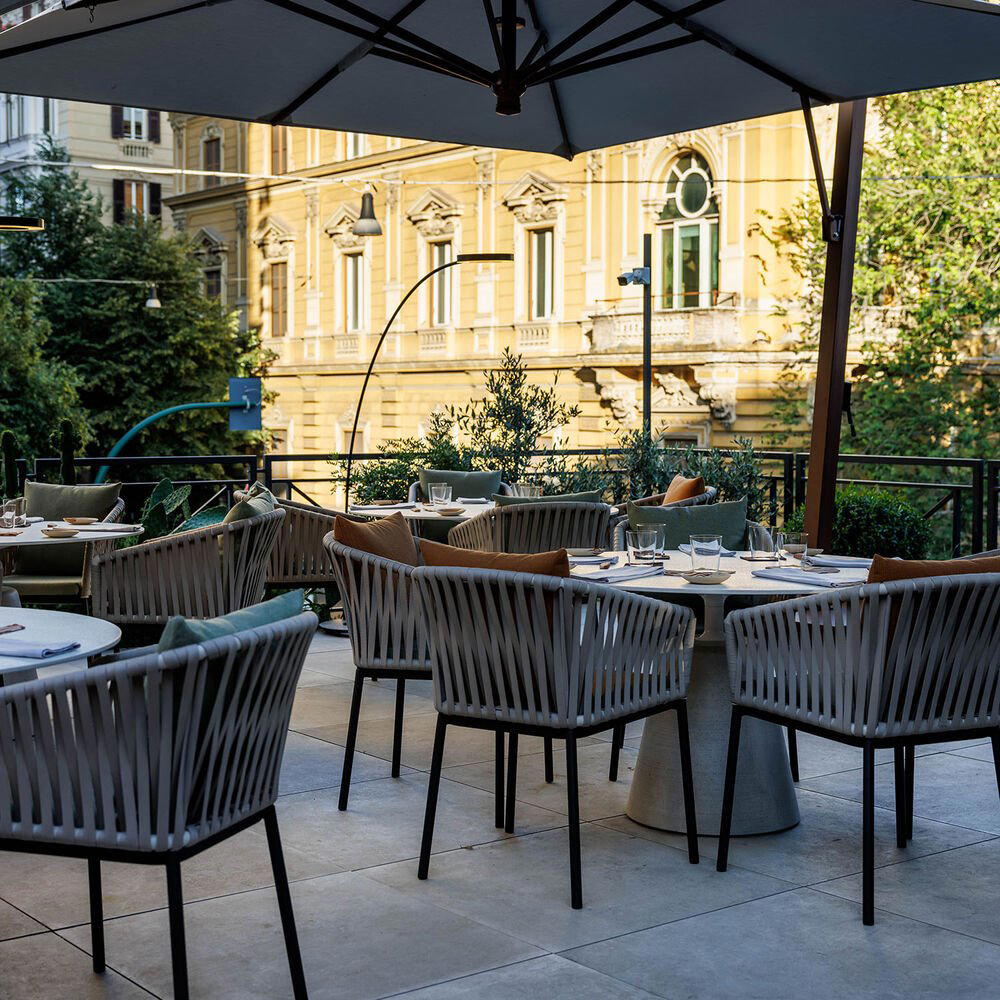
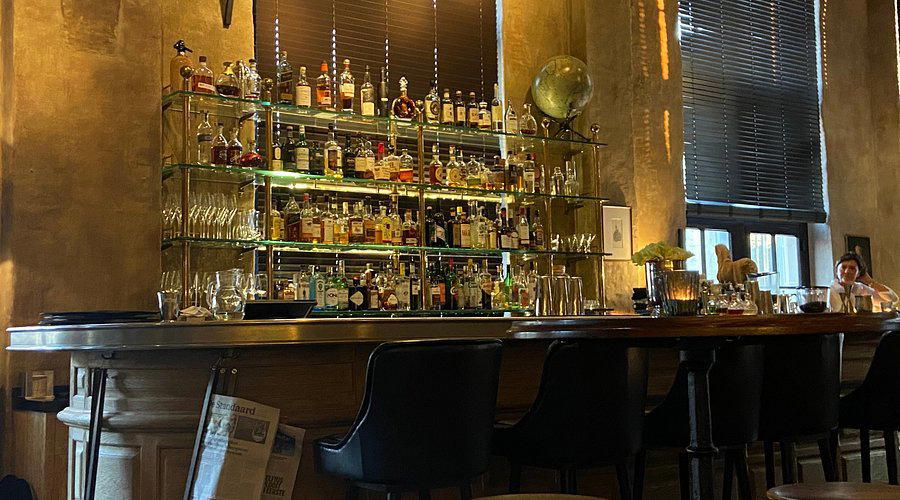
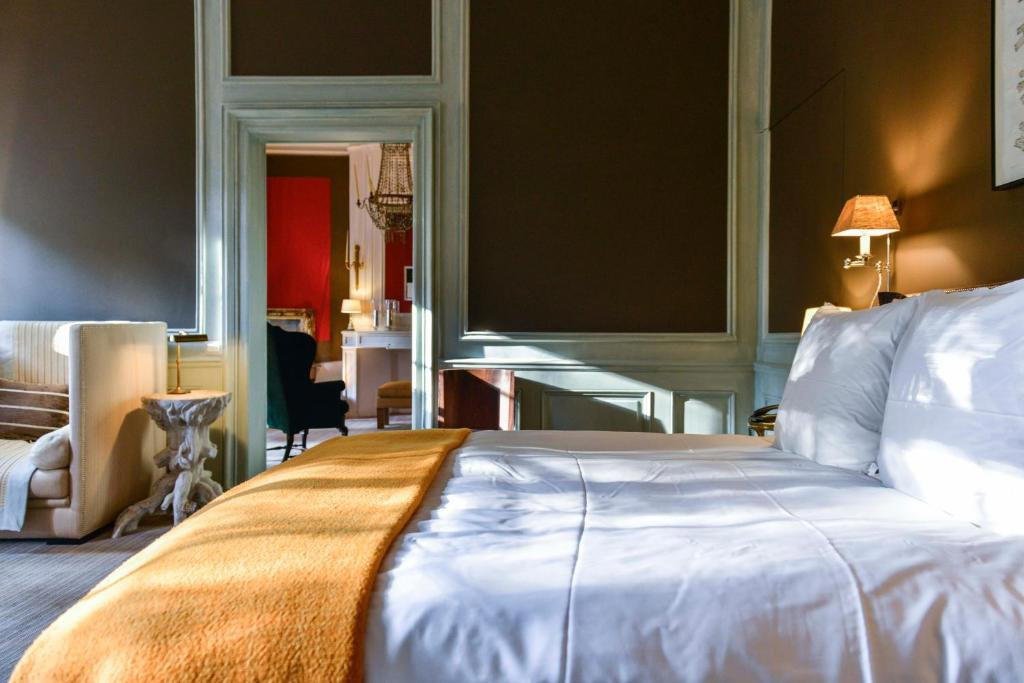
Cozy colonial interior with timeless stylish decor, white table linens, and a bustling yet pleasant atmosphere; beautiful riverside terrace in summer.