Our verdict
Kaks Pulka occupies a central address on A. H. Tammsaare pst in Pärnu, placing it within easy reach of the resort town's summer crowd and year-round locals alike. The name, which translates roughly as 'two logs', signals a grounded, unpretentious register that has become a reliable marker of the city's mid-tier dining scene. For visitors working through Pärnu's restaurant options, it represents a practical and characterful stop.

Pearl is the En Primeur Club membership app, where members save venues, book tables and use the concierge.
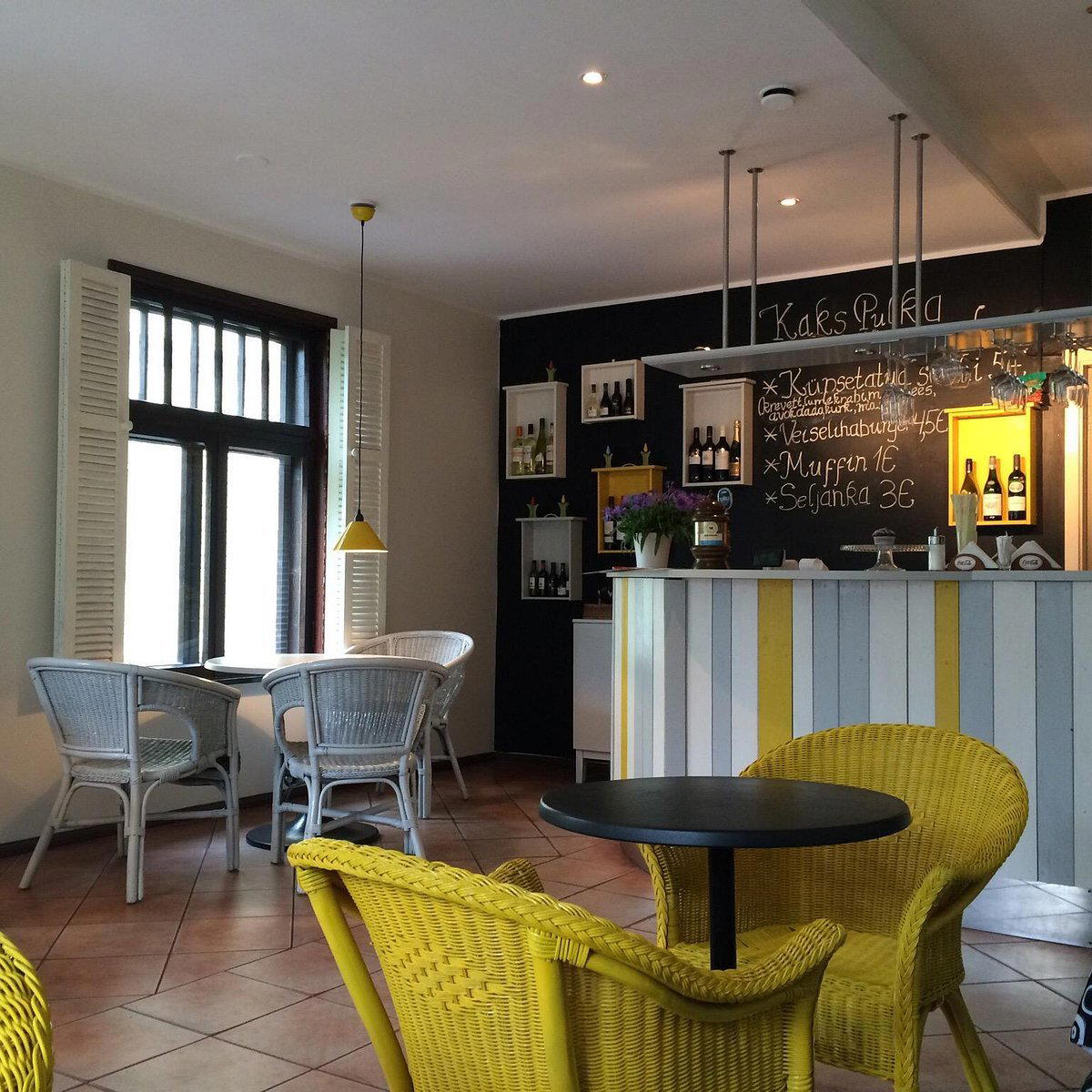
Where Pärnu Sits Down to Eat
Pärnu has a particular rhythm to its dining culture. Estonia's summer capital draws a seasonal tide of visitors from Tallinn and beyond, and the restaurants along its central boulevards have learned to operate across two distinct modes: the compressed intensity of July and August, and the quieter, more local pace of the remaining ten months. A. H. Tammsaare pst, the address where Kaks Pulka is located, runs through the heart of this zone, close enough to the beach corridor to catch passing trade but grounded enough in the residential fabric to hold regulars through winter. That dual identity shapes how a meal here tends to feel: neither a tourist trap nor a closed local institution, but somewhere in between.
In Estonian resort towns, this middle register is harder to occupy credibly than it sounds. The coastal dining scene tends to bifurcate between places that pivot entirely toward summer visitors and those that retreat into a quiet semi-hibernation once the season ends. Restaurants that manage to hold both audiences tend to do so through consistency of execution rather than novelty, and through a format that reads naturally across different paces of visit.
The Structure of the Meal
Estonian dining customs, particularly outside Tallinn, retain a directness that distinguishes them from the more performative tasting formats now common in Nordic fine dining. Courses arrive without extended theatrical narration. The expectation is that the food carries its own argument. This tradition places a premium on ingredient sourcing and preparation over presentation choreography, which is why Baltic-facing kitchens in cities like Pärnu have historically gravitated toward seasonal produce, preserved fish, and root-heavy dishes that reflect the agricultural calendar.
At Kaks Pulka, the name itself, translating to something close to 'two logs' in Estonian, gestures toward this unpretentious register. In the broader Pärnu dining context, that positioning places it alongside venues like Kastrul and Pastoraat, both of which work within a similar vernacular of grounded, ingredient-led cooking rather than the more globally-inflected formats you find at Everest Thai/Nepalese Restaurant or the European bistro idiom of Mon Ami.
The ritual of eating in this kind of setting tends to follow a predictable but satisfying arc. You arrive, the room is warm and practically furnished, there is no dress code in the formal sense, and the menu is the primary communication between kitchen and guest. That simplicity is a deliberate choice, not an oversight. In Pärnu's dining culture, it reflects a local preference for substance over ceremony.
Pärnu in the Estonian Dining Hierarchy
To understand where Kaks Pulka sits, it helps to understand where Pärnu sits. Estonia's restaurant scene is heavily concentrated in Tallinn, where venues like 180° by Matthias Diether operate at the technical level that attracts international recognition. Outside the capital, the picture is more distributed. Tartu has its own distinct culture, with places like Eva Sushi filling a niche in the university city's food scene. Smaller towns like Viljandi and Voru have their own local anchors, from Kohvik in Viljandi to Kolm. Restoran in Võru.
Pärnu occupies a specific position in this geography: large enough to support a functioning restaurant scene year-round, seasonal enough that its leading places have learned to manage capacity across dramatically different demand curves. The coastal proximity also matters. Venues near the water, whether in Pärnu itself or at nearby spots like Valgeranna Veinitall in Audru or KABE Beach in Kaberneeme, tend to skew toward fresh fish and lighter preparations in summer, while autumn and winter menus lean heavier, more preserved, more root-forward.
Further along the Estonian coast, places like Wana Kala Kõrts in Neeme and Kuur in Vihtra demonstrate how strongly geography and seasonal logic shape Estonian regional menus. Kaks Pulka operates within that same framework, though its central Pärnu address means it draws from a broader catchment than the more isolated coastal spots.
Reading the Room: What the Format Signals
When a restaurant in a mid-sized Estonian town holds its position over time without pivoting to novelty concepts or rebranding for each tourist season, it typically signals one of two things: a captive local audience with high loyalty, or a format clear enough to work across different visitor types without requiring adjustment. The address on A. H. Tammsaare pst suggests the latter is at least partly true here. Central positioning in Pärnu means exposure to a wide cross-section of the city's summer footfall, from families staying in the nearby resort corridor to couples on weekend breaks from Tallinn.
For context on how Pärnu's dining scene handles the full range of formats, from casual neighbourhood spots to more considered evening destinations, our full Pärnu restaurants guide maps the city's options across categories. Venues like Mona Venüü show how the city's more design-conscious tier is developing, providing useful calibration for where more grounded addresses like Kaks Pulka fit in the overall picture.
The comparison also extends beyond Estonia's borders in terms of dining philosophy. The kind of meal Kaks Pulka appears to represent, direct, seasonal, without elaborate format architecture, sits at the opposite end of the spectrum from the technically ambitious programs at places like Atomix in New York City or the seafood precision of Le Bernardin. That contrast is not a hierarchy; it is a reminder that the most useful dining experiences are the ones calibrated to their place and moment.
Planning a Visit
Kaks Pulka is located at A. H. Tammsaare pst 18, Pärnu, placing it within walking distance of the central beach area and the main pedestrian spine of the city. Pärnu is approximately two hours by bus or car from Tallinn, making it an accessible day trip or a natural stop on a longer circuit through western Estonia. For visitors exploring the broader southwest of the country, the route can extend to include dining stops along the coast, with spots like Franzia in Narva-Jõesuu or Kohvik Kaar in Narva extending the circuit east.
Summer months, particularly July, represent Pärnu's highest-demand period across all restaurant categories. Visiting outside peak season, from September through May, generally means shorter waits and a more local atmosphere. Whether to book ahead depends on timing: summer weekends at a central address like this warrant a reservation, while quieter midweek visits in the shoulder season are typically more flexible.
Frequently asked questions
Where exactly is Kaks Pulka?
Kaks Pulka is located at A. H. Tammsaare pst 18, Pärnu, 80015 Pärnu maakond, Estonia, Parnu.
Is Kaks Pulka open year-round, or does it follow Pärnu's seasonal calendar?
Pärnu's hospitality sector is heavily shaped by the summer season, with many venues adjusting hours or closing entirely outside the June–August window. Kaks Pulka is located at A. H. Tammsaare pst 18 in Pärnu, placing it in the city's main dining corridor where seasonal patterns are most pronounced. Confirming current opening schedules directly with the restaurant before travelling, particularly in spring or autumn, is the practical step here.
What do people recommend at Kaks Pulka?
Kaks Pulka sits on A. H. Tammsaare pst 18 in Pärnu, a city whose dining culture leans toward produce-driven, season-forward plates rather than elaborate tasting formats. Regulars tend to follow whatever reflects the current season, which in a coastal Estonian town shifts considerably between the summer peak and the quieter shoulder months. Checking recent visitor accounts closer to your travel date will give the clearest picture of what's performing well on the current menu.
Should I book Kaks Pulka in advance?
Pärnu draws a concentrated wave of visitors during the summer months, when the city functions as Estonia's primary seaside destination for Tallinn residents and international travellers alike. Restaurants on the main pedestrian spine and near the beach area, which includes Kaks Pulka's address on A. H. Tammsaare pst, tend to fill quickly during July and August. Booking ahead is advisable for summer visits; outside peak season the pressure eases considerably.
What's the signature at Kaks Pulka?
What the venue's position in Pärnu does suggest is a kitchen anchored in Estonian culinary tradition, where smoked fish, root vegetables, and Baltic-sourced proteins form the backbone of most serious local menus. Confirming the current focus directly with the restaurant before visiting is the most reliable approach.
Cuisine and Recognition
Comparable venues nearby, for context on price, style, and recognition.
| Venue | Cuisine | Price | Awards | Notes |
|---|---|---|---|---|
| Kaks PulkaThis venue (the venue you are viewing) | Japanese Sushi Café | $10–20 | Not listed | Not listed |
| Mack Bar-B-Que Beachclub | American BBQ Beach Club | $20–30 | Not listed | Beach Area |
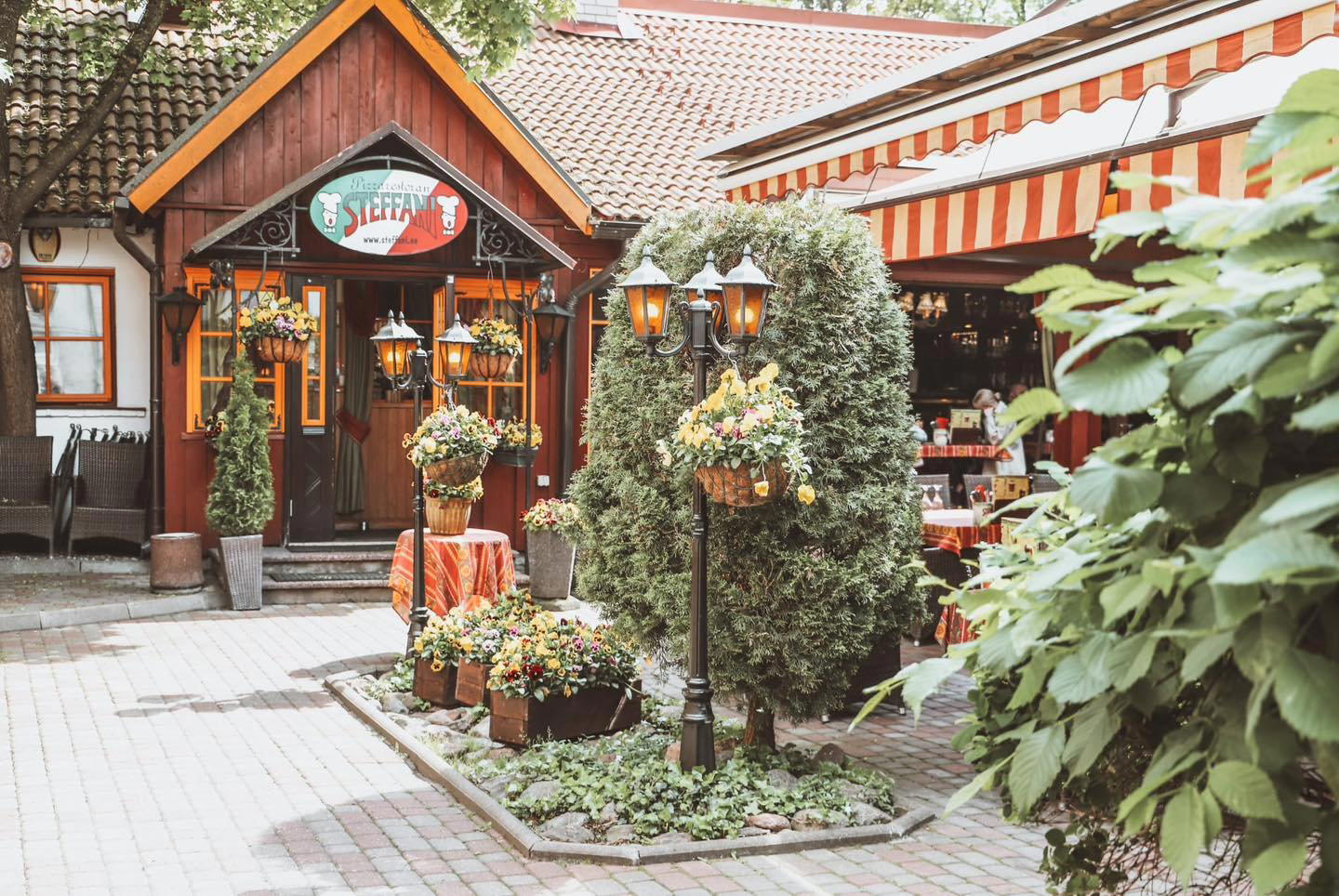
| Steffani | Italian Pizza Restaurant | $10–20 | Not listed | Kesklinn |
| Rööm | Italian, European, Scandinavian | $20–30 | Not listed | Pärnu kesklinna südames |
| Supelsaksad | European Café | Not listed | White Guide Baltic Restaurants - Fine Level | Old Town |
| Raimond | Modern Nordic Fine Dining | $50–100 | White Guide Baltic Restaurants - Very Fine Level | Pärnu Beach |
Continue exploring
More in Parnu
Restaurants in Parnu
All restaurants in Parnu →
Hotels in Parnu
All hotels in Parnu →
Details
- Cozy
- Casual Hangout
- Family
- Standalone
- Local Sourcing
- A La Carte
- Smoothies
Current opening hours
- Monday
- Closed
- Tuesday
- Closed
- Wednesday
- Closed
- Thursday
- Closed
- Friday
- Closed
- Saturday
- 12–9 PM
- Sunday
- Closed
Hours can change for holidays and private events. Hours as of .
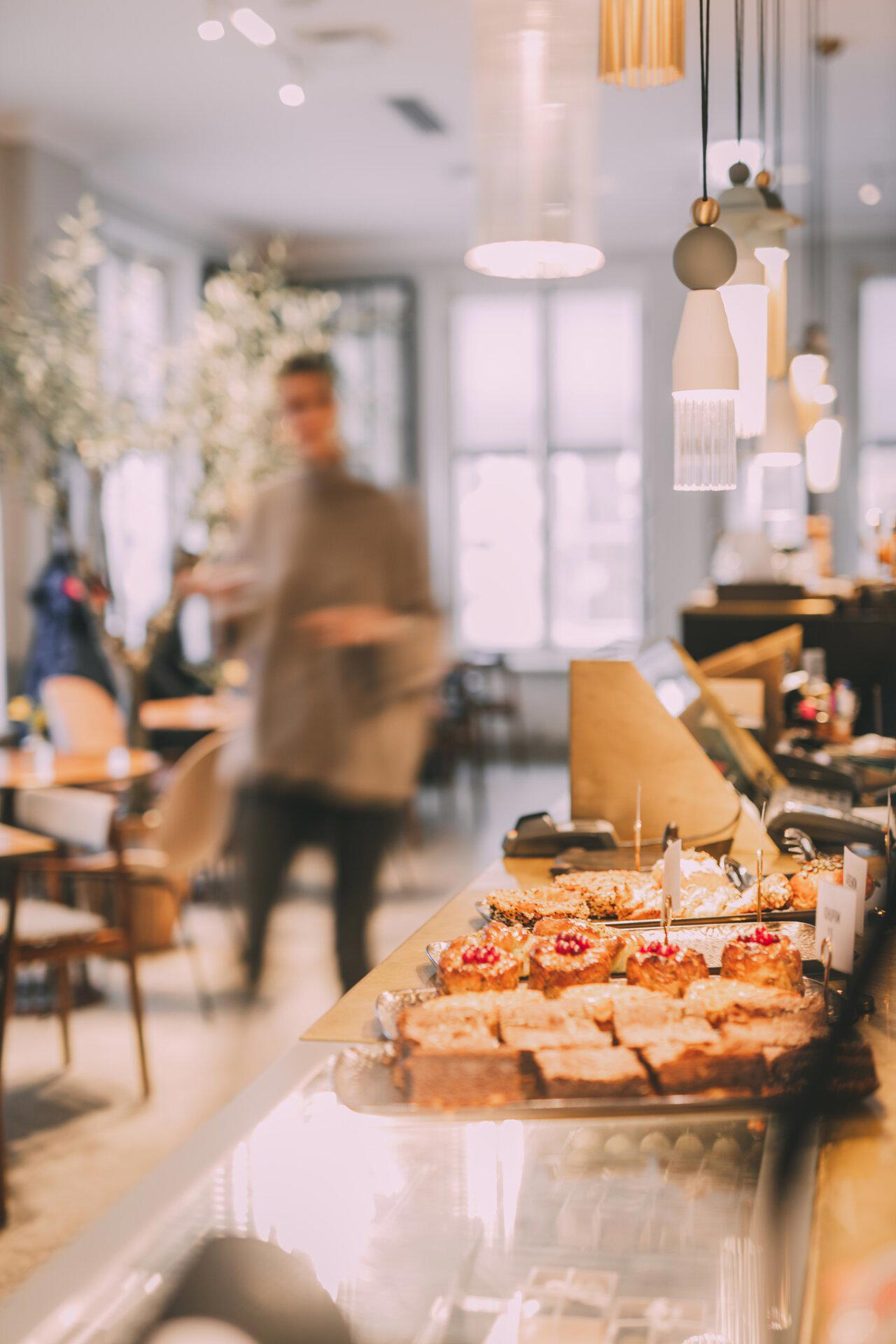
Simple, peaceful interior with a homely summer café atmosphere.