Pasque
Pasque occupies a distinct position in Denver's serious dining tier, where ingredient provenance and kitchen discipline carry more weight than spectacle. Located at 240 14th St in downtown Denver, it draws comparisons to the sourcing-led restaurants reshaping contemporary American dining across the Mountain West. For visitors already familiar with the city's premium restaurant circuit, Pasque represents a deliberate, produce-forward counterpoint to the region's red-meat defaults.
Pearl is the En Primeur Club membership app — saves, bookings, and concierge access live there. Same editors, same standards.
- Address
- 240 14th St, Denver, CO 80202
- Phone
- +13032566361
- Website
- pasquerestaurant.com
- Directions
- Get directions
 Saves & bookings on Pearl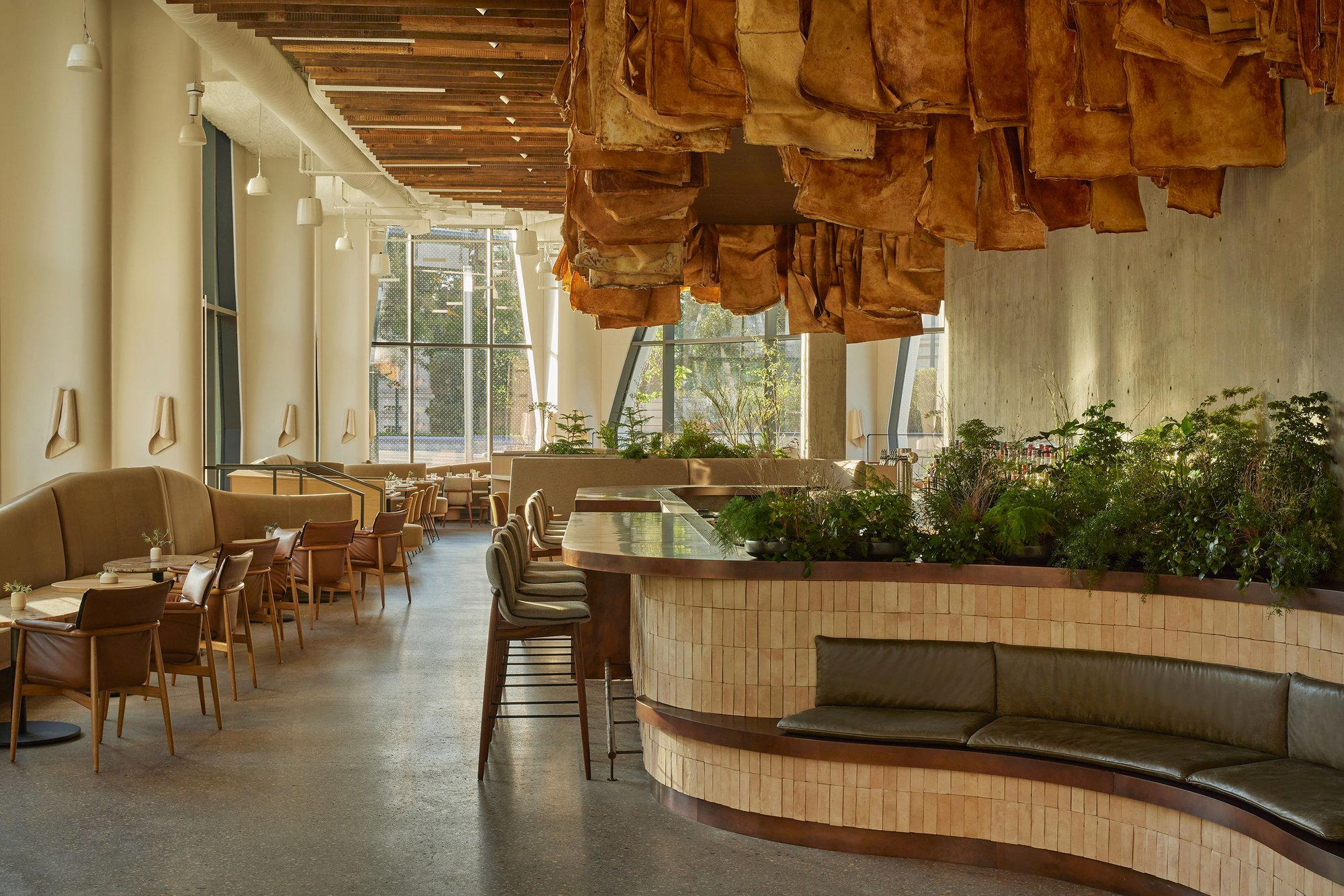
Where Denver's Sourcing Conversation Gets Serious
Downtown Denver's 14th Street corridor has spent the last decade sorting itself into tiers. At one end sit the volume-driven steakhouses and hotel dining rooms that built the city's reputation as a beef town. At the other, a smaller cohort of kitchens has emerged that treats provenance as the organizing principle of the entire menu, not simply a marketing line on a chalkboard. Pasque is a Seasonal American Fine Dining restaurant at 240 14th St in Denver, a smart-casual room where reservations are recommended and dinner runs daily from 7 AM to 10 PM. Pasque, at 240 14th St, belongs to the latter group. It operates in the same serious-dining bracket as Brutø and The Wolf's Tailor, where the sourcing decisions made before service begins do more to define the experience than any single technique applied during it.
Colorado's geography makes ingredient-led cooking a particularly legible proposition. The state sits at the intersection of high-altitude agriculture, significant grazing land, and a short but intense growing season that concentrates flavors in ways flatland farming rarely achieves. Restaurants working within that system, rather than importing around it, tend to produce food that reads as distinctly regional rather than generically American. That distinction matters more now than it did a decade ago, as Denver's dining public has become significantly more sophisticated in its expectations.
The Room and What It Signals
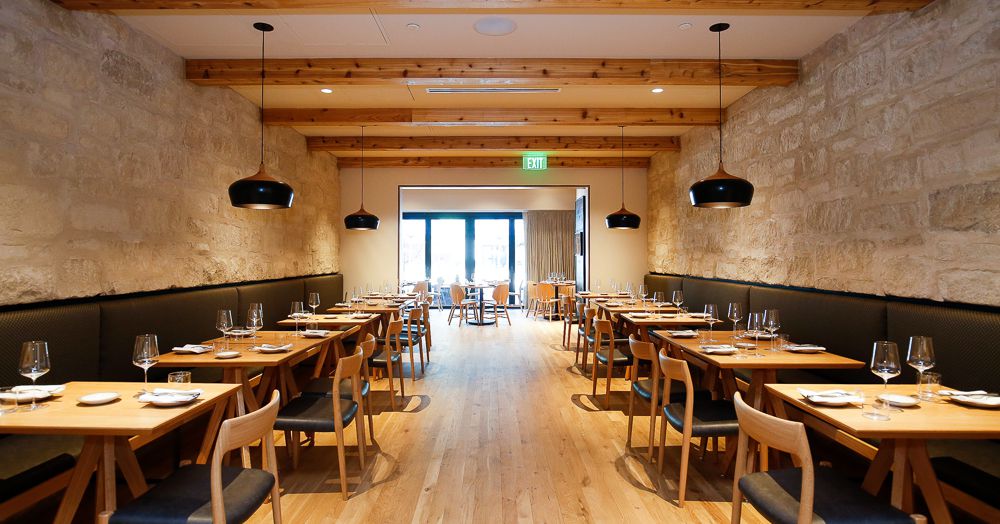
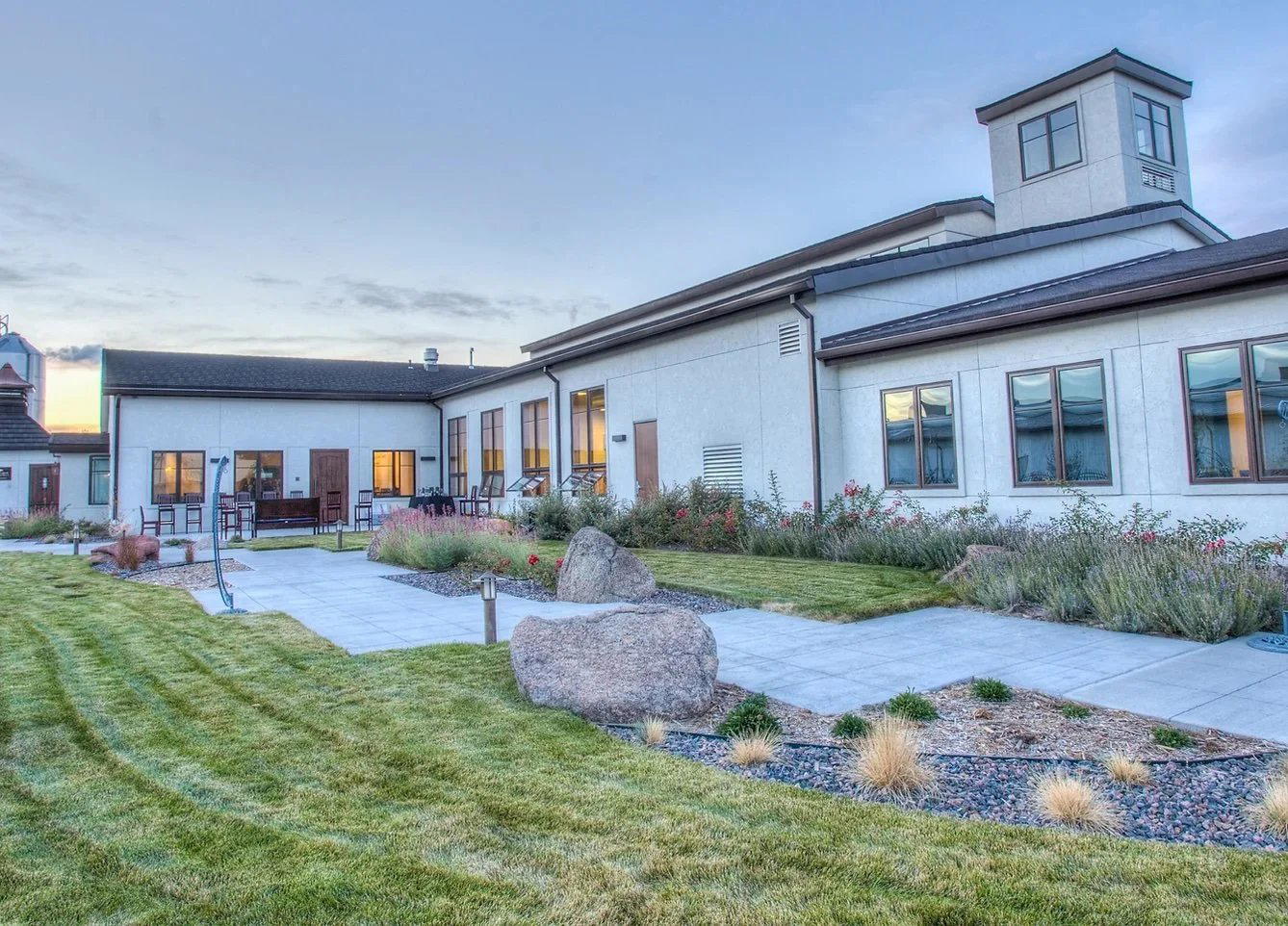
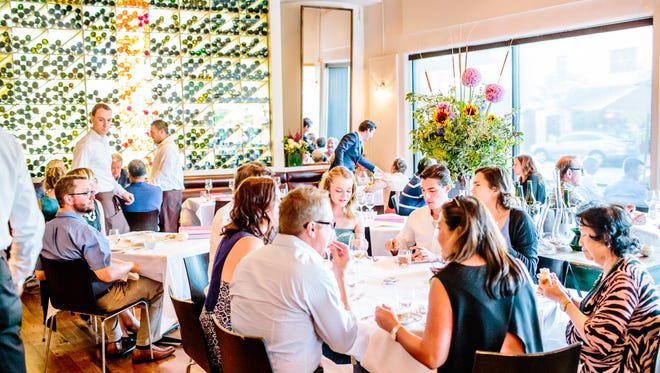
Approaching a serious downtown Denver restaurant in 2024 involves reading a set of architectural codes. The steakhouse telegraphs itself with leather and dark wood. The modern tasting menu room typically strips back to raw concrete or pale oak, signaling that the food will do the talking. Pasque sits in the latter register. The physical environment communicates restraint: a space built to focus attention on the plate rather than compete with it. That spatial logic is consistent with the sourcing-forward kitchens that have defined Denver's premium tier in recent years, where the visual language of the room and the philosophy of the kitchen tend to align.
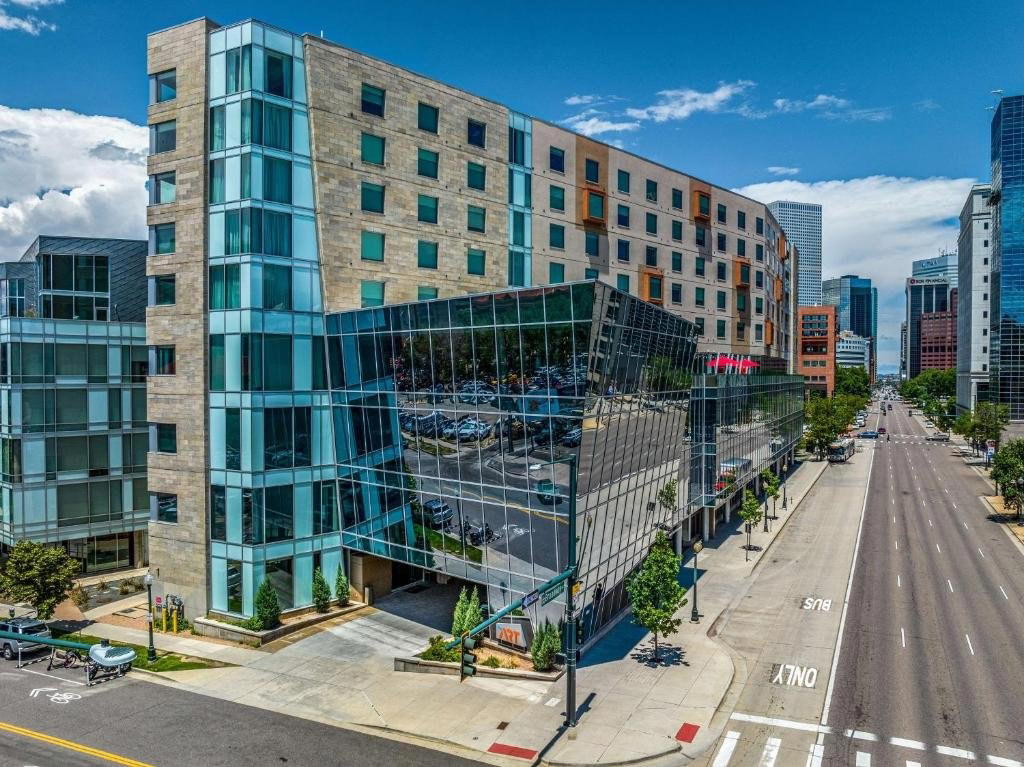
The address on 14th Street places it within walking distance of the Denver Performing Arts Complex and the Convention Center, which means it draws from both the pre-theater crowd and the downtown professional circuit. That dual audience creates a room with more ambient energy than the more isolated tasting-counter format, while still maintaining the seriousness of purpose that separates it from the neighborhood brasserie tier.
Ingredient Sourcing as Culinary Argument
Across American fine dining, the sourcing-led model has bifurcated into two distinct expressions. The first, exemplified nationally by places like Blue Hill at Stone Barns outside New York, builds its entire identity around a single agricultural system, sometimes on-property, and treats the farm as the primary creative constraint. The second, more common in urban settings, curates from a network of regional producers and lets seasonal availability drive menu construction without being tethered to one source. Denver's serious kitchens predominantly operate in the second mode, and Pasque is consistent with that approach.
What makes this model compelling in Colorado specifically is the density of quality producers within a day's drive. The San Luis Valley delivers some of the country's most consistently minerally potatoes and grains. The Western Slope's orchards produce stone fruit with a concentration that reflects the altitude and diurnal temperature swings. Eastern Plains ranches have supplied the beef and lamb that underpin Colorado's protein reputation for generations. A kitchen that draws actively from this network can construct a menu that changes with genuine seasonal logic rather than performing it.
By comparison, restaurants operating at similar price points nationally, from Single Thread Farm in Healdsburg to Addison in San Diego, have built critical reputations precisely on the specificity of their sourcing narratives. The kitchen that can name the ranch, the farm, and the reason for the choice earns a different kind of credibility than one that simply lists local ingredients without context.
Denver's Serious Dining comparable set
The appropriate frame for Pasque is not Denver's overall restaurant market but its specific subgroup of destination-tier, sourcing-conscious kitchens. That comparable set includes Beckon, which operates a tasting menu format with genuine commitment to seasonal rotation, The Wolf's Tailor in its hyper-seasonal New American mode, and Annette in Aurora, which has built its reputation on wood-fire technique applied to regional produce. Each represents a different inflection of the same underlying argument: that Colorado's agricultural resources justify a cuisine that does not need to look to coastal models for its identity.
Nationally, the conversation Pasque enters is one that kitchens like Lazy Bear in San Francisco and Providence in Los Angeles have helped define: serious American cooking that takes geography as a creative starting point rather than a constraint to work around. Denver now produces several kitchens that belong in that conversation, and Pasque is one of them.
For diners who want to map the full range of Denver's serious dining scene beyond the protein-and-steak default, Alma Fonda Fina represents the city's Mexican cooking at its most considered, while our full Denver restaurants guide covers the broader field. The point is that Pasque does not exist in isolation. It is part of a coherent moment in the city's dining development.
Know Before You Go
Address: 240 14th St, Denver, CO 80202
Bookings: Reservations are recommended.
Dress code: Smart casual.
Dietary needs: Contact the venue ahead of your visit to discuss any restrictions.
Nearby: The 14th Street address is walkable from the Denver Performing Arts Complex and multiple downtown hotels.
The Quick Read
Comparable venues nearby, for context on price, style, and recognition.
| Venue | Cuisine | Price | Notes |
|---|---|---|---|
| PasqueThis venue — the venue you are viewing | Not listed | $$$ | Not listed |
| The Ponti at Denver Art Museum | Not listed | $$$ | Civic Center, Modern Contemporary American |
| Colt & Gray | Highland, New American Gastropub | $$$ | Not listed |
| Madeline | Country Club, Seasonal American Bistro | $$$ | Not listed |
| Corinne Denver | Not listed | $$$ | Central Business District, Contemporary American Bistro |
| Ollie & Park's | City Park West, Modern American Tapas | $$$ | Not listed |
Continue exploring
More in Denver
Restaurants in Denver
Browse all →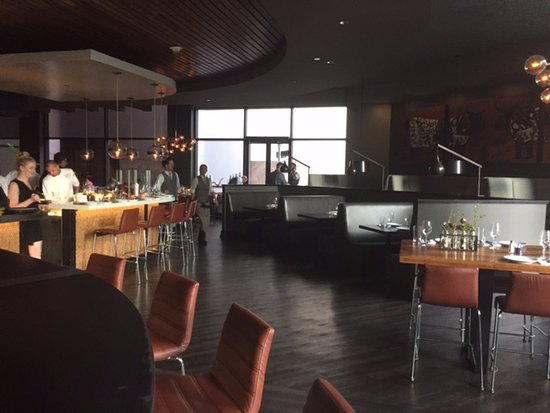
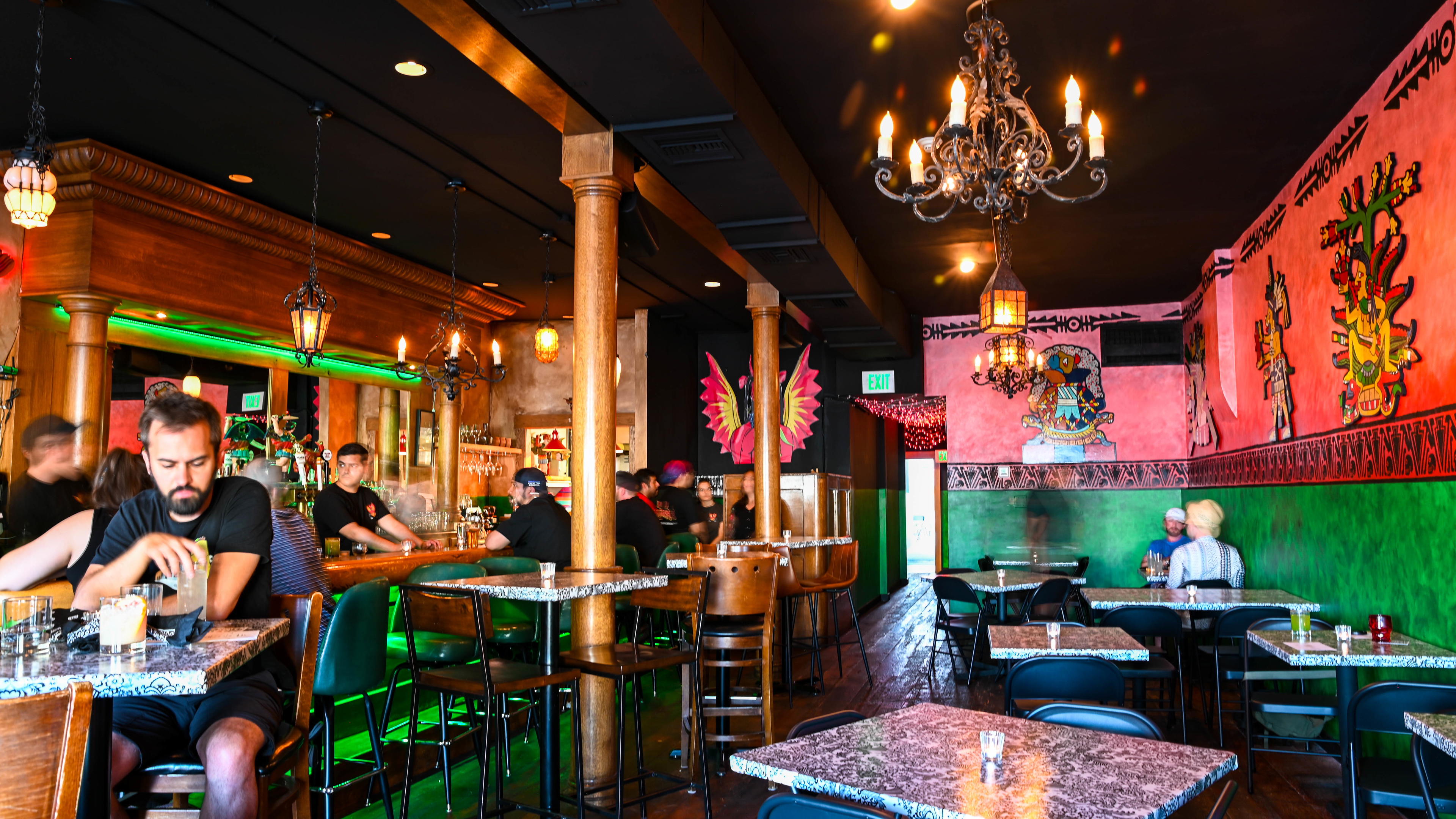
Bars in Denver
Browse all →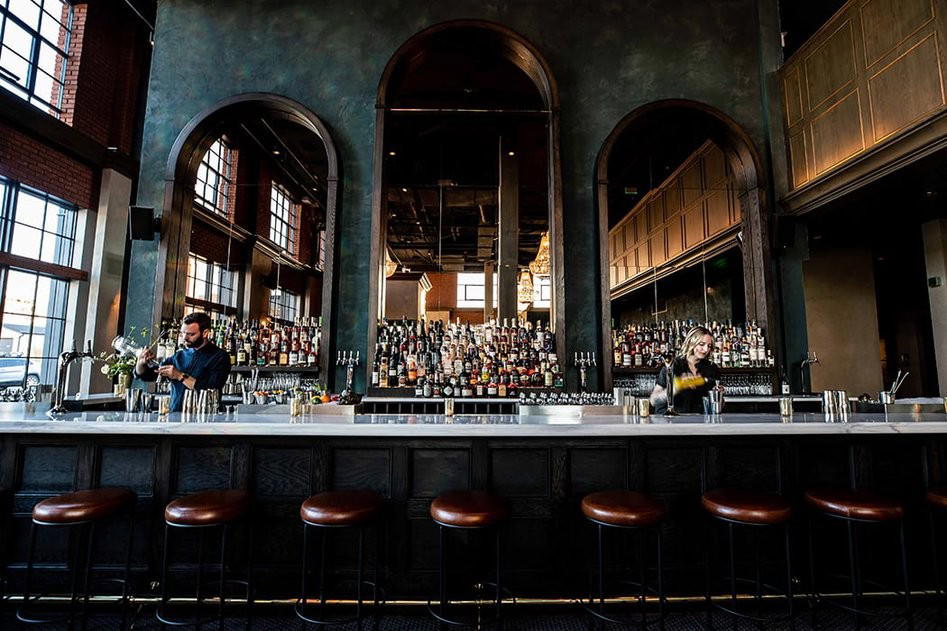
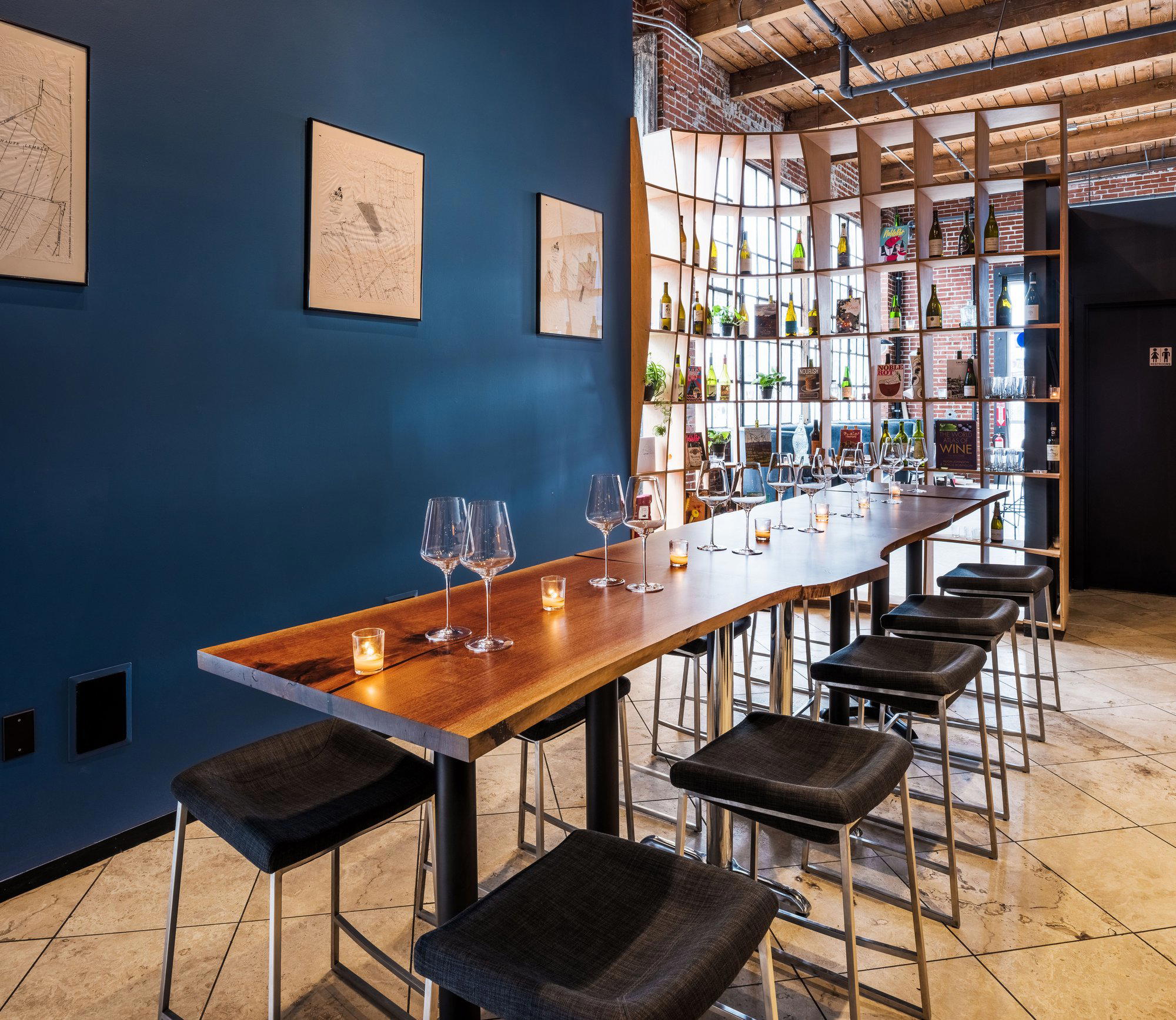
Hotels in Denver
Browse all →
At a Glance
- Modern
- Elegant
- Sophisticated
- Cozy
- Date Night
- Special Occasion
- Brunch
- Hotel Restaurant
- Open Kitchen
- Craft Cocktails
- Farm To Table
- Local Sourcing
Current opening hours
- Monday
- 7 AM–10 PM
- Tuesday
- 7 AM–10 PM
- Wednesday
- 7 AM–10 PM
- Thursday
- 7 AM–10 PM
- Friday
- 7 AM–10 PM
- Saturday
- 7 AM–10 PM
- Sunday
- 7 AM–10 PM
Hours can change for holidays and private events. Last verified .
Refined and nature-inspired with sophisticated simplicity highlighting seasonal plant-based ingredients and local proteins.