Amparo Fondita


Michelin Bib Gourmand · Washingtonian 100 Very Best Restaurants #56
Our verdict
A onetime pop-up that found its permanent footing just off Dupont Circle, Amparo Fondita applies serious sourcing discipline to contemporary Mexican cooking. Corn arrives from Oaxaca and is nixtamalized in-house; the menu spans raw bar to mole-finished mains. At a mid-range price point, it sits in a different bracket from D.C.'s Michelin-chasing set while matching many of them on ingredient quality.

Pearl is the En Primeur Club membership app — saves, bookings, and concierge access live there. Same editors, same standards.
- Address
- 2002 P St NW, Washington, DC 20036
- Phone
- (202) 621-8166
- Hours
- Mon ClosedTue–Fri 5–10 PMSat 11 AM–10 PMSun 11 AM–9 PM
- Website
- amparofondita.com
- Directions
- Get directions
- Booking
- Book on Resy
The menu
What to order
- Halibut with red mole
- Carne asada tacos
- Sopescitos
Where Street Food Logic Meets Fine-Ingredient Discipline
The minimalist room on P Street NW, a short walk from Dupont Circle, gives little away from the outside. Inside, the restraint is deliberate: plain surfaces, clean sightlines, nothing competing with what arrives on the plate. That design decision tracks with a broader shift visible across American cities, where the casual-Mexican format has quietly shed its folkloric shorthand in favour of something closer to a chef-driven dining room that happens to serve sopecitos and raw bar plates alongside halibut with mole.
Amparo Fondita began as a pop-up, which matters as context. Pop-up origins tend to produce menus built around what a kitchen can actually execute under pressure, not what reads well on paper. The move to a permanent address in Dupont Circle preserved that discipline rather than inflating it. The result is a room that reads mid-price point on paper — the double-dollar-sign tier — but operates at an ingredient standard that regularly outpaces that bracket.
The Nixtamal Question: Why Sourcing Matters Here
Contemporary Mexican restaurants in the United States have split into two broad camps. The first sources conveniently and leans on the cuisine's inherent flavour load to compensate. The second treats provenance as structural: the specific corn, the specific chile, the specific fermentation process shape what a dish can and cannot become. Amparo Fondita belongs clearly to the second group.
Corn sourced from Oaxaca and nixtamalized in-house is not an incidental detail. Nixtamalization, the alkaline process that unlocks the nutritional and flavour potential of dried corn, is labour-intensive and requires a kitchen that has decided, in advance, that the result justifies the work. At the price point Amparo Fondita occupies, that decision is genuinely unusual. Venues charging twice as much in the same city sometimes skip it. The corn supply chain here connects the Dupont Circle dining room to a specific agricultural tradition in southern Mexico, and that connection shows up in the texture and depth of anything the kitchen builds around masa.
That same sourcing logic extends across the menu. Chef Christian Irabién's approach places ingredient integrity above concept novelty, which is why a side dish, a fried plantain, described in the venue's own documentation as "seemingly simple but layered with flavor", carries enough weight to warrant ordering. Sides in this format often function as filler; here they function as evidence.
The Menu's Range and What It Signals
The structure at Amparo Fondita resists the single-format trap that limits many contemporary Mexican restaurants in the United States. A raw bar section sits alongside appetizers, sopecitos, and a main-dish range that includes halibut with mole. That breadth reflects the restaurant's fonda heritage: the fonda format, a Mexican term for a mid-range family dining house, has always prioritised variety over a single culinary thesis. Amparo's version updates that logic with contemporary technique while retaining its democratic impulse.
The sopecito, a thick, small masa cake that functions as a platform for toppings, is the format's most direct link to street food tradition. In its street context, the sopecito is fast, economical, and deeply regional. In a sit-down dining room, the same format gets the benefit of properly sourced masa, more precise temperature control, and the kind of component layering that a market stall cannot sustain. That translation from street to table, done without irony or over-refinement, is exactly what separates credible "refined street food" from the more theatrical versions of the same idea that have appeared across D.C. in recent years.
Papaya nixtamal dessert illustrates the kitchen's range. Cooked in piloncillo and Mexican vanilla, served over coconut cream and finished with fennel pollen and wildflower honey, it deploys a wide flavour register without losing coherence. The technique is contemporary; the base ingredients are rooted in Mexican pantry logic. That balance is harder to achieve than it looks, and it is the most reliable signal that the kitchen has a clear point of view.
Where Amparo Fondita Sits in D.C.'s Mexican Dining Scene
Washington D.C.'s Mexican dining options span a wide range of formats and price points. At one end, Taqueria Habanero represents the community-rooted, high-volume model where authenticity comes from repetition and regional specificity. At the other end, Oyamel has long operated in the Jose Andres orbit with a polished, accessible approach to regional Mexican small plates. Pascual occupies yet another position, pushing further into contemporary technique. Amparo Fondita sits between these poles: more focused on sourcing rigour and menu depth than a taqueria format, less formal and less expensive than the city's Michelin-tracked Mexican tables.
For comparison, several of D.C.'s Michelin-recognised restaurants operate at the $$$$ tier: Albi with one star, and contemporaries like Bresca, Gravitas, and Causa charging at that level. Amparo Fondita charges less than half that in many categories while sourcing with comparable seriousness. That gap is worth noting for any reader calibrating value against quality rather than against price alone.
The broader American context reinforces the point. Restaurants like Pujol in Mexico City and Alma Fonda Fina in Denver have mapped the territory for what serious contemporary Mexican cooking can look like in a full-service dining room. Amparo Fondita contributes to that conversation from a mid-price, high-ingredient position that the category still needs more of. For reference points outside the Mexican category but inside D.C.'s fine-dining tier, venues like those profiled in our full Washington, D.C. restaurants guide confirm how sharply the city's dining options have diversified over the past decade.
Planning Your Visit
Amparo Fondita is located at 2002 P St NW, a short walk from the Dupont Circle Metro stop on the Red Line. The mid-range price point, the $$ bracket, which in D.C. terms typically means a per-person spend well below $60 before drinks, makes it accessible for both casual dinners and considered special occasions at the same table. The room's compact, minimalist format means it fills; booking ahead, particularly for weekend evenings, is the sensible approach, though the venue's pop-up origins suggest a room that was designed to move efficiently.
La Tejana is worth pairing for a different register of Mexican-American cooking if you're spending more time in the city. For the wider D.C. picture, explore our Washington, D.C. hotels guide, our bars guide, our wineries guide, and our experiences guide. For broader national comparisons in fine dining, Le Bernardin in New York, Alinea in Chicago, Lazy Bear in San Francisco, The French Laundry in Napa, Single Thread Farm in Healdsburg, and Emeril's in New Orleans each represent the upper tier of their respective cities and formats.
Frequently asked questions
Where is Amparo Fondita located?
Amparo Fondita is located at 2002 P St NW, Washington, DC 20036, Washington, D.C..
Who is the chef or culinary lead at Amparo Fondita?
The chef associated with Amparo Fondita is Christian Irabién.
Can I walk in to Amparo Fondita?
Walk-ins are possible, but the minimalist room at 2002 P St NW is compact, so availability depends heavily on timing. Arriving early or during off-peak hours improves your chances; the $$ price point and Dupont Circle location mean demand is consistent throughout the week.
Awards and Standing
| Venue | Cuisine | Price | Awards | Notes |
|---|---|---|---|---|
| Amparo FonditaThis venue — the venue you are viewing | Modern Mexican | $50–100 | Michelin Bib Gourmand · Washingtonian 100 Very Best Restaurants #56 | Not listed |
| Albi | Modern Levantine Fine Dining | $300–500 | 1 Michelin Star · World's 50 Best #6 | United States, Middle Eastern |
| Causa | Modern Peruvian Fine Dining | $150–200 | 1 Michelin Star · James Beard Award Best Chef: Mid-Atlantic | Peruvian |
| Oyster Oyster | Modern Vegetable-Focused Tasting Menu | Not listed | 1 Michelin Star · James Beard Award Outstanding Chef #1 | New American, Vegetarian, Vegetarian (Sustainable) |
| Bresca | Modern French Bistronomy | $150–200 | 1 Michelin Star · James Beard Award Semi Finalist | Modern French, Contemporary |
| Gravitas | Modern American Fine Dining | $150–200 | 1 Michelin Star | New American, Contemporary |
Recognition history
Dated appearances from independent guides and award organizations, with the underlying list record or original source where available.
Michelin Bib Gourmand
Michelin
Washingtonian 100 Very Best Restaurants #56
Washingtonian
Full recognition history (3 entries)
Michelin Bib Gourmand
Michelin
Continue exploring
More in Washington DC
Restaurants in Washington DC
Browse all →
Bars in Washington DC
Browse all →
Hotels in Washington DC
Browse all →
Details
- Modern
- Minimalist
- Cozy
- Intimate
- Date Night
- Casual Hangout
- Open Kitchen
- Craft Cocktails
- Local Sourcing
- Street Scene
- A La Carte
- Small Plates
- Vegetarian Friendly
Current opening hours
- Monday
- Closed
- Tuesday
- 5–10 PM
- Wednesday
- 5–10 PM
- Thursday
- 5–10 PM
- Friday
- 5–10 PM
- Saturday
- 11 AM–10 PM
- Sunday
- 11 AM–9 PM
Hours can change for holidays and private events. Last verified .
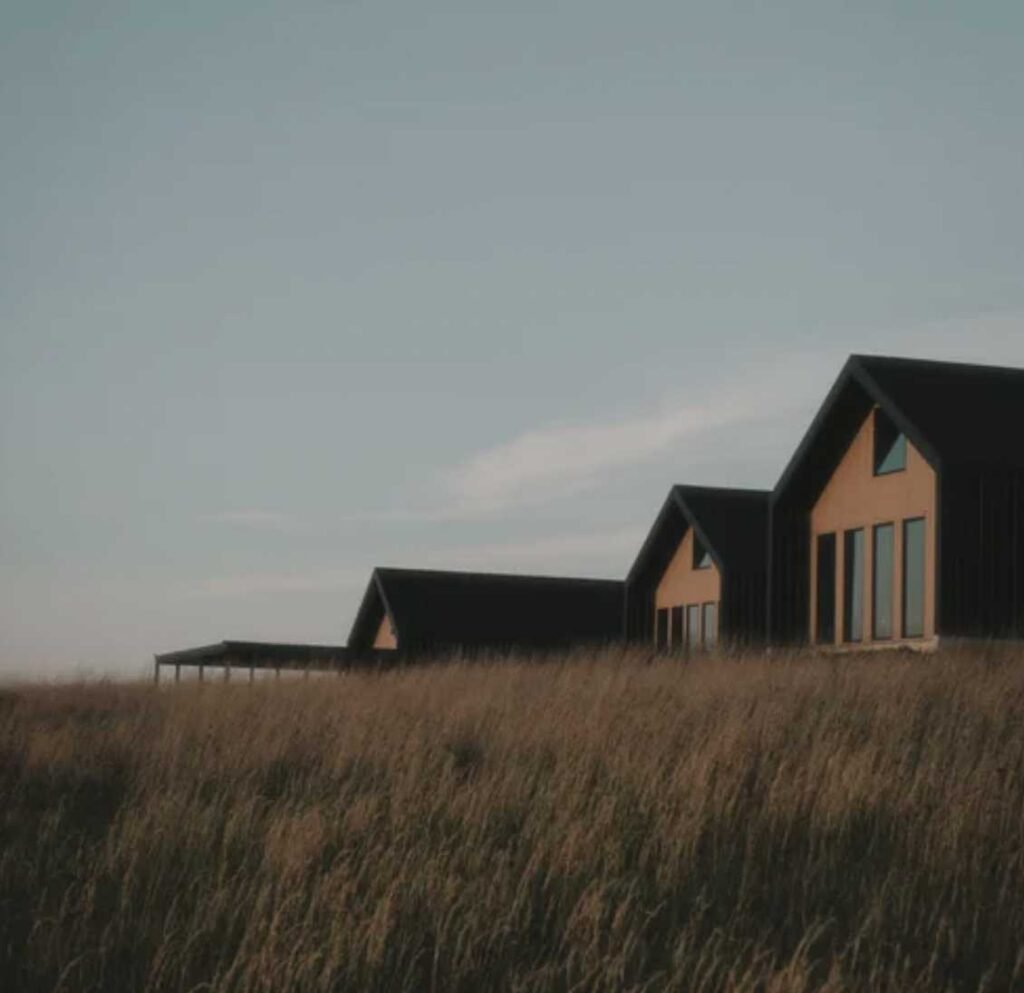
Sleek minimalist decor with clean lines, wood tables and benches, bright and contemporary yet cozy Nordic-style warmth.