Parva Farmhouse

Michelin Plate
Our verdict
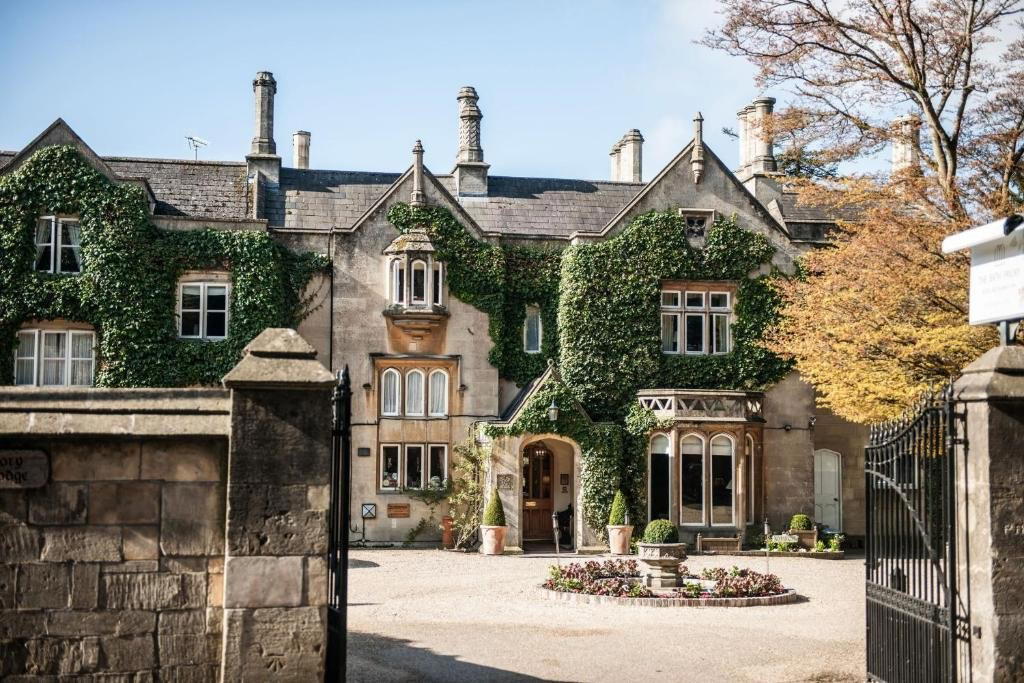
A 17th-century stone farmhouse on the River Wye, Parva Farmhouse holds a Michelin Plate (2025) for modern British cooking with a French backbone and occasional Asian or Italian touches. The restaurant's inglenook fireplace and pre-ordering format make it a considered stop on the Wye Valley dining circuit, with comfortable rooms that extend the visit overnight.

Pearl is the En Primeur Club membership app, where members save venues, book tables and use the concierge.
The menu
What to order
- Sea Trout with Anchovy Butter
- Duck Breast with Pastilla
- Halibut in Mustard Sauce
- Pistachio Cheesecake
Farmhouse Dining on the Wye: Where Rural Britain Got Serious
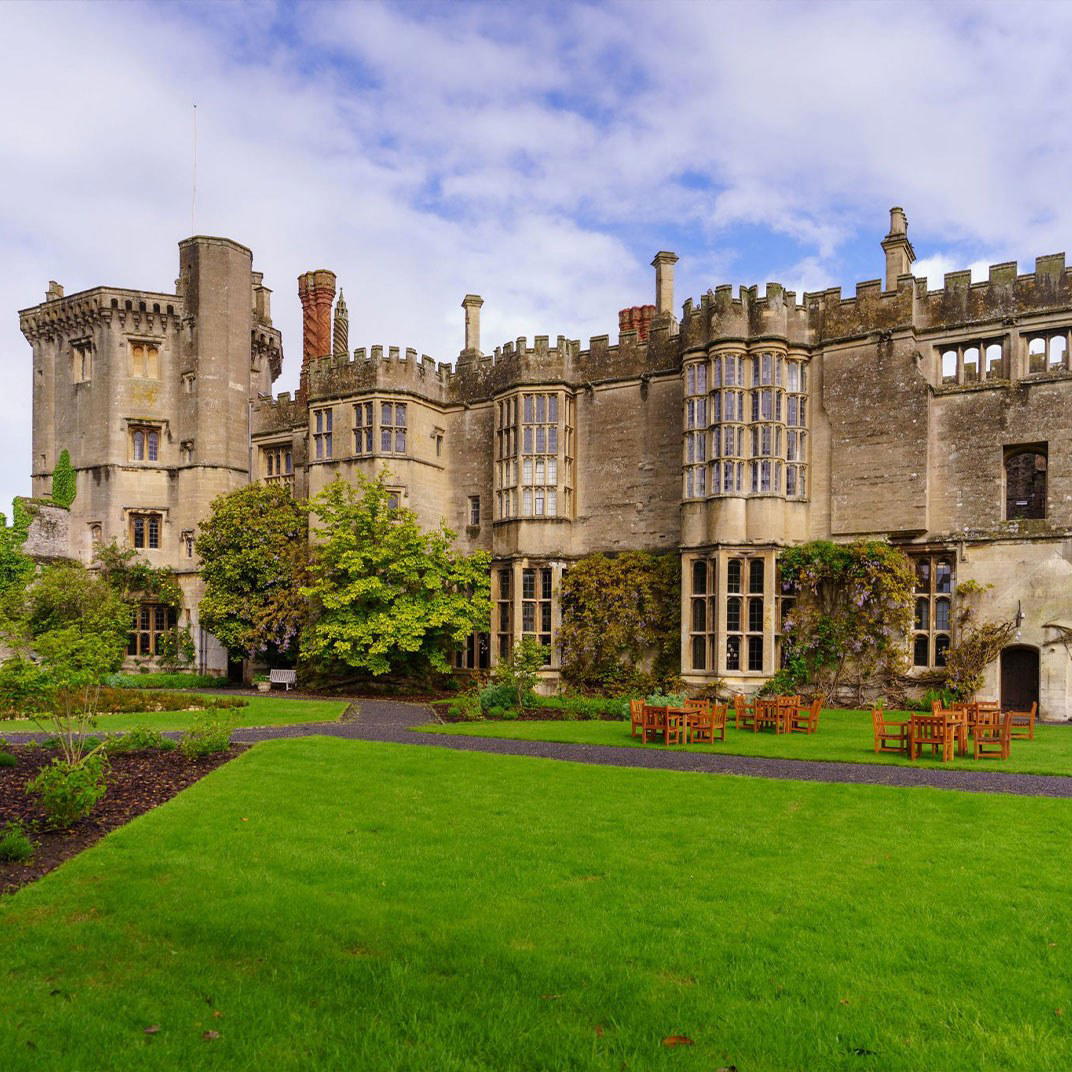
The Wye Valley has long attracted visitors for its gorges, abbey ruins, and the kind of wooded scenery that drew Romantic poets in the 18th century. What it lacked, for most of that time, was a restaurant that took the same care with a plate as the landscape demanded of its painters. The rise of serious cooking in rural British settings over the past two decades has changed that calculus substantially. From Tom Kerridge's Hand and Flowers in Marlow to L'Enclume in Cartmel, the argument that destination dining belongs exclusively in cities has been steadily dismantled. Parva Farmhouse in Tintern sits inside that same movement, occupying a 17th-century stone building on the bank of the River Wye and holding a Michelin Plate for 2025.
The Michelin Plate designation sits below the star tier but above the noise of undifferentiated country pub cooking. For the Wye Valley specifically, it signals that the area now has at least one address where a serious diner can plan a meal with confidence rather than optimism.
The Setting: Stone, Fireplace, River
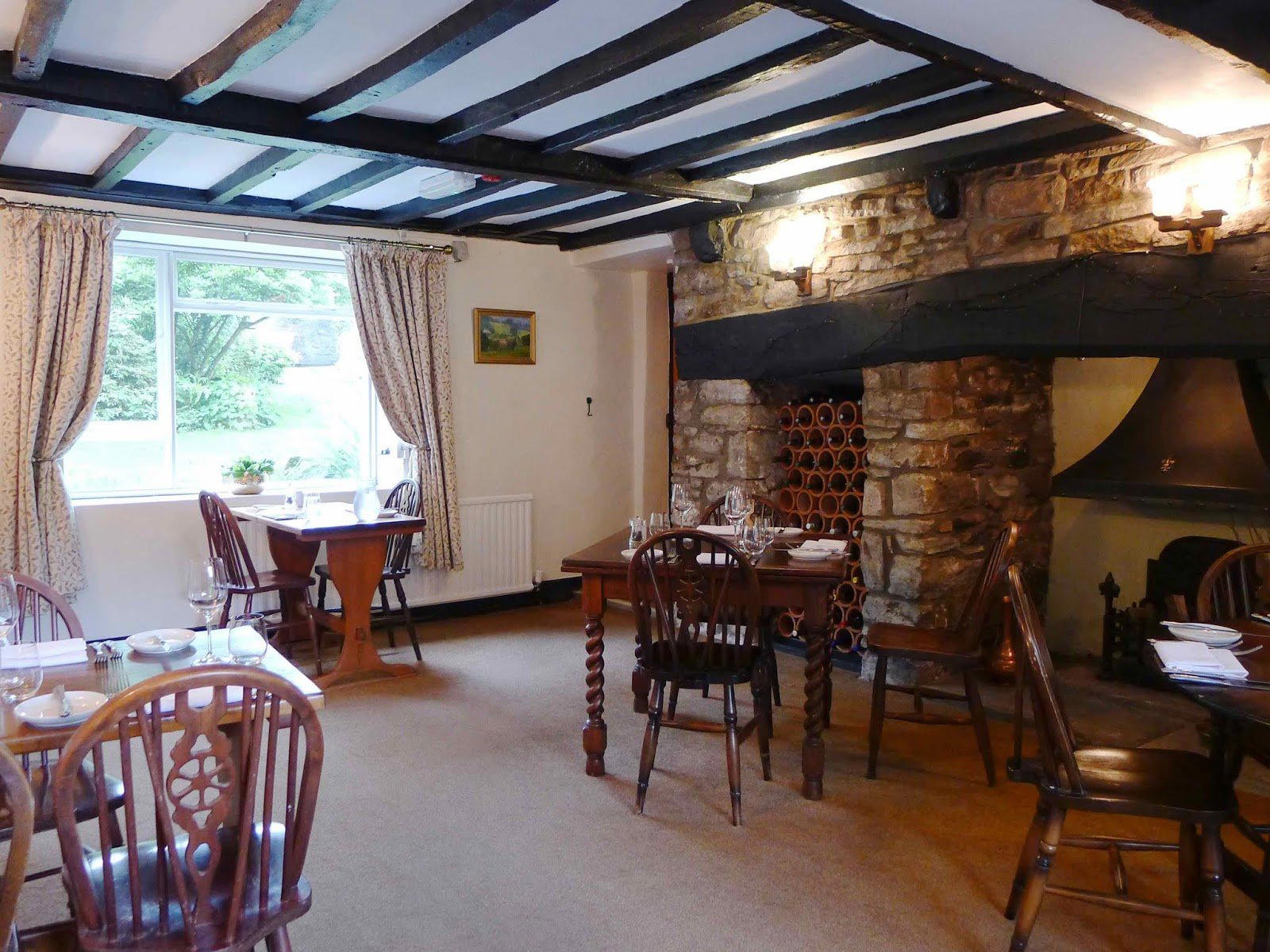
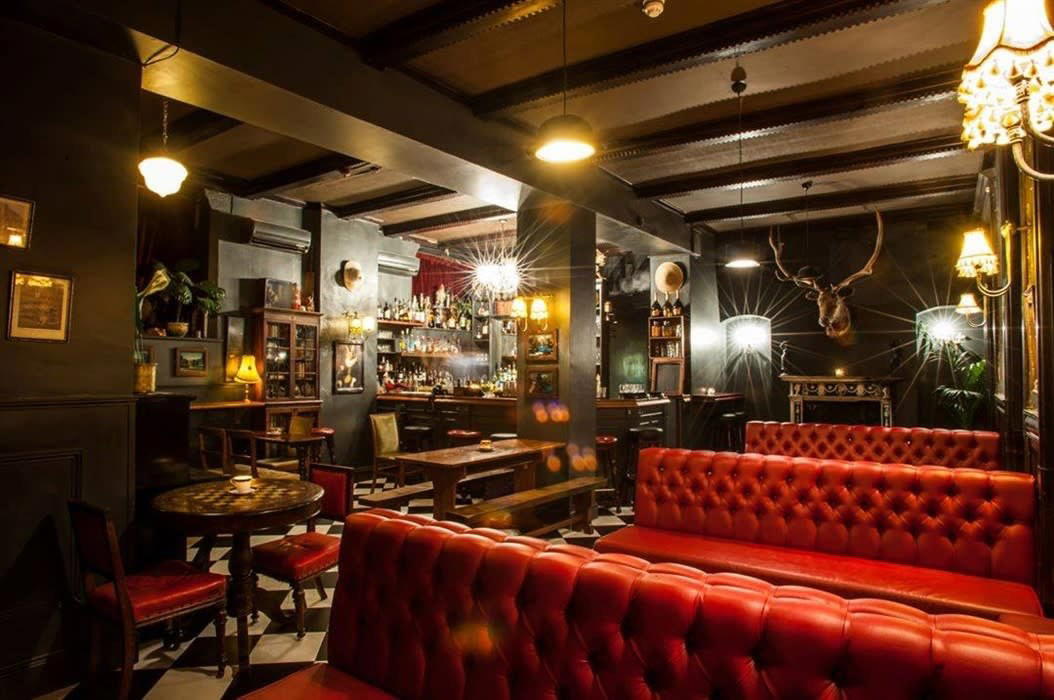
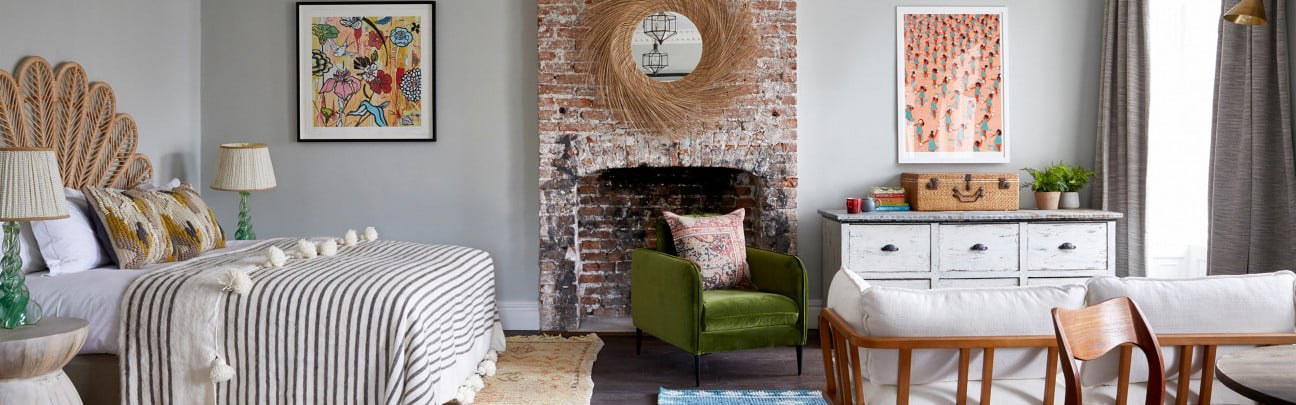
Approaching Tintern along the A466, the valley narrows and the river comes into view well before the village does. Parva Farmhouse sits close to the water, its stone exterior giving little away from the road. The interior divides between a spacious lounge and a restaurant room built around an inglenook fireplace, the kind of architectural feature that takes decades to acquire and can't be installed after the fact. In the colder months, that fireplace does the atmospheric work that lighting designers charge considerable sums to approximate in urban restaurants. In a stone-walled room of this age, the effect is less curated and more straightforwardly convincing.
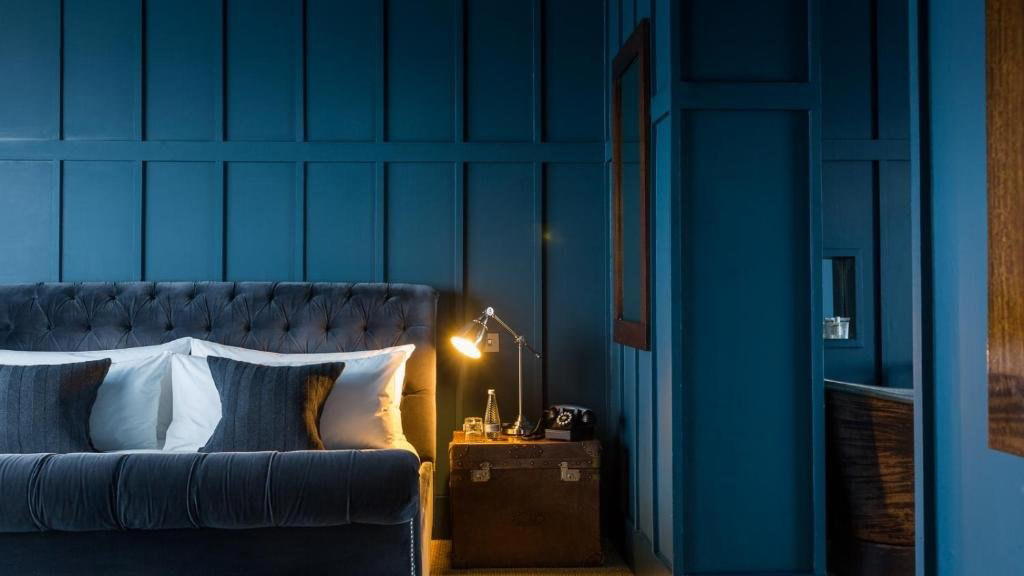
The property also operates as a guesthouse, with bedrooms above and alongside the restaurant. Some of those rooms look out over the Wye. That combination of dining and accommodation in a single historic building places Parva Farmhouse in a tradition of British inn-keeping that pre-dates the hotel industry by several centuries, and that a small number of serious operators have revived with genuine cooking ambition. For comparison, consider how Gidleigh Park in Chagford or Le Manoir aux Quat' Saisons in Great Milton anchored their culinary reputations to rooms and landscape simultaneously. Parva Farmhouse operates at a more accessible price point, rated ££ on the EP Club scale, which puts it within reach of a much wider audience than those properties command.
The Cooking: Modern British with French Architecture
Modern British cooking, as a category, covers a wide range of actual approaches. At its least interesting, it means seasonal ingredients on a menu that changes with the marketing calendar. At its most considered, it means dishes where classical French technique provides structure and discipline, and where the sourcing of British ingredients is treated as a serious editorial decision rather than a marketing device. The cooking at Parva Farmhouse occupies the latter position, with a French backbone to the dishes and occasional Italian or Asian influences that appear without becoming the menu's identity. This is not fusion cooking in the diluted sense; it is the kind of thoughtful cross-referencing that characterises the better end of contemporary British restaurant kitchens.
That approach places Parva Farmhouse in a broader conversation about what modern British cooking can mean outside London. The capital's version of the category, represented at the high end by addresses like CORE by Clare Smyth or Midsummer House in Cambridge, benefits from press attention and a concentrated dining population. Rural operators working in the same register, from hide and fox in Saltwood to Moor Hall in Aughton, tend to build reputations more slowly but often retain regulars more durably.
Format and Planning
The format here asks something specific of its guests. Booking is essential, and the menu is sent to diners a day in advance for pre-ordering. That pre-order system is more common in high-tasting-menu formats where kitchen logistics demand it, but it works equally well in a small country restaurant where the team can prepare with precision rather than guessing covers. It also means diners arrive knowing what they've chosen, which shifts the mental rhythm of the meal: less decision-making at the table, more attention on the food and the room. Guests planning an overnight stay should note that some bedrooms carry river views, which changes the morning entirely. For a fuller picture of where to stay in the area, see our full Tintern hotels guide.
Tintern is accessible by road from Chepstow, roughly five miles to the south, and from Monmouth to the north. The village has no train station; driving or being driven is the practical approach. For those extending a visit beyond a single meal, the surrounding area warrants time. Our full Tintern restaurants guide covers the broader dining picture in the valley, and our Tintern experiences guide addresses what to do between meals in a landscape this well-stocked with walking routes, abbey ruins, and river paths. The area also has more to offer in terms of local drinks than many visitors expect; our Tintern bars guide and wineries guide cover those dimensions of a stay.
At the ££ price point, Parva Farmhouse operates in territory where the value proposition is strong for a Michelin-recognised address. Comparable cooking ambition at this price range is harder to find in rural settings than the density of food media coverage might suggest. The restaurant's combination of historic building, serious cooking, Michelin recognition, and overnight accommodation in a dramatic river valley makes it a practical and considered choice for anyone spending time in the Welsh Marches or the Wye corridor. Those looking to benchmark it against the wider British rural dining scene might also consider Restaurant Andrew Fairlie in Auchterarder or Opheem in Birmingham for a sense of what the broader UK dining circuit looks like at different price tiers and formats.
Frequently asked questions
Does Parva Farmhouse work for a family meal?
The format makes it more suitable for adult diners than a casual family outing. Booking is essential, and the menu is sent a day in advance for pre-ordering, which requires a level of planning that works against spontaneous or child-led choices. The cosy, intimate restaurant with its inglenook fireplace is better suited to couples or small groups of adults seeking a considered meal.
How would you describe the vibe at Parva Farmhouse?
Unhurried and domestic in the best sense: a stone farmhouse on the River Wye with a spacious lounge, a fireplace, and a restaurant that asks you to think about what you want before you arrive. The Michelin Plate recognition in 2025 signals cooking taken seriously, but the setting keeps proceedings grounded rather than formal. Some bedrooms have river views, which deepens the sense of being somewhere specific.
What kind of recognition has Parva Farmhouse received?
Parva Farmhouse has received recognition including: This 17C stone farmhouse sits on a bank of the River Wye and is run by a friendly couple. Its simple, rustic interior comprises a spacious lounge and a cosy, welcoming restaurant with an inglenook fireplace. The gutsy, modern British cookin….
What do regulars order at Parva Farmhouse?
The menu is sent to guests a day ahead for pre-ordering, so there are no impulse decisions at the table. What the kitchen is known for is modern British cooking built on a French framework, with occasional Italian or Asian influences folded in. The approach the Michelin guide describes as 'gutsy' suggests portions and flavours that commit rather than hedge.
How It Stacks Up
| Venue | Cuisine | Price | Awards | Notes |
|---|---|---|---|---|
| Parva FarmhouseThis venue (the venue you are viewing) | Modern British Fine Dining | $50–100 | Michelin Plate | Not listed |
| The Ledbury | Modern British Fine Dining | $300–500 | 3 Michelin Stars · World's 50 Best #83 | Modern European, Modern Cuisine |
| Sketch, The Lecture Room and Library | Modern French Fine Dining | $200–300 | 3 Michelin Stars · World's 50 Best #18 | Modern French |
| CORE by Clare Smyth | Modern British Fine Dining | $150–200 | 3 Michelin Stars · World's 50 Best #97 | Modern British |
| Restaurant Gordon Ramsay | French Fine Dining | $200–300 | 3 Michelin Stars · World's 50 Best #13 | Contemporary European, French |
| Dinner by Heston Blumenthal | Modern British, Traditional British | Not listed | Michelin 2 Star | Not listed |
Recognition history
Dated appearances from independent guides and award organizations, with the underlying list record or original source where available.
Michelin Plate
Michelin
Full recognition history (2 entries)
Michelin Plate
Michelin
Continue exploring
More in Tintern
Restaurants in Tintern
All restaurants in Tintern →
Bars in Tintern
Browse all →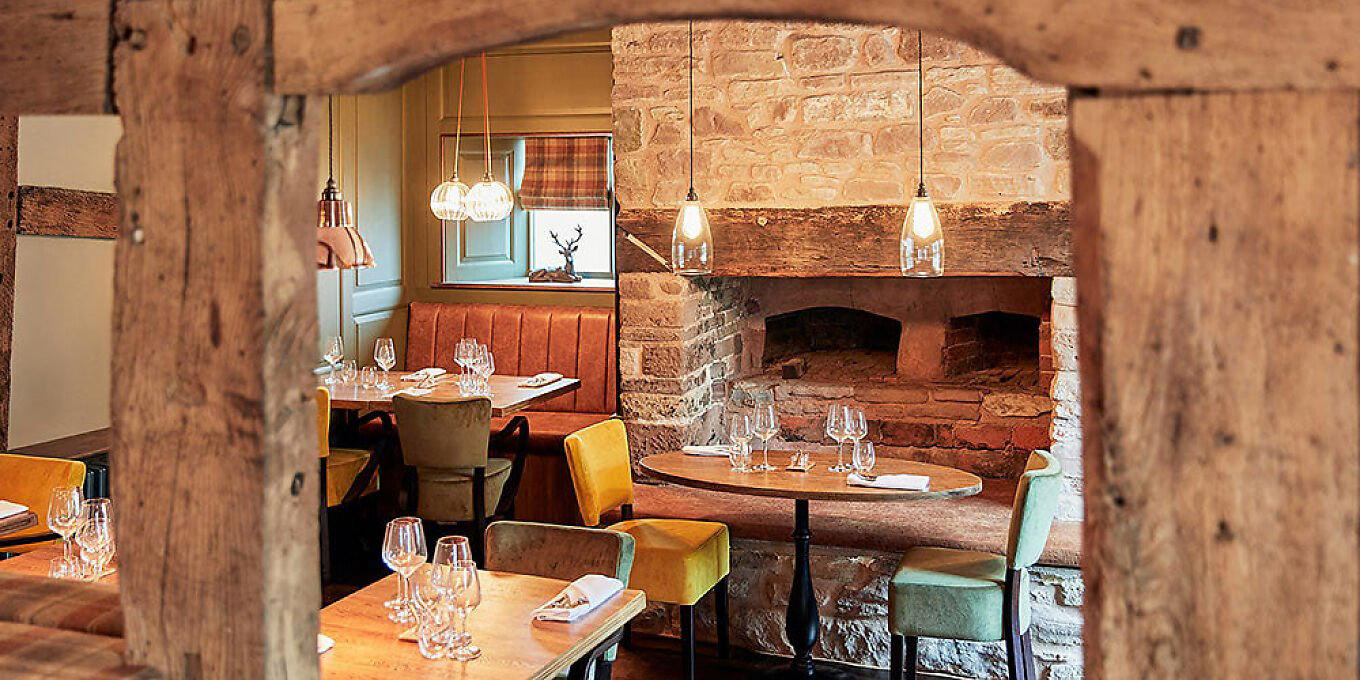
Details
- Romantic
- Rustic
- Cozy
- Intimate
- Elegant
- Quiet
- Date Night
- Special Occasion
- Celebration
- Standalone
- Historic Building
- Waterfront
- Private Dining
- Extensive Wine List
- Craft Cocktails
- Farm To Table
- Local Sourcing
- Waterfront
- Set Menu
- Prix Fixe
- Wine
- Cocktails
Tranquil and rustic decor in a charming period farmhouse with river views; intimate dining with well-spaced tables allowing relaxed conversation and attentive but unobtrusive service.