The Whitebrook




The Whitebrook distills the romance of the Wye Valley into a Michelin-starred journey of woodland, river, and orchard. Tucked into a tranquil hamlet, the restaurant composes tasting menus from foraged botanicals, heritage vegetables, and impeccably sourced Welsh game and seafood, revealing a terroir-driven narrative with precision and grace. Candlelit tables, linen-smooth service, and a quietly indulgent pace create space for flavors to unfurl, smoked butter and pine, dew-fresh herbs, wild mushrooms, and for conversations to deepen. For those who value authenticity over spectacle, The Whitebrook offers a serene, deeply seasonal escape where nature’s subtleties are translated into polished, unforgettable cuisine.
Pearl is the En Primeur Club membership app — saves, bookings, and concierge access live there. Same editors, same standards.
- Address
- Monmouth NP25 4TX, United Kingdom
- Phone
- +44 1600 860254
- Website
- thewhitebrook.co.uk
 Saves & bookings on Pearl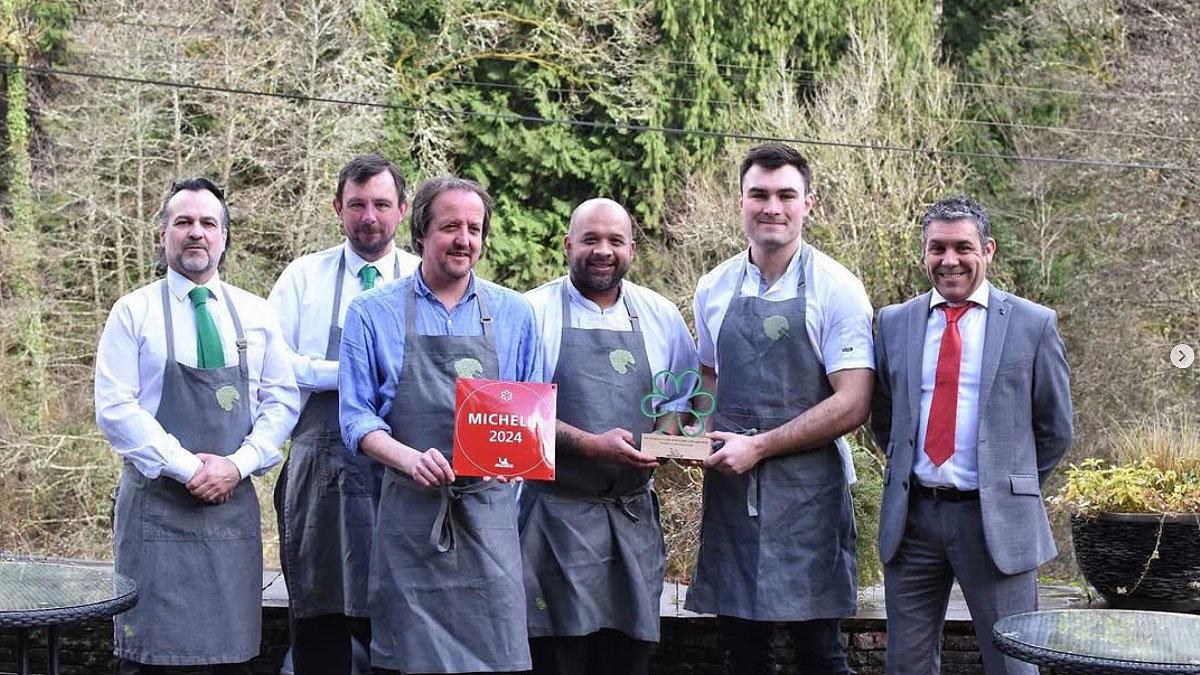
A Former Pub in a Welsh Valley, Doing Something Quietly Serious
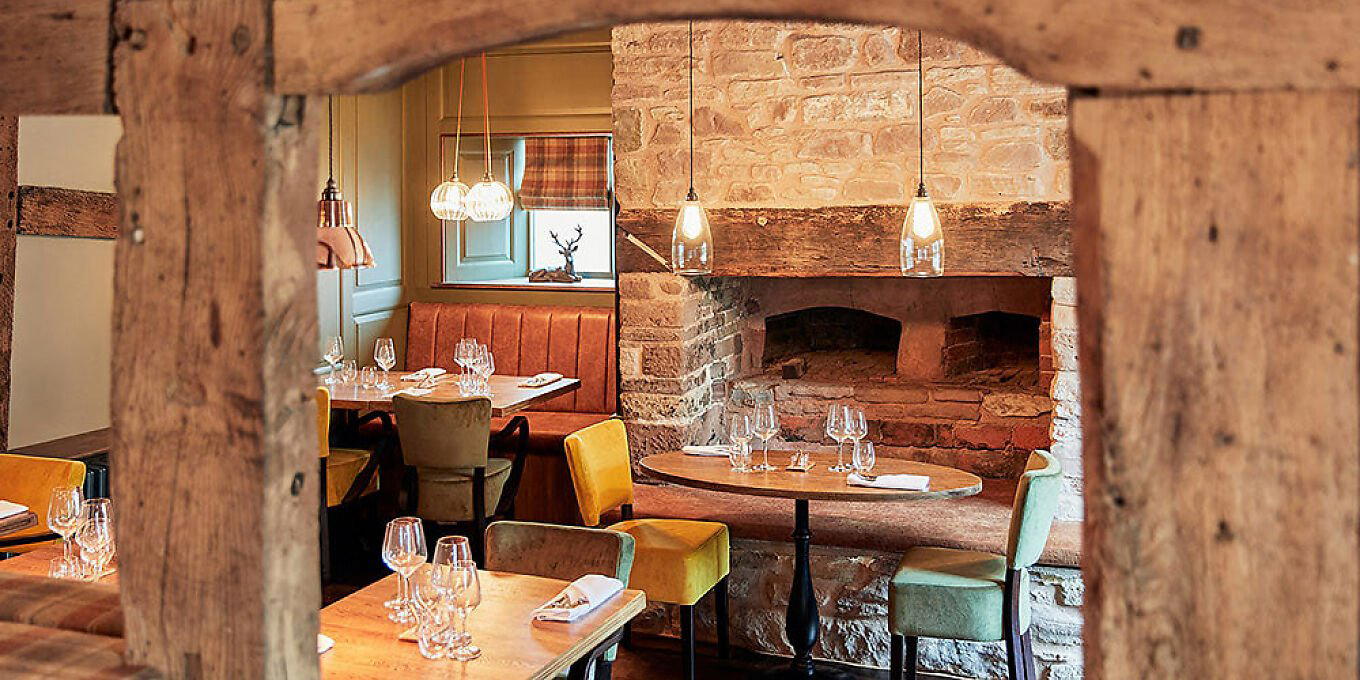
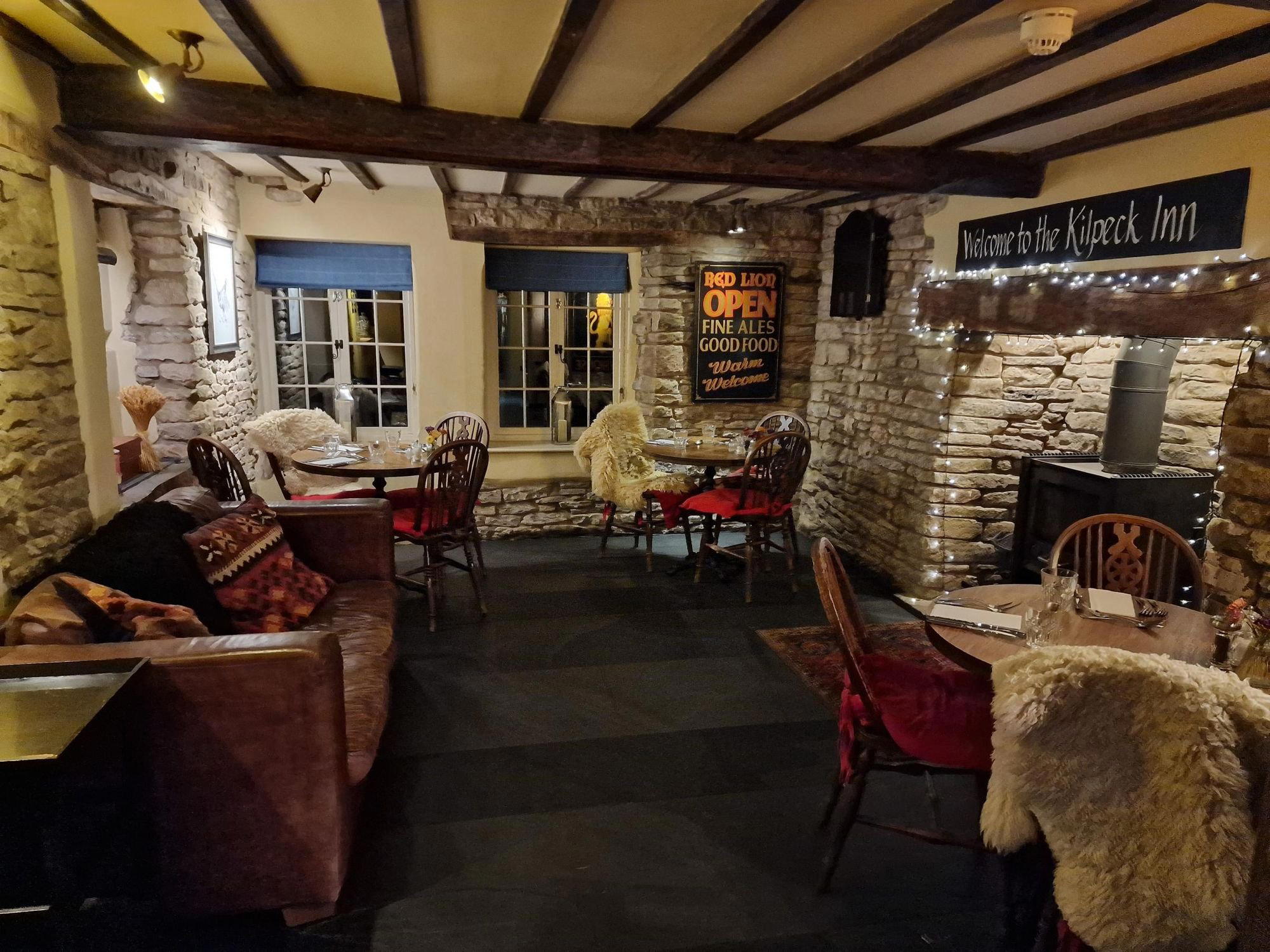
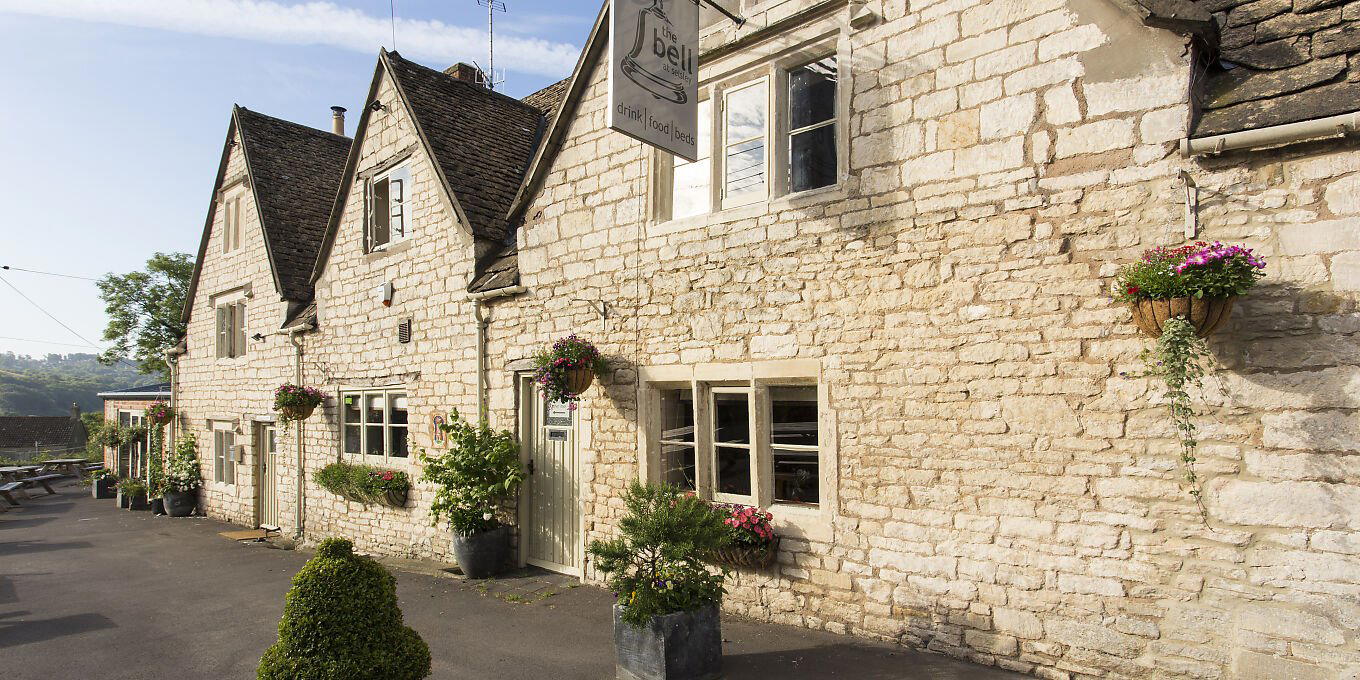
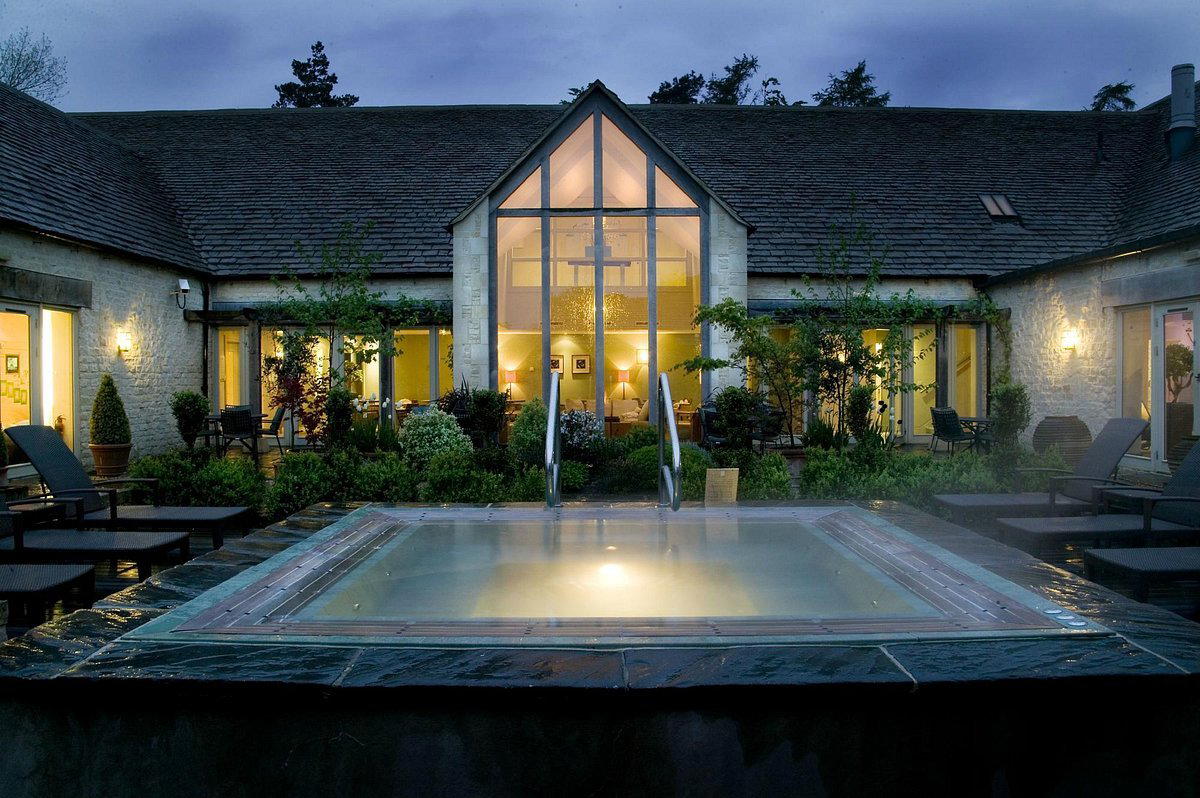
The approach to The Whitebrook tells you something before the food does. A winding country lane drops through wooded hillside above the Wye Valley, and the building that emerges, a converted former pub with pale walls, polished wood floors, and original art, looks as if it has grown from the valley floor rather than been placed on it. Crisp napery, well-spaced tables, and knowledgeable service follow once you are inside, creating the particular tension that defines this category of British restaurant: a setting that resists formality, hosting food that demands it.
The Whitebrook holds a Michelin star. For a nine-course dinner priced at £130 per person, those credentials place it firmly in the tier of destination-driven, countryside fine dining that has become one of Britain's more persuasive exports, and one of the more interesting arguments in its favour relative to equivalent urban spend.
The Gastropub Arc and Where This Sits on It
Transformation of the British pub into a vessel for serious cooking is one of the defining stories in domestic hospitality over the past three decades. It began modestly, better sourcing, a real chef in the kitchen, and has, in some cases, produced restaurants that compete with anything in the country. Hand and Flowers in Marlow holds two Michelin stars in a pub building. Black Swan in Oldstead turned a North Yorkshire village local into a nationally discussed restaurant. The Whitebrook belongs to this lineage, with a strong focus on foraging and kitchen-garden produce.
What distinguishes this strand of gastropub evolution from the broader category is commitment to place as ingredient. The kitchen draws from the Wye Valley and a dedicated kitchen garden, and the menu operates on botanical logic, wild plants, foraged herbs, cultivated flowers, rather than the protein-forward structure that still anchors most tasting menus in the country. That is not a universal sell, and the critical record is honest about it: some diners have found the emphasis on foraged leaves and root vegetables uneven at these price points, particularly when garden produce underdelivers. Others describe the food as sensationally good, packed with intriguing flavours and unlike anything they have eaten elsewhere. The divergence is telling. This is a kitchen with a particular point of view, and point-of-view kitchens produce exactly this kind of split response.
The Menu Logic
The vegetable-as-protagonist approach at The Whitebrook is worth taking seriously rather than treating as a marketing posture. A carrot tart built from intense, juicy grated carrot with buttermilk sauce and alexanders seeds in a wafer-thin crunchy case is an argument in itself. Mugwort-smoked beets served alongside house-made black pudding, sticky Madeira sauce, and wild petals make the case that earthiness and elegance are not in opposition. These dishes do not treat vegetables as accompaniment; they use them as the structural centrepiece.
The same botanical instinct runs through the fish and meat courses. White crabmeat is paired with fennel fronds and pineapple weed sauce. Cornish day-boat turbot arrives with smoked roe, Jersey Royals, arrowgrass, sea spinach, and blightweed. A suckling pig main, one of the kitchen's recurring signatures, combines pine-nut purée, tiny garden leeks, girolles, broad beans, and nasturtium leaves. The sourcing signal is consistent throughout: Wye Valley, the kitchen garden, day-boat landings, named British breeds and provings.
Desserts follow the same logic outward into sweetness. Honey and elderflower cream with dandelion honey and sweet cicely; Herefordshire black cherries with meadowsweet, cherry-stone ice cream, milk crisps, and crumbled hazelnut cake. The menu reads, and by most accounts eats, as a coherent sequence with a strong seasonal and geographical identity, though the kitchen's willingness to prioritise botanical interest over guaranteed palatability means that individual courses occasionally disappoint in execution. The creative vegetarian menu follows the same structural principles, making The Whitebrook one of the more considered options in rural Britain for non-meat eaters at this price point.
The Wine List
A sommelier-backed list covering most regions and price points would be unremarkable at this level of dining in London. Here, in a wooded Welsh valley, it is more notable. The list includes a substantive selection of UK vineyard bottles at what are described as reasonably priced entry points, a sensible house decision given the restaurant's regional identity and the rapid improvement in English and Welsh wine quality over the past decade. For the right diner, this is an argument to drink British alongside food that is entirely British in its ingredients, sourcing, and sensibility.
Where It Sits Against the Field
The comparable set for The Whitebrook is not urban. The relevant comparison points are the country-house and converted-building restaurants that have built national reputations from provincial addresses. L'Enclume in Cartmel operates on a similar kitchen-garden logic in Cumbria and holds two Michelin stars. Gidleigh Park in Chagford represents the older Devon country-house model. Le Manoir aux Quat'Saisons in Great Milton benchmarks the category at its most established. The Whitebrook is younger and smaller in reputation terms, but its La Liste presence alongside its Michelin recognition signals that it is not operating beneath those conversations, it is simply operating from a less-trafficked address.
Within Wales and the Welsh borders specifically, the restaurant occupies a nearly singular position. CHAPTERS in Hay-on-Wye is a creative-British address in the same general region, but The Whitebrook's award profile places it in a different tier. For diners coming from London or the Midlands, the journey, approximately two hours by road from London, is part of the proposition: isolation as feature rather than inconvenience.
Planning a Visit
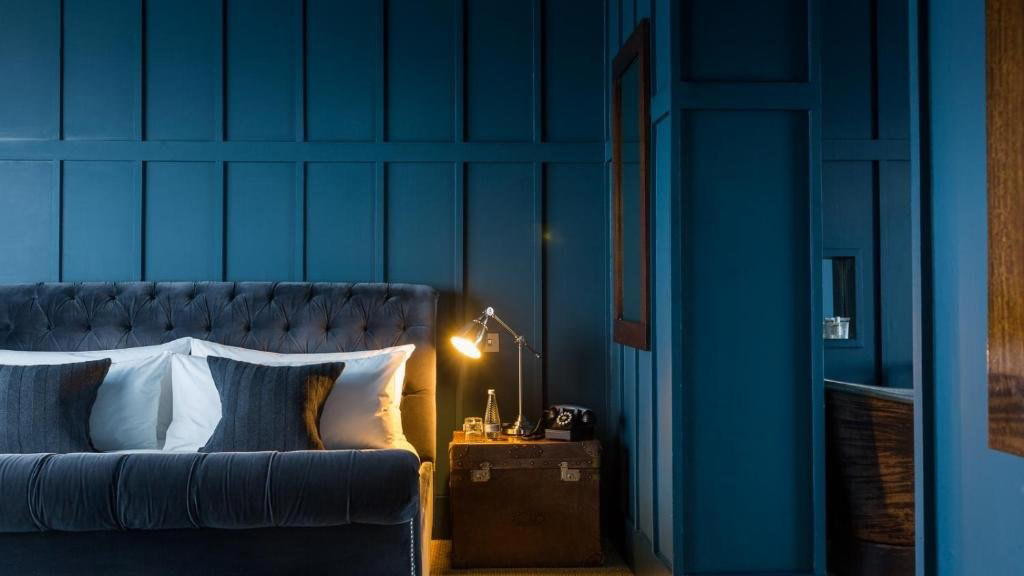
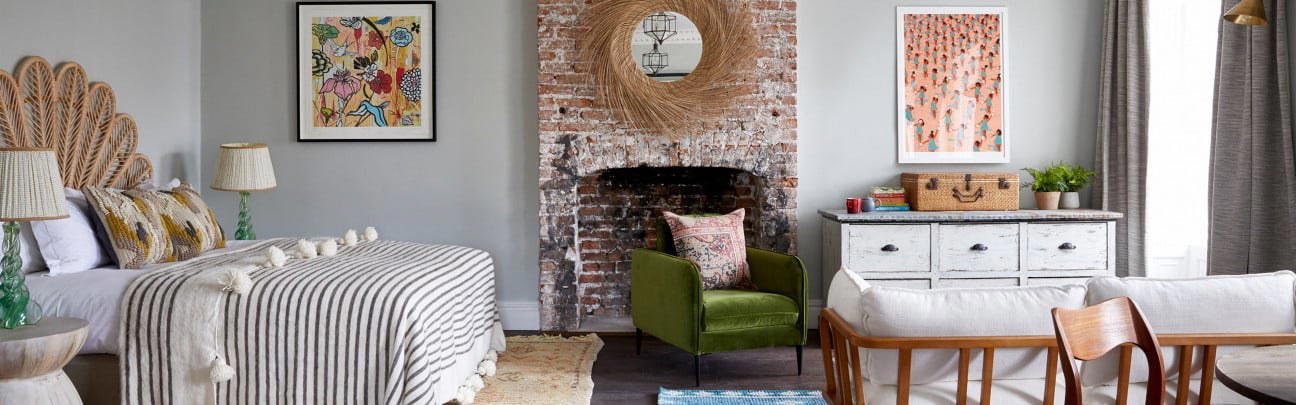
The nine-course dinner menu runs at £130 per person. Lunch offers cheaper entry points, which makes The Whitebrook accessible to diners who want the kitchen's full repertoire at a lower commitment. The address is Monmouth NP25 4TX, specific navigation is worth planning ahead of arrival, as the rural lane approach is not always well-served by standard mapping. Staying in one of the bedrooms removes the return-drive calculation and is, practically speaking, the format that makes most sense given the wine list's ambitions and the distance from any urban centre. The dress code is smart casual.
Comparison Snapshot
Comparable venues nearby, for context on price, style, and recognition.
| Venue | Cuisine | Price | Awards | Notes |
|---|---|---|---|---|
| The WhitebrookThis venue — the venue you are viewing | Modern British Foraged Fine Dining | $$$$ | Michelin 1 Star | |
| Simpsons | Modern British Fine Dining | $$$$ | Michelin 1 Star | Edgbaston |
| Grace & Savour | Modern British Tasting Menu | $$$$ | Michelin 1 Star | Hampton-in-Arden |
| Restaurant Hywel Jones by Lucknam Park | Modern British Fine Dining | $$$$ | Michelin 1 Star | Colerne |
| mana | Modern British Fine Dining | $$$$ | Michelin 1 Star | Ancoats & Beswick |
| Thornbury Castle | Modern British Fine Dining | $$$$ | Michelin 1 Key | Thornbury |
Continue exploring
More in Whitebrook
Restaurants in Whitebrook
Browse all →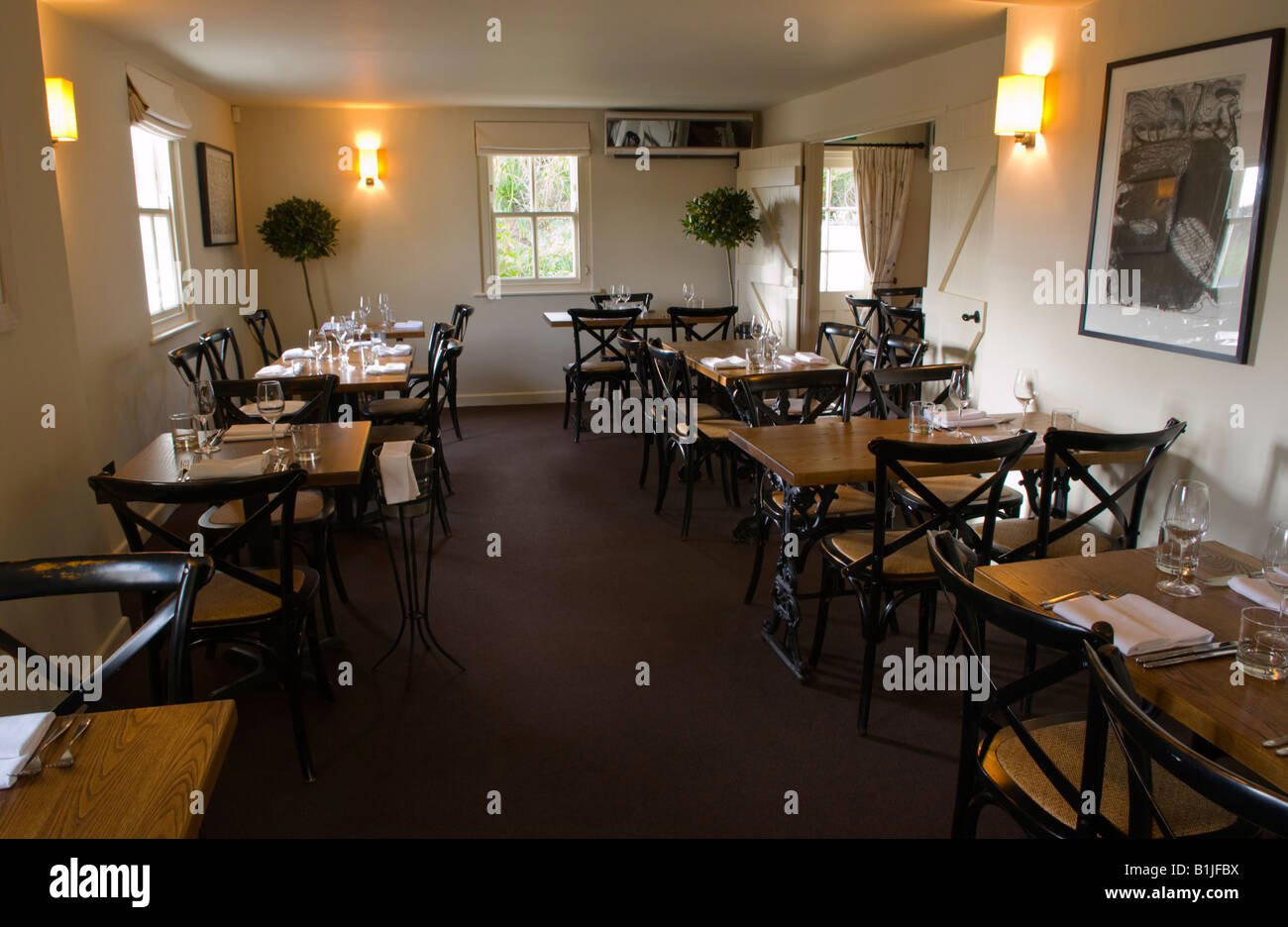
Bars in Whitebrook
Browse all →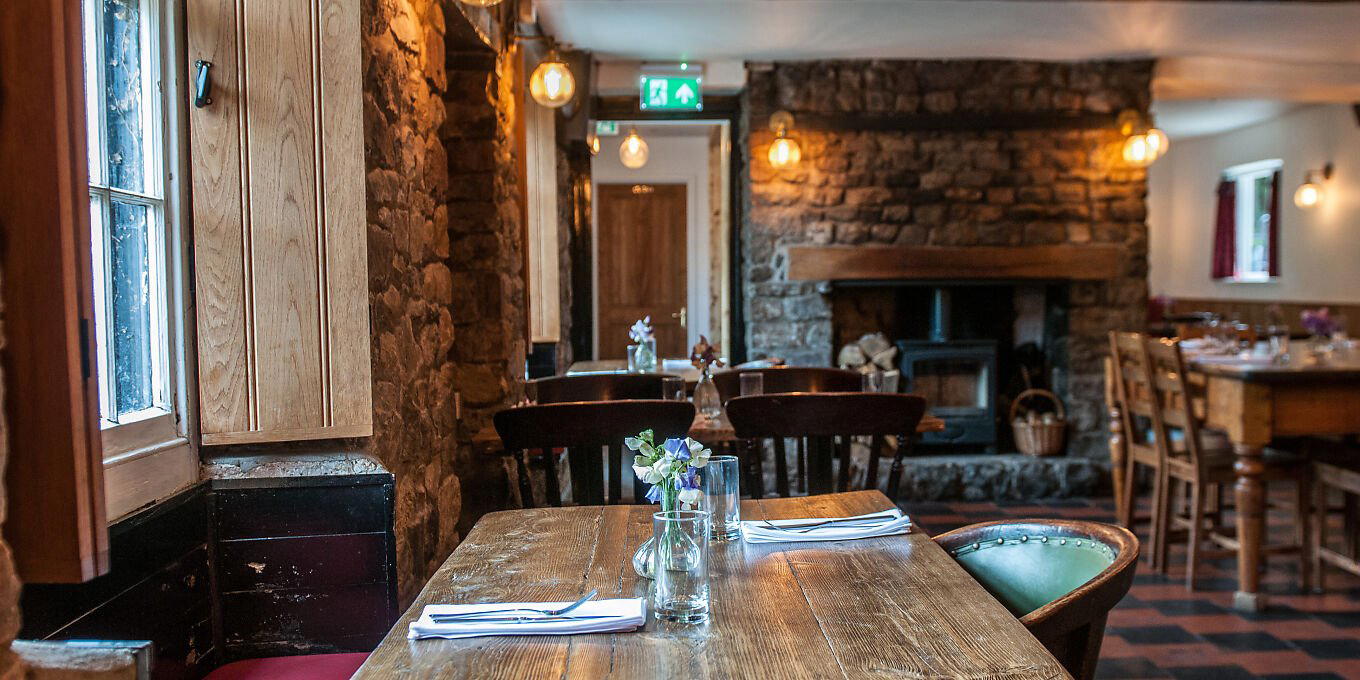
At a Glance
- Romantic
- Quiet
- Cozy
- Elegant
- Rustic
- Intimate
- Sophisticated
- Date Night
- Special Occasion
- Historic Building
- Standalone
- Extensive Wine List
- Sommelier Led
- Farm To Table
- Local Sourcing
- Sustainable Seafood
- Garden
Calm and relaxing with well-spaced tables in an attractively decorated interior, creating a cosy, unpretentious atmosphere amid fairy woods by a sparkling stream.