Walnut Tree



1 Michelin Star · AA Rosettes 3 Rosettes · The Good Food Guide GFG Very Good
Our verdict
A Michelin-starred village inn two miles east of Abergavenny, Walnut Tree has anchored serious dining in the Welsh Borders since the 1960s. Shaun Hill's seasonal cooking draws on classical technique without theatrical flourish — fish dishes are a consistent strength, and the wine list covers small growers with unusual depth for a rural setting. Open Wednesday through Saturday for lunch and dinner, closed Sunday through Tuesday.

Pearl is the En Primeur Club membership app — saves, bookings, and concierge access live there. Same editors, same standards.
- Address
- Llanddewi Skirrid, Abergavenny NP7 8AW, United Kingdom
- Phone
- +44 1873 852797
- Hours
- Mon–Tue ClosedWed–Sat 12–2:30 PM, 6–9:30 PMSun Closed
- Website
- thewalnuttreeinn.com
- Directions
- Get directions
A Village Inn That Rewrote What Pub Dining Could Mean
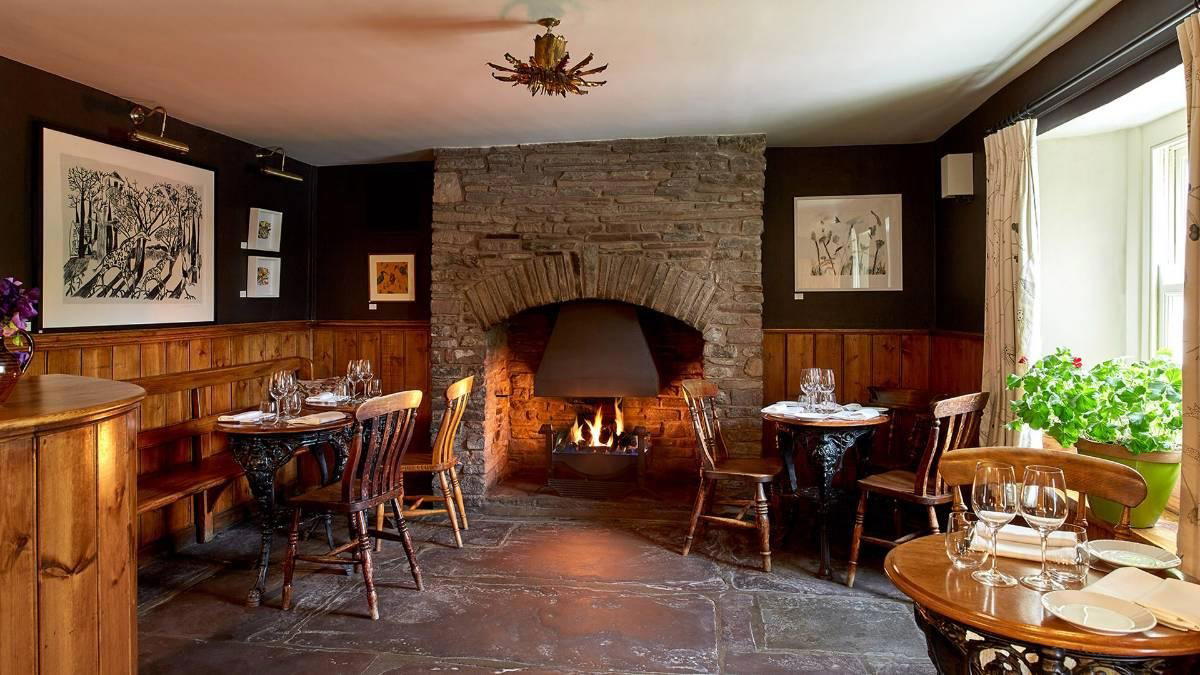
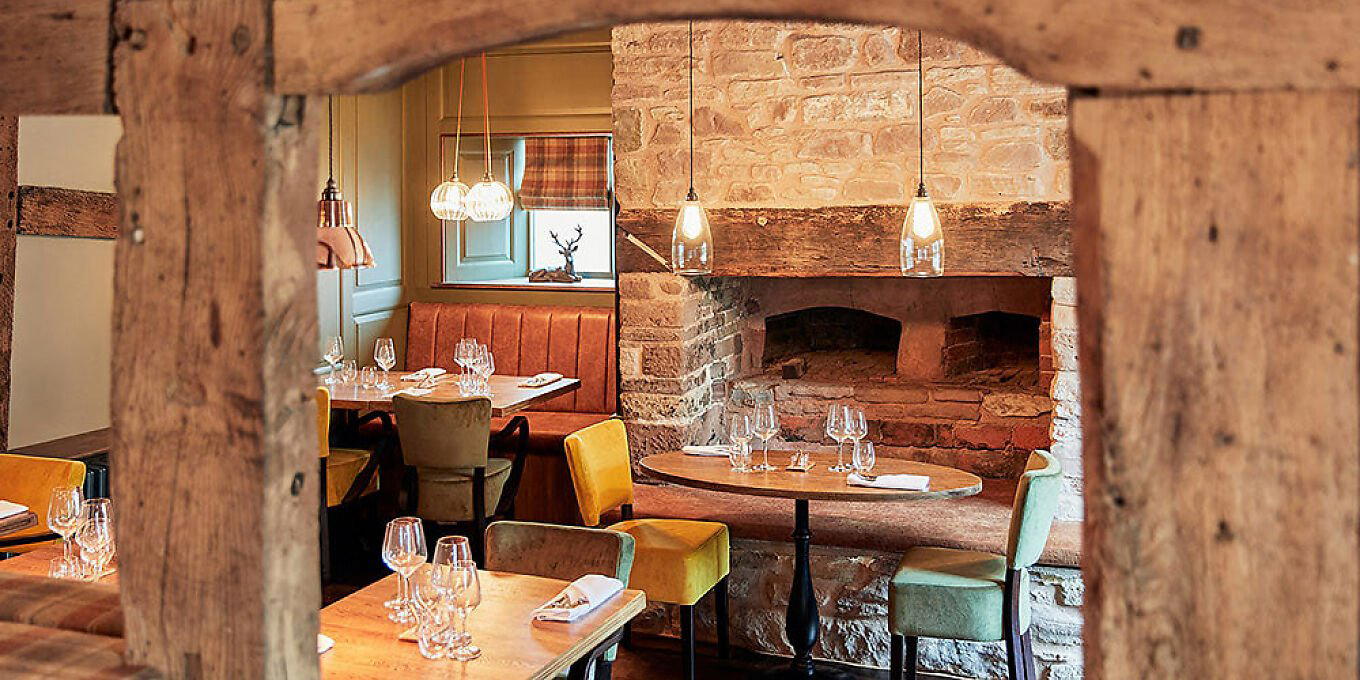
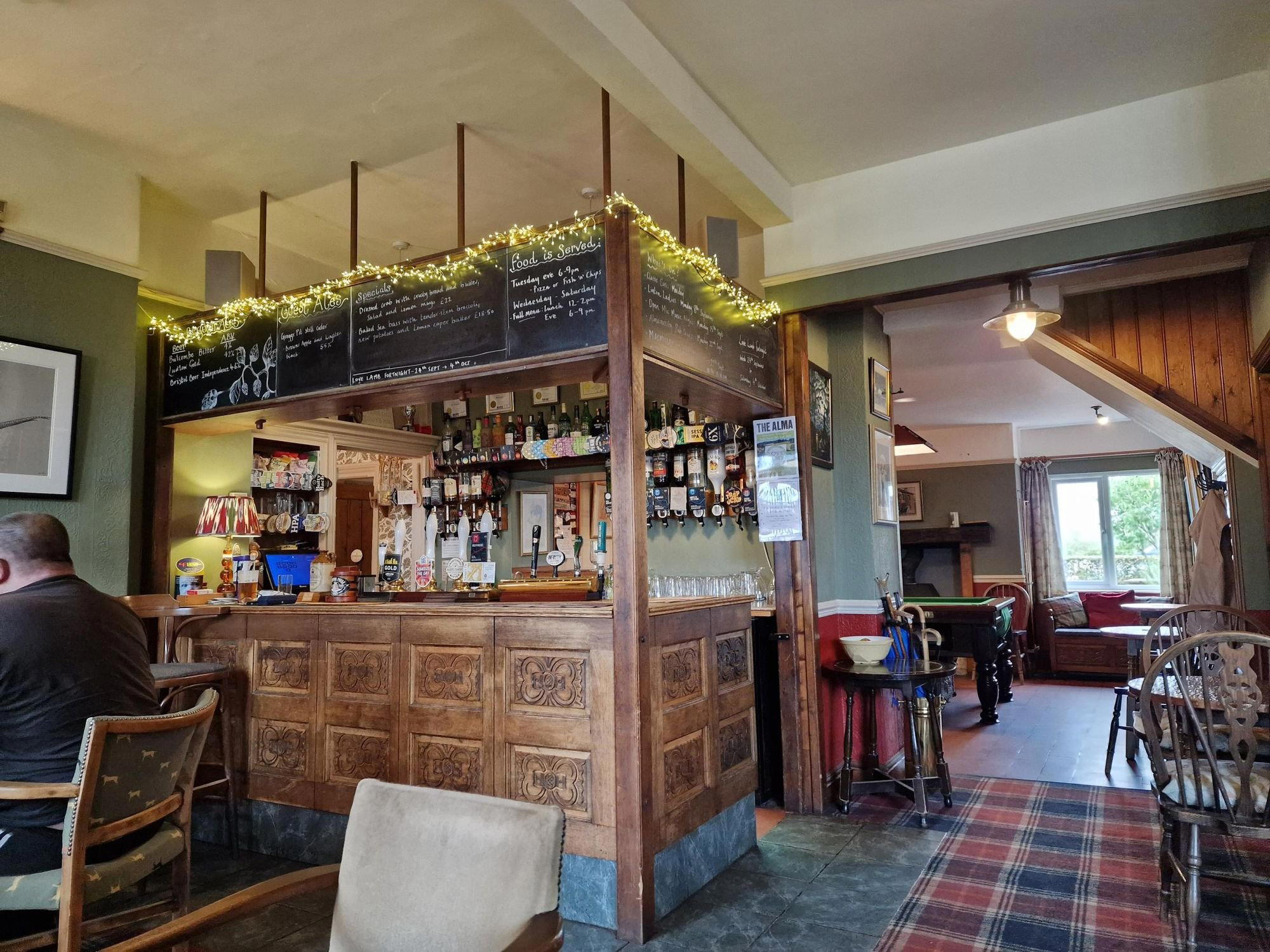
The road east of Abergavenny into the Black Mountains foothills carries you through a particular kind of Welsh countryside: farmland, hedgerows, stone walls. The Walnut Tree sits in the village of Llanddewi Skirrid, a low-slung two-storey building that reads, from the outside, exactly like the rural inn it has always been. There is no signage competition with the scenery, no valet parking theatre. The open-fired bar greets you first, then a dining room hung with colourful artwork — a space that manages to feel both settled and alive. What happens at the table is where the argument for this place is made.
Britain's gastropub revolution ran, broadly, on two tracks. One refined the pub format through design investment, metropolitan menus, and PR ambition — the kind of operation that read well in a Sunday supplement. The other track was quieter and, ultimately, more durable: chefs with serious classical backgrounds choosing rural or market-town settings, stripping away ceremony, and cooking food they wanted to eat. The Walnut Tree belongs emphatically to that second lineage. It has held a Michelin star since the guide began recognising it, with a 2024 listing confirming a standing that stretches back across decades, and it has done so without ever needing to perform. For broader context on where Walnut Tree sits among the UK's destination dining addresses, see [our full Llanddewi Skirrid restaurants guide]().
The Long Arc of a Cooking Tradition
The Walnut Tree's culinary heritage predates the gastropub conversation entirely. The inn became a destination in the 1960s under Franco Taruschio, whose Italian-influenced cooking drew diners from well beyond the Welsh Borders at a time when that kind of rural ambition was genuinely unusual in Britain. That foundation matters because it established the venue's identity as a place where serious cooking and an unpretentious physical environment coexist, a combination that still feels slightly radical, even now.
Shaun Hill arrived in 2008, bringing roughly five decades of accumulated kitchen experience. In the broader Modern British canon, Hill occupies a specific position: a chef whose influence runs through the kitchens of others rather than through media visibility. His approach resists the tendency, common across much of British fine dining, to treat technique as spectacle. Dishes at the Walnut Tree are built around what the ingredients can do rather than what the kitchen wants to demonstrate. That philosophy places the Walnut Tree in a different conversation from the high-concept end of British Michelin dining, operations like CORE by Clare Smyth in London or The Ritz Restaurant, and closer to the rural precision of L'Enclume in Cartmel or Moor Hall in Aughton, though the register here is quieter still.
What the Menu Reveals About the Cooking
Hill's menu rotates with genuine seasonal discipline rather than as a marketing gesture. The classical grounding is readable in dishes like venison faggot with Roscoff onion purée or brodetto, a preparation rooted in the Adriatic fish casserole tradition, where depth of flavour comes from technique applied to good ingredients rather than from add-ons. The contemporary strand sits alongside without creating tension: beetroot-cured salmon with pickled cucumber and horseradish cream, for instance, or a plant-based cauliflower preparation with pine nuts, golden raisins, and romesco. Neither mode dominates, which is itself an editorial statement about how a kitchen with real confidence operates.
Fish cooking is a consistent strength. The brown shrimp preparation in particular sits within a British coastal tradition that has been both neglected and intermittently revived; here it reads as a considered choice rather than nostalgia. The veal sweetbread and lamb's kidneys with mash in grain mustard sauce is the kind of dish that announces its own priorities: offal-forward, sauce-led, comfortable with being read as classical without apology.
Desserts are treated with the same balance. Chocolate Paris-Brest with praline ice cream and orange and almond cake with mascarpone and bergamot ice cream both point to a kitchen that views the dessert course as a full contribution to the meal rather than an afterthought. The muscat crème caramel has earned specific mention across multiple critical assessments as a reliable finish.
The wine list merits attention in its own right. For a rural inn at this price tier, the coverage of small growers across multiple regions, combined with a meaningful half-bottle selection, is unusual. Half-bottle availability at this level of curation is a practical signal that the kitchen and front-of-house are aligned on the idea that pairing should be accessible rather than performative.
Where the Walnut Tree Sits in the Wider Conversation
One-star Michelin addresses in rural Britain occupy a specific competitive tier. At one end are destination inns where the star is the primary draw and the format has been reshaped around it, Hand and Flowers in Marlow is the clearest example, with its two-star pub format generating national attention. At the other end are venues where the recognition confirms rather than defines the identity. The Walnut Tree operates clearly in that second register.
For comparison across the Modern British tier, Midsummer House in Cambridge, Opheem in Birmingham, and hide and fox in Saltwood each solve those problems differently and against different regional contexts. The Walnut Tree's position is distinct partly because the Welsh Borders dining scene does not yet generate the critical density of the Cotswolds or the Lake District, which means the restaurant operates with less peer noise and greater visibility as a standalone destination.
Further afield in the Michelin-starred country house and rural dining conversation, venues like Gidleigh Park in Chagford, Restaurant Andrew Fairlie in Auchterarder, and [Le Manoir aux Quat'Saisons in Great Milton]() operate at higher price points within hotel or estate frameworks. The Walnut Tree's inn format and £££ pricing place it in a genuinely accessible tier by comparison, a meaningful distinction for readers planning a destination meal rather than a destination stay. If you are pairing the meal with a stay in the area, [our full Llanddewi Skirrid hotels guide]() covers accommodation options nearby, and [our full Llanddewi Skirrid bars guide]() and experiences guide can help build the rest of the trip. The [wineries guide for the area]() is also worth a look given the Welsh wine scene's recent development.
Planning Your Visit
The Walnut Tree operates Wednesday through Saturday, with lunch from noon to 2:30 PM and dinner from 6 PM to 9:30 PM. Sunday, Monday, and Tuesday are closed. The limited weekly schedule is a direct function of the kitchen's seasonal and quality-led approach, and it means tables book with some lead time, particularly for Friday and Saturday evenings. At the £££ price tier, the Walnut Tree sits below the cost threshold of multi-star destination dining while offering Michelin-confirmed quality, which makes it a genuinely practical choice for a special occasion meal in the Welsh Borders without the full commitment of a luxury hotel package.
Abergavenny, two miles west, functions as the logical base for a visit, it has train connections and reasonable accommodation at various price points, and the drive or taxi to Llanddewi Skirrid is short. For a full picture of what else the area offers, The Ledbury in London, The Fat Duck in Bray, and Moor Hall in Aughton are all strong points of comparison for readers calibrating where a Walnut Tree visit fits in their broader dining programme.
Frequently asked questions
Can I bring kids to Walnut Tree?
The venue data does not specify a children's policy. What the setting does indicate is a quiet, art-filled dining room in a village inn where the focus sits firmly on the food. Given the unhurried atmosphere and Michelin 1-star format, this is better suited to older children who are comfortable at a table for two hours than to young ones.
What's the vibe at Walnut Tree?
Think a working inn that happens to hold a Michelin star rather than a destination restaurant that happens to have a bar. There is an open fire, colourful art on the walls, and a dining room where the cooking does the talking. The mood is calm and unhurried, rooted in the village setting a couple of miles east of Abergavenny.
What kind of recognition has Walnut Tree received?
Walnut Tree has received recognition including: It's hard not to love Walnut Tree; it's got a cosy, open-fired bar, a dining room adorned with colourful art, and owners who run it with heart and soul. Shaun Hill, the quintessential chef’s chef, has been here for over 20 years and has a g….
What should I order at Walnut Tree?
Fish is a documented strength of Shaun Hill's kitchen, whether that is red mullet with dashi or cod with brown shrimps. On the dessert side, the muscat crème caramel is singled out in Michelin's own notes on the restaurant. The wine list covers an extensive range of small growers and includes a good selection of half-bottles, which makes it worth exploring alongside the tasting menu.
| Venue | Cuisine | Price | Awards |
|---|---|---|---|
| Walnut TreeThis venue — the venue you are viewing | Modern British Fine Dining | $50–100 | 1 Michelin Star · AA Rosettes 3 Rosettes |
| The Ledbury | Modern European, Modern Cuisine | Not listed | Michelin 3 Star |
| Sketch, The Lecture Room and Library | Modern French | Not listed | Michelin 3 Star |
| CORE by Clare Smyth | Modern British | Not listed | Michelin 3 Star |
| Restaurant Gordon Ramsay | Contemporary European, French | Not listed | Michelin 3 Star |
| Dinner by Heston Blumenthal | Modern British, Traditional British | Not listed | Michelin 2 Star |
Recognition history
Dated appearances from independent guides and award organizations, with the underlying list record or original source where available.
Michelin 1 Star
Michelin
AA Rosettes 3 Rosettes
AA Rosettes
The Good Food Guide GFG Very Good
The Good Food Guide
Full recognition history (5 entries)
Michelin 1 Star
Michelin
Michelin 1 Star
Michelin
Continue exploring
More in Llanddewi Skirrid
Restaurants in Llanddewi Skirrid
Browse all →

Bars in Llanddewi Skirrid
Browse all →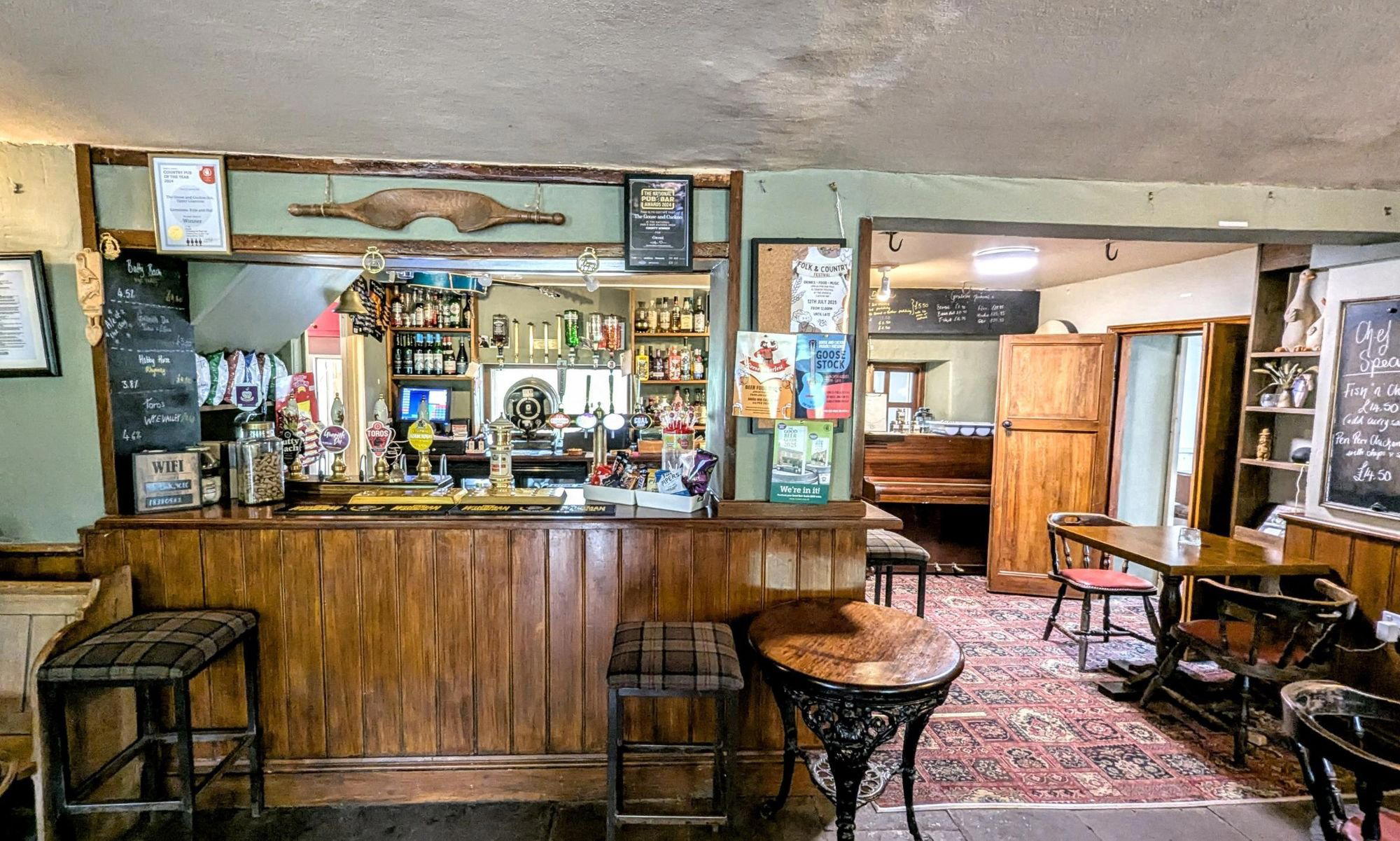

Walnut Tree
The wine
- Wine program
- Exceptional wine program
- Extensive wine list
- Sommelier-led
Details
- Rustic
- Cozy
- Classic
- Intimate
- Elegant
- Special Occasion
- Date Night
- Historic Building
- Garden
- Open Kitchen
- Extensive Wine List
- Sommelier Led
- Local Sourcing
- Garden
- Mountain
- A La Carte
- Vegetarian Friendly
Current opening hours
- Monday
- Closed
- Tuesday
- Closed
- Wednesday
- 12–2:30 PM, 6–9:30 PM
- Thursday
- 12–2:30 PM, 6–9:30 PM
- Friday
- 12–2:30 PM, 6–9:30 PM
- Saturday
- 12–2:30 PM, 6–9:30 PM
- Sunday
- Closed
Hours can change for holidays and private events. Last verified .
Relaxed and serene with colorful artworks, well-spaced tables, open fire in the bar, and views of countryside and kitchen garden.